
As the gardening season approaches, there’s no better time to get inspired by the beauty and bounty of vegetable gardens. These vibrant spaces not only provide fresh produce but also serve as a sanctuary for relaxation and connection with nature. This year, why not transform your outdoor living area into a lush, edible paradise that elevates your culinary experiences and enhances your home’s aesthetic appeal?
Whether you have a sprawling backyard or a cozy balcony, there are countless ways to design a vegetable garden that reflects your personal style and meets your gardening needs. From contemporary raised beds to charming cottage-style plots, the possibilities are endless. In this listicle, we’ll explore over ten inspiring vegetable garden ideas that will motivate you to dig in and start planting this year. Get ready to cultivate a garden that not only feeds your family but also nourishes your soul.
1. Create a Stunning Raised Bed Vegetable Garden
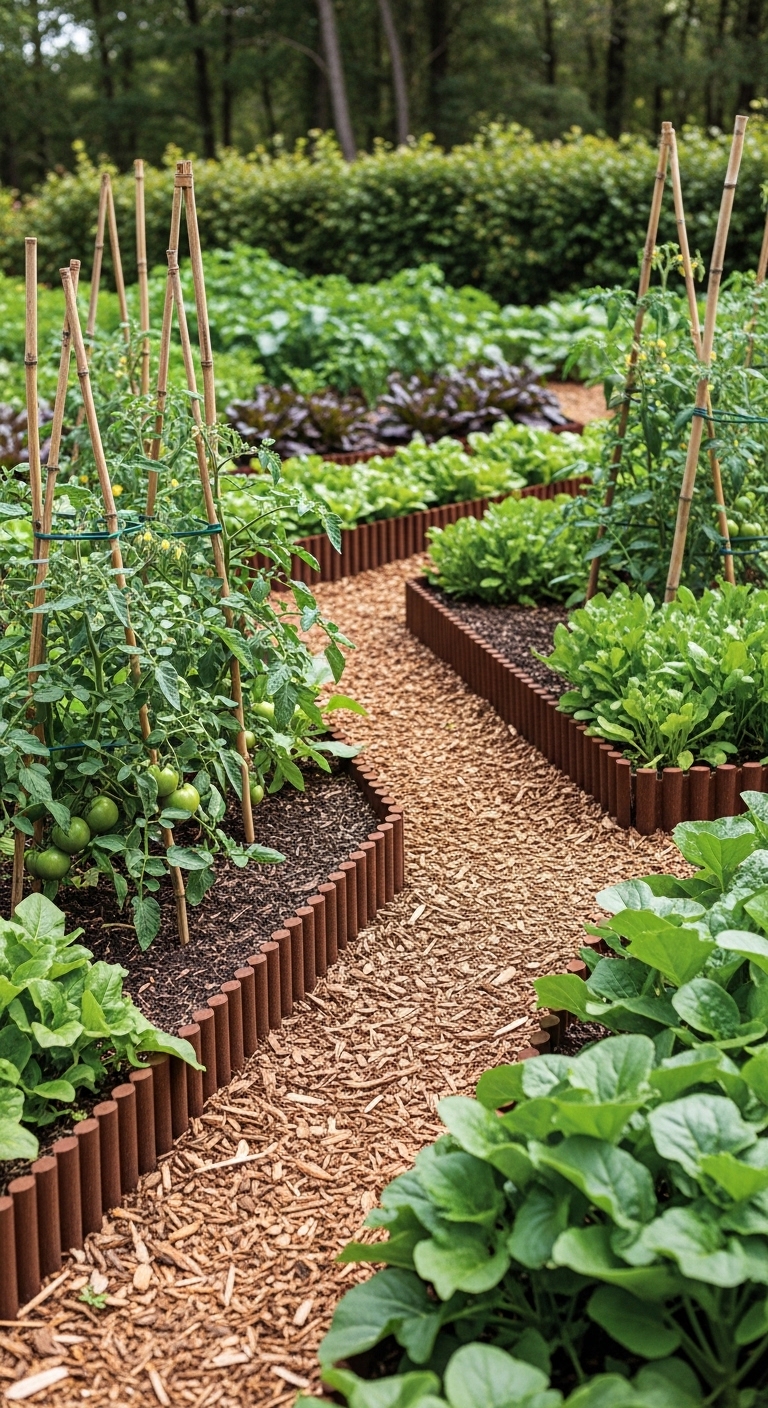
Raised beds are an excellent way to maximize your gardening space while allowing for better soil control and drainage. By elevating your vegetable garden, you can cultivate crops like tomatoes, peppers, and herbs without the hassle of bending down too low. These beds can be constructed from various materials, including wood, stone, or even metal, to suit your design aesthetic.
For optimal results, position your raised beds in an area that receives at least six to eight hours of sunlight daily. Fill them with rich, organic soil and consider companion planting to enhance growth and deter pests. Incorporate a drip irrigation system for efficient watering, ensuring your plants thrive even during hot summer months.
Another advantage of raised beds is the ability to extend your growing season. With the right cover, you can protect your crops from frost, allowing for an earlier start in spring and a later harvest in fall. This design not only provides practicality but also adds a structured visual appeal to your outdoor space.
2. Embrace Vertical Gardening for Limited Spaces
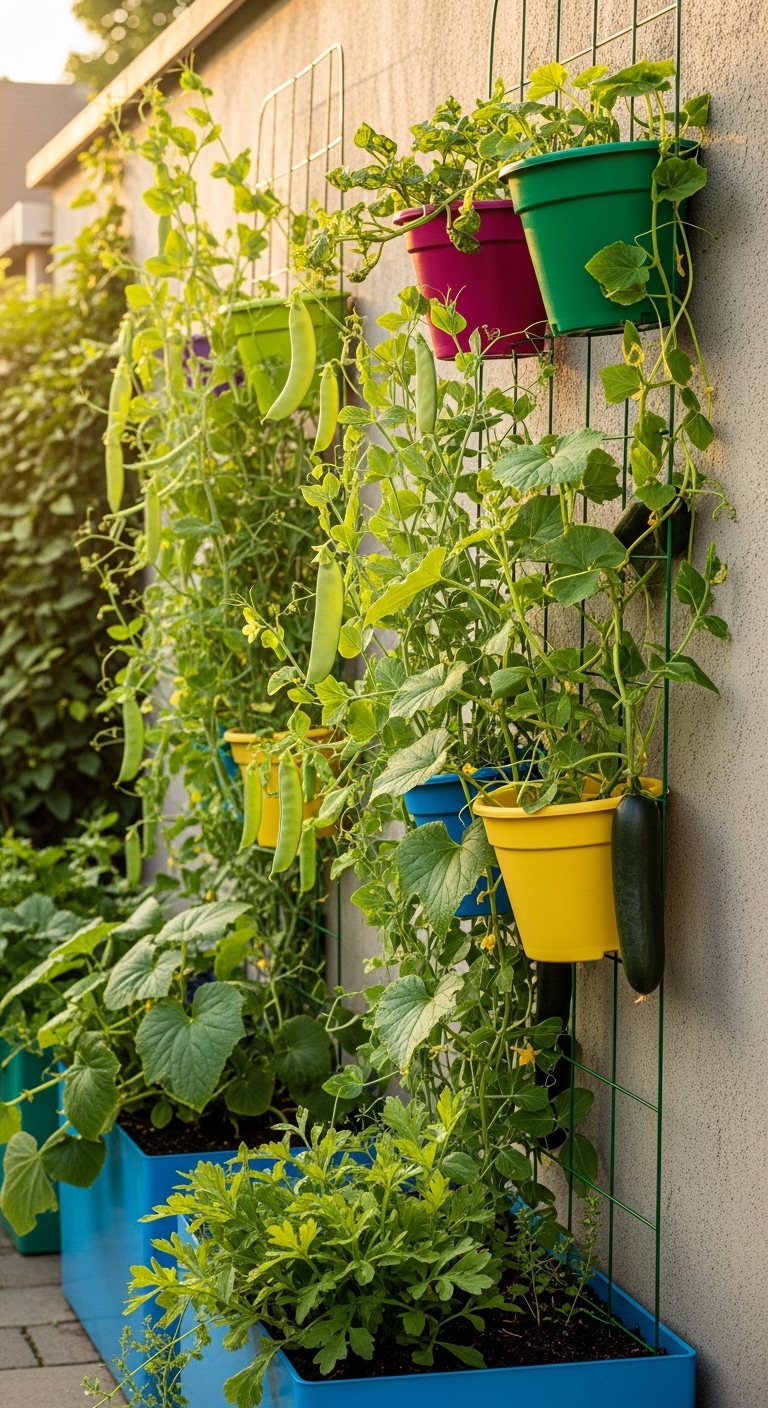
If you’re short on ground space, vertical gardening offers the perfect solution to grow a variety of vegetables while adding an eye-catching element to your garden. Utilizing trellises, wall planters, and vertical frames, you can train climbing plants like peas, cucumbers, and tomatoes to grow upwards, saving valuable space and enhancing air circulation.
When planning a vertical garden, consider the structure’s location to ensure it receives ample sunlight and is easily accessible for harvesting. Opt for lightweight containers filled with nutrient-rich potting soil, and ensure your plants have the necessary support as they grow. This approach not only maximizes your yield but also creates a stunning visual display.
Additionally, vertical gardens can serve as a living wall, providing insulation and beautifying your outdoor area. Incorporate flowers or herbs that attract pollinators to create a thriving ecosystem. With creativity and care, your vertical garden can become a vibrant focal point that showcases your gardening prowess.
3. Design a Cozy Container Garden
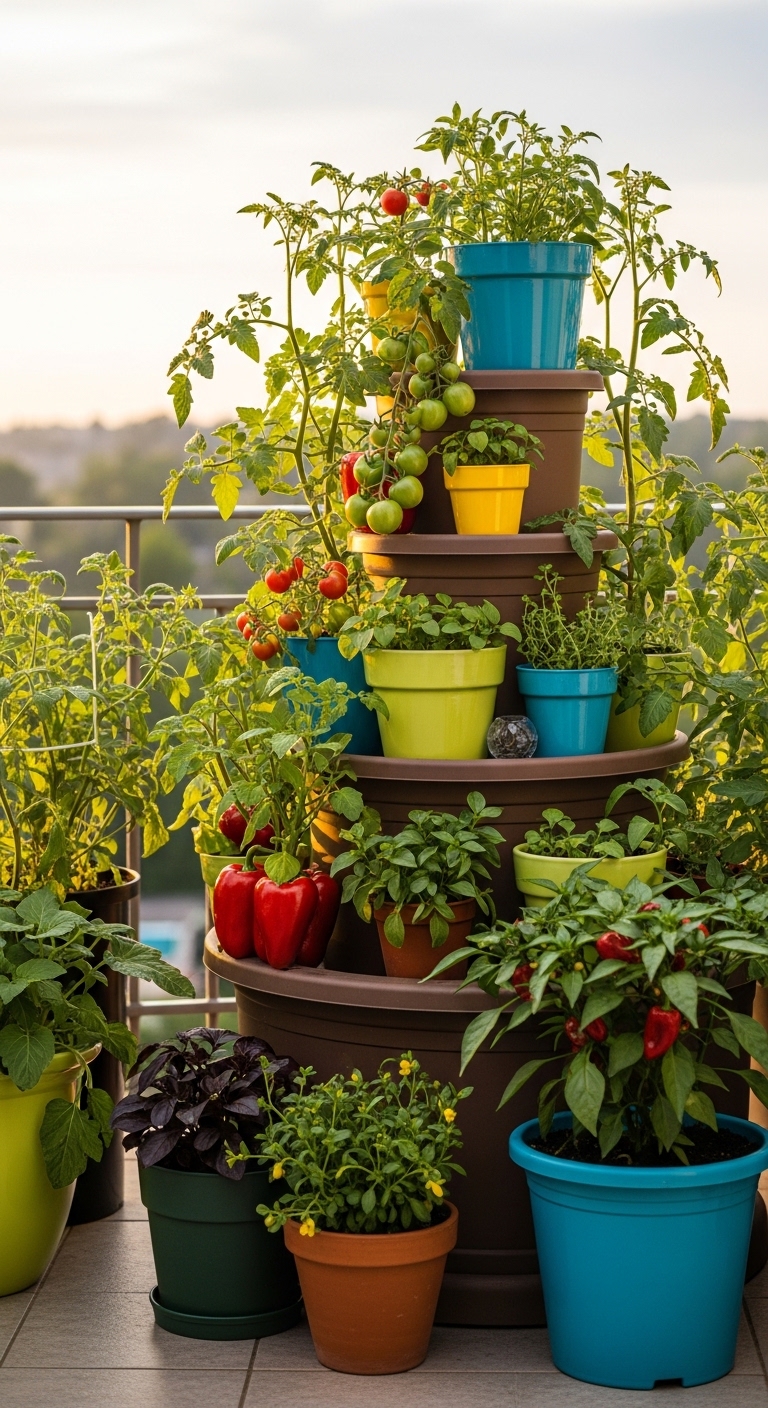
Container gardening is an ideal choice for those with limited space or poor soil conditions. By utilizing pots, barrels, or even repurposed materials, you can create a beautiful and functional vegetable garden on your patio or balcony. This method allows for flexibility in design and easy mobility when rearranging your space.
Choose containers that are the right size for your selected vegetables; larger plants like tomatoes and peppers require deeper pots, while herbs and greens can thrive in smaller ones. Ensure proper drainage by using containers with holes, and fill them with quality potting mix to provide the necessary nutrients.
To add aesthetic appeal, arrange your containers in varying heights and group them by color and texture. Mix flowering plants with your vegetables to attract pollinators and create a more visually engaging garden. Regularly check soil moisture levels, as containers can dry out more quickly than in-ground gardens, ensuring your plants remain healthy and productive throughout the growing season.
4. Incorporate a Herb Spiral
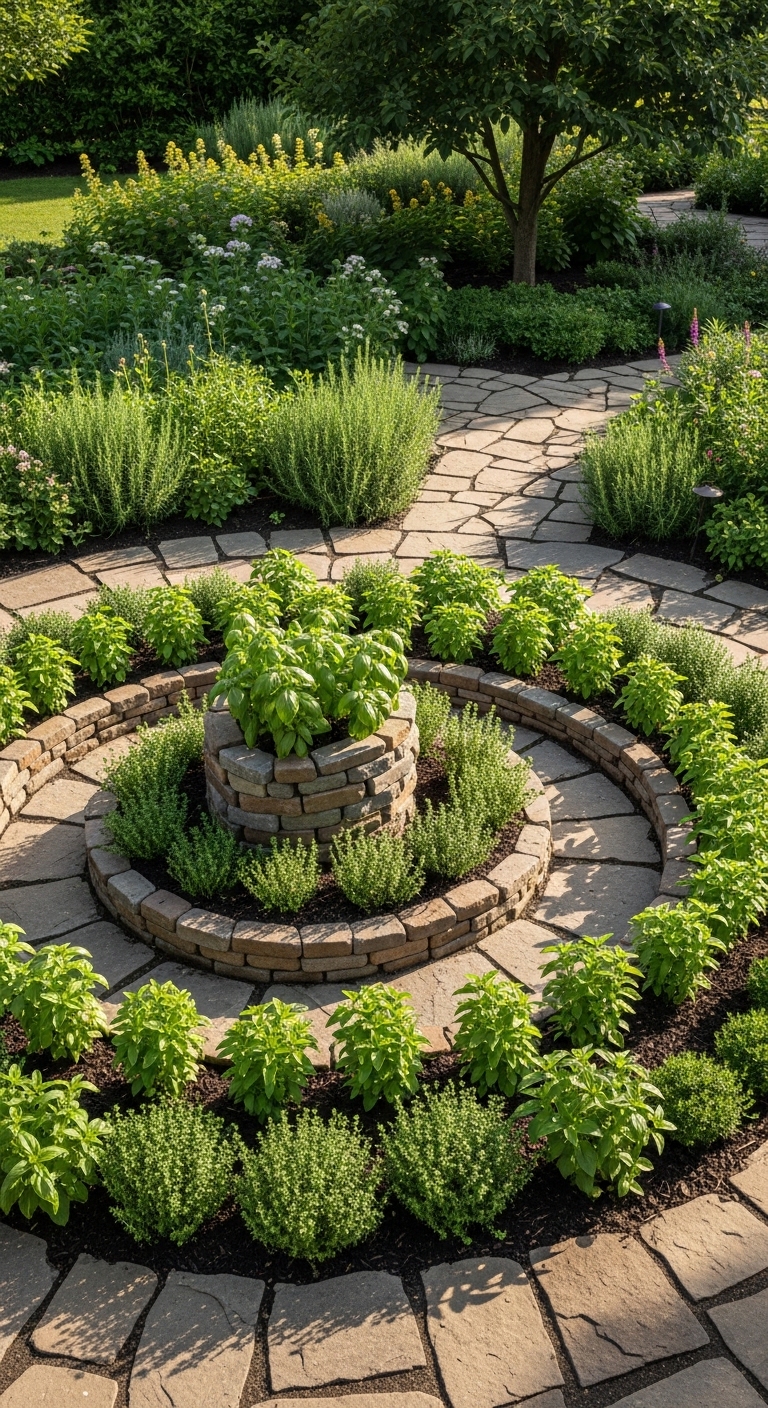
A herb spiral is a creative and space-efficient garden design that allows you to grow various herbs in a vertical spiral formation. This design not only maximizes space but also creates microclimates for different herbs, with the top being drier and sunnier while the base remains moist and shady. Building a herb spiral is a fun weekend project that can greatly enhance your culinary endeavors.
Start by selecting a sunny location and gathering materials such as stones or bricks to create the spiral structure. Fill the center with a nutrient-rich soil mix and plant herbs that thrive in both moist and dry conditions, such as basil at the top and mint at the bottom. This innovative design not only looks beautiful but also attracts beneficial insects.
Regular maintenance is essential for a thriving herb spiral. Watering and pruning your herbs as needed will encourage healthy growth and prevent overcrowding. With the right care, your herb spiral can provide a continuous supply of fresh flavors for your kitchen while serving as a stunning focal point in your garden.
5. Explore the Beauty of a Cottage Vegetable Garden
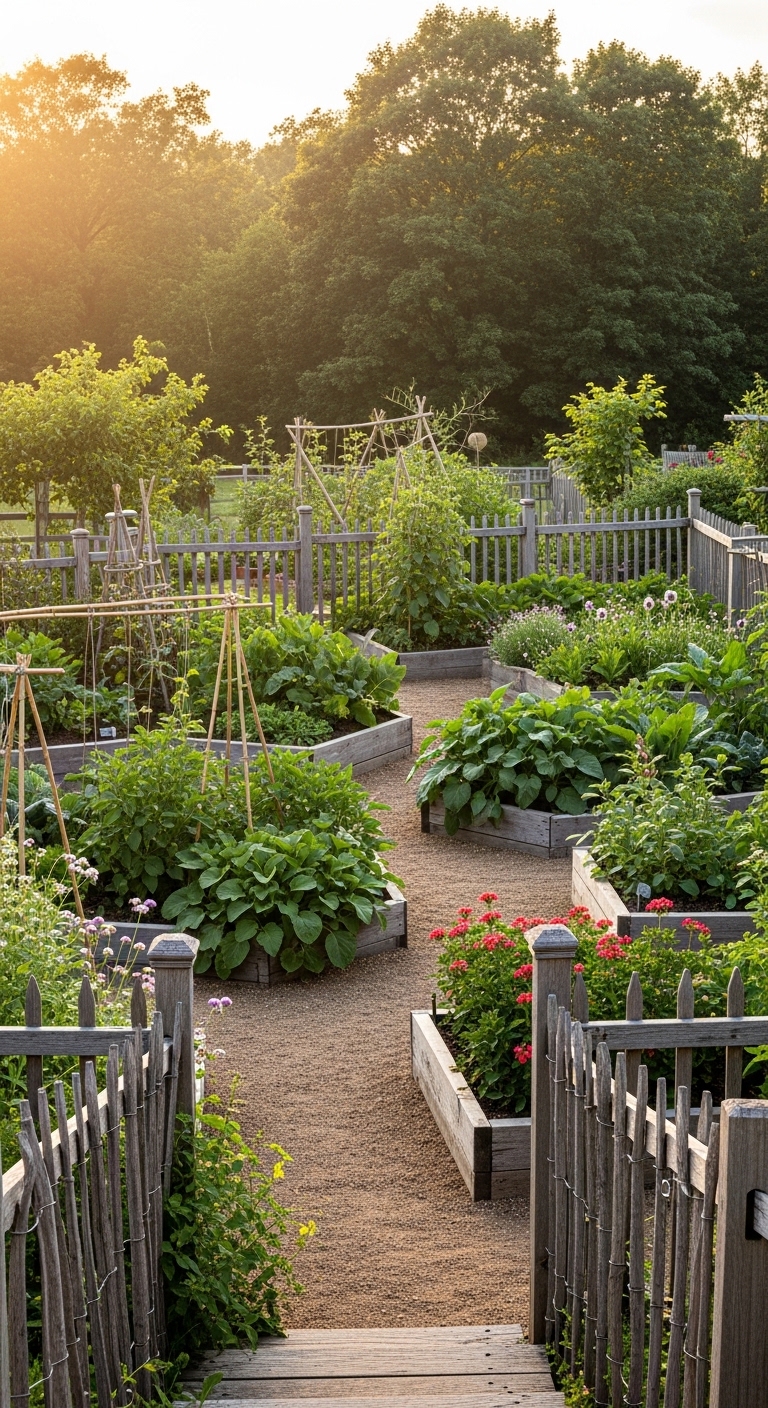
Cottage vegetable gardens are known for their charming and whimsical layout, blending vegetables with flowers and ornamental plants. This style emphasizes a relaxed, informal aesthetic while still being productive. By incorporating paths, borders, and a variety of plant heights, you can create a visually appealing garden that feels inviting and full of life.
To achieve a cottage garden look, plant a mix of colorful flowers alongside your vegetables. Sunflowers, marigolds, and nasturtiums not only add beauty but also attract beneficial insects that help with pollination. Use rustic materials like wooden fencing or stone borders to enhance the garden’s old-world charm.
Consider incorporating vertical elements such as arbors or trellises adorned with climbing plants to add depth and interest. Regularly harvesting your vegetables will encourage continuous growth and ensure a bountiful supply throughout the season. A cottage vegetable garden is not just about growing food; it’s about creating a serene space that allows you to connect with nature and enjoy the harvest.
6. Implement a Kitchen Garden for Easy Access
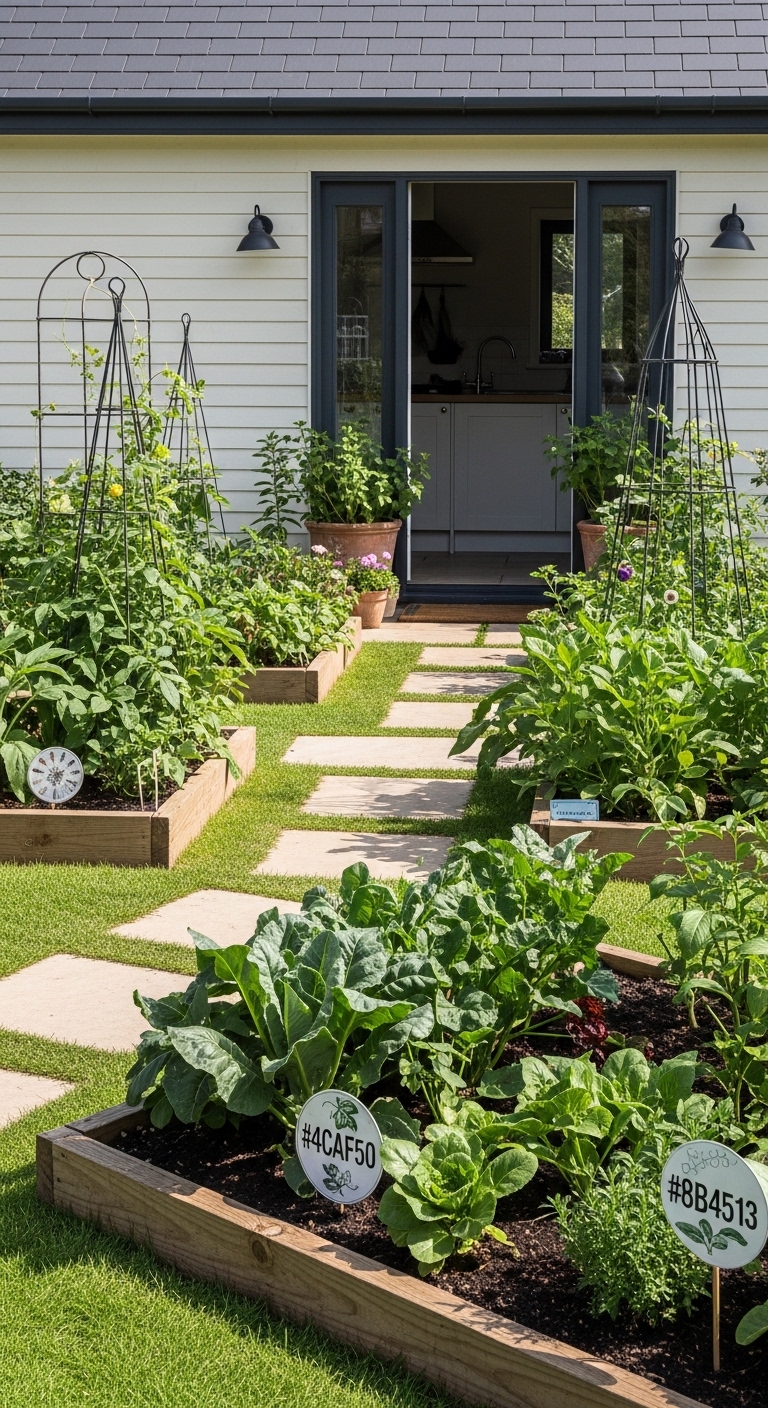
A kitchen garden, often located right outside your kitchen door, is a practical and convenient way to grow the herbs and vegetables you use most frequently in your cooking. This design promotes easy access and ensures that fresh ingredients are just a step away when you need them.
When creating a kitchen garden, focus on planting a variety of herbs like basil, parsley, and cilantro, along with frequently used vegetables such as tomatoes, peppers, and lettuce. Raised beds or containers work well for this type of garden, allowing you to customize the layout to fit your available space.
Incorporate signage or decorative elements that reflect the culinary theme, making the space not only functional but also aesthetically pleasing. Regularly harvesting your crops will not only improve growth but also encourage you to cook with fresh ingredients, making your meals more flavorful and healthy. A well-planned kitchen garden can enhance your cooking experience and delight your taste buds.
7. Create a Pollinator-Friendly Vegetable Garden
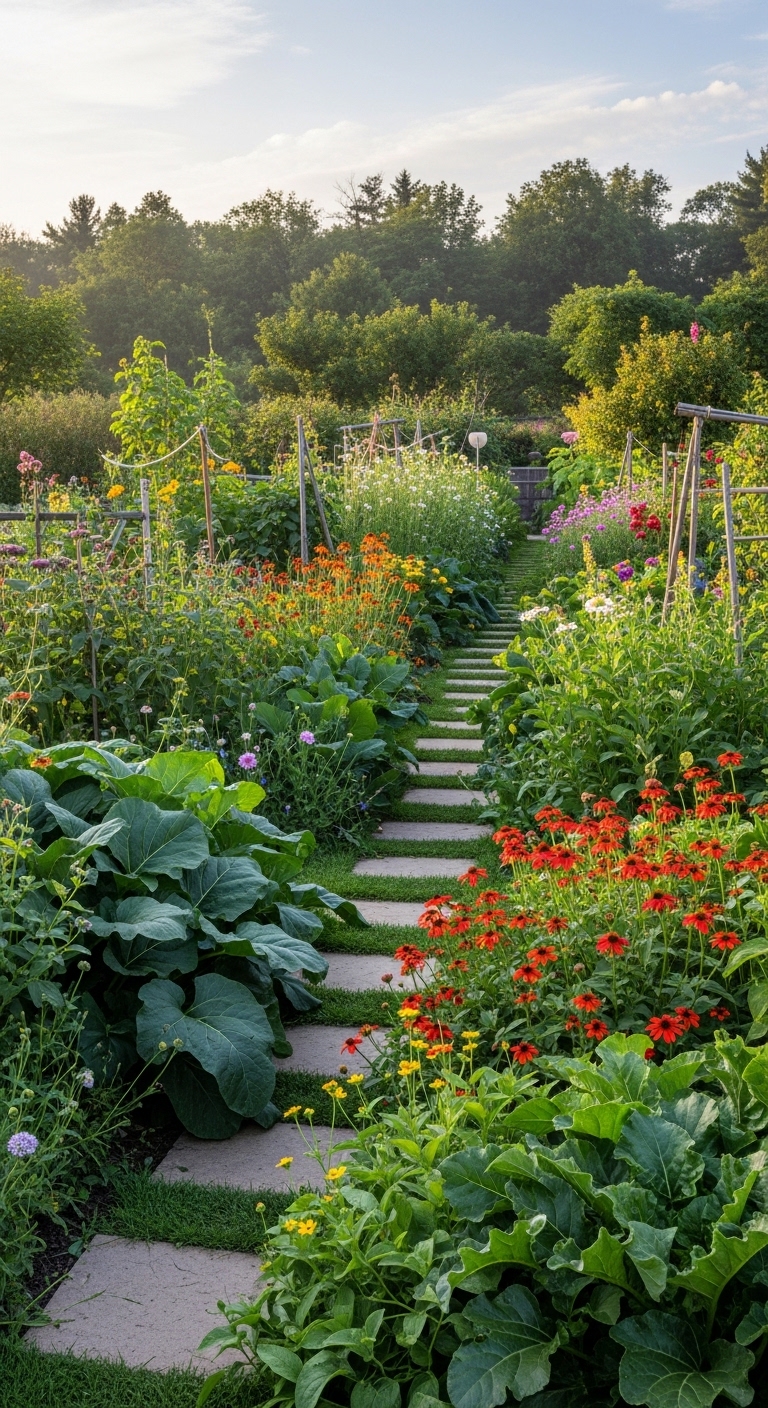
Incorporating pollinator-friendly plants into your vegetable garden can significantly enhance the health and productivity of your crops. Pollinators such as bees, butterflies, and hummingbirds play a crucial role in the pollination process, which is essential for the growth of many fruiting vegetables. By designing your garden with these beneficial creatures in mind, you can create a thriving ecosystem.
Choose a diverse range of flowering plants that bloom at different times throughout the growing season to attract and support pollinators. Include native plants that are well-suited for your local environment, as they typically require less maintenance and provide essential nectar and pollen sources. Combine these flowers with your vegetables, ensuring that there’s always a food source available.
In addition to planting flowers, consider providing nesting sites and water for pollinators to thrive. A small water feature or shallow dish filled with stones and water can create a safe drinking spot. By fostering a pollinator-friendly garden, you’ll not only support local wildlife but also enjoy a more bountiful harvest.
8. Incorporate Edible Landscaping into Your Design
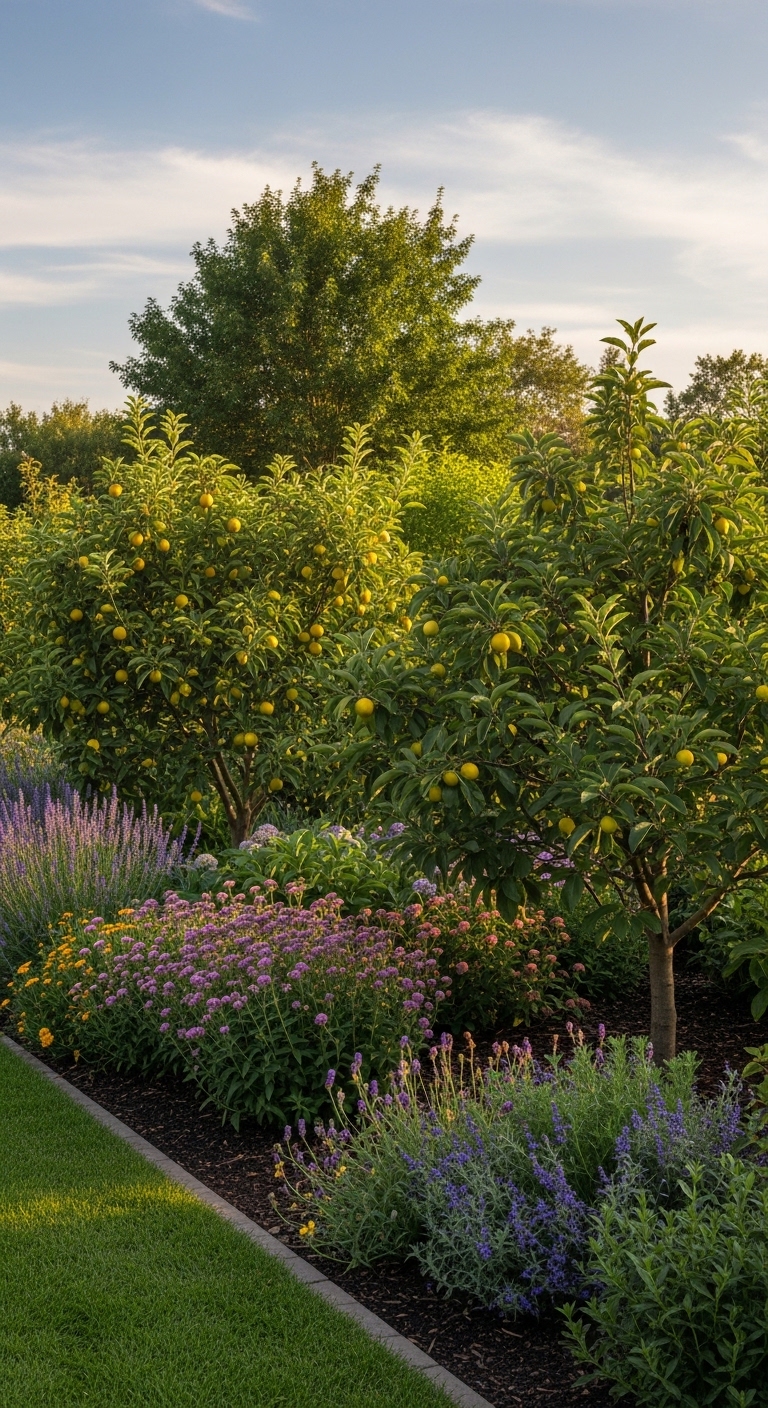
Edible landscaping is a creative approach that integrates food-producing plants into the overall landscape design of your property. This method combines aesthetics with practicality, allowing you to enjoy beautiful outdoor spaces filled with fruits, vegetables, and herbs while maintaining a visually appealing environment. By choosing the right plants and layout, you can create a garden that is both functional and stunning.
Begin by selecting ornamental plants that are also edible, such as fruit trees, berry bushes, and flowering herbs. Consider planting these alongside traditional landscaping elements like shrubs and perennials to create a seamless look. Using raised beds and decorative containers can enhance the visual appeal while providing a structured growing environment.
Incorporating edible landscaping into your design encourages a sustainable lifestyle and promotes biodiversity. It’s a fantastic way to engage with nature, educate children about gardening and nutrition, and enjoy the satisfaction of growing your own food. With thoughtful planning, your garden can be a beautiful and productive space that nourishes both body and soul.
9. Establish a Succession Planting System
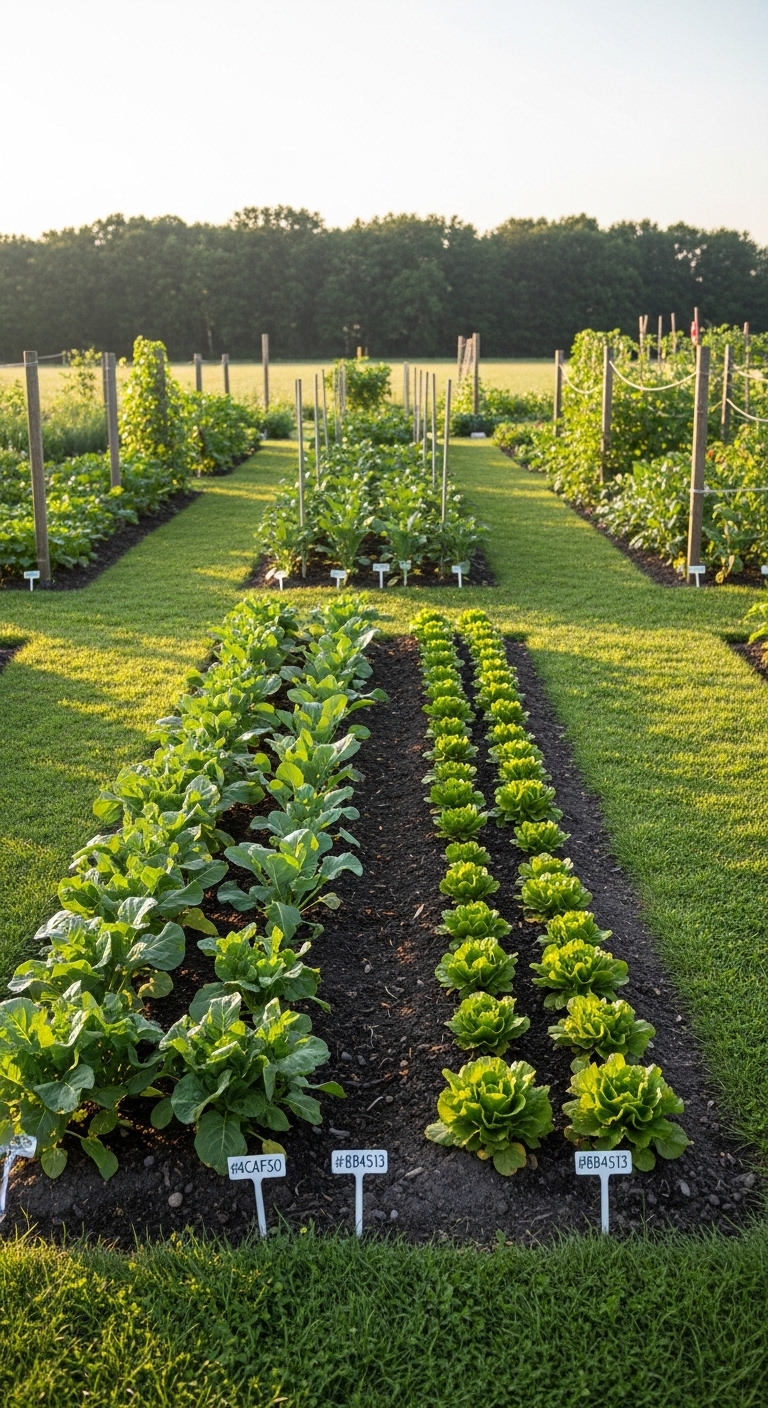
Succession planting is a gardening technique that involves growing multiple crops in the same space throughout the growing season. This method maximizes yields by ensuring that you have continuous harvests of fresh vegetables. By planning your planting schedule effectively, you can enjoy a steady supply of produce from spring through fall.
To implement succession planting, start by selecting fast-growing crops such as radishes, lettuce, and green beans that can be harvested quickly. After each harvest, immediately replant the area with a different crop to maintain continuous production. This technique is especially useful in small gardens where space is limited.
Additionally, consider planting crops that mature at different times to ensure that your garden remains productive. Incorporating this strategy not only increases your yield but also adds variety to your meals. With careful planning and attention to your garden’s needs, succession planting can transform your vegetable gardening experience and keep your family well-fed throughout the season.
Frequently Asked Questions
What vegetables are best for beginner gardeners?
For those just starting their gardening journey, it’s wise to choose vegetables that are easy to grow and maintain. Some of the best options include radishes, lettuce, and green beans, as they germinate quickly and require minimal care.
Additionally, herbs such as basil, parsley, and chives can add flavor to your dishes while being relatively simple to cultivate. These plants thrive in a variety of conditions and can even be grown in containers, making them perfect for urban gardeners.
As you gain confidence and experience, you can gradually expand your garden with more challenging vegetables like tomatoes and peppers. Start small, and you’ll be enjoying homegrown produce in no time!
How do I maintain my vegetable garden?
Maintaining a vegetable garden requires consistent attention and care to ensure healthy growth. Regular watering is crucial, especially during dry spells, so be sure to check soil moisture levels frequently and adjust your watering schedule accordingly.
Weeding is another essential task that helps prevent competition for nutrients and water. Regularly inspect your garden for weeds and remove them by hand or with tools to keep your plants thriving. Additionally, consider mulching around your plants to retain moisture and suppress weed growth.
Fertilizing is also important; use organic fertilizers to provide essential nutrients and promote healthy plant development. By following these maintenance tips, you’ll cultivate a productive and flourishing vegetable garden.
What is the best time to plant vegetables?
The best time to plant vegetables depends on your local climate and the specific crops you wish to grow. Generally, cool-season crops like peas, lettuce, and spinach can be sown in early spring, while warm-season crops such as tomatoes and peppers thrive when the weather warms up.
To determine the ideal planting dates, consult a local planting calendar or extension service that provides information specific to your region. Additionally, consider your last frost date in spring and the first frost date in fall to ensure your crops have enough time to mature before cold weather arrives.
Starting seeds indoors can also give you a head start on the growing season, allowing you to transplant seedlings outdoors once conditions are favorable.
How can I attract pollinators to my garden?
Attracting pollinators to your vegetable garden is essential for maximizing yields and promoting biodiversity. Begin by planting a diverse range of flowering plants that bloom at different times throughout the season, providing a continuous food source for bees, butterflies, and other beneficial insects.
Incorporating native plants is particularly effective, as they are adapted to local conditions and can attract a variety of pollinators. Additionally, avoid using pesticides that harm these important creatures; instead, consider organic pest control methods.
Providing water sources like shallow dishes filled with pebbles can also help attract pollinators to your garden. By creating a welcoming environment, you can support pollinators while ensuring a fruitful harvest.
What are the benefits of organic gardening?
Organic gardening offers numerous benefits, both for the environment and for your health. By avoiding synthetic fertilizers and pesticides, you promote a healthier ecosystem and minimize pollution. Organic practices enhance soil health, encouraging microbial activity and improving nutrient availability.
Additionally, growing your own organic vegetables ensures that you have access to fresh, chemical-free produce, which is often more flavorful and nutritious than store-bought options. Organic gardening also fosters biodiversity, supporting various plant and animal species in your garden.
Lastly, engaging in organic gardening can be a rewarding and fulfilling experience, allowing you to connect with nature while providing for your family in a sustainable way.
Incorporating an inspiring vegetable garden into your outdoor space this year can transform not only your culinary experiences but also your connection with nature. From raised beds to vertical gardens, each idea presents unique opportunities for creativity and productivity. Embrace the chance to cultivate a thriving garden that not only nurtures your body but also enhances your home’s beauty.
As you embark on this gardening journey, remember that patience and persistence are key. With the right planning, dedication, and care, you can create a vibrant vegetable garden that flourishes throughout the seasons. Start today by selecting your favorite designs and plan your planting schedule; the rewards of fresh, homegrown produce await you!
Leave a Comment