
As we venture into 2026, the concept of tiny homesteading is evolving, bringing with it innovative techniques and fresh ideas that inspire sustainable living. Transforming a small outdoor space into a vibrant homestead can be both rewarding and achievable, allowing you to grow your own food, create inviting outdoor living areas, and connect with nature. Whether you’re a seasoned gardener or just starting your journey, these modern tricks will help you maximize your tiny homestead’s potential.
In this article, we will explore ten modern strategies that can enhance your tiny homestead experience. From utilizing vertical gardening techniques to incorporating smart technology, these ideas focus on efficiency and creativity. Discover how to make the most of limited space while fostering a lush, inspiring environment that reflects your personal style and encourages sustainable practices.
1. Maximize Vertical Gardening Techniques
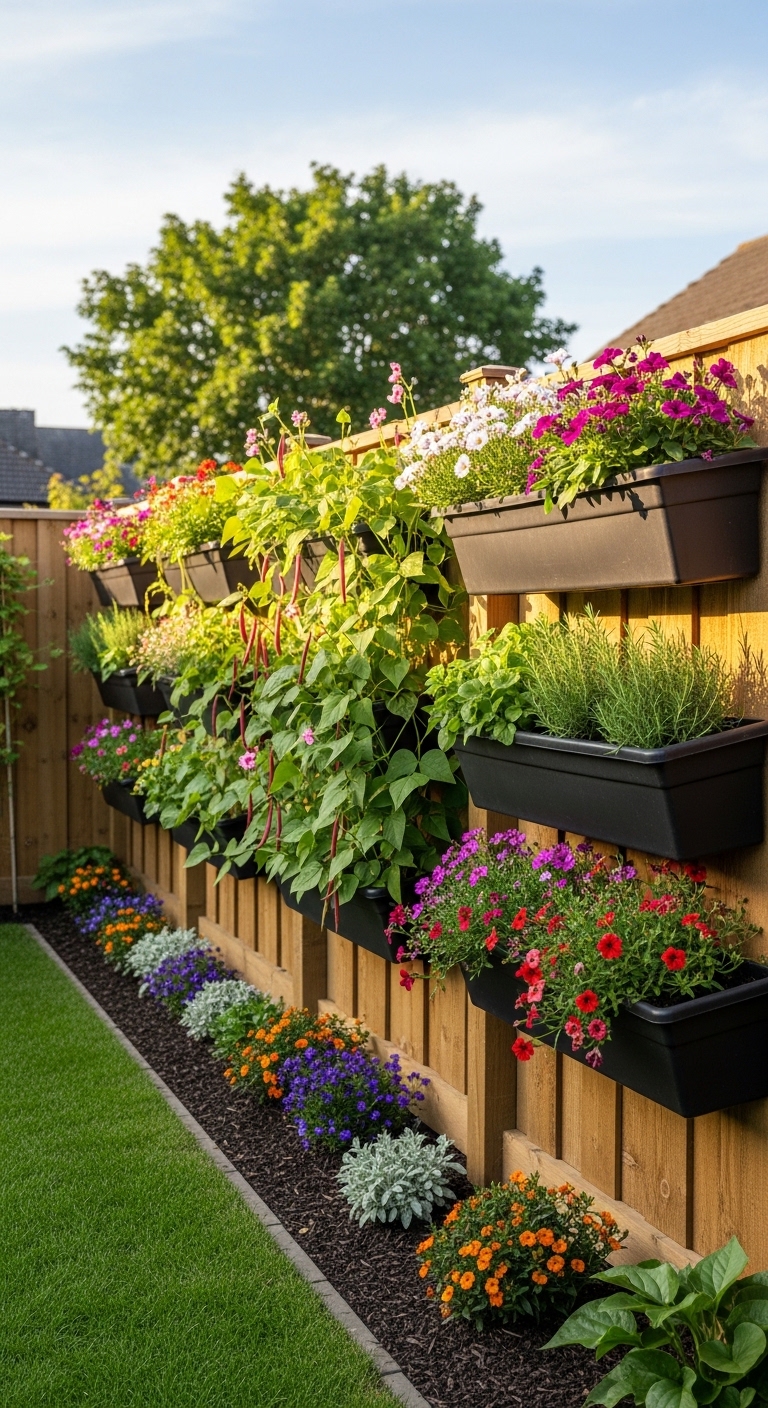
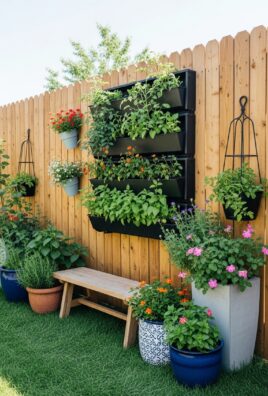
Vertical gardening is a game-changer for tiny homesteaders looking to maximize their growing space. By utilizing walls, trellises, and vertical planters, you can grow a diverse array of plants upward rather than outward, saving precious ground space. This technique is perfect for herbs, vining vegetables, and even flowers, creating a lush display that enhances your outdoor aesthetic.
Consider installing a vertical garden system using materials like wood, metal, or recycled plastic. Choose plants that thrive in vertical arrangements, such as climbing beans, peas, and strawberries. Not only does vertical gardening improve accessibility, but it also allows for better air circulation and sunlight exposure, which are essential for healthy plant growth.
Additionally, incorporating a drip irrigation system can simplify watering and ensure your plants receive consistent moisture. Make use of wall-mounted pots or hanging planters to add depth and interest to your garden while keeping it organized. With creativity and planning, vertical gardens can transform even the smallest spaces into productive green havens.
2. Incorporate Smart Gardening Technology
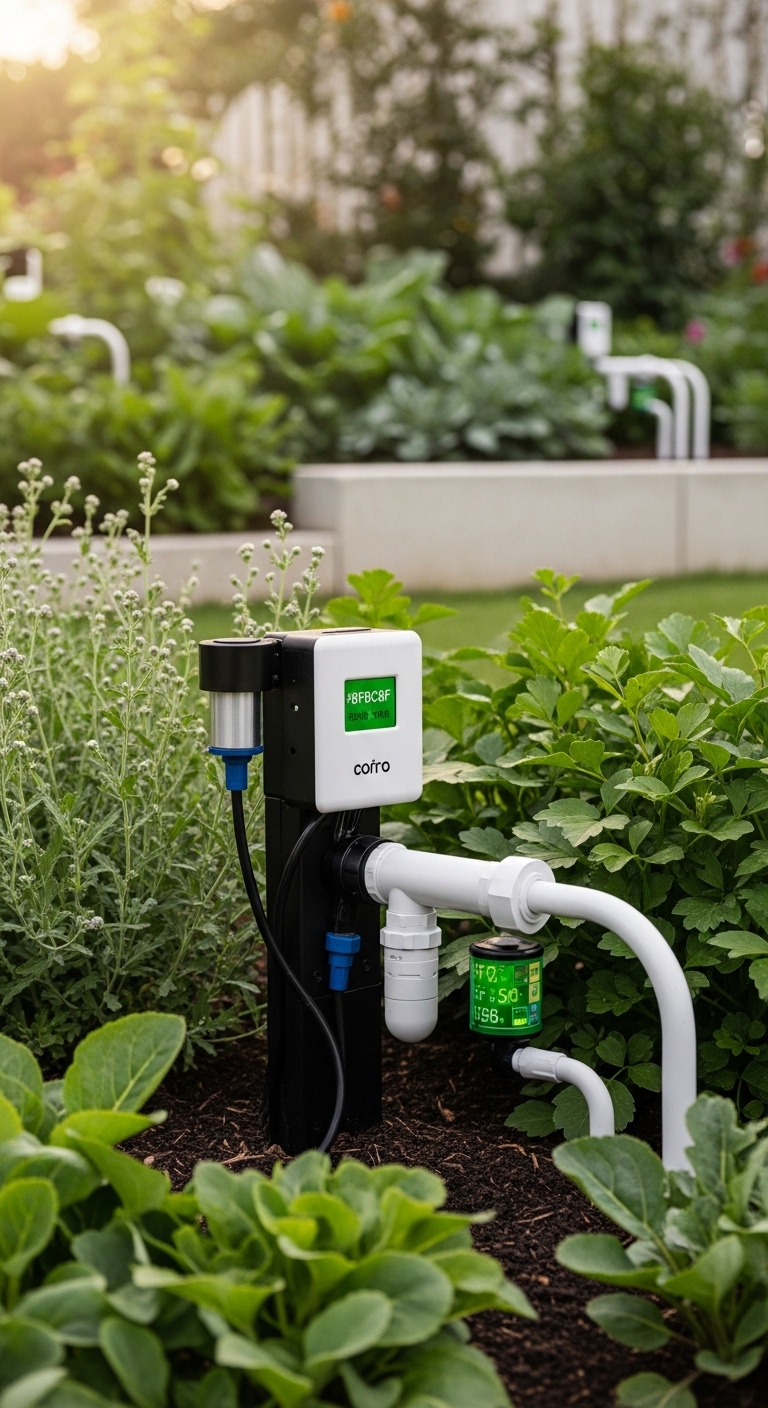
In today’s digital age, integrating smart technology into your tiny homestead can significantly enhance your gardening experience. From automated watering systems to smart sensors that monitor soil moisture and temperature, these tools can help you maintain your plants’ health with minimal effort. Using technology allows you to spend less time worrying about the logistics and more time enjoying your beautiful garden.
Consider investing in a smart irrigation system that adjusts watering schedules based on real-time weather data. These systems can help conserve water while ensuring your plants receive the necessary hydration. Additionally, smart garden sensors can provide insights into soil conditions, allowing you to make informed decisions about planting and care.
Furthermore, utilizing apps designed for gardeners can help track plant growth, set reminders for maintenance, and even connect you with local gardening communities. Embracing smart gardening not only simplifies your tasks but also encourages sustainable practices, making your tiny homestead both efficient and eco-friendly.
3. Create a Cozy Outdoor Living Space
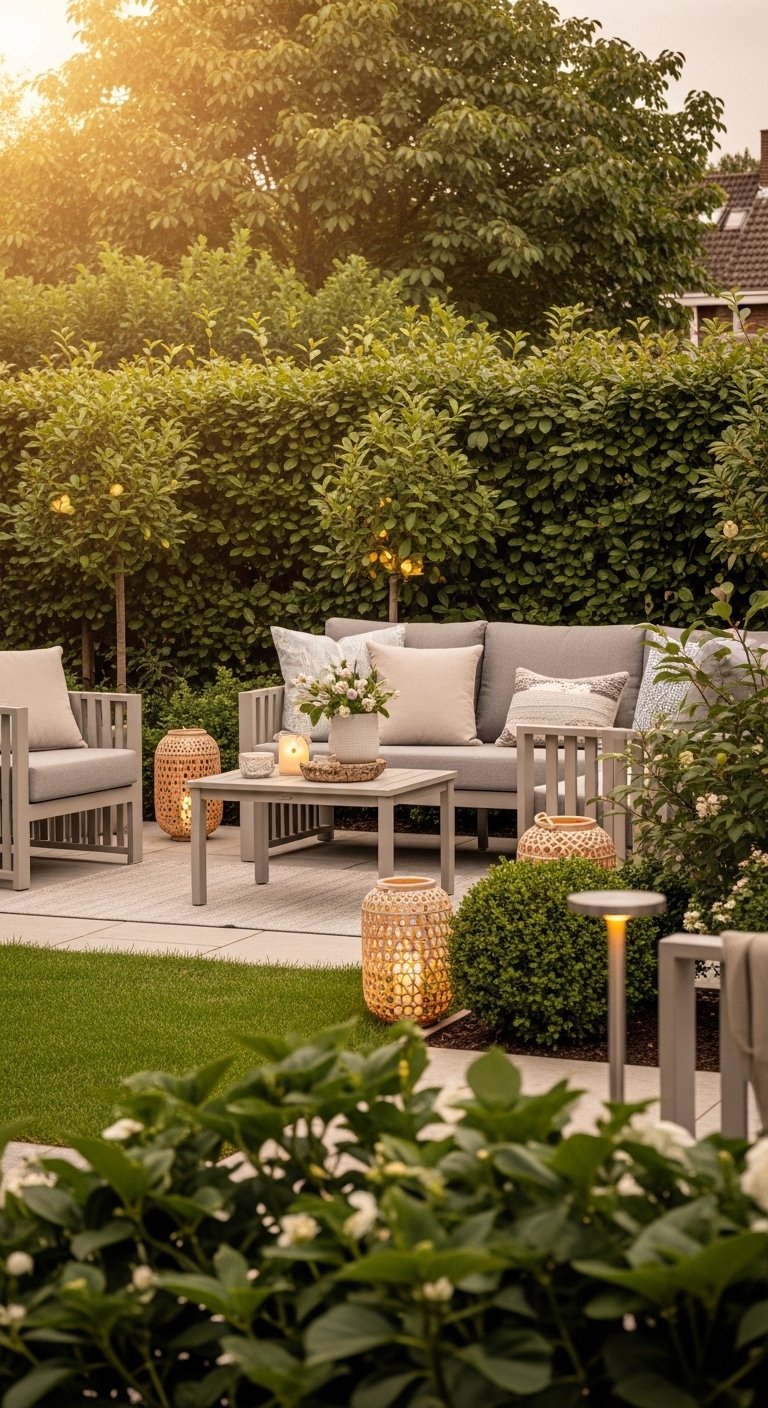
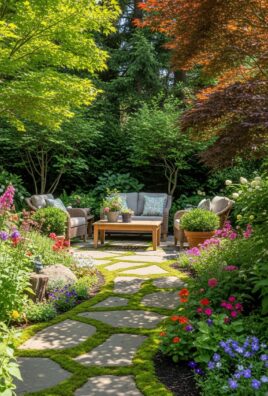
A tiny homestead isn’t just about growing food; it’s also about creating a welcoming outdoor living area. Designing a cozy space for relaxation and entertainment can dramatically enhance your enjoyment of your homestead. Consider adding comfortable seating, decorative pillows, and ambient lighting to create an inviting atmosphere for gatherings or quiet evenings.
Incorporating elements like outdoor rugs, fairy lights, and potted plants can help define your living area and make it feel like an extension of your home. Choose durable, weather-resistant furniture that suits your style and complements the natural surroundings. You might also consider a fire pit or outdoor heater to extend the usability of your space into cooler seasons.
Furthermore, don’t forget to add personal touches such as artwork or handmade decor to reflect your personality. Creating a balance between functionality and aesthetics will not only enhance your outdoor experience but also increase the overall value of your tiny homestead.
4. Utilize Companion Planting Techniques
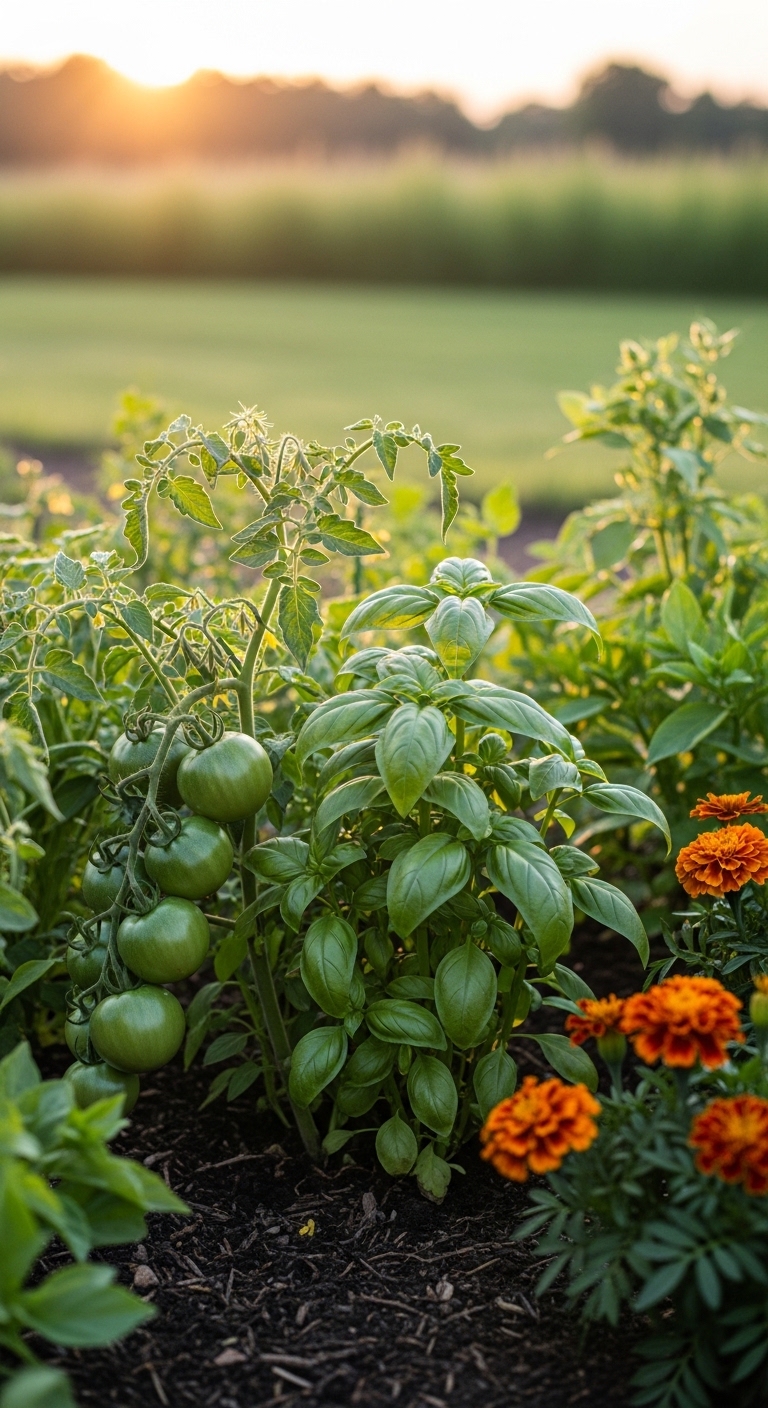
Companion planting is a time-tested method that can significantly boost your tiny homestead’s productivity. This technique involves pairing plants that benefit each other, improving growth, and minimizing pests. By understanding which plants thrive together, you can create a harmonious ecosystem in your garden, leading to healthier plants and higher yields.
For example, planting basil alongside tomatoes can enhance flavor and deter pests, while marigolds can attract beneficial insects that help keep harmful pests at bay. In a tiny space, careful planning of companion plants can maximize your harvest while minimizing the need for chemical pesticides. This approach not only supports plant health but also promotes biodiversity.
Consider creating a companion planting chart to help guide your arrangements. By incorporating these techniques, you can create a thriving garden that supports itself naturally, allowing you to enjoy the fruits of your labor with less effort and greater satisfaction.
5. Implement Sustainable Water Management
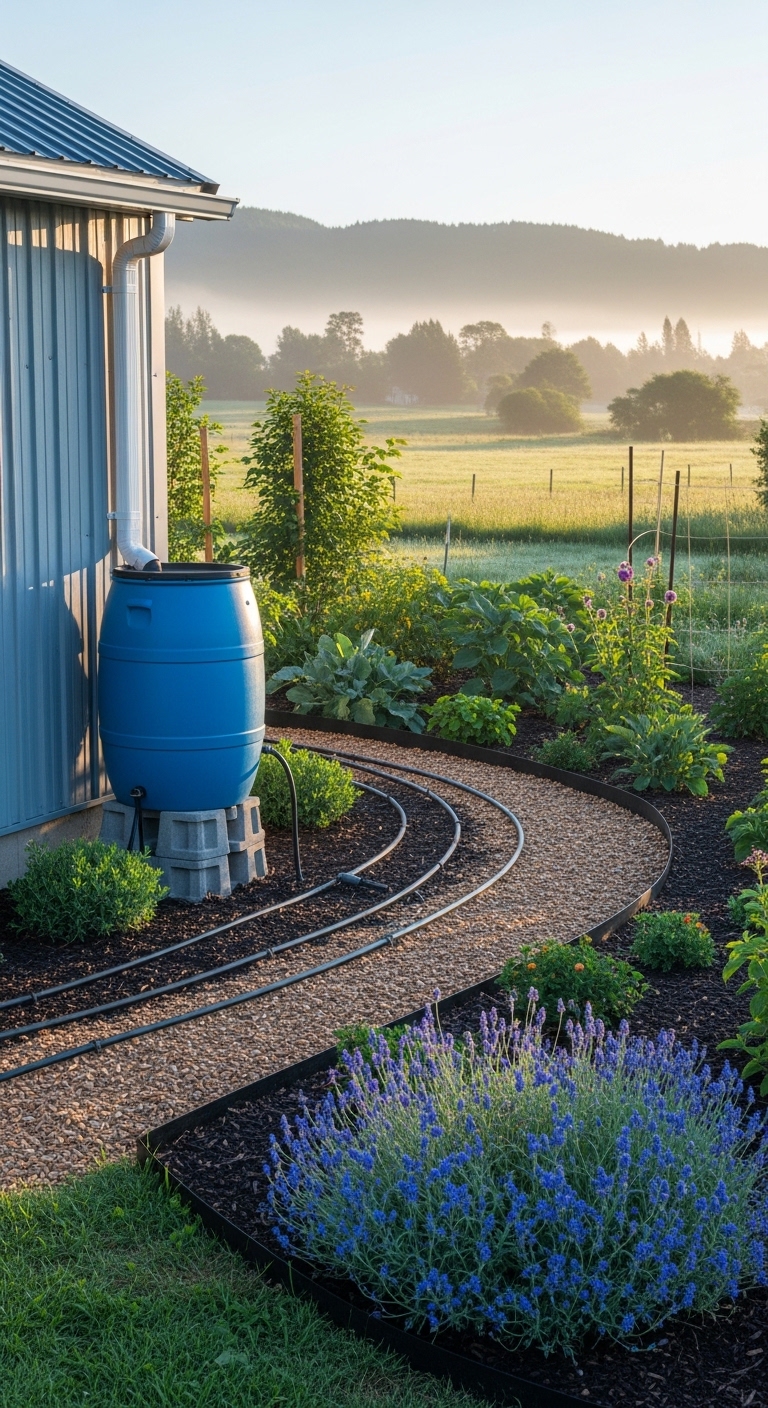
Water management is crucial for any homesteader, especially in a tiny space where resources may be limited. Implementing sustainable practices for water usage can help conserve this precious resource while ensuring your plants thrive. Collecting rainwater, using drip irrigation, and incorporating drought-resistant plants are all effective strategies to consider.
Installing a rain barrel can provide an eco-friendly way to collect and store rainwater for later use. This method not only reduces water costs but also minimizes runoff and helps maintain local water levels. Pairing this system with a drip irrigation setup can ensure your plants receive consistent moisture directly at their roots, reducing waste and evaporation.
Additionally, selecting drought-resistant plants can significantly reduce the amount of water needed for your garden. Native plants are often well-adapted to local climates and require less maintenance. By implementing these sustainable water management techniques, you can cultivate a thriving tiny homestead while being mindful of your environmental impact.
6. Design a Multifunctional Garden
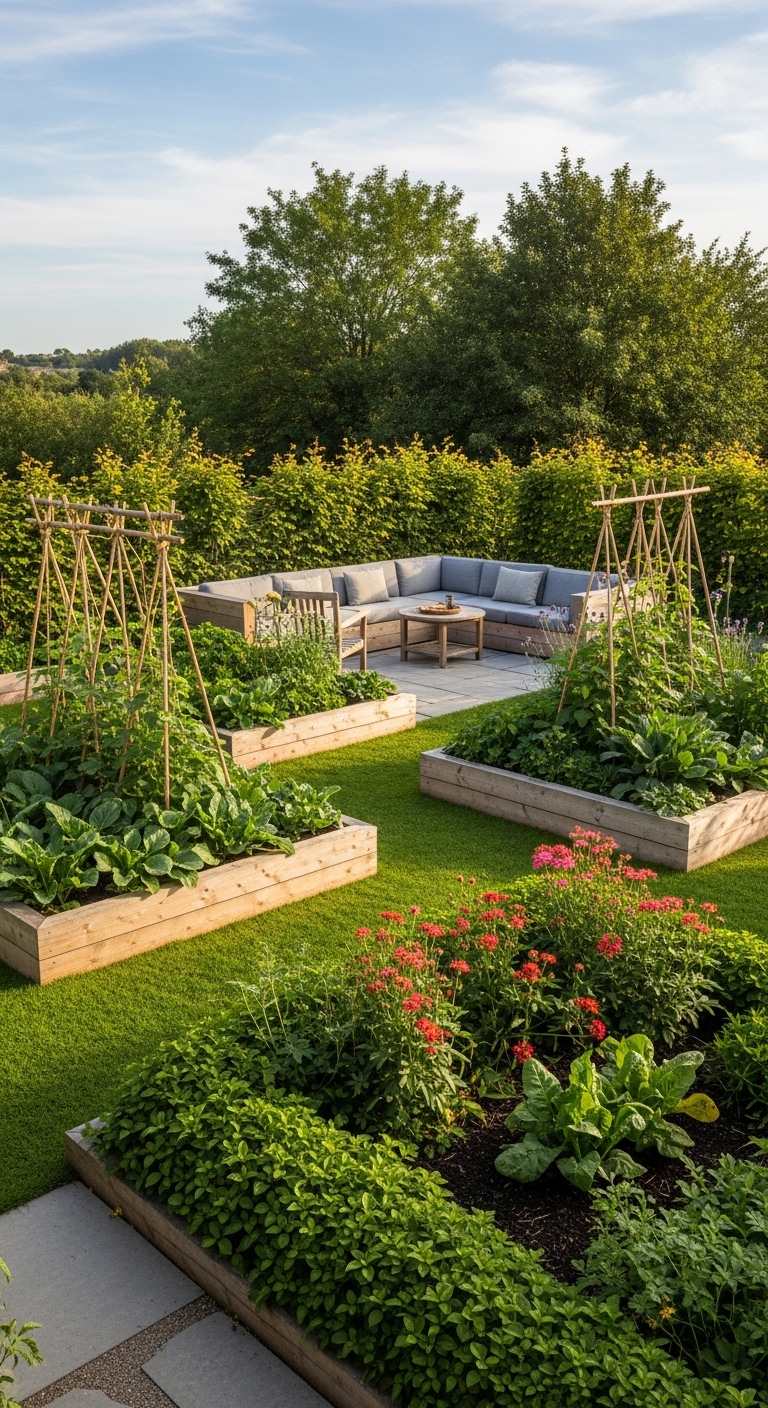
In a tiny homestead, every square foot counts, so designing a multifunctional garden can enhance both utility and aesthetic appeal. Consider creating zones within your garden that serve multiple purposes, such as an area for growing food that also functions as a relaxation space. This approach maximizes the use of limited space while providing various benefits.
For instance, integrating seating areas among your vegetable beds allows for easy access for maintenance while providing a place to unwind. You might also incorporate edible landscaping, where fruit-bearing plants double as decorative elements. Combining beauty with functionality is key to creating a successful multifunctional garden.
Additionally, consider using movable features, such as portable planters or furniture, to adapt your space according to your needs. With thoughtful design and creativity, your tiny homestead can be transformed into a dynamic environment that caters to your lifestyle while still being visually stunning.
7. Grow Your Own Indoor Herb Garden
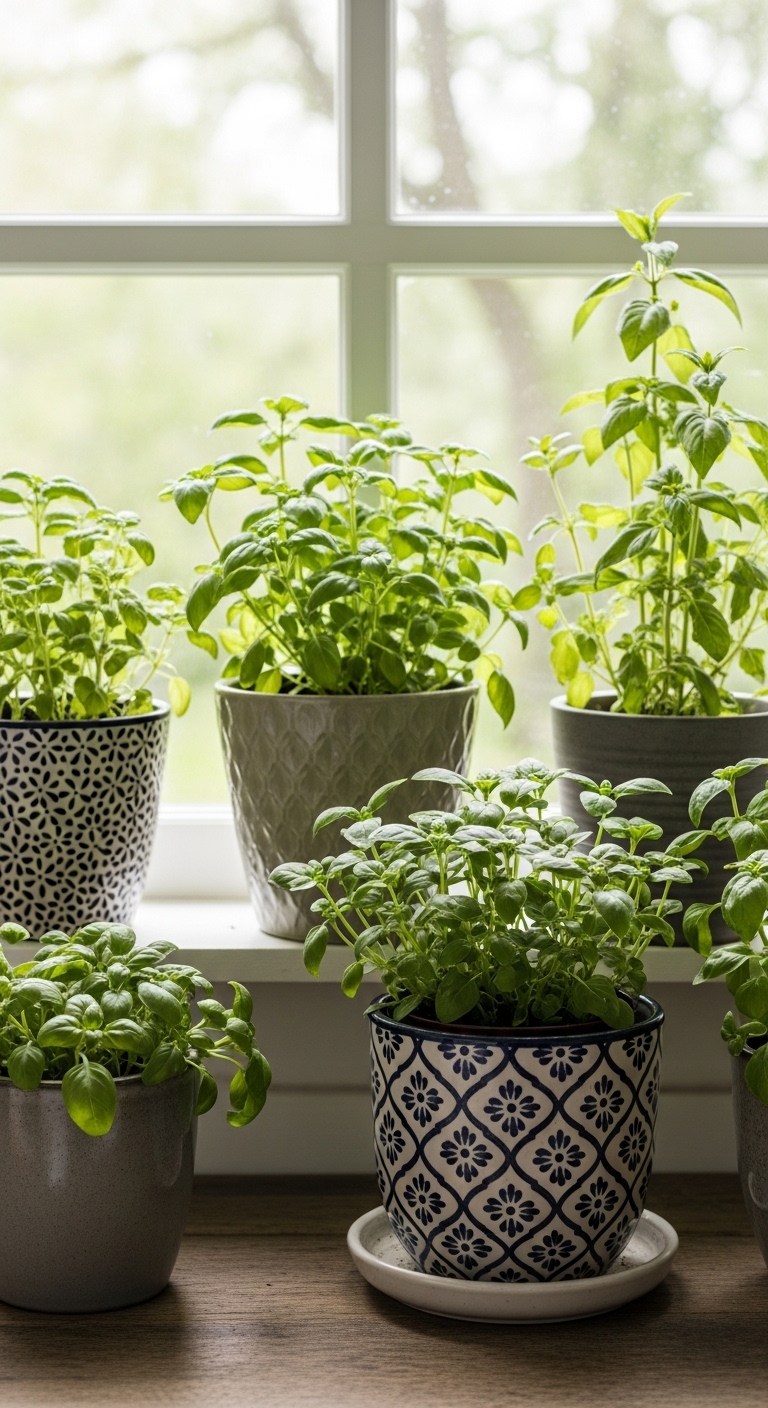
An indoor herb garden can be a delightful addition to your tiny homestead, providing fresh ingredients right at your fingertips. Herbs such as basil, parsley, and mint thrive well in small pots and can be grown indoors year-round, making them perfect for limited spaces. This not only adds greenery to your home but also enhances your culinary experiences.
To start your indoor herb garden, select a sunny windowsill or a spot with good natural light. Use small, well-draining pots and high-quality potting soil to ensure your herbs thrive. Regular pruning will encourage bushy growth and prevent your herbs from becoming leggy. Consider grouping different herbs together for a visually appealing display.
Additionally, incorporating hydroponics or aquaponics systems can further optimize your indoor garden space. These methods conserve water and space while promoting rapid growth. With an indoor herb garden, you can enjoy the satisfaction of growing your own food while enhancing your home environment.
8. Curate a Pollinator-Friendly Garden
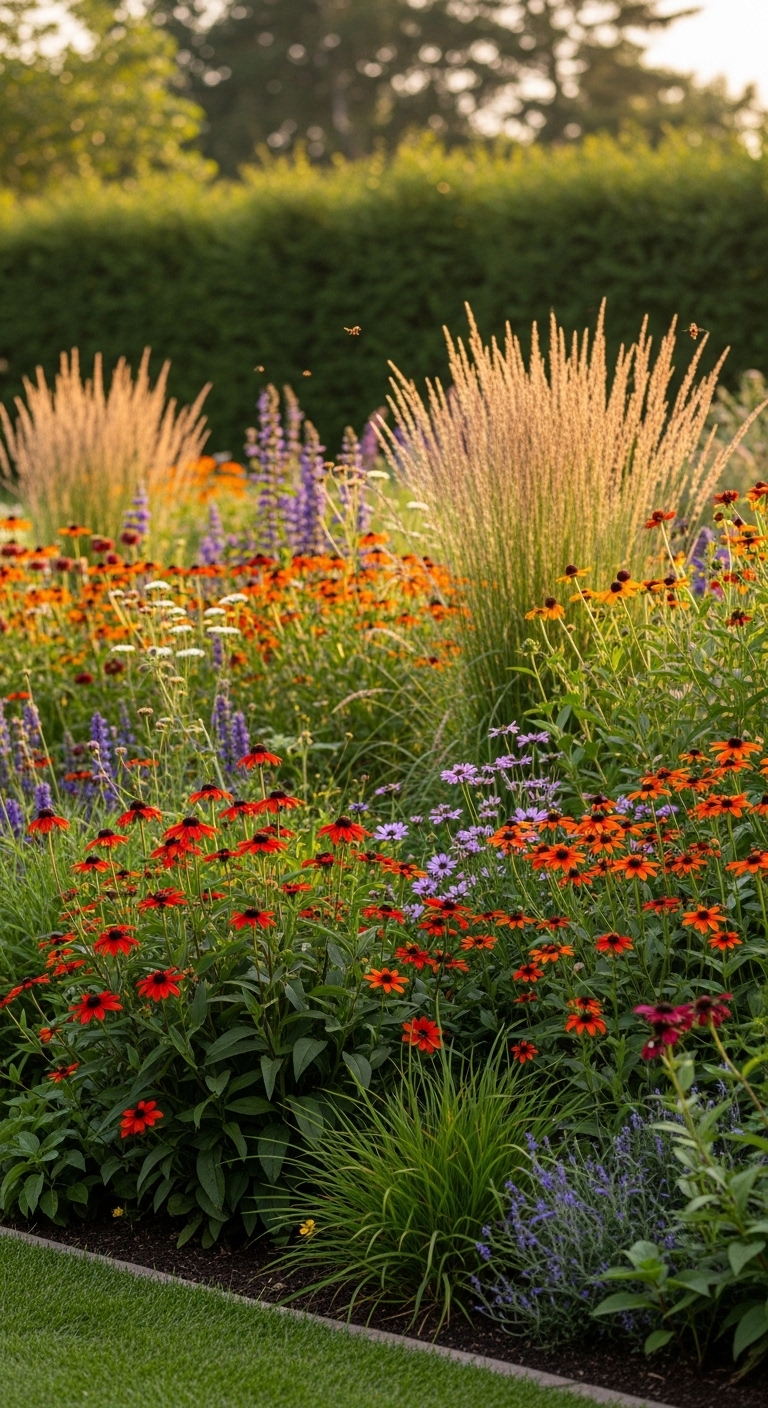
Creating a pollinator-friendly garden is an essential aspect of sustainable gardening and contributes to the health of local ecosystems. By attracting bees, butterflies, and other pollinators, you can enhance the productivity of your tiny homestead while supporting biodiversity. Incorporating a variety of flowering plants is key to making your garden a pollinator haven.
Choose native plants that bloom at different times throughout the season to provide consistent food sources for pollinators. Flowers such as lavender, coneflower, and sunflowers are not only beautiful but also highly attractive to bees and butterflies. Additionally, avoid using pesticides that can harm these vital creatures, opting instead for organic gardening practices.
Creating sheltered spaces with native grasses and shrubs can also provide habitats for pollinators. Incorporating water sources, such as shallow dishes with stones, can further enhance your garden’s appeal to these beneficial insects. By curating a pollinator-friendly garden, you contribute to a healthier environment while enjoying the beauty and productivity it brings.
Frequently Asked Questions
What is a tiny homestead?
A tiny homestead refers to a small-scale agricultural setup where individuals grow their own food, raise animals, and often prioritize sustainable living practices. These homesteads can vary in size but typically include gardens, small livestock areas, and indoor growing spaces. The concept focuses on maximizing productivity in limited spaces, allowing for self-sufficiency and connection to nature.
In a tiny homestead, individuals often embrace permaculture principles, which emphasize working with natural ecosystems. This approach encourages biodiversity, resource conservation, and minimal waste, making tiny homesteading an eco-friendly lifestyle choice.
How can I maximize space in a tiny garden?
Maximizing space in a tiny garden involves creative planning and effective gardening techniques. Vertical gardening is one of the best methods to utilize limited ground area, allowing plants to grow upward using walls, trellises, and hanging pots. Additionally, consider incorporating multifunctional elements, such as seating that doubles as storage or raised beds that serve as garden borders.
Another strategy is to choose compact or dwarf varieties of plants that require less space while still providing a good yield. You can also practice companion planting to increase productivity and reduce pest issues, ensuring that every square foot of your garden is utilized efficiently.
What are the benefits of a pollinator-friendly garden?
Creating a pollinator-friendly garden offers numerous benefits, both for your homestead and the environment. Pollinators such as bees and butterflies play a crucial role in the reproductive cycles of many plants, contributing to higher yields in your garden. By attracting these beneficial insects, you can enhance the productivity of your crops while supporting local biodiversity.
Furthermore, pollinator-friendly gardens often create vibrant ecosystems that promote healthy soil and reduce the need for chemical fertilizers or pesticides. This sustainable approach not only benefits your garden but also contributes positively to the surrounding environment.
How can I grow herbs indoors?
Growing herbs indoors is a rewarding endeavor that can enhance your cooking and provide fresh flavors year-round. Start by selecting a sunny location, such as a windowsill, where your herbs can receive at least six hours of sunlight daily. Use small pots with good drainage and high-quality potting mix to ensure healthy growth.
Choose herbs that thrive indoors, such as basil, mint, and thyme. Regularly prune your herbs to encourage bushy growth and prevent them from becoming leggy. With proper care and attention, an indoor herb garden can flourish, providing you with fresh ingredients right at your fingertips.
What is companion planting?
Companion planting is a gardening technique that involves strategically pairing plants to enhance growth and deter pests. Certain plants can benefit each other when grown together, leading to healthier crops and increased yields. For example, planting marigolds alongside vegetables can repel harmful insects, while herbs can enhance the flavor of neighboring plants.
This method promotes biodiversity and can reduce the need for chemical pesticides, making it a sustainable practice for any garden. Understanding the relationships between different plants is key to successful companion planting, allowing you to create a thriving and harmonious garden ecosystem.
As we look ahead to 2026, the potential for creating an inspiring tiny homestead is limited only by your imagination and determination. By implementing these ten modern tricks, you can cultivate a beautiful and productive outdoor space that enhances your lifestyle and promotes sustainability. Remember, tiny homesteading is not just about the physical space; it’s about fostering a connection with nature and enjoying the fruits of your labor.
Embrace the journey of transforming your tiny homestead into a thriving oasis. Whether you focus on vertical gardening, incorporate smart technology, or create a cozy outdoor living area, each step you take contributes to a more sustainable and fulfilling way of life. Start today, and let your tiny homestead inspire not only you but also others in your community.
Leave a Comment