
Creating visually appealing garden borders can transform any outdoor space into a stunning oasis. Garden edging not only serves a practical purpose by defining spaces and preventing soil erosion, but it also enhances the overall aesthetic of your landscape. From rustic materials to sleek, modern designs, the options for stylish borders are abundant, allowing you to express your unique gardening style.
In this article, we will explore over 12 genius garden edging ideas that will inspire you to elevate your garden’s appearance. Whether you prefer a natural look with wooden logs or a contemporary vibe with sleek metal, there is an edging idea tailored to fit your vision. These creative solutions will not only delineate your garden beds but also complement your plants and overall outdoor décor, creating a cohesive and inviting atmosphere in your backyard.
1. Natural Stone Elegance
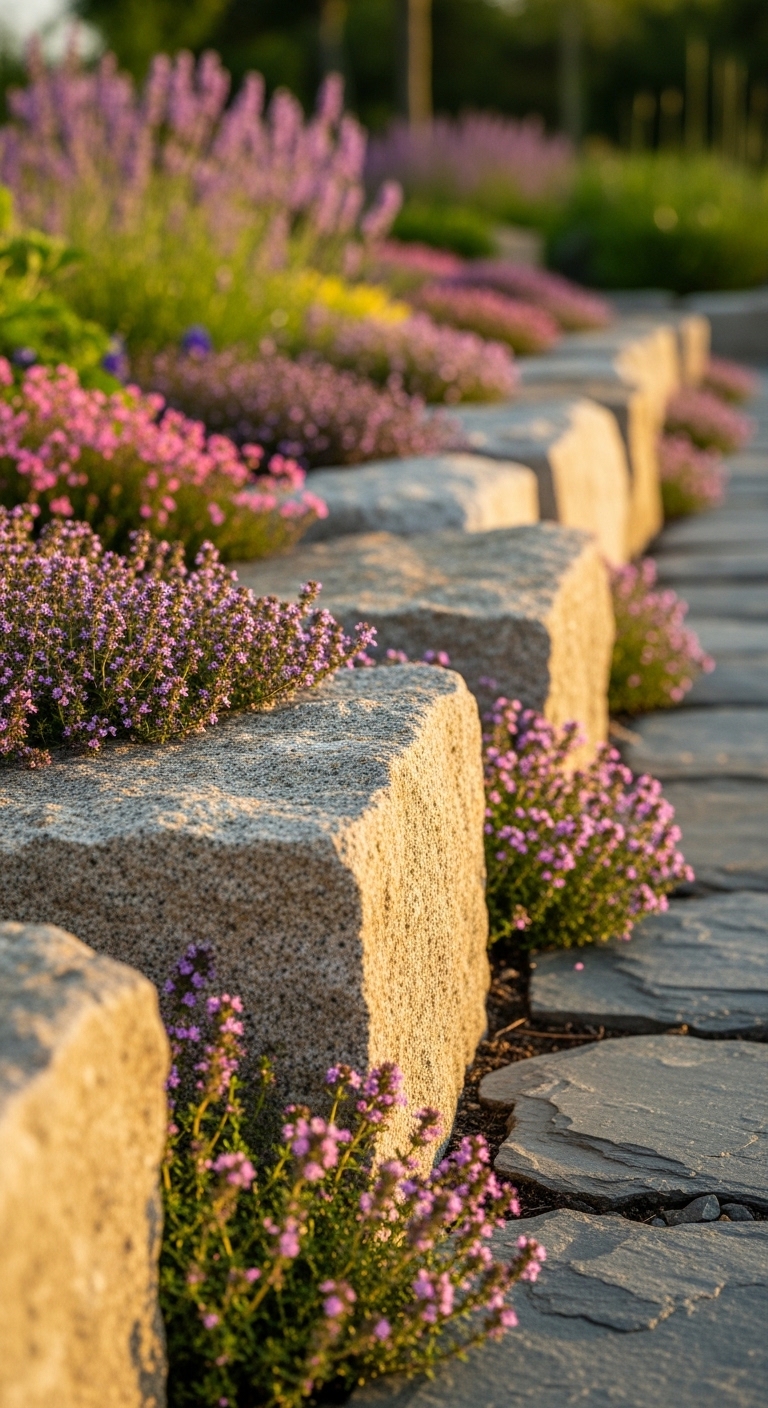
Natural stone edging brings a timeless elegance to any garden. By using materials like granite, slate, or limestone, you can create a border that blends seamlessly with the environment. These stones not only provide a sturdy edge but also add texture and visual interest to your garden.
Consider arranging the stones in a random pattern for a more rustic look or stacking them for a formal appearance. Incorporating moss or creeping plants between the stones can soften the edges and enhance the natural feel. Be sure to choose stones that are in harmony with your garden’s color palette to create a cohesive look.
For maintenance, regular weeding and cleaning of the stones will keep your borders looking pristine. Additionally, ensure proper drainage around the stones to prevent any erosion or displacement over time.
2. Charming Wooden Borders
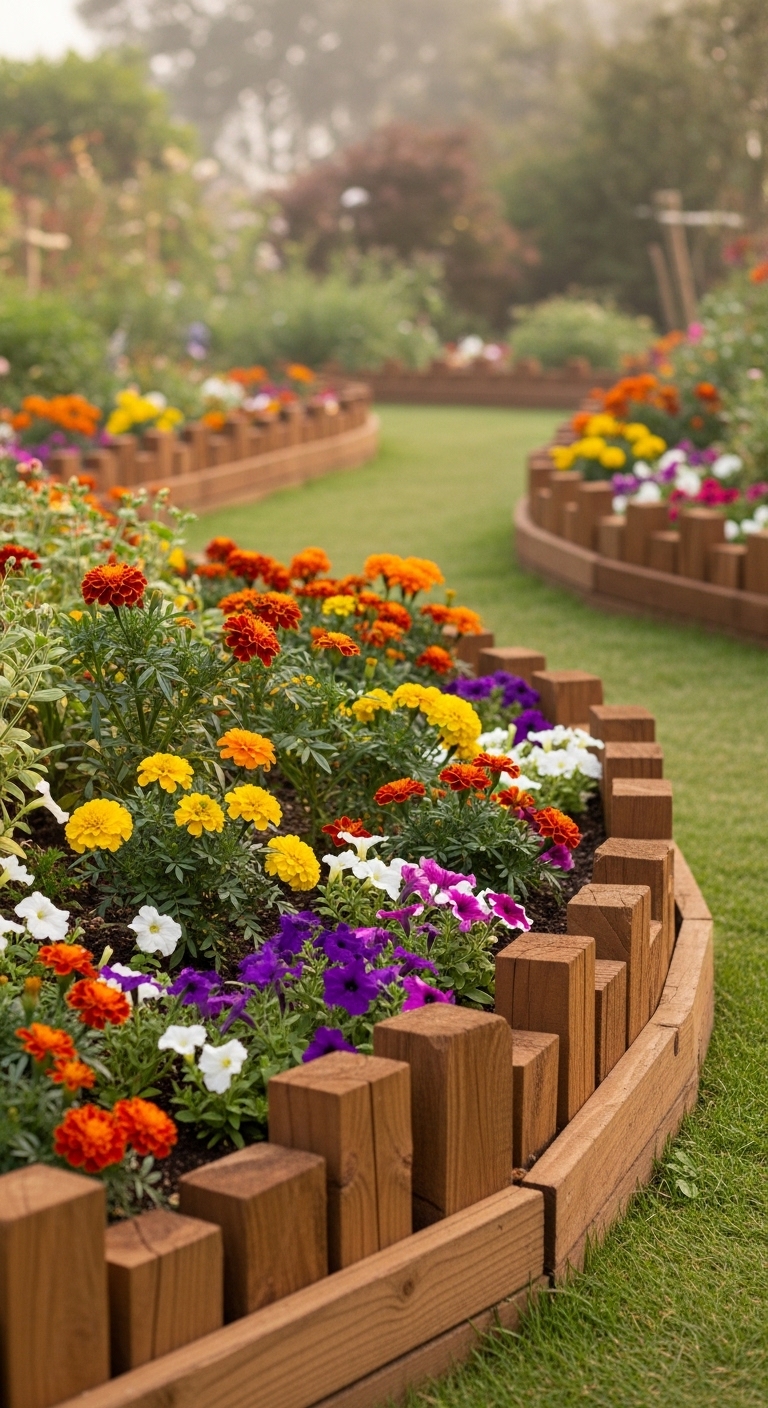
Wooden edging offers a warm and inviting look for any garden. Using treated timber, logs, or reclaimed wood not only defines your garden beds but also enhances the rustic charm of your outdoor space. This type of edging can be easily customized to fit any shape or size, making it versatile for various garden styles.
To create a natural look, consider using logs of different lengths and thicknesses. Alternatively, you can opt for a more uniform design with wooden planks for a polished finish. Just ensure that the wood is treated to withstand moisture and prevent rotting, which will prolong its life.
Incorporating flowers or shrubs that spill over the wooden edge can enhance the visual appeal. Regular maintenance, such as staining or sealing the wood, will help maintain its beauty and integrity throughout the seasons.
3. Sleek Metal Edging
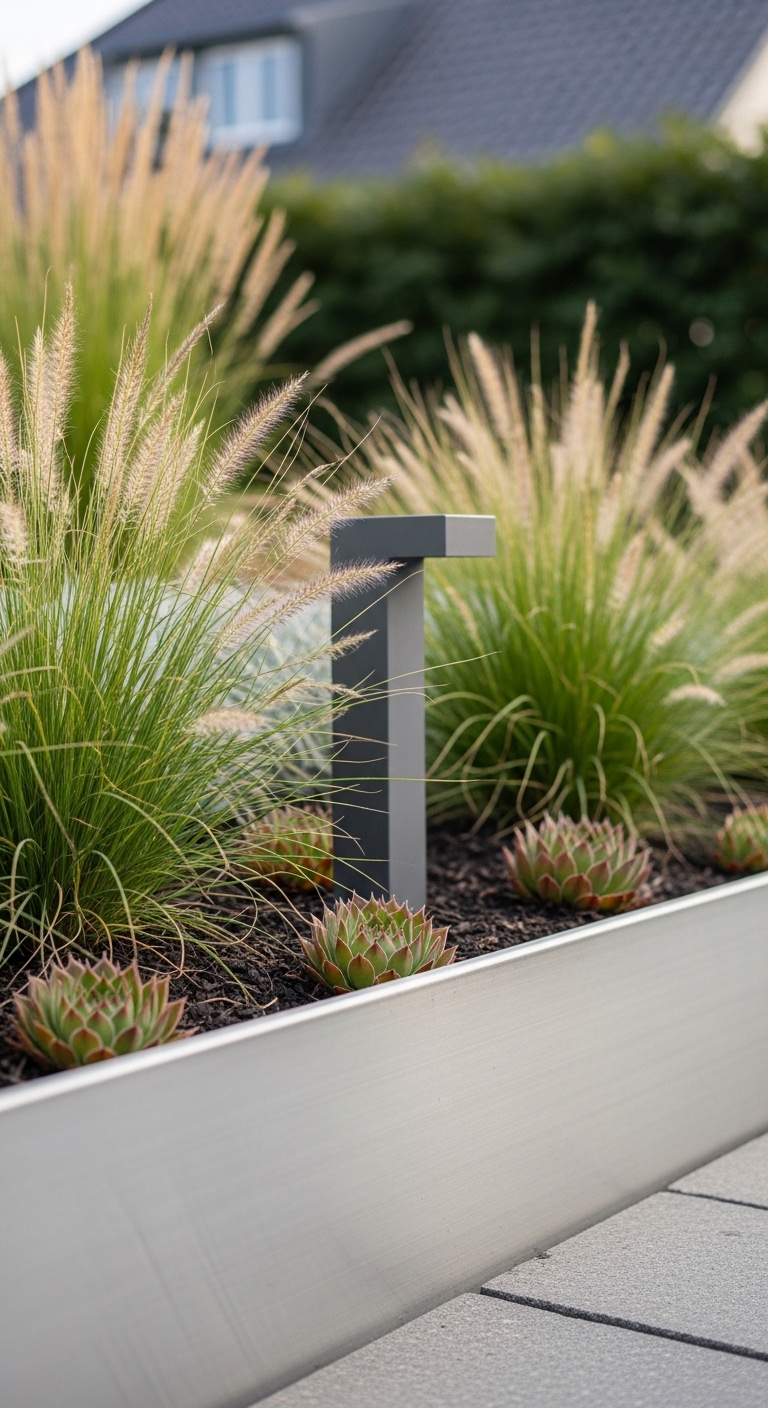
For a modern touch, sleek metal edging is the way to go. Available in various materials such as aluminum, steel, or corten, metal borders provide a clean and contemporary look that can elevate any garden design. This edging is particularly effective in minimalist gardens where simplicity is key.
Metal edging can be installed flush with the ground or slightly raised, allowing for seamless integration with your garden plants. Its durability ensures that it will withstand the elements and maintain its appearance for years to come. Choose a metal finish that complements your home’s exterior for a harmonious look.
To enhance the metal edging, consider planting low-growing perennials or succulents that will contrast beautifully with the sleek lines of the metal. This combination creates a striking visual effect while keeping maintenance low, as metal edging does not require the same upkeep as wood or stone.
4. Eco-Friendly Bamboo Borders
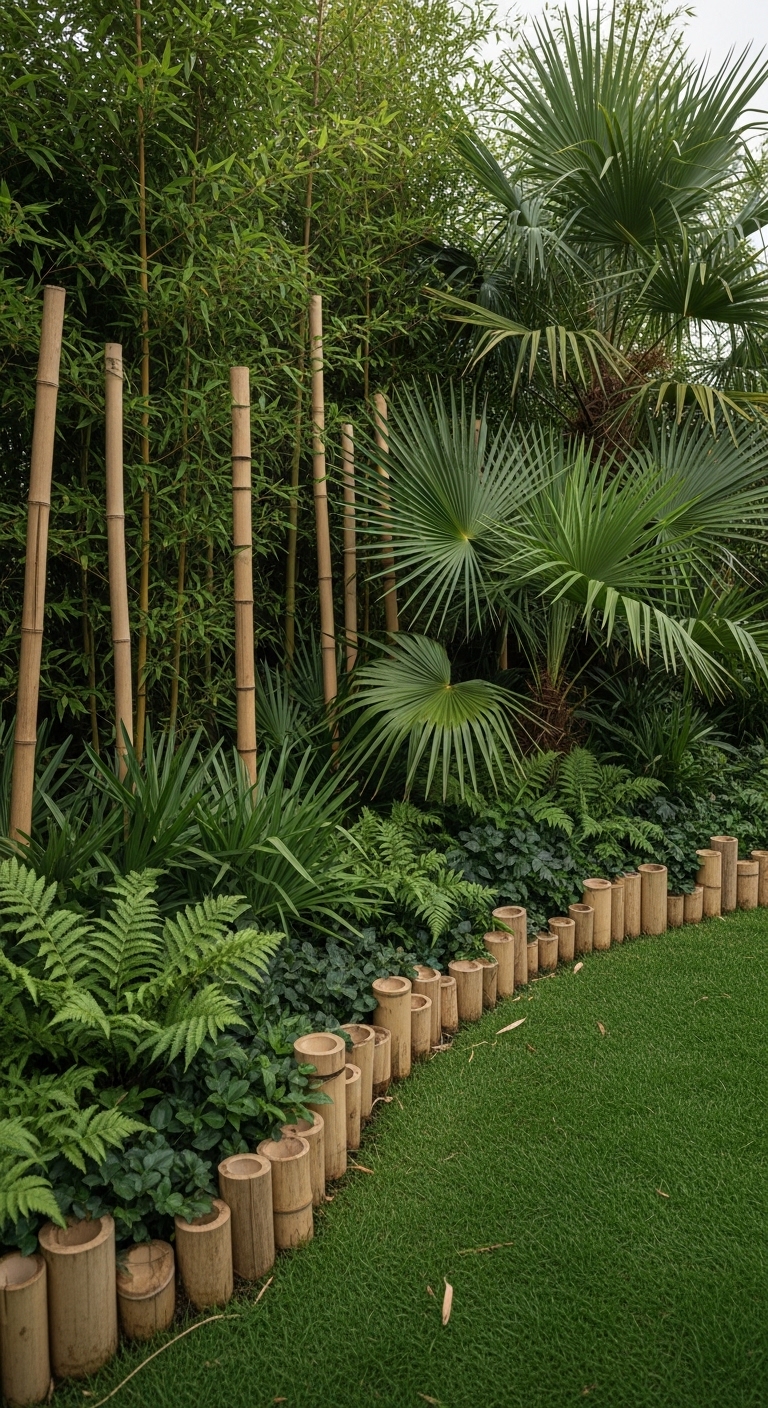
Bamboo edging is an eco-friendly choice that adds a tropical flair to your garden. This renewable material is not only sustainable but also incredibly versatile. Bamboo can be used to create a variety of edging styles, from rustic to contemporary, depending on how it is installed.
You can choose to use whole bamboo poles for a natural look or bamboo fencing for a more polished appearance. Its lightweight nature makes it easy to install and reposition as your garden evolves. Bamboo also weathers beautifully, developing a lovely patina over time that enhances its charm.
Pair bamboo edging with lush tropical plants or ornamental grasses to create a vibrant atmosphere. It’s important to monitor the bamboo for any signs of rot or damage and replace it as needed to maintain its aesthetic appeal.
5. Colorful Paver Edging
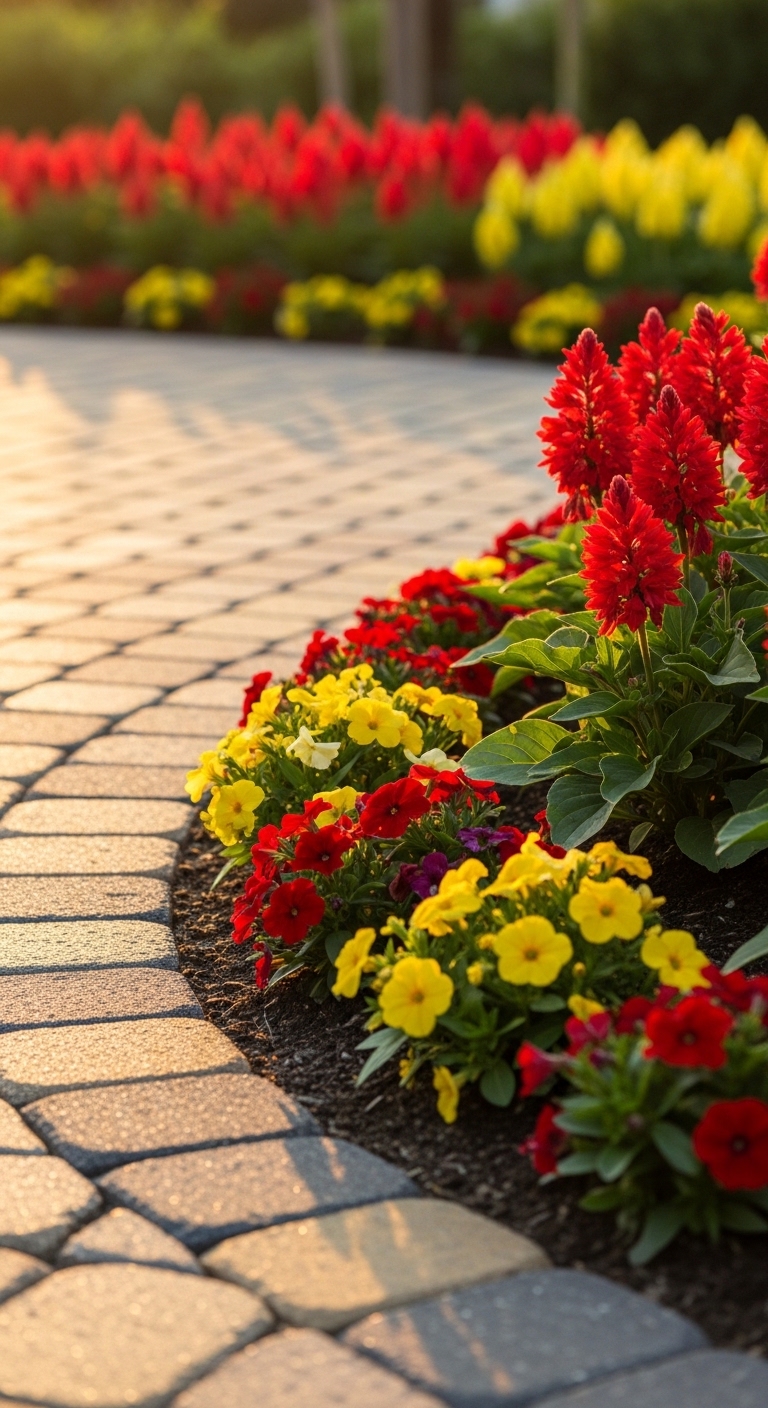
Pavers are a fantastic option for creating colorful and durable garden edging. Available in various shapes, sizes, and colors, pavers can be arranged in unique patterns to define your garden beds and walkways. This versatility allows you to customize the look of your garden while ensuring a long-lasting solution.
Consider using a mix of colors and shapes to create a visually dynamic border. You can create geometric patterns, curves, or straight lines depending on your landscape design. Additionally, pavers are easy to maintain and can withstand the elements without fading or cracking.
For an added touch, plant low-growing perennials or ground cover plants in between the pavers. This not only softens the hard edges but also creates a lush, vibrant appearance that enhances the overall garden design.
6. Creative Recycled Materials
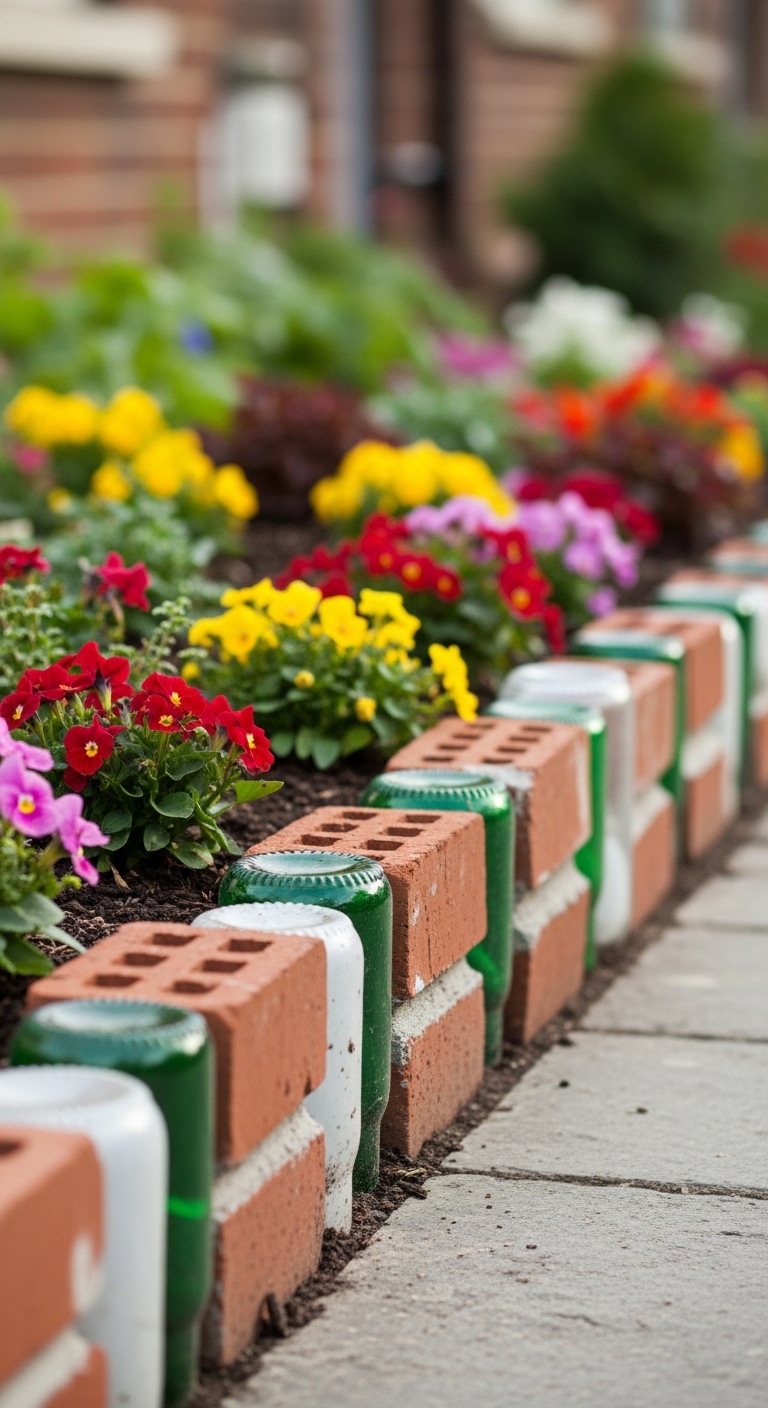
Recycling materials for garden edging is not only environmentally friendly but also a creative way to add character to your garden. Items such as old bricks, tiles, or even glass bottles can be repurposed to create unique and eye-catching borders. This approach allows you to showcase your personality and creativity while keeping costs down.
When using recycled materials, consider the colors and textures to ensure they complement your garden design. You can create a mosaic effect with tiles or a rustic look with reclaimed bricks. These materials often tell a story, adding a sense of history and charm to your outdoor space.
For maintenance, ensure that the recycled materials are stable and secure to avoid any safety hazards. Regular cleaning may be required to maintain their appearance, especially if they are porous materials that can accumulate dirt or algae.
7. Chic Concrete Borders
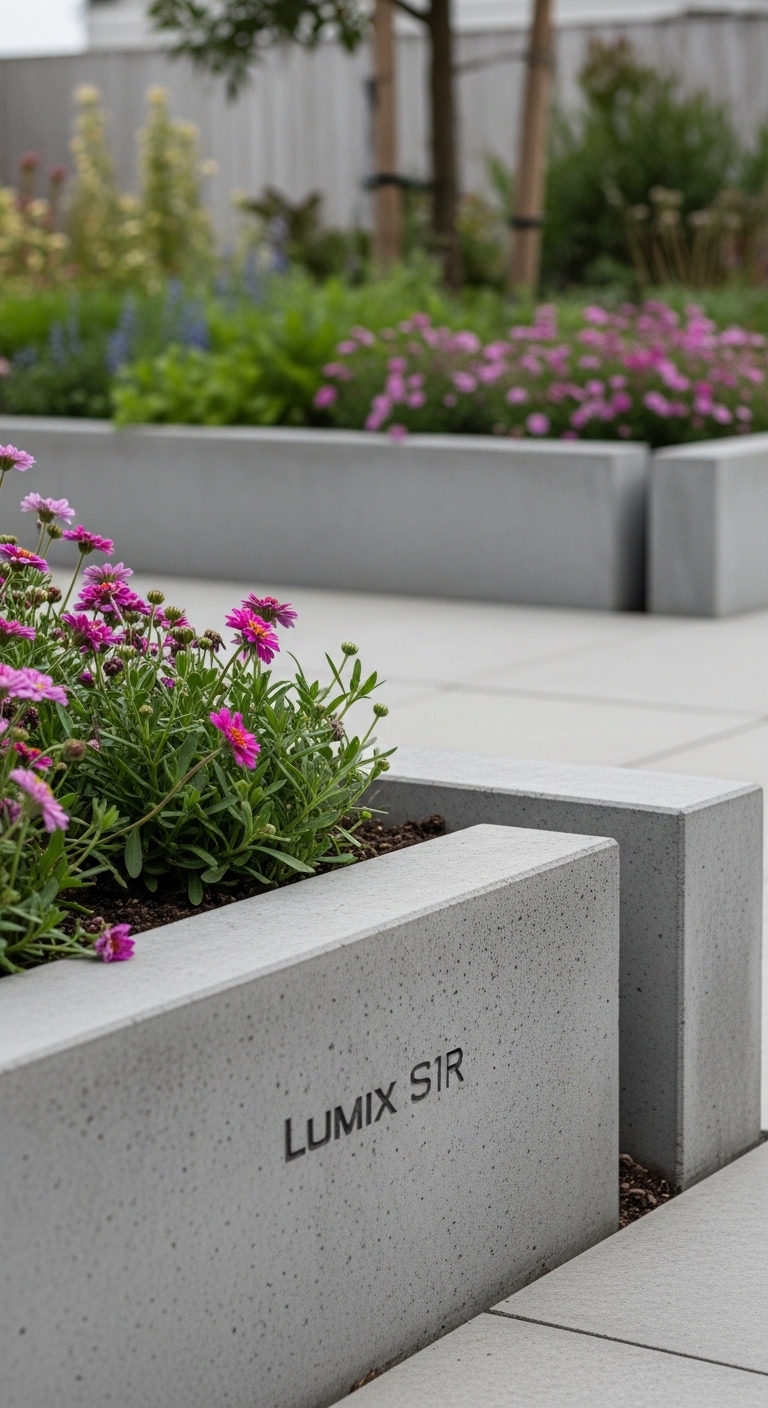
Concrete edging is a modern and durable choice that can add a chic touch to any garden. This versatile material can be poured into custom shapes or used in pre-cast forms, allowing for endless design possibilities. Concrete borders are not only resilient but also require minimal maintenance, making them ideal for busy gardeners.
You can opt for a sleek, smooth finish for a contemporary look or a textured surface for a more rustic feel. Concrete can also be painted or stained to match your garden theme, providing a tailored approach to your landscape design. Its durability means it will withstand the elements and maintain its shape for years.
To soften the hard edges of concrete, consider incorporating flowering plants or shrubs around the border. This contrast will create a beautiful balance between hardscape and softscape, enhancing the overall appeal of your garden.
9. Rustic Stone Wall Borders
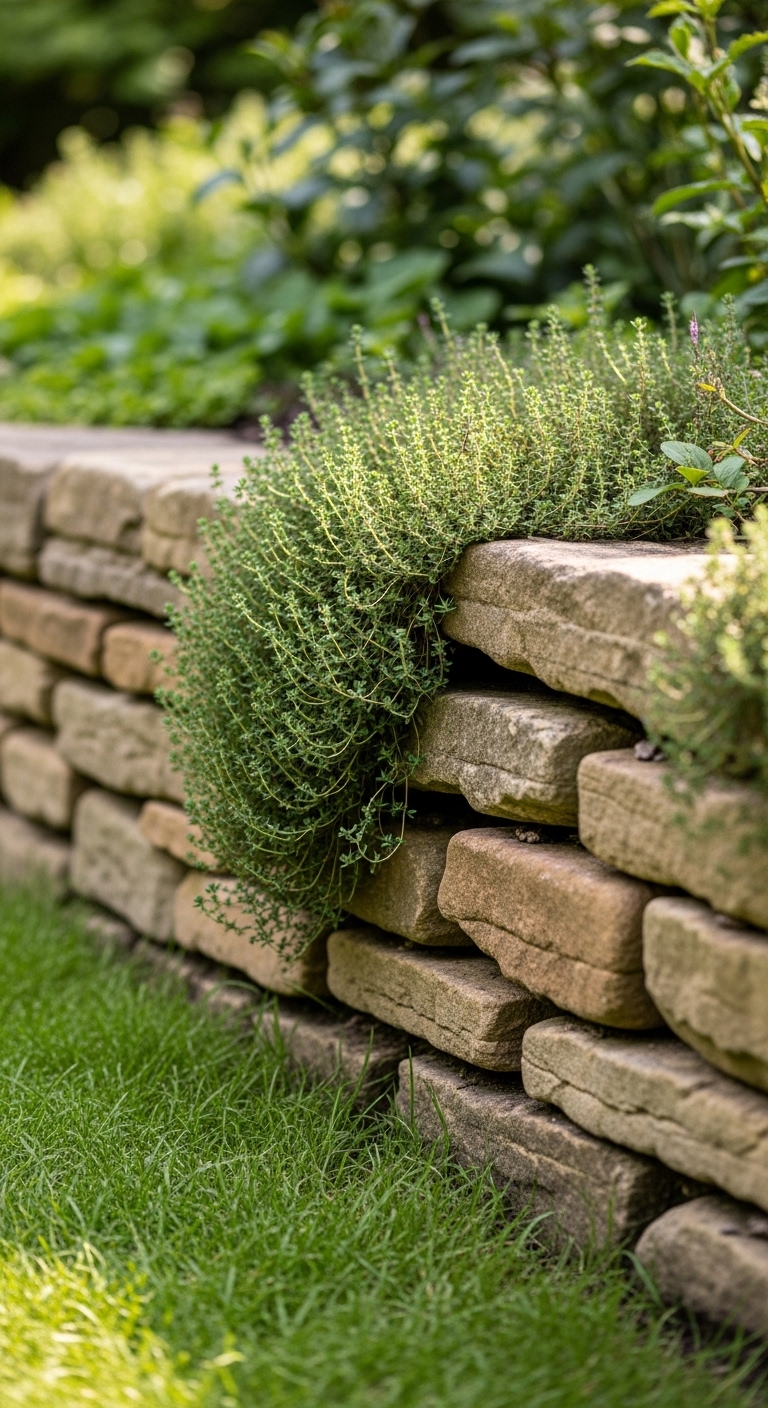
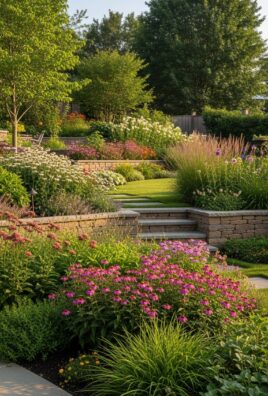
Transform your garden into a picturesque retreat with rustic stone wall borders. These natural stone walls provide a sturdy and charming edging solution that blends seamlessly with the landscape. Choose locally sourced stones for a more authentic feel, and consider using dry-stacking techniques to create a wall that encourages water drainage and supports plant growth.
Incorporating a stone wall not only delineates spaces but also offers a habitat for small wildlife. You can enhance the visual appeal by planting creeping thyme or sedums along the top of the wall, which will spill over and soften the edges. This approach adds a vibrant touch while creating a low-maintenance solution.
For added interest, mix different stone sizes and colors to create a unique pattern that reflects your garden’s style. Whether your garden is contemporary or traditional, a stone wall can serve as a versatile edging that harmonizes with various plant species and outdoor features. A well-constructed stone wall can last for years, making it a sustainable choice for any garden enthusiast.
10. Lively Hedge Borders
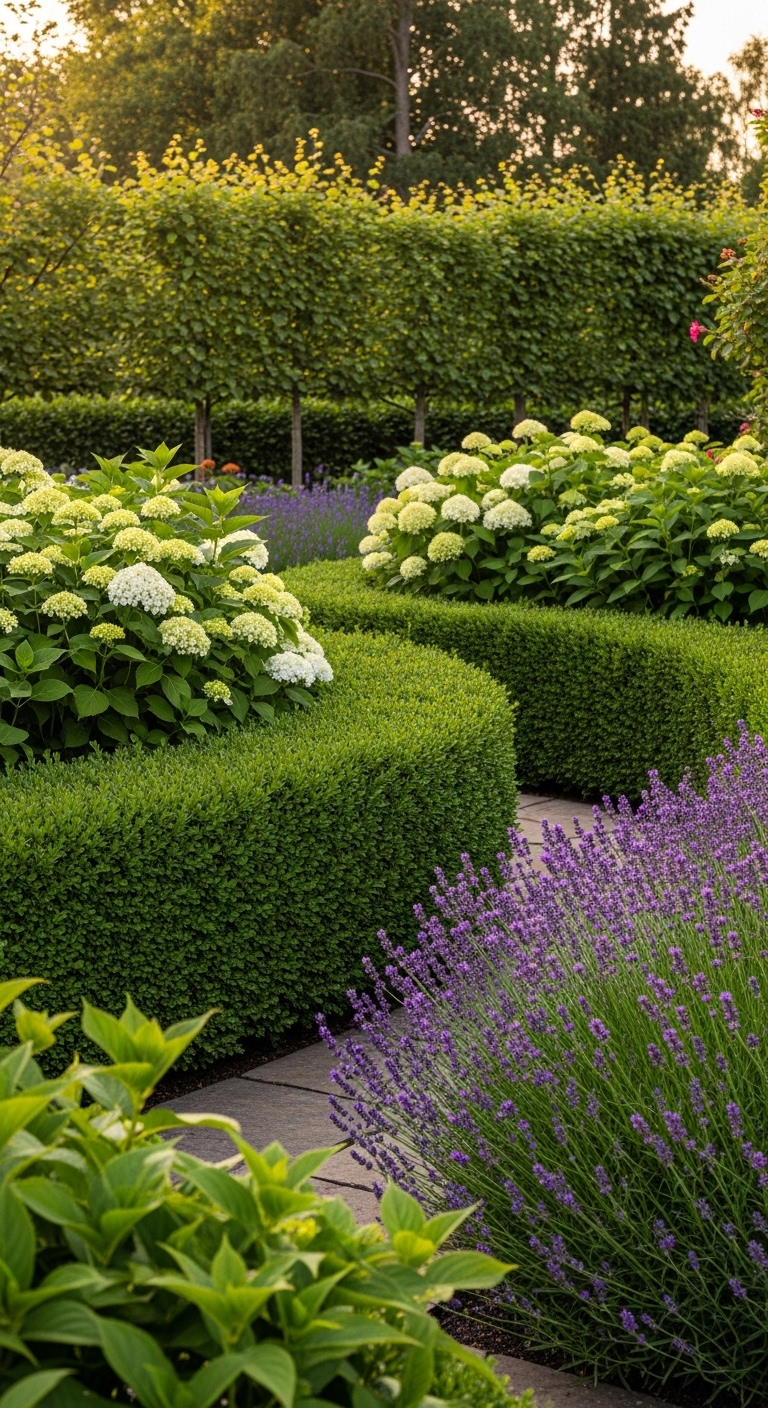
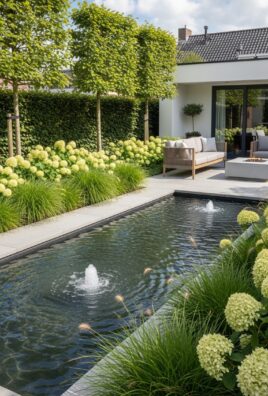
Hedges serve as both beautiful borders and functional privacy screens in any garden. By selecting a variety of shrubs that suit your climate and garden style, you can create a lush and vibrant edging that enhances your outdoor space. Consider using boxwood for a classic look or flowering varieties like hydrangeas or lilacs for seasonal color.
Regular trimming and shaping of your hedge will not only maintain its form but also encourage healthy growth. Adding herbs like lavender or rosemary at the base of the hedge can provide fragrance and attract pollinators, creating a multi-sensory experience in your garden.
Utilizing hedges as borders helps define pathways and garden beds while providing shelter and habitat for beneficial wildlife. This natural boundary can create a serene garden atmosphere while allowing for creativity in plant selection and shaping. The right hedge can transform any yard into a peaceful retreat that you can enjoy year-round.
11. Charming Wooden Log Edging
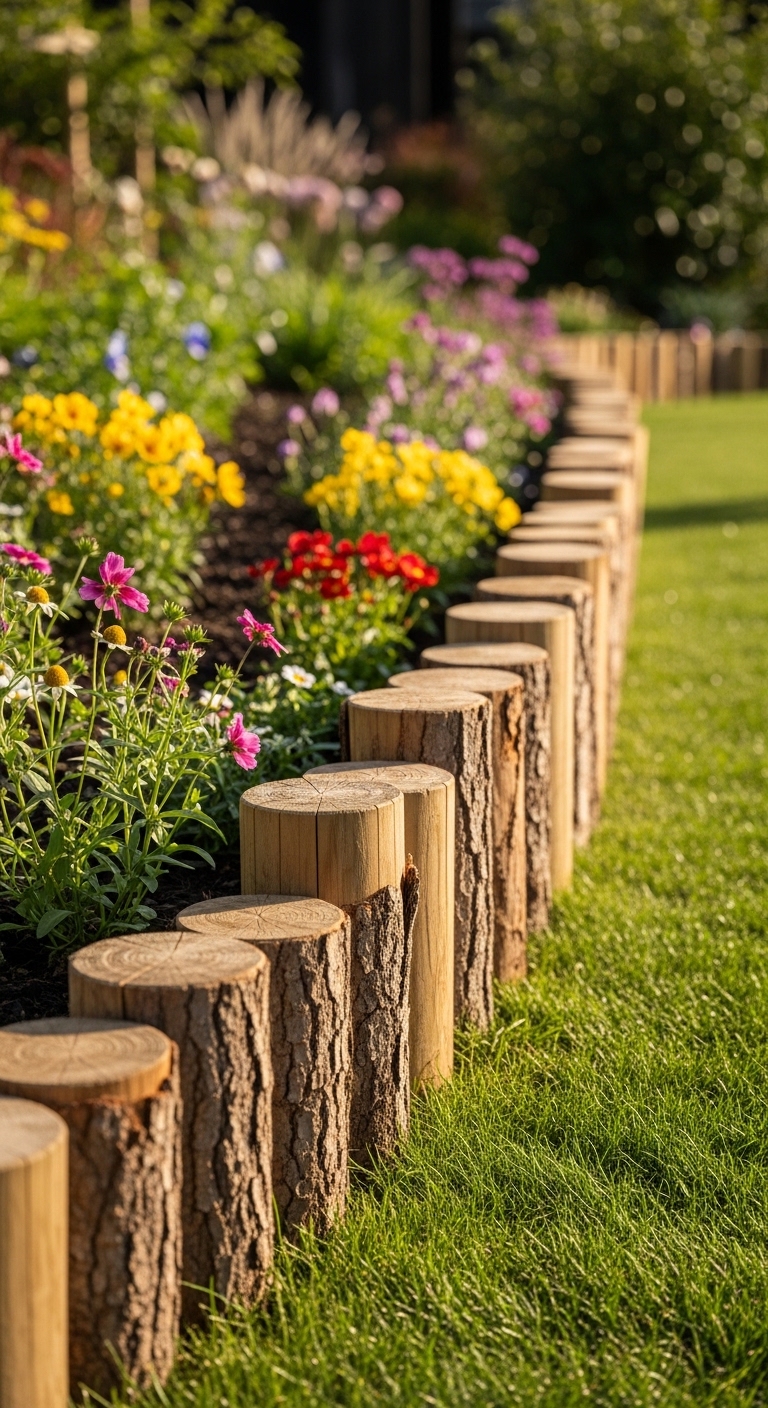
Wooden log edging brings a rustic charm to any garden, providing a natural and organic feel to your outdoor space. Ideal for defining garden beds or paths, log edging can be easily sourced from fallen trees or purchased from garden centers. The natural variations in color and texture add visual interest and warmth to your garden landscape.
When installing log borders, consider using logs of varying diameters to create a more dynamic look. This style works beautifully in cottage gardens or woodland settings, and the logs can also serve as seating or resting areas while enjoying your garden. To add longevity, choose hardwoods that are resistant to decay, such as cedar or redwood.
Pairing log edging with wildflowers or native plants can create a seamless transition between your cultivated garden and the natural environment. This approach not only enhances the aesthetic appeal but also promotes biodiversity, as native plants provide habitats for local wildlife. Creating log borders offers a unique opportunity to express your garden’s personality while being eco-friendly.
12. Elegant Glass Edging
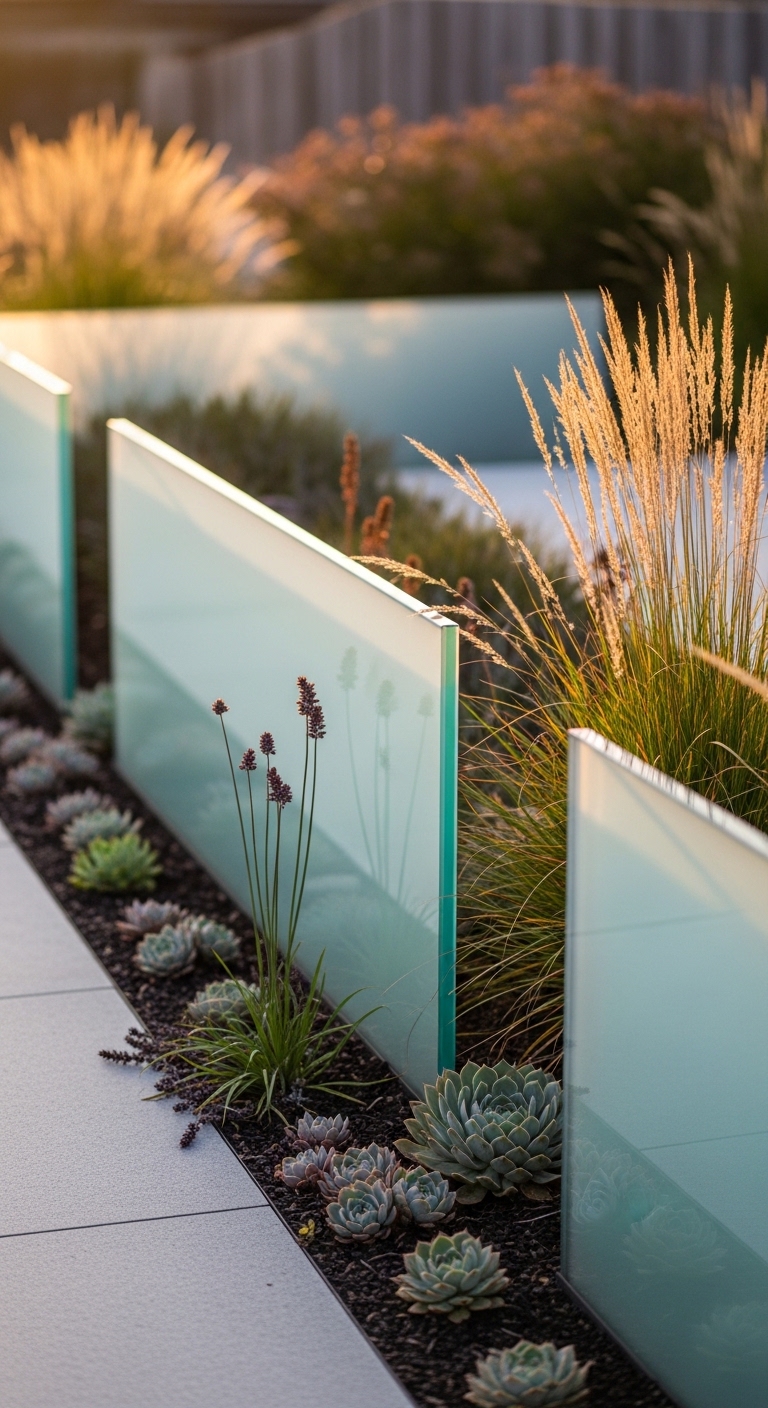
Glass edging is an innovative and modern choice for those looking to add a touch of sophistication to their garden. This sleek material not only outlines garden beds beautifully but also reflects light in stunning ways, creating an illusion of space and brightness. Ideal for contemporary gardens, glass can be sourced in various colors and finishes, allowing you to customize the look to fit your style.
Utilizing frosted or colored glass can provide a soft glow during evenings, enhancing your outdoor ambiance. It’s important to securely install glass edging to prevent any accidents, ensuring that it remains stable and safe for all garden enthusiasts. Pairing glass with minimalist plant selections, such as succulents or ornamental grasses, can create a striking visual contrast that elevates the overall design.
In addition to aesthetics, glass edging is durable and easy to maintain, making it a practical choice for those who want a long-lasting solution. The reflective properties of glass can highlight beautiful plants and flowers, adding an eye-catching element to your garden while serving as a chic boundary that defines your outdoor spaces.
Frequently Asked Questions
What materials are best for garden edging?
The best materials for garden edging depend on your style preferences and the overall aesthetic of your garden. Popular options include natural stone, wood, metal, bamboo, and pavers. Each material has its own advantages: stone provides durability and a natural look, wood offers warmth and charm, while metal gives a sleek and modern appearance.
Consider the maintenance requirements and longevity of each material when making your choice. For instance, while wood may require regular treatment to prevent rotting, metal and stone can last for many years with minimal upkeep. Ultimately, the best material will enhance your garden’s beauty while serving its functional purpose.
How do I install garden edging?
Installing garden edging is a straightforward process that can be done with a few basic tools. First, mark the area where you want the edging to go using stakes and string for guidance. Next, dig a trench about 4-6 inches deep, depending on the material you are using.
For materials like stones or bricks, lay them in place and adjust for levelness. If using wood or metal, secure them in the trench with stakes or brackets. Finally, backfill around the edging with soil and mulch for a polished look. Regular maintenance will help keep your edging looking fresh and defined over time.
Can I use recycled materials for garden edging?
Absolutely! Using recycled materials for garden edging is an eco-friendly way to add character to your garden. Items such as bricks, tiles, and even glass bottles can be creatively repurposed to create unique borders. This approach not only reduces waste but also allows you to showcase your personality through your garden design.
When selecting recycled materials, consider their durability and how they will hold up against the elements. Ensure that they are stable when installed to prevent any safety hazards. With a little creativity, recycled materials can become a stunning feature in your landscape.
How do I maintain my garden edging?
Maintaining garden edging is essential to keep it looking its best and to prolong its life. Regular cleaning is important, especially for materials like wood, which can accumulate dirt and algae over time. For stone or concrete edging, a simple rinse with a hose can remove debris.
Additionally, check for any signs of wear, such as rotting wood or crumbling concrete, and address these issues promptly to avoid further damage. If necessary, apply sealants or treatments to protect the materials from the elements. With proper care, your garden edging will remain a beautiful and functional part of your landscape.
What style of edging is best for a cottage garden?
For a cottage garden, natural materials such as stone or wood are typically the best choices for edging. These materials harmonize beautifully with the lush and informal style of cottage gardens, which often feature a mix of colorful flowers and wild plants. Using rustic wooden logs or natural stones can create a soft, inviting border that complements the overall garden aesthetic.
Additionally, consider incorporating plants that spill over the edging, adding to the charming, relaxed feel. This approach will create a seamless transition between your garden beds and pathways, enhancing the cottage garden’s whimsical nature.
Incorporating stylish garden edging is a simple yet effective way to enhance your outdoor space. The right edging can define your garden areas, improve drainage, and add aesthetic value to your landscape. From natural materials like stone and wood to modern alternatives like metal and concrete, there are endless possibilities to suit your personal style.
As you explore these genius garden edging ideas, consider how each option can complement your existing plants and outdoor décor. Don’t hesitate to mix and match materials to create a unique look that reflects your personality and enhances your garden’s beauty. Begin your gardening journey with these creative edging solutions and watch your garden flourish!
Leave a Comment