
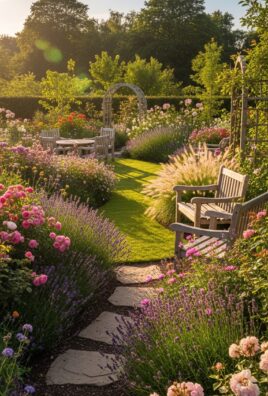
If you’re tired of replanting your garden every year, you’re not alone! Many of us wish for a beautiful outdoor space that not only thrives but also improves with each passing season. That’s where perennials come to the rescue! In this article, we’ll explore 13 perennials that come back every year and look better each season, giving you a garden that feels vibrant and full of life without the hassle of replanting.
Imagine stepping into your garden year after year to find it even more enchanting than before. Perennials are a fantastic investment, as they not only beautify your landscape but also provide a reliable return on your efforts. They’re like the friends you can always count on, year after year, to bring color and joy to your outdoor living space. So, let’s dive into the world of perennials and discover which stunning plants will be the stars of your garden for seasons to come!
1. Echinacea: The Resilient Beauty

Echinacea, commonly known as coneflower, is a perennial that truly shines in the garden. Not only does it thrive in USDA hardiness zones 3 to 9, but it also attracts pollinators like bees and butterflies. The daisy-like flowers bloom from summer to fall, creating a stunning display of color that gets better with each season. To ensure healthy growth, plant echinacea in well-drained soil with full sun exposure, and watch as it flourishes year after year.
These hardy perennials are also drought-tolerant, making them a practical choice for gardeners looking to conserve water. They can handle a variety of soil types but prefer a sandy or loamy texture. By deadheading spent blooms, you can encourage more flowers to appear and prolong their blooming period, giving your garden that vibrant touch.
Incorporate echinacea into your garden borders or mixed perennial beds for a lively pop of color. With their lovely hues of pink, purple, and white, they mix beautifully with other perennials, creating a harmonious landscape that will delight you and your visitors every year.
2. Daylilies: The Garden Workhorses

Daylilies are the ultimate garden workhorses, and their appeal is universal across the U.S. These perennials come in an array of colors and patterns, blooming from early summer to fall. Hardy in zones 3 to 9, they adapt easily to various soil conditions, making them a favorite among both beginners and experienced gardeners. The key to their success lies in providing them with well-drained soil and enough sunlight.
One of the best features of daylilies is their ability to thrive with minimal care. Once established, they resist pests and diseases, which means more time to admire their beauty and less time worrying about upkeep. To encourage even more blooms, consider dividing them every few years to promote healthier growth and rejuvenation.
Plant daylilies in clusters for a dramatic effect, or intersperse them among other perennials for a stunning visual tapestry. They pair beautifully with echinacea and other flowering plants, making your garden a vibrant, colorful oasis that looks better with each passing season.
3. Hostas: The Shade Garden All-Star

If you’re dealing with shady spots in your yard, hostas are the perfect solution! These beloved perennials thrive in USDA hardiness zones 3 to 9 and come in a variety of sizes, shapes, and colors. Their lush foliage ranges from deep greens to stunning golds, providing visual interest even when not in bloom. Hostas are incredibly low-maintenance, requiring little more than regular watering and occasional fertilization.
One of the best things about hostas is their versatility. They can be used as ground cover, planted in containers, or showcased in borders and pathways. To keep them looking their best, provide them with well-drained soil and protect them from direct afternoon sun, which can scorch their leaves. With proper care, hostas will return year after year, enhancing your shade garden’s charm.
Consider pairing hostas with ferns or astilbes for a lush, layered look. The combination of textures and colors will create a serene and inviting atmosphere in your garden, making it a beautiful retreat that improves with each passing season.
4. Sedum: The Drought-Resistant Wonder

Sedum, commonly referred to as stonecrop, is an excellent choice for gardeners looking for low-maintenance, drought-resistant perennials. Thriving in USDA hardiness zones 3 to 9, these plants are perfect for rock gardens, borders, or even container gardening. Their fleshy leaves store water, making them resilient even in dry conditions, and they bloom in summer with clusters of star-shaped flowers that attract pollinators.
To grow sedum successfully, plant them in well-drained soil and ensure they receive full sun. This hardy perennial doesn’t require much care, but removing spent flowers can encourage new growth and keep your garden looking tidy. Sedum varieties like ‘Autumn Joy’ and ‘Dragon’s Blood’ are particularly popular for their stunning color and hardiness.
Incorporate sedum into your garden for a vibrant, low-maintenance display. They pair wonderfully with other drought-tolerant plants, creating a sustainable landscape that thrives year after year, all while requiring minimal effort on your part.
5. Lavender: The Fragrant Favorite
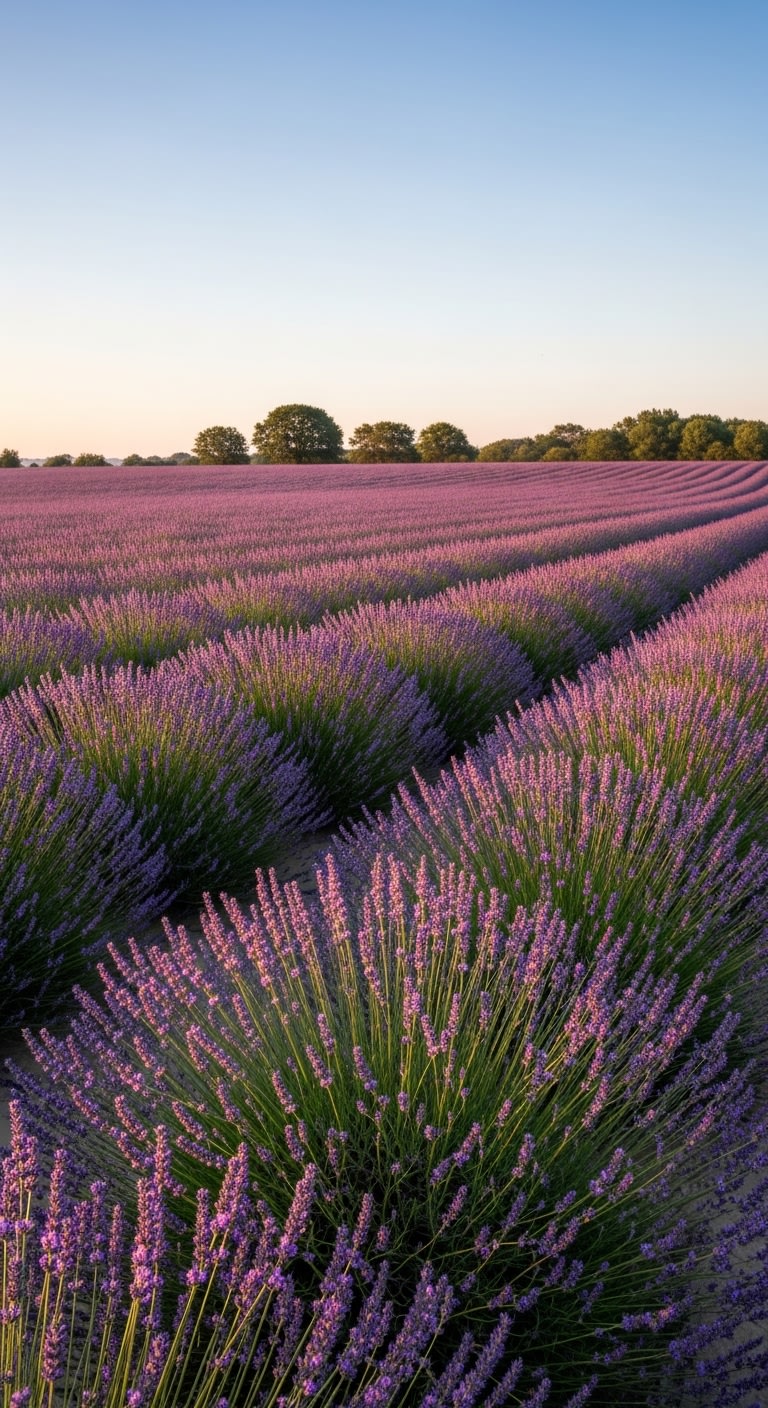
Lavender is not only a stunning addition to your garden but also fills the air with a delightful fragrance. Thriving in USDA hardiness zones 5 to 9, lavender prefers full sun and well-drained soil, making it a good choice for those hot summer days. The vibrant purple blooms attract bees and butterflies, adding life to your garden while creating a serene atmosphere.
This perennial requires minimal care once established, with occasional pruning to encourage new growth and maintain its shape. Lavender is also drought-resistant, making it perfect for low-water gardens. Additionally, it can be harvested for culinary uses or dried for potpourri, providing even more value to your gardening efforts.
Plant lavender in clusters to create a stunning visual impact and enjoy the benefits of its calming scent. It pairs beautifully with other perennials like echinacea and daylilies, making your garden not only look good but also smell heavenly as the seasons pass.
6. Peonies: The Show-Stopping Perennial
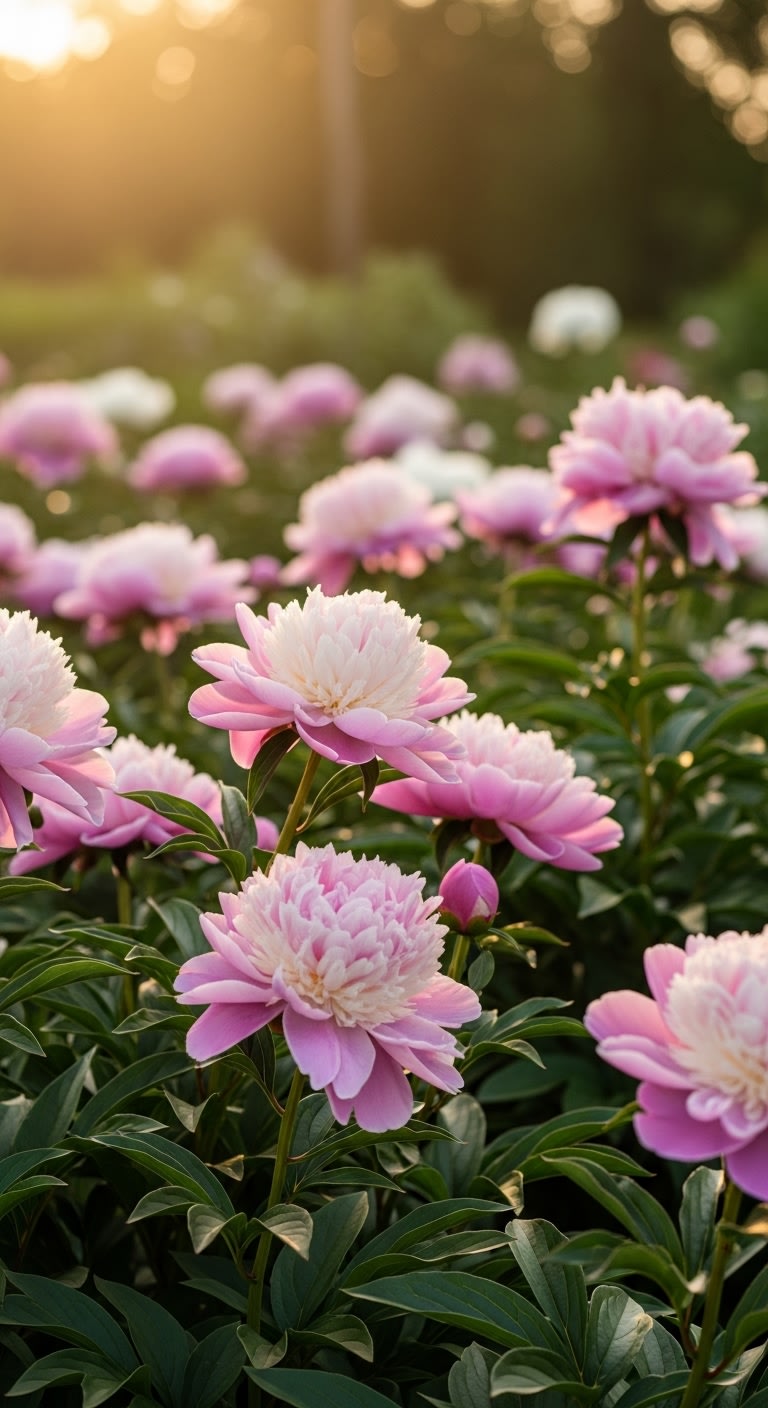
Peonies are often considered the show-stoppers of any garden. With their lush, full blooms and delightful fragrance, these perennials add a touch of elegance to your outdoor space. Thriving in USDA hardiness zones 3 to 8, peonies require full sun and well-drained soil to flourish. They bloom in late spring and early summer, providing a grand display that improves with age.
To get the best out of your peonies, be patient. They may take a couple of years to establish, but once they do, they can live for decades! After blooming, it’s essential to cut back the foliage to promote healthy growth for the following year. Peonies also do well when planted near other perennials, as their lush leaves can help fill in gaps.
Consider planting peonies in a prominent spot in your garden to showcase their stunning flowers. They make excellent cut flowers for arrangements, allowing you to bring their beauty indoors. With a little care, your peony plants will reward you with breathtaking blooms year after year.
7. Salvia: The Colorful Perennial

Salvia is a versatile perennial that adds a splash of color and attracts pollinators to your garden. Thriving in USDA hardiness zones 3 to 9, salvia prefers full sun and well-drained soil, making it suitable for a variety of garden settings. The vibrant blue, purple, and red flowers bloom throughout the summer, offering an eye-catching display that gets better each season.
To keep your salvia healthy, deadhead spent blooms and provide adequate water during dry spells. Salvia is relatively low-maintenance, making it a perfect choice for busy gardeners. It’s also deer-resistant, meaning you can enjoy its beauty without worrying about unwanted munchers in your garden.
Consider using salvia as a border plant or in mixed beds for a stunning visual impact. These perennials pair well with daylilies and echinacea, creating a lively garden that will continue to dazzle you year after year.
9. Echinacea: The Resilient Beauty of the Prairie
Echinacea, commonly known as coneflower, is a perennial that adds a touch of wild beauty to your garden. These hardy plants thrive in USDA hardiness zones 3 to 9, making them a fantastic choice for a variety of climates across the United States. When planting Echinacea, choose a sunny spot with well-drained soil; they flourish in sandy or loamy conditions. You can expect these flowers to bring vibrant colors ranging from purples to pinks and whites, attracting pollinators like butterflies and bees.
In addition to their stunning blooms, Echinacea is also quite low-maintenance. Just be sure to water them during dry spells, especially in the first year as they establish their roots. Once established, they are drought-tolerant and can handle periods of neglect. To promote fuller plants, consider deadheading spent flowers throughout the summer, which encourages additional blooms and keeps your garden looking fresh.
Echinacea is not only beautiful but also beneficial for your health. Traditionally known for its medicinal properties, these flowers have been used in teas and supplements. As a bonus, the seed heads provide winter interest in your garden and food for birds, ensuring that your garden remains lively even in the colder months.
10. Daylilies: The Versatile Garden Workhorse
Daylilies are a fantastic perennial choice for gardeners looking to make a bold statement without too much effort. With their vibrant blooms and ability to thrive in a range of conditions, these beauties are perfect for USDA hardiness zones 3 to 9. They adapt well to various soil types, from clay to sandy soils, making them incredibly versatile. When selecting your daylilies, aim for a mix of early, mid, and late-season varieties to extend their blooming period throughout the summer.
One of the most appealing aspects of daylilies is their resilience to pests and diseases. They’re great for beginner gardeners who may feel intimidated by more delicate plants. Just ensure they receive plenty of sunlight, ideally six hours a day, and they’ll reward you with an impressive display of flowers that can range from bright yellows to deep burgundies.
To keep your daylilies looking their best, consider dividing them every few years when they start to become overcrowded. This will not only rejuvenate the plants but also give you additional plants to fill other areas of your garden. With their low-maintenance nature and stunning blooms, daylilies are sure to become a favorite in your outdoor space.
11. Astilbe: The Shade Garden Showstopper
If you’ve got a shady spot in your garden that needs a pop of color, Astilbe is your go-to perennial. Thriving in USDA hardiness zones 4 to 8, these stunning plants offer feathery plumes of flowers in shades of pink, white, and red that bloom in late spring to early summer. They prefer rich, moist soil and a bit of protection from the afternoon sun, making them ideal for woodland gardens or areas with partial shade.
When planting Astilbe, remember to space them out to allow for their wide foliage, and make sure to keep the ground consistently moist. Mulching can help retain soil moisture and suppress weeds, giving your Astilbe the perfect environment to flourish. Their lush foliage also provides an attractive backdrop even when they’re not in bloom, adding texture and interest to your garden year-round.
One unique feature of Astilbe is its ability to thrive in less-than-ideal conditions, such as alongside water features or in damp soil. This makes them an excellent choice if you’re looking to create a serene garden space. Pair them with ferns or hostas, and watch your shady garden transform into a vibrant oasis.
12. Sedum: The Succulent Sensation for Every Garden
Sedum, often referred to as stonecrop, is an easygoing perennial that can thrive in even the most challenging conditions. With over 400 species available, these hardy plants are perfect for USDA hardiness zones 3 to 9. Sedum is ideal for rock gardens, borders, or even container gardening. They love full sun and well-drained soil, making them a great choice for gardeners looking to minimize watering and maintenance.
When planting sedum, choose a variety of types to create a visually interesting display. Taller varieties can be used as focal points in your garden, while ground-hugging types are perfect for filling in gaps. Their fleshy leaves come in a variety of colors, including greens, reds, and purples. Plus, when fall arrives, the flowers turn to beautiful seed heads, offering winter interest.
To keep your sedum thriving, avoid overwatering as this can lead to rot. A light application of fertilizer in the spring is usually all they need to flourish. These resilient plants are also fantastic for attracting pollinators and can help in creating a sustainable garden environment. With their striking form and low-maintenance nature, sedums are sure to impress!
13. Black-Eyed Susans: The Cheerful Perennial Powerhouse
Black-eyed Susans are a quintessential American perennial that brings a splash of sunshine to your garden. Thriving in USDA hardiness zones 3 to 9, these golden beauties are perfect for borders, meadows, or even wildflower gardens. They prefer full sun and can tolerate a variety of soil conditions, making them easy to care for and a favorite among both beginner and experienced gardeners alike.
Planting Black-eyed Susans is a breeze—just scatter seeds in the early spring or fall, or purchase young plants for an instant garden boost. These flowers bloom in mid-summer and can last until the first frost, providing continuous color throughout the growing season. They also attract a multitude of pollinators, including bees and butterflies, promoting a healthy ecosystem in your yard.
To ensure your Black-eyed Susans remain vibrant, deadhead spent flowers to encourage further blooming. Once they’re established, they’ll thrive with minimal care, making them a great addition to a low-maintenance garden. Plus, their seed heads provide food for birds during the winter months. With their joyful appearance and resilience, Black-eyed Susans are sure to be a highlight in any outdoor space.
Frequently Asked Questions
What are the biggest mistakes when planting perennials?
One common mistake is not paying attention to soil requirements. Each perennial has its own preferences, and planting them in unsuitable soil can lead to poor growth or even death. Make sure to conduct a soil test and amend it as needed before planting.
Another mistake is planting perennials too close together. While it’s tempting to fill every inch of space, overcrowding can lead to poor air circulation and increase the risk of disease. Always check the recommended spacing for each plant to give them room to grow and thrive.
How can I ensure my perennials come back every year?
To ensure your perennials return each year, start by choosing plants that are suited for your USDA hardiness zone. This is crucial, as planting varieties that can’t survive your climate will lead to disappointment.
Additionally, proper care is essential. This includes regular watering, mulching to retain moisture, and periodic fertilization. Also, practice good garden hygiene by removing dead foliage and spent blooms, which can promote healthier plants and encourage repeat blooms the following season.
What perennials grow well in Zone 5?
In USDA hardiness zone 5, you can grow a variety of perennials that thrive in cooler climates. Popular choices include peonies, daylilies, and hostas. These plants not only survive but also flourish in the colder winters and hot summers typical of this zone.
When selecting perennials for your garden, always check the specific requirements for each plant. They should be planted in well-drained soil and receive adequate sunlight to ensure they bloom beautifully and return year after year.
When is the best time to plant perennials in the US?
The best time to plant perennials in the U.S. typically depends on your climate zone. Generally, early spring or fall are the ideal times for planting. In spring, soil temperatures have warmed up enough for roots to establish, while fall planting allows perennials to settle in before winter.
However, if you live in a warmer climate, you might consider planting in the fall for a head start in the spring. Always check local guidelines and consider your specific zone to determine the best timing for your gardening efforts.
What soil type is best for perennials?
Most perennials prefer well-drained soil that retains some moisture yet allows excess water to escape. A loamy soil with a good mix of sand and organic matter is ideal, as it supports healthy root development and nutrient absorption.
If your garden has heavy clay or sandy soil, consider amending it with compost or peat moss to improve its structure. Testing your soil is a great way to determine its pH and nutrient levels, allowing you to make necessary adjustments for thriving perennial plants.
Are perennials really worth the investment?
Absolutely! Perennials are worth the investment because they come back year after year, providing ongoing beauty and enjoyment in your garden. Unlike annuals, which need to be replanted each season, perennials can create a stable, evolving landscape.
Moreover, many perennials improve with age, meaning you’ll enjoy more blooms and lush foliage over time. Investing in perennials is not just about the initial purchase; it’s about creating a vibrant outdoor space that enhances your home and provides lasting joy.
By exploring these 13 perennials that come back every year and look better each season, you’ve taken an important step toward creating a garden that will bring you joy for years to come. These plants not only enhance the beauty of your outdoor space but also offer the satisfaction of knowing you’re nurturing a thriving landscape.
Gardening can sometimes feel like a daunting task, but remember, each plant is a new opportunity for creativity and growth. Whether you’re a novice or a seasoned gardener, these perennials are here to help you succeed and enjoy the process.
So, which of these beautiful plants will you choose for your garden? Let us know in the comments below what you’re excited to try, and don’t forget to save this list for a handy reference throughout the season!
Leave a Comment