
Spring is the season of renewal, and what better way to welcome it than by transforming your garden into a stunning oasis? With the right spring garden ideas, you can create a space that will make your neighbors stop and stare. It’s time to unleash your creativity and breathe new life into your outdoor spaces.
You may feel overwhelmed by choices, but don’t worry! From vibrant flower beds to chic outdoor seating, there are plenty of design elements and plant choices to explore. Whether you’re just starting out or you’re a seasoned gardener, these ideas will inspire you to take your garden to the next level. Get ready to turn heads and create a lush haven right in your backyard!
Let’s dive into these fabulous spring garden ideas that will not only enhance your space but also show off your gardening skills. You won’t want to miss these tips that will have everyone asking for your secrets!
1. Create a Colorful Flower Bed
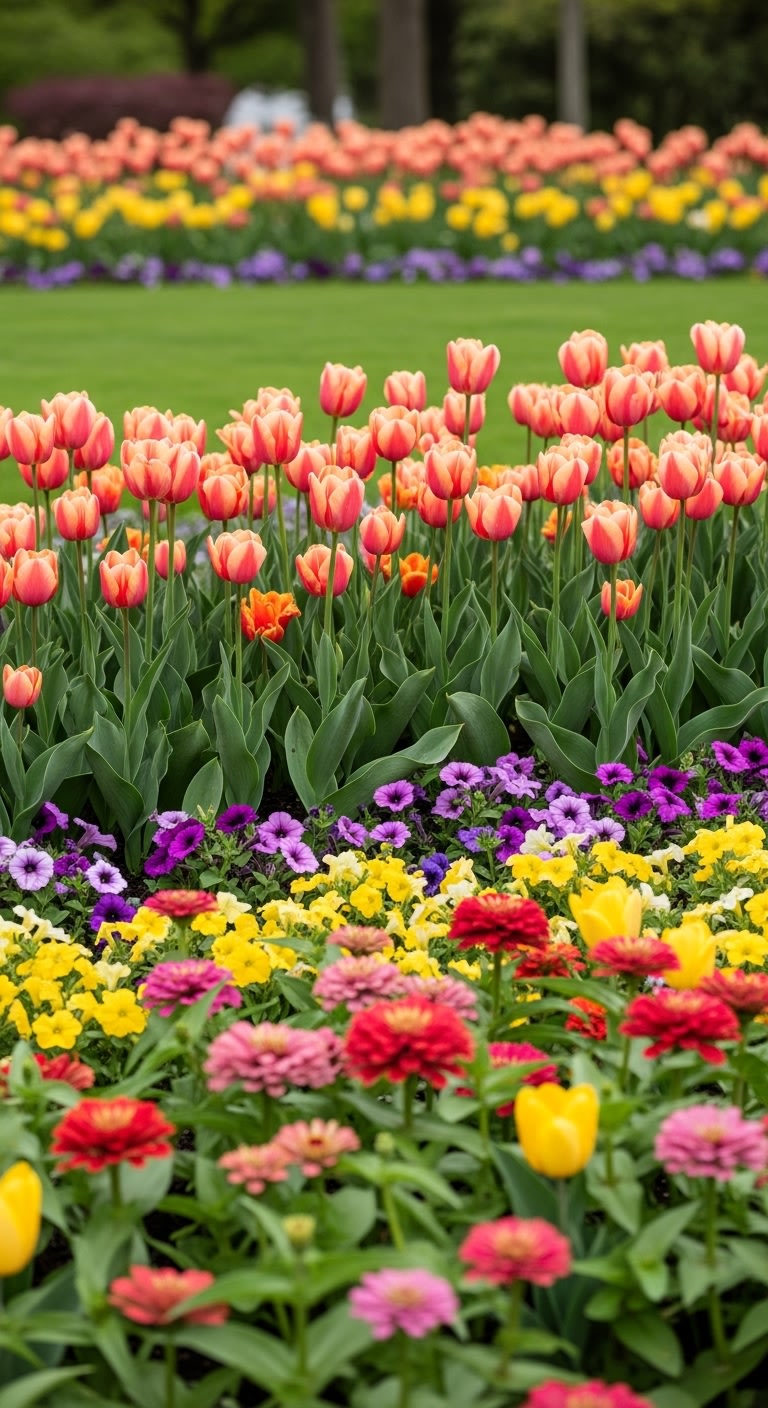
One of the most eye-catching spring garden ideas is to design a vibrant flower bed. Choose a mix of annuals and perennials that bloom at different times throughout the season to ensure your garden is always filled with color. Consider planting petunias, marigolds, and zinnias for cheerful pops of color. You can also incorporate perennials like echinacea and daylilies, which will return year after year.
When selecting your plants, think about your USDA hardiness zone to ensure they thrive in your specific climate. For example, if you’re in Zone 5, opt for tulips and hyacinths, which flourish in cooler temperatures. Layer your flower bed by placing taller plants at the back and shorter ones in the front, creating a visually appealing display.
Don’t forget to add some mulch to retain moisture and suppress weeds. This will give your flower bed a polished look and help keep your plants healthy. Your neighbors won’t be able to resist complimenting your beautiful blooms!
2. Design a Cozy Outdoor Seating Area
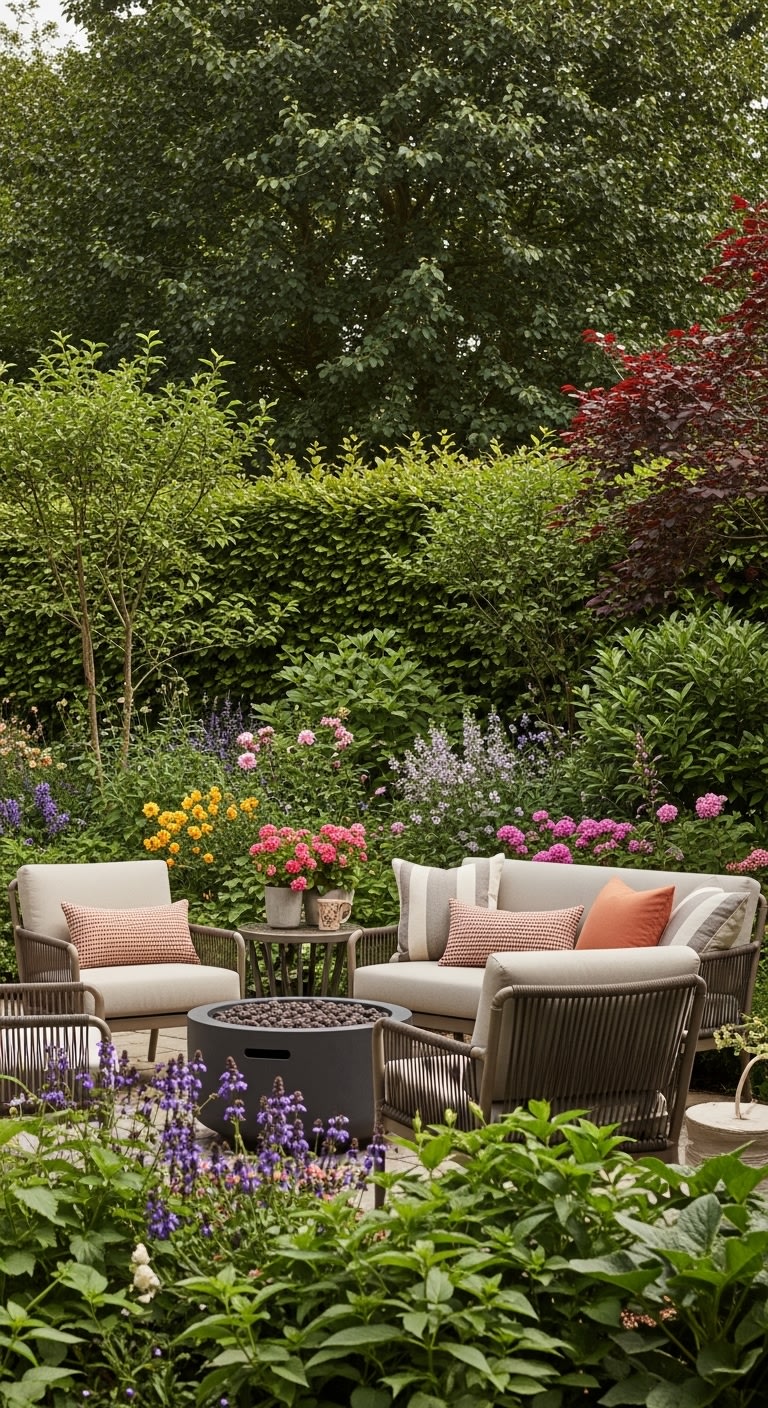
Transform your garden into a relaxing retreat by designing a cozy outdoor seating area. Choose comfortable furniture that invites you to sit back and enjoy your surroundings. Consider options like a stylish patio set or a charming swing bench surrounded by fragrant flowers.
To enhance the atmosphere, add some outdoor cushions in vibrant colors that complement your garden’s palette. You can also incorporate a fire pit or a chiminea for those cool spring evenings, allowing you to extend your outdoor enjoyment into the night. If space allows, consider draping fairy lights or lanterns for a magical ambiance.
Position your seating area strategically to take advantage of the best views in your garden. By creating an inviting space, you’ll not only enjoy your garden more but also impress your neighbors with your thoughtful design. Get ready to sip your favorite beverage while soaking in the beauty of your blooming garden!
3. Incorporate Vertical Gardens
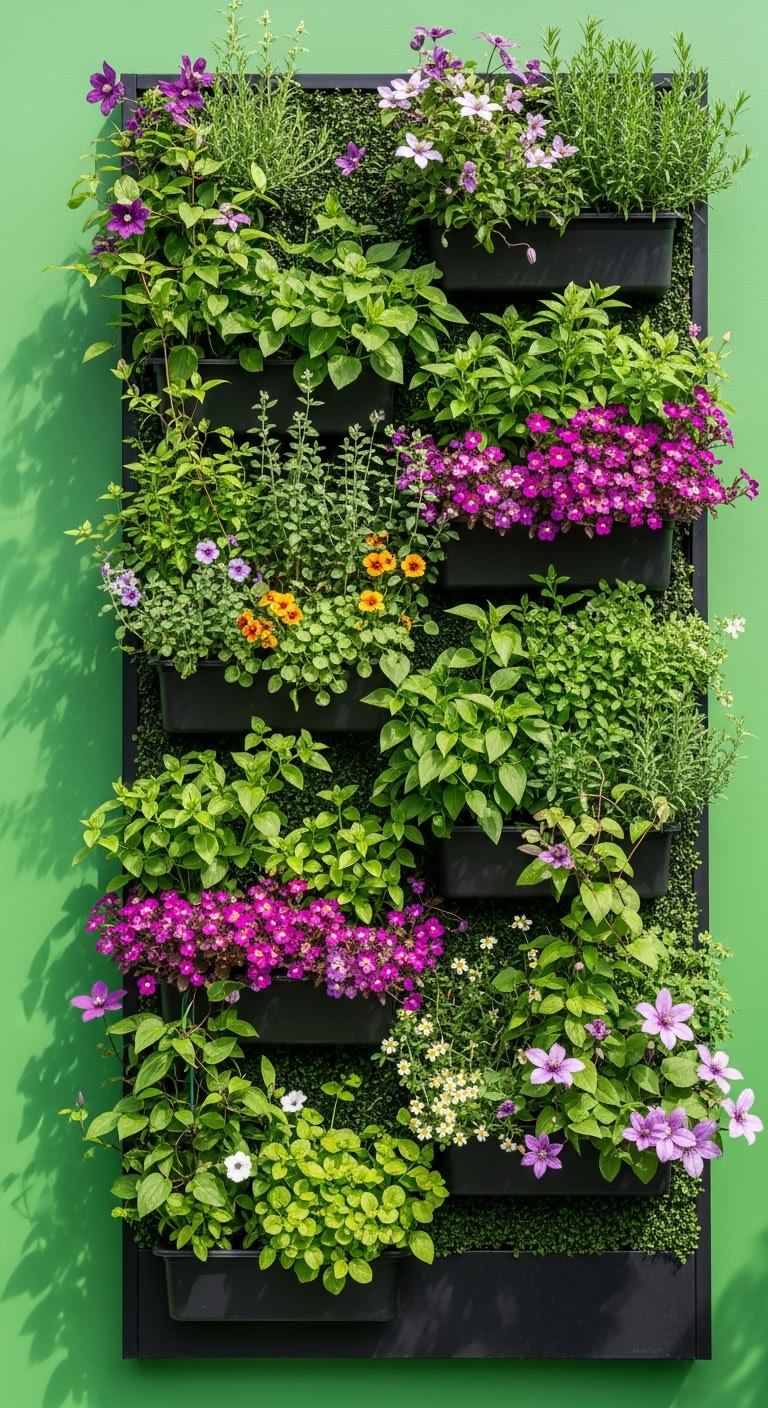
If you’re short on space, vertical gardens are a fantastic solution to maximize your gardening potential. Using wall planters or trellises, you can create stunning vertical displays filled with vibrant flowers or delicious herbs. This is a great way to add depth and interest to your garden.
Consider using climbing plants like clematis or sweet peas for a colorful vertical display. Herbs such as basil and thyme are also excellent choices, providing both beauty and utility. Hang your vertical planters in sunny spots to ensure your plants thrive throughout the spring season.
To keep your vertical garden well-maintained, ensure proper watering and drainage. This innovative approach will not only beautify your space but also free up ground space for other plants. Your garden will become a conversation starter, and your neighbors will be eager to learn your secret to such a unique design!
4. Plant a Herb Garden

Herbs are not only useful in the kitchen, but they also add a lovely fragrance and texture to your garden. A herb garden is a perfect spring project that can be both functional and beautiful. You can start with easy-to-grow varieties like basil, rosemary, and mint, which thrive in most USDA hardiness zones.
Choose a sunny spot in your garden, as most herbs love bright light. You can plant them directly in the ground or in pots for a more organized appearance. Mixing different types of herbs together can create a lush and aromatic garden bed that will entice your senses.
Don’t forget to regularly prune your herbs to encourage bushy growth and prevent them from flowering too early. With a little care, your herb garden will flourish all season long, and you’ll have fresh ingredients at your fingertips for cooking. Impress your friends with your homegrown herbs, and watch your neighbors’ heads turn!
5. Add Garden Lighting for Evening Charm

Garden lighting can dramatically change the atmosphere of your outdoor space, making it a magical oasis come evening. Incorporating soft lights along pathways, around seating areas, or highlighting specific plants can create an enchanting ambiance. Solar-powered lights are an eco-friendly option that’s easy to install and requires minimal upkeep.
Consider using string lights for a whimsical touch or lanterns to create a cozy feel. Position them strategically to draw attention to your favorite features, like a beautiful tree or a flower bed. This simple addition will not only enhance your garden’s beauty but also provide safety when walking around at night.
Remember to balance the lighting; you want a warm glow that invites relaxation without overwhelming brightness. With the right garden lighting, your outdoor space will become a stunning highlight in your neighborhood, captivating your neighbors as the sun sets.
6. Create a Butterfly Haven
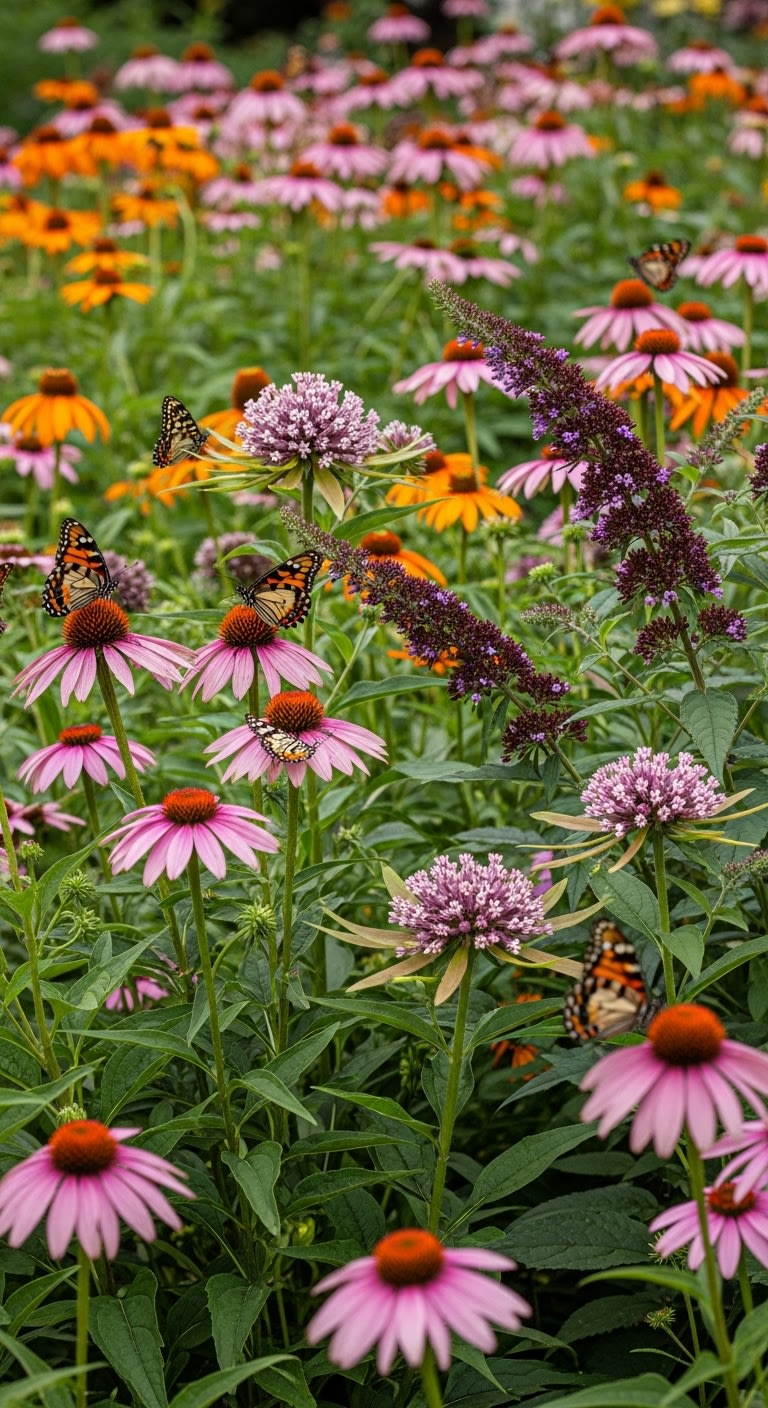
Attracting butterflies to your garden is a delightful way to enhance its beauty and create a vibrant ecosystem. Start by planting nectar-rich flowers like coneflowers, milkweed, and butterfly bush. These plants are favorites among butterflies and will encourage them to visit your garden throughout the spring.
Consider adding shallow dishes of water or flat stones with water on them, as butterflies need hydration too. You might also want to include host plants for caterpillars, like parsley or dill, which will support the butterfly life cycle.
Position your butterfly garden in a sunny spot, as butterflies love warmth. With some patience and care, you’ll not only enjoy the beauty of these creatures but also create a lively garden that will be the envy of your neighborhood. Your butterfly haven will become a go-to gathering spot for fluttering friends and curious neighbors alike!
7. Incorporate Garden Art
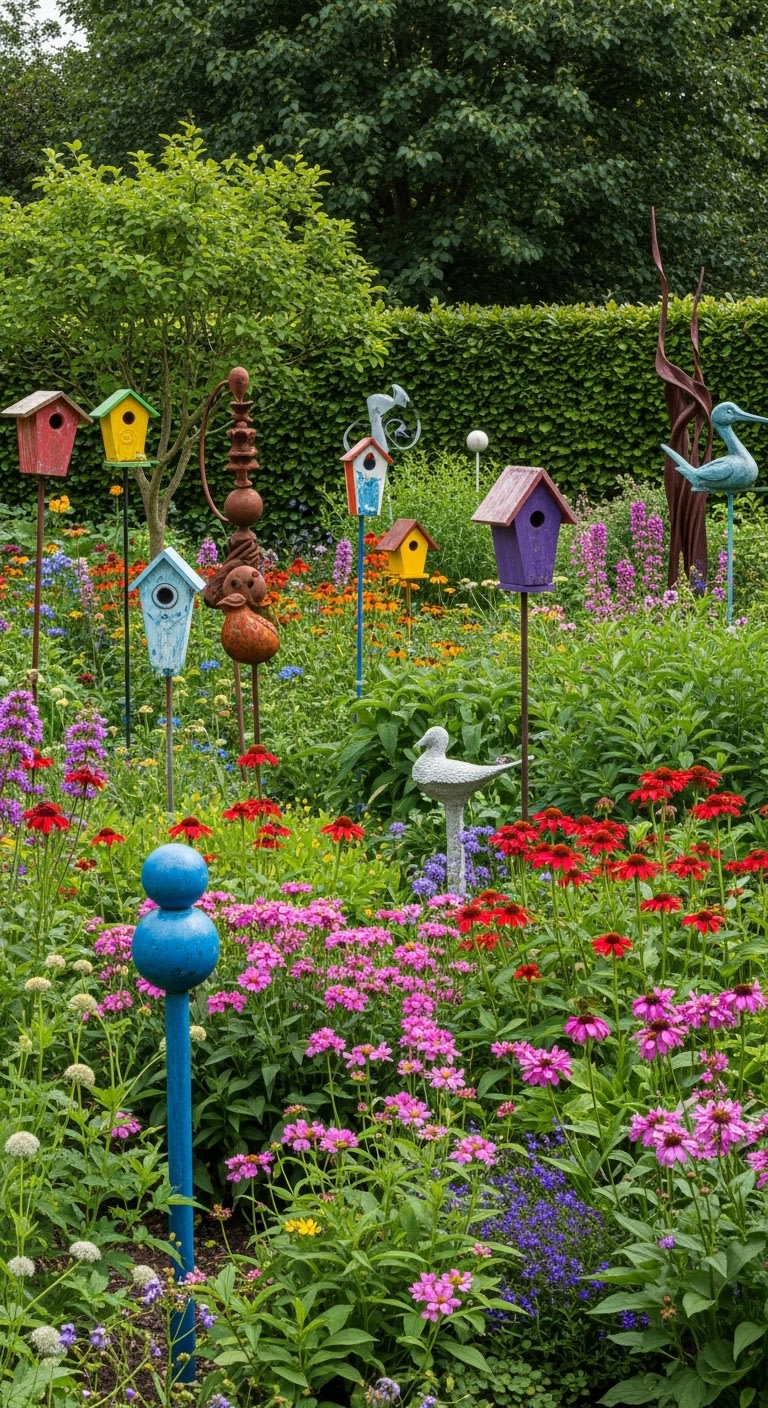
Garden art can add a personal touch and unique character to your outdoor space. From sculptures to decorative birdhouses, the right piece can become a focal point that elevates your garden’s aesthetic. Choose art that reflects your personality and complements your garden’s theme.
Consider incorporating wind chimes, mosaic stepping stones, or even a colorful garden sign. These details can enhance your garden’s charm, making it a delightful space for both you and your visitors. Look for items made from durable materials that can withstand the elements, ensuring they last for many seasons.
Placing art strategically around your garden can draw the eye and create a cohesive design. Your garden will not only be a place of beauty but also a reflection of your creativity. Get ready for compliments from curious neighbors who admire your artistic flair!
9. Transform Your Space with Colorful Annuals
Spring is the perfect opportunity to infuse your garden with vibrant color using annual flowers. Consider planting a mix of zinnias, marigolds, and petunias, all of which thrive in USDA hardiness zones 3-10. These flowers not only bring life to your garden but also attract pollinators, creating a lively ecosystem right in your backyard.
When selecting your annuals, think about your garden’s color palette. For a cohesive look, choose flowers that complement each other, such as deep purples with bright yellows. You can plant them in clusters for dramatic flair or scatter them for a more natural appearance. Just remember to deadhead spent blooms regularly to encourage new growth and maintain that fresh look all season long.
Also, ensure your soil is well-draining and enriched with compost to give your annuals the best chance to thrive. Water them consistently, especially during dry spells, but be cautious of overwatering. With the right care, your garden will be a stunning showcase of color that will certainly catch your neighbors’ eyes.
10. Create a Cozy Outdoor Living Space
Imagine sipping your morning coffee while surrounded by the beauty of your garden. Creating a cozy outdoor living space can enhance your enjoyment of your yard. Start by choosing comfortable outdoor furniture that suits your style, whether it’s rustic wooden benches or sleek modern seating. Consider adding cushions in weather-resistant fabrics to make it inviting.
Incorporate soft textiles and decorative elements like throw blankets and outdoor pillows to create a warm atmosphere. You might also want to add a fire pit or an outdoor rug to define the space and make it feel more intimate. Surround the area with fragrant plants like lavender or rosemary, which not only smell wonderful but also repel pests.
Don’t forget about lighting! String lights or lanterns can create a magical ambiance as the sun sets. Layer your lighting for a cozy feel: use wall sconces, table lamps, and fairy lights to ensure your outdoor oasis remains an inviting retreat long into the evening.
11. Establish a Pollinator-Friendly Garden
Creating a pollinator-friendly garden is not only beneficial for the environment but also a delightful way to add biodiversity to your yard. Start by incorporating native plants that provide nectar and habitats for bees, butterflies, and other beneficial insects. Look for flowers like coneflowers, black-eyed Susans, and milkweed, which thrive in various USDA hardiness zones.
It’s essential to ensure your garden has a variety of plants that bloom at different times throughout the season. This will provide food for pollinators from spring to fall. Avoid using pesticides, which can harm these essential creatures; instead, opt for organic methods of pest control.
Adding features like bee hotels or butterfly feeders can also enhance your pollinator garden. By creating a welcoming space for these creatures, you not only support the ecosystem but also get to enjoy watching them thrive throughout the growing season.
12. Incorporate Edible Landscaping
Why not make your garden both beautiful and functional by incorporating edible landscaping? This approach allows you to grow fruits, vegetables, and herbs alongside your ornamental plants, creating a stunning yet practical outdoor space. For instance, consider mixing vibrant Swiss chard with flowering perennials for a colorful and edible border.
Choose plants that do well in your region’s climate. If you live in a warmer area, tomatoes and peppers can thrive, while cooler zones can enjoy kale and lettuces. Planting in raised beds can improve drainage and soil quality, making it easier to manage your edible garden.
Don’t forget to utilize vertical space by growing vining plants like cucumbers or snap peas on trellises. This not only maximizes your garden space but also adds visual interest. With a little creativity, you can cultivate a garden that nourishes both the body and the soul.
13. Create a Tranquil Water Feature
A water feature can elevate your garden from ordinary to extraordinary, creating a peaceful retreat right in your backyard. Whether it’s a small pond, a bubbling fountain, or a serene birdbath, the sound of flowing water brings a sense of calm and relaxation. Start by assessing your space and deciding what type of water feature fits best.
Consider adding aquatic plants like water lilies or lotus for added beauty and functionality. These plants not only enhance the aesthetics but also provide shelter for wildlife. Remember to position your water feature where you can easily enjoy it, perhaps near your seating area or close to a window.
Maintenance is key to keeping your water feature looking pristine. Regularly check for debris and balance the water chemistry to keep it clear. With the right care, your tranquil water feature will become the centerpiece of your garden, inviting both you and your neighbors to pause and appreciate its charm.
14. Design a Seasonal Container Garden
Container gardening is an excellent way to bring seasonal color and texture to your outdoor space. Ideal for patios or small yards, this approach allows you to change your garden’s look with the seasons. For spring, consider filling containers with vibrant pansies, tulips, or daffodils. These cheerful blooms can bring brightness to your space.
When selecting containers, choose materials that suit your style, like terracotta, ceramic, or modern metal. Ensure your pots have drainage holes to prevent overwatering. You can also mix different plant types for visual interest—combine trailing plants like ivy with upright flowers for a dynamic display.
As the seasons change, simply swap out the plants in your containers to reflect the time of year. For summer, try vibrant geraniums and petunias, while autumn can feature ornamental kale and mums. Container gardening allows you to experiment and refresh your garden effortlessly, making it a fun and rewarding project.
15. Cultivate a Shade Garden Sanctuary
If you have a shaded area in your yard, don’t overlook its potential! Creating a shade garden can turn that often-neglected space into a lush, vibrant sanctuary. Start by selecting shade-loving plants such as hostas, ferns, and astilbes, which thrive in low-light conditions and can add beautiful texture and color to your garden.
Consider layering your plants to create depth—taller plants in the back and shorter ones in the front. This not only enhances visual appeal but also maximizes the space. You can add stone pathways or wooden stepping stones to guide visitors through your shade sanctuary, inviting exploration.
Incorporating benches or seating areas can make your shade garden a perfect retreat for reading or meditation. Add decorative elements like garden sculptures or a small water feature to enhance the tranquil atmosphere. With some thoughtful planning, your shade garden can become a magical getaway that you and your neighbors will adore.
Frequently Asked Questions
What are common mistakes to avoid when starting a spring garden?
One common mistake new gardeners make is planting too early in the spring. Different plants have specific needs regarding temperature and frost dates, so it’s essential to check your USDA hardiness zone before planting. Additionally, many beginners forget to prepare the soil properly, which is crucial for healthy plant growth. Ensure your soil is well-draining and enriched with organic matter.
Another error is overcrowding plants. It’s tempting to pack in as many varieties as you can, but each plant needs its space to thrive. Always read the spacing recommendations for each type of plant, and don’t hesitate to thin out seedlings to prevent competition for nutrients. By avoiding these mistakes, you’ll set yourself up for a successful spring garden that will have your neighbors admiring your efforts!
How can I make my garden more visually appealing in spring?
To enhance the visual appeal of your spring garden, start by incorporating a variety of colors and textures. This can be achieved by mixing different types of plants, including vibrant flowers and lush greenery. Consider adding elements like pathways or decorative borders to create structure and guide the eye through your garden.
Incorporating vertical gardens or raised beds can also add depth and interest. Don’t forget about lighting; strategically placed garden lights can create a magical atmosphere during the evenings. By combining these elements, your garden will not only be beautiful but also inviting, making it a space where you and your neighbors will want to spend time.
Which plants are best for spring gardening in the US?
The best plants for spring gardening in the US depend on your specific USDA hardiness zone. In general, consider planting early bloomers like pansies, primroses, and snapdragons, which thrive as soon as the frost has passed. For those in warmer climates, try planting tomatoes and peppers once the soil has warmed up.
It’s also essential to choose plants that will complement your garden’s overall design. Incorporating a mix of perennials and annuals will ensure a vibrant display throughout the season. Research local gardening resources or nurseries to find plants that are well-suited for your area, and you’ll have a flourishing garden that impresses everyone!
How do I choose the right soil for my spring garden?
Choosing the right soil for your spring garden is crucial for healthy plant growth. Generally, look for potting soil or garden soil that is well-draining and rich in organic matter. Soil amendments such as compost or peat moss can help improve soil structure, ensuring that it retains moisture while allowing excess water to drain away.
You can also conduct a simple soil test to check the pH and nutrient levels, which will guide you in making necessary adjustments. By selecting the right soil and amending it as needed, you’ll create a fertile environment that supports your plants and helps your spring garden thrive.
Is it too late to start a spring garden?
If you’re wondering whether it’s too late to start your spring garden, the answer usually depends on your local climate and the specific plants you want to grow. Most spring vegetables and flowers can be planted until late spring, especially if you choose varieties that have shorter growing seasons. Always check the frost dates for your area to guide your planting schedule.
Even if you feel like you’ve missed the boat on starting your garden, consider planting fast-growing options like radishes or lettuce, which can produce a quick harvest. Remember, it’s never too late to enjoy the benefits of gardening, and your neighbors will surely be impressed with your late-season efforts!
What are the best flowers to plant for a spring garden in the US?
When choosing flowers for your spring garden in the US, consider your USDA hardiness zone to select plants that will thrive in your area. Popular choices include tulips, daffodils, and hyacinths, which are perfect for early spring blooms. If you’re in a warmer climate, consider planting annuals like petunias and marigolds for vibrant color.
Make sure to mix perennials with annuals to create a continuous bloom cycle throughout the season. By selecting a variety of flowers based on your local climate, you’ll create a stunning spring garden that is not only beautiful but also a source of pride as your neighbors admire your floral display!
You’ve just discovered some fantastic spring garden ideas that will undoubtedly make your neighbors stop and stare. From creating colorful flower beds to incorporating cozy seating areas, each idea can help transform your outdoor space into a breathtaking sanctuary. Remember, gardening is about experimentation and enjoyment, so don’t be afraid to try new things and see what works best for you!
Now, it’s time to roll up your sleeves and get started! Gardening is an enriching hobby that brings joy and beauty to your life and your community. You’ve got this, and before you know it, your garden will be the talk of the neighborhood!
Which of these ideas are you excited to try first? Drop a comment below and share your plans — we can’t wait to hear about your gardening adventures!
Leave a Comment