
Are you looking to transform your backyard into a stunning outdoor retreat? You’re in the right place! With the right garden bed ideas, you can create a picturesque space that not only enhances your home’s curb appeal but also serves as a relaxing haven for you and your family. Whether you’re a novice gardener or a seasoned pro, there’s something here for everyone to elevate your outdoor living experience.
In this article, we’ll explore 17 garden bed ideas that turn any backyard into a beautiful outdoor space. From lush cottage gardens to modern raised beds, you’ll discover concepts that inspire you to dig in and get your hands dirty. So, grab your gardening gloves and let’s dive into a world of color, texture, and creativity that will make your outdoor space the envy of the neighborhood!
1. Create a Cozy Raised Bed Retreat

Raised beds are a fantastic way to maximize space while adding visual interest to your garden. These elevated structures not only improve drainage but also make gardening easier on your back. You can fill them with rich soil and seasonal plants that thrive in your USDA zone, ensuring a bountiful harvest or beautiful blooms.
Consider using materials like cedar or composite wood for durability, and try to position your raised beds in a spot that receives at least 6-8 hours of sunlight daily. Planting a mix of flowers and vegetables can create a stunning focal point and a productive garden. For example, pairing vibrant marigolds with tomatoes not only looks great but can also deter pests!
Don’t forget to incorporate some decorative elements like garden stakes or solar lights to enhance the cozy feel of your raised bed retreat. By adding personal touches, you can make your garden a true reflection of your style while enjoying the lush greenery and colorful flowers.
2. Embrace a Lush Cottage Garden Style
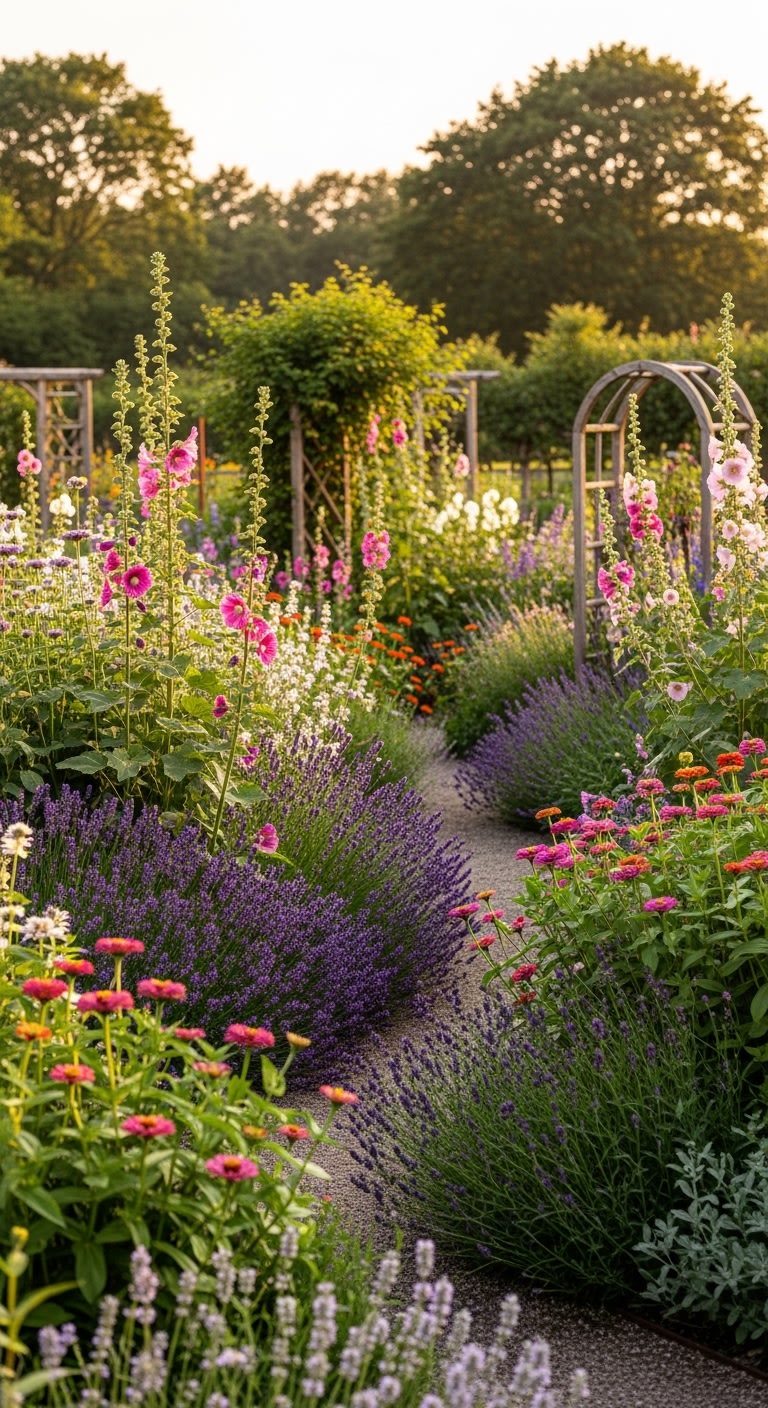
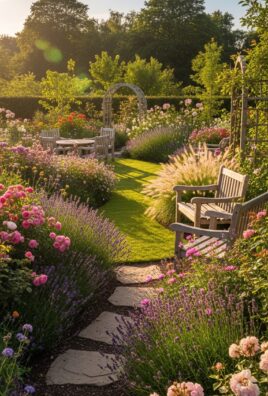
Cottage gardens are known for their charming, unstructured beauty, and they can be a dream come true for any gardener. By mixing herbs, flowers, and vegetables, you can create an enchanting space filled with delightful scents and colors. Think of planting fragrant lavender alongside vibrant hollyhocks and colorful zinnias, all while maintaining a relaxed feel.
To get started, choose a mix of perennials and annuals that thrive in your local climate. This approach not only adds variety but also ensures that your garden remains lively throughout the seasons. Remember to leave some open spaces for walking paths, where you can wander and enjoy the sights and sounds of nature.
As you plan your cottage garden, consider adding rustic features like wooden trellises or picket fences to enhance the overall charm. With a bit of creativity, your garden can become a magical sanctuary that brings warmth and joy to your outdoor living experience.
3. Transform with Vertical Garden Beds
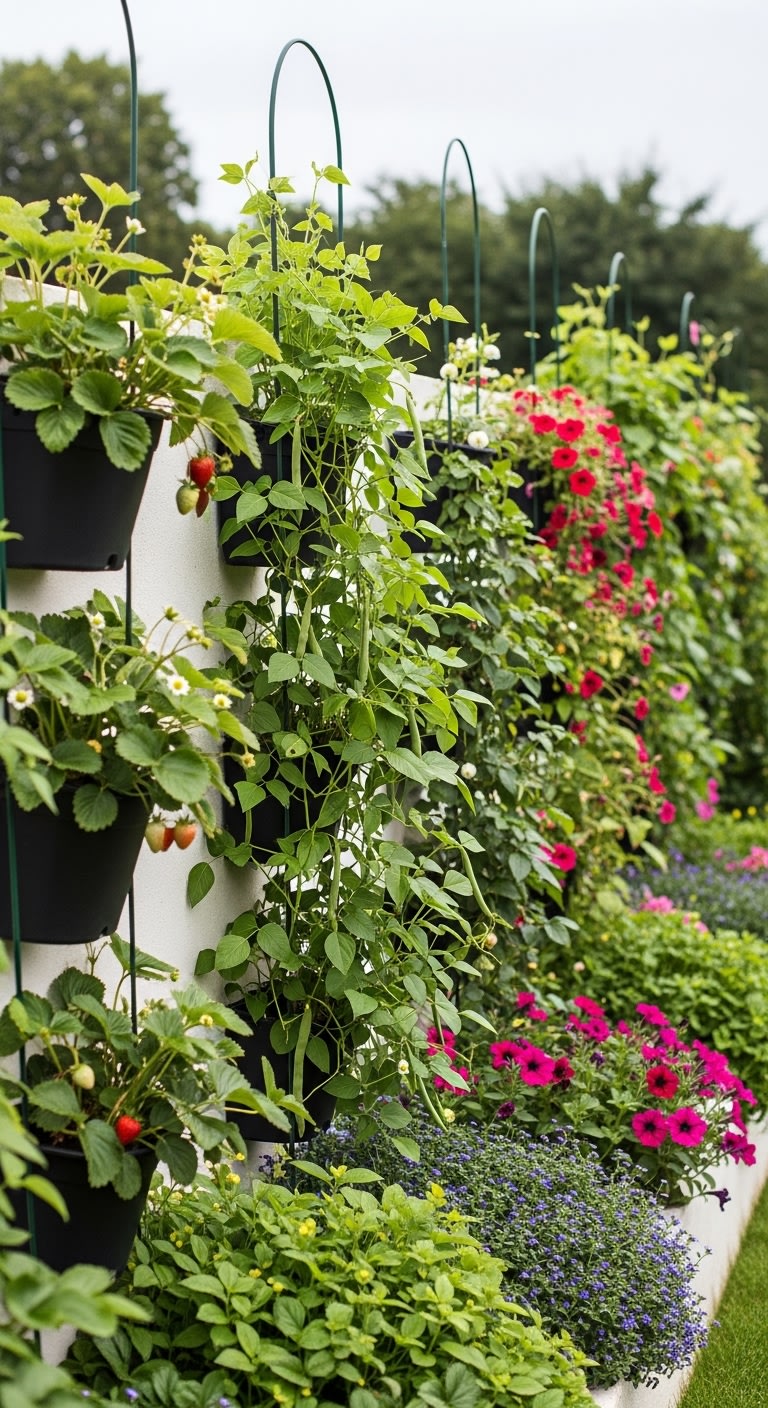
Vertical gardening is not just a trend; it’s a practical solution for maximizing space, especially in smaller backyards. By utilizing wall-mounted planters or freestanding vertical beds, you can grow herbs, flowers, or even vegetables without taking up too much ground space. This method is ideal for those living in urban areas where every square foot counts.
You can create your vertical garden using materials like pallets, trellises, or even repurposed gutters. Fill these with lightweight potting soil and choose plants that thrive vertically, such as climbing beans, strawberries, or trailing vines. Make sure to provide support and proper watering to maintain healthy growth.
To make your vertical garden visually appealing, mix different plant types and colors to create an eye-catching display. Adding elements like hanging lights or decorative pots can elevate the aesthetic, turning your vertical space into a stunning focal point of your outdoor area.
4. Incorporate Edible Landscaping

Why not blend beauty and functionality by incorporating edible plants into your landscaping? Edible landscaping allows you to enjoy the aesthetic of flowers while reaping the benefits of homegrown fruits and vegetables. Imagine a garden where blueberries, raspberries, and vibrant flowers coexist beautifully.
Start by selecting plants that are not only pleasing to the eye but also produce delicious results. For instance, you can plant colorful chard, kale, or even artichokes among your ornamental flowers. These plants are not only edible but can also add texture and color to your garden beds.
To ensure success, pay attention to your local USDA hardiness zone. This will help you choose the best plants for your climate, allowing you to enjoy a thriving garden throughout the seasons. With edible landscaping, you can create a stunning outdoor space that is both beautiful and productive.
5. Design a Modern Minimalist Garden Bed
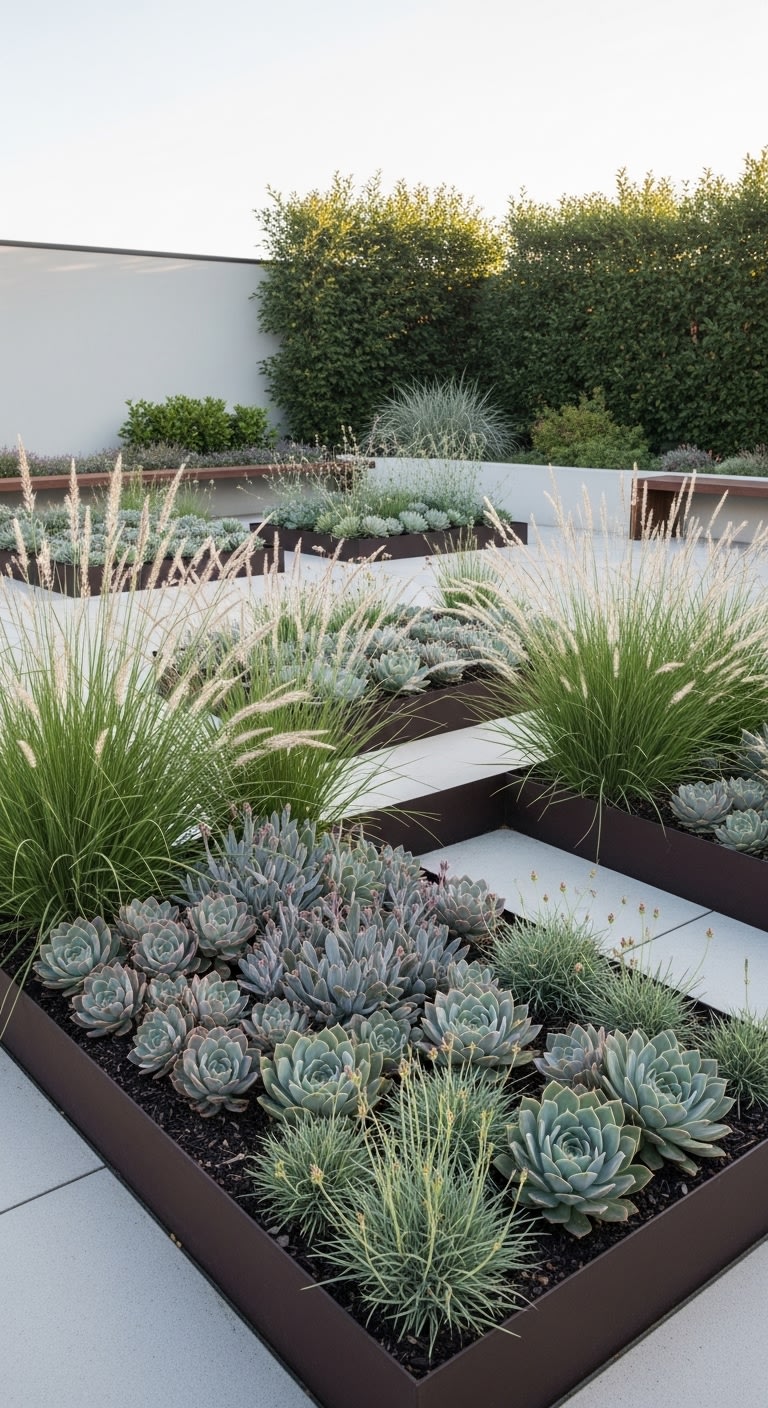
If you prefer clean lines and a contemporary vibe, a modern minimalist garden bed might be just what you need. This style emphasizes simplicity and functionality, often utilizing geometric shapes and a limited plant palette. Your space can feel expansive and serene with well-planned layouts and the right materials.
Start by selecting a few key plants that thrive in your climate and complement each other. Consider using succulents, ornamental grasses, or even monochromatic flower beds. These plants not only require less maintenance but also create a striking visual impact.
Incorporate materials like concrete, metal, or sleek wooden borders to enhance the modern aesthetic. The key is to maintain a clutter-free and organized look, which can be incredibly calming. With a minimalist garden bed, your outdoor space will feel like a private retreat where you can unwind and enjoy nature’s beauty.
6. Add a Touch of Whimsy with Fairy Gardens

Fairy gardens are a delightful way to spark creativity and bring a sense of magic to your outdoor space. These miniature landscapes can be customized to reflect your personality, filled with tiny plants, whimsical decor, and charming accessories. They’re perfect for kids and adults alike, making gardening a fun and imaginative experience.
To create your fairy garden, start with a shallow container or designated garden bed. Choose small plants like moss, dwarf conifers, or miniature flowers that fit the scale. Then, add delightful elements like tiny houses, fairy figurines, and whimsical pathways made of stones or pebbles.
Make sure to maintain proper sunlight and moisture levels for your plants. Regularly tending to your fairy garden will keep it looking vibrant and enchanting. With a touch of whimsy, you can transform any corner of your backyard into a charming retreat that brings joy to all who see it.
7. Mix and Match with Perennial Borders

Perennial borders are a fantastic way to add structure and beauty to your garden beds, providing visual interest throughout the year. By mixing various perennial plants, you can create a stunning display of colors and textures that change with the seasons. This is an excellent idea for those who want a vibrant garden without the need for constant replanting.
When designing your perennial border, consider selecting plants that bloom at different times. For example, you could pair early spring blooms like tulips with summer favorites like coneflowers and fall staples like asters. This layered approach ensures your garden remains lively and colorful all year long.
Pay attention to your local climate and soil type when choosing plants, as some perennials may thrive better in your USDA hardiness zone than others. With a little planning and creativity, you can create a beautiful border that enhances your outdoor space and serves as a stunning backdrop for your garden.
9. Craft a Sensory Garden for Relaxation
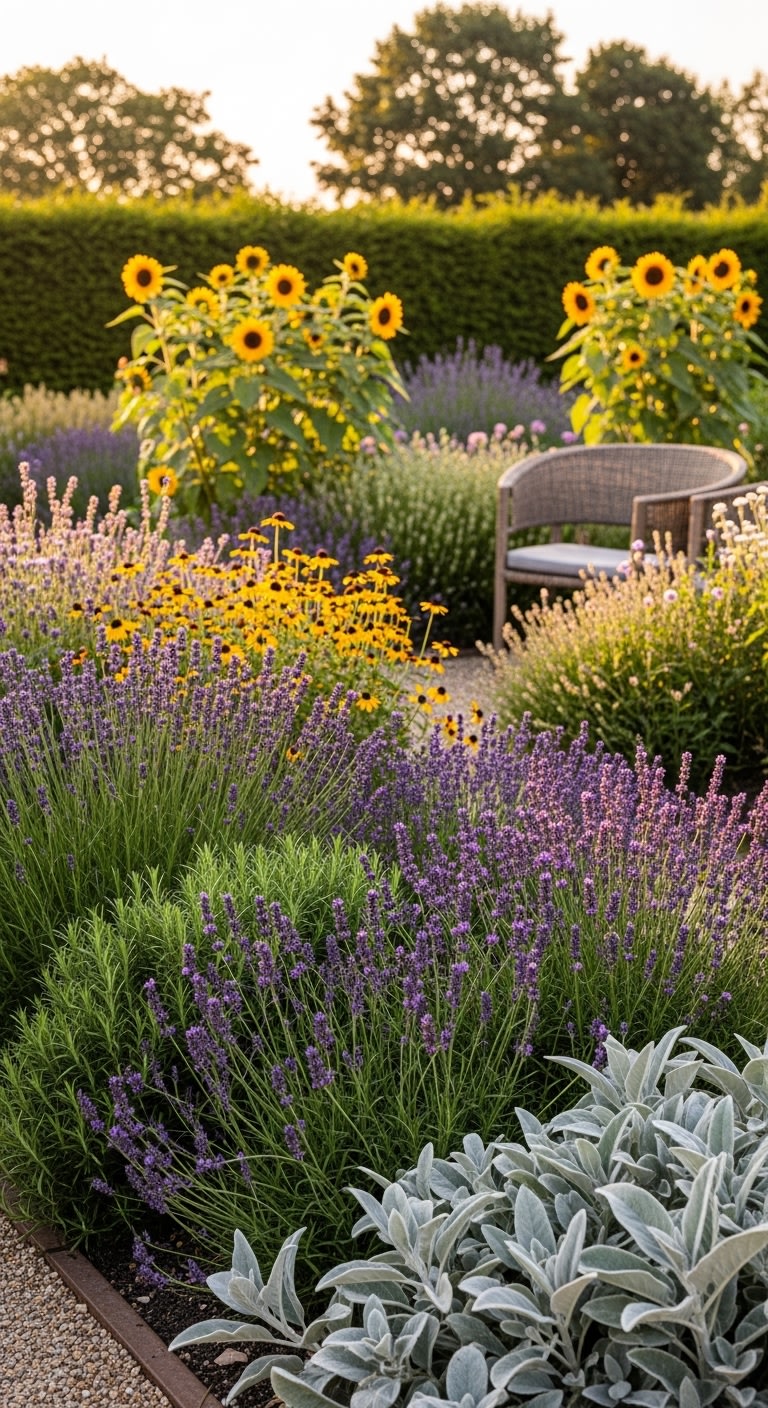
Creating a sensory garden is a delightful way to engage your senses and enhance your outdoor experience. Imagine walking through a space filled with fragrant herbs like lavender, rosemary, and mint, each releasing their calming scents as you brush against them. Incorporating textures is equally important; consider soft lamb’s ear and spiky ornamental grasses to create a tactile contrast. Choose plants with vibrant colors, like bright yellow sunflowers or deep purple irises, to please your eyes and lift your spirits.
When designing your sensory garden, think about your location and the plants that thrive in your USDA hardiness zone. For instance, if you’re in a warmer region (Zones 9-11), you might include citrus trees or vibrant bougainvillea. However, if you’re in a cooler climate (Zones 3-6), perennials like coneflowers and peonies could be more suitable. Be sure to place seating areas within this garden, allowing you to pause and enjoy the natural ambiance.
To further enhance the sensory experience, consider adding elements like a small water feature or chimes that create soothing sounds. Mulching your garden not only keeps moisture in but also adds a pleasant earthy scent when disturbed. As you nurture your sensory garden, watch it become a haven of peace and tranquility, inviting you to relax, unwind, and immerse yourself in nature.
10. Embrace the Charm of a Herb Spiral
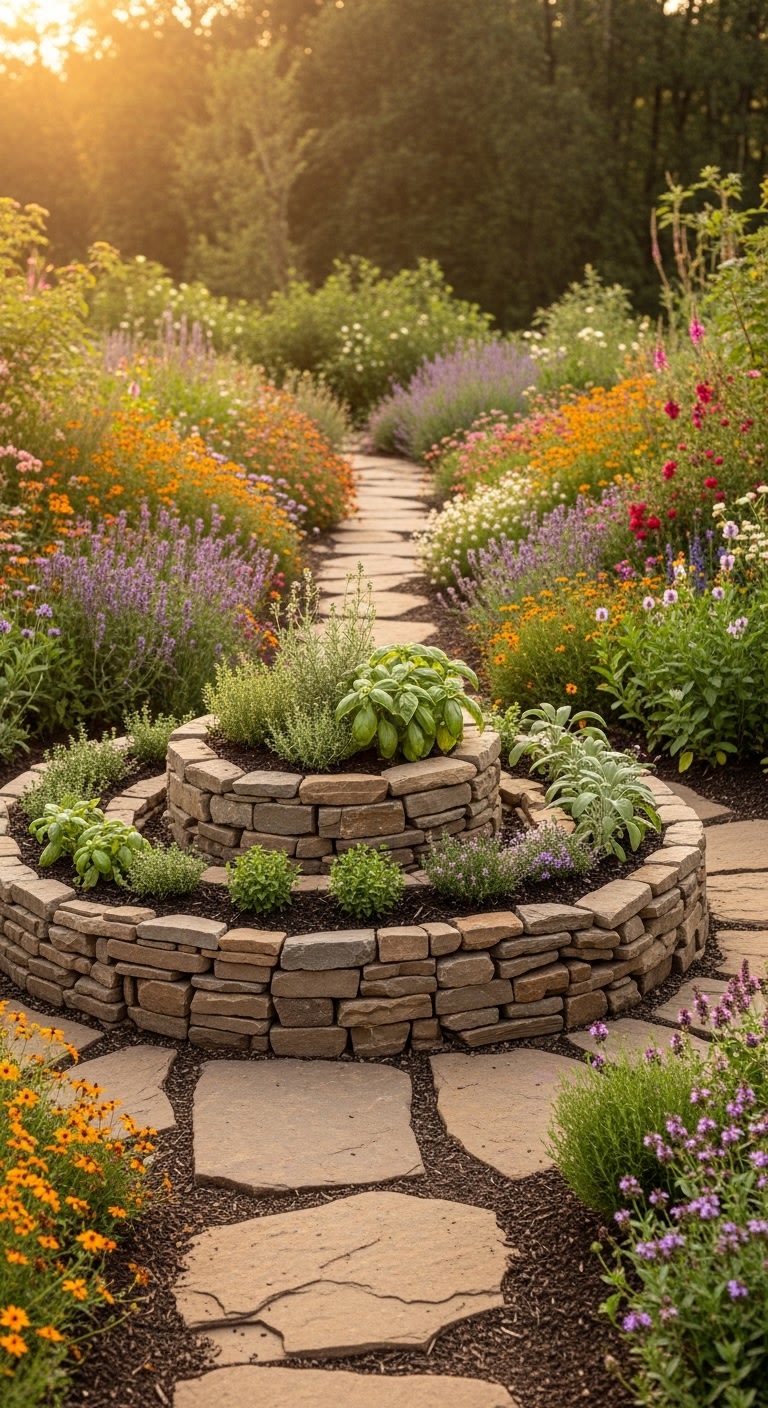
A herb spiral is not just a beautiful feature; it’s also a smart way to grow a variety of herbs in a small space. This design creates microclimates, allowing different herbs with varying moisture and light needs to thrive. By stacking stones or bricks in a spiral, you can plant herbs that love moisture at the bottom, like mint and basil, while drought-tolerant herbs, such as sage and thyme, can flourish at the top.
When assembling your herb spiral, consider the materials you use; reclaimed bricks or natural stones can add character. The spiral itself should be about 4-6 feet wide to give you ample planting space. As you fill each section, remember to amend your soil appropriately—using a mix of compost and well-draining soil will support healthy growth. Make sure to incorporate herbs that you frequently use in your cooking to maximize your harvest.
Be mindful of the sun’s path when placing your herb spiral to ensure it gets plenty of light. Regular maintenance, including watering and harvesting, will help maintain the health of your herbs. Not only will you have easy access to fresh flavors for your meals, but you’ll also create a stunning focal point in your outdoor living space.
11. Create a Colorful Pollinator Garden

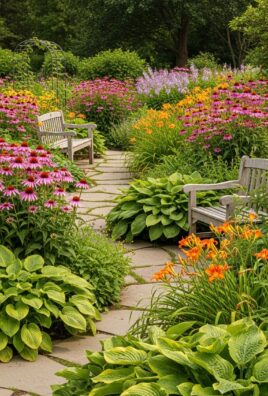
Attracting pollinators like bees, butterflies, and hummingbirds is not only beneficial for your garden, but it also contributes to the local ecosystem. A colorful pollinator garden can thrive in various USDA hardiness zones, depending on your chosen plants. Begin by selecting native flowering plants that bloom at different times of the year to ensure food sources are available throughout the seasons. For instance, perennial favorites like echinacea, black-eyed Susans, and bee balm can bring vibrancy to your garden while providing nourishment for these crucial insects.
Design your pollinator garden with a mix of flower shapes and colors to appeal to different pollinators. Flat-topped flowers like yarrow are perfect for butterflies, while tubular blooms like salvia attract hummingbirds. Avoid using pesticides, as they can harm your helpful guests, and instead, incorporate companion planting to naturally deter pests. Being organic ensures a healthy environment for your pollinators.
Additionally, provide shelter for these creatures by incorporating native grasses, brush piles, or even bee hotels. Not only will you enjoy the sights and sounds of buzzing life, but you’ll also witness the beauty of nature in action as pollinators visit your garden. Over time, your pollinator garden will become a thriving habitat filled with color and movement, enhancing your outdoor experience.
12. Design a Zen Garden for Mindfulness

A Zen garden can be a meditative retreat that encourages mindfulness and reflection. The simplicity and elegance of a Zen garden can create a serene atmosphere in your backyard. Start by selecting an area that receives gentle sunlight but also offers some shade. You’ll want to incorporate elements like gravel, stones, and minimalistic plants to evoke tranquility. Raked gravel mimics flowing water and can be designed in patterns that resonate with you, providing a calming visual.
When choosing plants for your Zen garden, think about using low-maintenance varieties like Japanese maples or ornamental grasses that complement the stonework. These should be carefully placed to maintain the uncluttered feel that is characteristic of Zen gardens. Remember to leave some open spaces to help foster a sense of peace. You can even add a small water feature or a stone lantern to enhance the aesthetic.
Regular upkeep is essential to maintain the garden’s pristine appearance. Raking the gravel, pruning plants, and removing debris will allow you to engage with your garden mindfully. As you spend time in your Zen garden, you’ll find that it offers a soothing retreat from the hustle and bustle of daily life, inviting you to slow down and breathe.
13. Incorporate a Vertical Trellis Garden

Vertical gardening is a fantastic solution for maximizing space and adding height to your garden beds. By utilizing trellises, you can grow climbing plants such as peas, cucumbers, and flowering vines, freeing up valuable ground space for other plants. A wooden trellis or a metal structure can provide sturdy support for your climbers while also serving as a beautiful focal point.
When planning your vertical garden, consider the sun exposure and the type of plants that thrive in your area. For example, if you’re in the southern U.S., heat-tolerant varieties like sweet potatoes or pole beans can flourish with the right support. Be sure to plant your climbing plants at the base of the trellis and provide enough spacing between them to encourage healthy airflow.
To enhance the aesthetic, combine your vertical garden with trailing plants that spill over the sides for added visual appeal. Regularly check for pests and ensure the trellis remains stable as your plants grow. You’ll love the burst of vertical interest these structures bring, transforming your outdoor space into a vibrant, lush garden filled with life and productivity.
14. Utilize Container Gardening for Flexibility
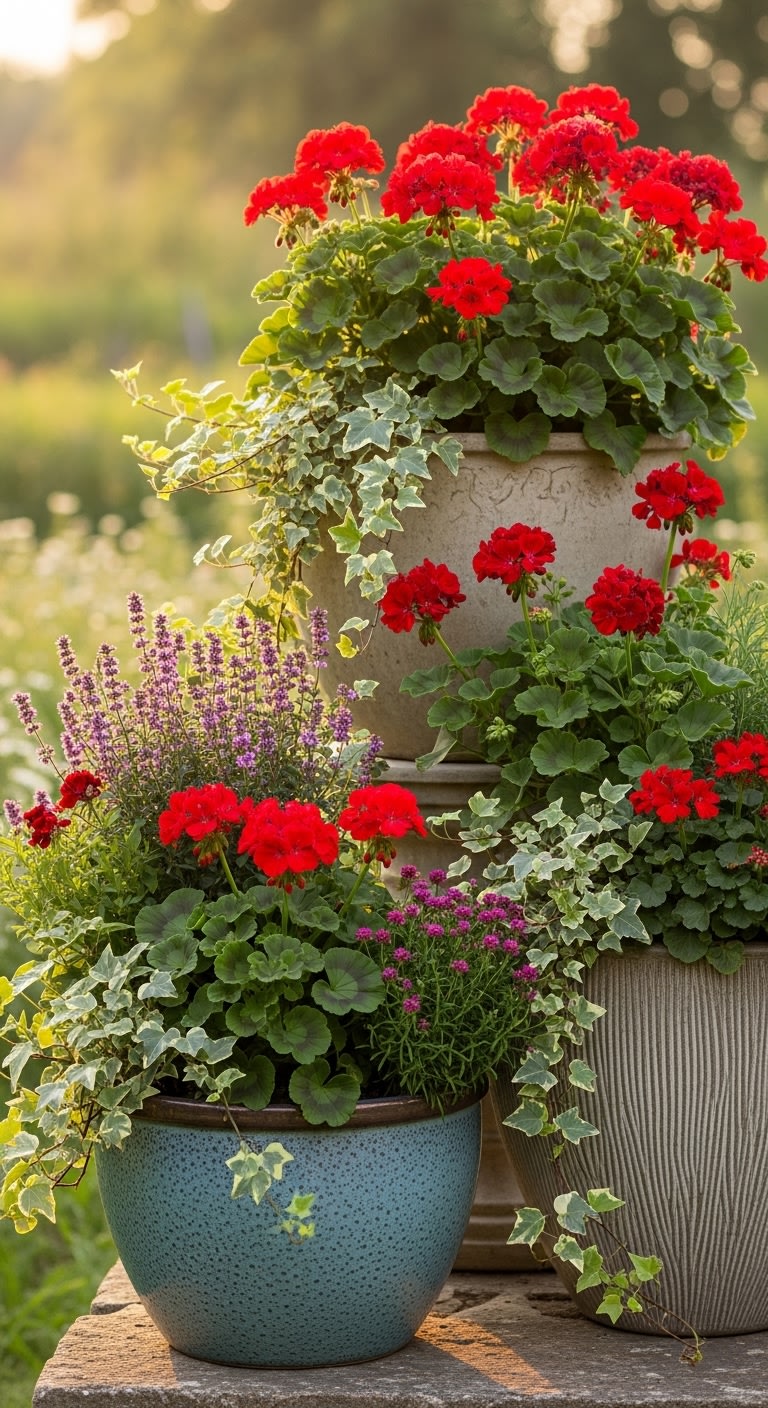
Container gardening offers flexibility and creativity, allowing you to grow a diverse array of plants without the need for extensive garden beds. Whether you have a small patio, balcony, or even a front step, pots can transform any space into a lush oasis. Start by choosing containers that suit your style—ceramic, metal, or woven materials can all add personality to your outdoor area.
When selecting plants for your containers, think about combining different textures and colors. For instance, you might group together vibrant geraniums with trailing ivy and fragrant herbs for a multi-dimensional effect. Make sure to consider the plants’ light and water needs, ensuring that they are compatible for the best results. Use high-quality potting soil and ensure your containers have proper drainage to promote healthy growth.
Additionally, container gardening allows you to experiment with seasonal plantings. You can easily swap out summer annuals for fall mums or winter greens, keeping your garden dynamic and visually interesting year-round. Regular watering and fertilizing will keep your plants thriving, and before you know it, your outdoor space will burst with life and color, reflecting your personal style beautifully.
15. Set Up a Cozy Firepit Garden
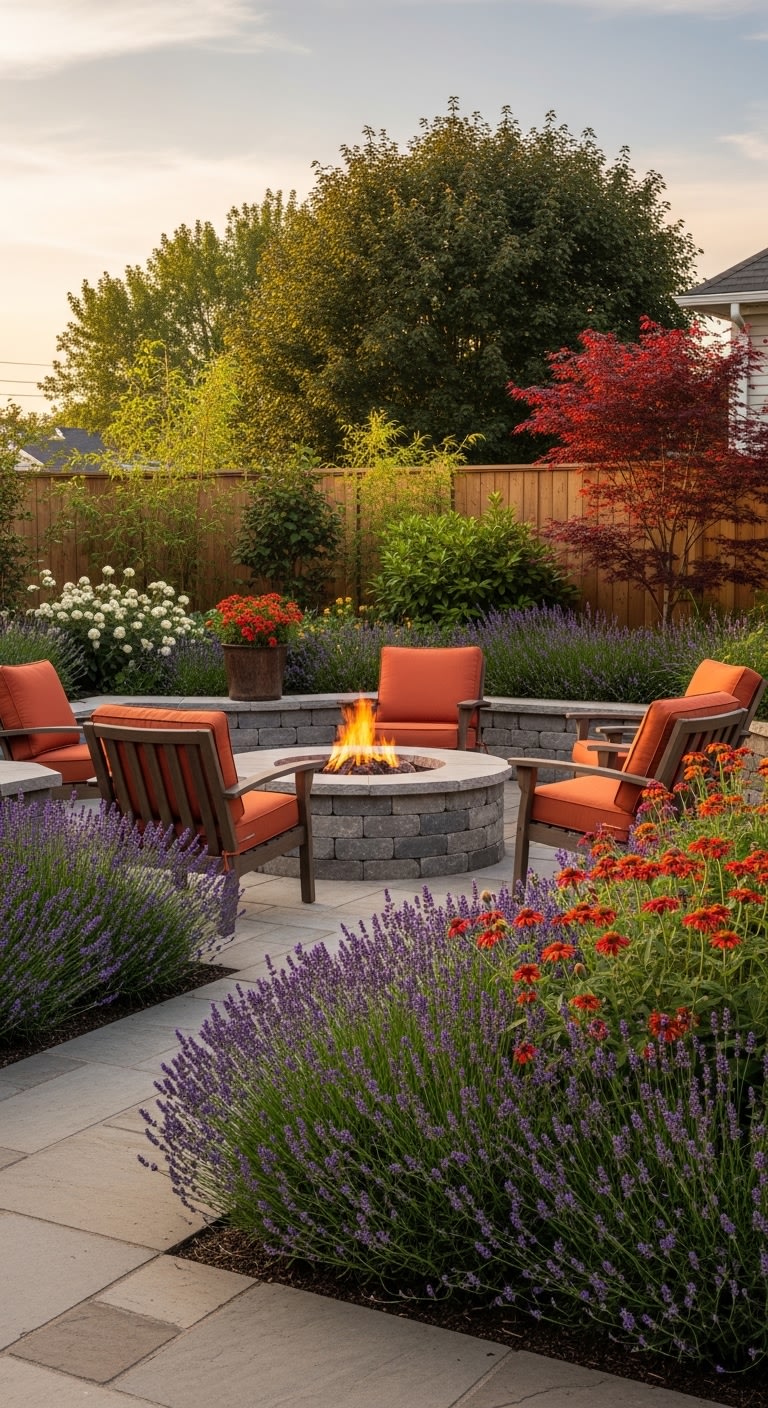
Creating a cozy firepit garden extends your outdoor living space and provides the perfect setting for evenings of relaxation and social gatherings. Start by selecting a safe, open area in your backyard where you can install the firepit, keeping in mind the surrounding space for seating. You might consider a circular or square layout using stones or pavers that complement your garden’s style.
Incorporating comfortable outdoor furniture, such as weather-resistant chairs or benches, will invite conversation and comfort. Layer blankets and cushions for added coziness, ensuring your firepit area becomes a warm gathering spot. Surround the firepit with fragrant plants like lavender and rosemary to enhance the sensory experience as you enjoy evenings by the flames.
To create an inviting atmosphere, consider adding string lights or lanterns that provide gentle illumination at night. A wood storage area nearby can keep your firewood organized and accessible. As you gather with family and friends around the fire, you’ll create cherished memories in a beautiful outdoor setting, making your backyard the go-to spot for relaxation and enjoyment.
17. Craft a Rustic Herb Spiral Garden

Imagine stepping into your backyard and being greeted by the aromatic scents of fresh herbs. A herb spiral garden is a delightful way to maximize space while creating a stunning focal point. This vertical garden design not only saves you room but also provides a variety of microclimates that different herbs adore. From rosemary to basil, you can enjoy an array of flavors right at your fingertips.
To get started, choose a sunny spot in your yard that receives at least six hours of sunlight each day. Begin by constructing a spiral shape using natural stones or bricks, building it higher at the center. Fill each tier with a mixture of organic compost and soil to ensure your herbs thrive. Popular choices for the spiral include chives, thyme, and oregano, but feel free to experiment with your favorites. Just remember to plant taller herbs at the top and shorter herbs at the bottom for optimal growth.
Maintenance is straightforward; ensure you water regularly, especially during dry spells. You can also add a drip irrigation system to help with water management. As your herb spiral matures, you’ll be amazed at how much greenery and fragrance it brings to your outdoor space. Plus, the beauty of it will surely impress your guests and provide the perfect fresh ingredients for your culinary adventures!
Frequently Asked Questions
What are common mistakes beginners make when starting a garden bed?
One common mistake beginners make is planting too closely together, which can lead to overcrowding and poor growth. It’s essential to give each plant sufficient space to thrive, as they need room for their roots to spread and access to sunlight. Always check the recommended spacing for each type of plant you’re using in your garden bed.
Another mistake is neglecting to consider soil quality. Healthy soil is the foundation of a thriving garden, so it’s important to test your soil and amend it with organic matter or compost as needed. By focusing on these basics, you’ll set yourself up for success and create a beautiful garden bed that flourishes.
How do I choose the right plants for my garden bed?
Choosing the right plants for your garden bed depends on several factors, including your USDA hardiness zone, sunlight availability, and your personal preferences. Start by assessing your local climate and the types of plants that thrive in your area. This will help you select plants that are well-suited to your garden’s conditions.
Next, consider the amount of sunlight your garden bed receives throughout the day. Some plants prefer full sun, while others thrive in partial shade. By matching plants to their ideal conditions, you’ll create a harmonious garden bed that flourishes and brings joy to your outdoor space.
What is the best type of soil for a garden bed in the US?
The best type of soil for a garden bed typically consists of a mix of topsoil, compost, and organic matter. This combination provides essential nutrients and improves drainage, helping your plants thrive. You can find high-quality garden soil or create your own by mixing equal parts topsoil and compost.
It’s also important to consider your local climate and soil type. Some areas may have clay-heavy soil, which can be amended with sand or peat moss to improve drainage. Testing your soil before planting will give you a better idea of what amendments are needed for optimal growth.
When is the best time to start a garden bed in the US?
The best time to start a garden bed in the US largely depends on your USDA hardiness zone and the types of plants you wish to grow. Generally, spring is the ideal season for most plants, as the soil warms up and frost risks diminish. In many regions, you can begin planting cool-season crops as early as late March or early April.
For warmer zones, you may also consider a fall garden, planting cold-hardy vegetables that can withstand cooler temperatures. By planning according to your local climate, you can maximize your growing season and enjoy a fruitful garden bed.
How do I prevent pests in my garden bed?
Preventing pests in your garden bed starts with maintaining healthy plants and good garden hygiene. Regularly inspect your plants for signs of pests and remove any affected leaves or plants promptly. Rotating crops and planting companion plants can also help deter pests naturally.
You can use organic pest control methods such as neem oil or insecticidal soap if needed. Ensuring your plants are healthy and robust will make them less susceptible to pest infestations, allowing you to enjoy a thriving garden bed.
What types of plants grow well in shaded garden beds?
In shaded garden beds, it’s essential to choose plants that thrive in low-light conditions. Some fantastic options include hostas, ferns, and astilbes, which add texture and color to your garden. Shade-tolerant flowering plants, like bleeding hearts or foxgloves, can also provide beautiful blooms in areas with limited sunlight.
When planning your shaded garden bed, consider the different heights and forms of the plants to create visual interest. With the right selections, you can turn a shaded area into a lush, vibrant retreat that brings beauty to your outdoor space.
You’ve explored 17 garden bed ideas that turn any backyard into a beautiful outdoor space, each one offering a unique way to enhance your outdoor living experience. Whether you’re drawn to the charm of a cottage garden, the functionality of raised beds, or the whimsy of fairy gardens, there’s a perfect idea for you to implement.
Now it’s time to roll up your sleeves and get started! Gardening is a rewarding journey filled with creativity and growth. You don’t need to be an expert to make changes; just a little enthusiasm and a willingness to learn can lead to incredible transformations.
Which of these garden bed ideas are you excited to try first? Drop a comment below to share your thoughts or any other ideas you have in mind. Happy gardening!
Leave a Comment