
When it comes to enhancing the curb appeal of your home, the right small trees can make all the difference. If you’re looking to transform your front yard into a welcoming oasis, consider these 6 gorgeous small trees for your front yard to boost curb appeal. They not only add beauty and structure but also provide shade, privacy, and delightful seasonal changes.
You might think that small trees lack the impact of their larger counterparts, but that’s far from the truth! The right selection can create focal points, frame your entrance, and draw the eye in a way that larger trees simply can’t. Plus, these beauties can thrive in smaller spaces, making them perfect for any front yard, regardless of size.
So, whether you’re a gardening newbie or an experienced plant enthusiast, these small trees can elevate your outdoor aesthetic. Let’s dive in and discover just how these stunning additions can breathe new life into your landscape!
1. Japanese Maple: A Stunning Showstopper
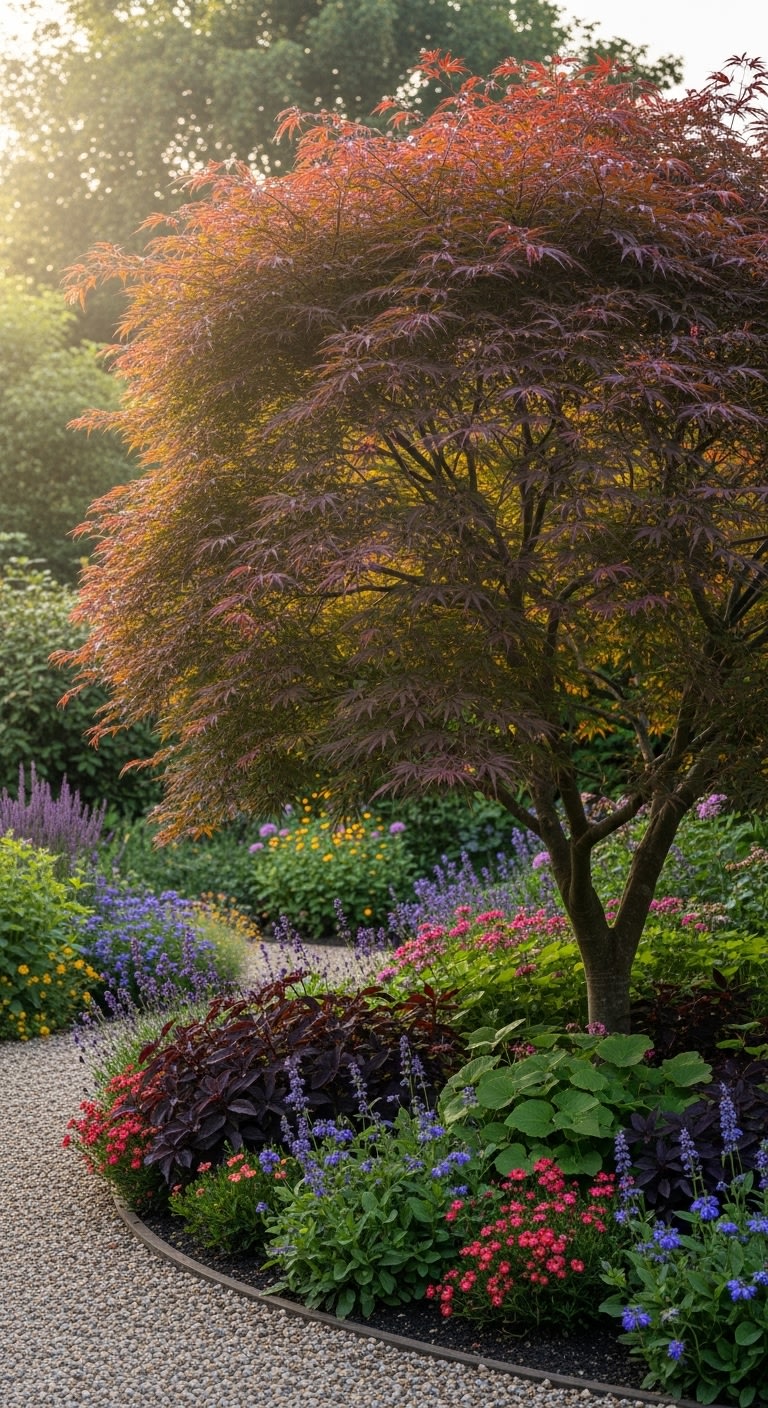
The Japanese Maple is nothing short of a masterpiece in the gardening world. With its delicate leaves and stunning fall colors, this small tree can truly elevate your front yard. It thrives in USDA hardiness zones 5-8, making it a versatile choice for many regions.
When planting your Japanese Maple, choose a location with partial shade to protect it from harsh afternoon sun. This will not only keep the colors vibrant but also support its growth. The tree prefers well-drained soil, so consider mixing in some compost to improve drainage and nutrient availability.
As the seasons change, you’ll be delighted by the transformation of your Japanese Maple. From the bright greens of spring to the fiery reds and oranges of fall, this tree offers year-round beauty. Plus, its unique branching structure provides visual interest even in winter. You’ll find that it’s a perfect conversation starter for guests visiting your home!
2. Redbud: A Springtime Delight

If you want your front yard to burst with color in the spring, the Redbud tree is a fantastic choice. Known for its vibrant pink and purple blossoms, this small tree can bring joy and life to your outdoor space. Thriving in USDA hardiness zones 4-9, it’s adaptable and can flourish in various climates.
When planting a Redbud, aim for a location that gets full sun to partial shade, allowing those beautiful blooms to shine. Ensure the soil is well-drained and rich in organic material for optimal growth. Regular watering, especially in the first couple of years, will help establish a healthy root system.
As the flowers fade, you’ll be left with heart-shaped leaves that provide a lush canopy throughout the summer. The Redbud’s unique branching pattern and stunning seasonal display make it a lovely centerpiece in any front yard. Plus, it attracts pollinators, so you’ll be doing your part for local wildlife!
3. Dogwood: Elegance in Every Season

The Dogwood tree is a classic choice for many gardens, and for good reason. With stunning flowers in the spring and striking red berries in the fall, this small tree offers beauty throughout the year. It thrives in USDA hardiness zones 5-9 and grows well in various soil types, making it easy to incorporate into your landscape.
When planting a Dogwood, choose a spot with partial shade, as this will help protect it from harsh sun exposure. Be mindful of the soil; well-drained, slightly acidic soil will yield the best results. Water regularly, especially during dry spells, to keep the tree healthy and vibrant.
As the seasons progress, you’ll enjoy the lovely blooms in spring, lush green leaves in summer, and vibrant colors in fall. Its unique bark and structure also add visual interest in winter. The Dogwood is not just a tree; it’s a testament to nature’s beauty that will surely impress your visitors!
4. Crape Myrtle: Colorful Summer Blooms
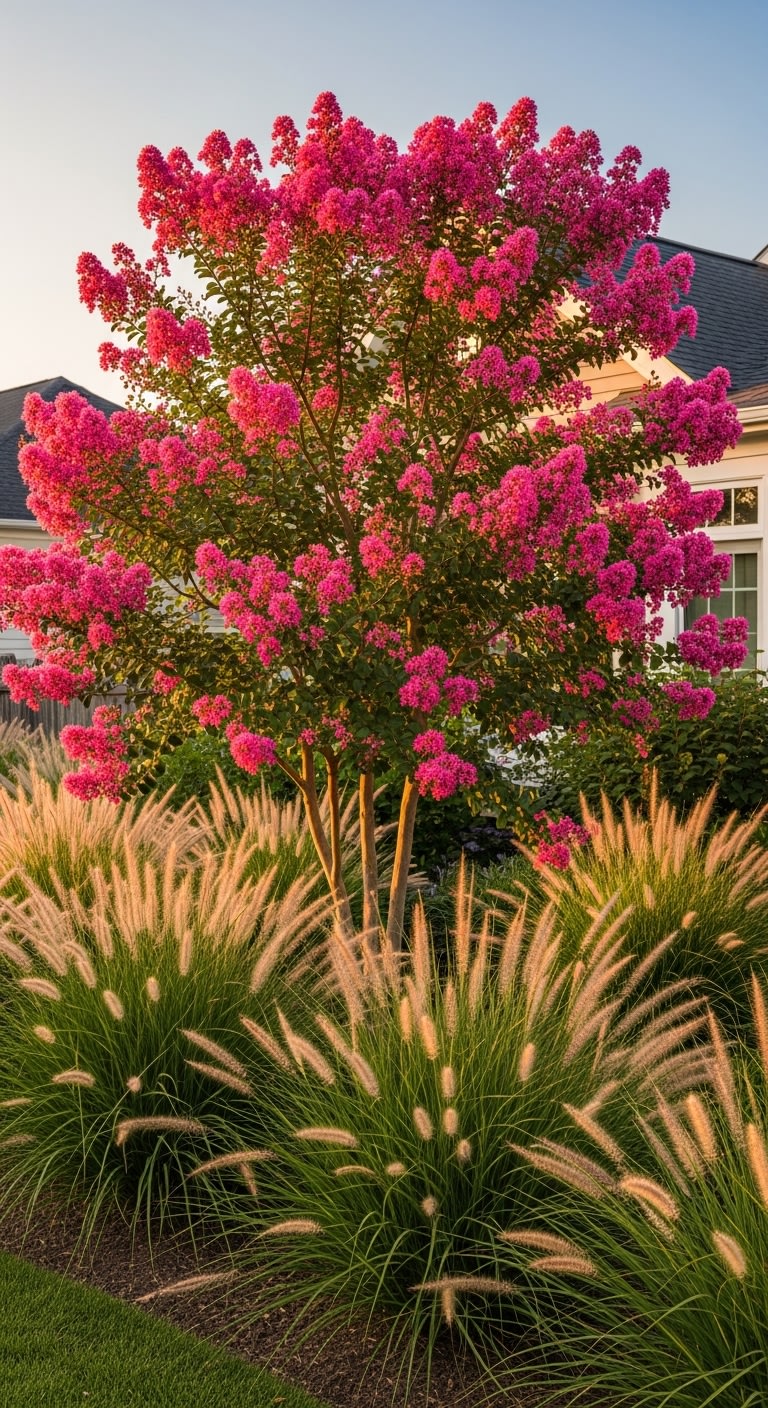
Crape Myrtle is a vibrant choice that adds a splash of color to your front yard during the summer months. Known for its long-lasting blooms in shades of pink, purple, and white, this small tree thrives in USDA hardiness zones 7-9. It’s perfect for warmer climates and can handle heat with ease.
To plant a Crape Myrtle, find a sunny location that receives full sunlight for most of the day. This will encourage the best blooming. The tree prefers well-drained soil, so ensure good drainage is in place to prevent root rot. Regular watering during dry spells will help keep your tree healthy and blooming.
As the summer progresses, you’ll be rewarded with a stunning display of flowers that can attract butterflies and hummingbirds. Plus, the peeling bark adds an interesting texture to your garden landscape, making it visually appealing even when not in bloom. Your Crape Myrtle will undoubtedly become a showstopper in your front yard!
5. Magnolia: The Fragrant Beauty

A Magnolia tree brings a touch of elegance and fragrance to your front yard. Known for its large, stunning blossoms, this small tree can thrive in USDA hardiness zones 6-9, making it a popular choice across the southern and midwestern U.S. It’s perfect for adding a romantic touch to any landscape.
When planting a Magnolia, select a location with full sun to partial shade for optimal growth. The tree prefers well-drained, loamy soil rich in organic material, so consider adding compost when planting. Regular watering, particularly in dry spells, is essential to keep the tree healthy and blooming.
In addition to its beautiful flowers, the glossy leaves provide a striking contrast, making it a year-round attraction in your garden. The sweet fragrance of the blossoms will delight your senses, making your front yard a peaceful retreat. With a Magnolia in your landscape, you’ll enjoy the beauty and charm it brings to your home!
6. Serviceberry: A Year-Round Treasure

The Serviceberry tree is a fantastic choice if you’re looking for a small tree that offers beauty in every season. In spring, it delights with white flowers; in summer, it produces sweet berries; and in fall, the foliage turns a stunning array of colors. Thriving in USDA hardiness zones 4-8, it’s adaptable and can fit in various garden settings.
When planting a Serviceberry, choose a spot that gets full sun to partial shade. This tree does well in well-drained soil, so ensure good drainage to prevent any water issues. Regular watering during dry periods will help it establish a strong root system.
As the seasons change, your Serviceberry will bring joy with its blossoms, berries, and stunning fall colors. Plus, the berries are edible and can attract local wildlife, making it a great addition to your garden ecosystem. With its charming presence, the Serviceberry is a wonderful way to boost your front yard’s curb appeal.
Frequently Asked Questions
What are common mistakes when planting small trees?
One of the most common mistakes when planting small trees is not considering their growth habits. Many folks underestimate how large a tree can get over time, even if it starts small. Make sure to research the mature size of your chosen tree to avoid overcrowding in your front yard.
Another mistake is improper planting depth. Trees should be planted at the same depth they were in their nursery containers, with the root flare above ground. This helps prevent rot and encourages healthy growth. Understanding these basics can help you avoid frustrating setbacks down the road!
How do I choose the right small tree for my yard?
Choosing the right small tree involves considering your local climate and soil conditions. Start by checking your USDA hardiness zone to find trees that will thrive in your area. For instance, varieties like the Japanese Maple are suitable for zones 5-8, while others like the Crape Myrtle thrive best in warmer zones 7-9.
Additionally, think about the amount of sunlight your front yard receives. Some trees, like the Dogwood, prefer partial shade, while others, like the Redbud, thrive in full sun. By matching your tree selection to your unique conditions, you’ll set yourself up for success!
What are the best small trees for hot climates?
For hot climates, consider trees like the Crape Myrtle and the Redbud. Both of these trees are well-suited for warmer USDA hardiness zones and can handle full sun exposure. The Crape Myrtle, known for its colorful summer blooms, can thrive even in the heat, making it a fantastic choice.
Additionally, the Magnolia tree is another excellent option, as it flourishes in warmer areas and provides stunning flowers. Always ensure that you provide adequate watering during dry spells to help these trees establish and thrive in your front yard.
How do I care for my small trees throughout the seasons?
Caring for your small trees involves regular maintenance throughout the seasons. In spring, focus on pruning and fertilizing to promote healthy growth and blooming. For trees like the Serviceberry, make sure to remove any dead or overcrowded branches to encourage better air circulation.
During summer, keep an eye on watering, especially in dry spells. This is crucial for young trees to establish their roots. As fall approaches, consider mulching around the base to help retain moisture and protect the roots during winter months. Following these tips will ensure your small trees stay healthy and beautiful all year long!
What small trees attract wildlife in the US?
If you’re looking to attract wildlife to your yard, consider planting a Serviceberry or a Dogwood. The Serviceberry produces edible berries that are a favorite for birds and other wildlife, while the Dogwood’s flowers attract pollinators in spring.
Both trees thrive in various USDA hardiness zones, making them suitable for different regions across the U.S. By incorporating these small trees into your front yard, you’ll not only boost your curb appeal but also create a welcoming habitat for local creatures!
What is the best time to plant small trees in the US?
The best time to plant small trees in the U.S. typically falls in the early spring or fall. In spring, the soil is warming up, and trees can establish roots before the heat of summer hits. This is especially important for varieties like the Japanese Maple, which thrive when planted at the right time.
In the fall, planting allows trees to settle in before winter, giving them a head start in the spring. Just be sure to water your newly planted trees adequately to help them establish during these transitional seasons!
In this article, you’ve discovered 6 gorgeous small trees for your front yard to boost curb appeal. Each tree offers unique beauty and benefits, making it easier than ever to transform your outdoor space into something truly special.
Remember, gardening is a journey, and every small tree you plant is a step towards creating your dream landscape. Don’t feel overwhelmed; you’ve got this! Just take it one tree at a time, and soon enough, you’ll be enjoying the fruits of your labor.
Which of these small trees are you excited to try in your garden? Drop a comment below and let us know your favorites, or save this list for future planting inspiration!
Leave a Comment