
If you’ve ever dreamt of growing your own delicious fruits and vegetables but felt daunted by the idea of hard work and constant upkeep, you’re not alone. The truth is, gardening doesn’t have to be a labor-intensive task; there are plenty of ways to cultivate a thriving garden with less effort. In this guide, we’ll explore simple yet effective techniques that can help you grow more food while allowing you to spend your time enjoying the fruits of your labor rather than sweating over them.
Imagine stepping into your garden and seeing lush plants thriving without requiring daily attention. With the right strategies, you can set up your garden to be a low-maintenance source of fresh produce. Whether you’re a seasoned gardener looking to simplify your routine or a beginner ready to dip your toes into the world of gardening, this lazy person’s guide will give you the tools and inspiration you need to succeed effortlessly.
Table of Contents
- What Is It?
- Benefits of Low-Maintenance Gardening
- Types of Easy-to-Grow Plants
- Tools You Need
- Steps to Grow More Food with Less Work
- Seasonal Tips for Lazy Gardeners
- Common Mistakes to Avoid
- Expert Tips for Effortless Gardening
- FAQs
- Conclusion
What Is It?
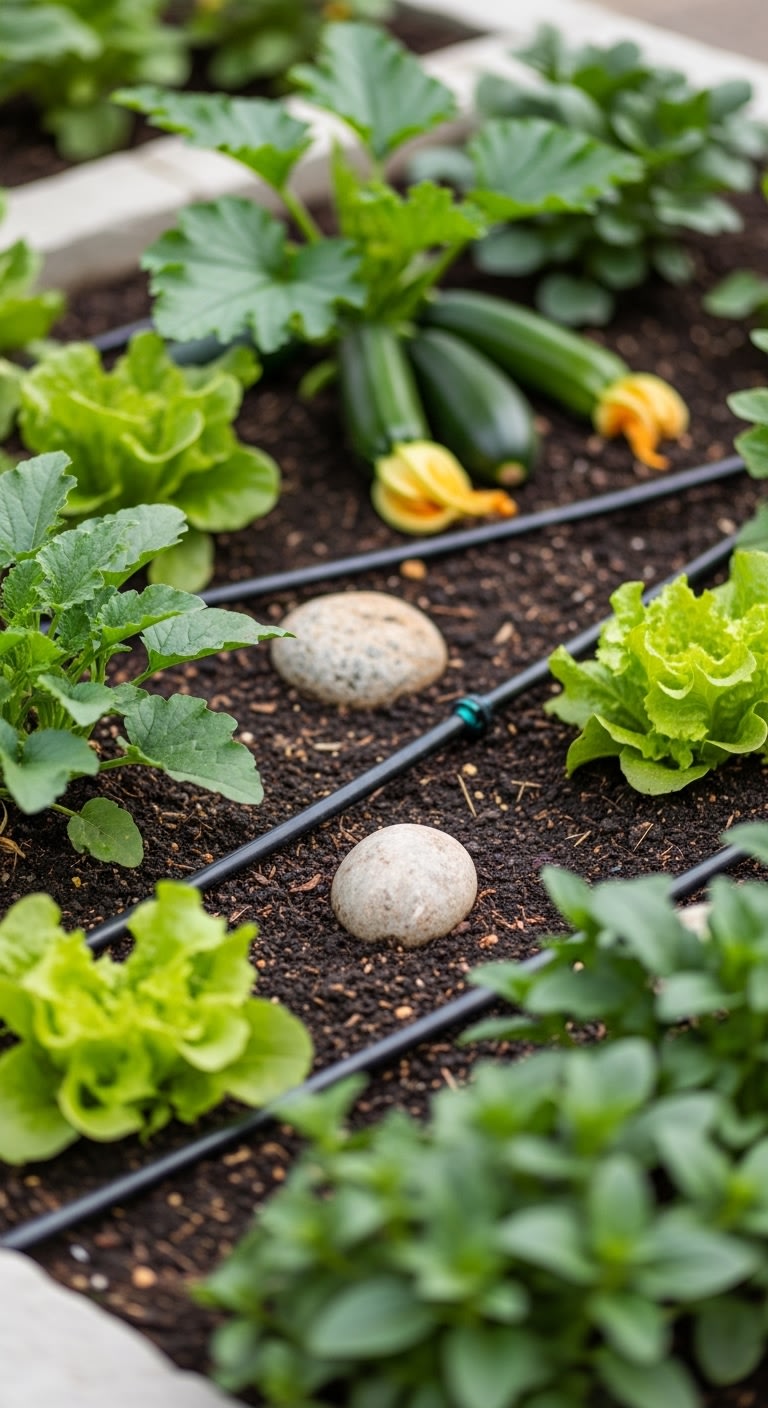
A lazy person’s guide to growing food focuses on methods that minimize effort while maximizing yield. This approach emphasizes low-maintenance techniques, allowing you to enjoy fresh produce without the constant upkeep that traditional gardening often requires. Techniques such as raised beds, companion planting, and selecting easy-to-grow crops can transform your gardening experience into one that fits seamlessly into your lifestyle.
The goal is to create a sustainable garden that thrives on your behalf, giving you the freedom to relax and enjoy your harvest without the stress of daily maintenance. By adopting these strategies, you can cultivate a productive garden that works for you, rather than the other way around.
- Emphasizes low-maintenance gardening techniques.
- Focuses on maximizing yields with minimal effort.
- Encourages sustainable practices for effortless gardening.
Key Benefits
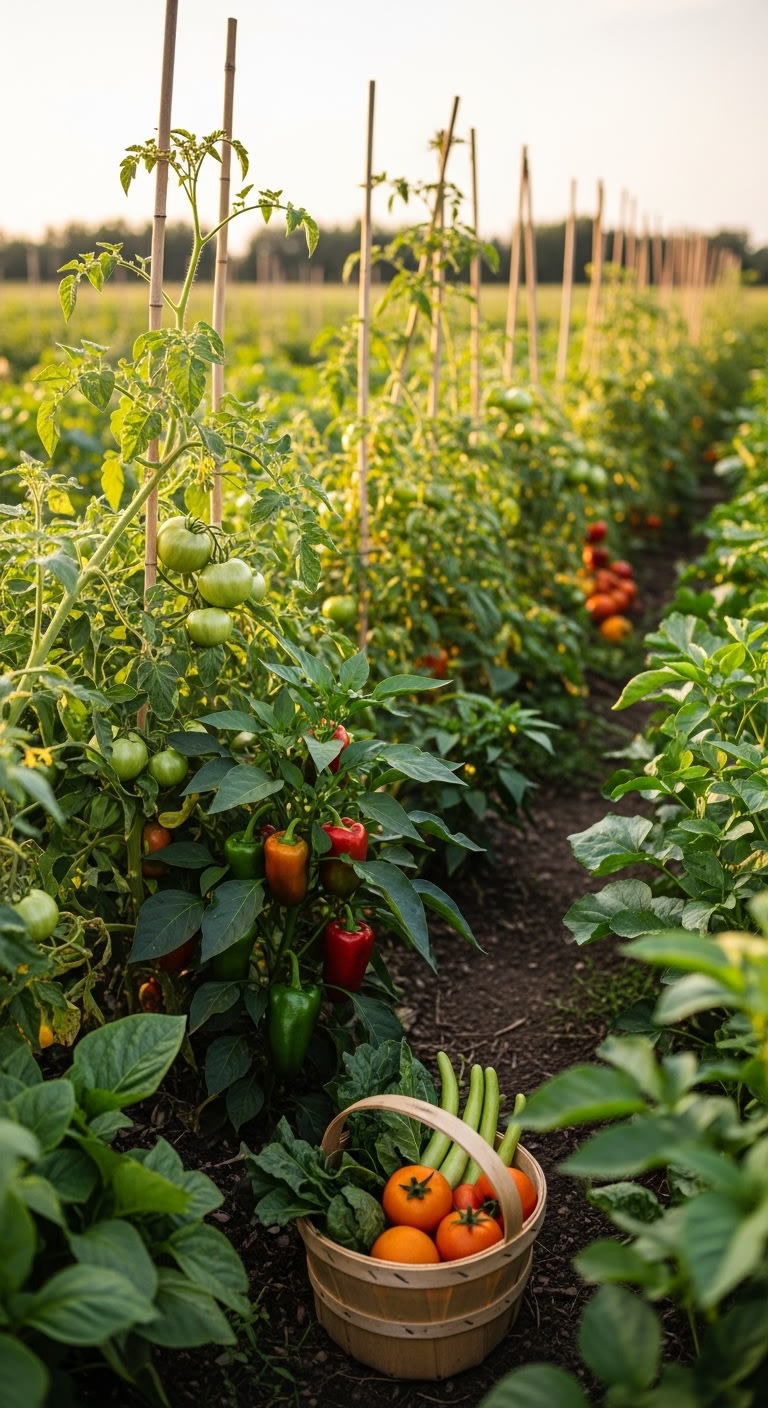
- Time-Saving — By implementing low-maintenance gardening techniques, you’ll save precious time that can be spent on other activities you enjoy. With less time spent on weeding and watering, you can focus on reaping the rewards of your garden.
- Cost-Effective — Less effort often translates to fewer costs. You can reduce your spending on gardening supplies and maintenance, leading to a more budget-friendly approach to growing your own food.
- Sustainability — Using low-maintenance gardening practices contributes to a more sustainable lifestyle. You’ll grow your own food with less reliance on chemical inputs and excessive water usage, which is better for both your health and the planet.
- Greater Yields — When you choose the right plants and techniques, you can achieve higher yields than traditional gardening methods. This means more fresh produce for you, all while spending less time in the garden.
- Stress Reduction — Gardening should be a relaxing and enjoyable hobby. By minimizing the workload, you create a space that feels less like a chore and more like a peaceful retreat where you can unwind.
Step-by-Step Guide
Step 1: Choose the Right Location

Selecting the right location for your garden is crucial for its success. Look for a spot that receives at least six hours of sunlight daily, as most vegetables thrive in sunny conditions. Also, consider accessibility; you want a location that’s easy to reach for watering and harvesting.
Evaluate your chosen site for drainage. Avoid areas where water tends to pool, as this can lead to soggy soil and root rot. If your yard has limited options, consider raised beds or containers, which can be placed in sunnier spots to maximize light exposure.
Example: For instance, if your backyard has a sunny patio, consider using containers to grow your vegetables there.
Pro Tips:
- Observe sunlight patterns throughout the day before planting.
- Choose a location near a water source for easy access.
- Avoid shaded areas caused by trees or buildings.
Step 2: Prepare Your Soil

Healthy soil is the foundation of a productive garden. Start by testing your soil to determine its pH and nutrient levels. You can use a soil test kit for this purpose, which will give you valuable information on how to amend your soil.
To prepare your soil, clear away any debris, such as rocks and weeds, and then loosen the soil using a garden fork or tiller. Incorporate organic matter like compost or well-rotted manure to improve soil fertility and structure. This will create a nutrient-rich environment for your plants to thrive.
Example: For example, if your soil is clay-heavy, adding compost can help improve its texture and drainage.
Pro Tips:
- Mix in organic matter to enhance soil quality.
- Consider raised beds if your ground soil is poor.
- Let your soil rest between planting seasons to improve health.
Step 3: Select Low-Maintenance Plants

Choosing the right plants is key to reducing your gardening workload. Opt for varieties known for their resilience and ease of growth. Vegetables like tomatoes, zucchini, and herbs such as basil and mint can flourish with minimal care.
Additionally, consider companion planting, where certain plants thrive when grown together. For example, planting basil near tomatoes can deter pests and enhance growth, allowing you to maximize your garden’s productivity with less effort.
Example: You might plant radishes alongside cucumbers, as they grow well together and can help each other thrive.
Pro Tips:
- Research local climate conditions to choose the best varieties.
- Opt for heirloom or native plants that are well-suited to your area.
- Group plants with similar water and sunlight needs together.
Step 4: Implement Efficient Watering Techniques

Efficient watering is essential for a successful garden but can be labor-intensive if done manually every day. To minimize your effort, consider installing a drip irrigation system that delivers water directly to the roots of your plants. This method conserves water and reduces the risk of over-watering.
Additionally, watering early in the morning or late in the evening can help reduce evaporation and ensure your plants receive adequate moisture. If you prefer a more hands-off approach, using self-watering pots can also be a practical solution for container gardens.
Example: For example, a drip irrigation system can save you time and water while keeping your plants healthy.
Pro Tips:
- Set a timer for your irrigation system for consistent watering.
- Choose drought-resistant plants to further reduce water needs.
- Mulch around plants to retain soil moisture.
Step 5: Mulch Your Garden
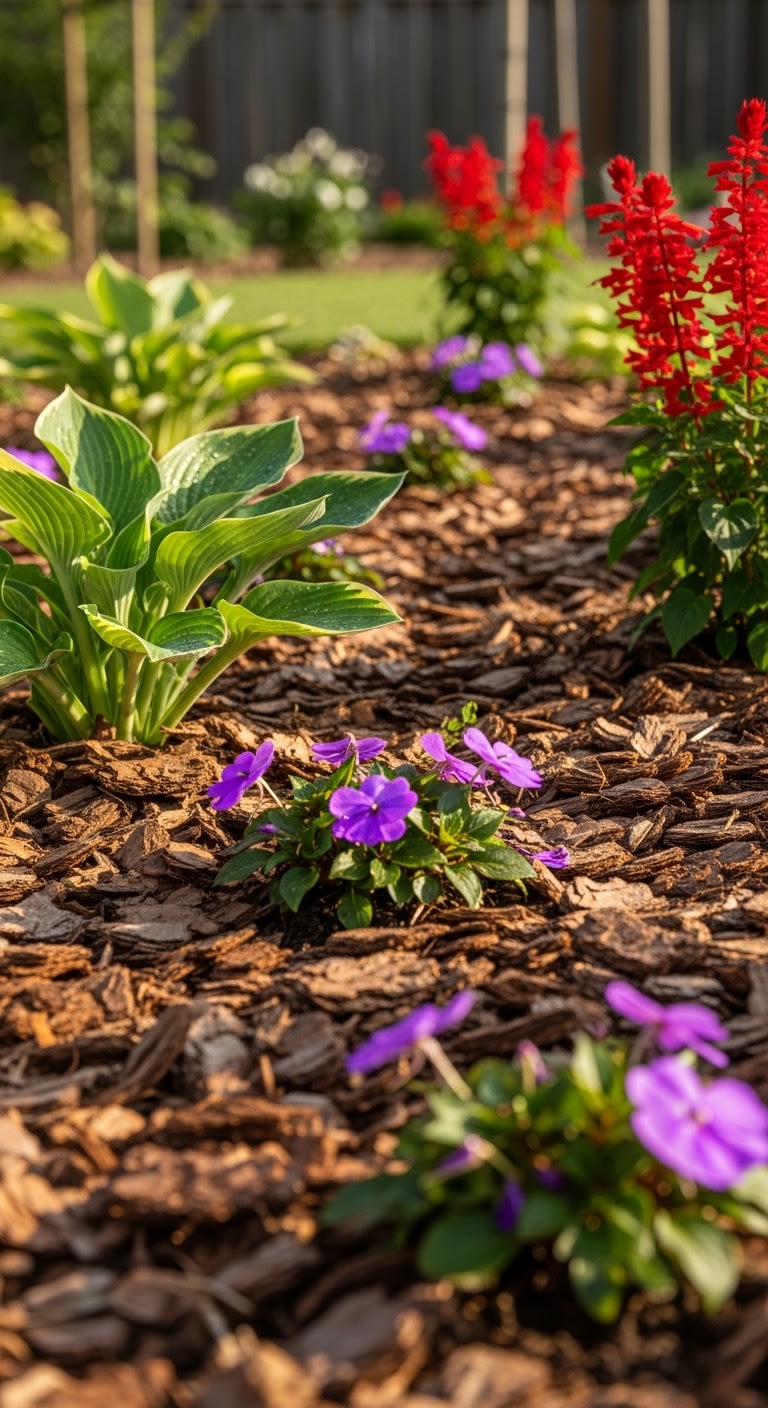
Adding mulch to your garden is one of the best ways to reduce maintenance and improve soil health. Mulch helps retain moisture, suppresses weeds, and regulates soil temperature, which can be beneficial for your plants. Organic options like wood chips, straw, or shredded leaves can also break down over time, enriching your soil.
Spread a layer of mulch around your plants, ensuring it’s not piled against the stems to prevent rot. This simple step can save you considerable time on watering and weeding, allowing your garden to flourish with minimal effort.
Example: For instance, applying a layer of straw mulch can keep your soil moist and reduce the number of weeds you need to pull.
Pro Tips:
- Refresh your mulch layer annually for best results.
- Use organic mulch to improve soil structure as it decomposes.
- Avoid using plastic mulch, which can trap heat and harm plants.
Types & Varieties
Tomatoes
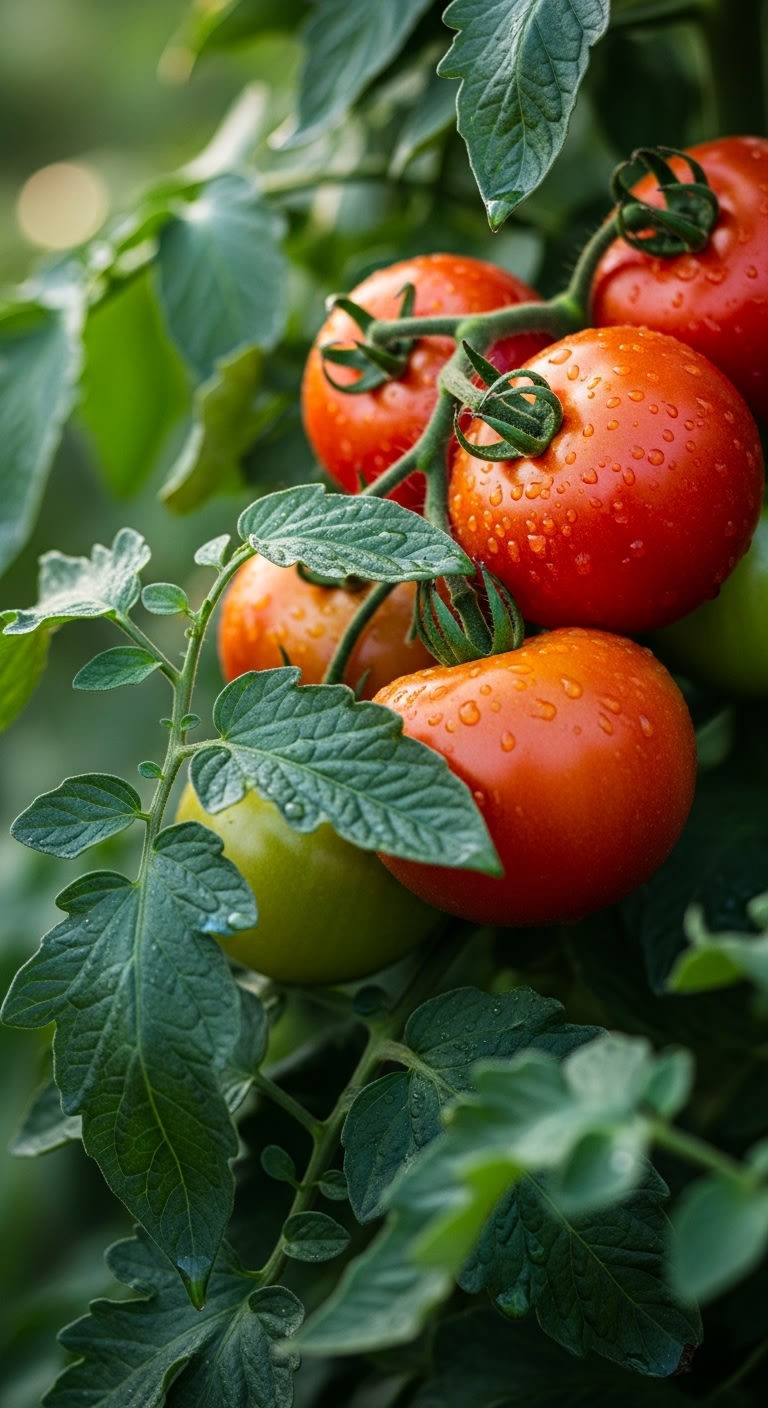
Tomatoes are one of the most popular garden vegetables, known for their versatility and ease of growth. They thrive in warm climates and can yield a bountiful harvest with minimal care.
Best for: Ideal for beginners and experienced gardeners alike who want a reliable crop.
Zucchini
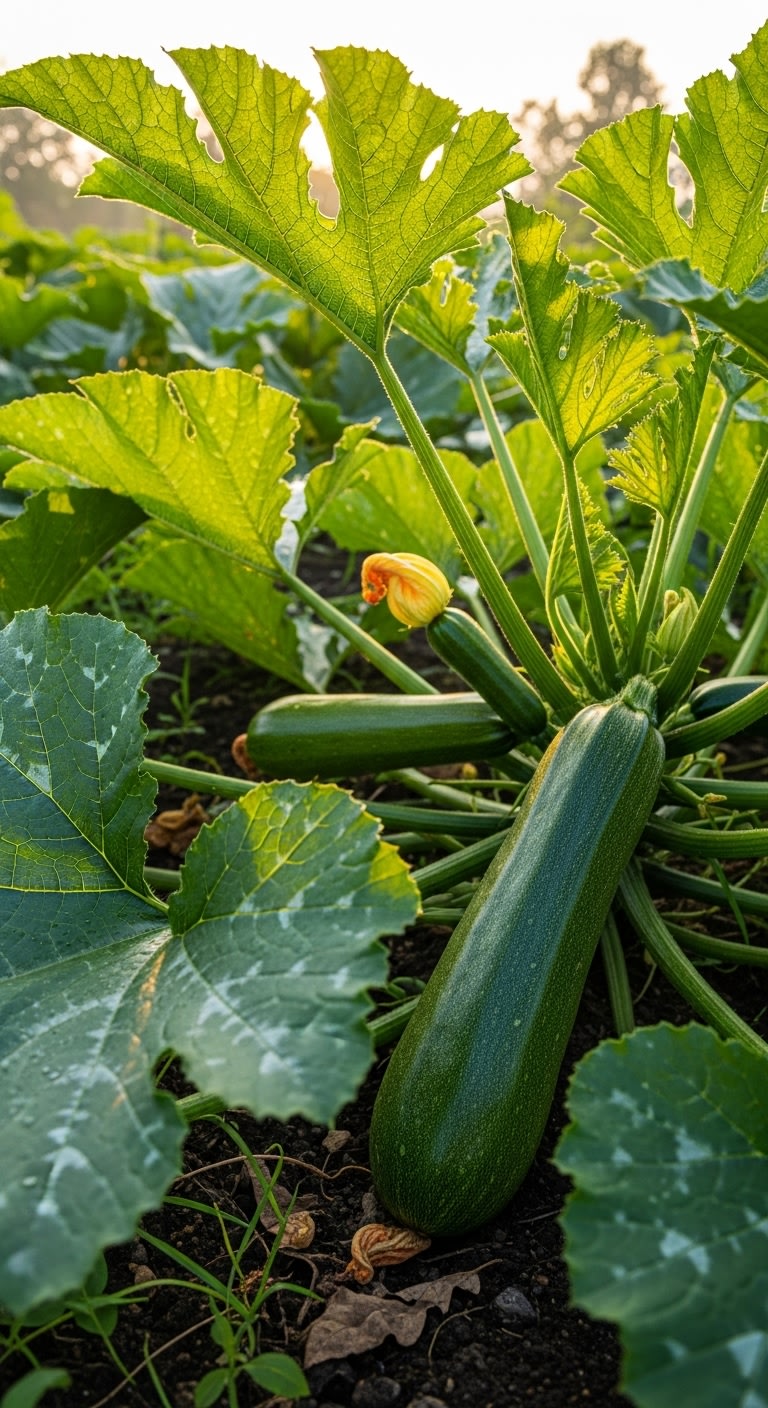
Zucchini is a prolific producer, often yielding more than you can consume. With its ability to thrive in various soil conditions, it’s perfect for lazy gardeners who want a high return with little effort.
Best for: Perfect for those looking to maximize their harvest from minimal planting.
Herbs
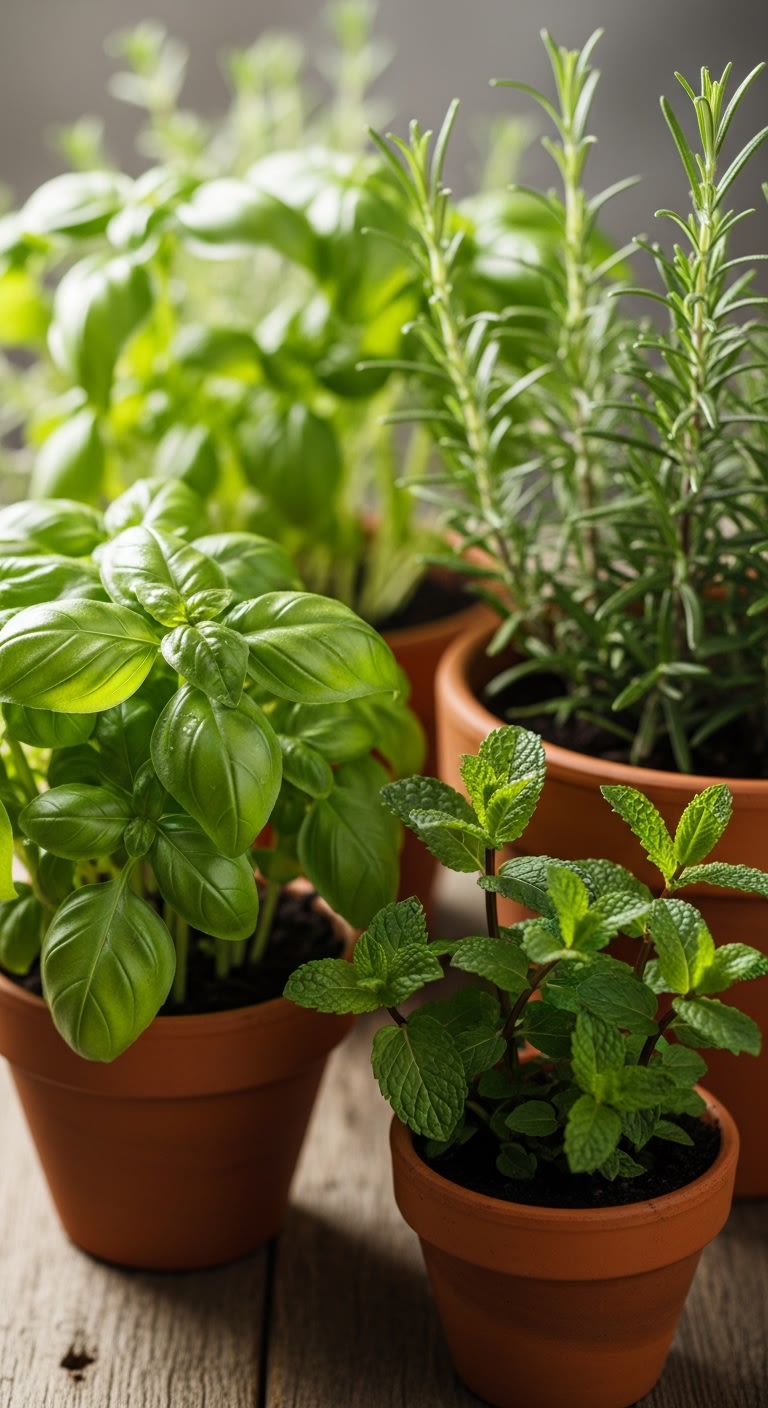
Herbs like basil, mint, and rosemary are easy to grow and require little maintenance. They can be grown in pots or directly in the garden, adding flavor to your dishes without much effort.
Best for: Great for those who want to enhance their cooking with fresh flavors straight from the garden.
Radishes
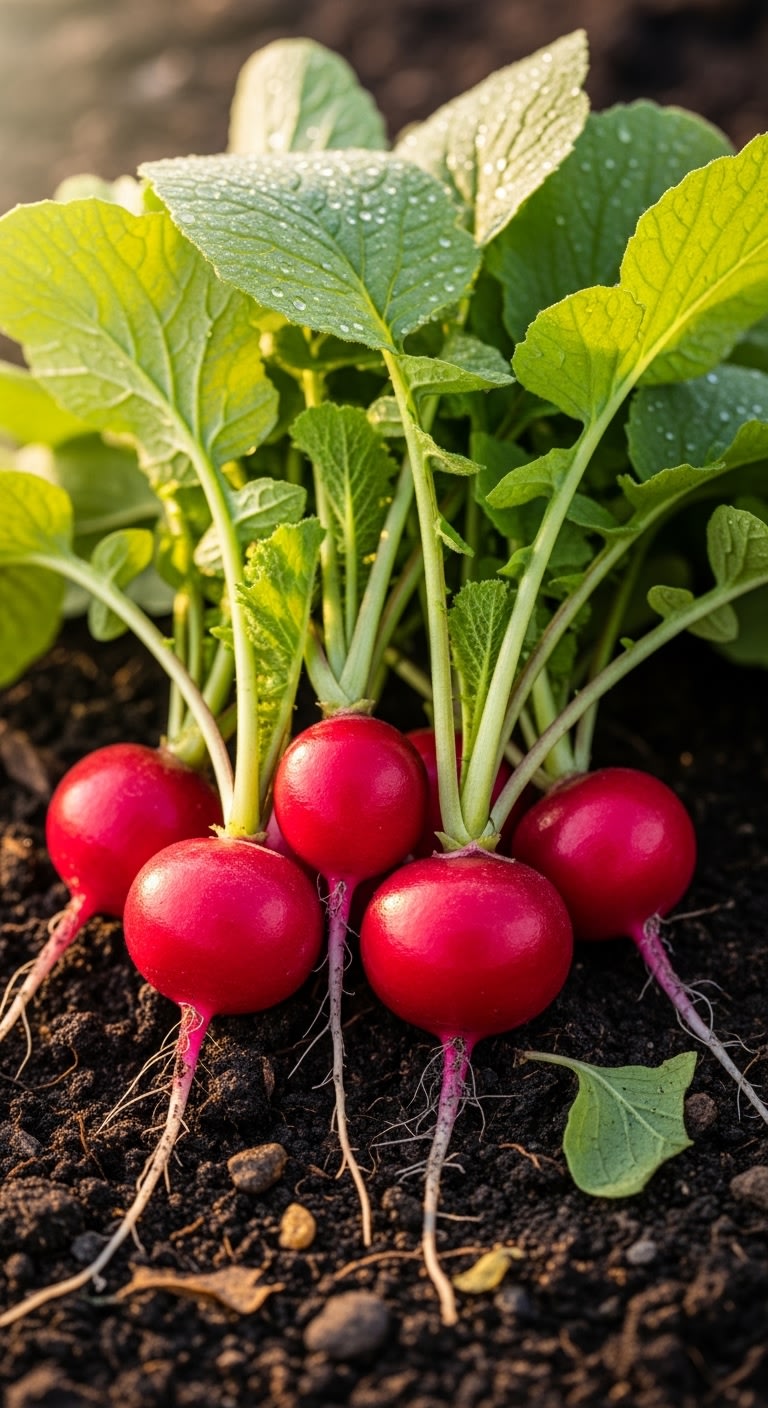
Radishes are quick-growing and can be harvested in just a few weeks. They’re perfect for lazy gardeners who want fast results without much upkeep, making them a rewarding choice.
Best for: Ideal for quick harvests in small spaces.
Lettuce
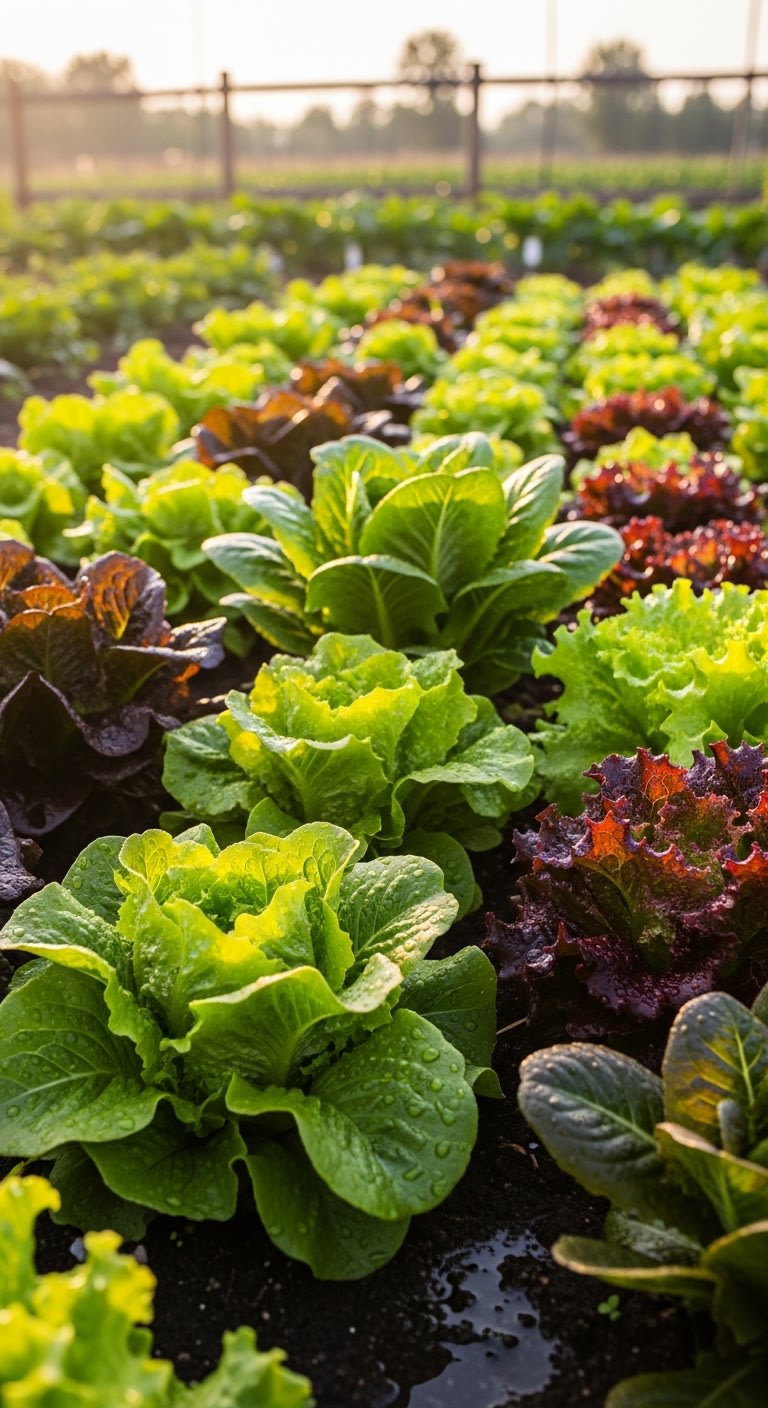
Lettuce is another great option for lazy gardeners, as it can be grown in a variety of conditions. With quick germination and multiple harvests possible, it’s a staple in any low-maintenance garden.
Best for: Perfect for those who enjoy salads and want a steady supply of fresh greens.
Tools You Need
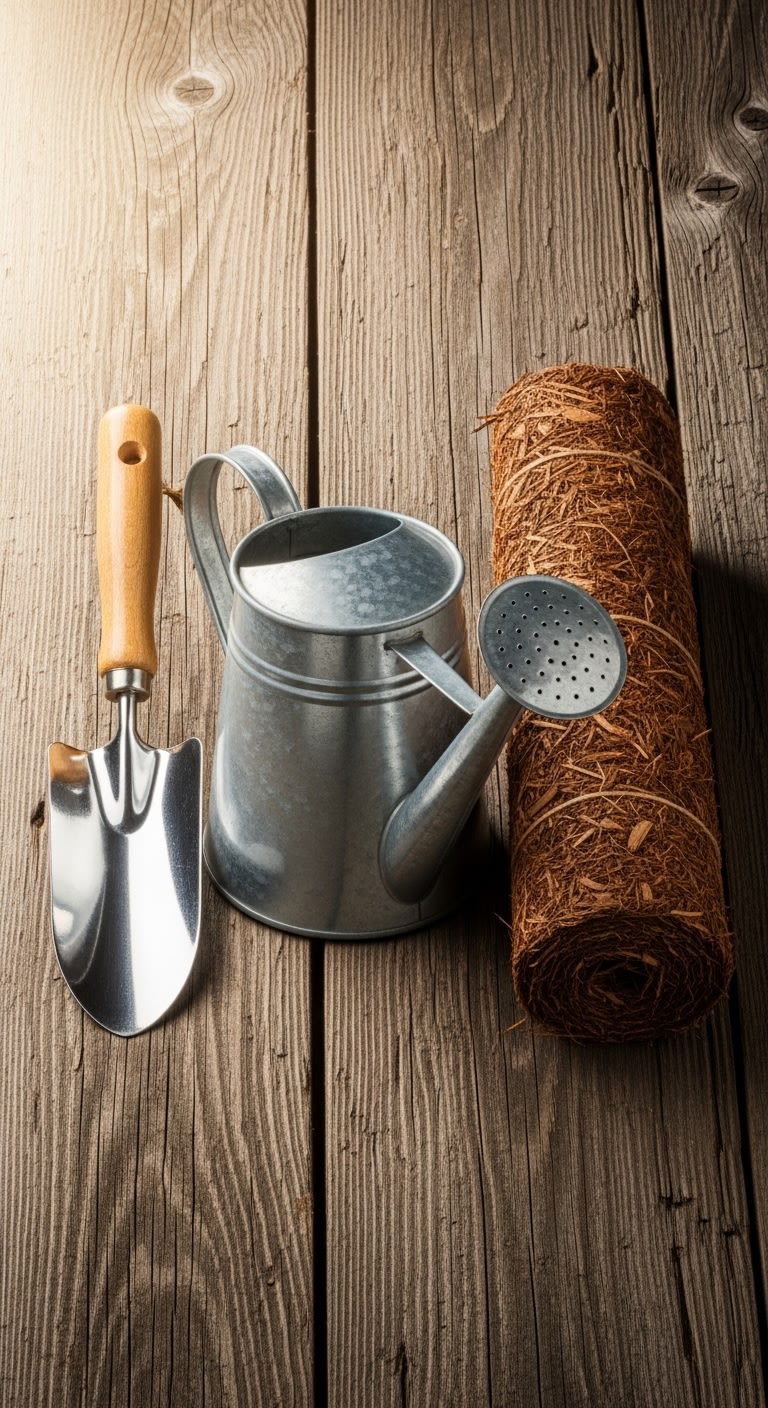
- Garden Trowel — A sturdy garden trowel is essential for digging, planting, and turning the soil. Look for one with a comfortable grip to make your gardening tasks easier. — Available at: Available at local garden centers or online retailers.
- Watering Can — A watering can allows you to provide just the right amount of water to your plants. Choose one with a long spout for better reach and control. — Available at: Find them at home improvement stores or garden supply shops.
- Raised Garden Beds — Raised garden beds elevate the planting area, making it easier to manage without bending over. They also improve drainage and soil quality. — Available at: Purchase pre-made beds or materials from local hardware stores.
- Mulch — Using mulch helps retain moisture and suppress weeds, reducing your maintenance work. Organic options like wood chips or straw are excellent choices. — Available at: Available at garden centers and landscaping supply stores.
- Soil Test Kit — A soil test kit helps you understand your soil’s pH and nutrient levels. This knowledge allows you to amend your soil appropriately for optimal plant growth. — Available at: Easily found at garden stores or online.
- Drip Irrigation System — Investing in a drip irrigation system automates watering, saving you time and ensuring your plants receive consistent moisture without daily effort. — Available at: Available at garden supply stores and online gardening retailers.
Seasonal Tips

Timing is everything when it comes to gardening. Each season presents unique opportunities and challenges that can affect your garden’s productivity. Understanding the seasonal rhythms can help you plan effectively, ensuring your garden thrives throughout the year with minimal effort on your part.
Spring
- Start seeds indoors for a head start on the growing season.
- Prepare your soil by incorporating compost and organic matter.
- Choose early crops like lettuce and radishes that thrive in cooler weather.
Focus on planting your garden and ensuring that all frost risks have passed.
Summer
- Monitor your plants for pests and diseases regularly.
- Implement shade cloth to protect plants from extreme heat.
- Continue watering deeply but less frequently to encourage deep root growth.
Harvest early crops and prepare for a second planting of quick-growing vegetables.
Fall
- Plant cover crops to improve soil health during the winter.
- Start harvesting late-season crops before the first frost.
- Clean up dead plant material to prevent pest issues in the next season.
Focus on preparing your garden for winter and planning for the next year.
Winter
- Consider planting winter crops like kale or garlic.
- Mulch heavily to protect plants from frost.
- Plan your spring garden layout and order seeds.
Use this time for research and preparation for the upcoming growing season.
Common Mistakes to Avoid

Overwatering
Overwatering can suffocate plant roots and lead to root rot, which can kill your plants.
How to fix: Implement a watering schedule and check soil moisture before watering.
Planting Too Close Together
Crowded plants compete for nutrients and light, resulting in poor growth and reduced yields.
How to fix: Follow recommended spacing guidelines for each plant type to ensure healthy growth.
Ignoring Pest Control
Pests can quickly destroy your garden if not managed early, leading to significant losses.
How to fix: Regularly check plants for signs of pests and use organic pest control methods as needed.
Neglecting Soil Health
Poor soil conditions can stifle plant growth, resulting in weak and unproductive plants.
How to fix: Test your soil and amend it with organic matter to improve its health.
Choosing Incompatible Plants
Certain plants can hinder each other’s growth when planted together, leading to poor yields.
How to fix: Research companion planting to ensure plants support each other’s growth.
Expert Tips
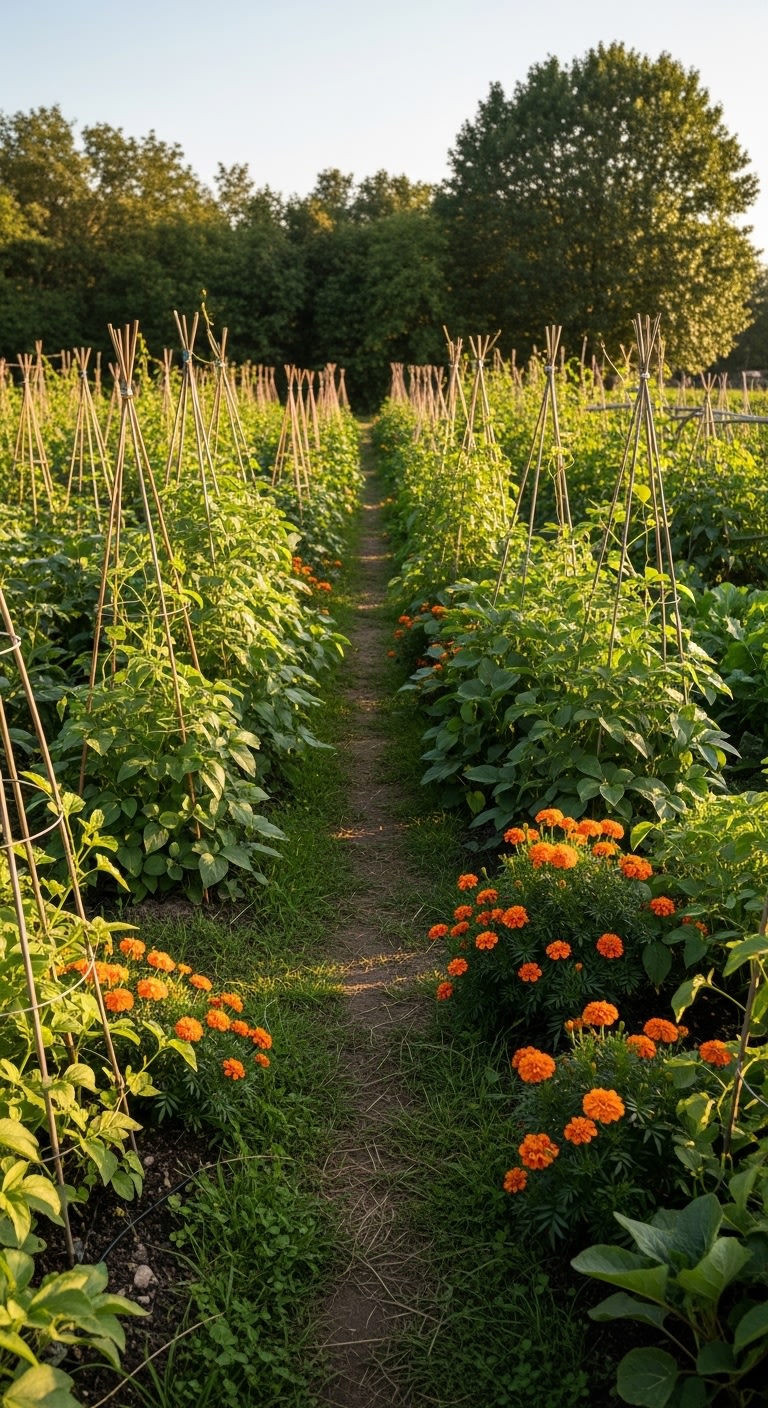
Companion Planting
Utilizing companion planting can significantly enhance your garden’s productivity. Certain plants naturally repel pests or enhance the growth of others, creating a harmonious ecosystem in your garden. For instance, planting marigolds alongside vegetables can deter aphids and other pests, while legumes can fix nitrogen in the soil, benefiting neighboring plants.
Crop Rotation
Practicing crop rotation is essential for maintaining soil health and preventing nutrient depletion. By rotating your crops each season, you can reduce pest buildup and improve soil fertility. This method allows you to manage your garden more effectively, ensuring that each plant type has the nutrients it needs without overburdening the soil.
Utilizing Vertical Space
Don’t forget about vertical gardening! By utilizing trellises, arbors, or even vertical planters, you can maximize your garden space while minimizing ground-level maintenance. Plants like cucumbers and pole beans thrive when grown vertically, reducing the risk of pests and diseases while making harvesting easier.
Regular Maintenance Checks
While this guide emphasizes low-maintenance gardening, regular checks are still important to ensure your plants are healthy. Spend a few minutes each week evaluating your plants for signs of disease or pests. Early detection can save you time and effort in the long run, allowing you to enjoy a bountiful harvest.
Frequently Asked Questions
What are the easiest vegetables to grow for beginners?
Some of the easiest vegetables for beginners include tomatoes, zucchini, and radishes. These plants are known for their resilience and quick growth, making them perfect for those new to gardening. They thrive in various conditions and require minimal care once established, allowing you to enjoy a bountiful harvest without extensive effort.
Additionally, herbs like basil and mint are also great options, as they can be grown in containers or garden beds and add flavor to your meals.
How much sunlight do my plants need?
Most vegetables require at least six hours of direct sunlight daily for optimal growth. However, some plants, like leafy greens, can tolerate partial shade. It’s essential to observe the sunlight patterns in your garden throughout the day to ensure your plants receive adequate light.
If you find that certain areas of your garden are too shady, consider using raised beds or planters to position your plants where they’ll get more sun.
Can I grow vegetables in containers?
Absolutely! Growing vegetables in containers is an excellent option, especially for those with limited space. Many vegetables, including tomatoes, peppers, and herbs, thrive in pots. Just ensure your containers have good drainage and are filled with quality potting soil.
Container gardening also allows you to move plants around to take advantage of sunlight and protect them from extreme weather, making it a flexible and low-maintenance approach.
How often should I water my garden?
The frequency of watering depends on various factors, including your climate, the type of plants, and the soil conditions. Generally, it’s better to water deeply and less frequently to encourage deep root growth. A good rule of thumb is to check the top inch of soil; if it’s dry, it’s time to water.
Using a drip irrigation system can help automate this process, ensuring your plants receive consistent moisture without daily effort on your part.
What should I do if I encounter pests in my garden?
If you notice pests in your garden, the first step is to identify the type of pest and the damage they are causing. Many pests can be managed organically by introducing beneficial insects, such as ladybugs, or using natural repellents like neem oil. Regularly inspecting your plants can help catch pest problems early, allowing you to take action before they cause significant damage.
In some cases, simply removing affected leaves or plants can prevent the spread of pests, keeping your garden healthy.
Growing your own food doesn’t have to be a labor-intensive endeavor. With the right approach and techniques, you can enjoy a thriving garden that requires less work and provides more rewards. By implementing the strategies outlined in this guide, you can cultivate a productive and low-maintenance garden that fits seamlessly into your lifestyle.
So why wait? Start planning your easy-to-maintain garden today and enjoy the satisfaction of harvesting fresh produce with minimal effort. Remember, gardening should be a joyful experience, not a chore, and with these tips, you can make it just that.

Leave a Comment