
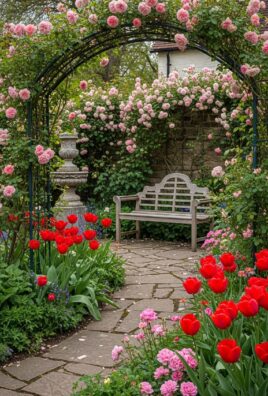
Creating a cottage garden in your front yard can transform an ordinary landscape into a picturesque retreat. Characterized by a delightful mix of vibrant flowers, rustic charm, and a sense of whimsy, a cottage garden invites you and your guests to explore its beauty. Among the most quintessential flowers to include are tulips and roses, each bringing their unique flair and fragrance to the garden.
Incorporating these classic blooms into your garden design not only enhances the aesthetic appeal but also reflects the beauty of nature’s palette. Tulips, with their bold colors and elegant shapes, can create striking focal points, while the romantic allure of roses adds an element of sophistication. This article will guide you through ten essential elements to consider when designing a cottage garden front yard that features these stunning flowers, ensuring your outdoor space is both inviting and enchanting.
1. Embrace a Lush Cottage Garden Style
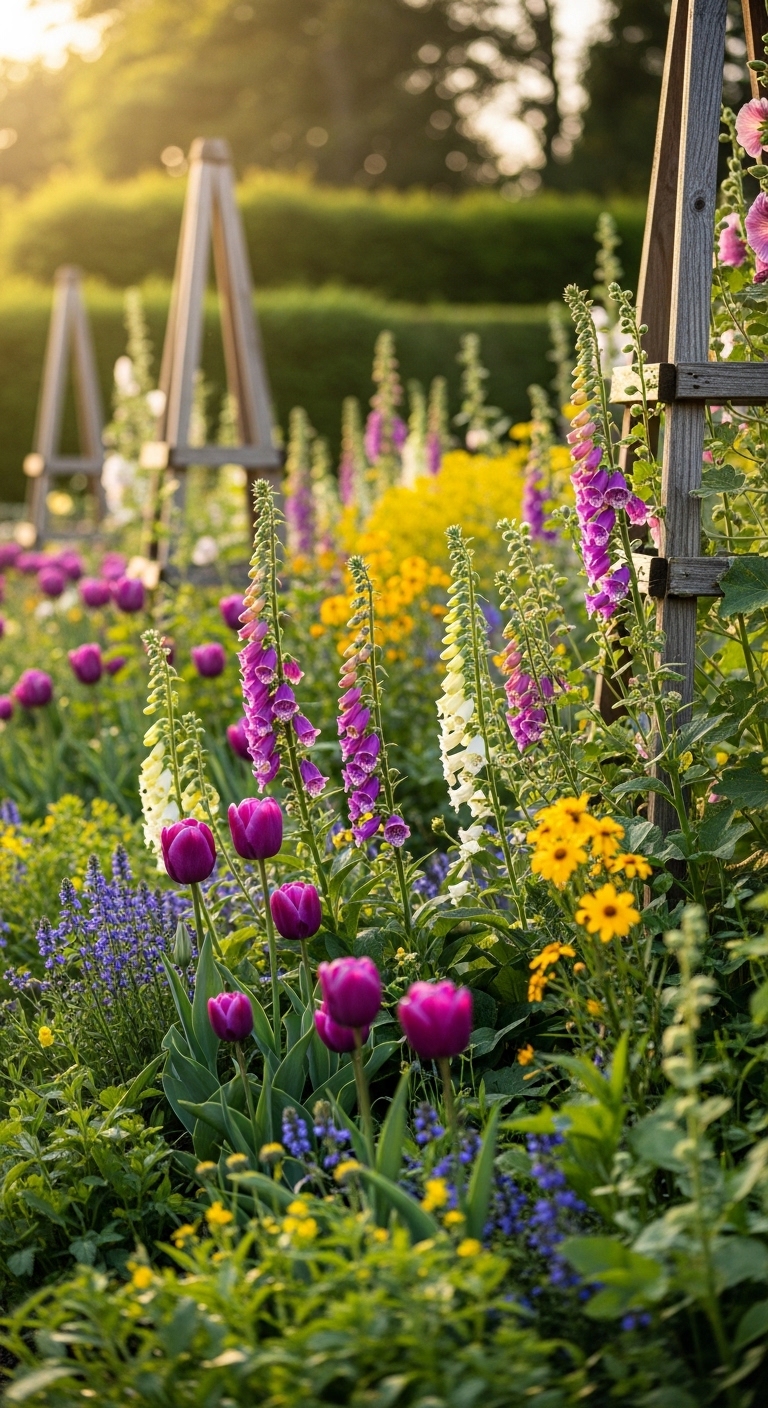
Cottage gardens are known for their lush and informal style that emphasizes natural beauty. To create a true cottage garden atmosphere, consider planting a mixture of perennials, annuals, and shrubs that bloom at different times throughout the year. This ensures a continuous display of color and texture, inviting both pollinators and people to enjoy the space.
Incorporate various heights and layers in your planting scheme. Taller plants, such as foxgloves and hollyhocks, can be placed at the back or center, while shorter flowers, like tulips and daisies, should front them. Additionally, consider using groundcovers to fill in any empty spaces, creating a feeling of abundance and lushness.
Remember to allow your plants to mingle and overlap, providing an informal and relaxed look. The goal is to create a harmonious blend of colors and shapes that draws the eye and invites exploration. This design philosophy is at the heart of every successful cottage garden.
2. Select the Right Tulip Varieties

Tulips come in a variety of shapes, sizes, and colors, making them a versatile choice for any cottage garden. When selecting tulip varieties, think about the seasonality of blooming and the overall color scheme you desire. Early-blooming varieties like ‘Darwin Hybrid’ are perfect for adding color in spring, while later bloomers like ‘Parrot Tulips’ provide a unique texture with their fringed petals.
Mixing different tulip varieties can create stunning visual impact. Consider using contrasting colors or complementary shades to enhance the garden’s aesthetics. For example, pairing bright red tulips with soft pink roses can create a captivating color palette that enlivens the space.
Remember to plant tulips in groups of odd numbers for a more natural look. This planting method allows for a more organic arrangement, avoiding the rigid appearance of even-numbered groupings. Additionally, ensure that tulips are planted in well-drained soil to promote healthy growth and vibrant blooms.
3. Incorporate Beautiful Roses

Roses are the quintessential flower for any cottage garden, renowned for their beauty and fragrance. When selecting roses, consider varieties that thrive in your climate and bloom continuously throughout the growing season. Climbing roses are particularly effective at adding vertical interest and can be trained to grow along trellises or fences, creating a romantic backdrop.
Mixing different types of roses can also enhance the garden’s visual appeal. For instance, combining classic hybrid teas with fragrant floribundas can provide a range of colors and scents. Additionally, consider planting roses alongside other flowering plants to create a rich tapestry of colors and textures.
Regular maintenance, including deadheading spent blooms and pruning in early spring, will keep your roses healthy and encourage continual blooming. With the right care, your roses will become a focal point of your cottage garden, captivating visitors with their beauty and charm.
4. Create Charming Pathways

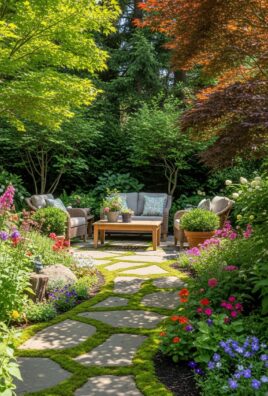
A charming pathway can enhance the allure of your cottage garden and guide visitors through its enchanting spaces. Consider using natural materials such as stone, brick, or gravel to create your path, which can blend seamlessly into the garden’s organic feel. Curved pathways often work best in cottage gardens, as they create a sense of adventure and exploration.
When designing your pathway, think about the width and materials used. A narrower path lined with flowering plants can create an intimate atmosphere, while a wider path can accommodate seating areas or garden furniture. Additionally, consider incorporating stepping stones for an added rustic touch.
Surround your pathways with fragrant plants and blooming flowers, allowing their beauty to draw attention and enhance the overall experience. Proper lighting, such as solar-powered lanterns or fairy lights, can further illuminate the pathways at night, making your cottage garden a magical retreat even after sunset.
5. Add Whimsical Garden Furniture
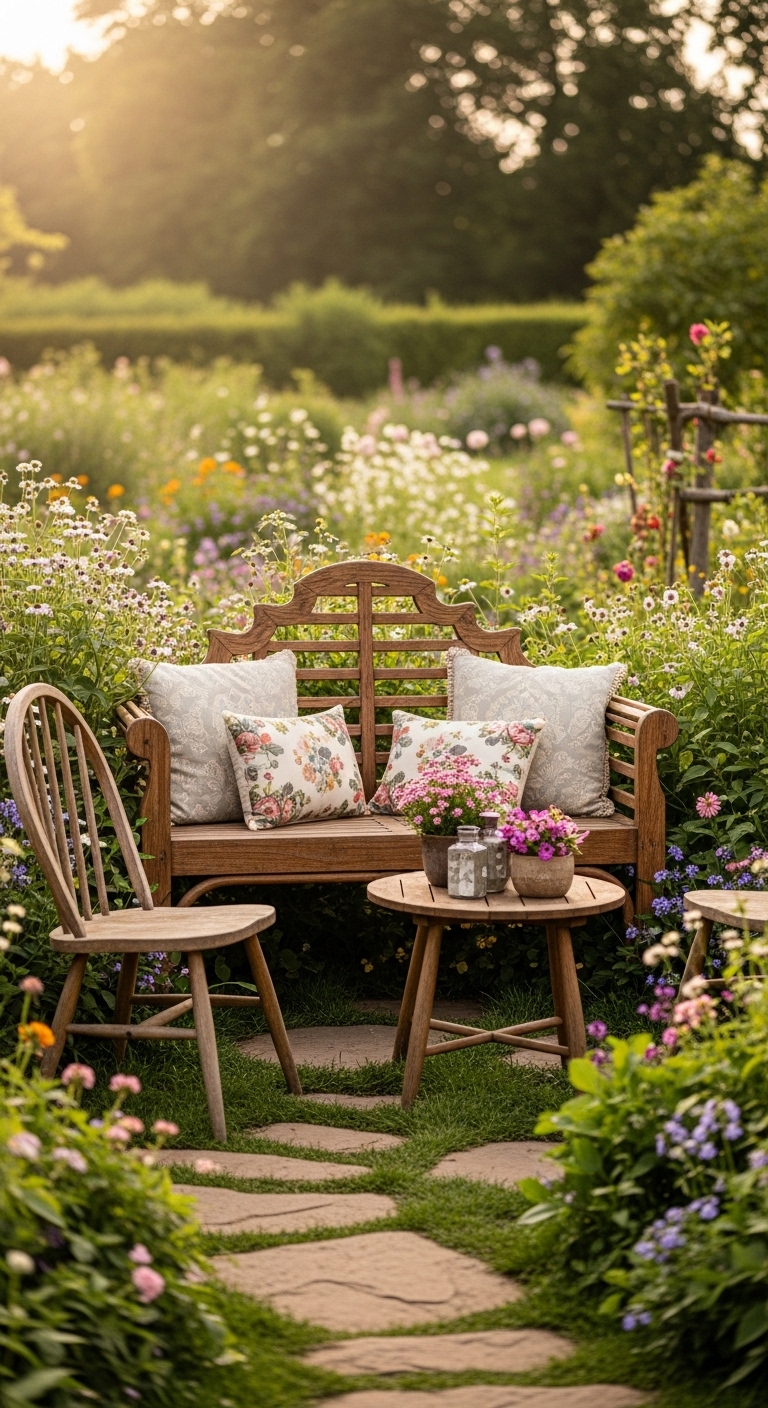
Incorporating whimsical garden furniture can elevate the charm of your cottage garden. Look for pieces that blend naturally into the garden’s aesthetic, such as wrought iron benches, rustic wooden chairs, or even a quaint bistro set. These elements not only provide seating but also serve as decorative focal points.
Position furniture strategically within the garden to create cozy nooks for relaxation and reflection. For instance, a bench placed beneath a flowering tree or near a rose bush can be the perfect spot to enjoy the beauty of your surroundings. Adding cushions or throws can further enhance comfort and invite guests to linger.
Consider also placing small tables for drinks or books to encourage the use of these spaces. Adding decorative elements, such as lanterns or a small water feature near the seating area, can create an inviting ambiance, making your cottage garden a perfect retreat for entertaining or quiet contemplation.
6. Utilize Vertical Gardening Techniques

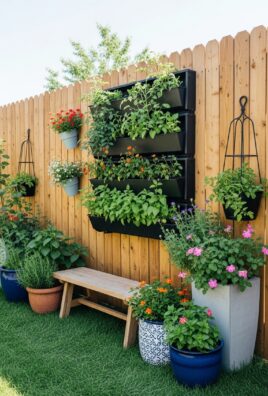
Vertical gardening is an excellent way to maximize space in a cottage garden while adding layers of interest. Utilizing trellises, arbors, and wall planters allows you to grow climbing plants like roses, peas, and even cascading flowers. This approach not only enhances the visual appeal but also creates a lush, green backdrop for lower plants.
When planning your vertical garden, consider the placement of structures to ensure they receive adequate sunlight. You can use trellises to support flowering vines or climbing vegetables, encouraging them to grow upwards while saving ground space. Moreover, vertical gardening can create privacy screens or shade for seating areas.
Incorporating various heights and textures will create a dynamic and engaging environment. Cascading plants can soften the edges of hardscapes, while vibrant climbers can draw the eye upward, leading to a more expanded view of your garden.
7. Incorporate Wildlife-Friendly Features

A cottage garden can be a sanctuary for wildlife, including birds, butterflies, and beneficial insects. By incorporating wildlife-friendly features, you can create a vibrant ecosystem that supports local flora and fauna. Start by planting native species and a variety of flowering plants to attract pollinators.
Adding birdhouses, feeders, and baths will invite feathered friends into your garden, providing opportunities to observe their activities. Additionally, consider planting nectar-rich flowers like lavender and coneflower to attract butterflies and bees, which play a crucial role in pollination.
Creating a small pond or water feature can also enhance the habitat, providing a drinking source for wildlife while adding a serene element to your garden. By designing with wildlife in mind, you can cultivate a garden that is not only beautiful but also ecologically beneficial.
8. Plan for Year-Round Interest

To keep your cottage garden attractive throughout the year, planning for seasonal interest is essential. This involves selecting plants that bloom in different seasons and incorporating evergreens for structure. Spring blooms like tulips and daffodils can give way to summer roses and hydrangeas, while autumn brings the rich colors of chrysanthemums and ornamental grasses.
Consider planting winter-blooming varieties, such as hellebores or winter jasmine, to ensure your garden remains lively even in colder months. Evergreens can provide a backdrop and maintain visual interest during the winter when other plants are dormant.
Additionally, incorporating seasonal decorations like pumpkins in the fall or evergreens for winter can enhance the garden’s appeal. By thoughtfully planning your plant selections and seasonal elements, your cottage garden can remain a vibrant and engaging space for every season.
Frequently Asked Questions
What are the best tulip varieties for a cottage garden?
When choosing tulip varieties for your cottage garden, consider both the blooming season and color palette. Early-blooming varieties like ‘Darwin Hybrid’ are ideal for adding vibrant colors to your spring landscape. These robust tulips can withstand adverse weather conditions and provide reliable blooms year after year.
For a more whimsical touch, consider unique varieties like ‘Parrot Tulips,’ which feature fringed edges and exotic colors. Mixing different types of tulips not only enhances visual interest but also creates a dynamic display as different varieties peak at different times. Additionally, planting in groups of odd numbers can give your garden a more natural feel.
How can I maintain my rose plants in a cottage garden?
Maintaining rose plants in a cottage garden requires regular care and attention to ensure they thrive. Start by ensuring they are planted in well-drained soil and receive adequate sunlight, as roses typically prefer at least six hours of sun daily. Regular watering, particularly during dry spells, is crucial for keeping your roses healthy and vibrant.
Pruning is another essential maintenance task, ideally performed in early spring before new growth begins. This helps shape the plants, remove dead or diseased wood, and encourages better air circulation, reducing the risk of disease. Additionally, applying a balanced fertilizer can promote healthy growth and abundant blooms throughout the season.
What are some common pests in a cottage garden and how can I manage them?
Cottage gardens can attract various pests, including aphids, slugs, and spider mites. One effective way to manage these pests is to encourage beneficial insects such as ladybugs and lacewings, which naturally prey on aphids. Planting a diverse array of flowers can help attract these helpful insects.
Additionally, implementing organic pest control methods, such as neem oil or insecticidal soap, can be effective for treating infestations. Regularly inspecting your plants for signs of pests and taking action early can help prevent larger outbreaks. Maintaining healthy plants through proper watering and fertilization will also make them more resilient to pest attacks.
How do I ensure my cottage garden has year-round appeal?
To achieve year-round appeal in your cottage garden, it’s essential to plan for seasonal interest. Begin by selecting a mix of plants that bloom at different times throughout the year. Incorporate spring bulbs like tulips and daffodils, summer flowering plants like hydrangeas, and autumn favorites like asters and ornamental grasses to ensure continuous color.
Adding evergreens can provide structure and greenery even in winter months when most plants are dormant. Additionally, consider seasonal decorations, such as pumpkins in the fall or festive lights in winter, to enhance the garden’s visual appeal during all seasons. With thoughtful planning and diverse plant choices, your cottage garden can remain a vibrant retreat all year round.
What is the best way to design a cottage garden layout?
Designing a cottage garden layout involves balancing aesthetics with functionality. Start by sketching a rough plan that includes pathways, seating areas, and plant beds. Incorporate curved lines for pathways to create a natural flow, inviting exploration and discovery.
Layer your plants by height, placing taller varieties at the back or center and shorter ones in the front for a visually appealing arrangement. Consider the color scheme and seasonal bloom times to ensure a continuous display of flowers. Finally, leave some space for maintenance access, ensuring your garden remains manageable and enjoyable throughout the growing season.
Creating a cottage garden front yard filled with tulips and roses is a rewarding endeavor that brings beauty and charm to your outdoor space. By thoughtfully selecting plants, incorporating whimsical features, and planning for year-round interest, you can create a garden that delights the senses and invites exploration. Each element, from pathways to seating areas, contributes to an enchanting atmosphere that you and your guests will cherish.
As you embark on this gardening journey, remember to embrace the natural beauty of your surroundings and allow your creativity to flourish. Whether you’re a seasoned gardener or a novice, the essence of a cottage garden lies in its ability to evoke joy and serenity. Start planning your dream garden today, and let the vibrant colors of tulips and the classic elegance of roses inspire your outdoor living space.
Leave a Comment