
Transforming your outdoor space into a sanctuary of beauty and tranquility is an art that many aspire to master. With the right garden design ideas, you can create an inviting atmosphere that not only showcases nature’s splendor but also complements your lifestyle. From vibrant flower beds to serene patios, the possibilities are endless when it comes to elevating your outdoor living area.
This article will explore a variety of inspiring garden design concepts that cater to different tastes and preferences. Whether you prefer the classic charm of a cottage garden or the sleek lines of a modern landscape, these ideas will help you cultivate a stunning outdoor retreat. So, roll up your sleeves, grab your gardening tools, and let’s dive into the world of outdoor elegance and creativity.
1. Create a Relaxing Zen Garden
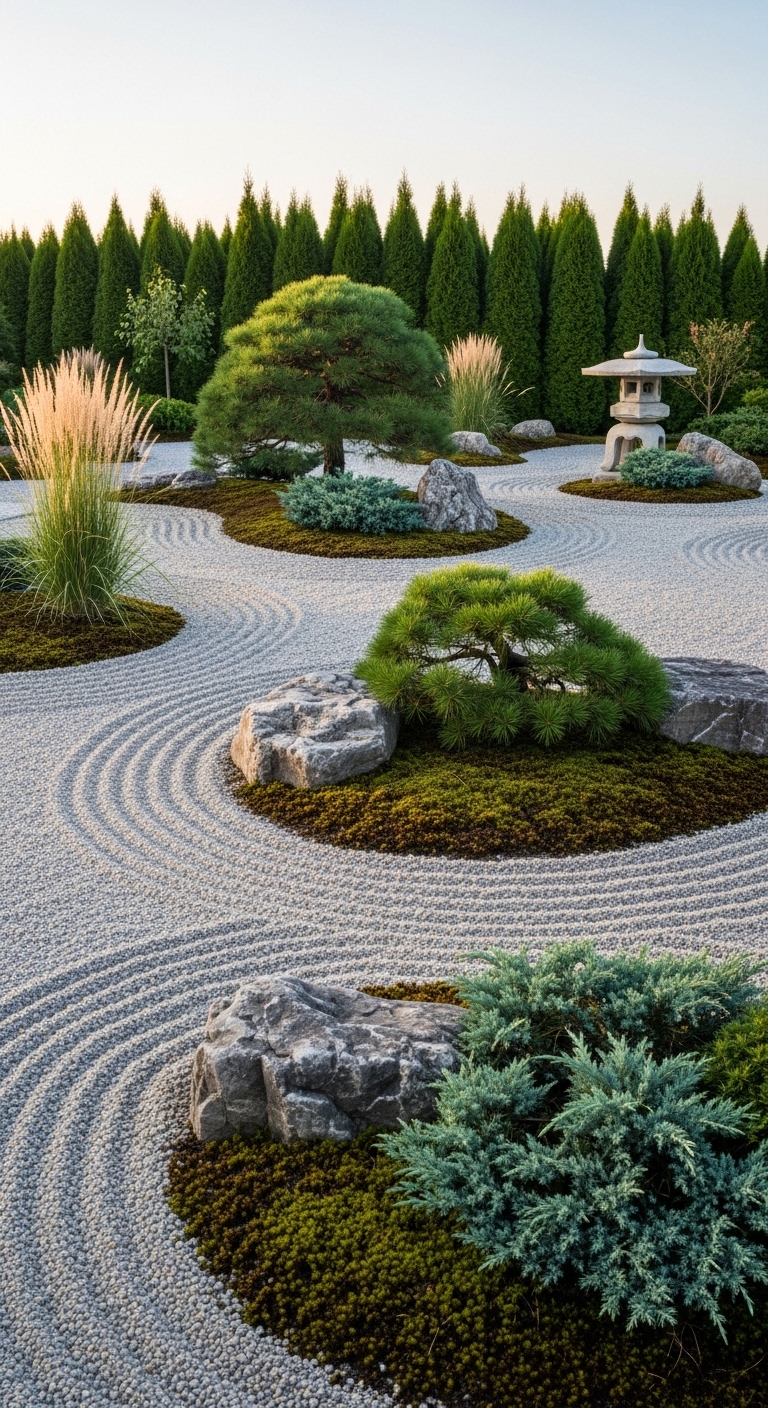
A Zen garden is a peaceful retreat designed to promote meditation and tranquility. This minimalist approach uses gravel, rocks, and carefully placed plants to create a serene environment. To establish a Zen garden, start by choosing a tranquil area in your yard, preferably with a view of nature. Rake the gravel into patterns that represent water, and strategically place large rocks to symbolize mountains or islands.
Incorporate evergreen plants, such as junipers or ornamental grasses, to provide year-round greenery. Bamboo fencing can also enhance the aesthetic while offering privacy. Consider adding a stone lantern or a water feature to amplify the soothing atmosphere. Regular maintenance involves raking the gravel to maintain the patterns and ensuring the plants are healthy and well-pruned.
By crafting a Zen garden, you’re not just designing a landscape; you’re creating a peaceful oasis that invites you to unwind and reflect. This calming space can be a perfect spot for practicing mindfulness or simply enjoying nature’s beauty.
2. Embrace a Lush Cottage Garden Style
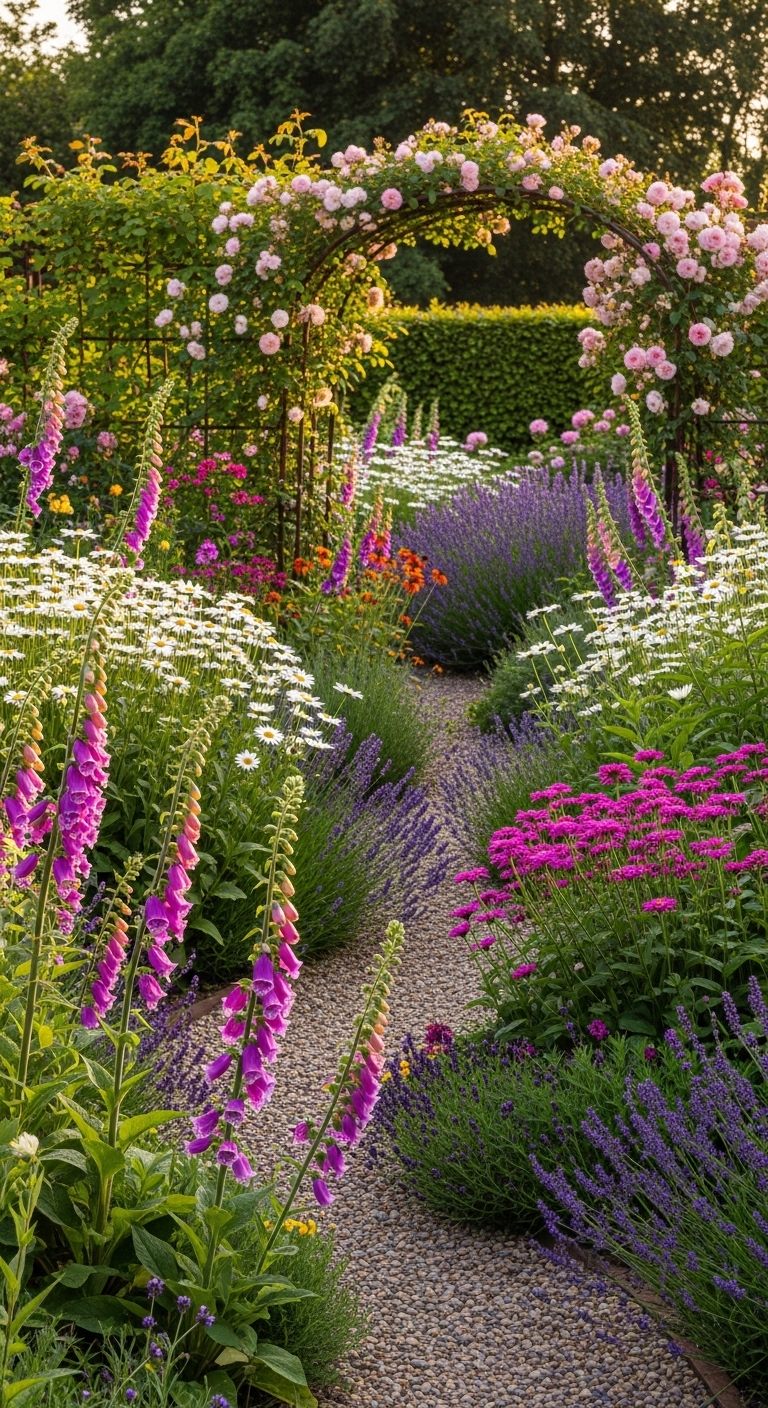
Cottage gardens are known for their vibrant colors, diverse plantings, and charming, informal layouts. This style emphasizes a mix of perennials, annuals, and herbs, creating a lush and inviting atmosphere. To start your cottage garden, choose a variety of flowering plants such as foxgloves, daisies, and climbing roses, interspersed with fragrant herbs like lavender and thyme.
Consider using a winding path made of stepping stones or gravel to invite exploration. Raised beds can also add structure and make planting easier. Incorporating whimsical garden decor, such as vintage garden tools or decorative birdhouses, can enhance the cozy feel of the space. Be sure to allow plants to grow freely and intertwine, creating a natural and abundant look.
Maintaining a cottage garden involves regular deadheading and pruning to encourage blooms and control overgrowth. By embracing this style, you can create a garden that feels both romantic and whimsical, offering a beautiful backdrop for outdoor gatherings and quiet moments alike.
3. Incorporate Modern Minimalism
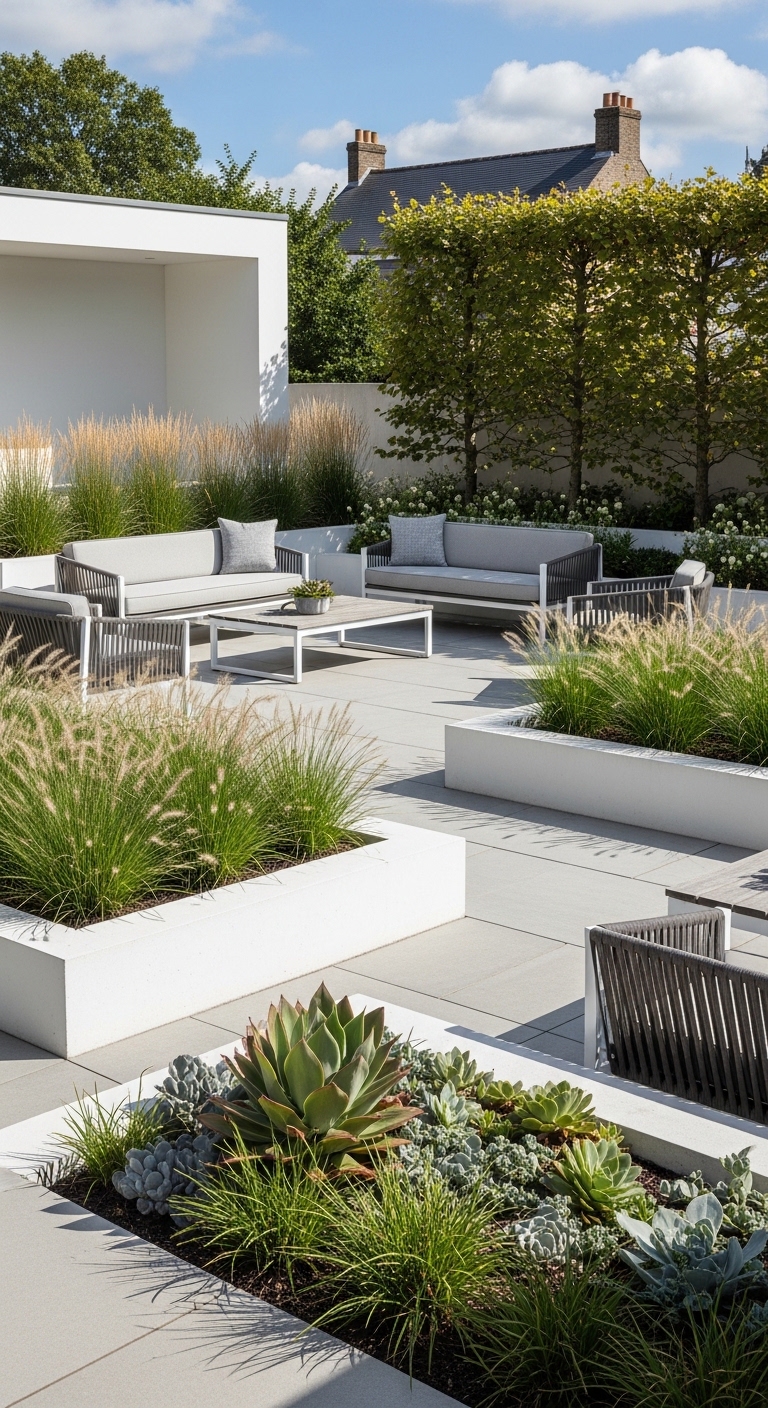
Modern minimalism in garden design emphasizes simplicity and functionality, often featuring clean lines and a restrained palette. This approach encourages the use of geometric shapes in plant beds and the installation of sleek outdoor furniture. To achieve a minimalist garden, select a limited color scheme—such as whites, grays, and greens—and focus on a few key plants, like ornamental grasses or succulents.
Hardscape elements, like concrete or stone, can provide structure and contrast against the greenery. Consider a water feature that doubles as a focal point and a relaxing sound element. Incorporating low-maintenance plants is key to maintaining the sleek look; choose varieties that require minimal upkeep and thrive in your climate.
By embracing modern minimalism, you create a sophisticated outdoor space that reflects your personal style while allowing nature to shine. This design can be particularly appealing for urban settings, where space is limited and simplicity is essential.
4. Design an Inviting Outdoor Living Area
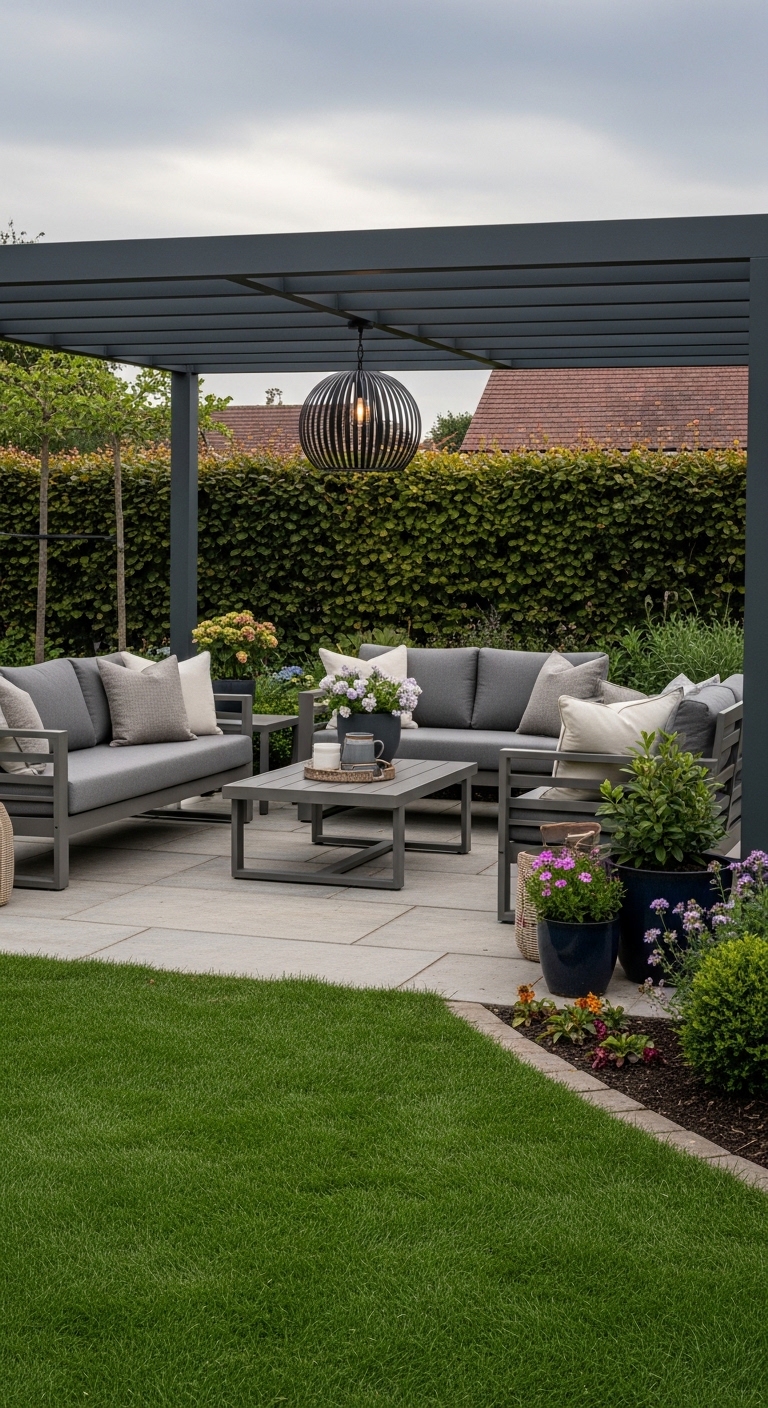
An outdoor living area extends your home into nature, providing a comfortable space for entertaining and relaxation. Start by selecting a location that receives ample sunlight and is sheltered from the wind. Incorporate comfortable seating options, such as sectional sofas or lounge chairs, paired with a durable coffee table for gatherings.
Consider adding a pergola or awning to provide shade, enhancing the comfort during hot days. String lights or lanterns can create a warm ambiance for evening gatherings. Incorporating outdoor rugs can define the space and add a touch of color and texture.
To enhance the atmosphere, surround your outdoor living area with potted plants, hanging baskets, or even a small herb garden. This not only beautifies the space but also provides fresh ingredients for your culinary adventures. A well-designed outdoor living area can become the heart of your home, perfect for hosting friends and family while enjoying the great outdoors.
5. Add a Water Feature for Serenity
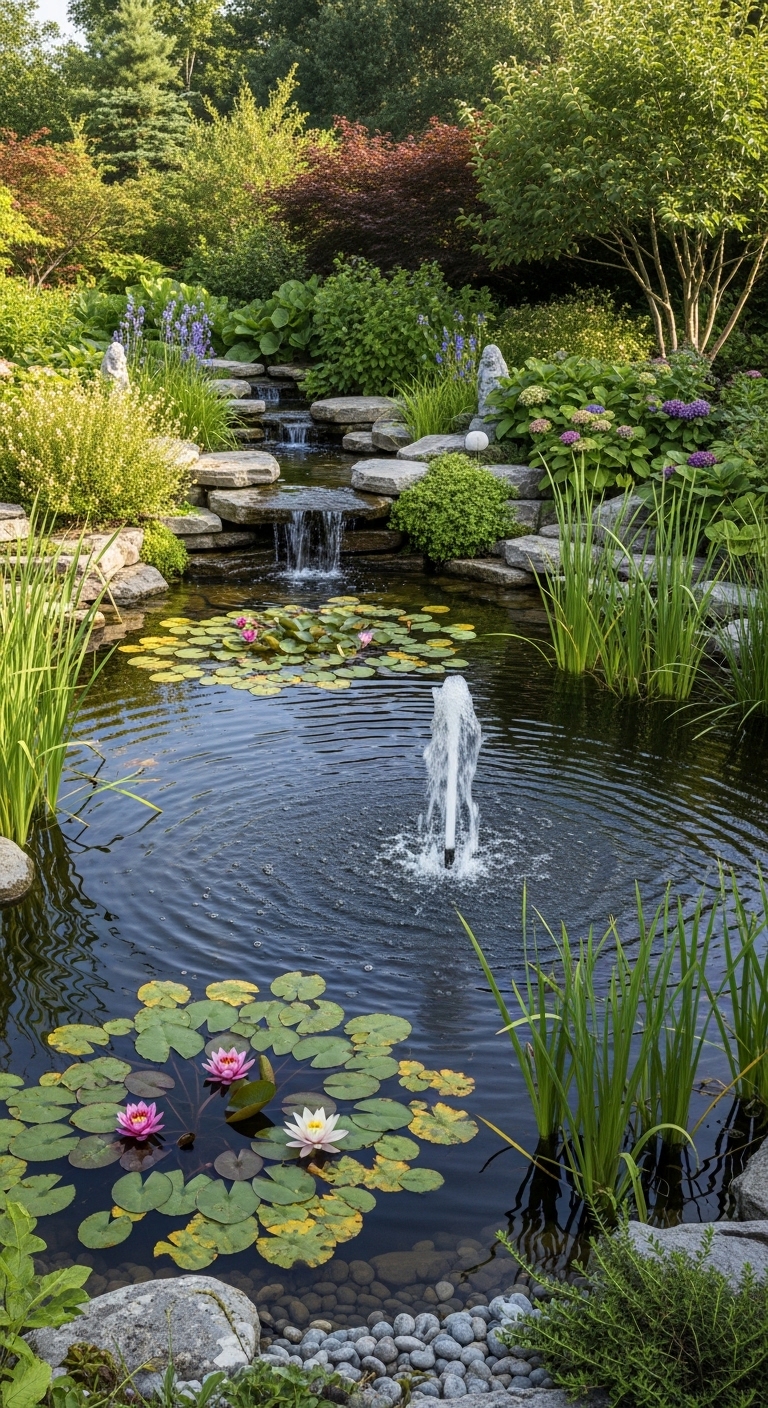
Incorporating a water feature into your garden can enhance the tranquility and beauty of your outdoor space. Whether it’s a small fountain, a pond, or a cascading waterfall, the sound of flowing water creates a soothing atmosphere. Start by assessing the size of your garden to determine the best type of water feature that will fit the space without overwhelming it.
For smaller gardens, consider a wall fountain or a bubbling rock that requires minimal maintenance. Larger spaces may accommodate a pond with aquatic plants and fish, adding life and movement to the landscape. Surround the water feature with lush plants, stones, and seating to create a serene retreat.
Maintaining your water feature involves regular cleaning and monitoring water levels, especially in hot weather. By adding a water feature, you invite a sense of peace and elegance to your garden, making it an ideal spot for reflection and relaxation.
6. Create a Vertical Garden for Small Spaces
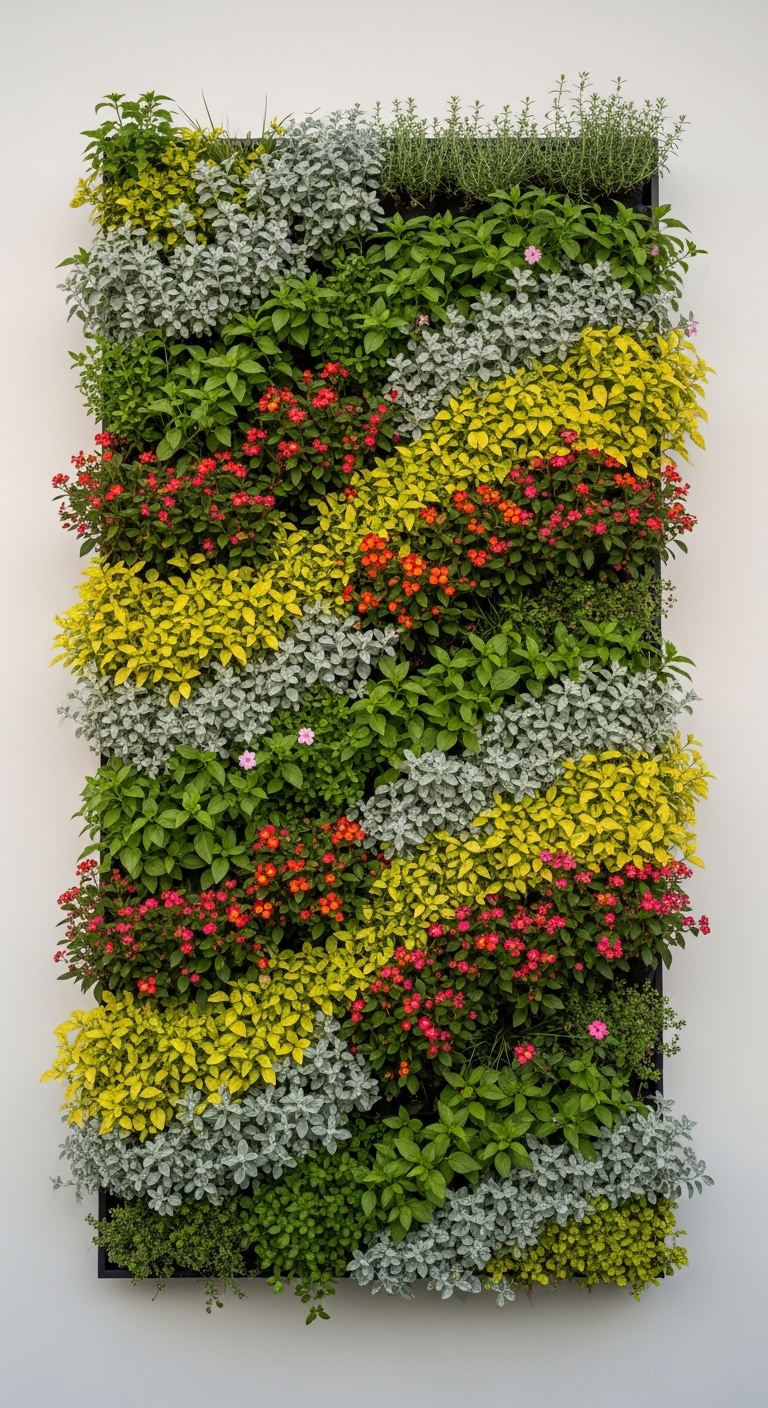
Vertical gardens are an innovative way to maximize space while adding greenery and personality to your outdoor area. This design is perfect for urban settings or smaller yards where ground space is limited. To create a vertical garden, consider using wall-mounted planters, trellises, or even repurposed pallets to hold your plants.
Select a mix of flowering plants, herbs, and succulents that thrive in vertical arrangements. Ensure that your chosen plants have similar light and water requirements for optimal growth. Incorporating a drip irrigation system can also help maintain moisture without daily effort.
Vertical gardens not only save space but also add a striking visual element to your outdoor decor. They can serve as a stunning backdrop for seating areas or even be utilized to create privacy screens. With a little creativity, you can turn a small outdoor space into a lush, green sanctuary.
7. Incorporate Edible Landscaping
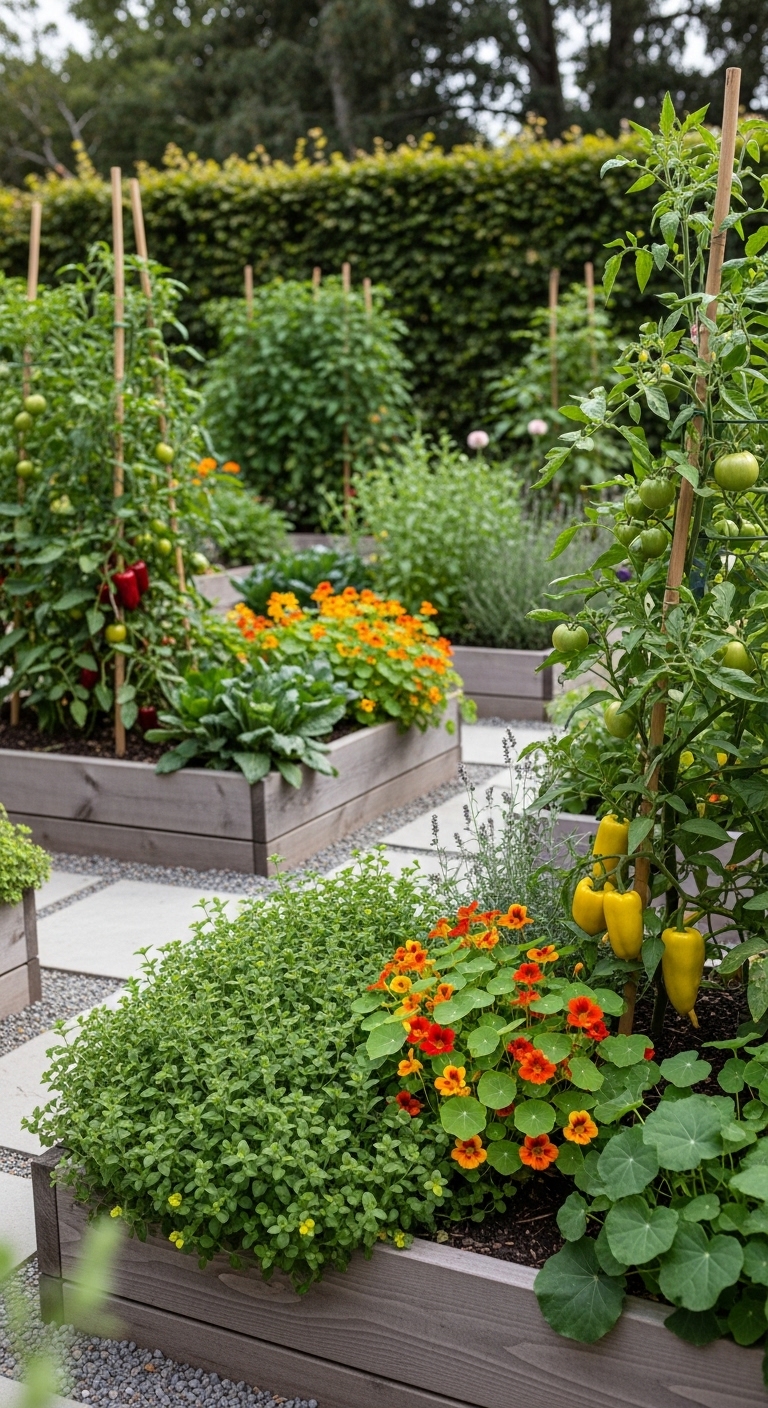
Edible landscaping combines beauty with functionality by integrating fruits, vegetables, and herbs into your garden design. This approach allows you to enjoy the aesthetic appeal of ornamental plants while also reaping the benefits of homegrown produce. Start by selecting a sunny spot in your garden where you can plant a mix of edible and ornamental varieties.
Consider creating raised beds for easy maintenance and organization. Plant edible flowers, such as nasturtiums and pansies, alongside vegetables like tomatoes and peppers to create a visually appealing arrangement. Herbs can be used as borders or ground cover, adding fragrance and flavor to your garden.
Maintaining an edible landscape involves regular watering, fertilizing, and pest management. By incorporating edible plants into your garden, you not only enhance your outdoor space but also cultivate a sustainable source of fresh ingredients for your meals. It’s a delightful way to connect with nature and enjoy the fruits of your labor.
8. Utilize Native Plants for Sustainability
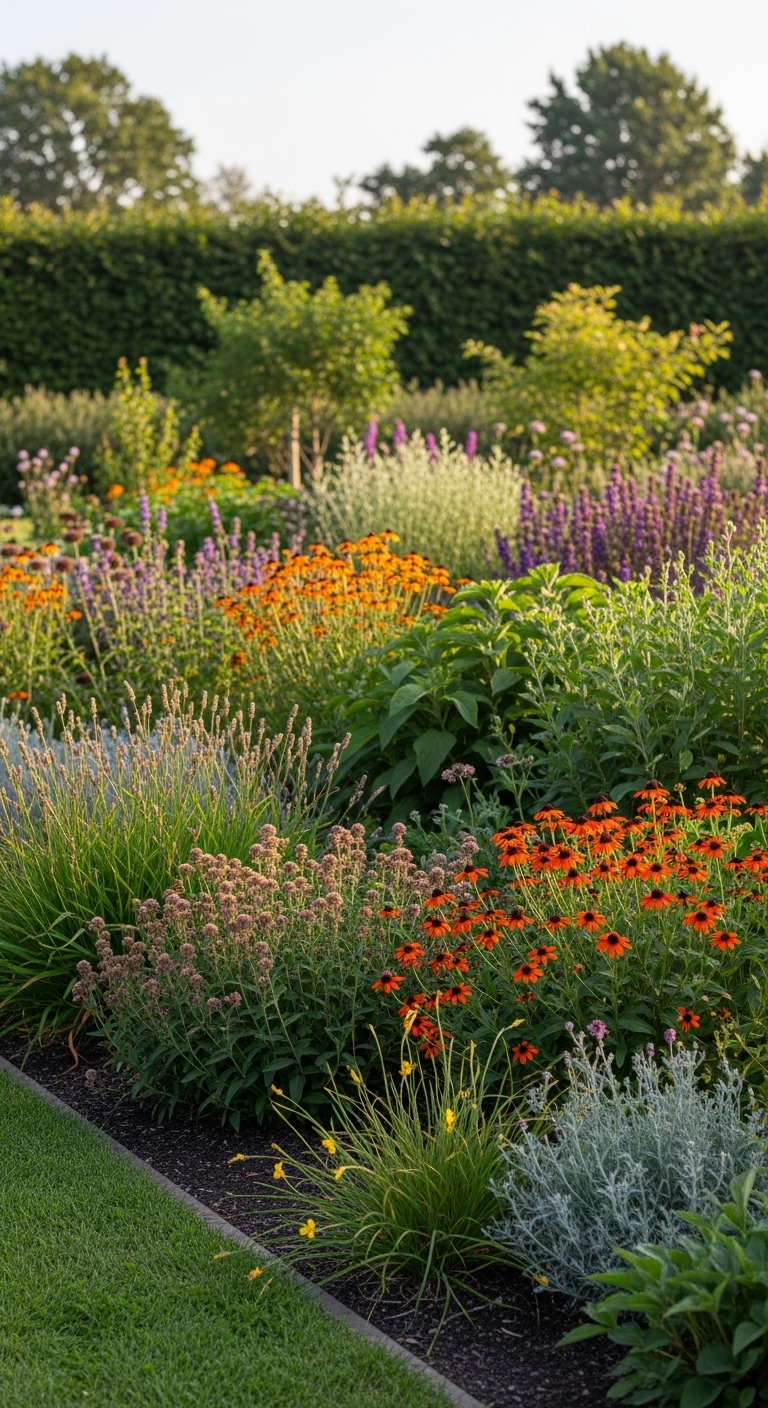
Designing a garden with native plants is an eco-friendly approach that supports local wildlife and reduces maintenance. Native plants are adapted to the local climate and soil, requiring less water and fertilizer than non-native varieties. Start by researching the plants indigenous to your region and choose a variety that offers year-round interest, such as flowering perennials, shrubs, and trees.
Creating a diverse planting scheme encourages beneficial insects and pollinators, enhancing your garden’s ecosystem. Incorporate a mix of heights and textures to add visual interest and depth to your landscape. Grouping native plants together can also create a more natural look that blends seamlessly with the surroundings.
Maintaining a garden with native plants is generally easier, as they are more resilient to local pests and diseases. By utilizing native flora, you contribute to local biodiversity while creating a beautiful, sustainable outdoor space that thrives naturally.
9. Incorporate Outdoor Lighting for Ambiance
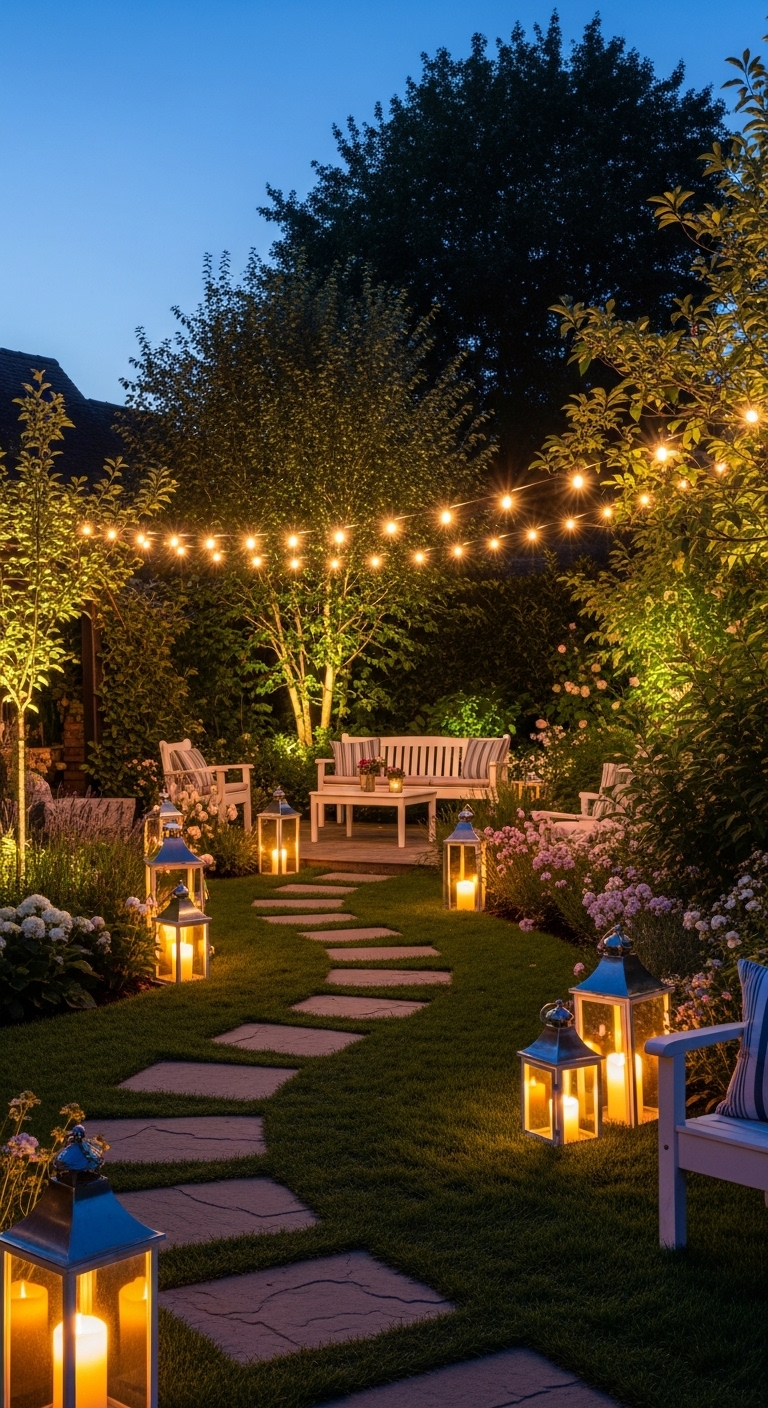
Outdoor lighting can dramatically transform your garden, enhancing its beauty and usability after dark. Properly placed lights can create a warm and inviting atmosphere, allowing you to enjoy your outdoor space even when the sun goes down. Start by identifying key areas in your garden that you want to highlight, such as pathways, water features, or seating areas.
Consider using a combination of string lights, lanterns, and spotlights for a layered lighting effect. Solar-powered lights are an eco-friendly option that requires no wiring, making installation easy. Additionally, use dimmers to control the intensity of the light, allowing for flexibility in ambiance.
Maintaining outdoor lighting involves regular checks to ensure fixtures are clean and functional. By incorporating thoughtful lighting designs, you can extend the enjoyment of your garden into the evening, creating a magical ambiance that enhances your outdoor gatherings and serene moments alike.
Frequently Asked Questions
What are the key elements of garden design?
Key elements of garden design include balance, proportion, unity, and rhythm. Balance refers to the visual weight of the plants and structures within the garden, ensuring that no single element overwhelms others. Proportion is about the relationship between different elements, such as the size of plants relative to the space.
Unity creates a cohesive look, often achieved by using similar colors or themes throughout the garden. Lastly, rhythm involves the repetition of certain elements, such as plant types or colors, to create a flow that guides the eye through the space. Together, these elements help create a harmonious and aesthetically pleasing garden layout.
How can I maintain my garden effectively?
Effective garden maintenance includes regular watering, weeding, and pruning. Understanding the specific needs of your plants is crucial for their health. Most plants benefit from deep watering once a week rather than light daily watering, encouraging deeper root growth.
Weeding should be done consistently to prevent competition for nutrients and water. Pruning helps maintain plant health and shape, as well as encourages new growth. Keeping an eye on pests and diseases is also essential, addressing issues promptly with organic methods whenever possible to ensure a healthy garden.
What plants are best for a low-maintenance garden?
For a low-maintenance garden, consider plants that are drought-tolerant and pest-resistant. Native plants often fit this bill as they are adapted to local conditions and require less water and care. Examples include ornamental grasses, sedums, and many perennials like coneflowers and daylilies.
Additionally, incorporating ground covers can reduce the need for weeding and provide a lush look. Using mulch can also help retain moisture and suppress weeds, creating a more manageable landscape. Choosing the right plants and design can significantly reduce the time and effort required for garden upkeep.
What is the best time to plant a garden?
The best time to plant a garden often depends on your local climate and the types of plants you wish to grow. Generally, spring is considered the ideal time for planting most annuals and perennials, as the soil begins to warm, and the risk of frost diminishes. For cool-season crops like peas and lettuce, planting can begin in early spring.
In contrast, fall is suitable for planting certain perennials and trees, allowing them to establish roots before winter. It’s important to consult local gardening resources to determine the best timing for your specific plants and region.
How can I create privacy in my garden?
Creating privacy in your garden can be achieved through strategic planting and the use of structures. Tall hedges, such as arborvitae or leylandii, can form natural barriers while providing greenery. Additionally, trellises with climbing plants like jasmine or wisteria can create vertical privacy.
Consider incorporating outdoor screens or decorative panels to block views without obstructing light. Water features, such as fountains or ponds, can also serve as both a privacy barrier and a focal point. Combining these elements will help you create a secluded oasis in your outdoor space.
In summary, transforming your outdoor space into a beautiful and functional garden is an achievable endeavor with the right ideas and inspiration. Whether you lean toward tranquil Zen gardens, vibrant cottage styles, or modern minimalism, there are countless ways to personalize your outdoor living area. By incorporating elements like water features, edible plants, and thoughtful lighting, your garden can become a true extension of your home.
Now is the perfect time to start planning and implementing these design ideas in your outdoor space. Embrace your creativity, experiment with different styles, and most importantly, enjoy the process of cultivating your own garden paradise.
Leave a Comment