
When it comes to watering your plants, you might think you’ve got it all figured out. However, everything you think you know about watering plants is probably wrong. That’s right—many of us are making common mistakes that can leave our beloved greenery thirsty, overwatered, or simply unhappy. But don’t worry; you’re not alone in this gardening puzzle.
In this article, we’re diving into the surprising truths about watering plants that could revolutionize your gardening game. From the importance of timing to understanding your plant’s unique needs, we’ll cover it all. So, grab your watering can, and let’s unlock the secrets to a flourishing garden together—you won’t want to miss these insights that could transform your outdoor oasis!
Get ready to rethink your watering routine! Scroll down to discover actionable tips that will ensure your plants thrive, no matter where you’re growing them. Let’s dive in!
1. Watering Time Matters More Than You Think
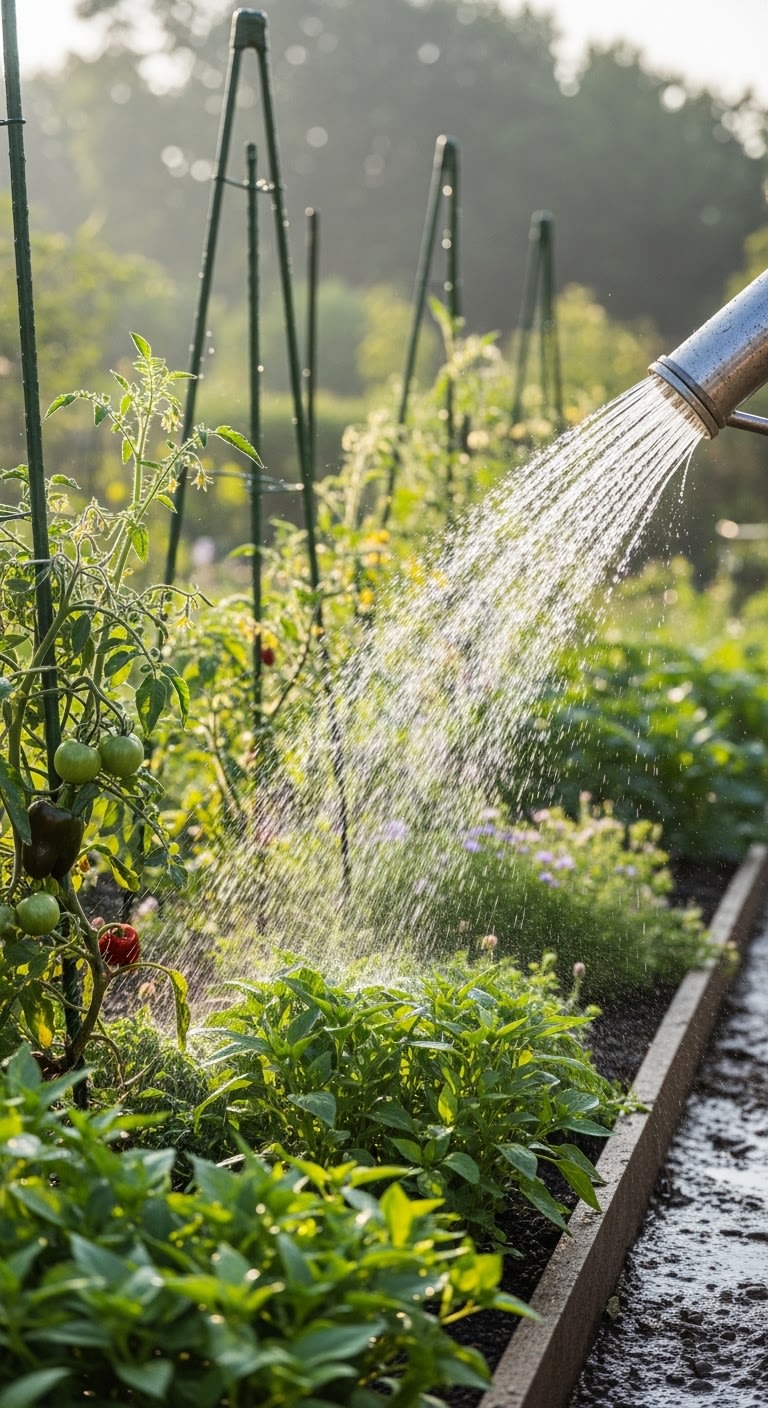
You may have heard that watering your plants in the morning is the best practice, and it’s true! Watering early allows plants to absorb moisture before the heat of the day hits. This means your plants have the best chance to utilize that water effectively. On the other hand, watering in the evening can leave your plants susceptible to diseases due to prolonged moisture on their leaves.
In fact, if you’re in a particularly hot USDA hardiness zone, like zones 9-10, consider watering even earlier to beat the heat. Think of it as a refreshing drink for your plants right when they need it most. If your schedule doesn’t allow for morning watering, aim for mid-morning to give plants a fighting chance against the sun.
So, set that alarm a bit earlier or plan your watering routine around those cooler hours. You’ll notice happier and healthier plants when you prioritize watering at the right times!
2. Soil Type: The Unsung Hero of Plant Health

Did you know that your soil type plays a huge role in how much water your plants really need? Sandy soils drain quickly, meaning plants can dry out faster, while clay soils retain moisture much longer. If you’re in a region with clay-heavy soils, like parts of the Midwest, you might be overwatering without even realizing it.
Understanding your soil type is crucial for determining the right watering schedule. For sandy soils, you might need to water more frequently, while clay soils could require less frequent watering. Conducting a simple soil test can help you get to know your garden’s needs better.
Ultimately, adjusting your watering habits based on your soil type can save you time and water while ensuring your plants stay healthy and vibrant. So, dig a little deeper into your soil’s characteristics, and you’ll be on your way to a thriving garden!
3. Skip the Watering Can: Embrace Deep Watering

If you’re still using a watering can for every plant, it’s time to rethink your strategy. Deep watering is a game changer! Instead of giving your plants a shallow drink every day, consider watering deeply and less frequently. This encourages roots to grow deeper into the soil, making them more resilient during dry spells.
To achieve this, use a soaker hose or drip irrigation system that delivers water directly to the roots. This method not only saves water but also helps prevent fungal diseases by keeping moisture off the leaves. In general, aim for deep watering once or twice a week, depending on your plant’s needs.
This simple shift in technique can lead to stronger, healthier plants that flourish even in tough conditions. So, swap out that watering can for a more effective deep watering approach, and watch your garden thrive!
4. The Myth of the One-Size-Fits-All Watering Schedule

Many gardeners cling to the idea that all plants need the same amount of water, but that’s simply not true! Different plants have varying water requirements based on their species, size, and even the season. For instance, succulents and cacti require far less water than leafy greens like spinach and kale, which thrive in consistently moist soil.
When creating your watering schedule, take into account the specific needs of each plant. For example, if you’re growing herbs in USDA zones 8-9, consider that they prefer slightly drier conditions compared to their leafy counterparts. Grouping plants with similar water needs can also make it easier to manage your watering routine.
By customizing your watering schedule, you’ll ensure that each plant receives the right amount of hydration, leading to a healthier garden overall. Don’t be afraid to experiment a bit—your plants will thank you!
5. Don’t Forget the Drainage!
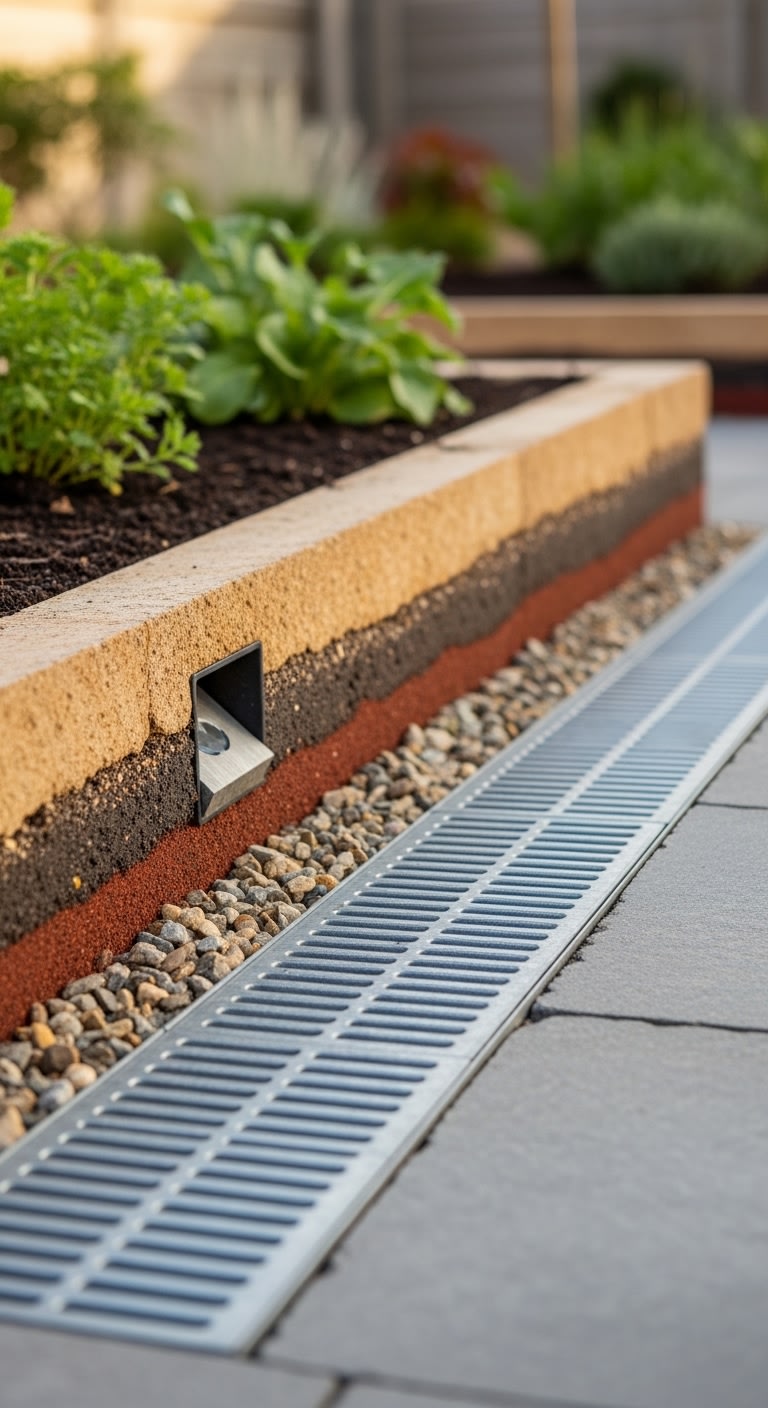
One of the biggest mistakes gardeners make is overlooking drainage. Standing water can suffocate roots and lead to root rot, which can be a death sentence for many plants. Before you even think about watering, ensure your pots and garden beds have proper drainage to allow excess water to escape.
If you’re using containers, choose pots with drainage holes and consider adding a layer of gravel or stones at the bottom to promote better drainage. For garden beds, consider the slope of your yard—if water tends to pool in certain areas, you may need to amend your soil or create raised beds to improve drainage.
By prioritizing drainage, you create a healthier environment for your plants to thrive. Remember, a little preventative measure goes a long way in ensuring your plants flourish!
6. Test Your Water Quality: It Matters!

Did you know that the water quality you use can impact your plants significantly? Tap water can contain chlorine, fluoride, and other chemicals that might not agree with your plant friends. It’s worth testing your water quality, especially if you’re using it for sensitive plants or edibles.
Consider collecting rainwater with a rain barrel — it’s free and often better for your plants! Rainwater is naturally soft and free from chemicals. If you must use tap water, let it sit out for 24 hours before watering to allow chlorine to dissipate.
Being mindful of your water quality can lead to happier, healthier plants. So, take a moment to consider what’s in your watering can; your plants will appreciate your attention to detail.
7. Mulch: Your Secret Weapon

If you’re not already using mulch, you’re missing out on one of the best gardening hacks out there! Mulch helps retain soil moisture, regulates temperature, and suppresses weeds. In hotter climates, a layer of mulch can be a game changer, especially in USDA zones with high summer temperatures.
Apply a 2-3 inch layer of organic mulch, such as shredded bark or straw, around your plants. This not only helps keep the soil moist but also adds nutrients as it breaks down. It’s a win-win!
So, if you’re looking for an easy way to improve your watering routine and keep your plants happy, grab some mulch and give it a try. You’ll be amazed at the difference it can make!
8. Don’t Ignore the Seasons

Your watering schedule should change with the seasons, but many gardeners forget this important detail! In the spring and fall, plants may need less water due to cooler temperatures and increased rainfall. Conversely, during the hot summer months, your plants may require more frequent watering.
Keep an eye on the weather and adjust your routine accordingly. In areas with distinct seasons, like many parts of the Northeast, it’s essential to be flexible and responsive to your plants’ changing needs. Using a moisture meter can help you gauge when it’s time to water.
By paying attention to seasonal shifts, you’ll ensure your plants stay hydrated throughout the year, leading to a thriving garden that showcases your hard work. So, stay in tune with the seasons and adapt your watering habits for the best results!
9. Plant Signs: Read Them Like a Pro
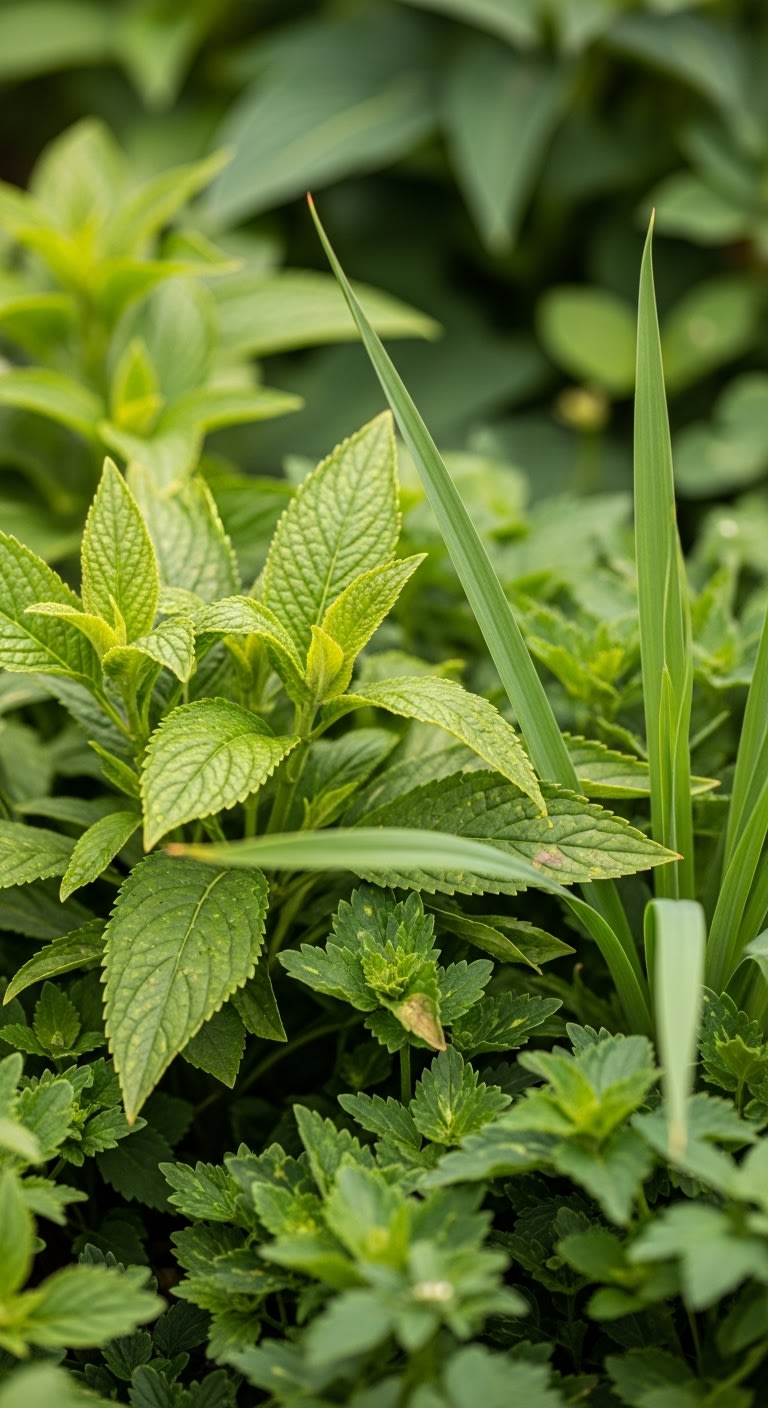
Finally, understanding your plants’ signals can be a game changer for your watering routine. Yellowing leaves, wilting, or brown tips can indicate that your plants are either overwatered or underwatered. Learning to read these signs can help you adjust your watering habits accordingly.
For example, if the leaves are drooping but the soil feels dry, it’s a clear sign that your plant needs water. Conversely, if the soil is wet and leaves are yellowing, cut back on the watering. Keep a close eye on your plants, especially during their growing seasons.
By tuning into your plants’ needs, you’ll become a more intuitive gardener, leading to healthier and happier plants. So, take a moment to observe and listen to what your garden is telling you—you might be surprised by what you discover!
Frequently Asked Questions
What are common watering mistakes beginners make?
One of the biggest mistakes is overwatering. Many beginners think that more water equals healthier plants, but this is far from the truth. Overwatering can lead to root rot, which is often fatal to plants. It’s essential to understand that each plant has unique watering needs.
Another common mistake is not considering the time of day for watering. Watering in the heat of the day can cause evaporation, meaning your plants are not getting the moisture they need. Instead, aim for early morning or late afternoon to ensure better absorption.
How can I tell if my plants need water?
A simple way to check if your plants need water is to stick your finger about an inch into the soil. If it feels dry, it’s time to water. Additionally, keep an eye on your plants for signs of stress like wilting or yellowing leaves. These are clear indicators that your plants need a drink.
You can also invest in a moisture meter to take the guesswork out of watering. This handy tool will help you gauge the moisture level in your soil, ensuring you provide the right amount of water when your plants need it most.
What is the best way to water plants in different USDA zones?
Watering practices can vary significantly across USDA hardiness zones. For instance, in zones with hot, dry summers, like zone 9, you may need to water more frequently. Conversely, in cooler zones, plants may require less water, especially during fall and winter months.
It’s essential to adjust your watering schedule based on your specific zone’s climate conditions, ensuring plants receive adequate hydration without overdoing it. Always consider the type of plants you’re growing, as some may have specific water needs regardless of the climate.
When is the best time to water my garden?
The best time to water your garden is early in the morning, just after sunrise. This timing allows water to soak into the soil before the sun’s rays cause evaporation. If mornings are not possible, aim for late afternoon when temperatures are cooler.
Avoid watering in the heat of the day, as much of the water can evaporate before it even reaches the roots. This simple adjustment can make a huge difference in how effectively your plants absorb the moisture they need.
How do I know if my soil is suitable for my plants?
To determine if your soil is suitable for your plants, start by conducting a soil test. This will help you understand the pH level and nutrient content of your soil, which is crucial for plant health. Many local extension services offer testing kits, or you can purchase one at a garden center.
Additionally, observe how your plants respond to watering. If they’re wilting or showing signs of distress despite regular watering, it may indicate poor soil quality. Improving soil structure with organic matter can greatly enhance its ability to retain moisture.
Can I use tap water for my garden?
Yes, you can use tap water for your garden, but be mindful of its quality. Tap water can contain chemicals like chlorine and fluoride, which might not be beneficial for all plants. To minimize potential harm, let tap water sit for 24 hours before using it to allow some chemicals to evaporate.
Alternatively, consider using rainwater for your garden, as it is often free from these additives and can provide your plants with a natural source of hydration.
You’ve just uncovered some of the most common misconceptions about watering plants and how to address them. Understanding the nuances of watering can make a world of difference in your gardening results, whether you’re a beginner or a seasoned pro.
Now that you have these insights, it’s time to take action! Remember, gardening is all about experimenting and learning from your plants. Don’t be afraid to try new techniques and adapt your routine based on your unique garden’s needs.
Which of these tips resonated with you? Drop a comment below and let us know which one you plan to implement first in your garden. Happy gardening!
Leave a Comment