
Have you ever daydreamed about transforming your yard into a beautiful cottage garden but felt daunted by the idea of landscaping? You might be surprised to learn that creating a stunning garden from seed doesn’t require professional skills or extensive experience. With a little guidance and your own passion for nature, you can cultivate a vibrant sanctuary that blooms with life and color.
A cottage garden is all about charm and personality, filled with a delightful mix of flowers, herbs, and even vegetables. This guide will take you step-by-step through the process, making it easier than you ever imagined to grow your own slice of paradise. So roll up your sleeves, and let’s dig in together to create a garden that will not only beautify your home but also bring you immense joy and satisfaction.
Table of Contents
- Understanding Cottage Gardens
- Choosing Your Seeds
- Preparing Your Soil
- Sowing Seeds
- Watering and Maintenance
- Attracting Pollinators
- Dealing with Pests Naturally
- Enjoying the Harvest
- Advanced Planting Techniques
- Celebrating Your Garden
What Is It?
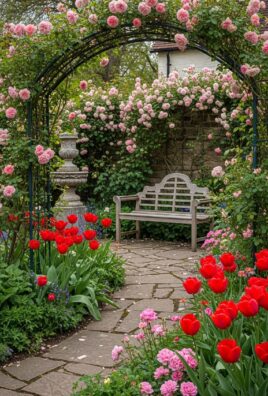
A cottage garden is a charming, informal style of garden that emphasizes a mixture of flowers, herbs, and vegetables, creating a vibrant and inviting landscape. Originating from the English countryside, these gardens are characterized by their dense planting and a sense of abundance. They often feature lush blooms, fragrant herbs, and rustic structures, giving them a whimsical, romantic feel.
Creating a cottage garden from seed allows you to cultivate your very own slice of nature right at home. It’s an accessible project for anyone, regardless of gardening experience. With a little planning and care, you can create a colorful and productive space that not only enhances your outdoor area but also provides a habitat for beneficial insects and wildlife.
How It Works
Creating a cottage garden involves understanding the natural growth patterns of plants, soil health, and seasonal changes. When you choose seeds to grow, you’re selecting plants that can thrive in your local climate and soil conditions. Starting from seeds allows for greater variety and personal selection, giving you the freedom to design a garden that reflects your tastes and preferences.
The process begins with preparing your soil and selecting the right seeds, which will germinate and grow into beautiful plants. Regular maintenance, including watering and weeding, ensures that your garden flourishes. Additionally, incorporating natural pest control methods and attracting pollinators can enhance the health and productivity of your garden, creating a vibrant ecosystem.
Key Benefits
- Cost-Effective Gardening — Growing a cottage garden from seed is significantly more affordable than purchasing fully grown plants. You can choose from a wider array of species and varieties, leading to a unique garden that reflects your personal style without breaking the bank.
- Personal Satisfaction — There’s immense joy in watching seeds you’ve sown grow into beautiful flowers or delicious vegetables. This connection to nature and the process of nurturing plants fosters a rewarding experience that enhances your mental well-being.
- Encouraging Biodiversity — A diverse cottage garden attracts beneficial insects, birds, and wildlife, creating a balanced ecosystem. By cultivating a variety of plants, you contribute to the local environment and promote pollination, which is crucial for plant reproduction.
- Sustainable Practices — Growing from seed encourages sustainable gardening practices. You can avoid chemical fertilizers and pesticides, opting instead for organic methods that benefit both your garden and the surrounding environment.
- Enhanced Aesthetic Appeal — A well-planned cottage garden adds charm and beauty to your property. With a riot of colors and textures, your garden will become a serene retreat and a source of pride, enhancing your outdoor space.
Step-by-Step Guide
Step 1: Choose Your Seeds

The first step in creating your gorgeous cottage garden is selecting the right seeds. Consider the colors and types of flowers you love, as well as any edible plants you might want to include. Look for seeds that are well-suited to your local climate and soil conditions to increase your chances of success. You might want to include a mix of perennials, annuals, and herbs for variety and continuous blooms throughout the season.
Visit your local garden center or browse online seed catalogs to explore different options. Don’t hesitate to ask for advice on which plants thrive in your area and how to care for them. This is your chance to express your creativity and select a combination that inspires you.
Example: If you love vibrant colors, consider planting zinnias, cosmos, and marigolds alongside herbs like basil and rosemary.
Pro Tips:
- Opt for heirloom varieties for unique colors and flavors.
- Consider companion planting to enhance growth and deter pests.
- Check the seed packet for specific planting instructions.
Step 2: Prepare Your Soil
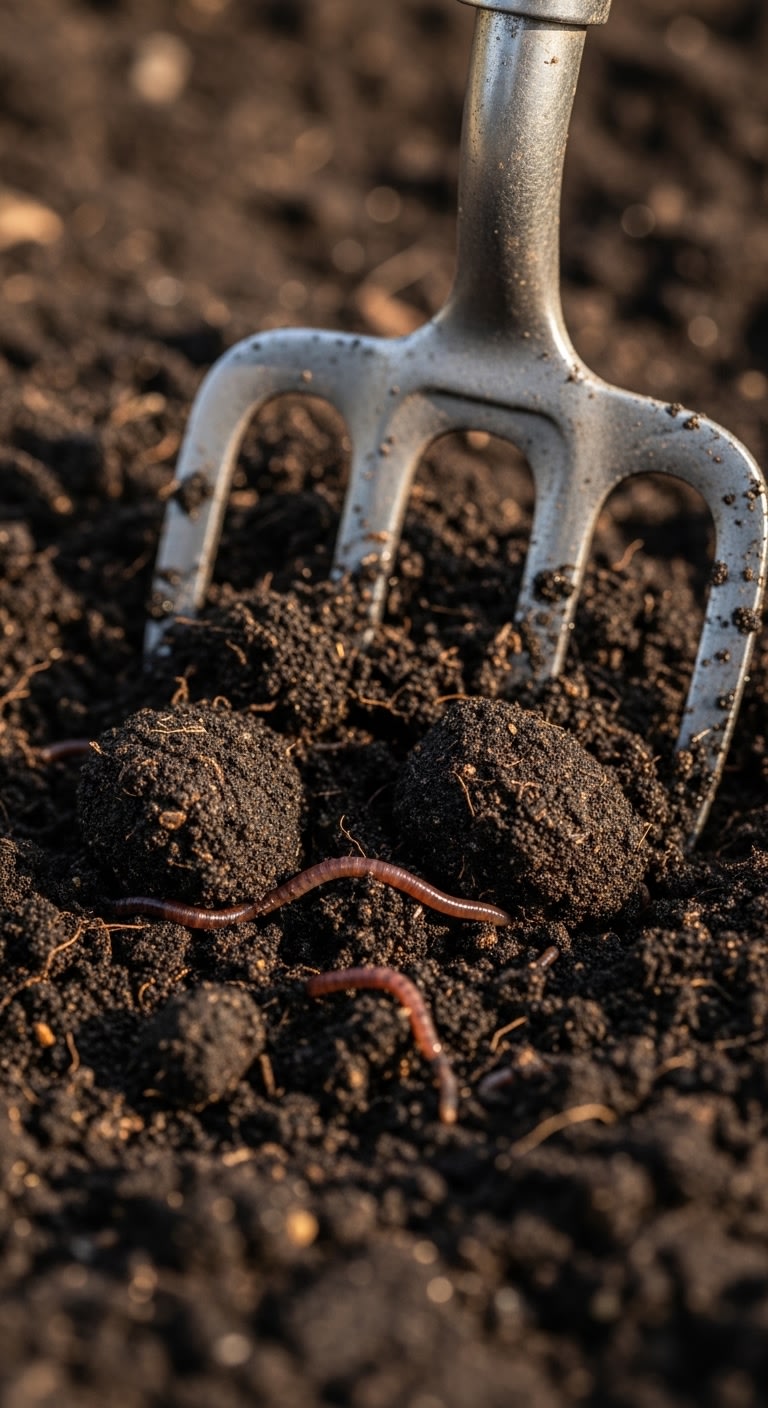
Healthy soil is the foundation of a thriving garden. Start by choosing a location that receives at least six hours of sunlight daily, as most cottage garden plants thrive in bright light. Clear the area of weeds, rocks, and debris, then loosen the soil with a garden fork or tiller to improve aeration and drainage. Enrich the soil by adding organic matter such as compost or well-rotted manure; this not only nourishes your plants but also fosters beneficial microorganisms.
Aim for a well-balanced soil mix that retains moisture without becoming waterlogged. You can test your soil pH with a simple kit to ensure it’s within the ideal range for the plants you’ve chosen. Properly prepared soil will give your seeds the best start possible.
Example: If your soil is heavy clay, amend it with sand and compost to improve drainage.
Pro Tips:
- Perform a soil test to determine nutrient levels.
- Consider raised beds if your soil is poor or contaminated.
- Incorporate mulch to help retain moisture after planting.
Step 3: Sow Your Seeds

Now that your soil is prepped, it’s time to sow your seeds! Follow the instructions on the seed packets for planting depth and spacing, as these can vary significantly between different plants. Generally, you’ll want to plant seeds at a depth that is about two to three times their diameter. Use a ruler or your finger to create small furrows in the soil, then sprinkle in your seeds and cover them gently with soil. Water the area lightly to avoid displacing the seeds.
Be mindful of the spacing between seeds, as overcrowding can lead to poor air circulation and competition for nutrients. Label your rows or areas with stakes or markers so you remember what you’ve planted where. This is an exciting moment, as you’re one step closer to creating your beautiful garden!
Example: If planting cosmos, sow seeds about 1/4 inch deep and 12 inches apart to allow for their full growth.
Pro Tips:
- Plant seeds on a cloudy day or in the evening to reduce stress from direct sunlight.
- Use a seedling heat mat for warmth if starting seeds indoors.
- Keep a gardening journal to track your planting dates and progress.
Step 4: Watering and Maintenance

After sowing your seeds, consistent watering is vital for germination and growth. Water your newly planted seeds gently to avoid washing them away. A fine-mist spray or a watering can with a rose attachment works best for this delicate stage. Aim to keep the soil consistently moist but not soggy, as overwatering can lead to seed rot.
As your garden begins to grow, regular maintenance becomes essential. This includes weeding to reduce competition for nutrients and water, as well as periodic checks for pests and diseases. Mulching around your plants helps to retain soil moisture and suppress weeds. Remember to keep an eye on the weather, adjusting your watering schedule accordingly—more during dry spells and less after rainfall.
Example: Use a watering can with a fine spout to water seedlings gently without disturbing the soil.
Pro Tips:
- Water in the early morning to minimize evaporation.
- Install a drip irrigation system for consistent moisture.
- Mulch your garden to keep weeds at bay and retain soil moisture.
Step 5: Attracting Pollinators

Creating a vibrant cottage garden isn’t just about the plants; it’s also about attracting the right pollinators that will help your garden thrive. To encourage bees, butterflies, and other beneficial insects, plant a variety of flowering plants that bloom at different times throughout the season. Native plants are particularly effective at attracting local pollinators, as they’ve co-evolved with them.
Consider adding features like shallow water sources or bee hotels to enhance your garden’s appeal to wildlife. Avoid using pesticides that can harm these essential creatures. Instead, encourage their presence by providing a habitat rich in color and fragrance. The more pollinators you attract, the more vibrant and productive your garden will be!
Example: Include plants like coneflowers and sunflowers that are known to attract bees and butterflies.
Pro Tips:
- Plant in clusters rather than single specimens to create a more inviting space for pollinators.
- Incorporate a variety of colors and shapes to cater to different insects.
- Leave some areas of your garden a bit wild to provide natural habitats.
Step 6: Dealing with Pests Naturally

While pests are a natural part of gardening, you can manage them without resorting to harmful chemicals. Start by regularly inspecting your plants for signs of pests or diseases, as early detection is key to effective management. Introduce beneficial insects like ladybugs or lacewings that naturally prey on common garden pests.
You can also use homemade solutions, such as a mixture of soap and water, to treat infestations. Companion planting is another effective strategy—certain plants can repel pests when grown together. For example, marigolds can deter nematodes and aphids, making them a perfect companion for vegetables. By embracing these natural methods, you can protect your garden and maintain a healthy ecosystem.
Example: Plant marigolds alongside your vegetables to help deter aphids and nematodes.
Pro Tips:
- Encourage birds by adding bird feeders to help control pest populations.
- Use row covers to protect young plants from pests early in the season.
- Rotate your crops annually to reduce pest buildup in the soil.
Step 7: Enjoying the Harvest

As your garden flourishes, you’ll soon find yourself reaping the rewards of your hard work. Harvesting fresh vegetables and herbs not only adds flavor to your meals but also provides a sense of accomplishment. Be sure to pick your crops regularly to encourage further growth and prevent overripening.
When harvesting flowers, cut them early in the morning for the best quality, and remember to leave some blooms for pollinators. Enjoying the fruits of your labor is one of the most rewarding parts of gardening. Share your bounty with friends and family, or create beautiful arrangements to brighten your home. Every harvest is a celebration of your dedication and love for gardening.
Example: Pick ripe tomatoes or fragrant basil to use in your favorite summer recipes.
Pro Tips:
- Use sharp scissors or pruners to avoid damaging the plants.
- Harvest in the cool of the morning for the best flavor.
- Regularly deadhead flowers to encourage more blooms.
Step 8: Advanced Planting Techniques

Once you’re comfortable with the basics of cottage gardening, you can explore advanced techniques to elevate your garden even further. Consider incorporating vertical gardening elements, such as trellises or arches, to maximize space and add visual interest. This is particularly effective for climbing plants like sweet peas or cucumbers.
Companion planting techniques can also be refined—experiment with plants that benefit each other to create a more productive garden. Another technique is to practice succession planting, where you stagger your planting times to ensure continuous harvests throughout the growing season. These advanced strategies can help you achieve a more dynamic and fruitful gardening experience.
Example: Try growing peas on a trellis to save space and create an eye-catching focal point.
Pro Tips:
- Research the best companions for your existing plants for optimal growth.
- Use containers for herbs to keep them accessible and easy to manage.
- Plan your garden layout to include both vertical and horizontal growing spaces.
Step 9: Celebrating Your Garden

After all your hard work, take a moment to enjoy the beauty you’ve created. A cottage garden is a living testament to your dedication and creativity. Gather friends and family for a small garden party or simply spend time in your new sanctuary, soaking in the sights and sounds of nature. Consider creating a journal or scrapbook to document your gardening journey, including photos, notes on what worked, and your favorite moments.
Celebrate the changing seasons by planting a variety of flowers that bloom at different times, ensuring that your garden remains lively throughout the year. By nurturing your garden, you’re also nurturing your spirit—a beautiful garden can be a source of inspiration, tranquility, and joy.
Example: Host a garden tea party to share your love for gardening with friends.
Pro Tips:
- Create a dedicated space for relaxation, like a bench or hammock.
- Incorporate seasonal decorations to enhance the ambiance.
- Invite friends to join in the planting or harvesting for a fun community experience.
Advanced Tips
Consider Permaculture Principles
Incorporating permaculture principles can enhance the sustainability of your cottage garden. Focus on creating a self-sustaining ecosystem by planting perennial crops, utilizing water-saving techniques, and fostering biodiversity. Design your garden layout to mimic natural ecosystems, which can lead to less work in the long run.
Create Microclimates
By strategically placing plants in areas with varying sunlight and moisture levels, you can create microclimates that benefit different species. Utilize structures like walls, fences, and trees to provide shade or windbreaks, allowing you to grow a wider variety of plants that might otherwise struggle in your climate.
Implement Crop Rotation
To maintain soil health and reduce pest issues, practice crop rotation each planting season. This involves changing the location of your crops to prevent nutrient depletion and the buildup of pests and diseases in the soil. Keeping a gardening journal can help you track your crop placements over the years.
Utilize Companion Planting
Companion planting not only helps with pest control but can also enhance flavor and growth. Research compatible plants that can benefit each other, such as planting garlic with roses to deter aphids. This method can lead to a more productive and harmonious garden.
Tools & Resources
- Garden Fork — A garden fork is essential for loosening and aerating soil, making it easier for roots to grow and for water to penetrate. It’s particularly useful in heavy soils where traditional shovels may struggle. — Available at: Home Depot, Lowe’s, Amazon
- Compost — Compost adds vital nutrients to your soil and improves its structure. It helps retain moisture, encourages beneficial microorganisms, and reduces the need for chemical fertilizers. — Available at: Local garden centers, Home Depot, Amazon
- Seed Starting Trays — These trays are perfect for starting seeds indoors before transplanting them outside. They provide a controlled environment for germination and early growth, giving your plants a head start. — Available at: Home Depot, Lowe’s, Amazon
- Watering Can — A watering can with a fine spout is ideal for gently watering newly sown seeds and young plants. It helps avoid soil displacement while ensuring adequate moisture. — Available at: Target, Home Depot, Amazon
- Mulch — Mulch helps retain moisture in the soil, suppresses weeds, and adds organic matter as it breaks down. It’s a simple yet effective way to maintain a healthy garden. — Available at: Local garden centers, Home Depot, Amazon
Frequently Asked Questions
What is a cottage garden?
A cottage garden is an informal garden style that combines a mix of flowers, herbs, and vegetables, often characterized by dense planting and a whimsical design. Originating from the English countryside, these gardens are known for their charm and abundance.
Creating a cottage garden from seeds allows for personal expression and offers a variety of options tailored to your tastes. With careful planning and a little patience, you can cultivate a stunning garden that reflects your personality and enhances your outdoor space.
How much sunlight do cottage gardens need?
Cottage gardens thrive best in locations that receive at least six hours of sunlight each day. Most flowering plants and vegetables require this amount of light to grow strong and healthy. If your garden area has a mix of sun and shade, choose a variety of plants that can thrive in different light conditions.
It’s important to observe your garden throughout the day to understand how the sunlight moves across your space. This will help you make informed decisions about where to plant specific species based on their sunlight requirements.
When is the best time to plant cottage garden seeds?
The best time to plant cottage garden seeds generally depends on your local climate and the specific plants you’ve chosen. For most regions, late spring after the last frost is ideal for sowing seeds directly into the garden.
If you’re starting seeds indoors, you can begin 6-8 weeks before the last expected frost date. Check seed packets for particular planting times and instructions, as some plants may require earlier sowing or specific conditions.
How can I prevent pests in my cottage garden?
Preventing pests in your cottage garden can be achieved through a combination of natural strategies. Start by regularly inspecting your plants for signs of pests or diseases, as early detection is crucial for effective management. Encourage beneficial insects like ladybugs and lacewings that naturally prey on common garden pests, and consider companion planting to create a natural balance.
Additionally, using organic solutions, such as a mixture of water and soap, can help control infestations without harming the environment. Maintaining a healthy garden ecosystem will ultimately reduce pest problems.
Can I grow vegetables in a cottage garden?
Absolutely! A cottage garden is an excellent place to grow vegetables alongside flowers and herbs. In fact, incorporating edible plants can enhance the overall beauty and productivity of your garden. Choose vegetables that complement your flowering plants and consider their growing requirements to ensure success.
When planning your garden layout, group plants with similar sunlight and watering needs to create a harmonious environment. This mix of edible and ornamental plants not only diversifies your garden but also offers fresh produce for your kitchen.
Growing a cottage garden from seed is a fulfilling journey that brings beauty, joy, and a sense of accomplishment to your outdoor space. As you have learned through this guide, you don’t need extensive experience or fancy tools; just a little love and dedication will go a long way. Celebrate your successes, learn from the challenges, and enjoy the process of watching your garden flourish.
So, grab your seeds, roll up your sleeves, and embark on this wonderful adventure. Your gorgeous cottage garden awaits, ready to bloom into a vibrant tapestry of color and life. Don’t forget to share your journey with friends and family—after all, the best gardens are those that are enjoyed together.

Leave a Comment