
Welcome to our current exploration of beautiful vegetable garden design, where aesthetics meet functionality in the most delightful ways. A well-designed vegetable garden not only provides fresh produce but also serves as a stunning outdoor space that enhances your home. From lush greens to vibrant colors, the visual appeal of your garden can elevate your outdoor living experience, making it a place for relaxation and enjoyment.
In this article, we will showcase various design elements and tips that can transform your vegetable garden into a picturesque landscape. We’ll delve into planting strategies, layout ideas, and decorative features that can create a harmonious balance between beauty and productivity. Whether you have a small balcony or a sprawling backyard, there’s something here for every garden enthusiast aiming to cultivate both vegetables and charm in their outdoor spaces.
1. Incorporate Vertical Gardening Techniques
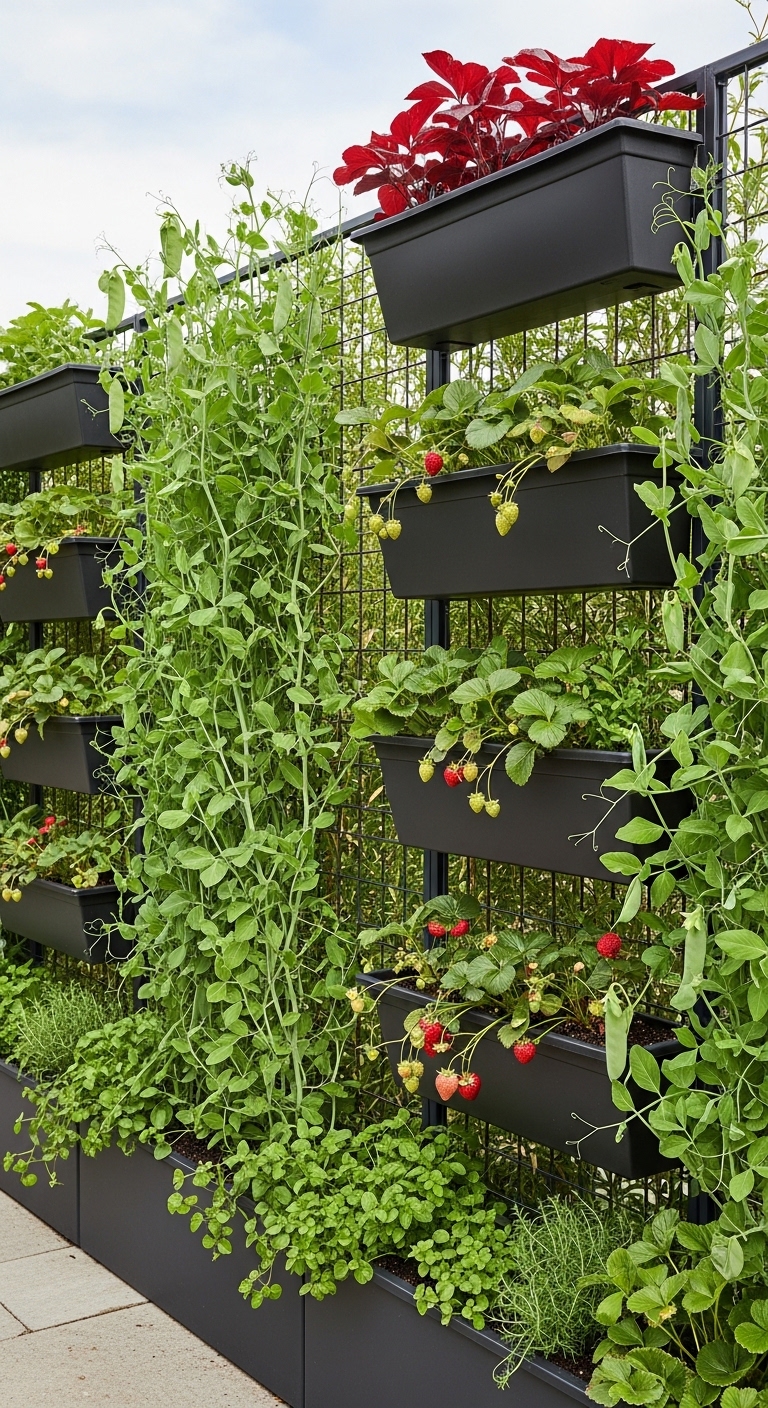
Vertical gardening is an innovative way to maximize space while creating a visually striking garden. By using trellises, wall planters, and hanging pots, you can grow a variety of vegetables such as peas, cucumbers, and strawberries. This not only saves ground space but also adds a dynamic element to your garden design.
Consider installing a vertical garden system against a sunny wall or fence. Make sure to choose sturdy structures that can support the weight of mature plants. Incorporating vertical elements can also provide shade for lower-growing vegetables, creating a microclimate that enhances growth.
Don’t forget to incorporate color and texture; use colorful containers and mix different plant types for an eye-catching display. With careful planning and the right support systems, your vertical garden can become a centerpiece of your outdoor living area.
2. Create a Serene Vegetable Garden Retreat
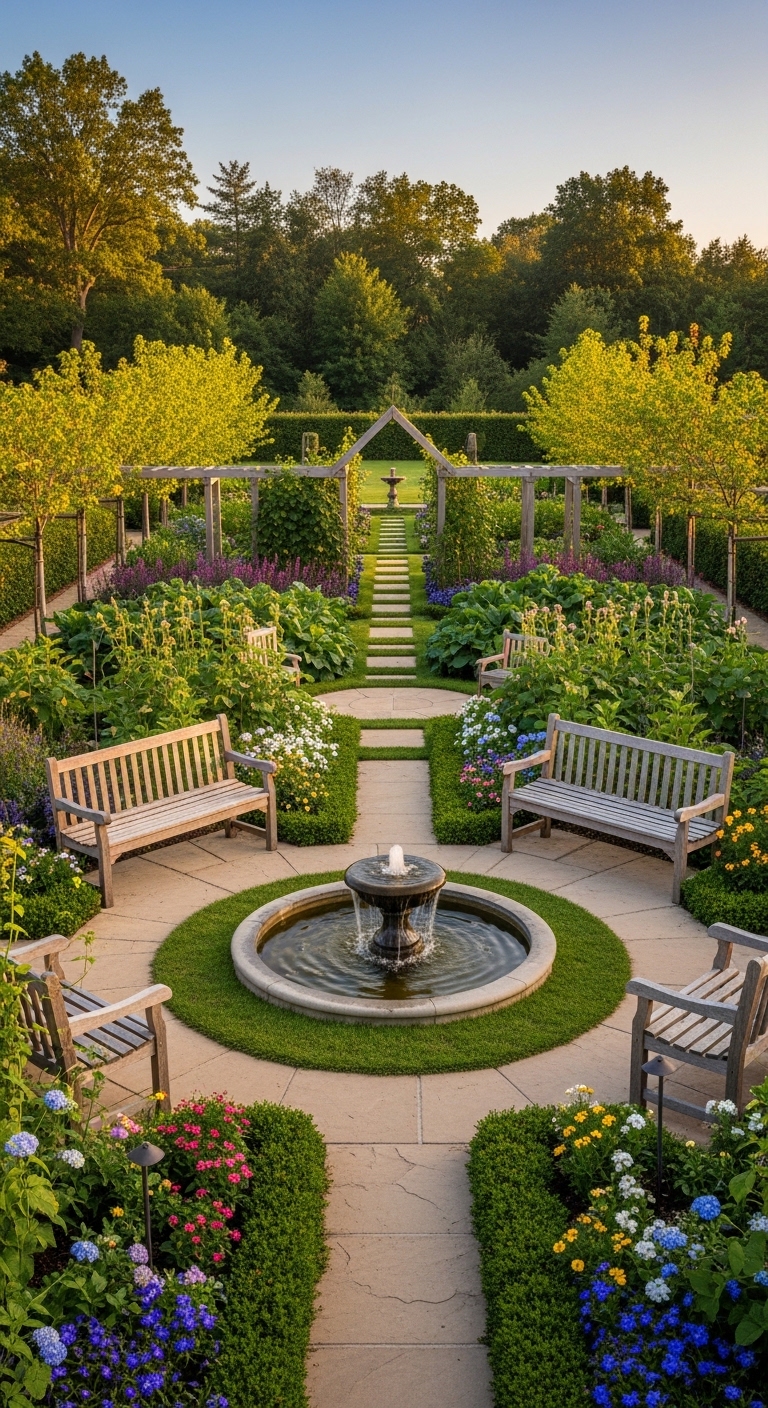
Transform your vegetable garden into a serene retreat where you can unwind and enjoy nature. By adding comfortable seating areas, decorative pathways, and soothing water features, you can create a tranquil environment. Consider using natural materials like stone or wood for benches and tables that blend seamlessly with the garden.
Incorporate fragrant flowers and herbs around your vegetable beds to enhance the sensory experience. Plants such as lavender and rosemary not only attract pollinators but also provide pleasing scents that promote relaxation. The soothing sound of water from a small fountain or pond can further enhance this peaceful setting.
Make sure to position your seating areas strategically to provide shade and views of your beautiful crops. With thoughtful design, your vegetable garden can become a personal oasis, perfect for meditation or casual gatherings with friends and family.
3. Maximize Space with Raised Garden Beds
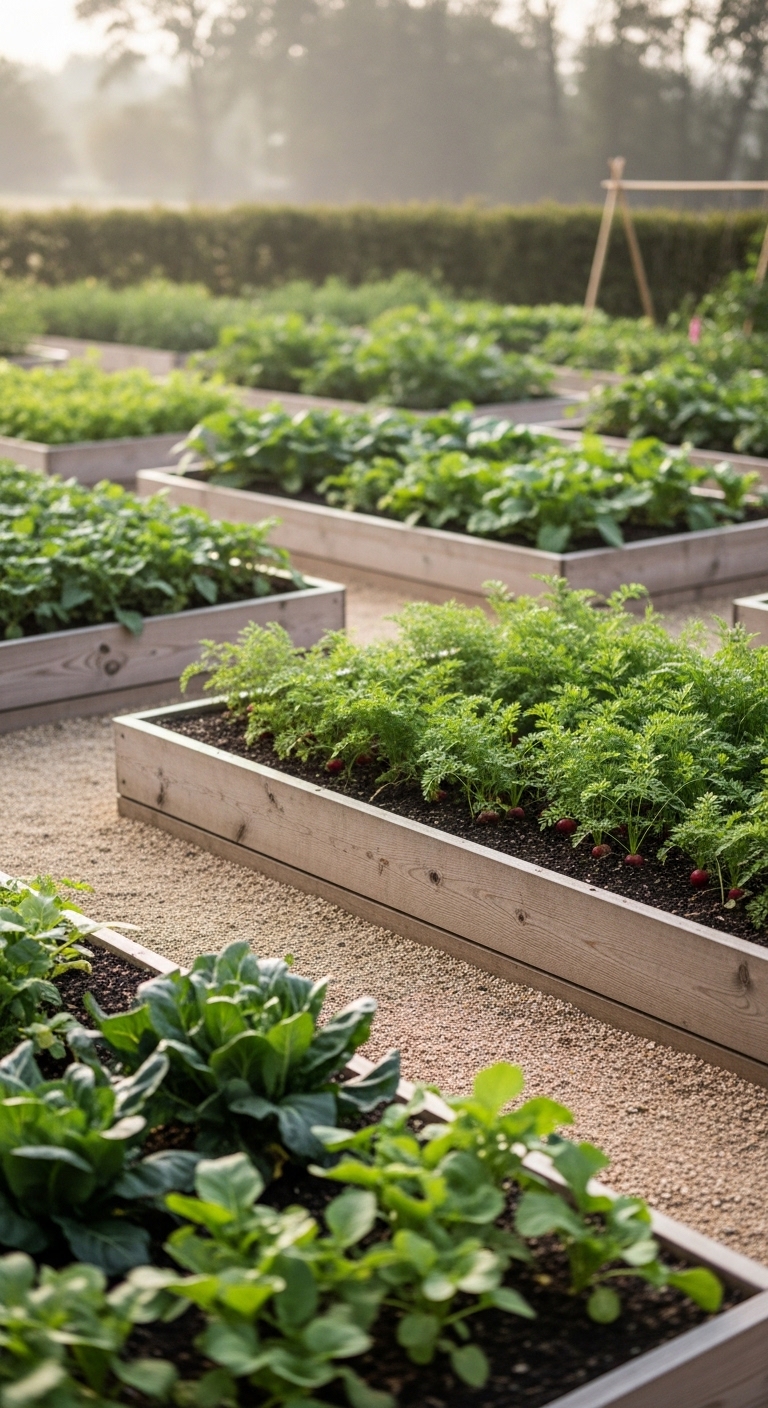
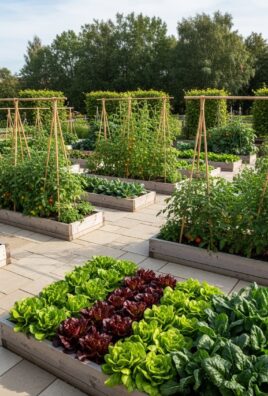
Raised garden beds are an excellent way to maximize space and improve soil quality in your vegetable garden. These beds elevate your crops, allowing for better drainage and easier access while minimizing the chances of soil compaction. You can create a variety of shapes and sizes to fit your available space, from traditional rectangles to more creative designs.
When constructing raised beds, use rot-resistant materials like cedar or composite boards. Fill them with a rich mix of soil and compost to provide your plants with the nutrients they need. Arrange your beds in a way that allows for easy access for watering and harvesting, while also considering sunlight exposure throughout the day.
Planting in raised beds can also help extend your growing season, as the soil warms up more quickly in the spring. With proper planning, raised beds can not only boost productivity but also create an attractive, organized garden layout that is a feast for the eyes.
4. Utilize Companion Planting for Success
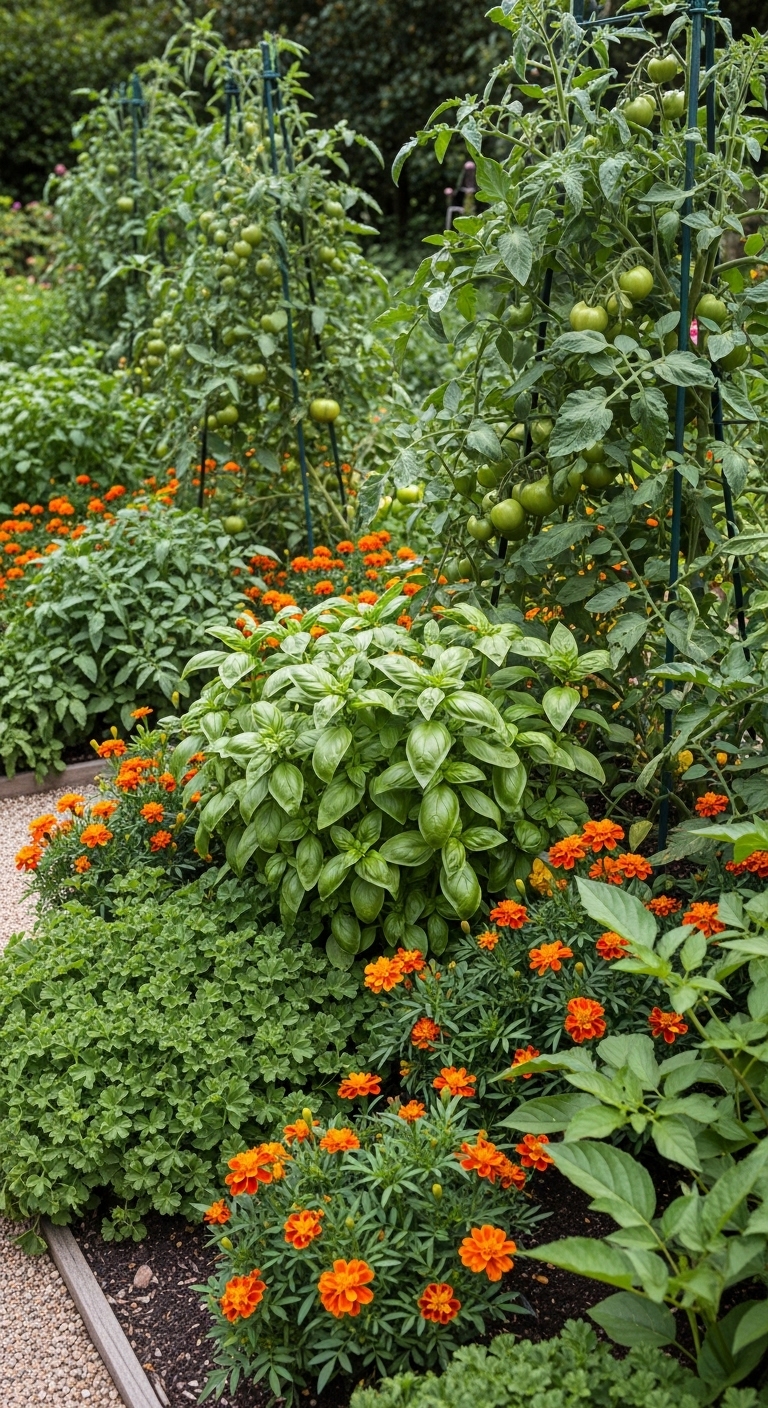
Companion planting is a gardening technique that involves growing different plants together for mutual benefits, such as pest control, pollination, and improved growth. By strategically pairing certain vegetables, you can create a more productive and resilient garden ecosystem. For example, planting basil near tomatoes can enhance their flavor and deter pests.
Researching compatible plant pairings is crucial for successful companion planting. Some popular combinations include carrots with onions, which can help deter carrot flies, and marigolds with almost any vegetable, as they attract beneficial insects. Create a planting plan that incorporates these pairings to maximize the health and yield of your garden.
Additionally, consider the spacing and light requirements of your plants to ensure they thrive together. Implementing companion planting can lead to a healthier garden, reducing the need for pesticides while enhancing the overall productivity of your vegetable garden.
5. Incorporate Decorative Edging for Visual Appeal
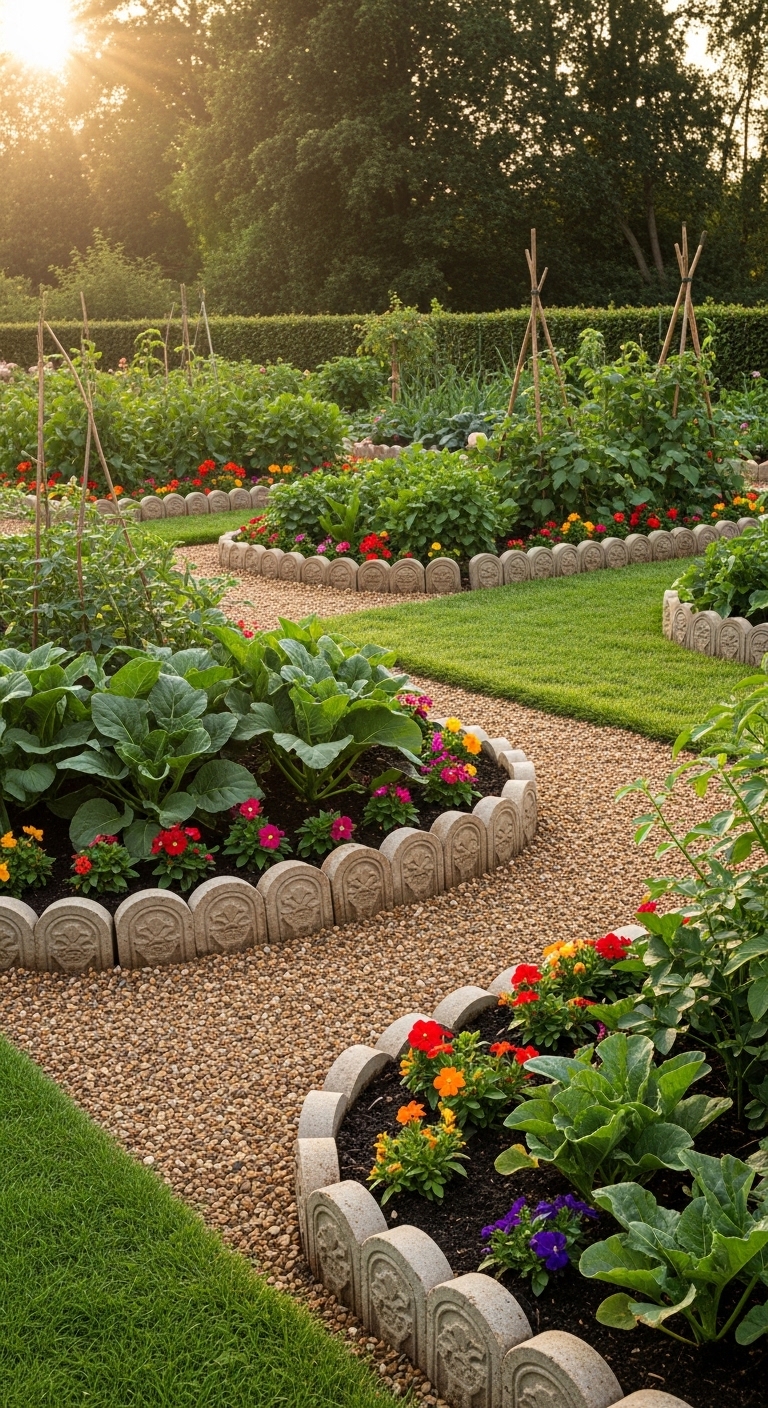
Decorative edging enhances the structure and visual appeal of your vegetable garden while helping to define spaces and keep pathways clear. Whether you choose stone, brick, or natural wood, edging can provide a polished look that complements your garden’s design. It also helps to prevent soil erosion and keeps grass and weeds at bay.
Consider using materials that match the overall theme of your garden, from rustic to modern. Curved edges can soften the look of a garden, while straight lines can create a more formal feel. A well-defined edge not only adds beauty but also makes maintenance easier by clearly delineating where the garden begins and ends.
Incorporating plants along the edges can further enhance the aesthetics. Choose low-growing flowers or herbs to spill over the edges for a lush, cascading effect. With thoughtful edging, your vegetable garden can achieve a cohesive and attractive appearance.
6. Add a Touch of Color with Edible Flowers
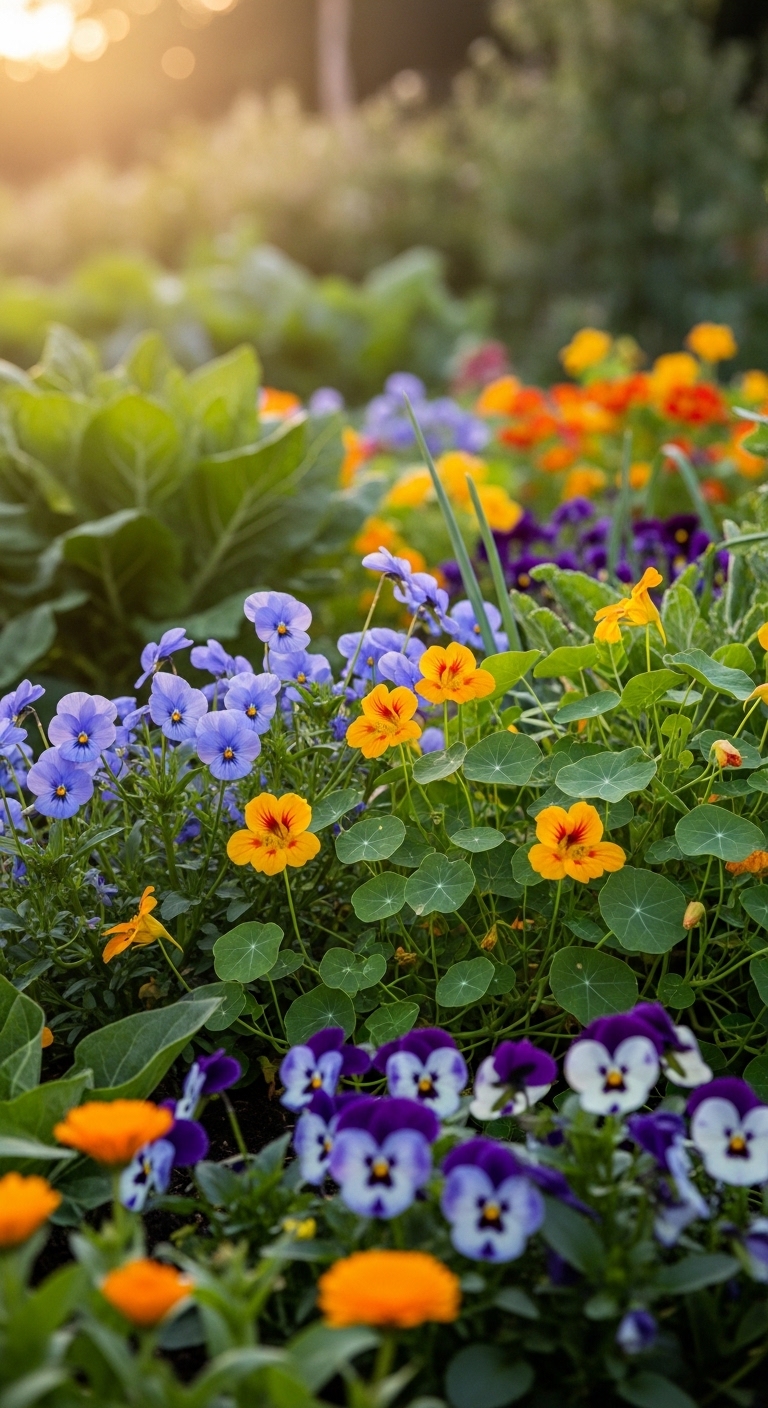
Edible flowers are a delightful addition to any vegetable garden, providing both visual interest and culinary benefits. Flowers such as nasturtiums, pansies, and calendula not only brighten up your garden but can also enhance the flavors of your dishes. Incorporating these blooms can create a vibrant tapestry of color while attracting beneficial pollinators.
When planting edible flowers, consider their sunlight and spacing needs to ensure they thrive alongside your vegetables. Planting them in clusters can make a bold statement, while interspersing them among vegetables can create a more natural look. The visual contrast between the fresh greens of your vegetables and the bright colors of the flowers can be stunning.
In addition to their aesthetic appeal, edible flowers can be harvested to add unique flavors to salads, desserts, and drinks. This dual-purpose approach not only beautifies your garden but also enhances your culinary experiences, making your vegetable garden a feast for the eyes and the palate.
7. Design Functional Pathways for Accessibility
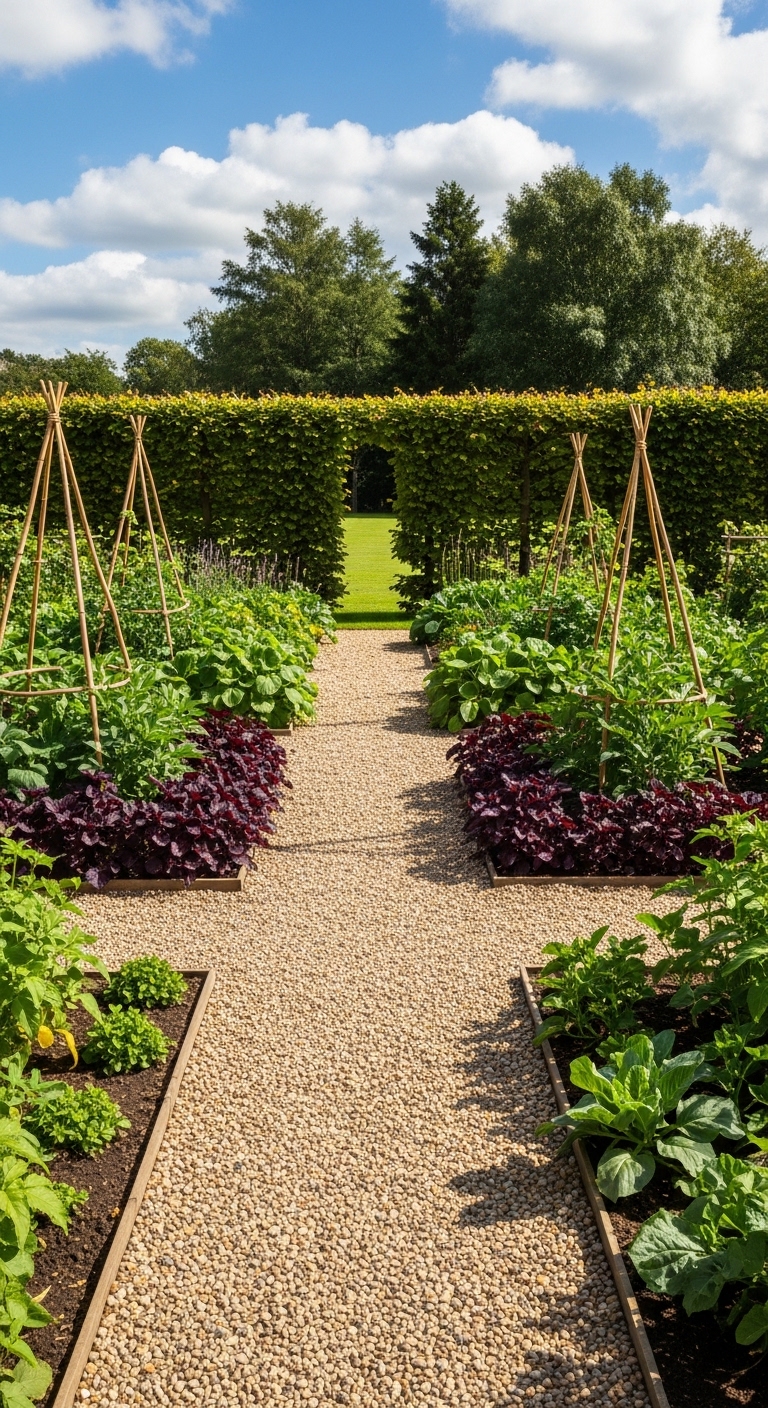
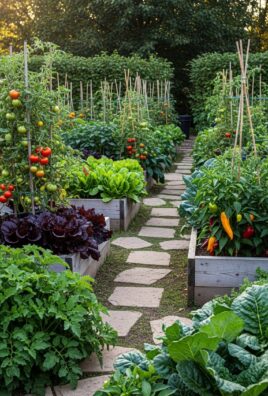
Creating functional pathways in your vegetable garden is essential for accessibility and aesthetics. Well-designed paths not only guide visitors through your garden but also protect plants from trampling and soil compaction. When planning your pathways, consider materials such as gravel, wood chips, or stone that complement your garden’s style while providing a durable surface.
Ensure that your pathways are wide enough for comfortable access, especially if you plan to use tools or carry harvests. Curved pathways can add a natural feel to your garden, while straight paths can provide a more formal layout. Incorporating stepping stones or pavers can also enhance the design while offering stability.
In addition to functionality, think about the visual appeal of your pathways. Surrounding them with low-growing plants or decorative edging can create a cohesive look. Thoughtful pathway design can contribute to the overall theme of your vegetable garden, making it a welcoming and enjoyable space.
8. Incorporate Smart Irrigation Solutions
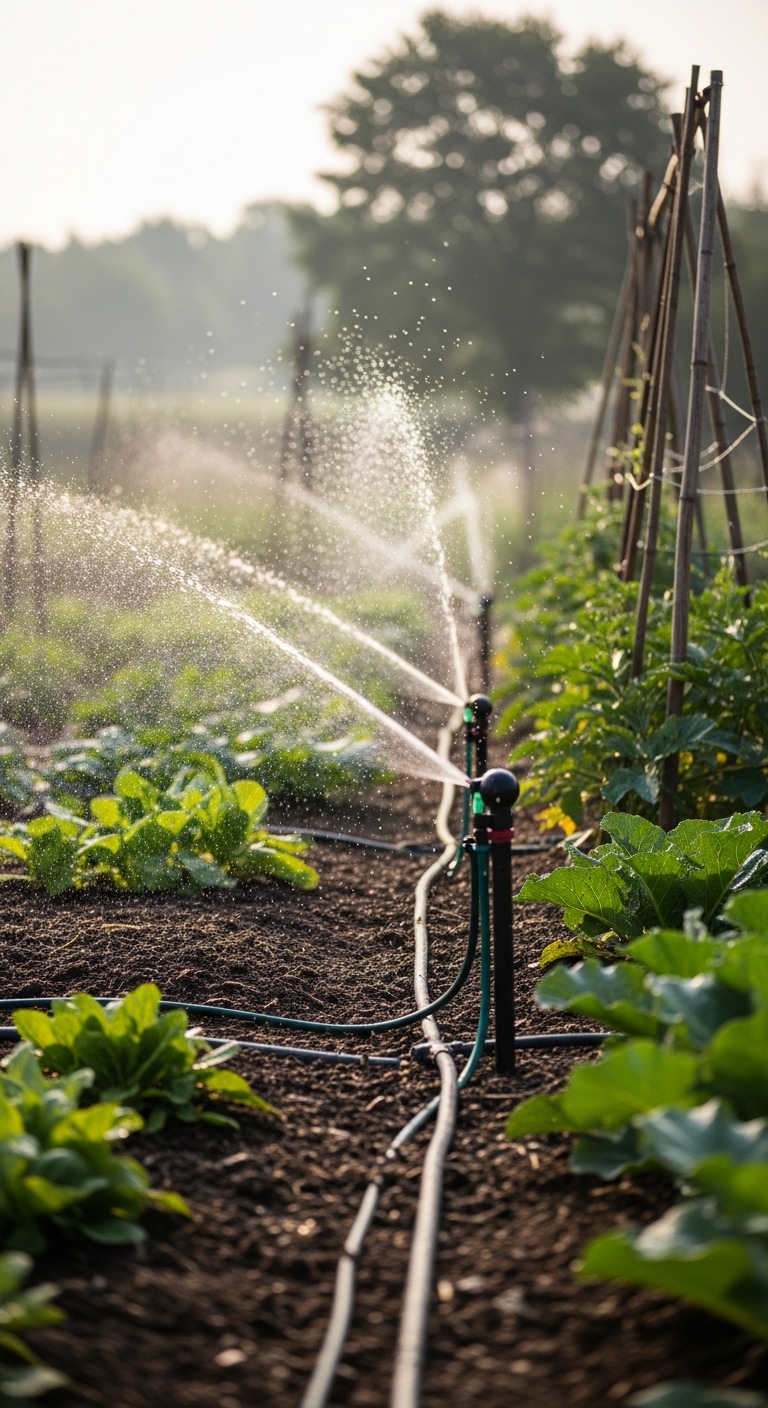
Efficient irrigation is key to a thriving vegetable garden, and incorporating smart solutions can save time and resources. Drip irrigation systems, for example, deliver water directly to the roots, minimizing evaporation and ensuring consistent moisture levels. This method is especially beneficial during hot summer months when water conservation is crucial.
Consider installing a rainwater harvesting system to capture and utilize natural precipitation for your garden. This sustainable approach not only conserves water but also provides plants with chemical-free moisture. Pairing this with a smart irrigation controller can optimize watering schedules based on weather conditions and soil moisture levels.
By investing in smart irrigation solutions, you can maintain a healthy and productive vegetable garden while reducing water waste. With the right setup, your garden can flourish with minimal effort, allowing you to enjoy the fruits of your labor without the stress of manual watering.
9. Design a Seasonal Harvest Display
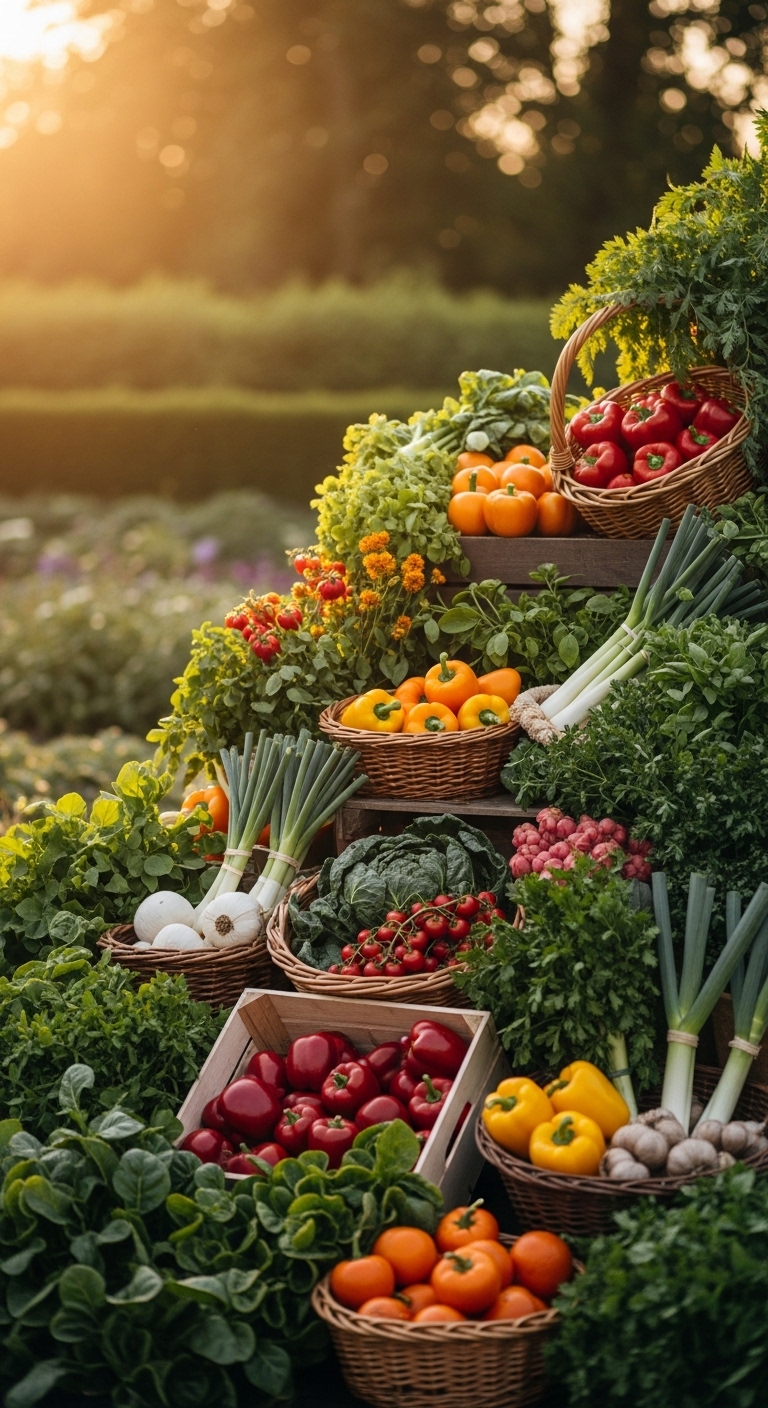
Creating a seasonal harvest display is a fantastic way to showcase the bounty of your vegetable garden while adding a decorative element to your outdoor space. Use baskets, crates, and stands to display your freshly harvested produce in an organized and visually appealing manner. This not only highlights the fruits of your labor but also invites others to engage with your garden.
Consider the colors and shapes of your vegetables when designing your display. Grouping similar items together can create a cohesive look, while varying heights can add interest. Incorporating flowers or herbs into the display can enhance the visual appeal and create a vibrant atmosphere.
This display can serve as a focal point in your garden, perfect for gatherings or simply enjoying the beauty of your harvest. By designing a seasonal harvest display, you can celebrate the changing seasons and the abundance of your vegetable garden throughout the year.
Frequently Asked Questions
How can I make my vegetable garden more visually appealing?
To enhance the visual appeal of your vegetable garden, consider implementing design elements such as raised beds, decorative edging, and colorful plant combinations. Utilizing vertical gardening techniques can create eye-catching displays while maximizing space.
Incorporating decorative features like pathways, seating areas, and seasonal harvest displays can also add character to your garden. Plan your layout with a variety of textures and colors in mind, and don’t hesitate to mix vegetables with ornamental plants to create a harmonious environment that is as beautiful as it is productive.
What are the benefits of companion planting?
Companion planting offers numerous benefits, including pest control, improved growth, and increased biodiversity. By planting certain crops together, you can deter harmful insects and attract beneficial ones. For example, planting marigolds alongside vegetables can help repel nematodes and aphids.
Additionally, companion planting can enhance crop yields. When plants are grouped together based on their growth habits and nutrient needs, they can support one another, leading to healthier plants and better harvests. This approach not only promotes a thriving garden ecosystem but also minimizes the need for chemical pesticides.
What is the best way to maintain soil health in a vegetable garden?
Maintaining soil health is fundamental for a successful vegetable garden. Start by regularly adding organic matter, such as compost or well-rotted manure, to improve soil structure and nutrient levels. Crop rotation is another effective strategy; by alternating the types of crops planted in specific areas, you can prevent nutrient depletion and reduce pest buildup.
Additionally, consider using mulch to retain moisture and suppress weeds, which helps maintain a healthy soil environment. Regularly testing your soil can also provide insights into its nutrient composition and pH levels, allowing you to make informed amendments for optimal growth.
What tools are essential for vegetable gardening?
Essential tools for vegetable gardening include a sturdy spade, hoe, and trowel for soil preparation and planting. Hand tools like pruners and weeders are invaluable for maintaining healthy plants and managing weeds. A garden fork is useful for aerating soil and mixing in compost.
Additionally, investing in a good quality watering can or hose with an adjustable nozzle can help ensure your plants receive the right amount of moisture. Consider using gloves and knee pads for comfort during planting and maintenance. With the right tools, you can create and maintain a thriving vegetable garden with ease.
In conclusion, a beautifully designed vegetable garden can be both a source of fresh produce and a stunning outdoor space. By incorporating elements like vertical gardening, companion planting, and decorative features, you can create a garden that is not only functional but also visually appealing. Remember to plan your layout, select the right plants, and utilize smart gardening techniques for the best results.
We encourage you to begin your vegetable gardening journey by implementing some of the ideas discussed in this article. Whether you have a small balcony or a sprawling yard, there’s always room for creativity and beauty. Start designing your dream vegetable garden today and enjoy the benefits of fresh, homegrown produce while enhancing your outdoor living experience.
Leave a Comment