
Are you tired of spending money on herbs that wilt in your fridge before you can use them? It’s time to stop buying herbs at the store and grow unlimited fresh ones at home! Imagine stepping into your backyard or kitchen garden, where the air is fragrant with the scent of basil, mint, and rosemary, ready to add that burst of flavor to your dishes.
Growing your own herbs is not just about convenience; it’s about the joy of nurturing plants and the satisfaction of using fresh ingredients straight from your garden. Whether you’ve got a sprawling backyard or just a sunny windowsill, there’s a space for you to cultivate your own little herb oasis. Let’s dive into the world of homegrown herbs and discover how you can easily start your journey today!
1. Start with Easy-to-Grow Herbs
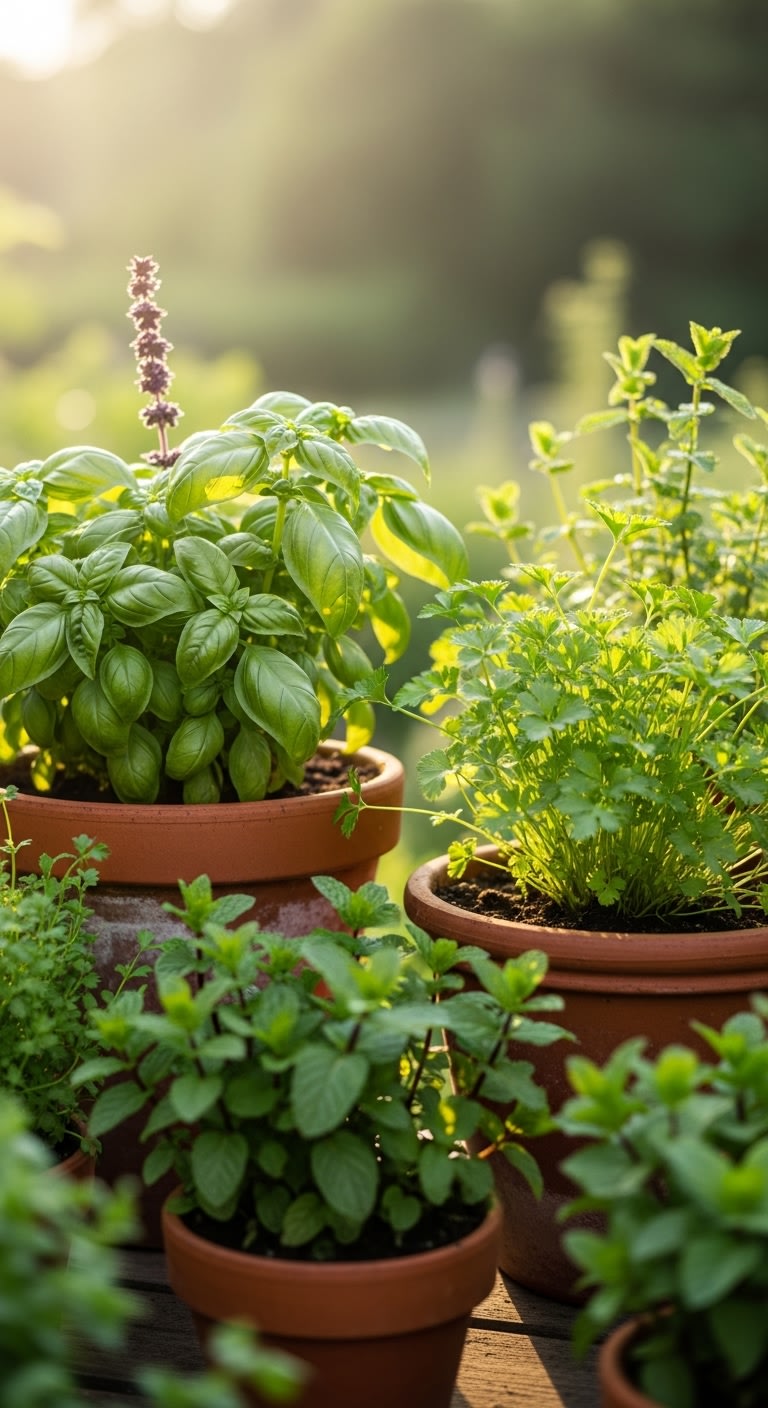
If you’re new to gardening, begin with herbs that are forgiving and easy to cultivate. Basil, parsley, and mint are fantastic choices that thrive in most conditions and are commonly available in the U.S. You can plant them directly in the garden or in pots on a sunny windowsill. These herbs don’t require a lot of maintenance, making them perfect for beginners.
When growing herbs, consider your USDA hardiness zone. For instance, basil loves warm weather and thrives in zones 10-11, while parsley can grow in cooler climates, thriving in zones 3-9. Make sure to check the planting dates for your area to ensure successful germination and growth.
Don’t forget to give your herbs plenty of sunlight! Most herbs prefer 6-8 hours of full sun each day. If you’re placing them indoors, a south-facing window is ideal. With just a bit of care, you’ll have a steady supply of fresh herbs at your fingertips.
2. Choose the Right Soil
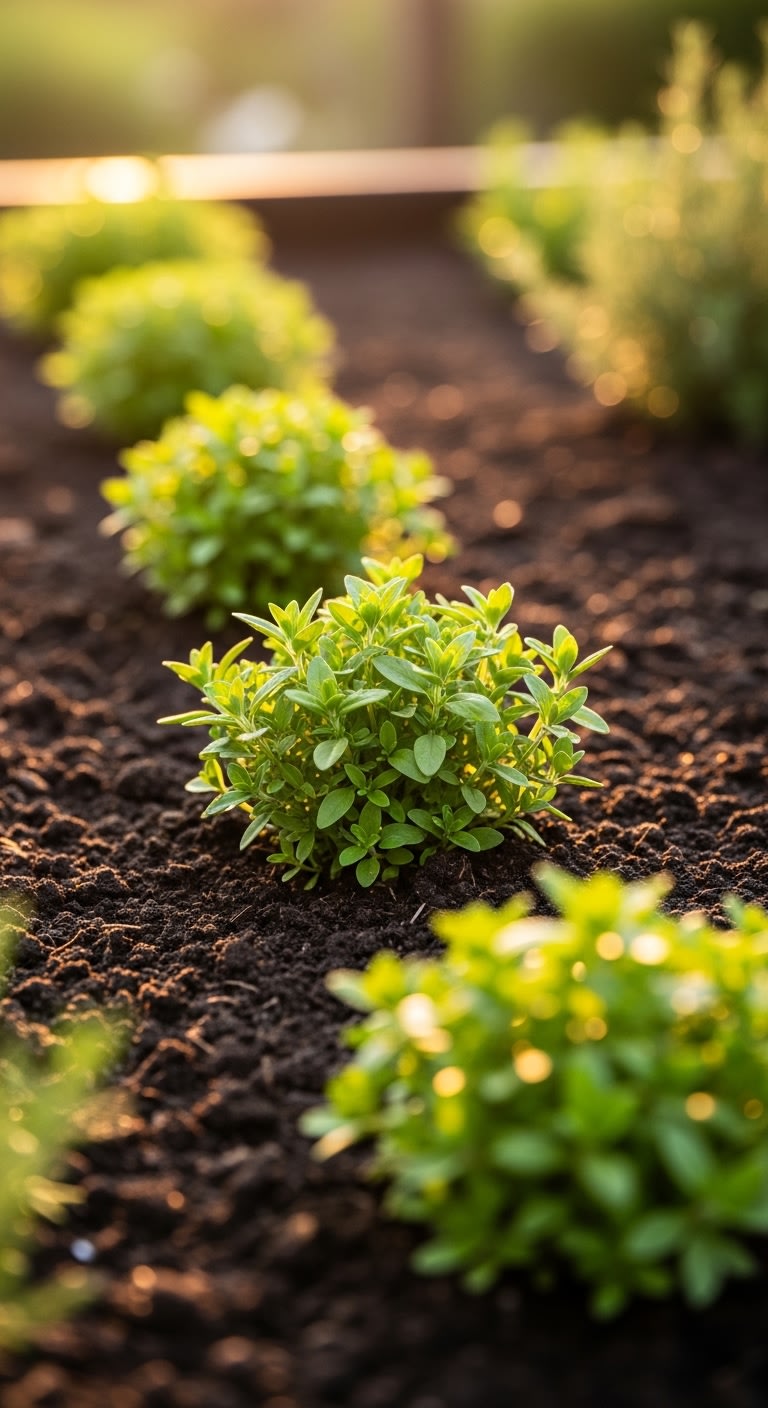
Your herbs’ success starts with the right soil. A well-draining potting mix, ideally with organic matter, will ensure your herbs get the nutrients they need while preventing root rot. Look for potting soil that contains perlite or vermiculite to enhance drainage. If you’re planting directly in the ground, consider testing your soil to check pH levels and nutrient content.
Most herbs prefer a slightly acidic to neutral pH (around 6.0 to 7.0). Amend your soil with compost to enrich it and improve drainage. If you’re in a cooler climate, raised beds can help warm the soil more quickly in the spring, giving your herbs a head start.
As you nurture your herbs, keep an eye on their growth. If they seem to be struggling, it might be time to refresh the soil or add a bit of organic fertilizer. With the right foundation, your homegrown herbs will thrive beautifully.
3. Watering Wisely
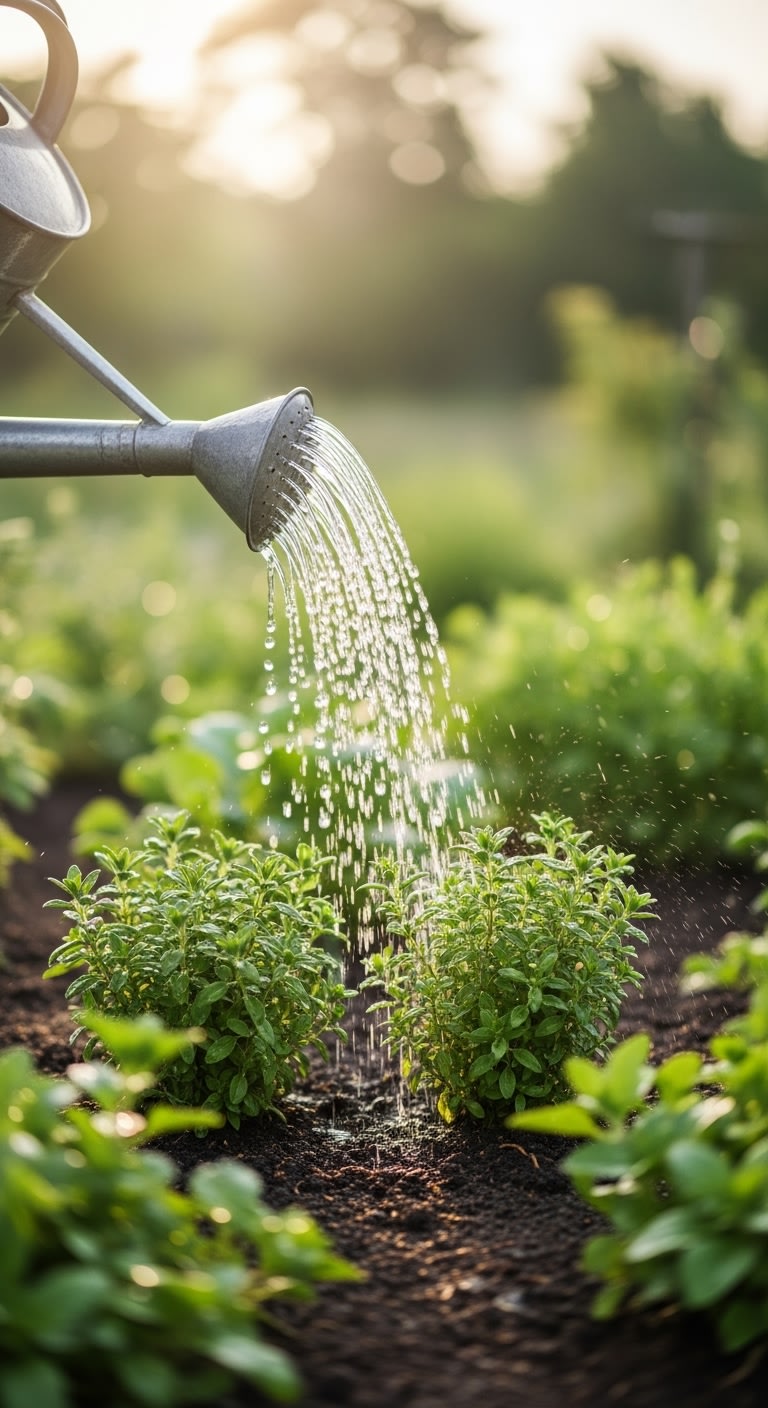
Watering is both an art and a science when it comes to growing herbs at home. Overwatering can lead to root rot, while underwatering can cause your herbs to dry out. A general rule is to water herbs when the top inch of soil feels dry to the touch. This usually means watering them once a week, but this can vary based on your local climate and the season.
Consider using a drip irrigation system or self-watering pots if you often forget to water. These systems help maintain consistent moisture levels, which is crucial for herbs like basil and cilantro. Additionally, mulching around your herbs can help retain moisture in the soil and suppress weeds.
Always remember, it’s better to underwater than overwater your herbs. If you notice yellowing leaves, it’s a sign you may be giving them too much water. Healthy herbs will have vibrant green leaves and a robust aroma that signals they’re thriving.
4. Prune and Harvest Regularly
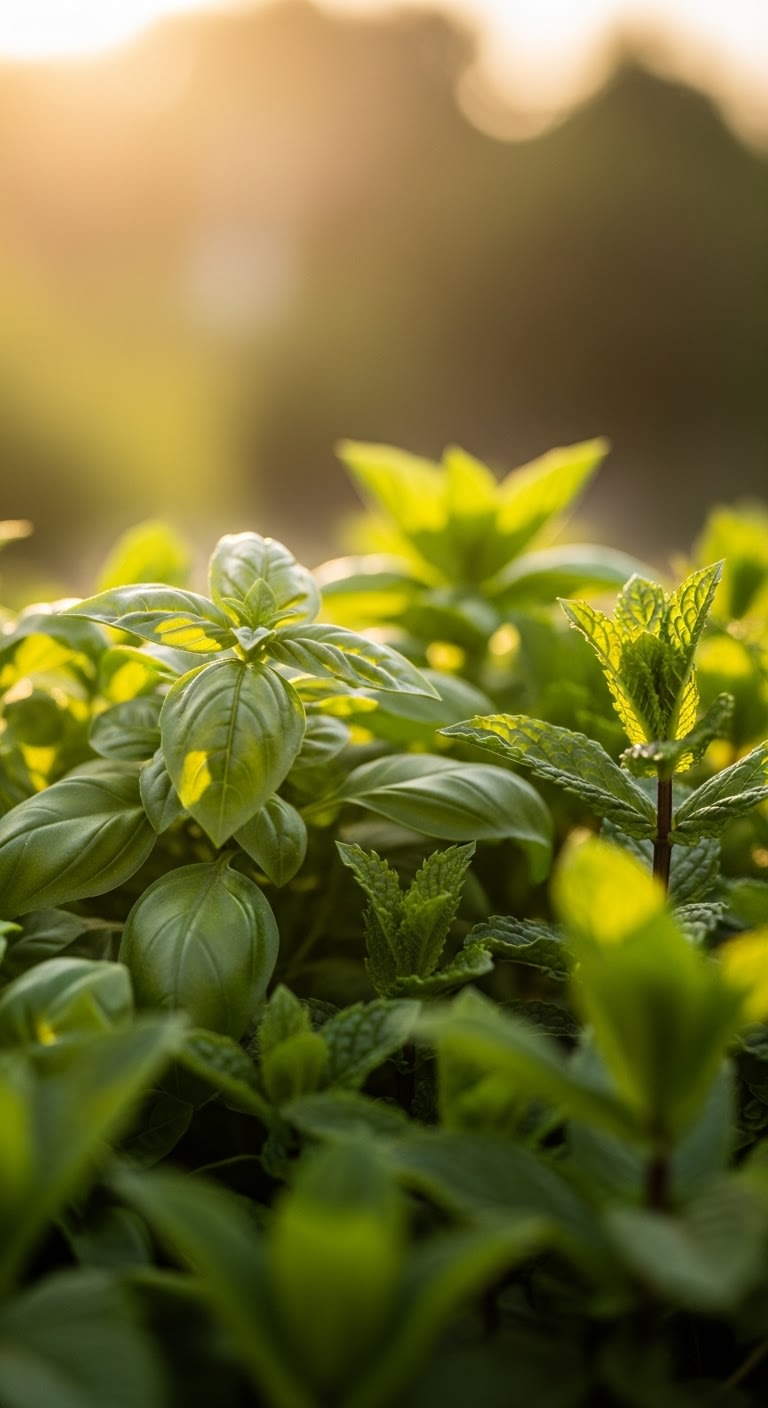
Pruning your herbs not only keeps them tidy but also encourages new growth. Regular trimming helps prevent them from becoming leggy and promotes bushier plants. For herbs like basil, snip off the top leaves to encourage side shoots. This technique not only enhances the plant’s shape but also boosts your harvests.
When it comes time to harvest, always pick in the morning after the dew has dried for the best flavor. Use clean scissors or shears to make a clean cut, and be sure to take only what you need. This practice ensures that the plant continues to thrive and produce more leaves.
Don’t be afraid to experiment with different harvesting techniques. For example, if you’re growing mint, you can harvest the top leaves and use them for fresh tea or garnishes. The more you harvest, the more your plants will grow, giving you an endless supply of fresh herbs for your culinary adventures.
5. Explore Indoor Herb Gardening

You don’t need a massive backyard to grow delicious herbs. Indoor herb gardening is a fantastic way to enjoy fresh flavors year-round, regardless of the season outside. Select herbs that flourish in smaller spaces like chives, thyme, and rosemary, which can thrive with just a sunny windowsill.
Utilize pots with good drainage and consider adding grow lights if your space doesn’t receive enough natural sunlight. These lights can mimic the sun’s spectrum and help your herbs grow strong and healthy indoors. Remember to rotate your pots occasionally to ensure even light exposure.
Indoor herbs can also enhance your kitchen’s decor and provide a fresh scent. Plus, they’re just steps away when you’re cooking! With a bit of planning, you can create a vibrant indoor garden that keeps your meals flavorful and your spirit bright.
6. Companion Planting with Herbs

Companion planting is a fantastic strategy to enhance your garden’s health and productivity. Certain herbs can naturally repel pests and attract beneficial insects. For instance, planting basil near tomatoes can enhance their flavor and deter pests like aphids. Similarly, rosemary can ward off cabbage moths when planted alongside cabbage and broccoli.
Incorporate herbs like dill, cilantro, and mint throughout your vegetable garden to create a natural balance and protect your crops. This method not only maximizes your garden space but also contributes to a healthier ecosystem.
Research what plants thrive together and consider creating a dedicated herb corner in your garden. This approach can lead to a flourishing garden where both your herbs and vegetables thrive together, providing you with an abundance of fresh ingredients all season long.
7. Seasonal Herb Care

Understanding the seasonal needs of your herbs can significantly impact their growth. In the spring, it’s all about planting and nurturing; summer demands regular watering and harvesting; fall is perfect for trimming back and preparing for winter; and winter care involves protecting your herbs from harsh conditions.
If you’re in a colder climate, consider bringing your potted herbs indoors during the winter months to keep them safe from frost. You can also cover outdoor herbs with frost cloth or mulch to protect their roots. For hardy herbs like thyme and sage, they can often survive outside if well insulated.
Also, consider starting a small herb garden indoors during the winter. With the right light conditions, you can enjoy fresh herbs all year round. Managing your herbs seasonally will ensure that you have a continuous supply of fresh flavors for your dishes.
8. Preserve Your Harvest
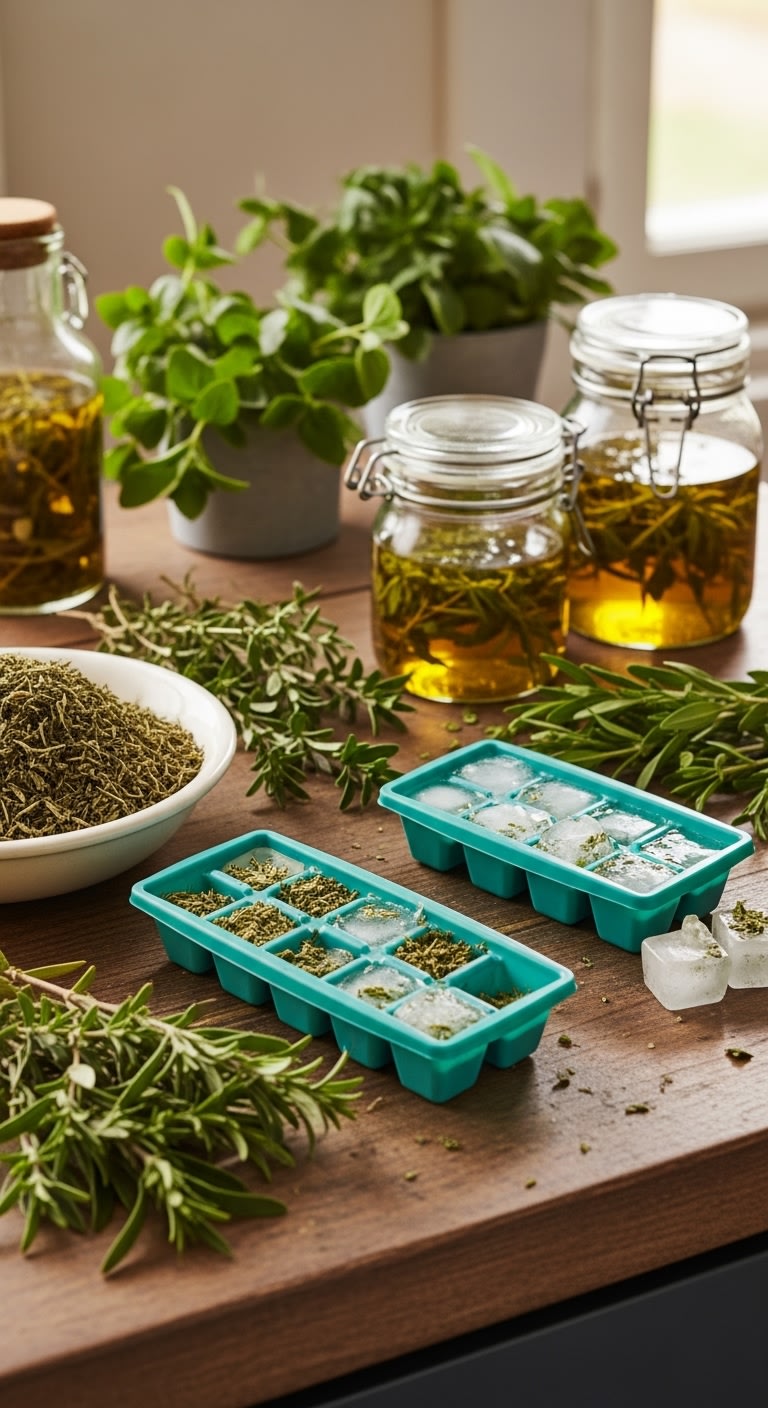
Once your herbs are thriving, it’s time to think about preservation! Drying, freezing, or making herb-infused oils are excellent ways to enjoy your homegrown flavors long after the growing season ends. For drying, simply tie bundles of herbs and hang them upside down in a cool, dark place. This method retains the essential oils and flavors well.
Freezing herbs is another easy option. You can chop them and place them in ice cube trays with water or olive oil, creating ready-to-use flavor boosters for cooking. Just pop a cube into your dish for an instant flavor kick!
Herb-infused oils can be made by steeping fresh herbs in olive oil for a few weeks. This not only preserves your herbs but also produces a delicious oil that can elevate your cooking. With a little creativity, you can ensure your homegrown herbs are part of your kitchen all year long.
Frequently Asked Questions
What are the common mistakes when growing herbs at home?
One significant mistake is overwatering your herbs, which can lead to root rot. It’s essential to let the top inch of soil dry out before watering again. Another common error is not providing enough sunlight. Most herbs require 6-8 hours of direct sunlight daily, so placing them in a dark corner can stunt their growth.
Additionally, many beginners make the mistake of using poor-quality soil. Using a well-draining potting mix with organic matter is crucial for healthy herbs. Remember, growing your own herbs is about trial and error, so don’t be discouraged if things don’t go perfectly the first time around!
How do I start an herb garden if I have no experience?
Starting an herb garden is easier than you think! Begin by choosing a few easy-to-grow herbs like basil, parsley, and chives. You can plant them in pots on your windowsill or directly in your garden. Make sure they receive adequate sunlight and water them when the soil feels dry.
You can also find starter plants at local nurseries, which can be a great way to kick off your gardening journey. Don’t hesitate to ask for advice from local gardeners or staff at garden centers. With a little effort, you’ll be on your way to enjoying fresh herbs right from your own home!
What herbs grow best in USDA hardiness zones?
Different herbs thrive in various USDA hardiness zones. For instance, basil is best suited for zones 10-11, where it enjoys warm weather. On the other hand, dill and parsley can flourish in cooler zones (3-9) and are often planted in early spring. Understanding your zone is critical for successful herb gardening.
If you’re unsure about your zone, check the USDA Plant Hardiness Zone Map. This will help you select the right herbs for your climate and ensure they perform at their best. You’ll find that many herbs are versatile and can adapt to various conditions, making them a great addition to any garden.
Can I grow herbs indoors year-round?
Absolutely! You can grow herbs indoors year-round, provided they have sufficient light. Herbs like basil, chives, and cilantro adapt well to indoor conditions. Place them on a sunny windowsill or use grow lights if natural sunlight is limited.
To keep your indoor herbs healthy, use pots with good drainage and water them when the top layer of soil feels dry. Regularly harvesting your herbs will also promote growth and keep your plants thriving. Growing herbs indoors not only adds freshness to your meals but also enhances your living space with delightful scents.
What is the best time to plant herbs in the U.S.?
The best time to plant herbs in the U.S. largely depends on your local climate. Generally, spring is the ideal season for planting most herbs, especially after the last frost date in your area. For example, basil thrives when planted after the danger of frost has passed, typically in late spring in most regions.
If you’re in a warmer climate, you can plant herbs like cilantro and dill in the early fall for a fall harvest. Always check your local planting guides for specific dates and suitable herbs for your USDA hardiness zone. With a bit of planning, you can enjoy fresh herbs throughout the growing season.
What soil type is best for growing herbs?
Herbs prefer well-draining soil that retains some moisture but allows excess water to escape. A good potting mix that includes organic matter, perlite, or vermiculite is ideal for container gardening. If planting directly in the ground, ensure your soil is rich in nutrients, and consider adding compost to enhance its quality.
Testing your soil’s pH can also be beneficial, as most herbs thrive in slightly acidic to neutral conditions (around 6.0 to 7.0). With the right soil type, your herbs will have the best chance to flourish and provide you with an abundant harvest.
You’ve just discovered the joys of growing your own herbs at home! From choosing the right plants to nurturing them with care, you’re now equipped with the knowledge to transform your cooking with fresh flavors right from your garden.
Remember, gardening is a journey, and every step you take brings you closer to enjoying the fruits (or herbs!) of your labor. Start small, and don’t be afraid to experiment with different herbs and techniques. You’ll find that cultivating your own herbs can be both rewarding and fun!
So, which of these herbs are you excited to start growing? Drop a comment below — we’d love to hear about your gardening adventures!

Leave a Comment