
Have you ever dreamed of stepping outside your back door and picking fresh vegetables or herbs for dinner? Creating a backyard that produces food year-round might seem daunting, but it’s entirely possible with a little planning and dedication. This guide is designed to inspire you as you embark on your gardening journey, whether you’re an absolute beginner or looking to refine your skills.
Imagine the satisfaction of growing your own food, knowing exactly where it came from and the joy of sharing your harvest with family and friends. In this ultimate guide, you’ll discover practical tips, seasonal advice, and everything you need to create a thriving garden that feeds you through every season. Let’s dig in and start planting the seeds of your food-producing paradise!
Table of Contents
- What is a Year-Round Food Garden?
- Benefits of Growing Your Own Food
- Types of Edible Plants for Your Garden
- Essential Tools for Gardening
- Steps to Create Your Backyard Food Garden
- Seasonal Gardening Tips
- Common Gardening Mistakes to Avoid
- Expert Tips for Success
- Frequently Asked Questions
- Conclusion
What Is It?
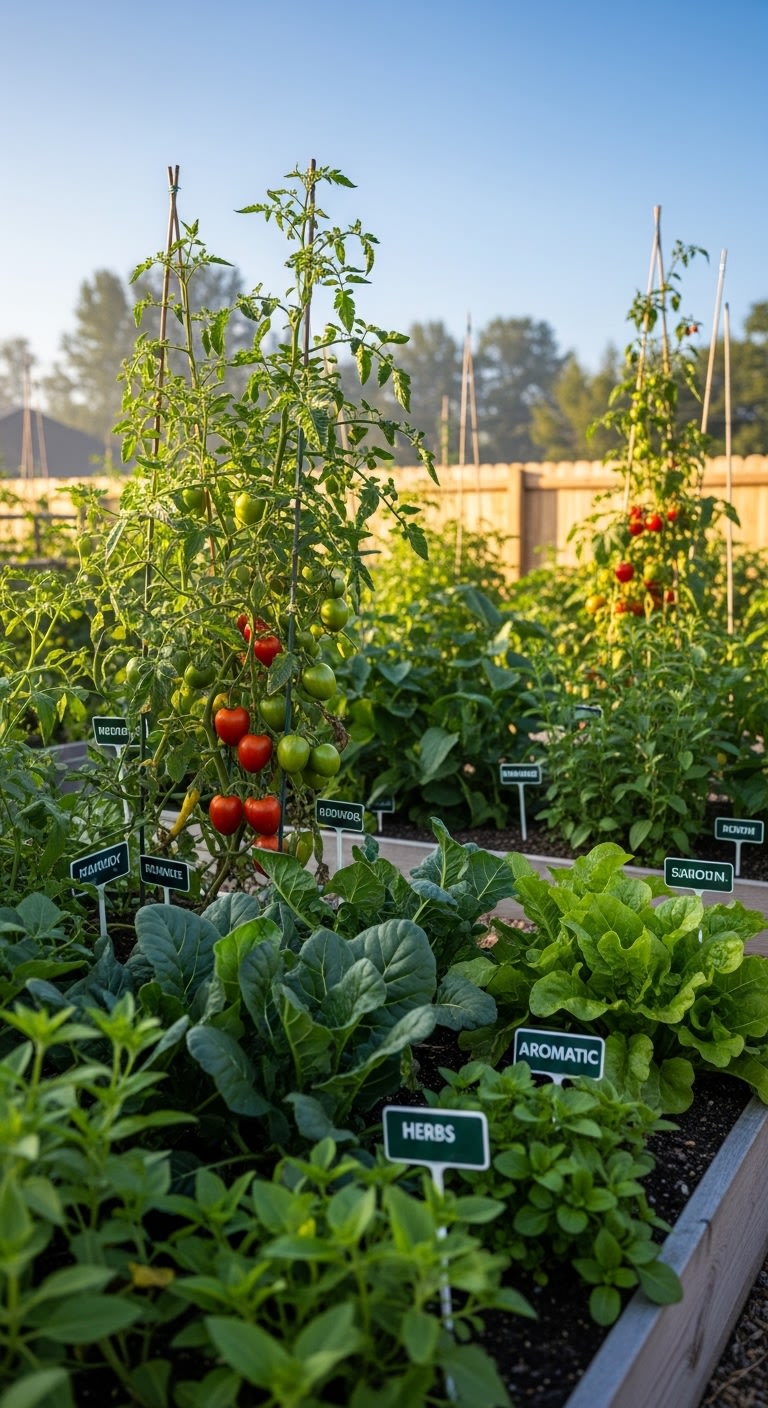
A year-round food garden is a well-planned outdoor space designed to produce edible plants throughout all seasons. This type of garden allows you to cultivate a variety of fruits, vegetables, and herbs, ensuring a continuous supply of fresh produce for your kitchen. By understanding your local climate, selecting the right plants, and implementing effective gardening practices, you can enjoy fresh ingredients regardless of the season.
Creating a year-round food garden requires thoughtful planning and an understanding of plant growth cycles. It involves choosing seasonal crops, companion planting, and using techniques such as crop rotation and succession planting to maximize your harvest. With the right approach, your backyard can become a sustainable source of nutrition that supports your family and enhances your culinary adventures.
- A year-round food garden provides a continuous harvest.
- Planning and understanding climate are essential.
- Diverse plant selection maximizes yield and variety.
Key Benefits
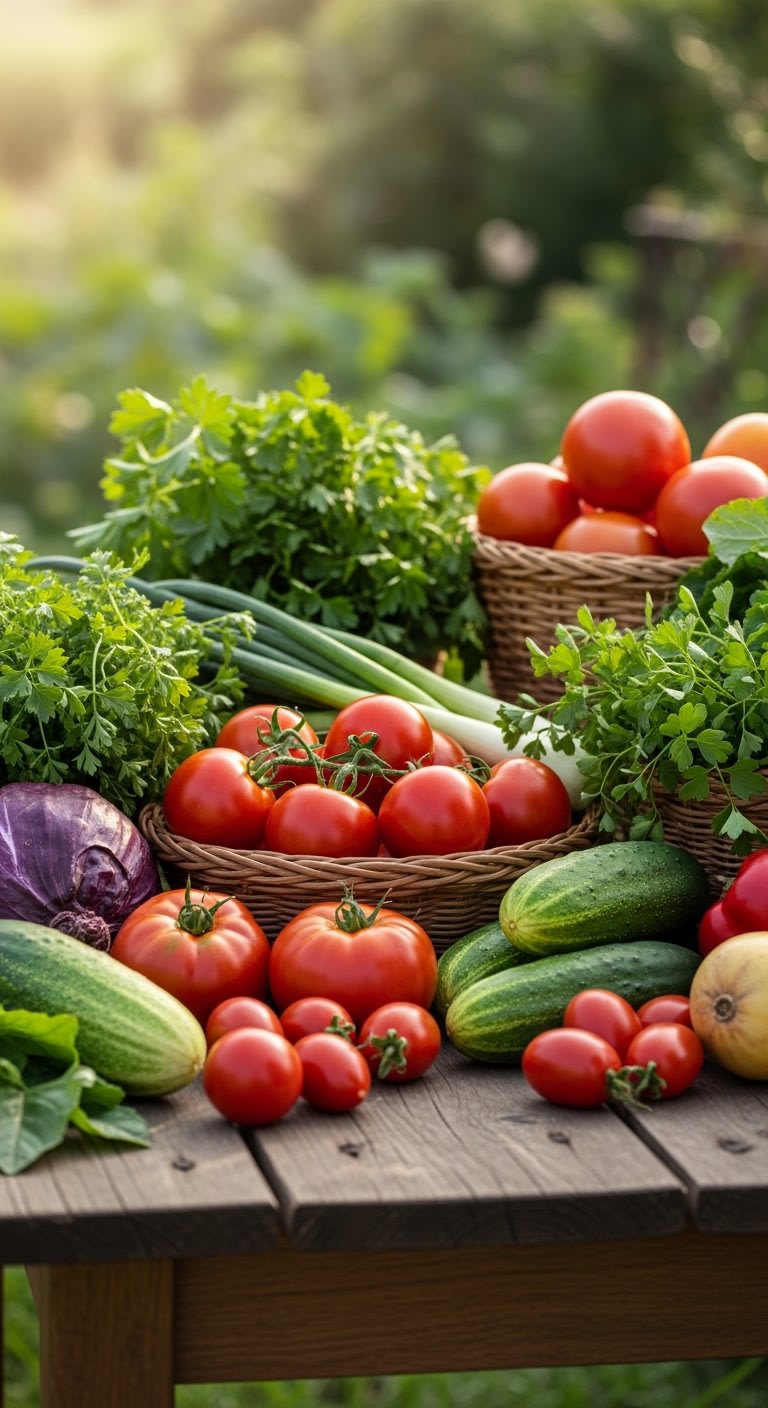
- Freshness and Flavor — Nothing compares to the taste of freshly harvested produce. When you grow your own food, you have the luxury of picking it at its peak ripeness, ensuring maximum flavor and nutritional value.
- Cost Savings — Growing your own fruits and vegetables can significantly reduce grocery bills. With a little investment in seeds and soil, you can cultivate a bounty of produce that would otherwise cost a fortune.
- Healthier Lifestyle — Having a garden encourages you to eat more fruits and vegetables, promoting a healthier diet. Gardening also provides physical activity, which contributes to overall well-being.
- Sustainability — By growing your own food, you reduce your carbon footprint. Your garden can help minimize the need for store-bought produce that often comes with excess packaging and transportation emissions.
- Connection with Nature — Gardening offers a unique opportunity to connect with nature. It allows you to witness the growth cycle of plants, fostering a deeper appreciation for the environment and the food we consume.
Step-by-Step Guide
Step 1: Assess Your Space
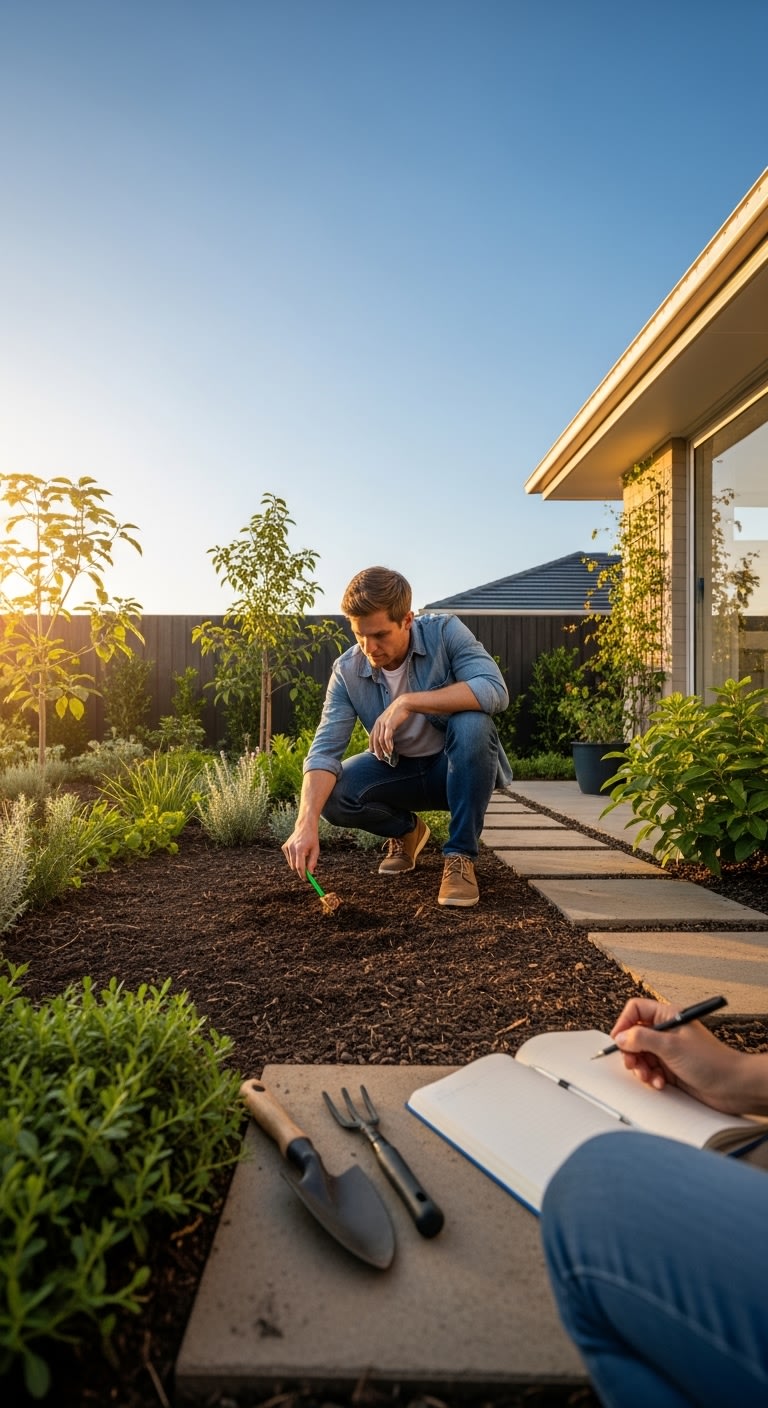
Before diving into planting, take a moment to assess your backyard space. Consider the amount of sunlight your garden will receive, the type of soil, and how much room you have for plants. Most vegetables need at least six hours of direct sunlight each day, so identifying the sunnier spots in your yard is crucial. Conduct a soil test to check for pH and nutrient levels, which will inform your planting choices and amendments needed.
Map out your garden space, considering how many plants you want to grow and their spacing requirements. This step is vital for ensuring that your plants will have enough room to thrive without overcrowding each other. By understanding your space, you set the foundation for a successful garden.
Example: For instance, if your yard has a sunny corner, that could be the perfect spot for tomato plants.
Pro Tips:
- Observe your yard throughout the day to track sunlight patterns.
- Consider using raised beds if your soil quality is poor.
- Plan for accessibility to make maintenance easier.
Step 2: Plan Your Garden Layout

Once you’ve assessed your space, it’s time to plan your garden layout. Consider the types of plants you want to grow and their specific requirements, such as sunlight, water, and soil type. Group plants with similar needs together to create a thriving ecosystem. For instance, pairing plants that repel pests with those that attract beneficial insects can enhance your garden’s health.
Creating a layout can be as simple as sketching it out on paper or using garden planning software to visualize your design. Make sure to include pathways for easy access and maintenance. A well-organized garden not only looks appealing but also helps maximize growth by ensuring each plant gets the conditions it needs.
Example: For example, you might plant taller crops like tomatoes on the north side and shorter ones like lettuce in front.
Pro Tips:
- Consider companion planting to maximize space and deter pests.
- Leave space for walking paths to make maintenance easier.
- Rotate crops each season to improve soil health.
Step 3: Choose Your Plants Wisely
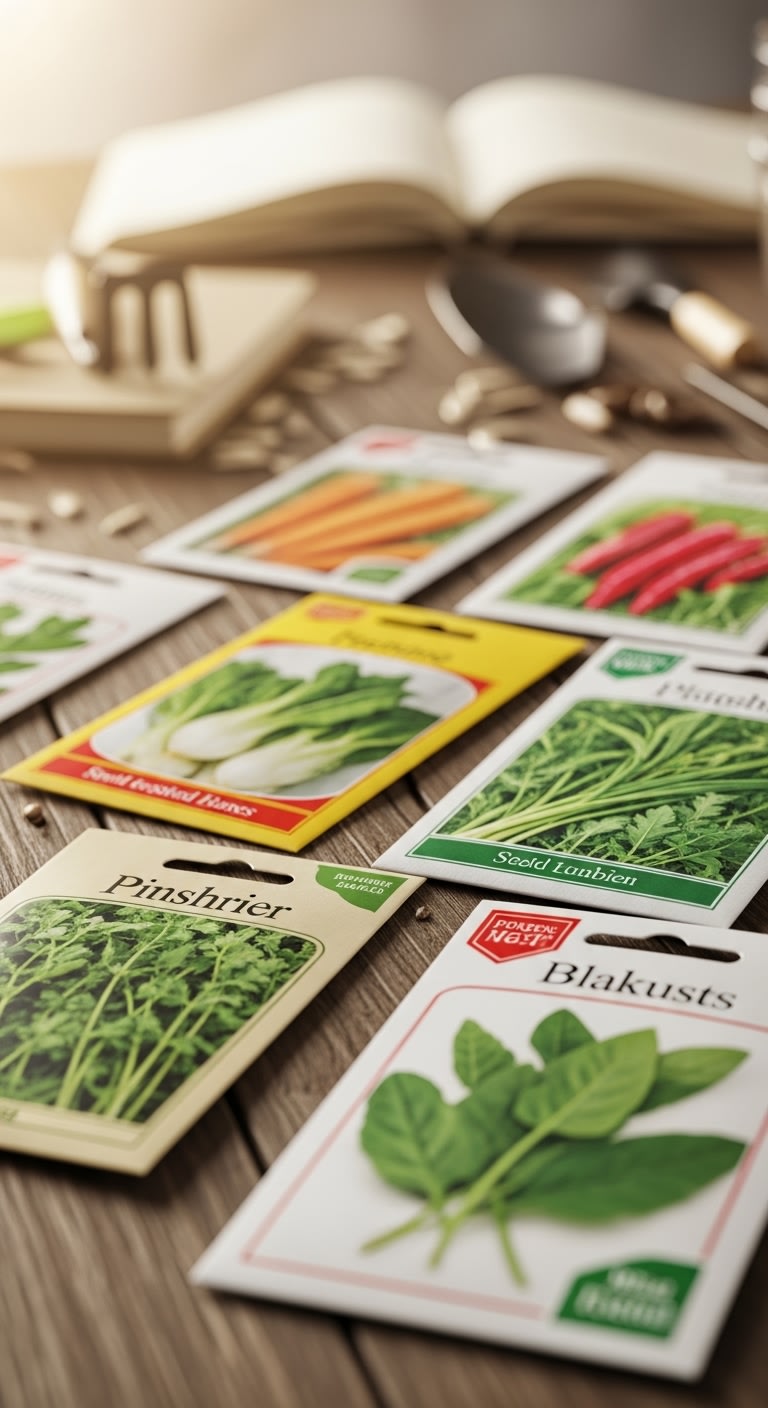
Selecting the right plants is critical to your garden’s success. Start with vegetables and herbs that are well-suited to your climate and soil conditions. If you’re a beginner, consider starting with easy-to-grow varieties like lettuce, radishes, or herbs such as basil and parsley. As you gain confidence, you can experiment with more challenging plants like peppers and tomatoes.
Don’t forget to consider the growing seasons. Some plants thrive in cooler weather, while others prefer warmer temperatures. Understanding these nuances will help you plant at the right time and harvest throughout the year. Your local extension service can provide valuable information on the best varieties for your area.
Example: For instance, if you live in a cooler climate, starting with cold-hardy crops like kale and spinach can yield a successful early harvest.
Pro Tips:
- Research local growing zones to find suitable plant varieties.
- Opt for heirloom seeds for unique flavors and greater resilience.
- Consider planting a mix of annuals and perennials for continuous yields.
Step 4: Prepare Your Soil

Healthy soil is the foundation of a thriving garden. Start by clearing your garden area of weeds, rocks, and debris. Loosen the soil using a garden fork or tiller, ensuring it is aerated and ready for planting. If your soil lacks nutrients, consider adding organic matter like compost or well-rotted manure to enrich it. This addition will improve soil structure, water retention, and nutrient availability for your plants.
Conducting a soil test can guide your amendments. If your soil is too acidic or alkaline, you can adjust the pH using lime or sulfur. Ensuring your soil is in optimal condition will set your plants up for success, leading to healthier growth and more fruitful yields.
Example: For example, incorporating compost into your garden beds can significantly enhance soil fertility.
Pro Tips:
- Test your soil annually to monitor nutrient levels.
- Add mulch to retain moisture and suppress weeds.
- Rotate crops to prevent soil nutrient depletion.
Step 5: Plant Your Seeds or Seedlings
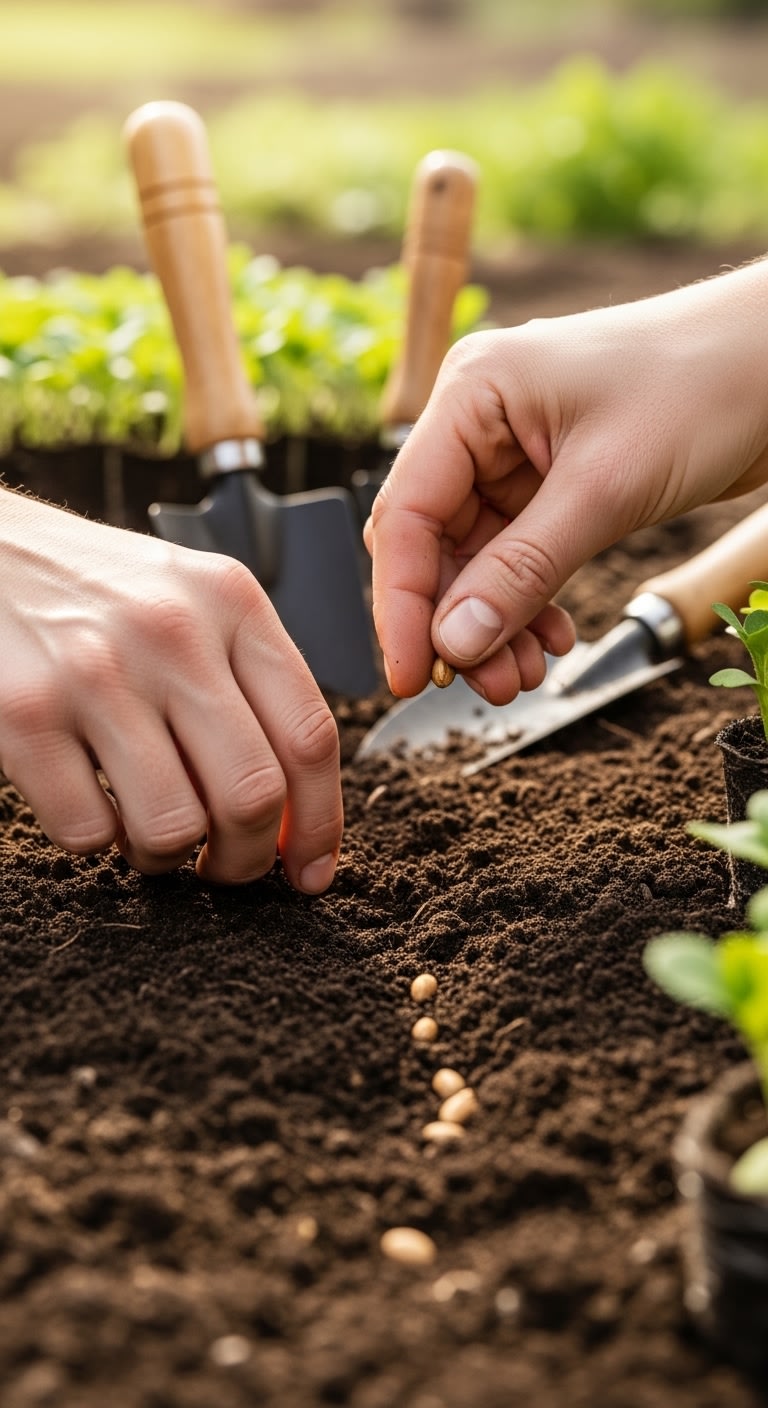
Now that your soil is ready, it’s time to plant your seeds or seedlings. Follow the instructions on seed packets for proper planting depth and spacing. If you’re using seedlings, gently remove them from their containers and plant them at the same depth they were growing in their pots. Water them thoroughly after planting to help establish their roots in the new soil.
Consider using row covers or cloches for added protection against pests and temperature fluctuations, especially for young plants. This can give them a head start in their growth and help ensure a successful harvest. Watch for signs of growth and remember to provide adequate water and sunlight as they develop.
Example: For example, when planting tomatoes, place them deep in the soil to encourage strong root development.
Pro Tips:
- Plant in the evening or on cloudy days to reduce transplant shock.
- Use a planting guide to ensure proper spacing and depth.
- Label your rows to keep track of different plant varieties.
Step 6: Water and Mulch

After planting, consistent watering is crucial for your plants to establish roots and thrive. Water your garden deeply but infrequently to encourage deep root growth. Early morning is the best time to water, as it allows plants to absorb moisture before the heat of the day. Using a drip irrigation system can help ensure your plants receive the right amount of water without waste.
Applying mulch around your plants will help retain moisture, suppress weeds, and regulate soil temperature. Organic mulches, such as straw or wood chips, can also improve soil health as they break down. A well-watered, mulched garden will flourish, leading to a bountiful harvest throughout the seasons.
Example: For example, a layer of straw mulch can keep the soil moist while preventing weed growth around your tomato plants.
Pro Tips:
- Check soil moisture before watering to avoid over-watering.
- Use mulch to reduce evaporation and keep soil temperatures consistent.
- Consider a soaker hose for efficient watering.
Step 7: Monitor and Maintain

As your garden grows, regular monitoring and maintenance are essential for success. Check your plants frequently for signs of pests or diseases, and address any issues promptly to prevent them from spreading. Prune and deadhead plants as needed to promote healthy growth and encourage more blooms or produce.
Keep track of watering needs, especially during hotter months, and adjust your schedule as necessary. Fertilizing your plants periodically will also support their growth. Organic fertilizers, such as compost tea or fish emulsion, can provide nutrients without harmful chemicals. A little attention goes a long way in ensuring a thriving garden.
Example: For example, regularly checking your tomato plants for pests can help prevent infestations.
Pro Tips:
- Create a gardening calendar to track watering and fertilizing schedules.
- Encourage beneficial insects like ladybugs to manage pests naturally.
- Rotate crops each season to maintain soil health.
Step 8: Harvest and Enjoy

The moment you’ve been waiting for—harvesting your homegrown produce! Be attentive to the signs that your plants are ready to be harvested. This can vary from one type of vegetable to another, so make sure to research the best time to pick each crop. Harvesting at the right time not only enhances flavor but also encourages further production from your plants.
Once harvested, enjoy your fresh produce in your favorite recipes or share it with friends and family. There’s something special about serving a meal featuring ingredients you’ve grown yourself. Take pride in your hard work and the sustainable food source you’ve created in your backyard!
Example: For example, picking tomatoes when they are fully colored and slightly soft will yield the best flavor.
Pro Tips:
- Harvest in the early morning for peak freshness.
- Use sharp scissors or garden shears to avoid damaging plants.
- Store harvested produce properly to extend shelf life.
Types & Varieties
Tomatoes

Tomatoes are versatile and delicious fruits that thrive in warm weather. They come in a variety of sizes and colors, from small cherry tomatoes to large beefsteaks, providing options for every taste and recipe.
Best for: Best for fresh salads, sauces, and salsas.
Lettuce
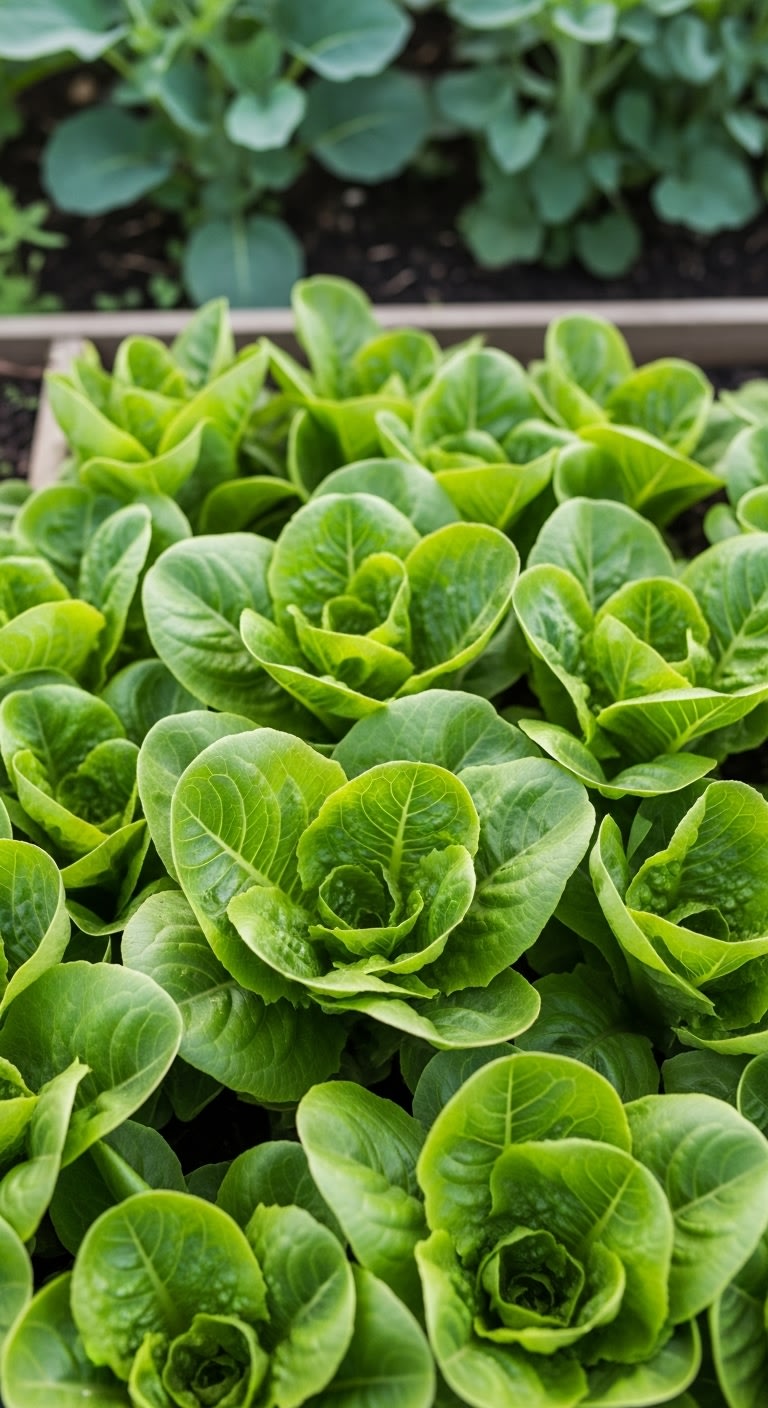
Lettuce is a quick-growing leafy green that can be harvested multiple times throughout the season. It’s perfect for salads and adds crunch to sandwiches, making it a staple in many gardens.
Best for: Best for fresh salads and garnishes.
Herbs (Basil, Parsley, etc.)

Herbs like basil and parsley are easy to grow and can elevate any dish with their fresh flavors. They require minimal space and can thrive in pots or garden beds, making them ideal for beginners.
Best for: Best for enhancing the flavor of a variety of dishes.
Carrots

Carrots are nutritious root vegetables that can be grown in a variety of soil types. They thrive in cooler weather and can be harvested at different stages for varying sizes and flavors.
Best for: Best for fresh snacking and cooking.
Peppers
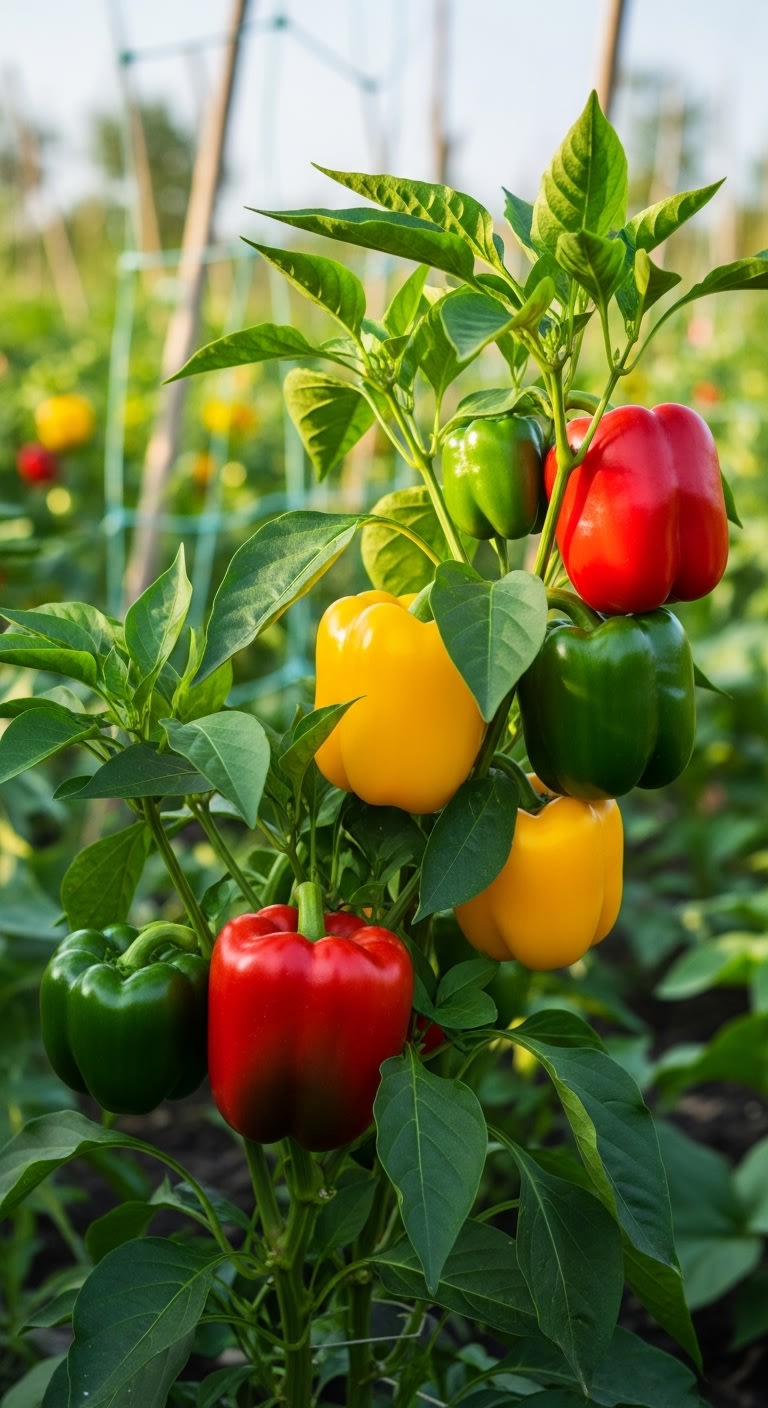
Peppers, available in sweet and spicy varieties, add flavor and color to your dishes. They are relatively easy to grow and can thrive in containers or garden beds, making them a versatile choice for any garden.
Best for: Best for cooking, salads, and salsas.
Tools You Need
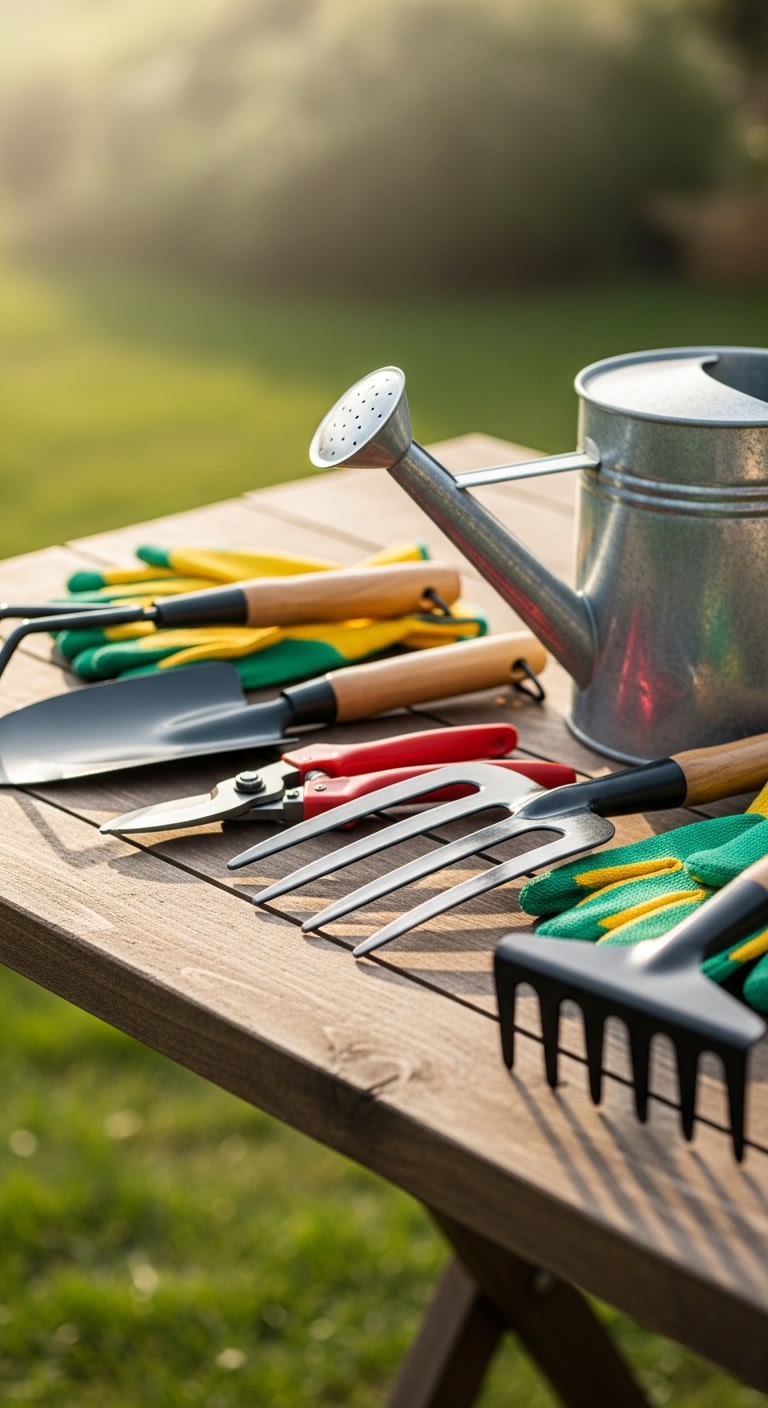
- Hand Trowel — A hand trowel is essential for planting, transplanting, and digging small holes. Its sturdy blade makes it easy to work with various soil types, making it a must-have for any gardener. — Available at: Available at local garden centers or online retailers like Amazon.
- Pruning Shears — Pruning shears are perfect for trimming plants and harvesting produce. They ensure clean cuts, promoting healthy growth and preventing damage to your plants. — Available at: Find them at garden supply stores or major retailers like Home Depot.
- Garden Fork — A garden fork is excellent for turning soil and aerating your garden beds. Its sturdy prongs help break up compacted soil, making it easier for roots to grow. — Available at: Available at gardening supply stores or online marketplaces like Lowe’s.
- Watering Can — A watering can provides a gentle way to water your plants. Choose one with a detachable spout for versatility, making it easy to reach different areas of your garden. — Available at: Look for them at home improvement stores or online gardening shops.
- Garden Gloves — Protect your hands while gardening with a good pair of gloves. They shield against thorns, dirt, and blisters, allowing you to work comfortably and safely. — Available at: Available at garden centers and online retailers like Amazon.
- Rake — A rake is useful for leveling soil and removing debris from your garden beds. It helps create a neat and organized gardening space, essential for a healthy garden. — Available at: Find them at local hardware stores or online gardening suppliers.
Seasonal Tips
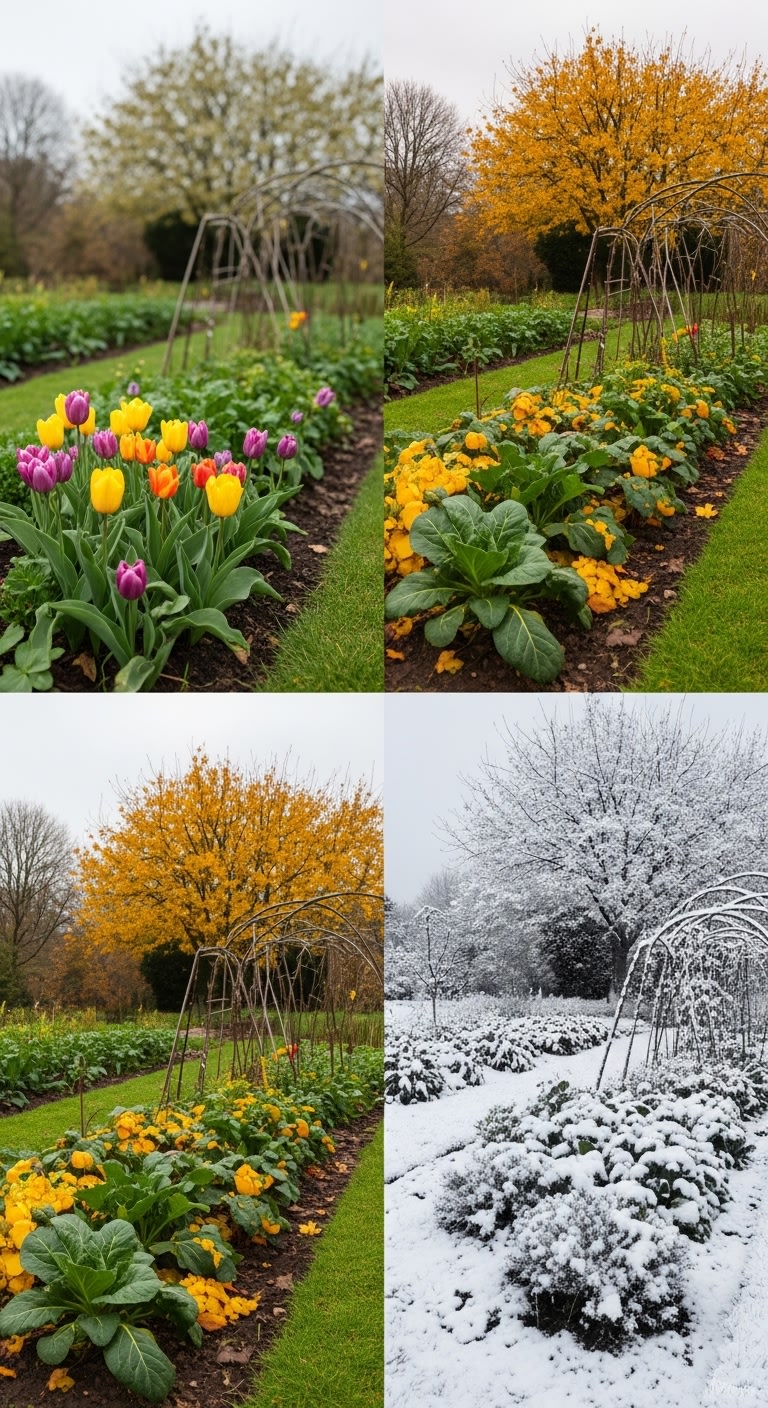
Understanding the seasonal changes in your garden is crucial for maximizing your harvest. Each season brings unique challenges and opportunities, and knowing what to plant when can significantly affect your yields. By aligning your gardening practices with the seasons, you can create a more productive and resilient garden.
Spring
- Start planting cool-season crops like lettuce and peas.
- Prepare your soil with compost to enrich nutrients.
- Monitor for pests as plants begin to grow.
Spring is the perfect time to plant seeds and prepare your garden beds for the season ahead.
Summer
- Water regularly, especially during hot spells.
- Harvest crops frequently to encourage further growth.
- Consider shade cloths for delicate plants during heat waves.
Focus on maintenance tasks like watering and pest control to ensure healthy growth.
Fall
- Plant your fall crops like kale and root vegetables.
- Prepare your garden for winter by adding mulch.
- Start a compost pile with garden waste.
Fall is a great time to extend your harvest with cool-weather crops and prepare for the next season.
Winter
- Plan your garden layout and order seeds for the upcoming season.
- Consider indoor gardening options for fresh herbs.
- Protect any perennials from harsh winter conditions.
Winter is a time for reflection and planning, ensuring you’re ready for spring planting.
Common Mistakes to Avoid

Overwatering Plants
Overwatering can lead to root rot and fungal diseases, harming your plants.
How to fix: Check soil moisture regularly and only water when the top inch is dry.
Planting Too Close Together
Crowded plants compete for nutrients and sunlight, stunting their growth.
How to fix: Follow spacing guidelines on seed packets to give plants enough room.
Ignoring Pest Control
Pests can quickly devastate your garden if not managed properly.
How to fix: Regularly inspect plants and use organic pest control methods when needed.
Planting at the Wrong Time
Timing is crucial; planting too early or late can result in poor yields.
How to fix: Refer to local planting calendars to choose the right planting times.
Neglecting Soil Health
Poor soil can lead to nutrient deficiencies and weak plants.
How to fix: Regularly amend your soil with compost and organic matter.
Expert Tips
Companion Planting
Companion planting involves growing different plants together for mutual benefits, such as pest control, improved growth, and enhanced flavors. For example, planting marigolds alongside tomatoes can deter harmful insects while attracting beneficial ones. This technique can lead to healthier plants and a more productive garden overall.
Crop Rotation
Implementing crop rotation is essential for maintaining soil health and preventing pests and diseases. By changing the types of crops planted in a specific area each season, you help preserve soil nutrients and reduce the risk of crop-specific pests. This practice can significantly enhance your garden’s productivity over time.
Mulching Techniques
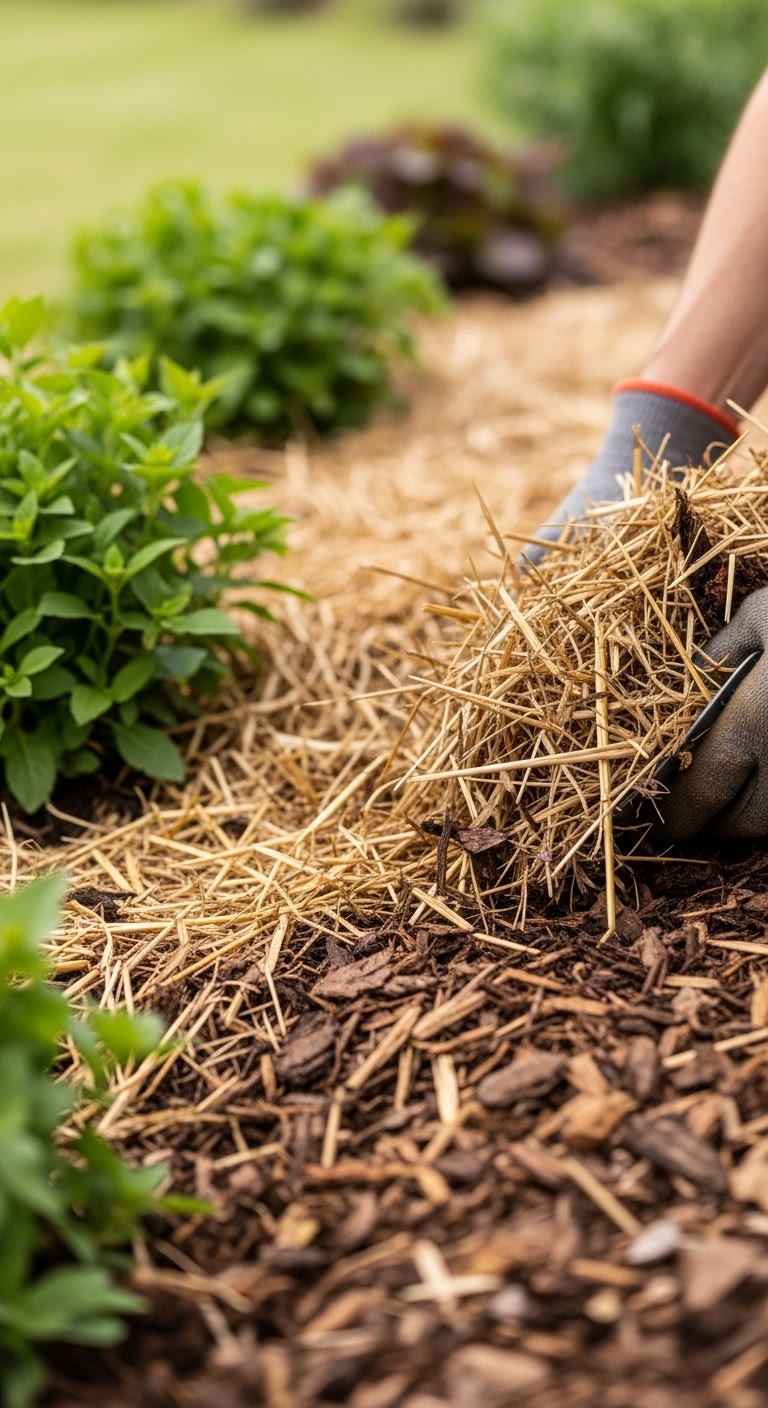
Mulching is a fantastic way to retain soil moisture, suppress weeds, and improve soil health. Different materials can be used for mulching, including straw, wood chips, and grass clippings. Choosing the right mulch for your garden can have a lasting impact on your plants’ health and yield.
Soil Testing
Regular soil testing is critical for understanding your soil’s nutrient levels and pH. This information allows you to make informed decisions about amendments and fertilizers, ensuring your plants receive the necessary nutrients for optimal growth. A well-balanced soil will lead to healthier, more productive plants.
Frequently Asked Questions
How do I start a garden for the first time?
Starting a garden for the first time can be exciting yet overwhelming. Begin by choosing a suitable spot in your yard that receives ample sunlight and has good soil. Next, plan your garden layout, selecting easy-to-grow plants like herbs and vegetables that thrive in your local climate. Prepare your soil by clearing debris and enriching it with compost. Finally, plant your seeds or seedlings, water them regularly, and monitor their growth for a successful start.
What plants are best for year-round gardening?
For year-round gardening, consider a mix of cool-season and warm-season crops. Cool-season vegetables like kale, lettuce, and peas can be grown in spring and fall, while warm-season crops like tomatoes, peppers, and cucumbers thrive in summer. Incorporating perennial herbs such as rosemary and thyme can provide fresh flavors throughout the year. Research your local climate to determine the best varieties for continuous harvesting.
How much sunlight do my plants need?
Most edible plants require at least six hours of direct sunlight daily for optimal growth. However, some leafy greens and herbs can thrive with partial shade. It’s important to observe your garden area throughout the day to identify the sunniest spots. If your garden receives limited sunlight, consider using reflective surfaces or vertical gardening techniques to maximize light exposure.
How do I handle pests in my garden?
Managing pests in your garden can be done through a combination of prevention and intervention. Start by encouraging beneficial insects like ladybugs, which feed on common garden pests. Regularly inspect your plants for signs of damage and use organic pest control methods, such as neem oil or insecticidal soap, when necessary. Maintaining healthy soil and plant diversity can also help reduce pest pressure.
What is the best time to plant seeds?
The best time to plant seeds depends on your local climate and the type of plants you wish to grow. Generally, cool-season crops can be sown in early spring or late summer, while warm-season crops should be planted after the last frost date. Refer to local planting calendars or consult your local extension service for specific planting dates tailored to your region.
Creating a backyard that produces food all year is not just a rewarding endeavor; it also fosters a deeper connection to the food you eat. By following the steps outlined in this guide, you can cultivate a thriving garden that provides fresh, nutritious produce for you and your loved ones.
Remember, gardening is a journey filled with learning and growth. Don’t be afraid to experiment, make mistakes, and celebrate your successes along the way. So grab your tools, get your hands dirty, and start transforming your backyard into a bountiful food garden today!

Leave a Comment