
Welcome to the world of organic gardening! If you’ve recently embarked on this rewarding journey, you may have encountered a multitude of advice, some of which can be quite confusing. The truth is, organic gardening is not just about avoiding chemicals; it’s a holistic approach to cultivating a thriving ecosystem in your backyard.
Many beginners fall into common misconceptions that can lead to frustration and disappointment. This guide aims to shed light on the truths of organic gardening, helping you to cultivate a flourishing garden while embracing sustainable practices. Let’s dig deep into what you really need to know to succeed in your organic gardening adventure.
Table of Contents
- What is Organic Gardening?
- Benefits of Organic Gardening
- Types of Organic Gardening
- Essential Tools for Organic Gardening
- Steps to Successful Organic Gardening
- Seasonal Tips for Organic Gardening
- Common Mistakes in Organic Gardening
- Expert Tips for Thriving Organic Gardens
- Frequently Asked Questions
- Conclusion
What Is It?

Organic gardening is a method of growing plants in a way that enhances the environment, focusing on natural processes and sustainable practices. This approach utilizes organic materials such as compost, natural fertilizers, and biological pest control to create a healthy ecosystem. It’s not just about the absence of chemicals; it’s about fostering a balance that supports plant health and biodiversity.
For many beginners, organic gardening may seem daunting, but it’s actually quite simple. The key lies in understanding the natural systems at play and working with them rather than against them. By learning to appreciate the interconnectedness of soil, plants, and wildlife, you’ll find that organic gardening can be both fulfilling and rewarding.
- Focus on building healthy soil through organic matter.
- Utilize natural pest control methods to maintain balance.
- Embrace biodiversity by planting a variety of species.
Key Benefits
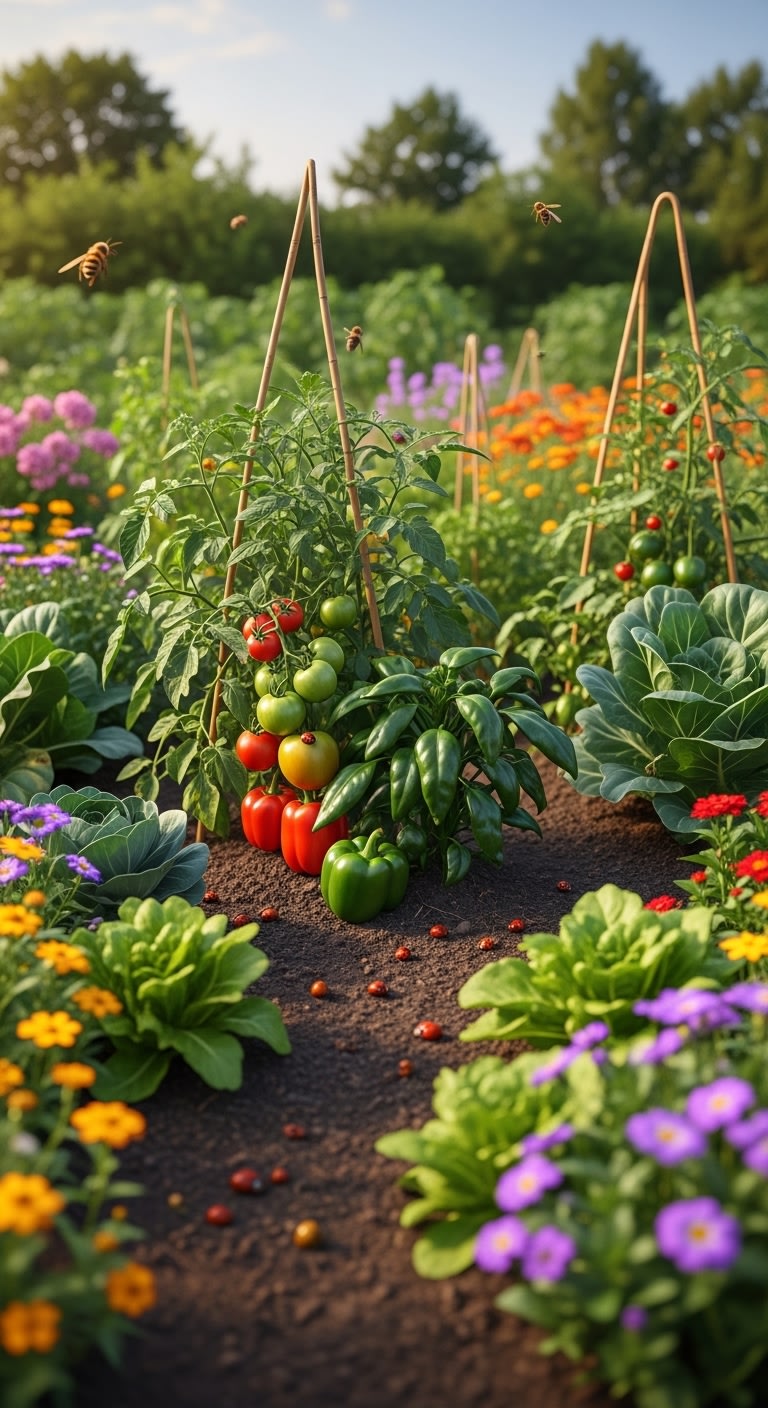
- Healthier Produce — Organic gardening yields fruits and vegetables that are free from synthetic pesticides and fertilizers. This not only makes your produce healthier but also enhances the flavor, allowing you to enjoy fresh, delicious food straight from your garden.
- Environmental Sustainability — By avoiding chemicals, you contribute to a healthier ecosystem. Organic gardening promotes biodiversity, improves soil health, and helps to conserve water, making it a sustainable choice for the environment.
- Cost-Effective — Growing your own organic food can save you money in the long run. Although there may be initial costs for seeds and soil amendments, you’ll be able to harvest fresh produce all season long, reducing your grocery bills.
- Personal Satisfaction — There’s immense joy in growing your own food. Watching your plants thrive and knowing that you’ve nurtured them with organic methods offers a deep sense of accomplishment and connection to nature.
- Pest Management — Organic gardening encourages natural pest control strategies. By fostering a balanced ecosystem, you can minimize pest outbreaks without relying on harsh chemicals, leading to a healthier garden overall.
Step-by-Step Guide
Step 1: Start with Healthy Soil

The foundation of a successful organic garden is healthy soil. Begin by testing your soil to understand its pH and nutrient levels. This will help you make informed decisions about what amendments are needed. Incorporate organic matter such as compost or well-rotted manure to improve soil structure and fertility.
Healthy soil not only supports plant growth but also encourages beneficial microorganisms that help plants thrive. Remember, the more diverse the life in your soil, the healthier your plants will be.
Example: For instance, adding compost can increase soil nutrients and improve drainage.
Pro Tips:
- Use a soil test kit before planting.
- Incorporate organic matter regularly.
- Avoid compacting the soil.
Step 2: Choose the Right Plants
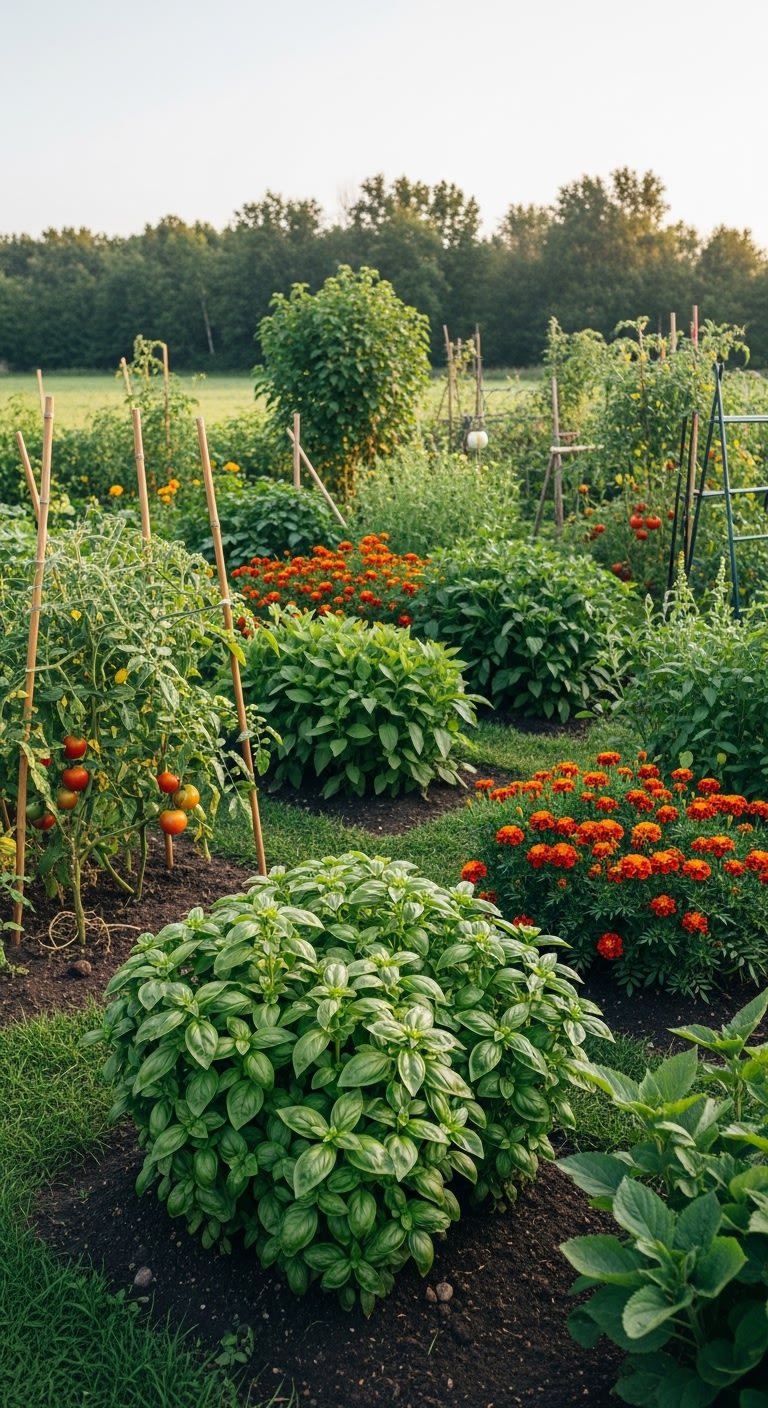
Selecting the right plants for your organic garden is crucial. Consider your local climate, soil conditions, and the amount of sunlight your garden receives. Opt for native plants and varieties that are well-suited to your region, as they generally require less maintenance and are more resilient to pests and diseases.
Additionally, companion planting can enhance growth and deter pests. For example, planting marigolds alongside vegetables can help protect them from harmful insects, creating a natural balance in your garden.
Example: Choose tomatoes and basil as companions to enhance growth and flavor.
Pro Tips:
- Research native plants for your area.
- Use companion planting strategies.
- Rotate crops annually to prevent soil depletion.
Step 3: Practice Water Management

Water management is a vital aspect of organic gardening. Ensure that your plants receive adequate moisture without overwatering, as this can lead to root rot and other issues. A drip irrigation system or soaker hoses can be helpful in delivering water directly to the roots, minimizing evaporation and runoff.
Monitor the moisture levels in your soil regularly, especially during dry spells. Mulching around plants can also help retain moisture and suppress weeds, creating a healthier environment for your plants to thrive.
Example: Implementing a drip irrigation system can optimize water usage and improve plant health.
Pro Tips:
- Check soil moisture before watering.
- Use mulch to retain moisture.
- Water early in the morning or late in the evening.
Step 4: Implement Organic Pest Control
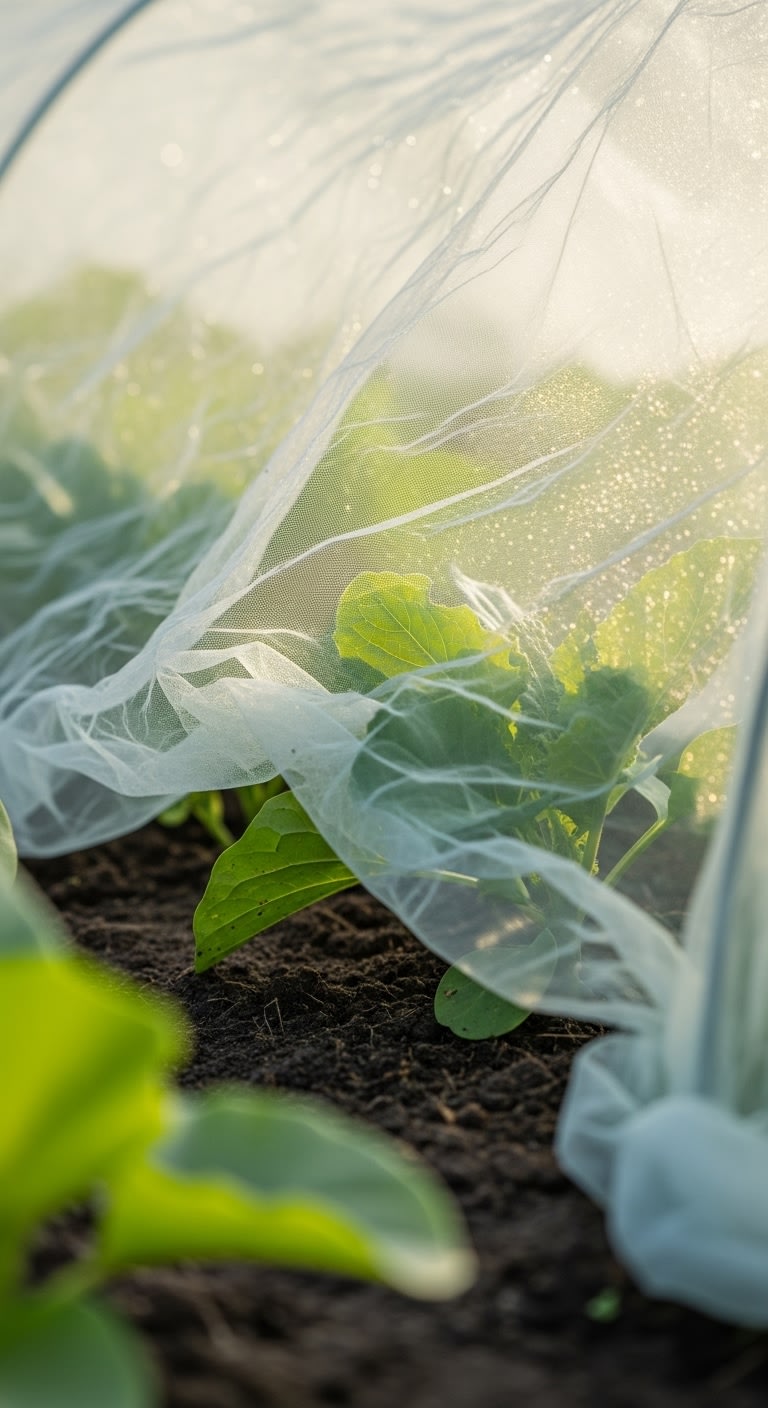
Managing pests organically is essential to maintaining a healthy garden. Start by encouraging beneficial insects such as ladybugs and lacewings, which naturally prey on harmful pests. You can also use physical barriers like row covers to protect young plants or introduce natural repellents like neem oil and insecticidal soap.
Regular monitoring is key to catching pest issues early. Inspect your plants frequently and consider hand-picking larger pests like caterpillars. With patience and the right techniques, you can control pest populations effectively without chemicals.
Example: Installing row covers can protect young seedlings from pests.
Pro Tips:
- Encourage beneficial insects by planting diverse species.
- Monitor plants regularly for early signs of pests.
- Use organic pest control methods as a first line of defense.
Step 5: Harvest with Care

Harvesting your crops at the right time is crucial for optimal flavor and yield. Timing can vary by plant type, so familiarize yourself with the signs that indicate ripeness. For example, tomatoes should be harvested when they are fully colored and slightly soft to the touch, while leafy greens can be picked repeatedly as they grow.
Use clean, sharp tools to avoid damaging the plants, and be gentle to prevent bruising the fruits and vegetables. Enjoying the fruits of your labor is one of the most rewarding aspects of organic gardening, so take the time to savor each harvest.
Example: Harvest tomatoes when they are fully colored and slightly soft.
Pro Tips:
- Use clean, sharp tools for harvesting.
- Harvest in the morning for best flavor.
- Monitor plants for continuous harvesting opportunities.
Types & Varieties
Raised Bed Gardening
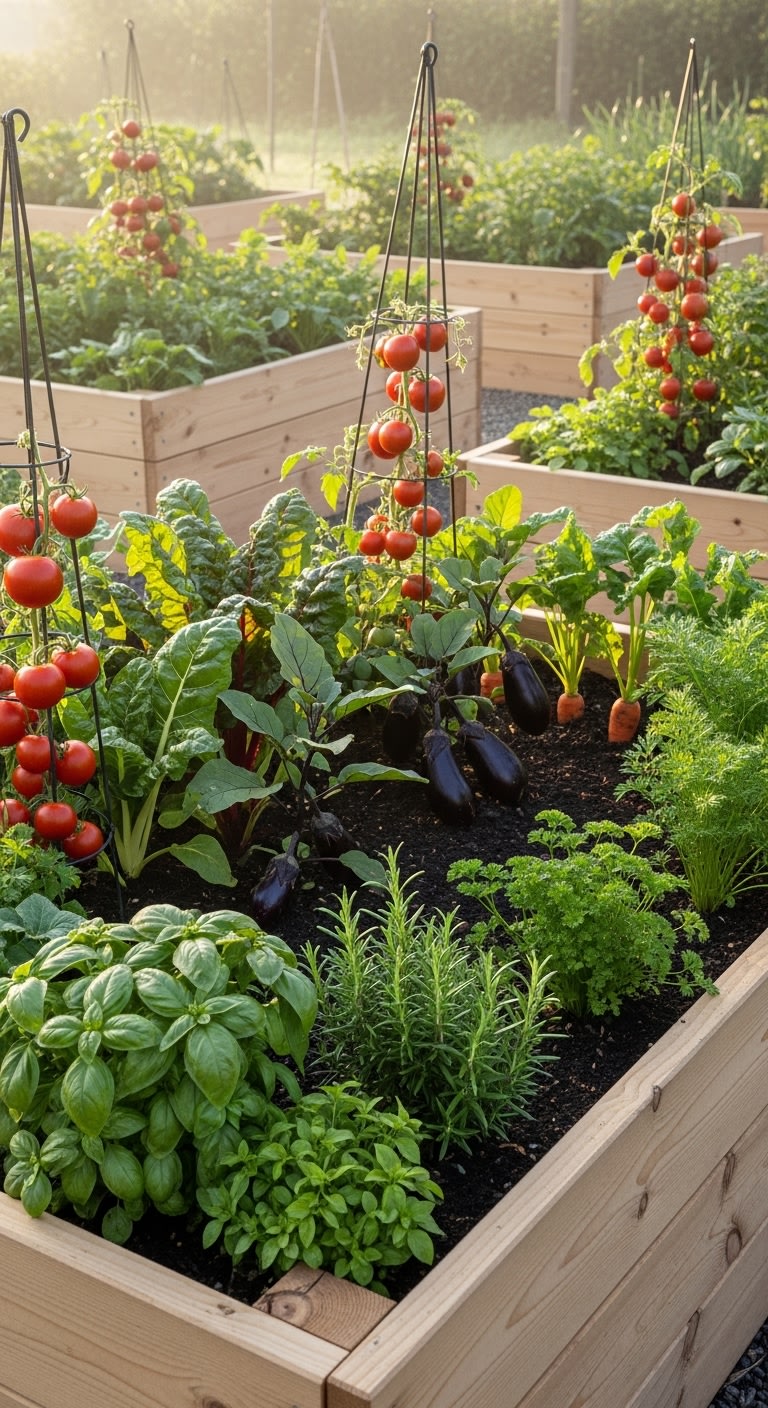
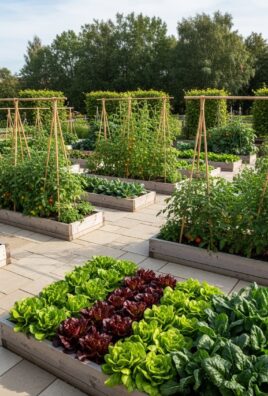
Raised bed gardening involves growing plants in soil that is raised above the ground level. This method improves drainage, warms the soil faster in spring, and provides better control over soil quality and weeds.
Best for: Best for small spaces and urban environments.
Container Gardening
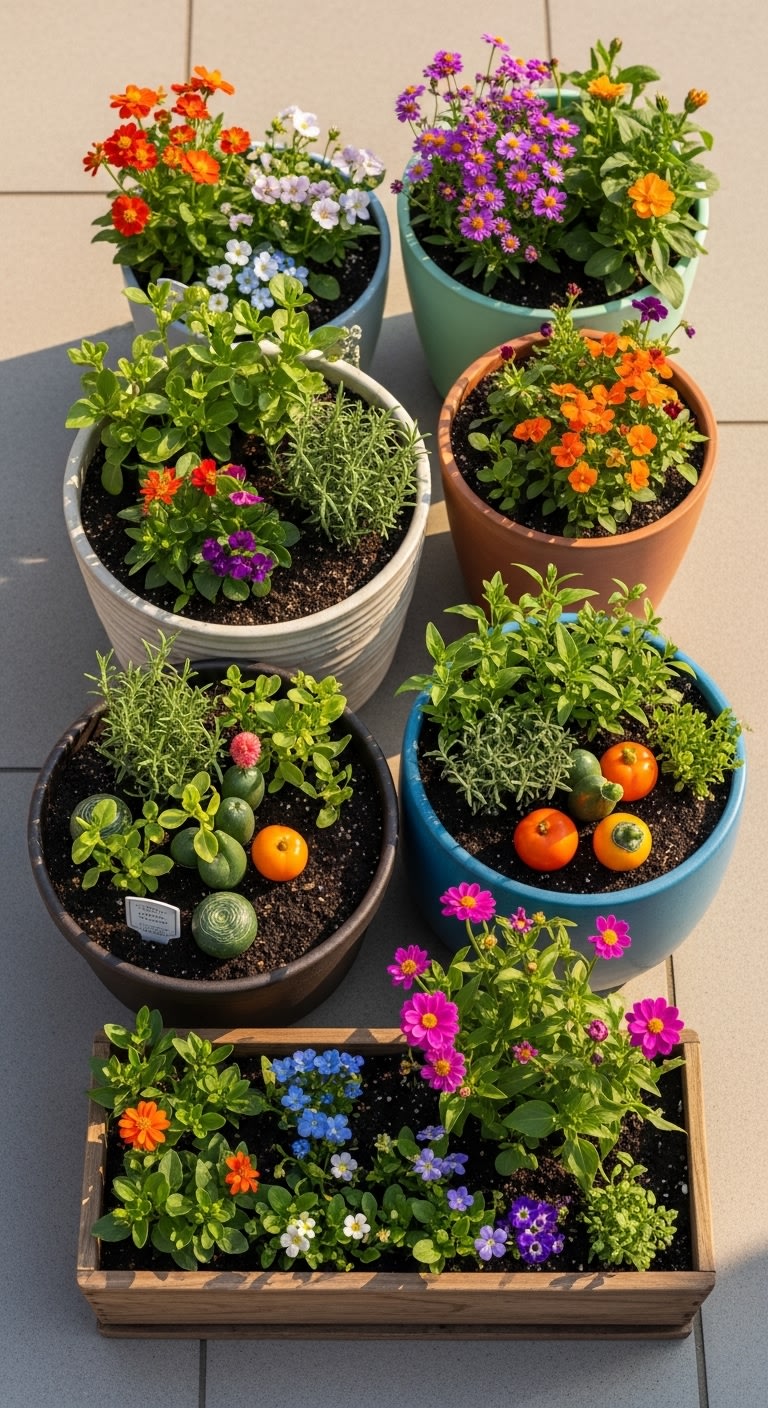
Container gardening is the practice of growing plants in pots or other containers. This method is perfect for those with limited space or poor soil conditions, allowing for flexibility and creativity in plant selection.
Best for: Best for apartments or patios with limited space.
Permaculture
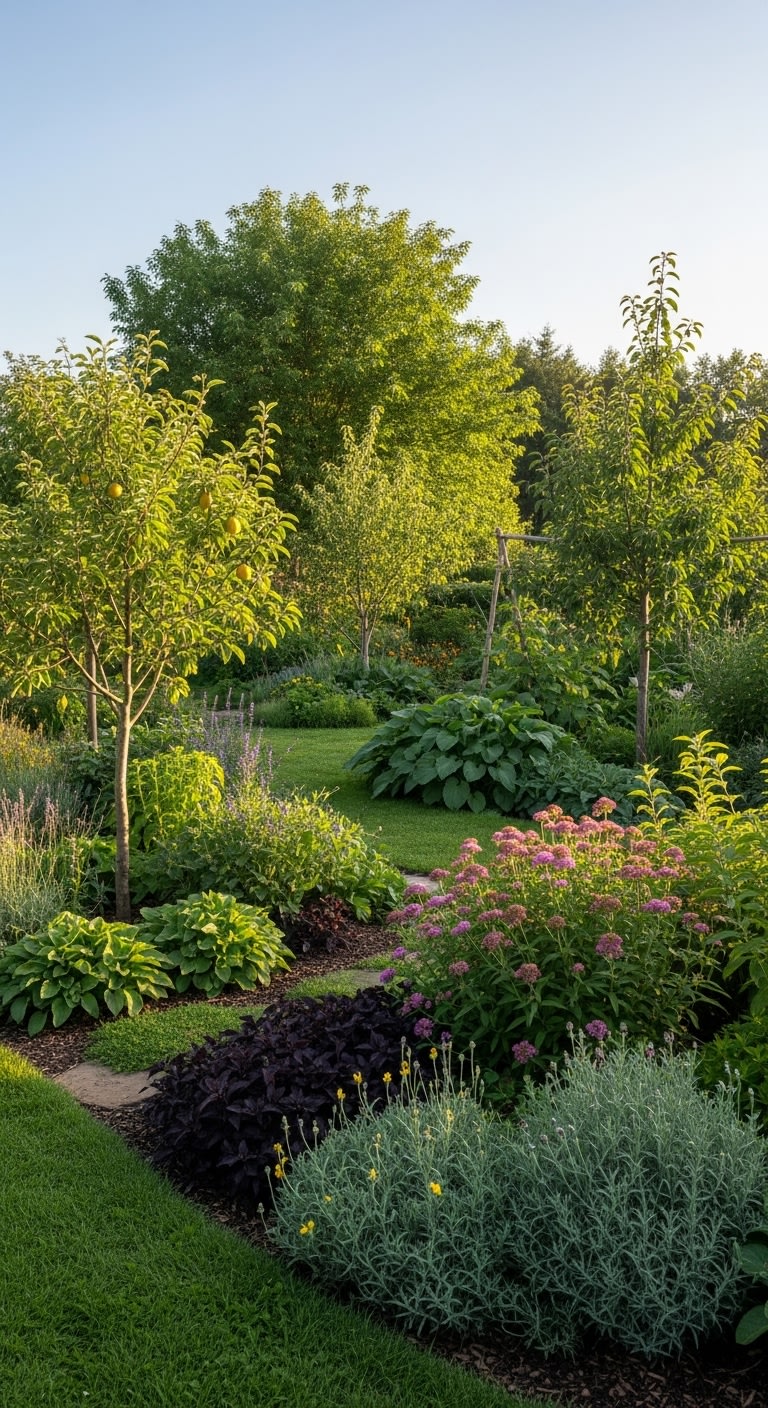
Permaculture is an ecological design system that mimics the natural ecosystems. It emphasizes sustainable living, biodiversity, and working with nature to create a self-sustaining garden.
Best for: Best for those looking to create a long-term sustainable landscape.
Hydroponic Gardening
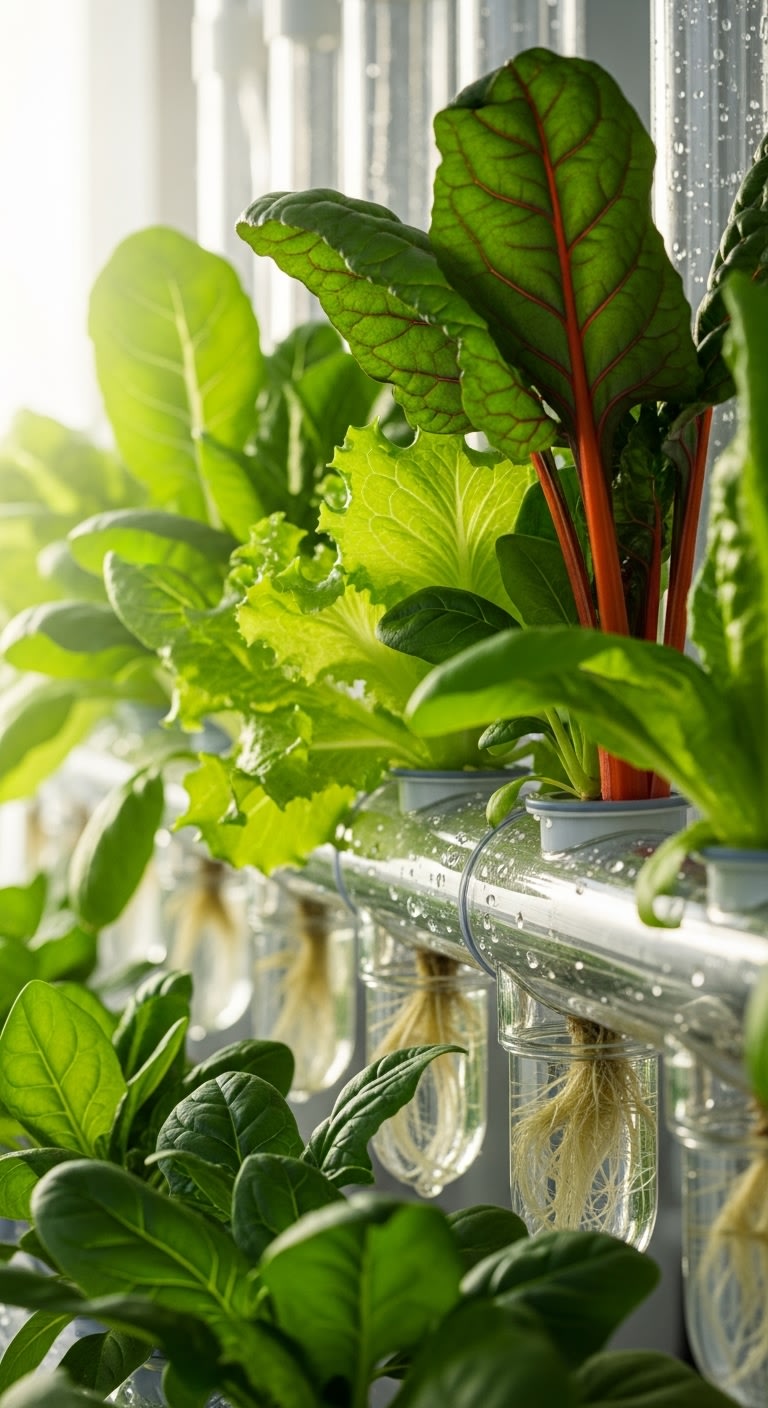
Hydroponic gardening is a method of growing plants without soil, using nutrient-rich water instead. This technique allows for rapid growth and is ideal for growing indoors or in controlled environments.
Best for: Best for indoor gardening and urban settings.
Tools You Need
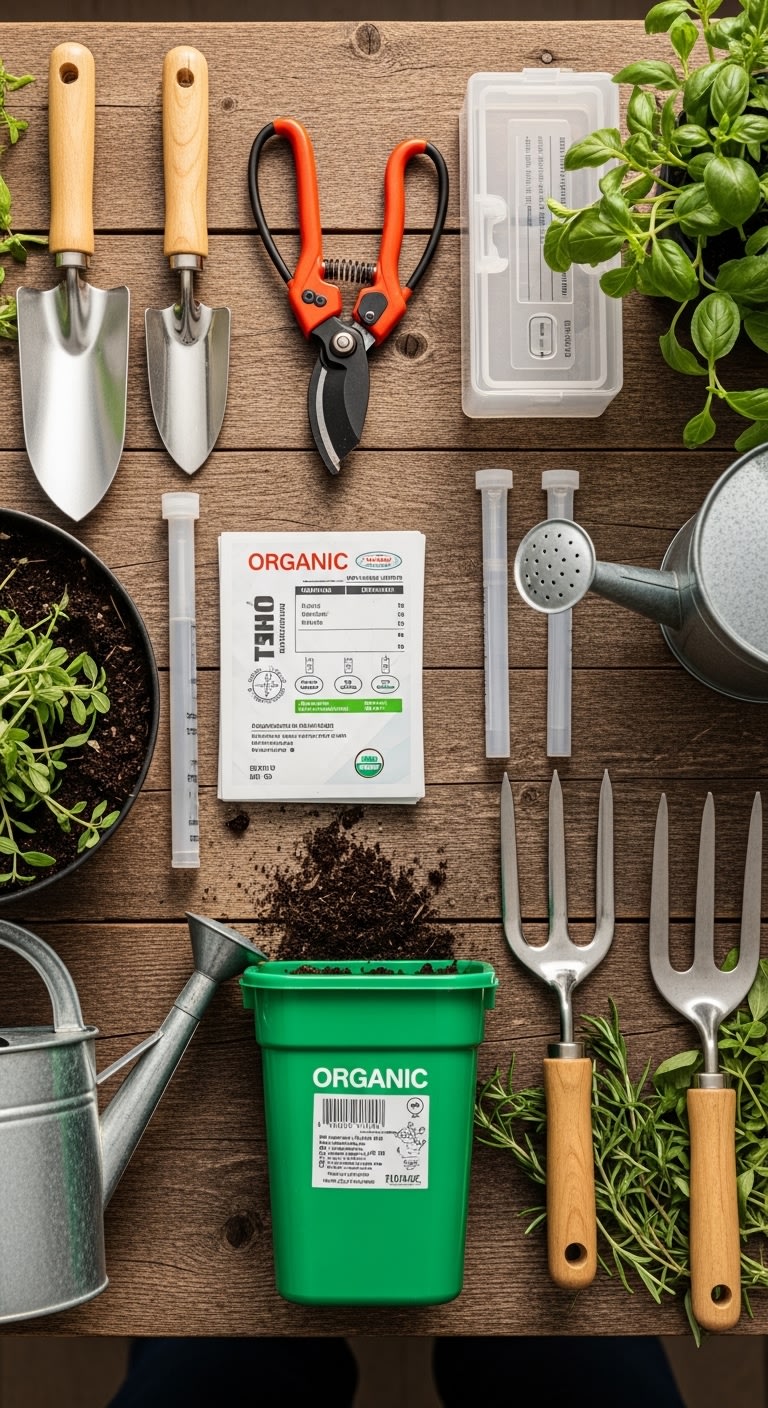
- Hand Trowel — A hand trowel is essential for digging, planting, and transplanting in smaller garden beds. Its compact size makes it perfect for maneuvering in tight spaces and working with delicate plants. — Available at: Available at local garden centers or online retailers.
- Pruning Shears — Pruning shears are crucial for maintaining healthy plants. They help in cutting back overgrown branches and harvesting fruits and vegetables, ensuring your plants thrive. — Available at: Find them at garden supply stores or online.
- Soil Test Kit — A soil test kit allows you to analyze your soil’s pH and nutrient levels. This information is vital for making informed decisions about amendments and fertilization. — Available at: Purchase at garden centers or agricultural supply stores.
- Compost Bin — A compost bin helps you recycle kitchen scraps and yard waste into nutrient-rich compost. This is a cornerstone of organic gardening, enriching your soil naturally. — Available at: Available at home improvement stores or online.
- Watering Can — A good watering can is essential for providing gentle watering to your plants. Look for one with a detachable spout for versatility. — Available at: Find one at garden centers or general stores.
- Garden Fork — A garden fork is perfect for turning soil and mixing in compost. It’s a vital tool for preparing your garden beds and aerating the soil. — Available at: Available at local hardware stores or online.
Seasonal Tips
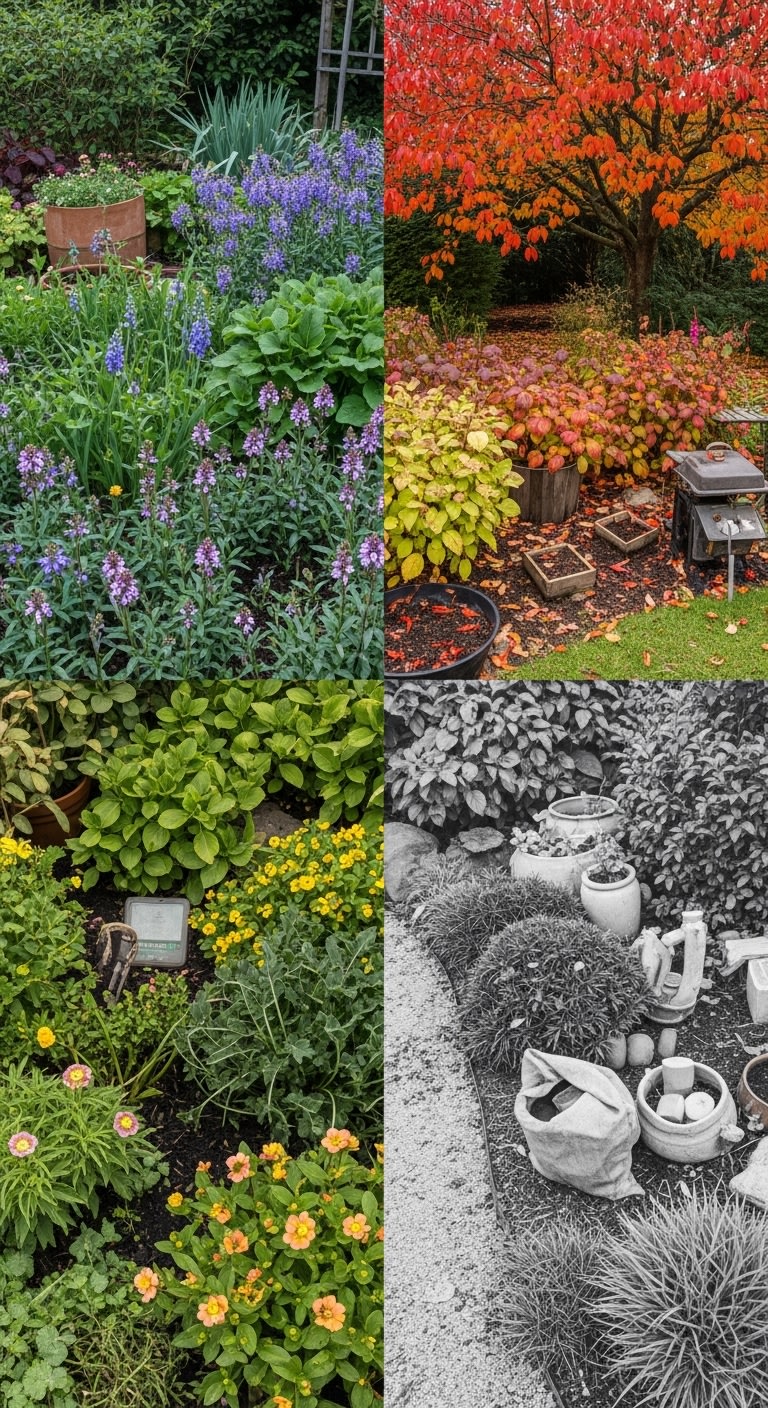
Timing is everything in gardening, and understanding the seasons can significantly impact your success. Each season brings unique challenges and opportunities for your organic garden. By aligning your gardening activities with the natural rhythms of the year, you can enhance plant health and productivity.
From spring planting to winter preparation, knowing what to do during each season will help you make the most of your gardening efforts.
Spring
- Start seeds indoors for an early start.
- Prepare garden beds by tilling and adding compost.
- Choose cool-season crops to plant first.
Focus on planting and establishing your garden, taking advantage of the warming weather.
Summer
- Regularly water plants, especially during dry spells.
- Monitor for pests and diseases actively.
- Mulch to retain soil moisture and suppress weeds.
Maintain your garden by ensuring adequate watering and pest control.
Fall
- Harvest remaining crops and start cleaning up spent plants.
- Plant cover crops to improve soil health.
- Prepare garden beds for winter by adding organic matter.
Focus on harvesting and preparing for the next growing season.
Winter
- Plan your spring garden layout and plant selection.
- Use this time to research and learn more about organic gardening.
- Protect perennials with mulch and cover crops.
Prepare for the next growing season by planning and maintaining your garden.
Common Mistakes to Avoid
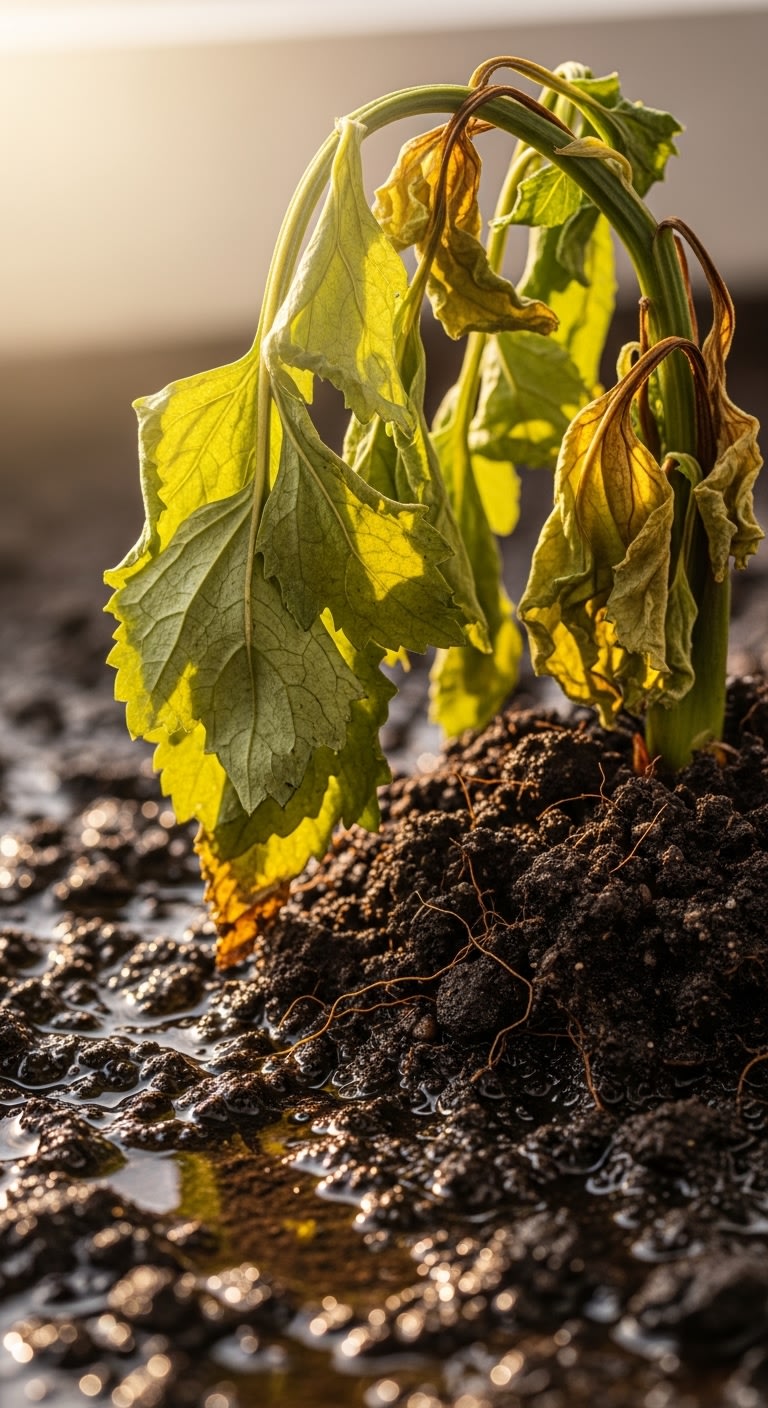
Overwatering
Overwatering can lead to root rot and drown beneficial microorganisms in the soil, harming plant health.
How to fix: Check soil moisture before watering, ensuring it is dry an inch below the surface.
Neglecting Soil Health
Ignoring soil health can lead to poor plant growth and increased susceptibility to pests and diseases.
How to fix: Regularly amend your soil with compost and organic matter to maintain its health.
Using Synthetic Pesticides
Synthetic pesticides can harm beneficial insects and disrupt the ecosystem, leading to more pest problems.
How to fix: Opt for natural pest control methods and encourage beneficial insects in your garden.
Planting Too Close Together
Crowded plants compete for nutrients, water, and light, leading to stunted growth and increased disease risk.
How to fix: Follow recommended spacing guidelines for each plant type to ensure proper growth.
Ignoring Seasonal Timing
Planting at the wrong time can lead to poor yields and wasted efforts.
How to fix: Research your region’s planting calendar to align your gardening activities with optimal seasonal conditions.
Expert Tips

Create a Diverse Ecosystem
Encouraging biodiversity in your garden can significantly improve its health. Plant a mix of flowers, vegetables, and herbs to attract beneficial insects and provide habitat for wildlife. The more diverse your garden, the less likely you’ll face pest issues, as natural predators will help keep populations in check.
Utilize Companion Planting
Companion planting is the practice of growing different plants together for mutual benefit. Certain plants can repel pests, enhance growth, or improve flavor when planted in proximity. For example, planting basil with tomatoes can improve their flavor and deter pests, creating a win-win situation for both plants.
Implement Crop Rotation
Crop rotation is essential for maintaining soil health and preventing disease. By rotating crops each season, you can reduce soil nutrient depletion and break pest cycles. This practice allows different plants to thrive in their ideal conditions, ultimately leading to a more productive garden.
Invest in Quality Seeds
Choosing high-quality, organic seeds can make a significant difference in your garden’s success. Look for seeds that are specifically bred for disease resistance and adaptability to your local climate. High-quality seeds will give your plants a strong start and improve their overall vigor.
Frequently Asked Questions
What are the main principles of organic gardening?
The main principles of organic gardening include enhancing soil health, promoting biodiversity, and using natural pest management strategies. By focusing on building healthy soil, you create a nurturing environment for plants and microorganisms, leading to better growth and resilience. Additionally, organic gardening emphasizes the use of organic fertilizers and pest controls, thereby maintaining the ecological balance of your garden.
Can I still use fertilizers in organic gardening?
Yes, you can use organic fertilizers in your garden. These fertilizers are derived from natural sources such as compost, manure, and bone meal. Unlike synthetic fertilizers, organic options improve soil health over time and release nutrients slowly, benefiting your plants while minimizing environmental impact. Always ensure that the fertilizers you choose are certified organic to stay true to organic gardening principles.
How can I control pests without chemicals?
Controlling pests without chemicals can be achieved through several natural methods. Introducing beneficial insects, such as ladybugs and parasitic wasps, can naturally keep pest populations in check. Additionally, using physical barriers like row covers, and applying organic pest control products like neem oil can help protect your plants while preserving the ecosystem. Regular monitoring and early intervention are key to successful pest management.
Is organic gardening more expensive than conventional gardening?
While the initial costs of organic gardening can be higher, especially when purchasing organic seeds and materials, it can be more cost-effective in the long run. By growing your own food, you save on grocery bills and reduce reliance on commercially grown produce. Plus, organic gardening practices often lead to healthier soil, resulting in better yields and reduced need for inputs over time.
How do I start an organic garden?
To start an organic garden, begin by selecting a suitable location with adequate sunlight and access to water. Prepare your soil by testing its health, adding organic matter, and choosing the right plants for your climate. Implement organic practices such as natural pest control, crop rotation, and proper watering techniques. As you gain experience, you can expand your garden and explore more advanced organic gardening techniques.
Organic gardening is a fulfilling journey that connects you with nature while providing you with fresh, healthy produce. By understanding the true principles of organic gardening and avoiding common pitfalls, you can cultivate a thriving garden that benefits both you and the environment. Remember, gardening is a learning experience; embrace the process and enjoy every moment.
As you embark on or continue your organic gardening adventure, keep this guide close at hand. It’s packed with tips and insights to help you grow a bountiful, sustainable garden. Happy gardening!
Leave a Comment