
Imagine stepping into your backyard, surrounded by lush greenery, and plucking fresh vegetables for dinner. It sounds like a dream, but with a little planning and care, this can be your reality. Growing your own food not only provides nourishment but also strengthens your connection to nature and your family’s well-being.
The idea of transforming your outdoor space into a food-producing haven may feel daunting at first, but fear not! This guide will walk you through every step, from planning your garden layout to harvesting delicious, organic produce. Let’s embark on this rewarding journey together and discover how your backyard can become a sanctuary for your family’s meals.
Table of Contents
- Understanding Your Backyard Garden
- Choosing the Right Plants
- Preparing Your Garden Bed
- Planting Your Seeds or Seedlings
- Watering and Maintenance
- Pest Control and Protection
- Harvesting Your Crops
- Storing and Using Your Produce
What Is It?
A backyard garden is a small-scale cultivation area where you can grow various fruits, vegetables, and herbs. It serves not only as a source of fresh food but also as a refuge that enhances your home’s beauty and environment. Growing your own produce means you can enjoy organic, pesticide-free options right from your backyard.
Many people find that gardening becomes a therapeutic activity, reconnecting them with nature and providing a sense of accomplishment. With a little effort and knowledge, your backyard can become a productive space that feeds your family and nourishes your soul.
- Backyard gardens can be tailored to fit any space, big or small.
- Growing your own food can significantly reduce grocery bills.
- Gardening promotes physical activity and mental well-being.
- You have control over what goes into your food, ensuring it’s healthy.
How It Works
The science behind gardening involves understanding the needs of plants, including sunlight, water, and nutrients. Each plant has specific requirements that, when met, lead to healthy growth and bountiful harvests. Soil quality plays a crucial role, as it provides essential nutrients and support for roots.
Plants convert sunlight into energy through photosynthesis, and this process relies on proper care and environmental conditions. By creating a balanced ecosystem in your garden, you can encourage beneficial insects and microorganisms that promote plant health and productivity.
- Plants require a balance of sunlight, water, and nutrients.
- Healthy soil is fundamental for root growth and nutrient absorption.
- Beneficial insects can help control pests naturally.
- Understanding plant biology enhances your gardening success.
Key Benefits
- Freshness and Flavor — Homegrown fruits and vegetables are often more flavorful than store-bought options. When you pick produce at its peak ripeness, it retains more nutrients and tastes better. This freshness can elevate your meals and encourage healthier eating habits.
- Cost Savings — Growing your own food can significantly reduce your grocery bills. While there is an initial investment in seeds and supplies, the long-term savings from harvesting your own fruits and vegetables can be substantial.
- Environmental Impact — Home gardening reduces your carbon footprint by minimizing the need for transportation and packaging associated with store-bought produce. Additionally, you can cultivate your garden organically, promoting biodiversity and sustainability.
- Physical and Mental Health — Gardening is a fantastic way to engage in physical activity, improving your fitness levels. It also has mental health benefits, as time spent outdoors and nurturing plants can reduce stress and enhance your mood.
- Educational Opportunities — Gardening offers a hands-on learning experience for families, teaching children about nature, nutrition, and responsibility. It can foster a deeper appreciation for food and the environment in young minds.
Step-by-Step Guide
Step 1: Evaluate Your Space

Before you start planting, take a good look at your backyard. Consider the amount of sunlight your garden will receive throughout the day, as most vegetables thrive in full sun (6-8 hours of sunlight). Check for areas that may be shaded by trees or structures, and note any drainage issues that could affect plant growth. Mapping out your space will help you determine the best location for your garden.
You may also want to think about the proximity to a water source for easy maintenance. Once you know your space, you can start planning what to grow based on the conditions of your garden.
Example: If your yard gets a lot of sunlight, consider planting tomatoes and peppers.
Pro Tips:
- Use a garden planner app to visualize your layout.
- Test your soil quality with a home testing kit.
- Consider vertical gardening if space is limited.
Step 2: Choose Your Plants

Now comes the fun part: selecting the plants you want to grow! Consider your family’s preferences and the space you have available. If you’re new to gardening, start with easy-to-grow vegetables like radishes, lettuce, and zucchini. Herbs like basil and parsley are also great choices for beginners, as they thrive in small spaces and add flavor to your meals.
Also, think about the growing season in your area. Some plants prefer cooler temperatures, while others thrive in warmer conditions. Look for local gardening resources or community groups for advice on the best varieties to grow in your region.
Example: If your family loves tacos, consider planting tomatoes, cilantro, and peppers.
Pro Tips:
- Check your local climate zone to choose suitable plants.
- Mix flowers with vegetables to attract beneficial pollinators.
- Start with seeds or seedlings based on your comfort level.
Step 3: Prepare Your Soil

Healthy soil is the foundation of a productive garden. Start by removing any weeds, rocks, or debris from your garden bed. Loosen the soil with a garden fork or tiller to improve aeration and drainage. You may want to incorporate organic matter like compost or well-rotted manure to enrich the soil with nutrients.
Testing your soil pH can also be beneficial, as most vegetables prefer a slightly acidic to neutral pH (6.0-7.0). If necessary, amend your soil with lime to raise pH or sulfur to lower it. Working the soil thoroughly creates an ideal environment for your plants to establish strong roots.
Example: Mixing in a few buckets of compost can significantly improve soil fertility.
Pro Tips:
- Avoid compacting the soil; work it gently to maintain structure.
- Consider using a raised bed for better drainage and soil control.
- Add mulch on top after planting to retain moisture.
Step 4: Plant Your Seeds or Seedlings

With your soil prepped, it’s time to plant! Depending on what you’ve chosen to grow, you may start with seeds or small seedlings. For seeds, follow the instructions on the packet regarding depth and spacing. Generally, smaller seeds should be sown shallower, while larger seeds can go deeper.
If you’re using seedlings, dig a hole just larger than the root ball, place the plant gently in the hole, and cover it with soil. Water the area lightly to help settle the soil around the roots. Remember to label your plants if you’re growing a variety to keep track of what’s where.
Example: Space tomato plants about 24 inches apart to allow for growth.
Pro Tips:
- Water your seedlings before transplanting to reduce shock.
- Plant in the late afternoon to avoid stress from heat.
- Use row covers to protect young plants from pests.
Step 5: Watering and Maintenance
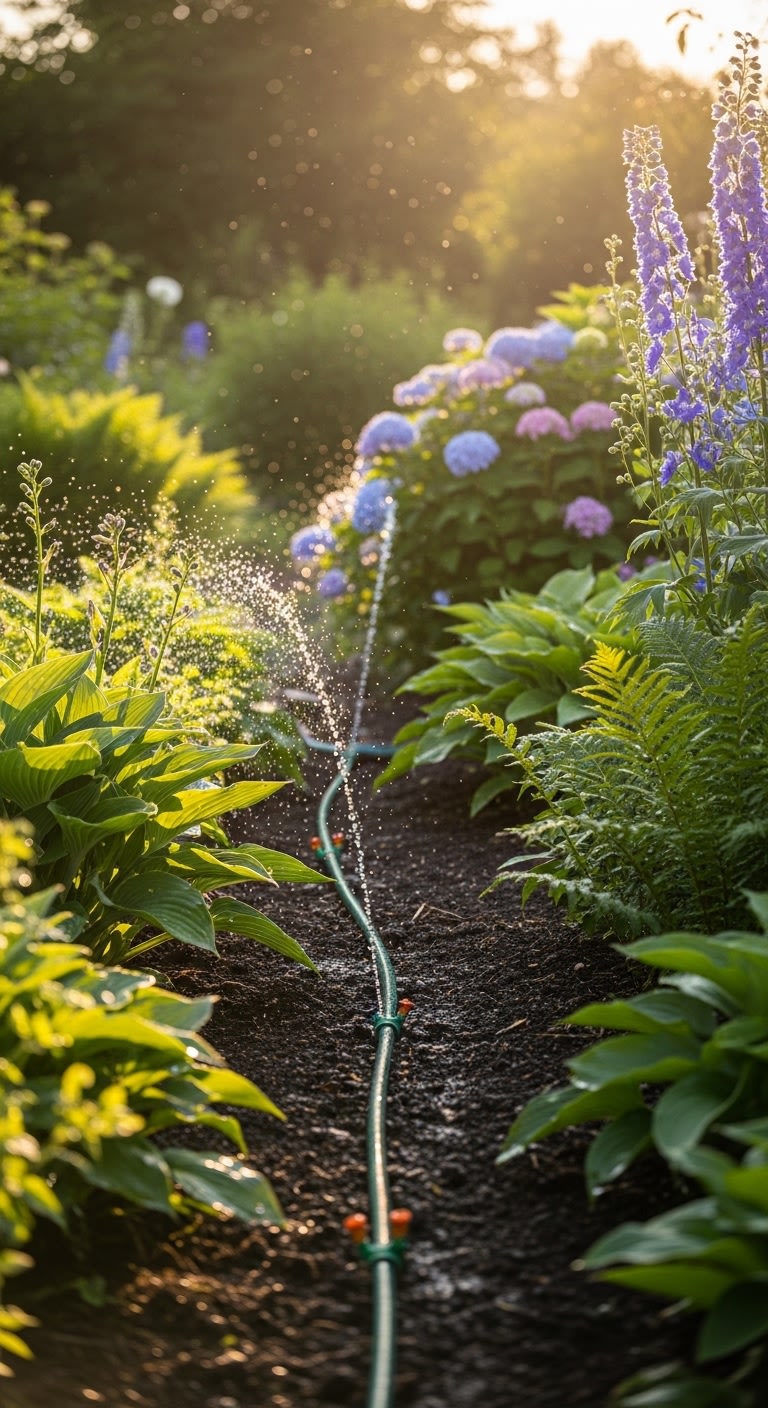
Consistent watering is essential for your garden’s success. Newly planted seeds and seedlings need regular moisture to establish roots but avoid over-watering, as this can lead to root rot. A simple rule is to water deeply but less frequently, promoting deep root growth. Using a soaker hose or drip irrigation can be effective and conserve water.
In addition to watering, keep an eye out for weeds and pests. Regularly check your plants and remove any weeds by hand or with a hoe to minimize competition for nutrients. You may also need to apply organic fertilizers or compost throughout the growing season to replenish soil nutrients.
Example: Water your garden every 3-4 days during dry spells.
Pro Tips:
- Water early in the morning to minimize evaporation.
- Mulch around plants to suppress weeds and retain moisture.
- Rotate your crops each year to prevent soil depletion.
Step 6: Pest Control and Protection
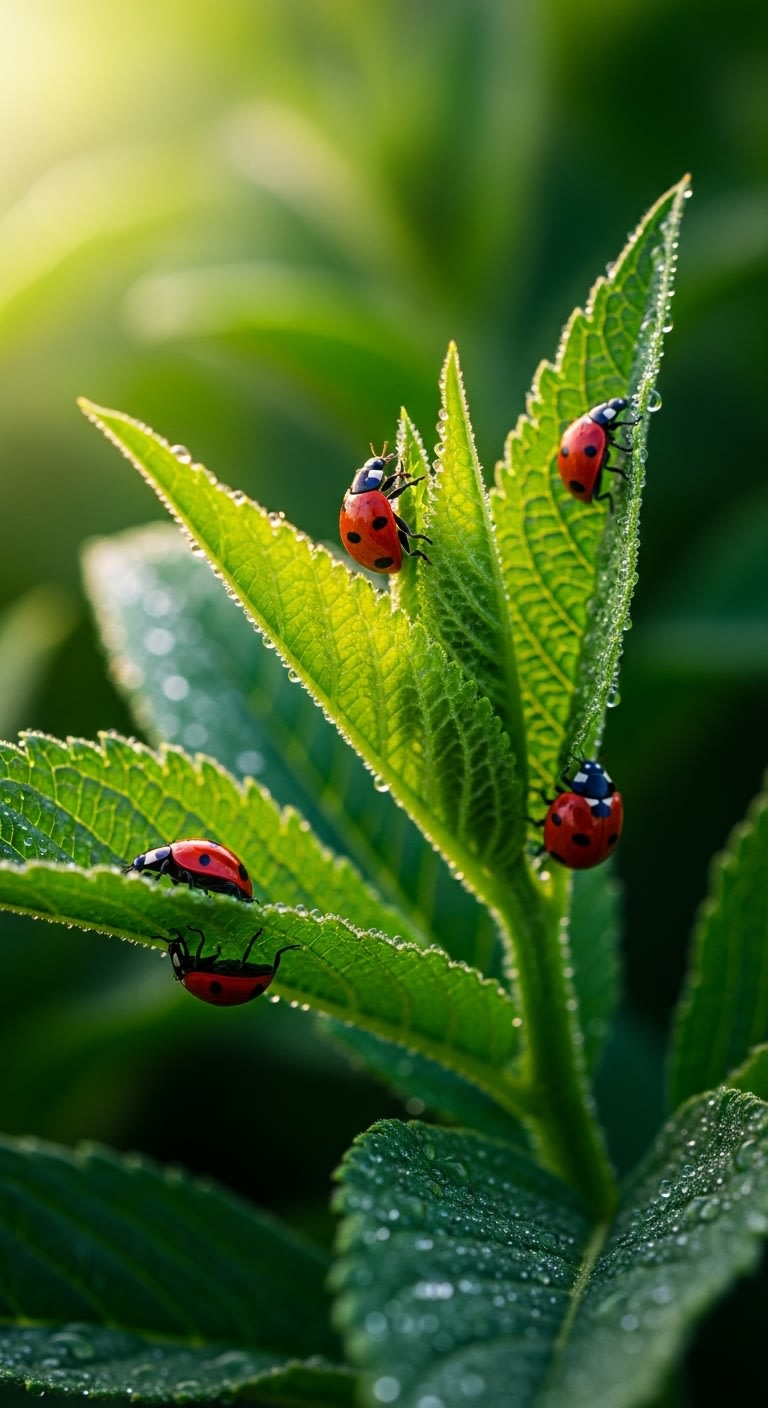
Pests can be a gardener’s worst enemy, but there are plenty of ways to manage them without resorting to harsh chemicals. Start by encouraging beneficial insects like ladybugs and lacewings, which feed on harmful pests. Planting flowers like marigolds can also attract these helpful critters.
If you notice pests on your plants, try removing them by hand or using a gentle spray of water. You can also use insecticidal soap or neem oil as natural alternatives. Additionally, consider using row covers or netting to protect your plants from larger pests like birds and rabbits.
Example: Introduce ladybugs to help keep aphids at bay.
Pro Tips:
- Regularly inspect your plants for early signs of infestation.
- Rotate plants to disrupt pest life cycles.
- Use companion planting to deter pests naturally.
Step 7: Harvesting Your Crops

The excitement peaks when it’s time to harvest your crops. Each plant has its own signs of readiness, so it’s important to know when to pick. For example, tomatoes should be harvested when they are fully colored and slightly soft to the touch, while leafy greens can be cut as needed.
Use clean, sharp tools to cut your produce and avoid damaging the plant. Harvesting regularly encourages further growth and can lead to a bountiful second crop. Enjoy the fruits of your labor by preparing fresh meals with your homegrown produce!
Example: Pick peppers when they are firm and glossy for the best flavor.
Pro Tips:
- Harvest in the morning for the best flavor and crispness.
- Check daily as some crops can ripen quickly.
- Save seeds from your best plants for next year’s garden.
Step 8: Storing and Using Your Produce

Once you’ve harvested your crops, it’s important to know how to store them properly to maintain freshness. Leafy greens should be rinsed and stored in damp paper towels inside a container, while root vegetables can be kept in a cool, dark place.
Consider preserving your harvest by canning, freezing, or drying excess produce. This can extend the life of your bounty and provide delicious ingredients for meals throughout the year. Get creative with recipes, using your homegrown vegetables to make salads, sauces, and stir-fries that nourish your family.
Example: Freeze extra zucchini in slices for later use in soups and casseroles.
Pro Tips:
- Use airtight containers for longer-lasting freshness.
- Label your preserved foods with dates to track usage.
- Explore new recipes to make the most of your harvest.
Advanced Tips
Soil Testing
Consider performing regular soil tests to monitor pH and nutrient levels. This can help you understand what amendments to add, ensuring your plants receive the proper nutrients for optimal growth. Testing kits are available at garden centers or online, making this an accessible task for every gardener.
Companion Planting
Utilize companion planting techniques to maximize your garden’s productivity and health. For example, planting basil near tomatoes can enhance flavor and deter pests. Research which plants benefit each other and implement these strategies to create a thriving ecosystem in your backyard.
Crop Rotation
Practice crop rotation each growing season to enhance soil fertility and reduce pest build-up. By alternating the types of plants grown in specific areas, you can help maintain nutrient levels and minimize disease risks, leading to healthier crops year after year.
Season Extension
Utilize techniques such as row covers, cold frames, or hoop houses to extend your growing season. These methods allow you to start planting earlier in the spring and continue harvesting later into the fall, maximizing the productivity of your garden and ensuring you have fresh produce for longer.
Tools & Resources
- Garden Fork — A garden fork is essential for loosening and aerating soil. It helps improve drainage and prepares the ground for planting, ensuring a healthy start for your crops. — Available at: Home Depot, Lowe’s, Amazon
- Soil Test Kit — A soil test kit helps you determine the pH and nutrient levels in your garden. Understanding your soil’s composition allows you to make informed amendments for optimal plant growth. — Available at: Local garden centers, Amazon
- Drip Irrigation System — A drip irrigation system provides consistent moisture directly to the plant roots, conserving water and reducing weed growth. It’s an efficient way to ensure your garden stays hydrated. — Available at: Home Depot, Lowe’s, Amazon
- Compost Bin — A compost bin enables you to recycle kitchen scraps and yard waste into nutrient-rich compost. This natural fertilizer enhances soil quality and promotes healthy plant growth. — Available at: Local garden centers, Amazon
- Garden Trowel — A garden trowel is a versatile tool that is useful for digging, planting, and transplanting. It’s a must-have for any gardener looking to maintain their plants with ease. — Available at: Home Depot, Lowe’s, Amazon
Frequently Asked Questions
What vegetables are easiest to grow in a backyard garden?
Some of the easiest vegetables for beginners include lettuce, radishes, and zucchini. These plants germinate quickly and require minimal care, making them perfect for new gardeners. Additionally, herbs like basil and parsley are also simple to grow and can enhance your meals.
When starting, it’s advisable to choose varieties that are well-suited to your local climate and growing conditions to ensure success.
How much space do I need for a backyard garden?
The space you need can vary greatly depending on what you want to grow. Even a small area, such as a few pots or a raised bed, can yield a surprising amount of produce. A common recommendation is to start with a 4×4 foot plot, which can accommodate a variety of vegetables and herbs.
As you gain experience, you can expand your garden space based on your needs and preferences.
How often should I water my garden?
Watering frequency will depend on your climate, plant type, and soil conditions. A general rule of thumb is to water deeply once or twice a week, allowing the soil to dry out slightly between watering. This encourages deep root growth and helps prevent over-watering.
During hotter periods, you may need to increase watering frequency, while cooler or rainy conditions may require less. Regularly check your plants for signs of drought stress or overwatering.
What should I do if I see pests in my garden?
If you spot pests, start by identifying them to determine the best control method. Many pests can be removed manually or with a strong spray of water. For more stubborn infestations, consider using organic methods like insecticidal soap or neem oil.
Additionally, implementing preventive measures such as attracting beneficial insects and using physical barriers can help manage pest populations effectively.
What are the benefits of organic gardening?
Organic gardening promotes healthier soil and biodiversity by avoiding synthetic chemicals and fertilizers. It encourages the use of natural pest control methods, which can lead to a more balanced ecosystem in your garden. Additionally, organic produce is often fresher and more flavorful, providing better nutrition for your family.
By practicing organic gardening, you contribute to environmental health and sustainability, making it a rewarding choice for both you and the planet.
Gardening is an enriching experience that offers not only fresh produce but also a deeper connection to the earth and your food. As you embark on this journey, remember that every step, from planning to harvesting, is a chance to learn and grow—just like your plants. Embrace the challenges and celebrate the victories, knowing that you are nurturing your family’s health and well-being.
Now that you have the tools and knowledge to start your backyard garden, take that first step today. Your family will thank you for the delicious, nutritious meals that come straight from your own backyard!
Leave a Comment