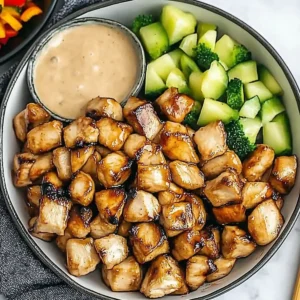
After a long day filled with endless tasks and fast food runs, I recently found myself craving something special—something homemade that would transport me straight to the flavorful world of hibachi grill dining. The moment I took the first bite of this Hibachi Chicken, I was swept away by the sweet and savory taste that danced on my palate, reminiscent of my favorite Japanese steakhouse.

Jump to:
It turned out that whipping up this delightful dish at home was not only easy but also incredibly satisfying. With just a handful of ingredients and a quick prep time, I transformed simple chicken breasts into a gourmet meal that had my family asking for seconds. The combination of soy sauce, garlic, and honey creates a beautiful glaze, while the tender vegetables add just the right crunch alongside fluffy rice.
Whether you’re looking to impress guests or simply elevate your weeknight dinners, this Hibachi Chicken is the answer. Gather your cooking gear and prepare to indulge your taste buds—your kitchen will soon be filled with irresistible aromas. Let’s dive in!
Why You'll Love This Hibachi Chicken
- This Hibachi Chicken is incredibly easy to make, allowing you to whip up a delicious meal in just 40 minutes.
- The flavor profile is a delightful blend of sweet and savory, tantalizing your taste buds with each bite.
- It’s a versatile dish that can easily accommodate different vegetables or paired with various sides to suit your family’s preferences.
- Not only does it look stunning on the plate with vibrant colors, but it also makes for a crowd-pleasing option for gatherings and special occasions.
Hibachi Chicken Ingredients
• Get ready to create a mouthwatering dish!
For the Chicken
- Chicken breast – boneless, skinless is ideal for tender bites.
- Soy sauce – adds a rich umami flavor that’s key to Hibachi Chicken.
- Garlic powder – provides a warm, aromatic kick.
- Ginger powder – brings a subtle spice that perfectly complements the chicken.
- Honey – sweetens the marinade and helps create a delicious glaze.
- Rice vinegar – adds a tangy note to balance the sweetness.
For Cooking
- Vegetable oil – use for sautéing, giving your chicken a beautiful sear.
- Sesame oil – optional, but it enhances the nutty flavor if used.
For Serving
- Cooked rice – serves as a delightful base for your Hibachi Chicken.
- Mixed vegetables – choose your favorites for a colorful, crunchy addition.
- Green onions – sliced for a fresh garnish that adds a pop of flavor.
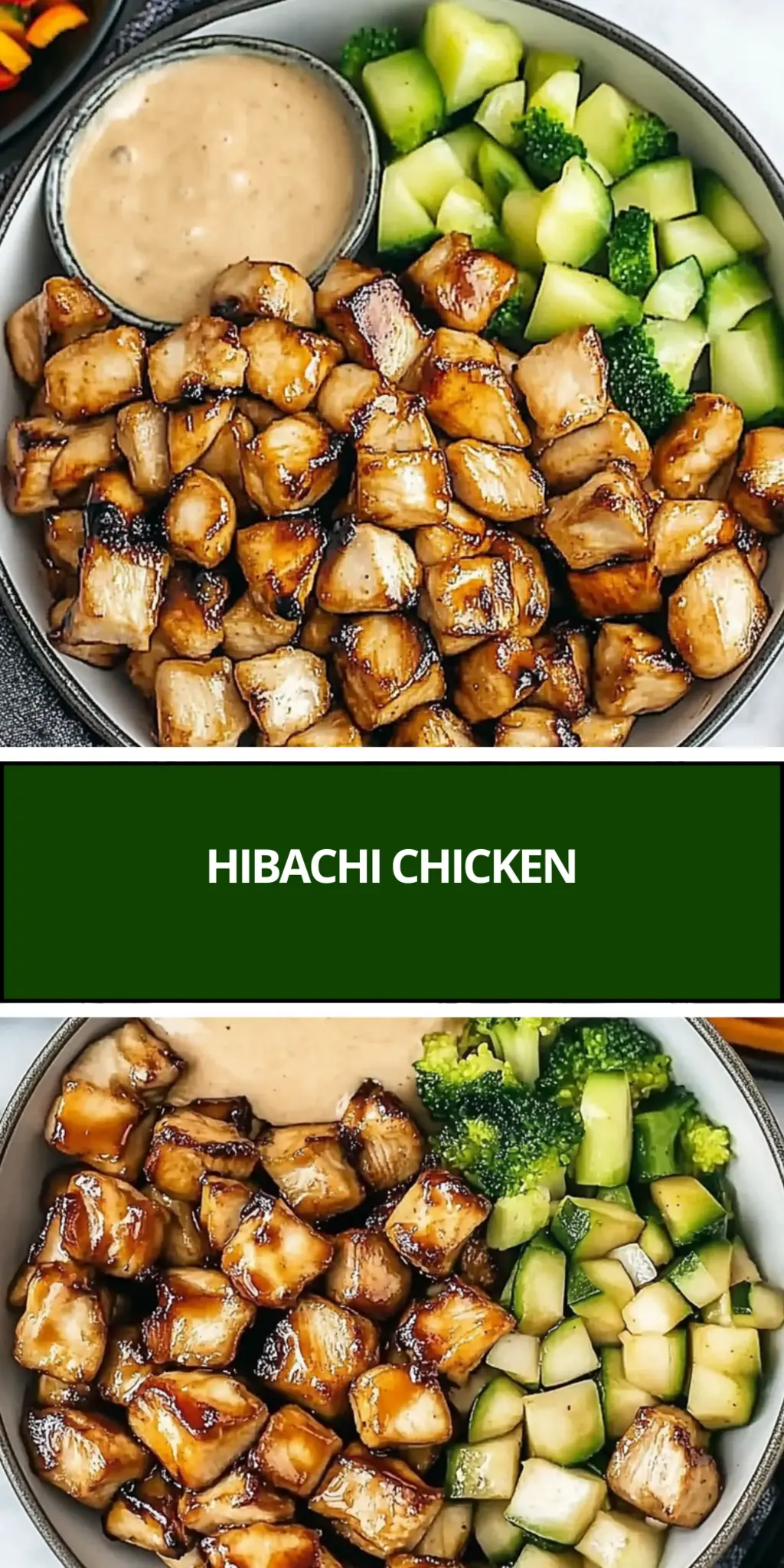
How to Make Hibachi Chicken
Marinate the chicken in a mixture of soy sauce, garlic powder, ginger powder, honey, and rice vinegar. Let it soak for at least 30 minutes, allowing all those flavors to infuse the chicken.
Heat vegetable oil in a large skillet over medium-high heat. This will prepare the perfect canvas for a delicious sear, bringing out the lovely flavors of the chicken.
Add the marinated chicken to the skillet and cook until browned, about 5-7 minutes. You’ll know it’s ready when the chicken is golden brown and gives off a tempting aroma.
Stir in the mixed vegetables, cooking until they’re tender, about 3-5 minutes. This step enhances your dish with a vibrant medley of flavors and textures.
Finish by stirring in sesame oil (if using), which will give your dish a rich, nutty flavor. Serve it over fluffy cooked rice, topped with sliced green onions for that perfect touch.
Optional: Garnish with toasted sesame seeds for an extra layer of flavor and crunch.
Exact quantities are listed in the recipe card below.
Hibachi Chicken Variations
Personalize your Hibachi Chicken and discover new flavor profiles that spark joy in your kitchen!
Gluten-Free: Swap regular soy sauce for tamari or coconut aminos for a gluten-free alternative; the taste remains deliciously intact.
Spicy Kick: Add a teaspoon of red pepper flakes or a dash of sriracha to the marinade for a fiery twist that awakens the taste buds. This addition can really elevate the dish if you enjoy some heat!
Pineapple Bliss: Incorporate chunks of fresh pineapple when you add the mixed vegetables for a tropical, sweet contrast that harmonizes beautifully with the savory chicken.
Vegetable Medley: Experiment with seasonal vegetables like zucchini, bell peppers, or snap peas to create a vibrant dish that’s both crunchy and colorful. Fresh zucchini adds a lovely texture and absorbs all those wonderful flavors!
Herbal Infusion: Toss in fresh herbs like cilantro or Thai basil right before serving for a fragrant finish that brings brightness and a burst of freshness to your plate.
Coconut Rice: Cook your rice with coconut milk instead of water for a creamy, aromatic base that complements the flavors of the Hibachi Chicken wonderfully.
Soy-Free: For a soy-free version, try a mix of apple cider vinegar, lemon juice, and a pinch of salt to marinade the chicken while still achieving a tasty result. This alternative brings its own unique depth without soy.
Sesame Crunch: Top your finished dish with toasted sesame seeds or crushed peanuts for an extra layer of crunch that enhances each bite. This little twist adds a delightful nutty flavor that can be utterly irresistible!
What to Serve with Hibachi Chicken?
Imagine a picturesque dinner table filled with vibrant colors and enticing aromas, perfectly complementing the rich flavors of your homemade Hibachi Chicken.
Steamed Broccoli: This green marvel brings a light, crunchy texture that contrasts beautifully with the savory chicken, enhancing the overall flavor profile.
Japanese Fried Rice: A classic pairing, this dish adds a satisfying heartiness. The garlic and ginger notes in the fried rice tie in seamlessly with the chicken’s marinade.
Cucumber Salad: Refreshing and crisp, a cucumber salad with a tangy vinaigrette provides a zesty counterbalance to the meal’s richness, leaving you wanting more.
Miso Soup: Warm and comforting, miso soup introduces a touch of umami that complements Hibachi Chicken, rounding out your meal with a soothing sip.
Sesame Noodles: These noodles, tossed in a savory sauce, offer a delightful slurp and pair wonderfully with the tender bites of chicken.
Chilled Sake: Elevate your dining experience with a glass of chilled sake. Its smoothness not only refreshes but deepens the flavors of the meal.
Pairing these delightful options with your Hibachi Chicken will transform your dinner into a culinary experience, balancing taste, texture, and warmth. Enjoy!
Make Ahead Options
Preparing Hibachi Chicken ahead of time is a fantastic way to streamline your meal prep and save precious time on busy weeknights. You can marinate the chicken up to 24 hours in advance in the soy sauce, garlic powder, ginger powder, honey, and rice vinegar mixture, which allows the flavors to deepen beautifully. Store the marinated chicken in an airtight container in the refrigerator until you’re ready to cook. The mixed vegetables can also be chopped and refrigerated for up to 3 days—just keep them in a sealed bag to maintain their freshness. When it’s time to cook, simply heat the oil, brown the marinated chicken, and stir in the prepared vegetables, ensuring quick and easy preparation while still delivering delicious, restaurant-quality Hibachi Chicken.
How to Store and Freeze Hibachi Chicken
Fridge: Keep your Hibachi Chicken in an airtight container for up to 3 days. Make sure to let it cool completely before storing to maintain freshness.
Freezer: Freeze the cooled Hibachi Chicken in a well-sealed freezer bag for up to 3 months. Portion it out so you can easily thaw just what you need.
Reheating: To reheat, thaw in the fridge overnight and warm it gently in a skillet over medium heat, adding a splash of water or broth to keep it moist.
Room Temperature: It’s best to avoid leaving Hibachi Chicken at room temperature for more than 2 hours to ensure food safety.
Chef's Helpful Tips
- To ensure your Hibachi Chicken is full of flavor, always marinate the chicken for at least 30 minutes to allow the spices to penetrate the meat.
- A common mistake is to overcrowd the skillet, which can cause steaming instead of searing; cook in batches if necessary.
- When adding vegetables, consider the cook time of each type to ensure they are all perfectly tender; carrots may take longer than bell peppers, for instance.
- For the best results, maintain a medium-high heat to achieve that delicious browned exterior while keeping the inside moist and juicy.
Hibachi Chicken Recipe FAQs
What kind of chicken is best for Hibachi Chicken?
Absolutely! For Hibachi Chicken, boneless, skinless chicken breasts are ideal due to their tenderness and ease of cooking. If you’re looking for alternatives, you can use chicken thighs for a juicier bite or even shrimp for a seafood twist.
How should I store leftover Hibachi Chicken?
After enjoying your meal, store any leftover Hibachi Chicken in an airtight container in the refrigerator. It’ll stay fresh for up to 3 days. Make sure it cools down before sealing to maintain its moisture and flavor.
Can I freeze Hibachi Chicken?
Yes, you can! To freeze Hibachi Chicken, allow it to cool completely, then place it in a well-sealed freezer bag. This dish can be frozen for up to 3 months. When you’re ready to enjoy it again, simply thaw it overnight in the fridge before reheating.
What if my chicken is dry after cooking?
Very! If your Hibachi Chicken turns out dry, it may have been overcooked. Make sure you’re cooking it over medium-high heat and check for doneness around the 5-7 minute mark. For added flavor and moisture, remember to let it marinate for at least 30 minutes before cooking.
Can I use different vegetables in this recipe?
Yes! This Hibachi Chicken is highly versatile. Feel free to swap in your favorite vegetables. Bell peppers, snow peas, and zucchini are excellent choices that cook well. Just be mindful of their cooking times; add harder veggies like carrots earlier to ensure everything is done to perfection.
Are there any dietary concerns with Hibachi Chicken?
Of course! If you’re serving this dish to someone with dietary restrictions, it’s essential to check for allergies. The soy sauce contains gluten, so you may want to use a gluten-free variety. Additionally, always double-check the ingredient labels, especially for the honey, to ensure they align with dietary needs, particularly for vegans.
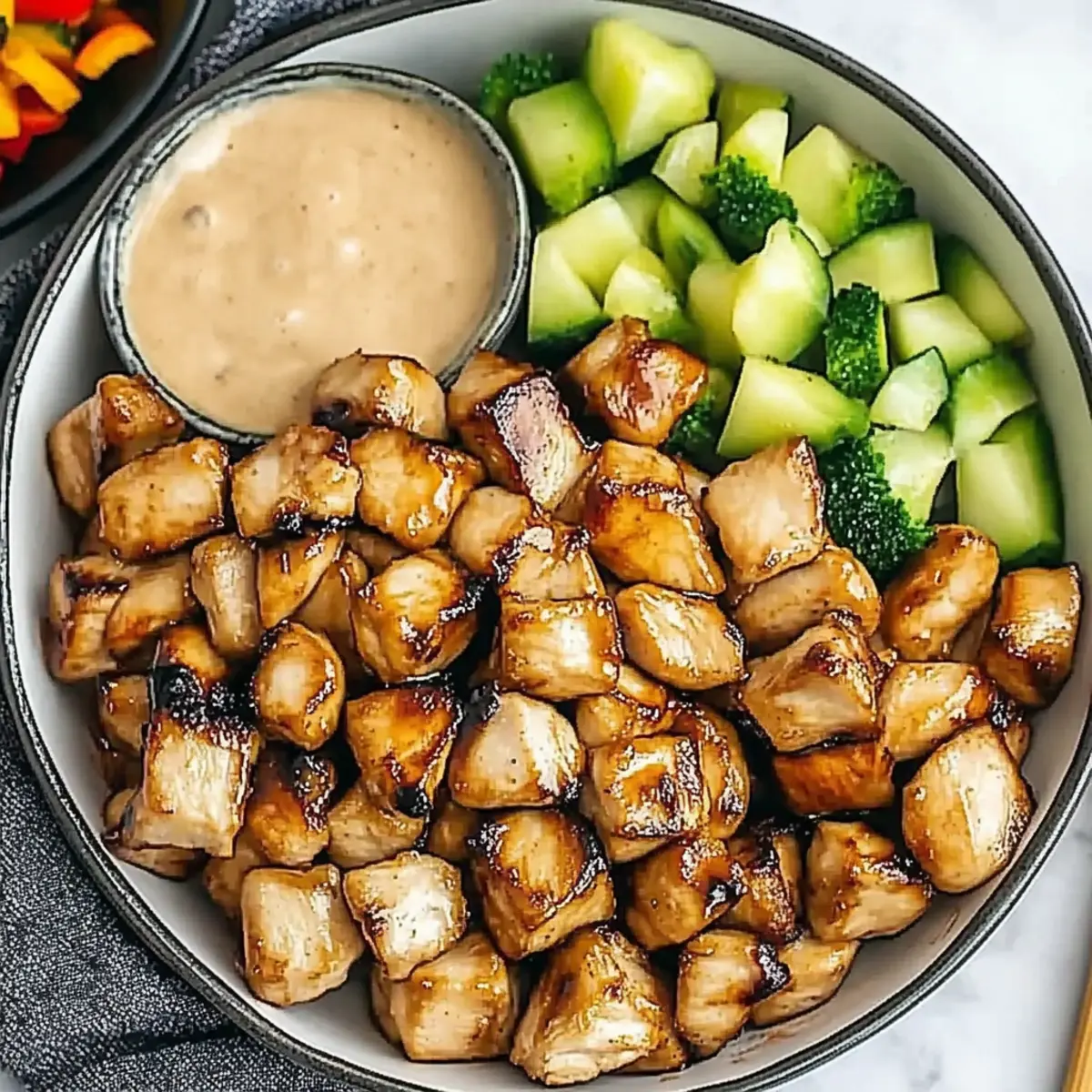
Hibachi Chicken
Ingredients
Equipment
Method
- Marinate the chicken in a mixture of soy sauce, garlic powder, ginger powder, honey, and rice vinegar for at least 30 minutes.
- Heat vegetable oil in a large skillet over medium-high heat.
- Add the marinated chicken to the skillet and cook until browned, about 5-7 minutes.
- Stir in the mixed vegetables and cook until tender, about 3-5 minutes.
- Finish by stirring in sesame oil (if using) and serve over the cooked rice, topped with green onions.