
As the gardening season approaches, many enthusiasts are seeking inspiration to transform their outdoor spaces into thriving vegetable gardens. This year, the focus is on innovative designs that not only yield fresh produce but also serve as beautiful retreats in your backyard. Whether you have a sprawling landscape or a modest balcony, there’s a vegetable garden style perfect for everyone.
From vertical gardens that save space to traditional raised beds filled with colorful heirloom varieties, the possibilities are endless. Each of these inspiring designs encourages eco-friendly practices, maximizes space, and promotes sustainability. Join us as we explore 13+ stunning vegetable garden ideas that will ignite your creativity and help you cultivate your green thumb in style.
1. Elevate Your Garden with Vertical Planting

Vertical gardens are becoming increasingly popular as they maximize space while adding visual interest to your outdoor area. By utilizing wall-mounted planters, trellises, or even repurposed pallets, you can create a stunning display of vegetables that grow upwards rather than outwards. This style not only saves ground space but also provides ample sunlight exposure for your plants.
When designing a vertical garden, consider using a variety of herbs and small vegetables like cherry tomatoes, lettuces, and peppers. These plants thrive in vertical settings and are easy to maintain. Make sure to choose a sturdy structure that can support the weight of the soil and plants, and ensure proper drainage to keep your plants healthy.
Additionally, vertical gardens can be a great way to introduce more greenery into urban spaces where ground space is limited. They can also serve as beautiful living walls that add a unique aesthetic to your home while providing fresh produce right at your fingertips.
2. Transform Your Patio with Container Gardening
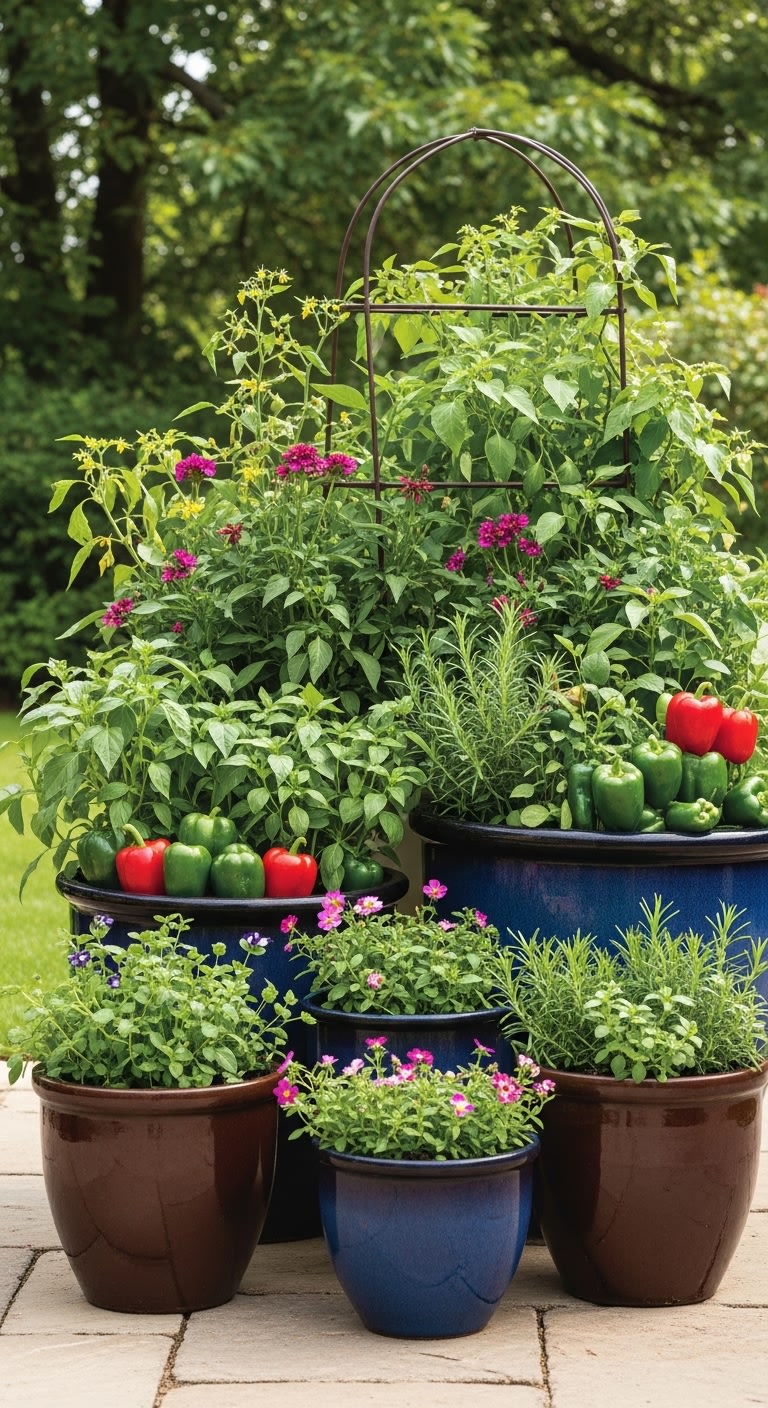
Container gardening offers a fantastic solution for those with limited space or poor soil conditions. With a variety of pots and planters, you can grow vegetables and herbs right on your patio or balcony. This method allows you to customize your garden layout while adding a decorative element to your outdoor space.
Choose containers that suit your style and are large enough for the plants you wish to grow. Herbs like basil, parsley, and cilantro thrive in pots, while larger vegetables like peppers and eggplants also do well when given adequate space. Be sure to use quality potting soil and ensure proper drainage for the health of your plants.
Furthermore, container gardens are highly versatile and can be moved according to sunlight exposure and weather conditions. Experimenting with different container sizes and arrangements can lead to a visually appealing and productive garden that makes the most of your available outdoor space.
3. Create a Raised Bed Haven

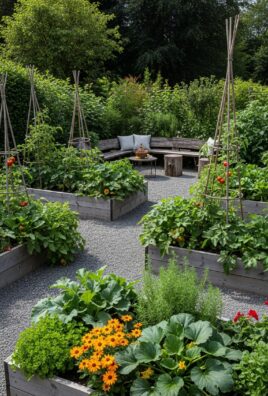
Raised garden beds are a gardener’s dream, providing a controlled environment for growing vegetables. They offer better drainage, improved soil quality, and easier access for planting and harvesting. Plus, they can be designed to fit any space, from small backyards to expansive landscapes.
Building raised beds can be as simple as stacking wooden planks or using pre-made kits. Fill them with nutrient-rich soil and compost to give your plants the best start possible. Popular choices for raised beds include carrots, radishes, and leafy greens, which flourish in the elevated soil.
Additionally, raised beds can be designed with aesthetics in mind, incorporating decorative elements like trellises for climbing plants or pathways for easy access. They not only enhance your gardening experience but also add a structured beauty to your outdoor space, making them a fantastic choice for any vegetable garden enthusiast.
4. Incorporate Edible Landscaping

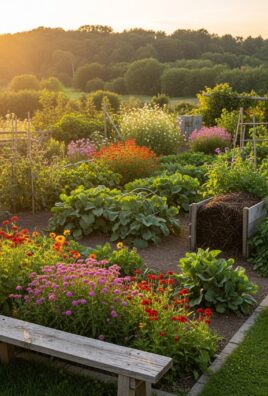
Edible landscaping is an innovative approach that integrates food-producing plants into your traditional landscape design. This method allows you to grow vegetables, fruits, and herbs alongside ornamental plants, creating a stunning and functional garden. The result is a beautiful outdoor space that provides both aesthetics and sustenance.
When planning your edible landscape, think about layering plants for visual interest and diversity. Consider combining flowering plants like marigolds with vegetables such as kale and peppers. This not only enhances the beauty of your garden but also attracts beneficial pollinators and deters pests.
Moreover, edible landscaping can be tailored to fit any space, whether you have a small courtyard or a large backyard. By incorporating edible plants into your existing design, you can enjoy fresh produce while maintaining a visually appealing environment that reflects your personal style.
5. Design a Themed Vegetable Garden

Themed vegetable gardens offer a fun and creative way to grow your produce. By selecting a theme, such as Mediterranean, Italian, or even a rainbow garden, you can create a unique space that reflects your culinary interests or aesthetic preferences. This approach not only adds visual appeal but also helps organize your garden effectively.
When designing a themed garden, choose plants that align with your theme. For instance, a Mediterranean garden might include tomatoes, basil, and peppers, while a rainbow garden could feature colorful varieties of carrots, tomatoes, and leafy greens. This not only makes the garden visually stunning but also encourages the use of diverse flavors in your cooking.
Additionally, themed gardens can serve as a focal point in your yard. Incorporating decorative elements such as signage, color-coordinated pots, or even themed garden decor can enhance the overall design. This creative approach will inspire you to experiment with new recipes while enjoying the beauty of your selected theme throughout the growing season.
6. Embrace Companion Planting
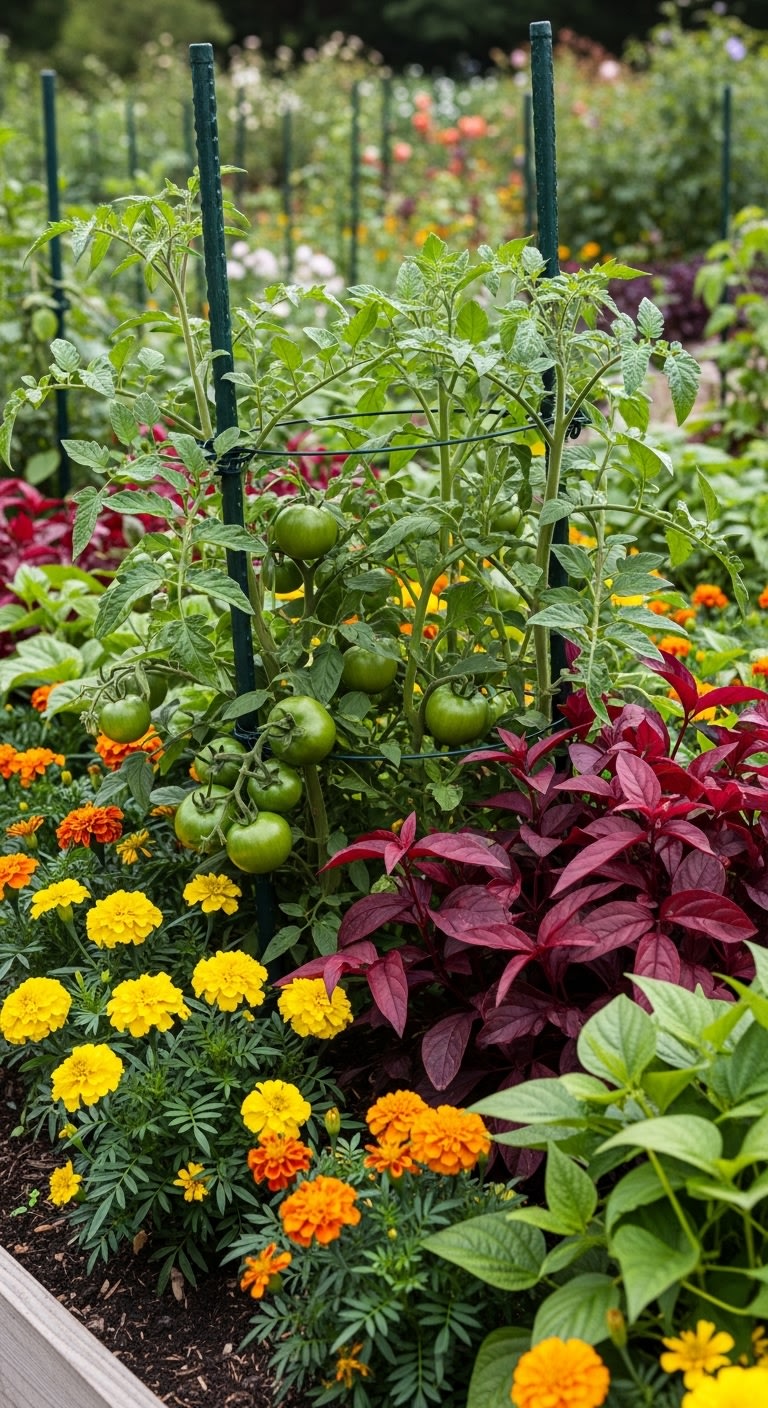
Companion planting is an age-old gardening technique that involves pairing plants together to enhance growth and deter pests. By understanding the natural relationships between different species, you can create a thriving vegetable garden that benefits from mutual support. This method not only maximizes space but also promotes a healthier ecosystem in your garden.
For example, planting marigolds alongside tomatoes can help repel harmful pests, while growing beans with corn can provide natural support for the taller plants. This symbiotic relationship improves the health and yield of your crops, making companion planting a smart choice for any gardener.
Experiment with different pairings to see what works best in your garden. Keep in mind the specific needs of each plant regarding sunlight, water, and soil type. By incorporating companion planting into your vegetable garden design, you can create a flourishing, sustainable environment that yields abundant harvests.
7. Utilize Hydroponics for Space-Saving Solutions

Hydroponic gardening is an innovative method that allows you to grow plants without soil, using nutrient-rich water instead. This technique is particularly beneficial for those with limited space or poor soil quality, as it can be done indoors or on small patios. Hydroponics not only saves space but also accelerates plant growth, making it an attractive option for urban gardeners.
Setting up a hydroponic system may seem daunting, but there are numerous kits available for beginners. You can grow a variety of vegetables, such as lettuce, herbs, and strawberries, all year round. As the plants receive direct access to nutrients, they often grow faster and produce higher yields compared to traditional soil gardening.
Incorporating hydroponics into your vegetable garden can also lead to reduced water usage and fewer pests, creating a more sustainable growing environment. This modern approach to gardening allows you to enjoy fresh produce regardless of your living situation, making it an ideal solution for city dwellers and those looking to innovate their gardening practices.
9. Create a Vertical Garden Oasis

Transform any small outdoor space into a lush, green oasis by incorporating a vertical garden. This innovative gardening technique allows you to grow a diverse range of vegetables, herbs, and even flowers in a compact area, making it perfect for urban dwellers or those with limited yard space. Use wall-mounted planters, trellises, or vertical planting systems to maximize your growing potential.
When planning your vertical garden, consider the sunlight exposure and the types of plants that thrive in your climate. Opt for sun-loving vegetables like tomatoes and peppers on the upper tiers where they can receive ample sunlight. Meanwhile, trailing herbs like basil and mint can thrive in the lower sections, providing both aroma and accessibility. Ensure that your chosen system allows for adequate drainage to prevent waterlogging.
Integrating a drip irrigation system can help to automate watering and keep your plants healthy. Decorate your vertical garden with reflective materials or decorative pots to add an artistic touch to your green wall. This method not only enhances your outdoor living space but also promotes a green lifestyle that contributes positively to the environment.
10. Incorporate a Pollinator-Friendly Habitat

Enhance your vegetable garden by creating a pollinator-friendly habitat that attracts bees, butterflies, and other beneficial insects. These creatures play a vital role in ensuring the successful pollination of your plants, leading to a bountiful harvest. A well-designed pollinator garden can include native flowering plants, herbs, and shrubs that provide nectar and pollen throughout the growing season.
Choose a variety of flowers in different colors, shapes, and sizes to appeal to a wide range of pollinators. For instance, sunflowers, lavender, and bee balm are excellent choices that can coexist beautifully with your vegetables. Arrange your plants in clusters to make it easier for pollinators to find them and encourage them to visit your garden regularly.
In addition to plants, consider adding habitat features like a small water source, native grasses, or brush piles to provide shelter for pollinators. Avoid using pesticides, as they can harm beneficial insects. By fostering a pollinator-friendly environment, you are not only ensuring the health of your vegetable garden but also contributing to local biodiversity.
11. Utilize Container Gardening for Flexibility
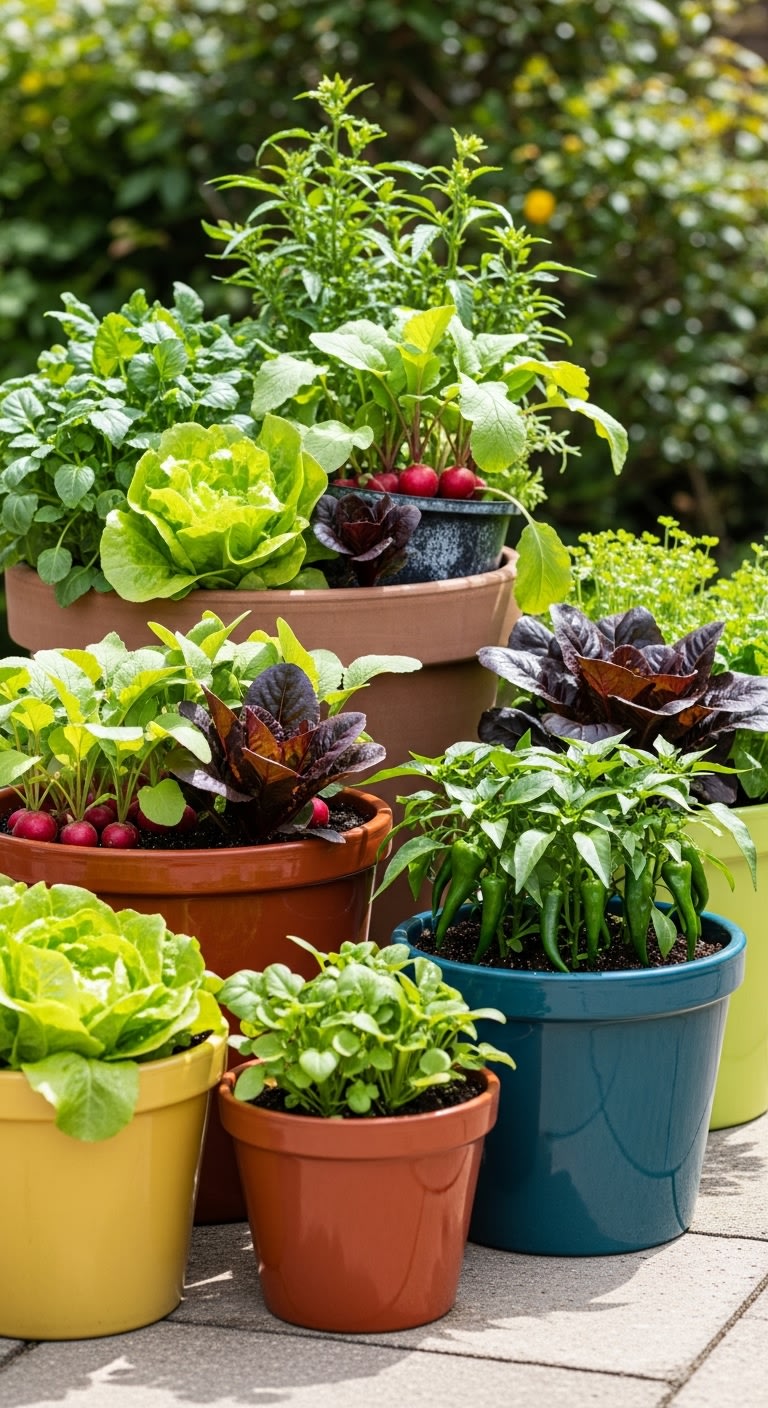
Container gardening is an excellent option for those looking to grow vegetables in small spaces or on patios and balconies. This method allows for easy mobility and flexibility, as you can rearrange your containers to suit seasonal changes in sunlight and temperature. You can use a variety of containers, including pots, hanging baskets, or even repurposed materials, to create a unique and stylish garden.
When selecting containers, ensure they have adequate drainage holes and are made from materials that retain moisture without overheating. Choose soil that is specifically formulated for container gardening to support healthy root development. Plant a mix of fast-growing vegetables like lettuce, radishes, and herbs alongside longer-term crops like peppers and eggplants to maximize your harvest throughout the season.
In addition to aesthetics, container gardening can also help mitigate soil-borne pests and diseases. Group containers together to create microclimates that can enhance growth while adding visual appeal. By leveraging container gardening, you can cultivate a flourishing vegetable garden that adapts to your lifestyle and space constraints.
12. Embrace Permaculture Principles

Permaculture principles offer a sustainable approach to vegetable gardening that mimics natural ecosystems. By designing your garden to create synergistic relationships between plants, animals, and the environment, you can optimize productivity while minimizing resource input. Start by observing your garden’s natural elements and plan the layout accordingly, focusing on water management, soil health, and biodiversity.
Incorporate a mix of perennials and annuals, utilizing companion planting to maximize yields and reduce pest issues. For instance, planting legumes can fix nitrogen in the soil, benefiting neighboring plants. Additionally, implementing mulch can help retain moisture and suppress weeds, creating a healthier growing environment for your vegetables.
Establish zones within your garden to prioritize the care and harvesting of different crops based on their needs. This method not only improves efficiency but also fosters a deeper connection with the land and promotes long-term sustainability. By adopting permaculture practices, you will cultivate a resilient vegetable garden that thrives in harmony with nature.
13. Integrate Garden Art for Inspiration

Elevate your vegetable garden by integrating garden art that adds personality and inspiration to your outdoor space. Creative installations of sculptures, trellises, and decorative accents can transform a simple garden into a visually captivating sanctuary. Consider using materials that blend harmoniously with your plants, such as wrought iron, recycled wood, or even stone.
Choose art pieces that reflect your personal style while remaining functional. For instance, decorative trellises can provide support for climbing vegetables, while colorful sculptures can serve as eye-catching focal points. You might also think about incorporating wind chimes or reflective garden stakes that can bring a sense of movement and life to your garden.
Strategically placing art can create zones within your garden that invite exploration, encouraging you to spend more time outdoors. Remember to consider the scale of your artwork relative to your plants to ensure a balanced look. By embracing garden art, you can create a unique and inspiring vegetable garden that expresses your creativity and passion for gardening.
Frequently Asked Questions
What vegetables are best for small spaces?
If you’re gardening in a small space, opt for compact varieties of vegetables that thrive in containers or vertical gardens. Vegetables like cherry tomatoes, bell peppers, and herbs such as basil and parsley are excellent choices. These plants not only yield a good harvest but also add aesthetic appeal to your space.
Additionally, consider growing leafy greens like spinach and lettuce, which can be harvested multiple times throughout the season. Crops like radishes and baby carrots grow quickly and can be sown in succession to maximize yield. The key is to choose plants that are well-suited for container gardening or vertical setups, ensuring that you make the most of your limited space.
How do I start a vegetable garden for beginners?
Starting a vegetable garden can be an exciting endeavor for beginners. Begin by selecting a sunny location in your yard or on your balcony that receives at least 6-8 hours of sunlight daily. Choose easy-to-grow vegetables like radishes, lettuce, and tomatoes to build your confidence.
Before planting, prepare the soil by enriching it with compost or organic matter. Follow the planting instructions for each vegetable, paying attention to spacing and depth. Regular watering and weeding will help your garden thrive. As you gain experience, you can experiment with more challenging plants and techniques to expand your gardening skills.
What is the best time to plant vegetables?
The best time to plant vegetables largely depends on your local climate and the specific vegetables you wish to grow. Generally, spring is the ideal time for most crops, as the soil warms and frost risks diminish. However, some vegetables, like peas and certain greens, can be sown early in spring as soon as the ground can be worked.
For warmer-season vegetables like tomatoes, peppers, and cucumbers, wait until after the last frost date in your area. You can also extend your growing season by using techniques like row covers or starting seedlings indoors. Researching your local planting calendar will help you determine the perfect timing for your vegetable garden.
How can I maintain my vegetable garden throughout the season?
Maintaining a vegetable garden requires consistent care and attention. Start with a regular watering schedule, ensuring your plants receive adequate moisture, especially during dry spells. Mulching around your plants can help retain soil moisture and suppress weeds.
Additionally, monitor your garden for pests and diseases. Early detection is crucial, so inspect your plants regularly. Use organic pest control methods if necessary, such as neem oil or insecticidal soap. Pruning and harvesting plants regularly will also encourage healthy growth and maximize yields throughout the growing season.
What are the benefits of gardening for mental health?
Gardening has numerous benefits for mental health, providing an effective outlet for stress relief and relaxation. Spending time outdoors and engaging with nature can boost mood and reduce feelings of anxiety and depression. The physical activity involved in gardening also releases endorphins, contributing to a sense of well-being.
Furthermore, nurturing plants and watching them grow can instill a sense of accomplishment and purpose. Gardening fosters mindfulness and encourages you to be present in the moment, enhancing your overall mental clarity and focus. Whether you’re tending to a small container garden or a larger landscape, the therapeutic benefits of gardening are profound.
Incorporating these 13+ inspiring vegetable garden ideas into your outdoor space can elevate your gardening experience while providing fresh produce for your table. From vertical gardens that save space to themed landscapes that delight the senses, each design offers unique benefits that cater to various lifestyles and preferences.
As you embark on your gardening journey, remember that creativity and experimentation are key to success. Don’t be afraid to mix and match techniques, try new plants, and adapt your garden to your specific needs. With the right approach, you’ll not only grow a stunning vegetable garden but also cultivate a space that nourishes both the body and soul.
Leave a Comment