
Imagine stepping outside your front door and being greeted by a vibrant, lush garden that not only beautifies your home but also offers delicious, fresh produce. Turning your front yard into an edible garden is not only a rewarding project but also a sustainable way to enjoy nature’s bounty right at your doorstep. Whether you’re a seasoned gardener or a beginner, the thrill of planting, nurturing, and harvesting your own fruits, vegetables, and herbs can be incredibly fulfilling.
In a world where convenience often takes precedence, why not take a step back and reconnect with the earth? An edible garden can transform your outdoor space into a sanctuary of health and wellness. With a little planning and creativity, you can create a flourishing garden that reflects your personal style while providing fresh ingredients for your meals. Let’s dive into the steps that will turn your front yard into a beautiful, productive edible oasis that you can cherish for years to come.
Table of Contents
- Understanding Edible Gardens
- Choosing the Right Location
- Planning Your Garden Layout
- Selecting Plants for Your Edible Garden
- Preparing Your Soil
- Planting Your Edibles
- Caring for Your Garden
- Harvesting Your Crops
- Dealing with Pests Naturally
- Sustaining Your Edible Garden
What Is It?
An edible garden is a space where you cultivate fruits, vegetables, herbs, and even flowers that are not just visually appealing but also provide food. Unlike traditional gardens that focus solely on ornamental plants, edible gardens combine beauty and utility. They can be designed in various styles to fit any front yard, from raised beds to vertical gardens, making them versatile for different spaces.
Creating an edible garden allows you to enjoy the process of growing your own food, providing a sense of accomplishment and connection to nature. You can choose plants that suit your culinary preferences and taste, transforming your front yard into a delicious landscape that can also attract beneficial wildlife. This blend of aesthetics and functionality is what makes edible gardens increasingly popular among homeowners.
- Edible gardens combine aesthetics with food production.
- They can be designed in various styles to suit any space.
- Growing your own food fosters a connection to nature.
- You can choose plants based on personal taste and culinary use.
How It Works
The science behind an edible garden involves understanding plant growth, soil health, and the ecosystem. Plants require specific conditions such as sunlight, water, and nutrients to thrive. By selecting the right location and preparing the soil appropriately, you create an environment where plants can flourish. Additionally, incorporating companion planting can enhance growth and deter pests naturally.
Biodiversity plays a crucial role in a successful edible garden, as it encourages pollinators and beneficial insects that help in the growth process. Understanding these principles will help you cultivate a garden that not only looks good but is also productive and sustainable over time.
- Plants need sunlight, water, and nutrients for growth.
- Soil preparation is essential for plant health.
- Companion planting can enhance growth and deter pests.
- Biodiversity supports pollinators and beneficial insects.
Key Benefits
- Fresh Produce at Your Fingertips — Growing your own fruits and vegetables means you have fresh produce available right outside your door. No more trips to the grocery store for herbs or greens; you can simply snip what you need. This not only saves time but also enhances the flavor of your meals.
- Sustainable Living — An edible garden contributes to a more sustainable lifestyle by reducing your carbon footprint. You’ll rely less on store-bought produce, which often involves transportation and packaging. Plus, you can grow your food organically, avoiding harmful pesticides.
- Cost Savings — While there is an initial investment in setting up your garden, growing your own food can save you money in the long run. Fresh herbs, vegetables, and fruits can be expensive when purchased, and cultivating your own can significantly reduce grocery bills.
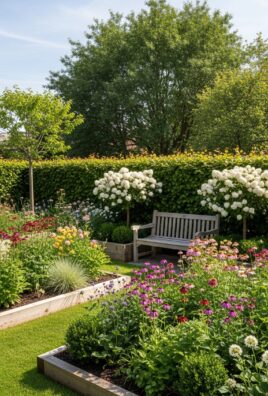
- Aesthetic Appeal — Edible gardens can be visually stunning. By choosing colorful plants and arranging them thoughtfully, you can create a beautiful landscape that enhances your home’s curb appeal while providing food. This unique blend of beauty and utility is a conversation starter.
- Health Benefits — Gardening is not only a productive hobby but also a form of exercise that promotes physical health. Spending time outdoors and nurturing plants can also improve mental well-being, providing a sense of peace and accomplishment.
Step-by-Step Guide
Step 1: Choose the Right Location


The first step in creating your edible garden is selecting the perfect location. Look for an area in your front yard that receives at least 6 to 8 hours of sunlight each day. Observe how the sunlight moves through your yard throughout the day, as some areas may become shaded in the afternoon. Additionally, consider the proximity to your kitchen for easy access when harvesting. Ensure the spot is also sheltered from strong winds and has good drainage to prevent waterlogging.
Once you’ve identified potential spots, take note of the existing soil and drainage conditions. This will help you decide whether you need to amend the soil or create raised beds for better drainage and soil quality.
Example: A sunny spot near your front porch could be ideal for an herb garden.
Pro Tips:
- Check for nearby trees that may cast shade later in the day.
- Observe how rainwater drains in different areas of your yard.
- Consider visibility from the street for aesthetic appeal.
Step 2: Plan Your Garden Layout


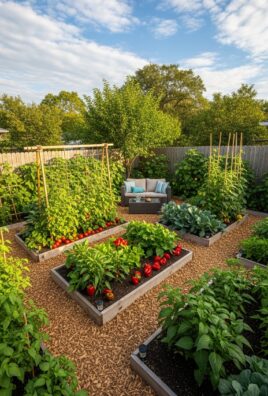
Once you’ve chosen the location, it’s time to design your garden layout. Sketch out a plan that includes the dimensions of your garden beds and the types of plants you want to grow. Consider the mature size of each plant and how they will fit together. It’s essential to space plants adequately to allow for air circulation and growth. Mixing taller plants, like tomatoes, with shorter ones, such as lettuce, creates a visually appealing and functional design.
Think about pathways as well to make it easy to access your plants for maintenance and harvesting. You can use stepping stones or mulch to define these paths while keeping the aesthetic cohesive. Also, consider incorporating vertical gardening methods to save space and add dimension to your garden.
Example: Sketch a layout that includes a raised bed for herbs and a trellis for climbing vines.
Pro Tips:
- Use graph paper to create a scaled drawing of your garden.
- Incorporate pathways to facilitate easy access.
- Plan for seasonal changes in sunlight exposure.
Step 3: Select Plants for Your Edible Garden
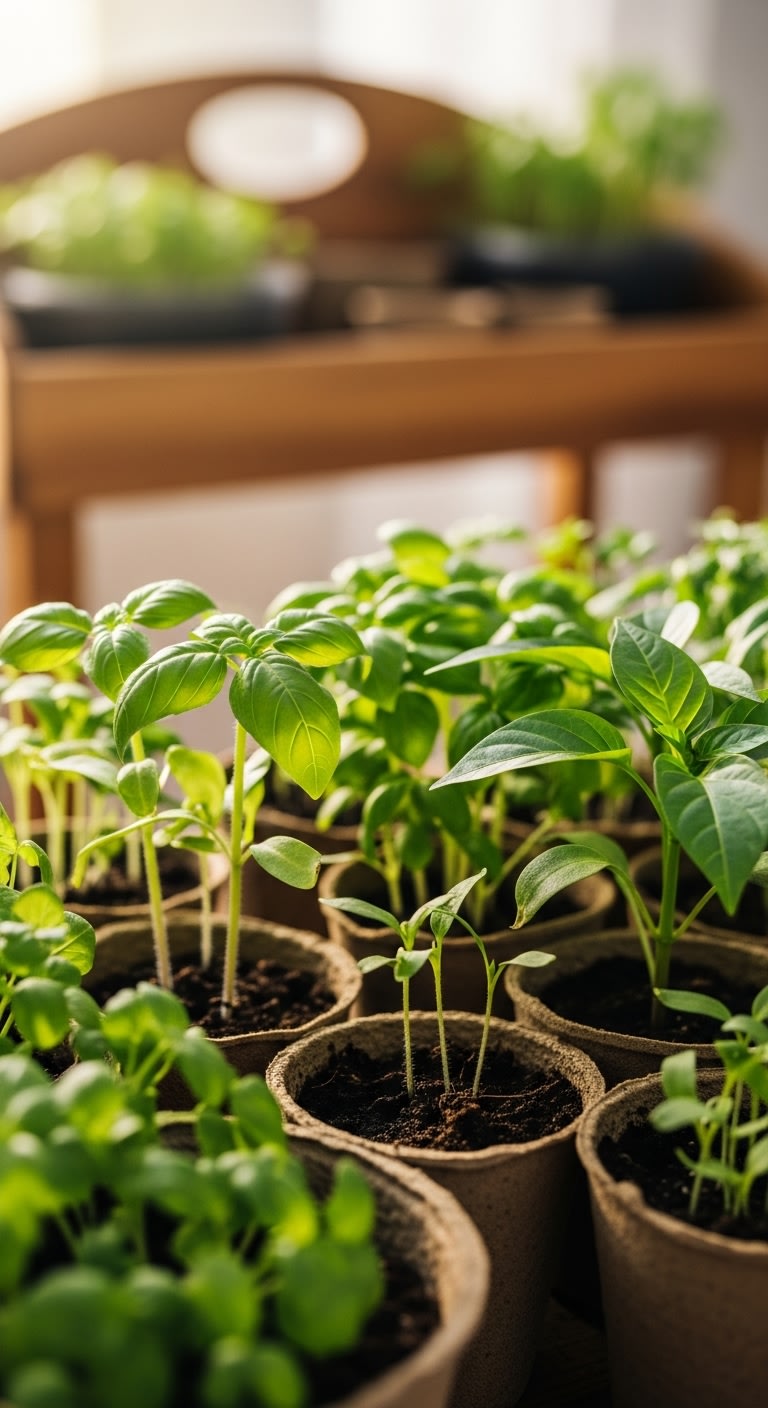
Choosing the right plants for your garden is crucial for success. Start by considering your climate and the growing season in your area. Look for varieties that are well-adapted to your region and resistant to local pests. Think about what you and your family enjoy eating; this will motivate you to tend to your garden. Include a mix of fruits, vegetables, and herbs for a diverse harvest.
Popular choices for edible gardens include tomatoes, peppers, lettuce, herbs like basil and cilantro, and fruiting plants like strawberries or blueberries. If space is limited, consider compact or dwarf varieties that are perfect for smaller areas or vertical gardening. Don’t forget to include flowering plants that can attract pollinators and beneficial insects.
Example: Select a mix of tomatoes, basil, and peppers for a vibrant summer harvest.
Pro Tips:
- Consult local gardening centers for plant recommendations.
- Choose a mix of annuals and perennials for diverse yields.
- Consider companion planting to boost growth and deter pests.
Step 4: Prepare Your Soil


Healthy soil is the foundation of a successful edible garden. Start by testing your soil to determine its pH and nutrient levels. You can purchase a soil test kit from a gardening store or send a sample to a local extension service. Once you have your results, amend your soil based on the needs of your chosen plants. This may involve adding compost, organic fertilizers, or other soil conditioners to enhance fertility and structure.
Next, clear the area of any weeds or debris, then till the soil to a depth of at least 12 inches. This aeration improves drainage and allows roots to penetrate more easily. If you’re creating raised beds, fill them with a mix of topsoil, compost, and organic matter to create a rich growing environment.
Example: Amend your soil with compost to improve its nutrient content.
Pro Tips:
- Add a layer of mulch after planting to retain moisture.
- Consider crop rotation in future seasons for soil health.
- Incorporate earthworms to naturally aerate and enrich the soil.
Step 5: Plant Your Edibles


Now that your soil is ready, it’s time to plant your chosen edibles. Follow the instructions on your seed packets or plant tags for proper planting depth and spacing. It’s generally best to plant in the morning or late afternoon when temperatures are cooler, reducing stress on the plants. If you’re using seedlings, gently remove them from their pots without damaging the roots. Make a hole in the soil that’s slightly larger than the root ball, place the plant in, and cover with soil, firming it gently around the base.
Water the newly planted areas thoroughly to help settle the soil and provide moisture. Ensure you establish a regular watering schedule, especially during dry spells, to help your plants establish themselves. Keep an eye on the weather and be prepared to protect young plants from extreme conditions.
Example: Plant seedlings of basil and tomatoes in your prepared garden bed.
Pro Tips:
- Water plants immediately after planting to reduce shock.
- Plant taller plants on the north side to avoid shading shorter ones.
- Group plants with similar water and sunlight needs together.
Step 6: Care for Your Garden
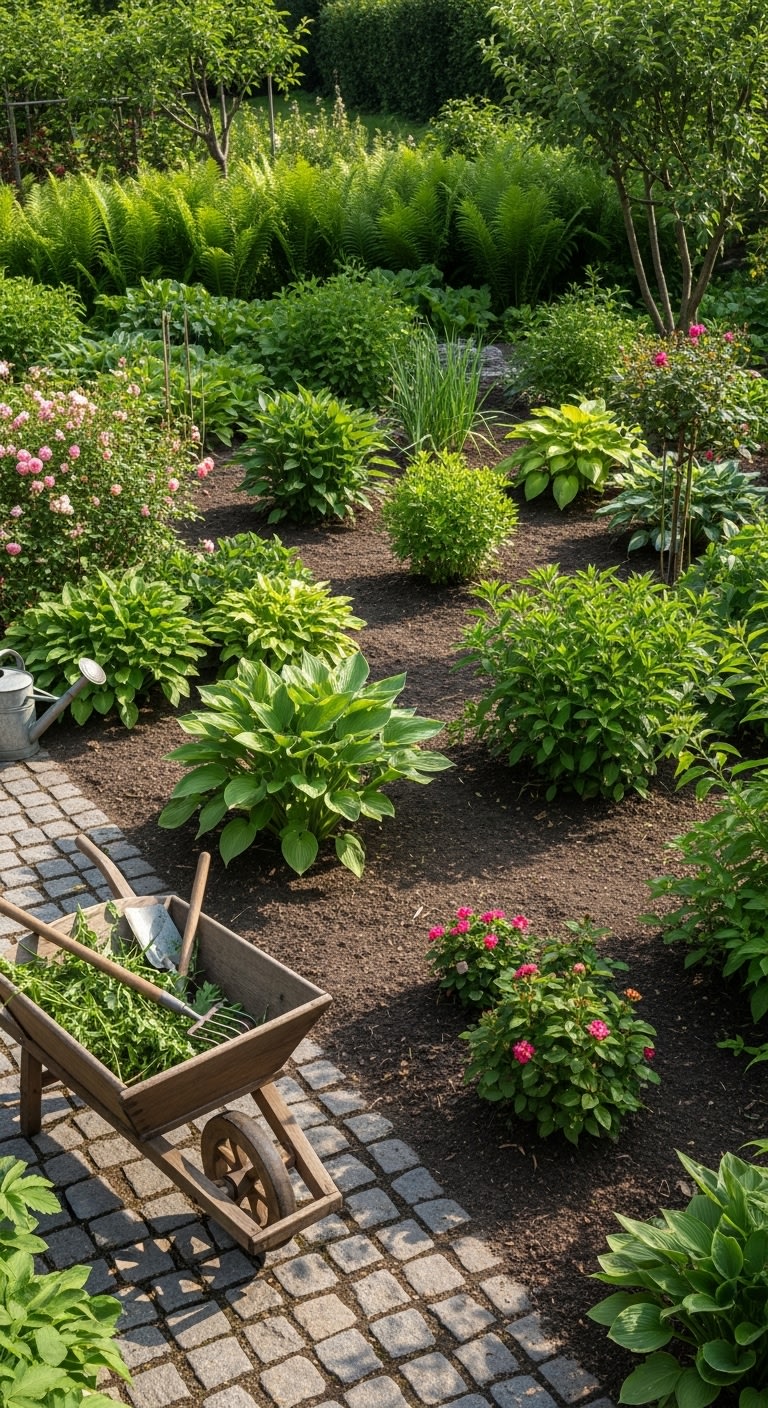

After planting, regular care is essential to ensure your garden thrives. This includes watering, weeding, and monitoring for pests. Establish a consistent watering schedule, aiming for deep watering rather than frequent light sprinklings. This encourages deep root growth and resilience. Use mulch to suppress weeds and retain moisture in the soil.
Regularly check your plants for signs of pests or disease, such as discolored leaves or unusual holes. Early detection is crucial; if you spot any issues, treat them promptly with organic methods like neem oil or insecticidal soap. Additionally, consider using organic fertilizers to nourish your plants throughout the growing season.
Example: Weed your garden bed every week to keep it tidy and healthy.
Pro Tips:
- Water early in the morning to reduce evaporation.
- Rotate your crops each year to prevent soil depletion.
- Use companion plants to naturally deter pests.
Step 7: Harvest Your Crops

As your plants mature, the excitement of harvesting will begin! Knowing when and how to harvest is vital for optimal flavor and yield. Each plant has its specific harvesting time, but generally, you want to pick fruits and vegetables when they are ripe. For leafy greens, you can start harvesting once they reach a good size, cutting only a few leaves at a time to encourage continued growth.
Use clean, sharp scissors or pruning shears to avoid damaging the plants. Harvesting in the morning when temperatures are cooler can help preserve freshness. Enjoy your yields immediately, or store them properly to maintain their quality for later use.
Example: Harvest ripe tomatoes and basil leaves for a fresh salad.
Pro Tips:
- Regularly check plants to harvest at peak ripeness.
- Use baskets or containers to avoid bruising during collection.
- Share excess produce with friends or neighbors.
Step 8: Deal with Pests Naturally

Pests are a common challenge for gardeners, but there are many natural ways to manage them without resorting to harsh chemicals. Start by identifying the pests affecting your plants. Common pests include aphids, caterpillars, and beetles. You can handpick larger pests or use a strong jet of water to dislodge them from plants.
Introduce beneficial insects like ladybugs and lacewings, which naturally prey on harmful pests. Additionally, consider using organic remedies like diatomaceous earth or insecticidal soap. Regular monitoring and early intervention are key to keeping your garden healthy and thriving.
Example: Release ladybugs in your garden to help control aphid populations.
Pro Tips:
- Encourage biodiversity to attract beneficial insects.
- Rotate crops to disrupt pest life cycles.
- Plant herbs that repel pests, like marigolds or mint.
Step 9: Sustain Your Edible Garden

Sustaining your edible garden means thinking long-term about soil health, crop rotation, and continuous planting. After harvesting, consider planting a new crop in the same space to maximize yields. This could be as simple as sowing quick-growing greens or cover crops that improve soil health. Rotate your crops each year to prevent soil depletion and pest build-up.
Additionally, adding compost throughout the season will replenish nutrients in the soil. Consider creating a compost bin to recycle kitchen scraps and garden waste. This not only reduces waste but enriches your garden, creating a thriving ecosystem.
Example: Plant a cover crop like clover after your summer harvest to enrich the soil.
Pro Tips:
- Keep a garden journal to track plant performance and soil health.
- Utilize crop rotation to maintain soil fertility.
- Experiment with succession planting for continuous harvests.
Advanced Tips
Utilize Vertical Gardening
If space is limited, consider vertical gardening techniques to maximize your growing area. Use trellises, wall planters, or hanging pots to grow climbing plants like peas, cucumbers, or strawberries. This not only saves ground space but also adds a unique aesthetic appeal to your garden.
Integrate Permaculture Principles
Incorporating permaculture principles can help create a self-sustaining garden ecosystem. Design your garden layout to mimic natural ecosystems, using companion planting, multi-layered gardens, and natural pest control methods. This approach can enhance biodiversity and improve soil health over time.
Experiment with Hydroponics
For a more advanced gardening method, consider hydroponics, which allows you to grow plants without soil. This technique uses nutrient-rich water to nourish plants, often resulting in faster growth and higher yields. Hydroponics can be particularly useful in urban settings where space is limited.
Implement Crop Rotation Strategies
Plan your garden layout to include crop rotation strategies that prevent soil depletion and reduce pest populations. By changing the location of specific plant families each year, you can maintain soil fertility and minimize disease outbreaks. This practice is especially beneficial for long-term garden health.
Tools & Resources
- Soil Test Kit — A soil test kit allows you to measure the pH and nutrient levels of your garden soil. Understanding your soil’s health is crucial for successful gardening, as it informs you about what amendments may be necessary. — Available at: Home Depot, Amazon
- Raised Garden Bed Kits — These kits provide everything you need to create a raised garden bed, including the frame and sometimes even soil. They are a great option for ensuring good drainage and soil quality. — Available at: Lowe’s, Walmart
- Organic Fertilizers — Organic fertilizers are made from natural materials and are less likely to harm the environment. They provide essential nutrients to your plants and help improve soil health over time. — Available at: Local garden centers, Amazon
- Gardening Tools Set — A basic gardening tools set typically includes a trowel, pruners, and hand rake. These tools are essential for planting, pruning, and maintaining your edible garden. — Available at: Home Depot, Ace Hardware
- Compost Bin — A compost bin is a great way to recycle kitchen scraps and garden waste, turning them into rich compost that can be added to your garden for improved soil health. — Available at: Lowe’s, Amazon
Frequently Asked Questions
What types of plants are best for an edible garden?
The best plants for your edible garden depend on your climate and personal preferences. Popular choices include tomatoes, peppers, lettuce, and herbs like basil and cilantro. Consider growing a mix of annuals and perennials to maximize your harvest. Research local growing conditions to select plants that thrive in your area.
How much sunlight does an edible garden need?
Most edible plants require at least 6 to 8 hours of direct sunlight each day. Observe your yard to find the sunniest spots, as this will significantly affect your plants’ growth. If certain areas receive less sunlight, consider planting shade-tolerant varieties like leafy greens or root vegetables.
How often should I water my edible garden?
Watering needs can vary based on the plants and climate, but a general rule is to water deeply once or twice a week. Check the soil moisture by sticking your finger into the soil; if it feels dry an inch down, it’s time to water. Mulching can help retain moisture and reduce the need for frequent watering.
How do I deal with pests in my garden?
Dealing with pests can be managed through natural methods. Regularly inspect plants for signs of pests and remove them by hand or with water sprays. Introducing beneficial insects like ladybugs can also help control pest populations. For severe infestations, consider organic remedies such as neem oil or insecticidal soap.
Can I grow an edible garden in containers?
Absolutely! Container gardening is an excellent option for limited spaces, such as balconies or small yards. Be sure to choose the right size containers and use high-quality potting mix. Many plants, including herbs, tomatoes, and peppers, adapt well to container growth.
Congratulations on taking the first steps towards transforming your front yard into a flourishing edible garden! By following these thoughtful steps, you’ll not only create a beautiful space but also enjoy the numerous benefits of homegrown produce. Remember, gardening is a journey filled with learning and growth, so be patient with yourself as you cultivate your green thumb.
Now is the perfect time to start planning and planting your garden. With each seed you sow, you’re investing in your health, your home, and the environment. So grab your tools, get your hands dirty, and enjoy the incredible rewards of your very own edible garden!
Leave a Comment