
Creating a small garden can be both a delightful and rewarding endeavor, especially when you choose the right vegetables to cultivate. With limited space, it’s vital to select plants that not only flourish in confined areas but also provide a bountiful harvest. This article will guide you through the best vegetable options that thrive in small gardens, ensuring you make the most of your outdoor space.
From vibrant greens to colorful roots, the right veggies can transform your small garden into a productive oasis. Not only do these plants offer fresh produce for your table, but they also add beauty and life to your outdoor environment. Join us as we explore the best vegetables for small gardens, complete with tips on how to grow them successfully and maximize your yield in limited space.
1. Dazzling Cherry Tomatoes for Small Spaces
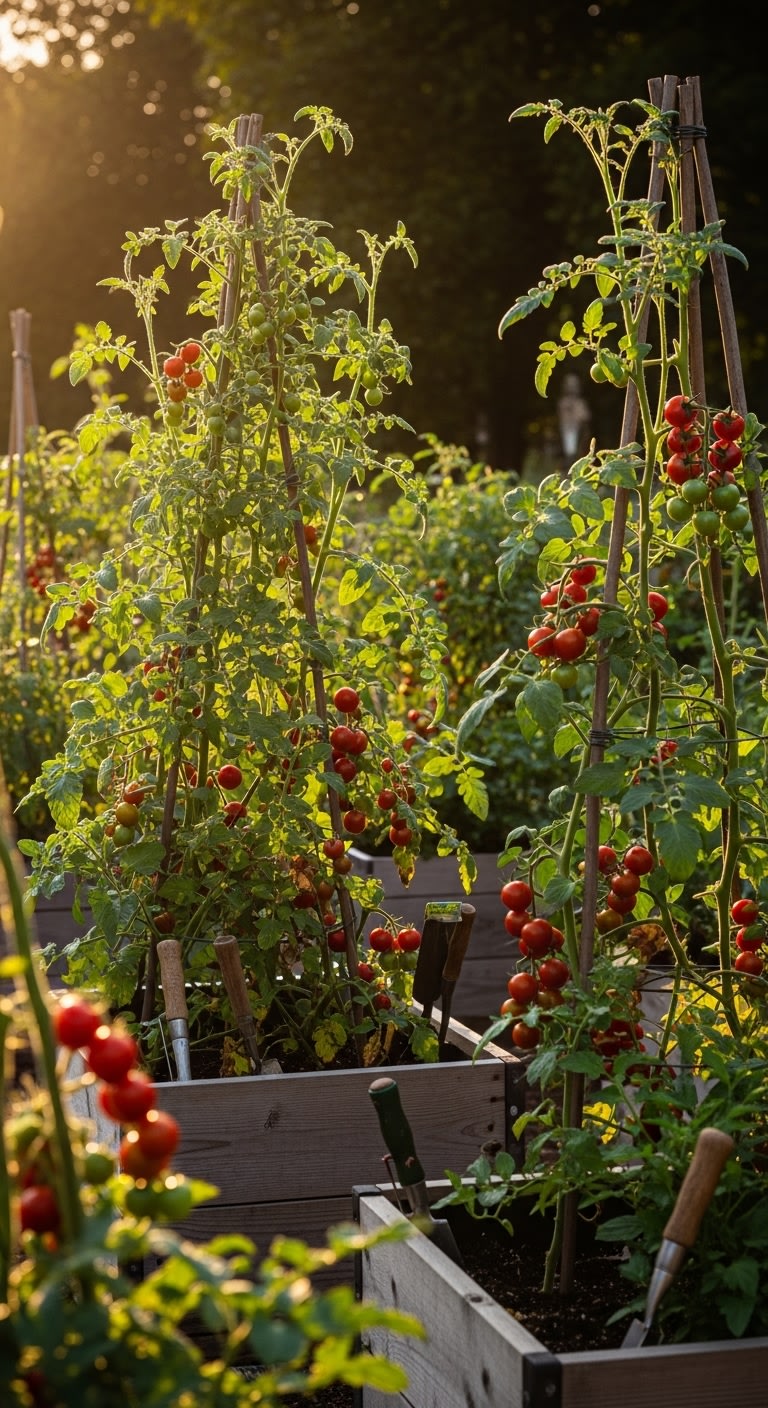
Cherry tomatoes are the perfect choice for small gardens, thriving in containers or raised beds. These bite-sized fruits not only add a splash of color but are also incredibly easy to grow. Choose determinate varieties, which tend to be bushier and more compact, making them ideal for limited spaces.
Plant your cherry tomatoes in well-drained soil and ensure they receive at least 6-8 hours of sunlight daily for optimal growth. Regular watering is crucial, but avoid waterlogging the roots—consistent moisture is key to sweet, juicy tomatoes. Consider using vertical supports, such as cages or stakes, to maximize space and promote air circulation around the plants.
Harvest your cherry tomatoes when they are fully colored and slightly soft for the best flavor. With their prolific yield and versatility in salads, sauces, and snacks, cherry tomatoes will become a staple in your small garden.
2. Leafy Greens: A Nutrient Powerhouse
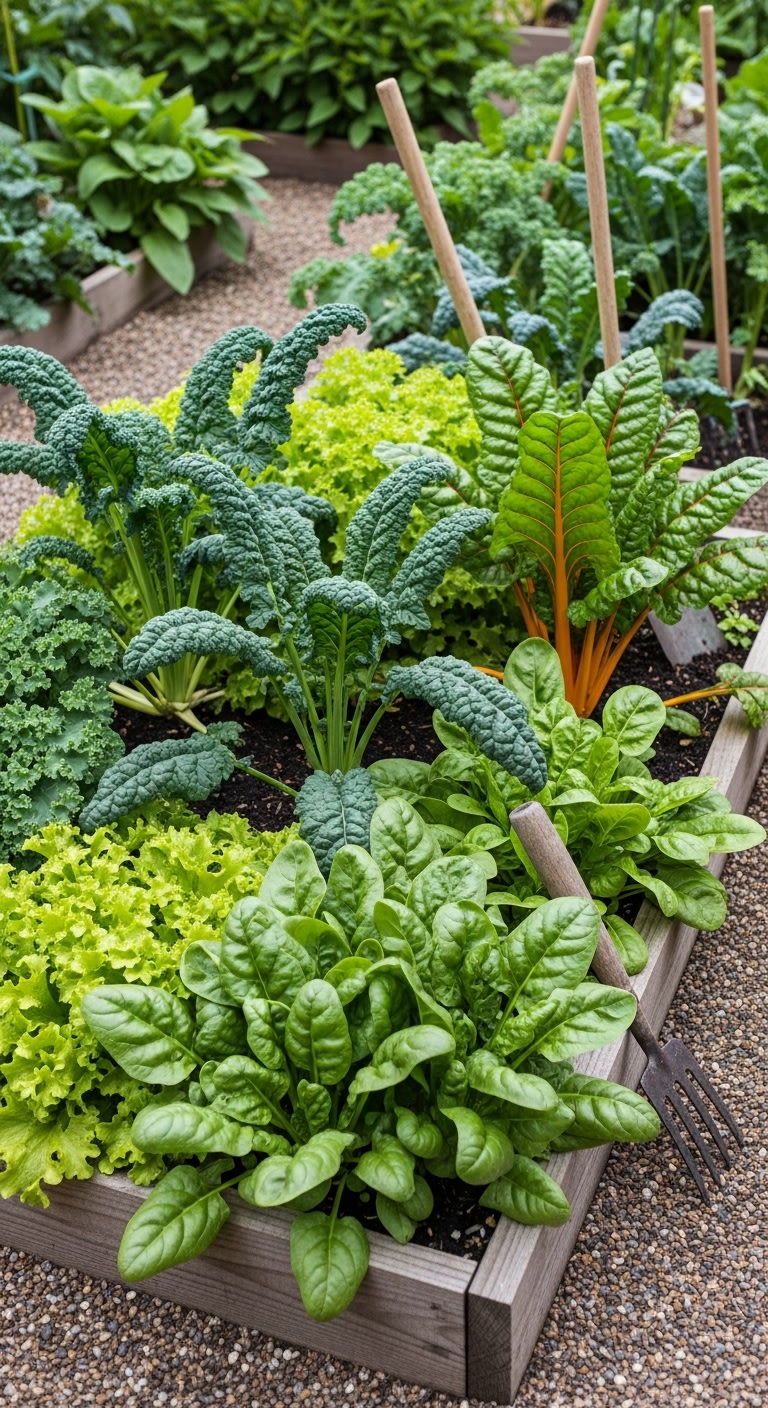
Leafy greens like spinach, kale, and Swiss chard are perfect candidates for small gardens due to their compact growth habits. These nutrient-rich vegetables thrive in cooler weather and can be sown in succession for continuous harvests throughout the growing season. They’re not only easy to grow but also packed with vitamins and minerals that benefit your health.
Plant leafy greens in rich, well-draining soil and ensure they receive partial shade during the hottest part of the day. Regular watering and a balanced fertilizer can promote lush growth. To maximize your space, consider interplanting these greens with taller plants like tomatoes or peppers.
Harvest leaves as needed, starting from the outer leaves to encourage further growth. With their versatility in salads, smoothies, and stir-fries, leafy greens will enhance your meals while flourishing in your small garden.
3. Radishes: Quick and Colorful Harvests

Radishes are an excellent choice for small gardens, as they grow quickly and require minimal space. These vibrant root vegetables can be harvested in as little as three weeks from planting, making them ideal for gardeners looking for fast results. They come in various colors and sizes, adding visual interest to your garden.
Plant radishes in loose, well-drained soil and ensure they have adequate sunlight. They thrive in cooler temperatures, so early spring or fall is the best time for planting. Thin the seedlings to allow room for the remaining radishes to grow to their full potential.
Radishes can be enjoyed raw in salads or pickled for a zesty addition to meals. Their fast-growing nature and crisp texture make them a fun and rewarding vegetable to cultivate in any small garden.
4. Herbs: Flavorful Companions

Herbs are the ultimate small garden companions, offering flavor and fragrance without requiring much space. From basil and parsley to mint and cilantro, these versatile plants can thrive in containers, window boxes, or small garden beds. Growing herbs not only enhances your culinary experiences but also attracts beneficial insects to your garden.
When planting herbs, choose a sunny spot with well-drained soil. Many herbs prefer a slightly dry environment, so avoid overwatering. Regular harvesting encourages bushier growth, and you can enjoy fresh herbs year-round by bringing pots indoors during colder months.
Incorporate herbs into your cooking for added flavor, or use them to create aromatic teas and infusions. With their low maintenance and high yield, herbs are a must-have in any small garden.
5. Compact Peppers: Spice Up Your Garden
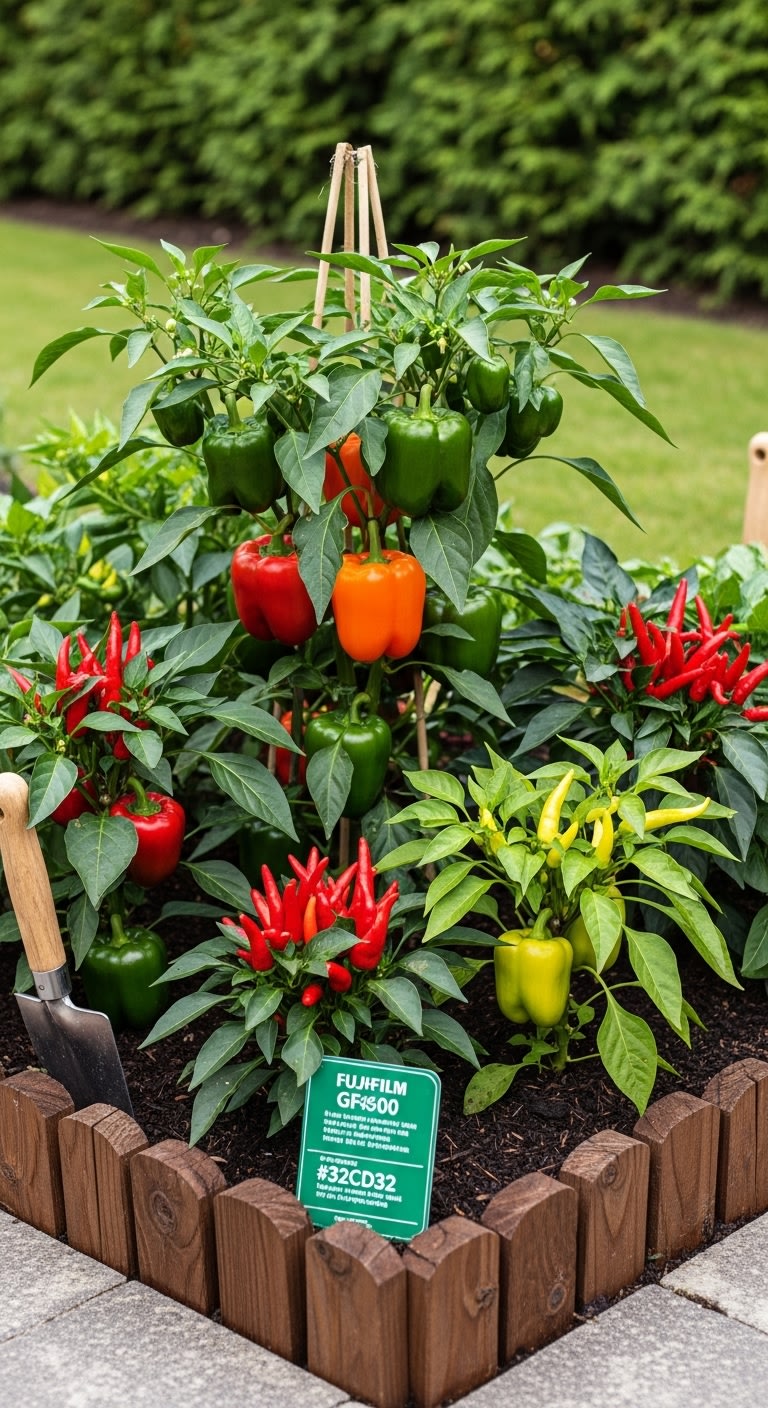
Peppers, both sweet and hot varieties, are ideal for small gardens due to their compact growth and high yield. These colorful vegetables thrive in pots or raised beds, allowing you to maximize your growing space. With a range of flavors and heat levels, peppers can elevate any dish and add vibrant color to your garden.
Plant peppers in well-drained soil with plenty of sunlight for optimal growth. Regular watering and fertilizing will help them thrive, while staking or caging can support taller varieties. Choose dwarf or patio varieties for even more compact options that fit perfectly in limited spaces.
Harvest peppers when they reach their desired color and size, as they can continue to ripen off the plant. Incorporating peppers into your meals adds not only flavor but also a beautiful pop of color to your dishes, making them a fantastic addition to your small garden.
6. Zucchini: A Versatile Garden Star

Zucchini is a prolific vegetable that thrives in small gardens, providing a generous harvest throughout the growing season. These squash plants can be grown in containers or raised beds, making them a flexible option for any garden layout. Zucchini plants are known for their sprawling growth, so be sure to give them adequate space to spread out.
Plant zucchini in nutrient-rich soil and ensure they receive full sun for best results. Regular watering is essential, especially during dry spells, to promote healthy growth. Consider planting zucchini alongside other companion plants like basil or marigolds to deter pests and enhance growth.
Harvest zucchini when they are young and tender for the best flavor. With their versatility in cooking, zucchini can be grilled, sautéed, or even baked into delicious treats, making them a valuable addition to your small garden.
7. Carrots: Crunchy and Colorful Delights

Carrots are an excellent choice for small gardens, as they can be grown in deep containers or raised beds. These crunchy vegetables come in various colors, including orange, purple, and yellow, providing not only great flavor but also visual appeal. Carrots are relatively low-maintenance, making them an ideal option for both novice and experienced gardeners.
Plant carrots in loose, well-draining soil to allow for proper root development. Sow seeds directly into the soil and thin them out as they grow to provide adequate spacing. Carrots prefer cooler temperatures, so early spring or fall planting is recommended for the best results.
Harvest carrots when they reach the desired size and enjoy them raw, roasted, or in salads. Their versatility in the kitchen and vibrant colors make carrots a delightful addition to your small garden.
8. Green Beans: Climbing to New Heights

Green beans are a fantastic option for small gardens, especially when grown vertically using trellises or supports. These fast-growing plants can provide an abundant harvest in a small footprint, making them perfect for gardeners with limited space. Their climbing nature allows you to utilize vertical space effectively, leaving more ground area for other crops.
Plant green bean seeds in well-drained soil and ensure they receive full sunlight for optimal growth. Regular watering and fertilizing will help boost yield, while trellises provide necessary support as the plants grow. Choose bush varieties for a more compact option or pole varieties for climbing.
Harvest green beans when they are young and tender for the best taste. Their versatility in cooking makes them a delightful addition to any meal, and their climbing habit adds vertical interest to your small garden.
Frequently Asked Questions
What are the best vegetables to grow in a small garden?
The best vegetables for small gardens include cherry tomatoes, leafy greens, radishes, herbs, and compact peppers. These vegetables are not only space-efficient but also provide a rewarding harvest in limited areas. Opting for varieties that grow well in containers, such as determinate tomatoes and dwarf peppers, can maximize your garden’s productivity.
Additionally, consider fast-growing options like radishes and leafy greens that can be sown successively for continual harvests. Herbs are another great choice as they can thrive in pots and provide fresh flavors for your meals. Each of these vegetables has unique growing requirements, so it’s essential to research and choose those that best fit your gardening conditions.
How can I maximize space in my small garden?
Maximizing space in a small garden can be achieved through several techniques such as vertical gardening, interplanting, and container gardening. Using vertical structures like trellises for climbing plants allows you to utilize upward space, freeing up ground for other crops. Additionally, interplanting compatible vegetables can enhance growth and yield, making the most of every inch.
Container gardening is another effective method, allowing you to grow a variety of vegetables in limited spaces. Choose pots and raised beds that are suitable for your selected plants and arrange them to create an inviting layout. Proper planning and organization can transform a small garden into a productive and beautiful oasis.
What vegetables are best for beginners in small gardens?
For beginners, the best vegetables to grow in small gardens include radishes, lettuce, and herbs. These plants are relatively easy to cultivate, require minimal care, and have short growing cycles, allowing new gardeners to experience success quickly. Radishes, for instance, germinate rapidly and can be harvested in as little as three weeks, providing immediate gratification.
Lettuce and herbs like basil and parsley grow well in containers, making them ideal for small spaces. They thrive in various conditions and can be continuously harvested, encouraging beginners to enjoy gardening without feeling overwhelmed. Starting with these easy-to-grow vegetables helps build confidence and encourages further exploration into gardening.
How often should I water my small garden?
The frequency of watering a small garden depends on several factors, including the type of plants, soil conditions, and weather. Generally, most vegetables benefit from consistent moisture, requiring about 1-2 inches of water per week. During hot, dry spells, you may need to water more frequently to prevent stress on your plants.
It’s essential to check the soil moisture level by inserting your finger about an inch deep into the soil; if it feels dry, it’s time to water. Early morning is the best time to water, as it allows plants to absorb moisture before the heat of the day. Additionally, consider implementing mulch to retain soil moisture and reduce evaporation.
Can I grow vegetables in containers?
Yes, growing vegetables in containers is an excellent solution for small gardens. Many vegetables adapt well to container gardening, including tomatoes, peppers, and herbs. Using pots allows you to control the soil quality and drainage, which is crucial for healthy plant growth.
When selecting containers, ensure they are large enough to accommodate the root systems of your chosen vegetables and have adequate drainage holes. Using high-quality potting soil and regular fertilization will help support healthy growth. Container gardening also provides flexibility, as you can move pots to optimize sunlight exposure and protect plants from harsh weather conditions.
In conclusion, small gardens offer an incredible opportunity to grow a variety of vegetables that can enhance your meals and beautify your outdoor space. By selecting the right plants, such as cherry tomatoes, leafy greens, and herbs, you can maximize your yield and enjoy fresh produce throughout the season.
Don’t hesitate to experiment with different vegetables and gardening techniques to find what works best for your unique space. With a little planning and care, your small garden can become a thriving oasis of flavor and beauty. Start your gardening journey today and reap the rewards of homegrown veggies!

Leave a Comment