
As the leaves turn and the air becomes crisp, it’s time to shift gears in your garden. Fall is not just a prelude to winter; it’s a golden opportunity to prepare your garden for the coming cold months. By taking the right steps now, you can ensure that your garden thrives when spring arrives, bursting with life and color.
Don’t let the changing season catch you off guard. With a little planning and care, you can create a beautiful winter garden that is not only resilient but also a sanctuary during the colder months. Let’s dive into everything you need to do to get your garden ready for winter, ensuring it remains a joy throughout the year.
Table of Contents
- What is Fall Garden Prep?
- Benefits of Preparing Your Garden
- Types of Plants to Consider
- Essential Tools Needed
- Steps for Fall Garden Prep
- Seasonal Tips for Garden Care
- Common Mistakes to Avoid
- Expert Tips for the Best Results
- Frequently Asked Questions
- Conclusion
What Is It?

Fall garden prep is the process of getting your garden ready for the winter months. This involves various tasks such as cleaning up debris, mulching, planting fall crops, and protecting your plants from harsh conditions. Taking the time to prepare your garden in the fall can significantly enhance its health and productivity come spring.
Many gardeners overlook the importance of this seasonal transition, but it offers a unique chance to set the stage for the next growing season. By understanding what your garden needs now, you can foster a thriving environment that will support your plants through winter and into the next spring.
- Fall preparation enhances plant health for spring.
- Protects plants from harsh winter conditions.
- Involves cleaning, mulching, and planting.
- Sets a solid foundation for future gardening.
Key Benefits

- Improved Soil Health — Preparing your garden in the fall allows you to add organic matter like compost or mulch, which enriches the soil. Healthy soil is essential for strong root systems and vibrant plant growth come spring.
- Pest and Weed Control — By clearing out old plants and debris, you reduce the chances of pests and weeds taking root in your garden. This proactive approach helps keep your garden healthier and less labor-intensive in the spring.
- Extended Growing Season — Fall is a great time to plant certain vegetables and perennials that thrive in cooler temperatures. This not only extends your growing season but also provides a harvest before winter sets in.
- Winter Protection — By mulching and covering tender plants, you provide them with vital protection against the cold. This helps prevent freezing and thawing cycles that can be detrimental to plant health.
- Aesthetic Appeal — A well-prepped fall garden can be a beautiful sight. With colorful foliage and neatly arranged beds, your garden can be a delightful part of your home’s winter landscape.
Step-by-Step Guide
Step 1: Clean Up Debris


Start by removing any dead plants, leaves, and debris from your garden beds. This not only tidies up your garden but also helps prevent pests and diseases from overwintering. Use a rake to gather leaves and a trowel to remove dead plants. Once cleared, you can assess your garden’s health and make any necessary adjustments, such as soil amendments or replanting.
Cleaning your garden is like giving it a fresh start, ready for the winter months ahead. It may seem like a chore, but the benefits are worth it in the long run.
Example: For instance, clear out last season’s vegetable plants to make way for your fall crops.
Pro Tips:
- Compost the healthy plant material to enrich your soil.
- Be sure to dispose of any diseased plants to prevent spreading.
- Use a tarp to easily collect and transport debris.
Step 2: Mulch Garden Beds


Once your garden is clean, apply a generous layer of mulch to your garden beds. Mulching helps insulate the soil, retaining moisture and protecting plants from extreme temperature fluctuations. Organic mulches, such as straw or shredded leaves, also break down over time, enriching your soil.
Aim for a layer of 2-4 inches of mulch, making sure to keep it away from the plant crowns. This prevents rot and encourages healthy root growth. Mulching is one of the simplest yet most effective ways to prepare your garden for winter.
Example: For example, use straw around your perennials to keep their roots warm.
Pro Tips:
- Choose organic mulch for added soil nutrients.
- Avoid using mulch that can harbor pests, like pine needles.
- Replenish mulch as needed throughout the winter.
Step 3: Plant Fall Crops
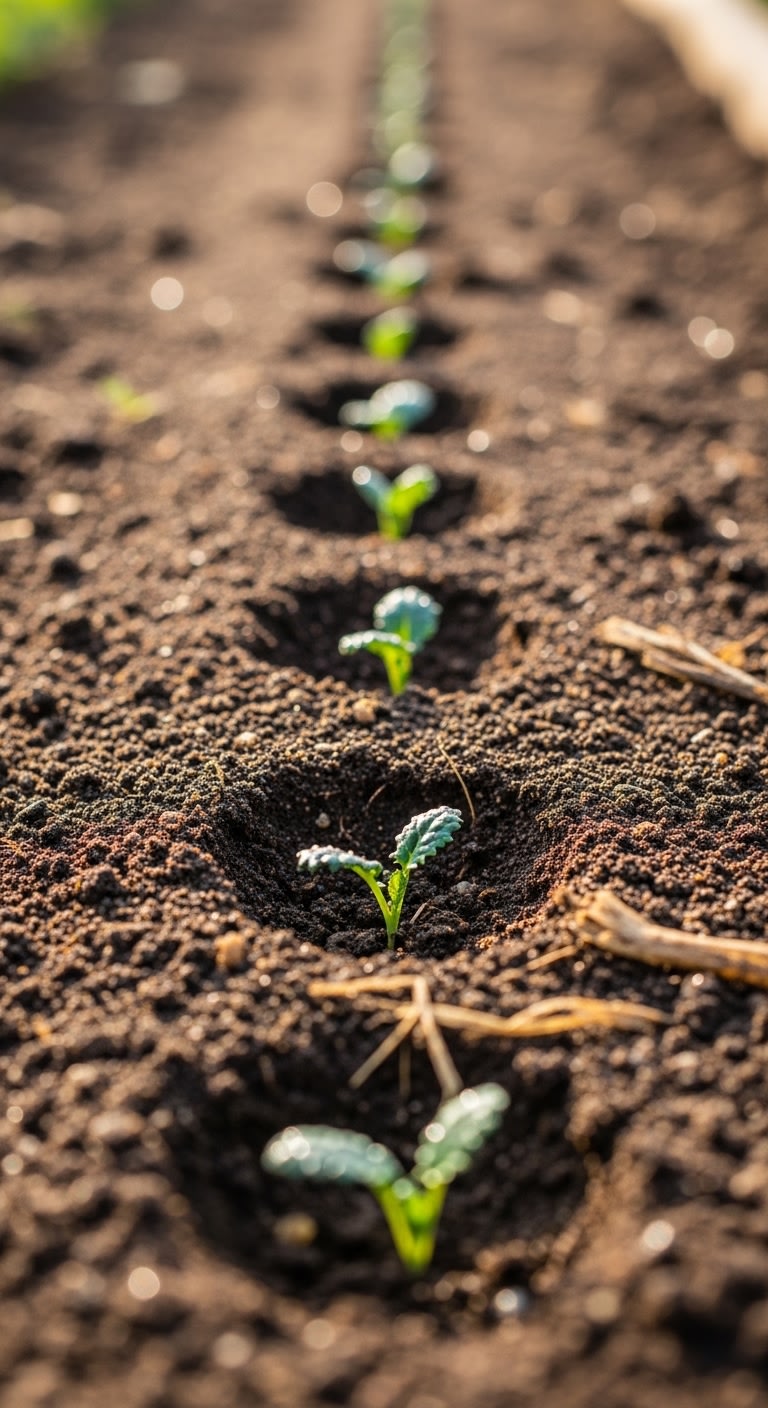

Fall is the perfect time to plant cool-season crops that can withstand colder temperatures. Vegetables such as kale, spinach, and radishes can thrive in the crisp air and often taste sweeter after a frost. Prepare your soil by loosening it and adding compost, then sow your seeds according to the package directions.
Be sure to monitor the weather as you plant, as extreme cold can damage young seedlings. With a little care, you can enjoy fresh produce even in the cooler months.
Example: For instance, plant a row of kale that will be ready to harvest in late fall.
Pro Tips:
- Use row covers to protect young plants from frost.
- Consider planting in raised beds for better drainage.
- Choose varieties specifically bred for fall planting.
Step 4: Protect Tender Plants
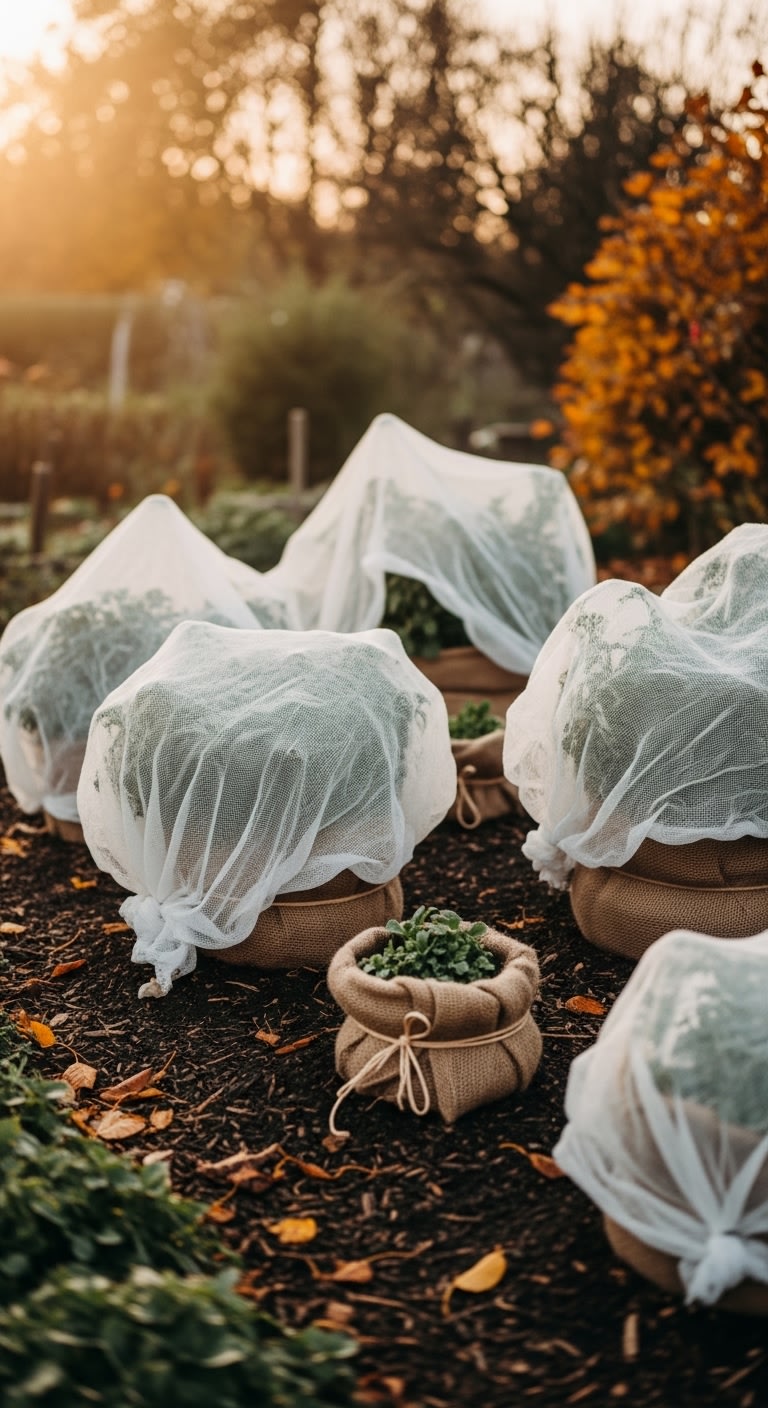

If you have tender perennials or annuals that you want to keep over winter, consider providing extra protection. This can include wrapping them in burlap, using frost cloths, or even moving potted plants indoors. For those planted in the ground, a good layer of mulch can help insulate the roots against freezing temperatures.
Taking these steps can make a significant difference in plant survival rates through the winter months. Remember that prevention is key when it comes to protecting your beloved plants.
Example: For example, wrap your delicate rose bushes in burlap to shield them from frost.
Pro Tips:
- Water plants well before the first frost to enhance their resilience.
- Avoid placing protective covers directly on the foliage.
- Monitor temperatures and be ready to cover plants if frost is expected.
Step 5: Plan for Next Year
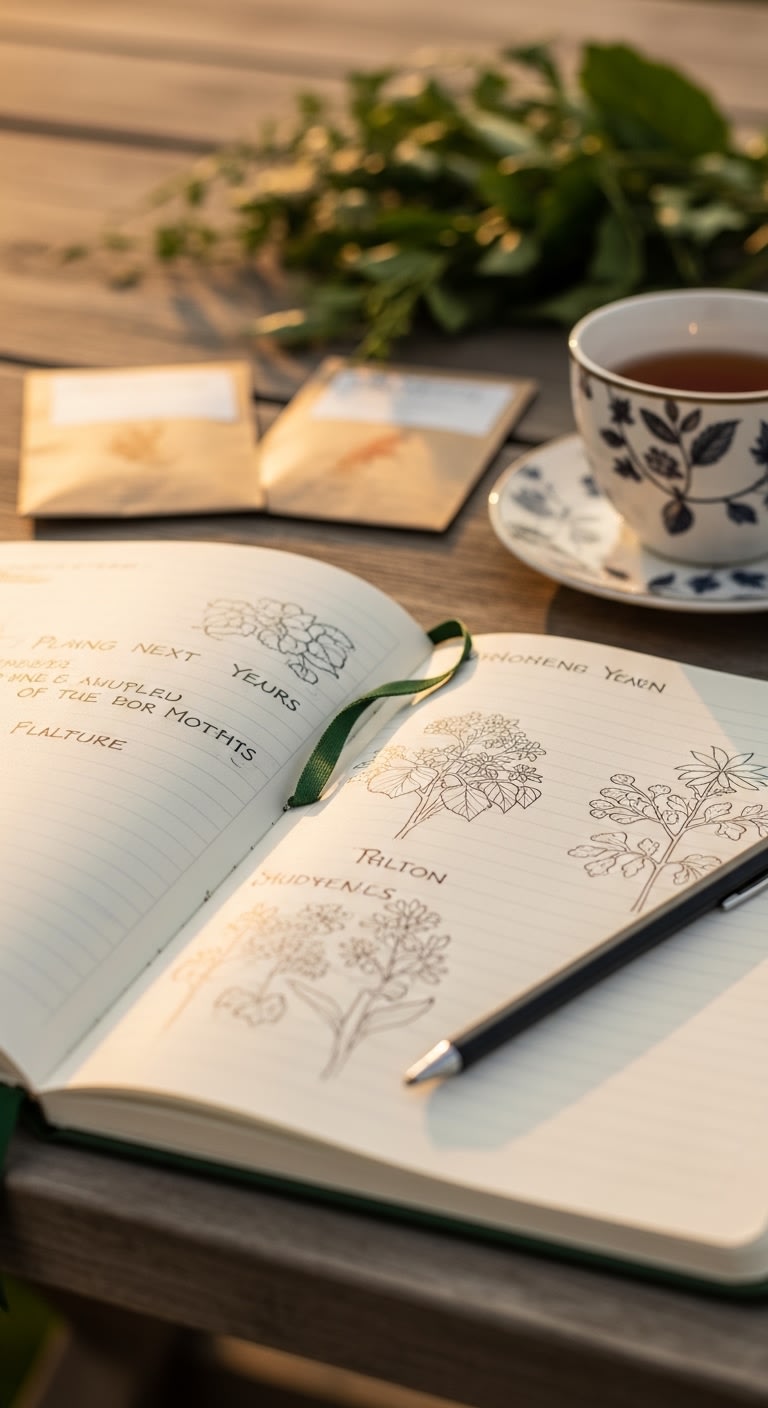

Take some time to reflect on your garden’s performance this year and plan for next season. Consider what worked well, what didn’t, and how you can improve your gardening practices. Make notes of plant varieties that thrived or struggled, and think about new plants you might want to try in the spring.
Planning ahead can save you time and energy when the gardening season kicks off again. Plus, it allows for a more thoughtful approach to your garden layout and plant selection.
Example: For instance, if your tomatoes struggled this year, consider trying a different variety next spring.
Pro Tips:
- Keep a gardening journal to track your observations.
- Research new plants that might be better suited for your climate.
- Consider crop rotation to prevent soil depletion.
Types & Varieties
Perennials

Perennials are plants that return year after year, making them an ideal choice for fall planting. They bloom beautifully in spring and summer, providing color and life to your garden.
Best for: Best for creating a low-maintenance, colorful garden.
Cool-Season Vegetables

Vegetables like kale, spinach, and Brussels sprouts thrive in cooler temperatures and can be planted in the fall for a late harvest. These veggies are hardy and can withstand frost.
Best for: Best for extending your vegetable harvest into the cooler months.
Bulbs
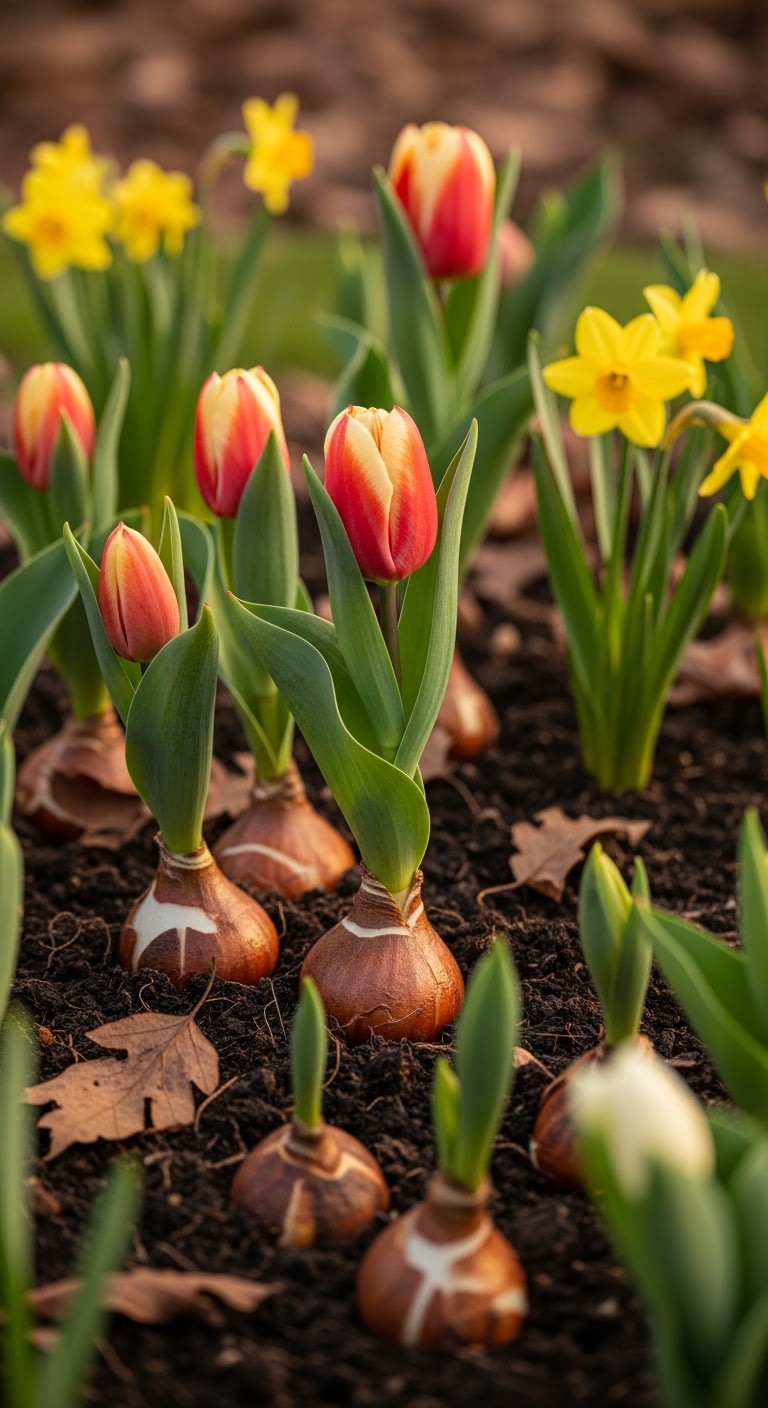
Planting bulbs in the fall, such as tulips and daffodils, ensures they bloom beautifully in spring. These bulbs require a cold period to thrive, making fall the perfect time for planting.
Best for: Best for adding early spring color to your garden.
Evergreens

Evergreens provide year-round interest and structure to your garden. They remain lush and green throughout the winter, offering a beautiful contrast to the barren landscape.
Best for: Best for maintaining greenery during the winter months.
Tools You Need
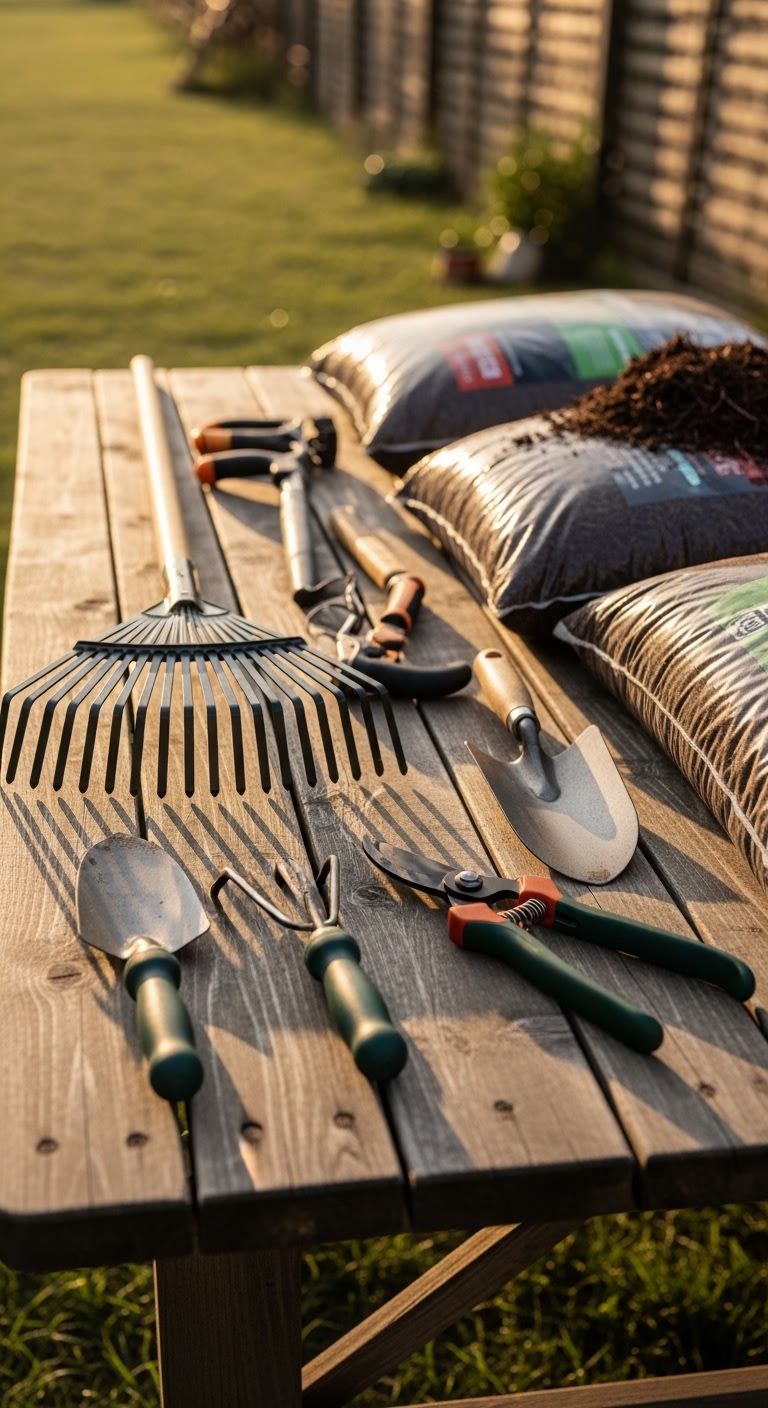
- Rake — A rake is essential for clearing leaves and debris from your garden beds. It helps keep your garden tidy and can also be used for leveling soil. — Available at: Available at local garden centers or online retailers.
- Trowel — A trowel is perfect for digging small holes for planting bulbs and perennials. Its compact size makes it ideal for working in tight spaces. — Available at: Can be found at hardware stores or garden supply shops.
- Pruning Shears — Pruning shears are used to trim dead or overgrown plants and shrubs. Keeping your plants well-pruned promotes healthy growth. — Available at: Available at garden centers and home improvement stores.
- Mulch — Mulch is vital for protecting your plants and improving soil health. It helps retain moisture and suppress weeds over winter. — Available at: Can be purchased at garden supply stores or online.
- Wheelbarrow — A wheelbarrow is perfect for transporting soil, mulch, and debris around your garden. It makes heavy tasks easier and more efficient. — Available at: Available at hardware stores and garden centers.
Seasonal Tips

Timing is everything when it comes to gardening, and each season brings unique opportunities and challenges. Understanding what to do during each season can help you optimize your garden’s health and productivity. Let’s explore some tailored tips for each season to ensure your garden flourishes year-round.
Spring
- Start seeds indoors for a jump on the growing season.
- Prepare your soil by adding compost and nutrients.
- Plan your garden layout based on sun and shade.
Early spring is perfect for planting cool-season crops and perennials.
Summer
- Regularly water and fertilize to support plant growth.
- Watch for pests and diseases, acting quickly to manage them.
- Deadhead flowers to encourage more blooms.
Focus on maintaining healthy plants and harvesting vegetables.
Fall
- Clean up garden debris to prevent pests.
- Plant fall crops and bulbs for spring blooms.
- Mulch to protect soil and plants from winter.
Fall is all about preparing for winter and planting for spring.
Winter
- Monitor your garden for any signs of distress.
- Plan your spring garden layout and order seeds.
- Protect evergreens and tender plants from harsh conditions.
Use this time for reflection and planning for the upcoming season.
Common Mistakes to Avoid
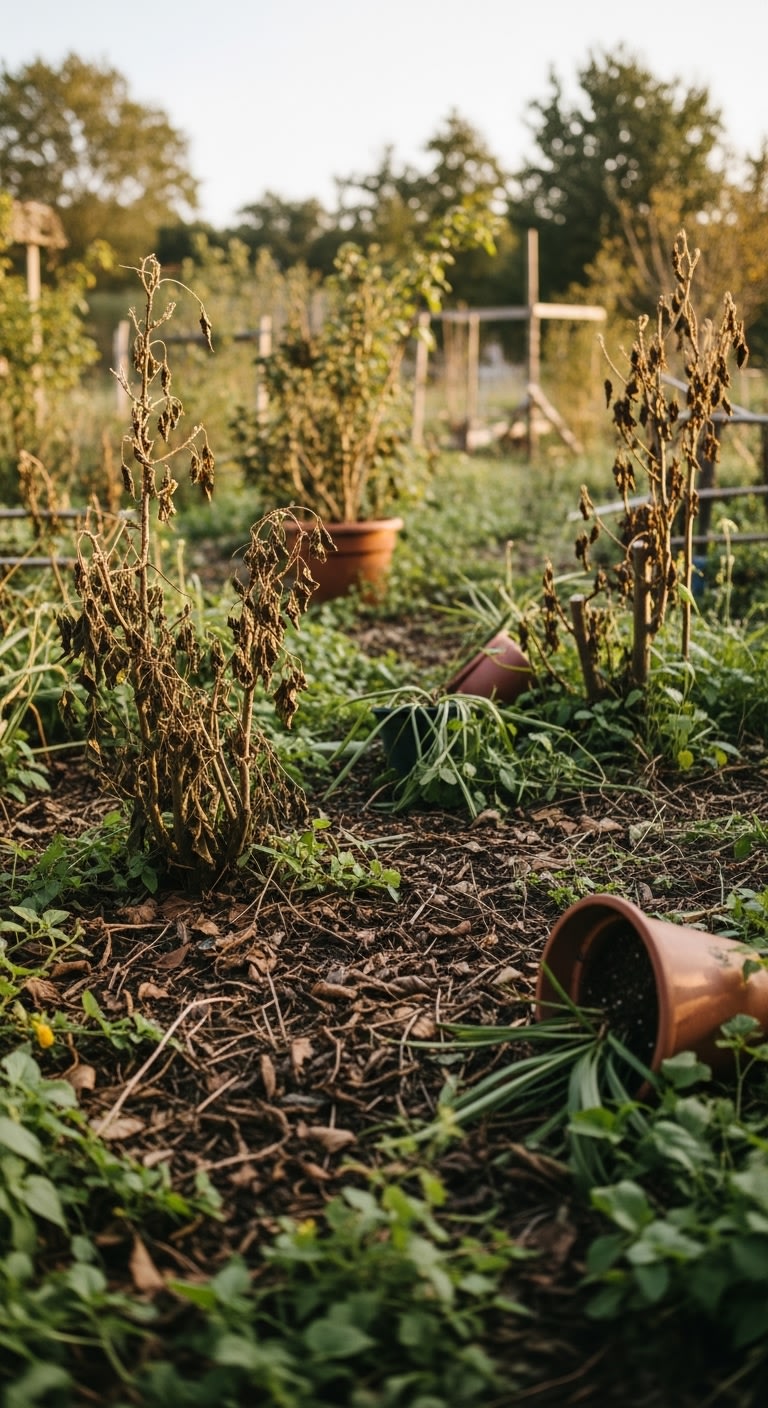
Neglecting Cleanup
Leaving debris can harbor pests and diseases, leading to problems in spring.
How to fix: Make cleanup a priority each fall to maintain a healthy garden.
Over-Mulching
Too much mulch can suffocate plants and promote rot.
How to fix: Keep mulch to a 2-4 inch layer and avoid covering plant crowns.
Planting Too Late
Late planting can result in poor establishment before winter.
How to fix: Check local frost dates and plant well in advance for best results.
Ignoring Soil Health
Poor soil can lead to weak plants and reduced harvests.
How to fix: Amend soil with compost and nutrients during fall prep.
Skipping Protection
Failing to protect tender plants can result in significant loss during winter.
How to fix: Use burlap, mulch, or frost cloths to safeguard vulnerable plants.
Expert Tips

Soil Testing
Conducting a soil test in the fall can reveal nutrient deficiencies and pH imbalances. This allows you to amend your soil with the right nutrients before spring planting, ensuring a healthy start to your garden. Regular soil testing is a key component of successful gardening.
Use Cover Crops
Planting cover crops in fall can improve soil health, prevent erosion, and suppress weeds. Varieties like clover or rye not only protect the soil but also enhance its fertility when tilled under in spring. This practice is a win-win for your garden’s health.
Companion Planting
Incorporate companion planting techniques to maximize your garden’s productivity. Certain plants, like marigolds with tomatoes, can deter pests and promote growth. Consider these strategies during your fall prep to set up a harmonious garden ecosystem.
Insulate with Leaves
Using fallen leaves as insulation around tender plants can provide additional warmth and protection. This natural mulch breaks down over time, enriching the soil while safeguarding your plants from frost damage. It’s an eco-friendly solution that benefits your garden.
Frequently Asked Questions
When should I start preparing my garden for fall?
Begin preparing your garden for fall as soon as temperatures start to cool, typically in late summer or early fall. This gives you ample time to clean up, plant fall crops, and protect your plants before winter sets in. Check local frost dates to ensure you complete tasks in a timely manner.
By starting early, you can enjoy a healthy garden through winter and set up a successful spring.
What are the best plants to prepare for winter?
Consider planting evergreens, perennials, and cool-season vegetables as part of your fall garden prep. Evergreens provide year-round beauty, while perennials will come back stronger in spring. Cool-season vegetables like kale and spinach can be harvested even in winter, allowing you to maximize your garden’s productivity.
Choosing the right plants is crucial for ensuring your garden flourishes throughout the colder months.
How can I protect my garden from winter cold?
To protect your garden from winter cold, consider mulching around your plants, using frost cloths, or covering tender plants with burlap. These measures help insulate roots and prevent frost damage. Additionally, watering your plants before a freeze can help them withstand lower temperatures better.
Proper preparation can make a significant difference in the survival of your plants through the winter months.
What should I do with my garden tools in the fall?
In the fall, it’s important to clean and store your garden tools properly. Remove any soil and debris, sharpen blades, and oil moving parts to prevent rust. Store tools in a dry, sheltered place to protect them from the elements. Taking care of your tools now will ensure they are ready for use when spring arrives.
Regular maintenance extends the life of your tools and keeps your gardening tasks efficient.
Is fall a good time to plant trees and shrubs?
Yes, fall is an excellent time to plant trees and shrubs. The cooler temperatures allow for better root establishment, and the soil remains warm enough to encourage growth. Additionally, planting in fall gives trees and shrubs a head start for spring, as they can focus on root development while avoiding the stress of summer heat.
Be sure to water them well and consider using mulch to help retain moisture as they settle in.
Preparing your garden for fall is an essential step in ensuring its health and beauty throughout the year. By taking the time to clean up, plant strategically, and protect your plants, you can create a thriving environment that will reward you come spring. Remember, a little effort in the fall pays off in the vibrant blooms and bountiful harvests of the future.
So grab your tools, embrace the beauty of autumn, and get ready to nurture your garden into its next glorious season. Happy gardening!


Leave a Comment