
Have you ever watched birds flitting from tree to tree in a garden, their songs filling the air with joy? Attracting these beautiful creatures not only brings life to your outdoor space but also provides vital assistance to your plants. Birds can help control pests, pollinate flowers, and even disperse seeds, creating a more vibrant ecosystem right in your backyard.
With a few thoughtful strategies, you can transform your garden into a bird-friendly haven. Whether you’re a seasoned gardener or just starting, inviting birds into your space is easier than you might think. Let’s explore how to attract our feathered friends and discover the many ways they can help your plants thrive.
Table of Contents
- What Is Attracting Birds?
- How Bird Attraction Works
- Benefits of Birds in Your Garden
- Steps to Attract Birds
- Advanced Tips for Bird Lovers
- Tools and Resources
- FAQs
- Conclusion
What Is It?
Attracting birds to your garden involves creating an environment that meets their needs and encourages them to visit. This can include providing food, water, shelter, and nesting sites. Birds are not only enchanting to watch, but they also play a crucial role in maintaining a balanced ecosystem, benefiting your plants and garden overall.
When you provide the right elements, such as bird feeders filled with seeds, a birdbath for drinking and bathing, and native plants for shelter, you’ll create a welcoming oasis. Birds will be drawn to your garden, enhancing its natural beauty and health.
- Birds contribute to pest control by eating insects.
- They help pollinate flowers and disperse seeds.
- Creating a bird-friendly environment enhances biodiversity.
How It Works
Birds are naturally attracted to areas where they can find food, water, and shelter. When you incorporate bird feeders, birdbaths, and native plants in your garden, you’re appealing to their basic survival instincts. Birds are also drawn to the safety of dense foliage where they can hide from predators and nest comfortably, making your garden an ideal spot for them.
Furthermore, the presence of birds can stimulate your plants’ growth. As birds feed on pests, they help minimize damage to your plants, allowing them to flourish. Their droppings also serve as a natural fertilizer, enriching the soil and encouraging a healthy garden.
- Birds are attracted by food sources like seeds and insects.
- Shelter and water access are essential for bird comfort.
- Birds contribute to plant health through pest control and fertilization.
Key Benefits
- Natural Pest Control — Birds are excellent pest controllers, munching on insects that could harm your plants. By attracting birds, you reduce the need for chemical pesticides, leading to a healthier garden environment.
- Pollination Assistance — Many birds, such as hummingbirds, play a vital role in pollinating plants. This helps your flowers produce seeds and fruits, enhancing the vibrancy and productivity of your garden.
- Seed Dispersal — Birds help in the natural dispersal of seeds, promoting plant diversity in your garden. As they move from one area to another, they leave seeds behind, which can grow into new plants.
- Biodiversity Boost — Creating a bird-friendly garden fosters a diverse ecosystem. Increased biodiversity leads to healthier plants and a more resilient garden overall.
- Aesthetic Pleasures — Birds add beauty and life to your garden, providing visual and auditory enjoyment. Their presence can turn your garden into a peaceful retreat, enhancing your outdoor experience.
Step-by-Step Guide
Step 1: Choose the Right Plants


Selecting native plants is one of the best ways to attract birds to your garden. Native plants provide natural food sources and habitat, making them more appealing to local bird species. Aim for a variety of plants that flower at different times throughout the year to ensure a continuous supply of food. Consider adding shrubs and trees for shelter and nesting sites, as birds prefer areas where they can hide from predators.
For instance, planting native berry-producing shrubs like elderberry or serviceberry can attract a host of birds looking for a snack. Additionally, incorporating nectar-rich flowers will entice hummingbirds and other pollinators.
Example: Planting a mix of native wildflowers and shrubs can create a diverse habitat for birds.
Pro Tips:
- Research local birds to understand their preferred plants.
- Choose a mix of flowering and fruiting plants for year-round attraction.
- Group plants in clusters to create a natural habitat.
Step 2: Install Bird Feeders


Bird feeders are a fantastic way to attract a variety of birds to your garden. Choose feeders that cater to different species, such as tube feeders for small seeds, platform feeders for ground feeders, and suet feeders for insect-eating birds. Place feeders in open areas but near cover, allowing birds to feel safe while feeding.
Regularly fill the feeders with high-quality birdseed, such as black oil sunflower seeds or mixed seeds, to attract a broad range of birds. Clean feeders frequently to prevent mold and disease, ensuring a healthy feeding environment.
Example: A tube feeder filled with sunflower seeds can attract finches and sparrows.
Pro Tips:
- Position feeders at varying heights to attract different bird species.
- Use baffles to keep out squirrels and larger animals.
- Consider adding a birdseed mix that includes peanuts for more variety.
Step 3: Provide Water Sources

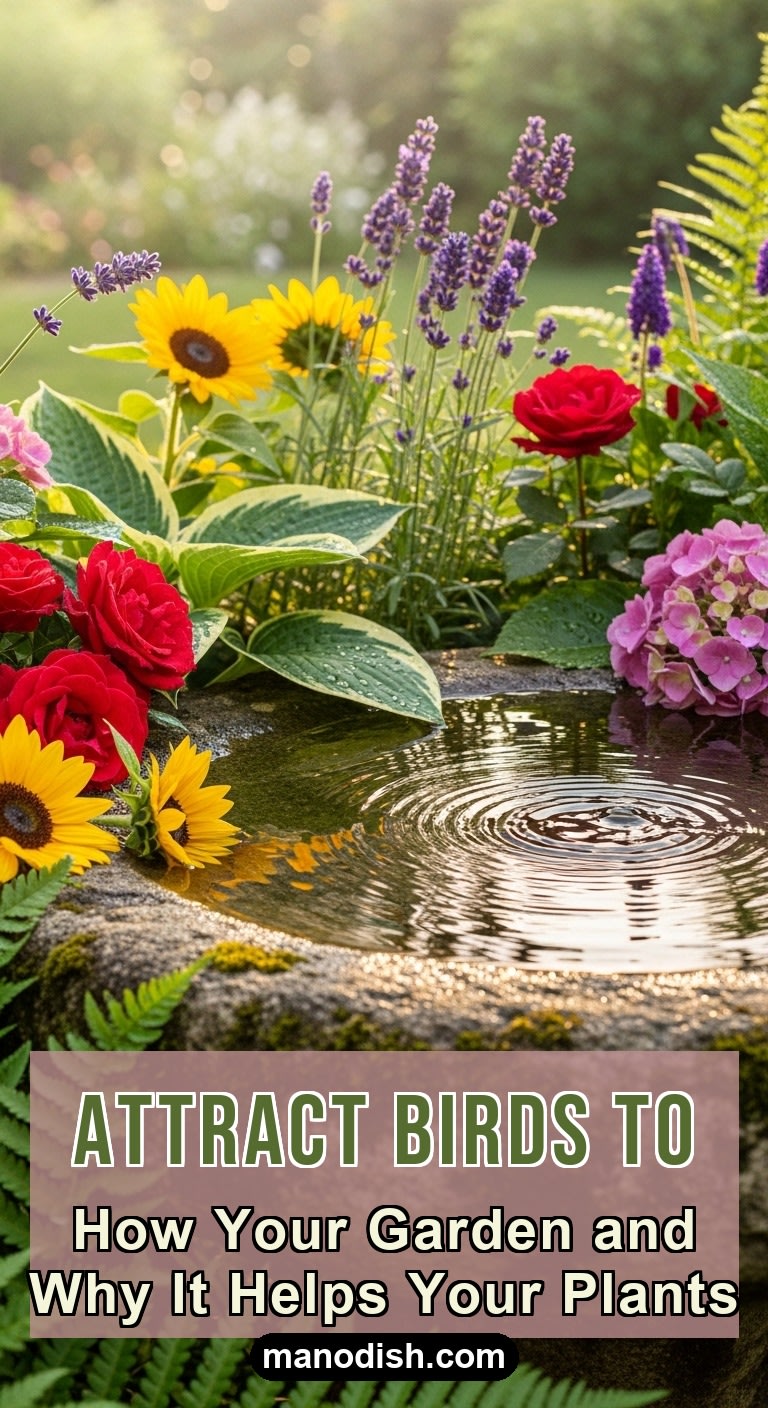
Water is essential for birds, especially during hot summer months. Installing a birdbath in your garden can attract birds looking for a place to drink or bathe. Choose a birdbath with a shallow basin and sloped sides to cater to various bird sizes. Make sure to keep the water fresh and clean by changing it regularly.
If you want to go a step further, consider adding a small water feature, like a fountain or a pond. Moving water is especially enticing to birds, as they prefer it for drinking and bathing, so the sound of trickling water can draw them in.
Example: A simple birdbath can attract a variety of birds looking for hydration.
Pro Tips:
- Add stones or pebbles in the birdbath for birds to stand on.
- Place the birdbath in a sunny spot to keep the water from freezing in winter.
- Consider a solar-powered fountain for added movement and sound.
Step 4: Create Shelter and Nesting Areas
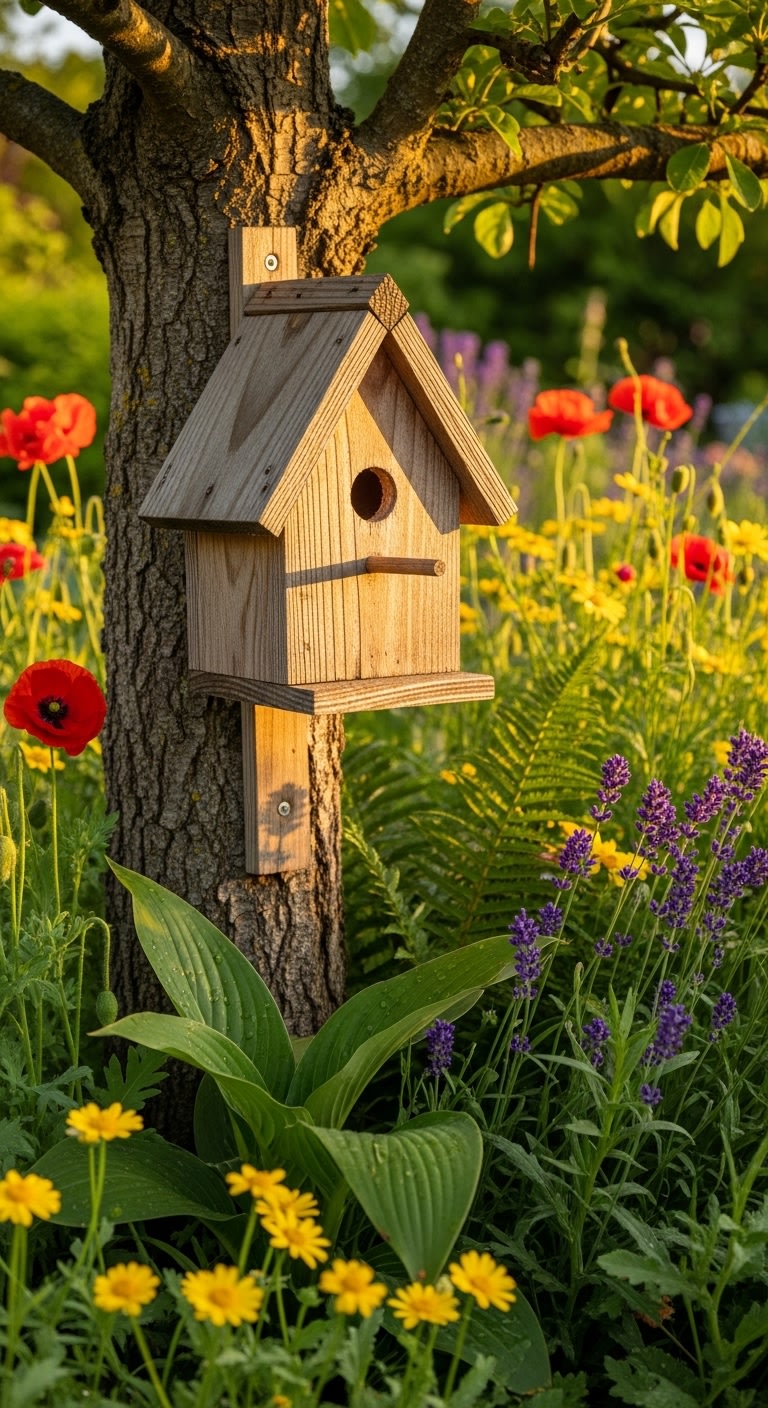

Birds need safe spaces to rest, hide, and nest, so creating shelter is vital. Plant dense shrubs and trees that can provide cover from predators and harsh weather. Additionally, you can install birdhouses tailored to the species you wish to attract; different birds prefer various styles and sizes of houses.
Make sure to place birdhouses in quiet, sheltered areas, away from busy garden paths. If you can, position them in a way that allows birds to easily take flight in case of danger. You might also consider leaving some areas of your garden a bit wild, with tall grasses or brush piles, to offer natural nesting spots.
Example: A birdhouse mounted on a tree trunk provides a safe nesting site for wrens.
Pro Tips:
- Research local bird species to choose appropriate birdhouse designs.
- Keep birdhouses clean and inspect them regularly.
- Avoid using pesticide treatments in nearby areas.
Step 5: Offer Natural Foods


To attract birds, it’s essential to understand their dietary preferences. While bird feeders are a great start, consider enhancing your garden with natural food sources like fruits, nuts, and seeds. Planting berry-producing bushes like chokecherry or elderberry will provide a feast for many bird species during the right season.
Additionally, leaving some plants, like sunflowers, to go to seed can be a huge draw for birds in the fall. The seeds act as a natural buffet, making your garden a go-to stop for hungry birds.
Example: Leaving sunflowers standing after they bloom can attract finches and sparrows.
Pro Tips:
- Plant a variety of fruiting plants to draw different birds.
- Leave some plants untrimmed to provide food and shelter.
- Consider adding a compost pile to attract insects, a food source for many birds.
Step 6: Reduce Pesticide Use


One of the best ways to create a welcoming environment for birds is to minimize the use of pesticides in your garden. Chemicals can harm birds by poisoning them directly or reducing their food sources, leading to fewer visits. Instead, embrace organic gardening practices that promote a healthy ecosystem.
Utilizing natural pest control methods, such as encouraging beneficial insects like ladybugs or lacewings, can help manage pests without harming birds. By creating a balanced ecosystem, you’ll not only help birds thrive but also cultivate a healthier garden overall.
Example: Using companion planting can naturally repel pests without chemicals.
Pro Tips:
- Encourage beneficial insects by planting a variety of flowers.
- Use organic methods like neem oil for pest control.
- Monitor pest levels regularly to maintain balance instead of overreacting.
Step 7: Observe and Adapt
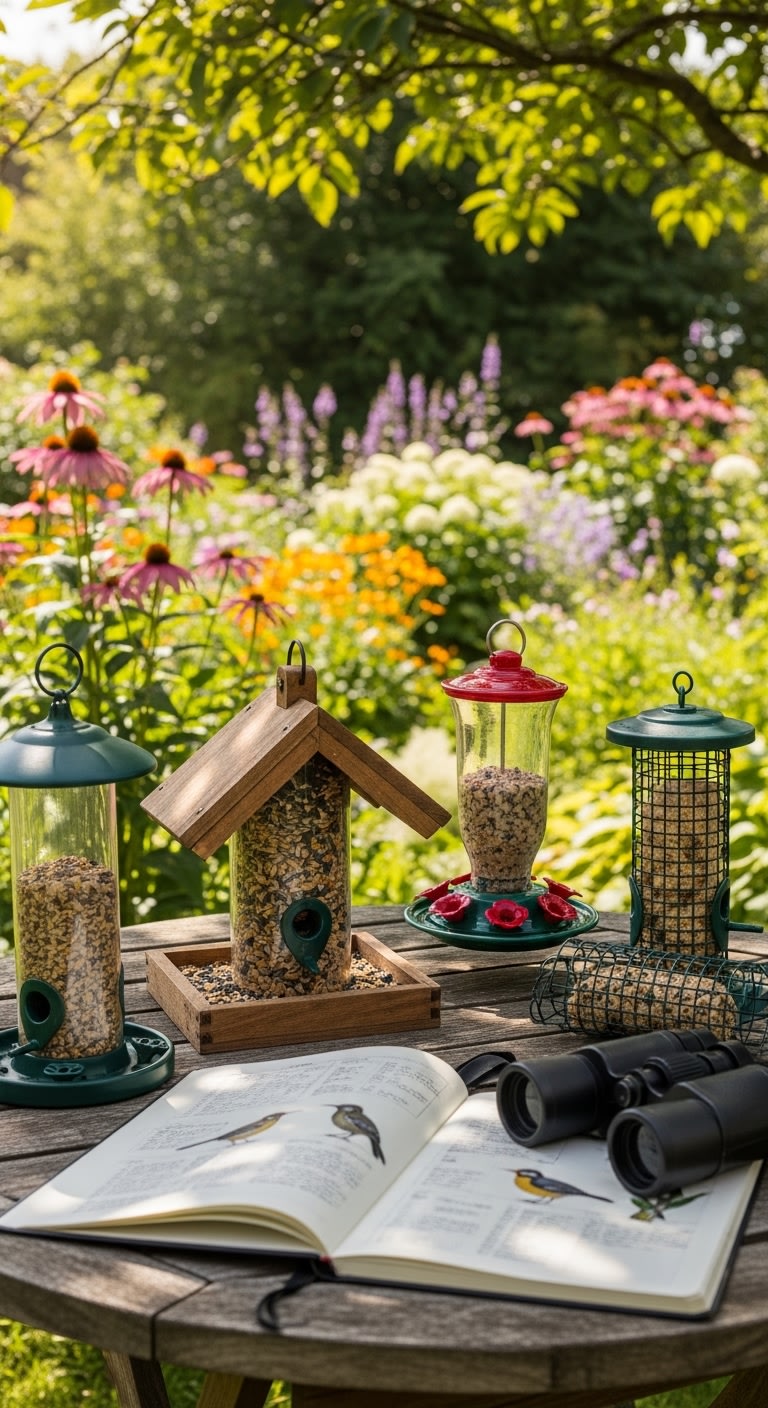
Once you’ve created an inviting space, take time to observe the birds that visit your garden. Different species may have varying preferences and needs. Be open to adapting your garden features based on what you see. If certain birds are frequent visitors, consider adding more of what they like, whether it’s specific plants or types of feeders.
Engaging with local birdwatching communities can also provide insights into what works best in your area. You might discover new plants or techniques that will make your garden even more appealing to your feathered friends.
Example: Noticing frequent visits from hummingbirds may prompt you to plant more nectar-rich flowers.
Pro Tips:
- Keep a journal of the bird species you observe and their behaviors.
- Join local gardening or birdwatching groups for shared knowledge.
- Experiment with different feeders and food types to see what attracts more birds.
Step 8: Enjoy Your Garden

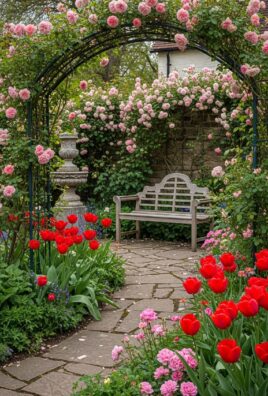
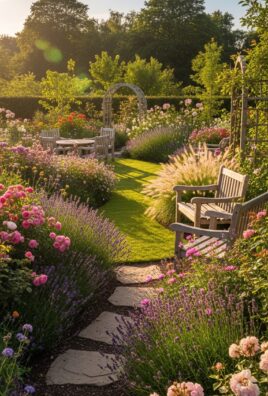
Finally, remember to take the time to enjoy the beauty and serenity that birds bring to your garden. Create a comfortable spot where you can sit and watch them interact with their environment. Whether you choose a cozy chair or a simple bench, having a designated place to appreciate your garden can enhance your overall gardening experience.
Birdwatching can be a relaxing pastime, allowing you to connect with nature and witness the daily lives of birds. So, pour yourself a cup of tea, find your favorite view, and enjoy the vibrant life your garden has to offer.
Example: Setting up a small seating area surrounded by flowers will enhance your birdwatching experience.
Pro Tips:
- Consider adding a bird identification book to enhance your enjoyment.
- Set up a camera to capture stunning moments in your garden.
- Invite friends or family to share in the joy of birdwatching.
Advanced Tips
Create a Bird-Friendly Landscape
Consider designing your garden with layers, incorporating tall trees, medium-sized shrubs, and ground cover. This vertical structure creates diverse habitats that cater to various bird species. Each layer offers different food sources and nesting opportunities, encouraging more birds to visit.
Use Native Plants Exclusively
Opting for exclusively native plants ensures that the birds in your area are familiar with the food sources and shelter available. Native plants are adapted to your local climate and soil conditions, which means they require less maintenance and provide the best support for local wildlife.
Keep Records of Visitors
Documenting the species you observe can provide valuable insights into your garden’s health and the effectiveness of your bird-attracting strategies. Consider keeping a birdwatching log to note the types of birds, their behavior, and any changes in their presence over time.
Participate in Citizen Science
Engaging in citizen science projects, such as the Great Backyard Bird Count, allows you to contribute to important research while enjoying your garden. This not only helps scientists track bird populations but also enriches your experience as you watch and learn more about your feathered visitors.
Tools & Resources
- Bird Feeders — Bird feeders come in various styles that cater to different birds. A good feeder will attract a variety of species and encourage longer visits. — Available at: Home Depot, Amazon
- Birdbaths — A birdbath provides essential water for birds, attracting them year-round. Choose a shallow bath with easy access for smaller birds. — Available at: Lowe’s, Walmart
- Native Plant Guide — A native plant guide helps you select the best plants for your region, ensuring you attract local bird species effectively. — Available at: Local nurseries, online gardening stores
- Birdhouse Kits — Building your own birdhouse can be a fun project. Kits often include everything you need to create a safe nesting space for birds. — Available at: Home Depot, Amazon
- Birdwatching Binoculars — A good pair of binoculars enhances your birdwatching experience, allowing you to see birds up close without disturbing them. — Available at: REI, Amazon
Frequently Asked Questions
What plants attract the most birds?
Native plants are the best choice for attracting birds, as they provide natural food sources and habitats. Plants like black-eyed Susans, coneflowers, and berry-producing shrubs such as elderberry and serviceberry are particularly effective. They not only offer food but also create a welcoming environment for various bird species.
How can I keep my bird feeders clean?
Cleaning your bird feeders is crucial to prevent mold and disease. Use hot, soapy water to scrub feeders at least once every two weeks, especially during peak feeding seasons. Rinse thoroughly and allow them to dry before refilling with seed. Regular maintenance ensures a safe feeding environment for your feathered friends.
Do I need a special birdbath?
While any shallow dish can serve as a birdbath, purpose-built birdbaths are designed to attract birds effectively. Look for a bath with a shallow basin and sloped sides, making it easy for birds to access. Adding a fountain or drip feature can also increase interest, as birds prefer moving water.
How can I attract hummingbirds to my garden?
To attract hummingbirds, plant nectar-rich flowers like trumpet vine, salvia, and bee balm. Additionally, installing a hummingbird feeder filled with a sugar-water solution (1 part sugar to 4 parts water) can draw them in. Position the feeder near flowering plants and keep it clean for the best results.
What should I do if I see a sick bird?
If you encounter a sick or injured bird, it’s best to contact a local wildlife rehabilitation center or veterinarian specializing in birds. Avoid handling the bird yourself, as this can cause further stress and potential harm. Professionals can provide the necessary care and guidance for the bird’s recovery.
Attracting birds to your garden is a rewarding endeavor that enriches both your outdoor space and the ecosystem. As you implement these strategies, you’ll find joy in watching birds thrive in your garden, knowing that you’re providing them with essential resources. Remember, your efforts not only support these beautiful creatures but also enhance the health and beauty of your garden.
So, grab your gardening gloves, and let’s get started! With a little patience and creativity, you can transform your garden into a sanctuary for birds and a vibrant haven for yourself. Happy gardening!
Leave a Comment