
As the summer heats up, you might find your garden struggling to cope with the rising temperatures. Heatwaves can stress your plants, leading to wilting, stunted growth, and even plant loss. But don’t despair! There are effective strategies you can employ to keep your garden thriving during these scorching days.
In this guide, we’ll walk you through practical steps to ensure your plants not only survive but flourish, even in extreme heat. From adjusting your watering schedule to providing proper shade and mulch, these tips will help you create a resilient garden that withstands the summer heat while enhancing your outdoor space’s beauty and productivity.
Table of Contents
- Understanding Heatwaves and Their Impact
- Watering Wisely
- Creating Shade
- Mulching for Moisture Retention
- Choosing Heat-Resistant Plants
- Maintaining Soil Health
- Adjusting Fertilization
- Preparing for the Next Heatwave
What Is It?
Keeping your garden thriving during a heatwave involves a series of proactive measures designed to protect your plants from extreme temperatures. Heatwaves can lead to stress for plants, causing them to wilt and lose vitality. Therefore, understanding how to care for your garden during these periods is crucial for maintaining a lush, productive space.
The methods to keep your garden flourishing include proper watering techniques, creating shade, and using mulch to retain moisture. By adopting these strategies, you’ll not only safeguard your plants but also enhance your gardening experience during the hottest months.
- Heatwaves can severely stress plants, making them more susceptible to diseases.
- Proper watering techniques are essential to keep plants hydrated.
- Mulching helps retain soil moisture and regulates temperature.
- Choosing the right plants can make a significant difference in heat tolerance.
How It Works
Plants, much like humans, experience stress during extreme temperatures. When temperatures soar, plants lose moisture faster than they can absorb it, leading to wilting and potential death. Understanding the mechanisms behind plant hydration and heat stress can help you take appropriate actions to mitigate these effects.
By ensuring that your plants have adequate water and protection from the sun, you’re enhancing their resilience. Techniques like mulching and strategic watering not only keep the soil moist but also provide a more stable environment for root systems to thrive.
- Plants transpire to cool themselves, which can lead to rapid water loss in heat.
- Root systems require consistent moisture for optimal growth.
- Mulch acts as a barrier to evaporation, keeping the soil cooler.
- Shade can significantly reduce heat stress on plants.
Key Benefits
- Enhanced Plant Health — A well-cared-for garden during heatwaves ensures that plants remain healthy and vibrant. Proper hydration and protection from the sun can prevent wilting and promote growth, leading to a more productive garden.
- Increased Yield — By implementing heat protection methods, you can increase the yield of your garden. Healthy plants are more productive, which means more fruits, vegetables, and flowers for you to enjoy.
- Better Soil Quality — Mulching and careful watering techniques improve soil structure and health. This not only helps your plants thrive during heatwaves but also benefits your garden in the long run.
- Reduced Water Usage — Effective watering strategies can significantly reduce the amount of water you need to use, making your gardening practices more sustainable and environmentally friendly.
- Aesthetically Pleasing Garden — A thriving garden during a heatwave is not just practical; it’s also beautiful. A well-maintained garden can become a serene retreat, enhancing your outdoor living space.
Step-by-Step Guide
Step 1: Assess Your Garden’s Needs


Start by evaluating your garden to understand which plants are most vulnerable to heat stress. Look for signs of wilting or discoloration, and note the areas that receive the most sun. This assessment will help you tailor your care strategies effectively.
Identifying the specific needs of various plants allows you to focus your efforts where they are most needed. Also, consider the layout of your garden and how sun exposure changes throughout the day.
Example: If your tomatoes are wilting by midday, they may need more shade during peak sun hours.
Pro Tips:
- Keep a gardening journal to track plant health and needs.
- Take note of microclimates in your garden, like shaded areas or windbreaks.
Step 2: Water Deeply and Wisely


To combat heat stress, it’s crucial to water your plants deeply but less frequently. This encourages deeper root growth and helps plants access moisture more effectively. Early morning is the best time to water, as this reduces evaporation and allows plants to absorb water before the heat of the day.
Aim for about one inch of water per week, adjusting based on rainfall and temperature. Use a soaker hose or drip irrigation to deliver water directly to the roots, which minimizes waste and maximizes efficiency.
Example: Using a soaker hose in your vegetable garden can help deliver consistent moisture without water wastage.
Pro Tips:
- Check soil moisture by digging a small hole; if it feels dry an inch down, it’s time to water.
- Avoid overhead watering during the hottest parts of the day to reduce evaporation.
Step 3: Create Shade for Sensitive Plants

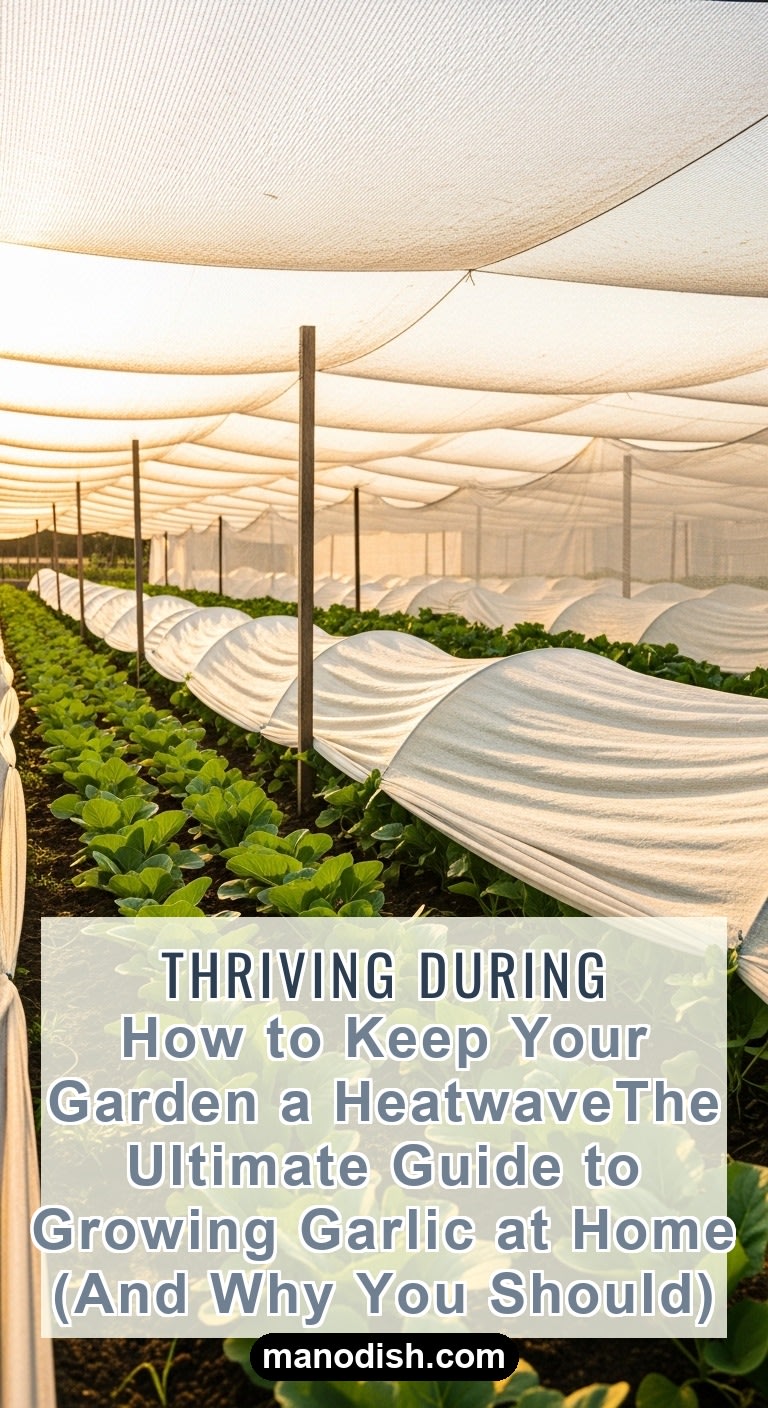
Providing shade for your most vulnerable plants can significantly reduce heat stress. You can use shade cloth, umbrellas, or even strategically placed potted plants to create temporary shade. Consider the sun’s path and position your shade sources accordingly.
Use a lightweight shade cloth that allows some sunlight through while blocking the harshest rays. This can be especially beneficial for delicate seedlings or plants that are not accustomed to intense sun exposure.
Example: Drape shade cloth over your tender vegetable seedlings during peak sun hours to protect them.
Pro Tips:
- Move potted plants to shadier spots during extreme heat.
- Use stakes to create a frame for your shade cloth to keep it off the plants.
Step 4: Apply Mulch Generously


Mulching is a fantastic strategy for retaining soil moisture and regulating temperature. A thick layer of organic mulch, such as straw, wood chips, or bark, can keep the soil cool and help prevent evaporation. Apply a layer that is at least two to three inches thick around your plants, avoiding direct contact with the stems.
This not only conserves moisture but also reduces weed growth, which can compete with your plants for water and nutrients. Organic mulch will break down over time, enriching the soil as well.
Example: Adding a thick layer of straw mulch around your vegetable plants can help them retain moisture.
Pro Tips:
- Replenish mulch every few months to maintain effectiveness.
- Choose mulch that complements your garden aesthetics.
Step 5: Choose Heat-Resistant Plants


Selecting the right plants can make all the difference during a heatwave. Research heat-resistant varieties of vegetables, flowers, and herbs that thrive in high temperatures. Some excellent choices include okra, sweet potatoes, and zinnias, which are known for their resilience in hot conditions.
When planning your garden, consider grouping heat-tolerant plants together. This not only creates a more aesthetically pleasing arrangement but also allows you to focus your care efforts on those areas that need it most.
Example: Planting heat-tolerant sunflowers alongside your regular garden can provide visual interest and resilience.
Pro Tips:
- Consider native plants, which are often better adapted to local heat and drought conditions.
- Mix in some herbs, like basil and rosemary, which thrive in the heat.
Step 6: Maintain Soil Health
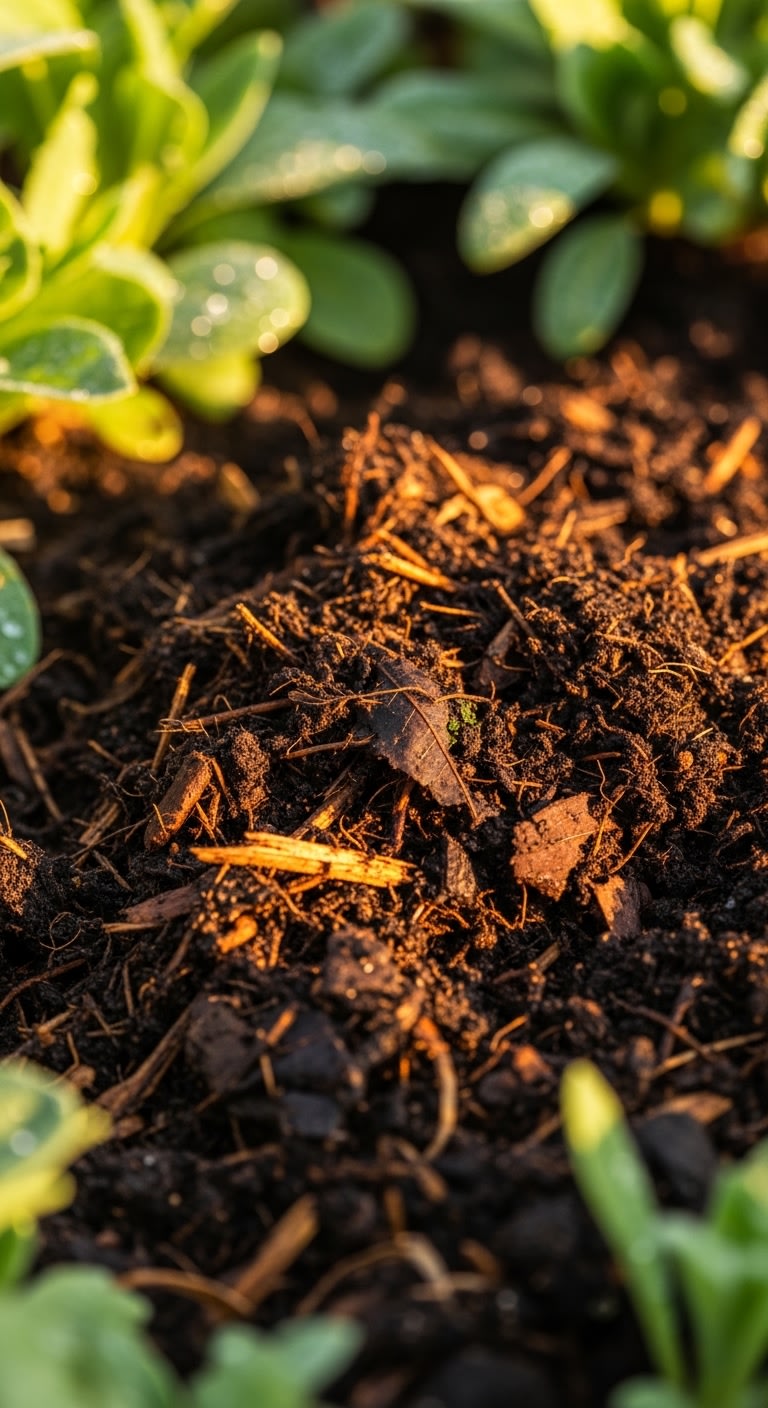

Healthy soil is the foundation of a thriving garden, especially during heatwaves. Focus on nurturing your soil by incorporating organic matter like compost or well-rotted manure. This not only enriches the soil but also improves its moisture-holding capacity, which is crucial in hot conditions.
Regular testing of your soil can also help you understand its nutrient content and pH level, allowing you to make informed amendments. Healthy soil leads to robust plants that can better withstand the stresses of heat.
Example: Adding compost to your garden beds before planting can significantly boost soil health.
Pro Tips:
- Consider cover cropping in the off-season to improve soil structure.
- Rotate your crops yearly to maintain soil balance.
Step 7: Adjust Fertilization Practices

During a heatwave, it’s important to adjust your fertilization practices. Over-fertilizing can stress plants further, especially when they are already struggling in the heat. Consider using organic fertilizers that release nutrients slowly, which can help nourish your plants without overwhelming them.
Apply fertilizers during the cooler parts of the day, such as early morning or late afternoon. This allows for better absorption and minimizes nutrient loss due to evaporation.
Example: Using a slow-release organic fertilizer can provide steady nutrients without risking plant stress.
Pro Tips:
- Always follow the recommended application rates on fertilizers.
- Observe your plants for signs of nutrient deficiency and adjust accordingly.
Step 8: Prepare for Future Heatwaves

Once you’ve implemented these strategies, it’s essential to prepare for future heatwaves. Consider creating a plan that outlines specific actions you’ll take when temperatures rise. This could include setting reminders for watering, preparing shade structures, or adjusting your planting schedule to avoid the hottest months.
Additionally, consider building a resilient garden over time by continually selecting heat-resistant plants and improving soil health. The more prepared you are, the easier it will be to maintain a thriving garden in any weather condition.
Example: Establishing a watering schedule in advance can save you time and stress when the heat hits.
Pro Tips:
- Keep a gardening calendar to track seasonal changes and plant needs.
- Stay informed about local weather patterns to anticipate heatwaves.
Advanced Tips
Utilize Plant Companions
Companion planting can be a powerful strategy to help your garden thrive during heatwaves. Certain plants can provide natural shade, while others can create beneficial microclimates that help retain moisture. For example, planting taller sunflowers alongside shorter vegetables can protect them from the harsh afternoon sun.
Invest in a Rainwater Collection System
Setting up a rainwater collection system can provide a sustainable water source for your garden during hot months. This not only conserves water but also ensures that your plants receive chemical-free hydration. A simple barrel system can be highly effective in capturing rainwater for later use.
Practice Crop Rotation
Crop rotation is essential for maintaining soil health and preventing pests. By rotating your crops yearly, you can avoid depleting specific nutrients and reduce the risk of pest infestations, making your garden more resilient to heat and other stress factors.
Consider a Drip Irrigation System
Installing a drip irrigation system can provide precise watering that reduces water waste and keeps soil consistently moist. This method allows you to water deeply and efficiently, which is crucial during heatwaves. It can be particularly beneficial for larger gardens.
Tools & Resources
- Soaker Hose — A soaker hose is a porous garden hose that allows water to seep out slowly, providing consistent moisture to plants. It’s perfect for deep watering without wasting water through evaporation. — Available at: Home Depot, Amazon
- Shade Cloth — Shade cloth is a lightweight fabric that provides shade and reduces heat stress on plants. It’s available in various densities to suit different plant needs. — Available at: Lowe’s, Amazon
- Organic Mulch — Organic mulch, such as straw or wood chips, helps retain soil moisture and keeps the soil temperature regulated. It breaks down over time, enriching the soil as well. — Available at: Home Depot, local garden centers
- Slow-Release Fertilizer — Slow-release fertilizers provide nutrients over an extended period, reducing the risk of over-fertilization during hot weather. They help sustain plant health without causing stress. — Available at: Amazon, local garden centers
- Watering Can with Adjustable Nozzle — A watering can with an adjustable nozzle allows for controlled watering, helping to deliver the right amount of water directly to the base of your plants. — Available at: Home Depot, Target
Frequently Asked Questions
How often should I water my garden during a heatwave?
During a heatwave, it’s best to water your garden deeply but less frequently, aiming for about one inch of water per week. Watering early in the morning or late in the afternoon minimizes evaporation and allows plants to absorb moisture effectively.
Be sure to check the soil moisture regularly; if it feels dry an inch down, it’s time to water. Using a soaker hose or drip irrigation can help deliver water directly to the roots, maximizing efficiency and reducing waste.
What type of mulch is best for heat protection?
Organic mulches, such as straw, wood chips, or shredded leaves, are excellent choices for heat protection. They help retain soil moisture, regulate temperature, and suppress weed growth. Apply a layer of mulch that is at least two to three inches thick around your plants, but avoid direct contact with the stems to prevent rot.
As the mulch breaks down over time, it will enrich the soil, creating a healthier environment for your plants.
Are there specific plants that do better in heat?
Yes, certain plants are particularly well-suited to thrive in heat. Vegetables like okra and sweet potatoes, as well as flowers like zinnias and sunflowers, are known for their resilience in hot conditions. When planning your garden, consider incorporating these heat-resistant varieties to ensure a thriving garden during summer heatwaves.
Additionally, native plants are often more adaptable to local climate conditions and can provide excellent choices for your garden.
How can I tell if my plants are stressed from heat?
Signs of heat stress in plants include wilting, leaf scorch, and discolored or dropping leaves. If you notice your plants looking droopy or yellowing, they may be struggling to cope with the heat. Regularly assess your garden, especially during heatwaves, to catch these signs early and take action to protect your plants.
Providing adequate watering, shade, and mulch can help alleviate stress and keep your plants healthy.
What should I do after a heatwave?
After a heatwave, it’s essential to assess your garden for any signs of damage or stress. Check for wilting plants or any signs of sunburn on leaves, and adjust your care accordingly. Revitalize your garden by adding fresh mulch and considering additional watering to help recovering plants.
Also, take note of what worked well during the heatwave and what didn’t, so you can better prepare for future heat events. This reflection can be invaluable for improving your gardening practices.
Congratulations on taking the steps to protect your garden during heatwaves! By implementing these strategies, you’re not just enhancing the resilience of your plants but also creating a flourishing outdoor space that brings joy and beauty to your life. Remember, gardening is a journey, and every season presents new opportunities for growth and learning.
As you continue to nurture your garden, embrace the challenges and celebrate your successes. Whether you’re enjoying fresh vegetables or blooming flowers, your hard work will undoubtedly pay off. Happy gardening and stay cool!

Leave a Comment