
Cottage gardens have long been celebrated for their enchanting charm and vibrant displays of color, making them a coveted style for outdoor enthusiasts. With their relaxed, whimsical design and a harmonious blend of plants, flowers, and garden elements, these gardens evoke a sense of nostalgia and tranquility. Whether you have a sprawling estate or a cozy backyard, creating a dreamy cottage garden can transform your outdoor space into a serene retreat.
In this article, we explore 12 inspiring cottage garden ideas that promise to infuse your space with timeless charm. From incorporating fragrant blooms to selecting the perfect furniture that complements your garden’s aesthetic, these ideas will help you cultivate a picturesque environment. Embrace the beauty of nature and let your imagination run wild as you design your very own cottage garden oasis, brimming with personality and style.
1. Embrace a Lush Cottage Garden Style

A lush cottage garden is characterized by its dense planting and a vibrant mix of colors and textures. To create this style, layer plants of varying heights and spread to achieve visual depth and interest. Consider including popular choices like hollyhocks, delphiniums, and peonies, which not only add color but also attract pollinators.
Incorporate pathways that wind through the garden to invite exploration. Cobblestone or gravel paths work beautifully, leading visitors through a tapestry of blooms. Don’t forget the importance of foliage; plants like hostas and ferns can provide a beautiful contrast to the vibrant flowers.
For an authentic cottage feel, consider adding rustic elements such as a wooden bench or a weathered trellis adorned with climbing vines. These features not only enhance the garden’s charm but also provide spots for relaxation and contemplation.
2. Create a Romantic Flower Border

Flower borders are a hallmark of cottage gardens, offering a riot of color and fragrance. To design a romantic flower border, select a variety of perennial blooms that will provide continuous color throughout the seasons. Consider using classics like daisies, lavender, and snapdragons to create a harmonious palette.
Plant in clusters for a more natural look, allowing taller plants to rise behind shorter ones. This layering effect not only enhances visual appeal but also provides a habitat for beneficial insects. Incorporate some fragrant herbs like rosemary or thyme at the edges for a sensory experience.
Adding decorative elements such as trellises or obelisks with climbing plants like sweet peas can add height and structure to your border. These features create focal points and draw the eye, making the garden feel more expansive and inviting.
3. Incorporate Charming Garden Paths

Garden paths are essential in cottage gardens, guiding visitors through the lush plantings and creating a sense of adventure. Choose materials that blend seamlessly with the natural environment, such as stone, gravel, or wood. A meandering path provides an element of surprise, revealing new areas of the garden as one explores.
Consider the width of the path; it should be wide enough to allow for easy passage while maintaining intimacy. Adding moss or wildflowers along the edges can soften the appearance and enhance the rustic charm. Use stepping stones to provide structure and create visual interest.
Lighting along the path can extend your enjoyment into the evening. Subtle solar lights or lanterns can highlight the path without detracting from the garden’s beauty. This not only makes the space usable at night but also adds a magical ambiance to your charming cottage garden.
4. Opt for Vintage Garden Furniture

Vintage garden furniture adds character and charm to any cottage garden. Look for pieces that reflect the rustic, timeless qualities of the garden, such as wrought iron chairs or weathered wooden tables. These elements not only provide seating but also serve as focal points around which plants can thrive.
Position your furniture strategically to create inviting sitting areas where you can relax and enjoy the beauty of your garden. Adding cushions in floral patterns can enhance comfort and visual appeal, inviting you to linger a little longer.
Consider integrating a small bistro set for an intimate dining experience or a rustic bench beneath a flowering tree for shade on hot days. These features enhance the garden’s function while maintaining the dreamy, relaxed atmosphere characteristic of cottage gardens.
5. Utilize Climbing Plants for Vertical Interest

Climbing plants are a fantastic way to maximize space and add vertical interest to your cottage garden. Vines such as wisteria, clematis, and climbing roses can transform walls, fences, and trellises into vibrant living canvases. These plants not only provide a burst of color but also create a lush backdrop for your garden.
When planting climbing plants, ensure you provide proper support structures. Trellises, arbors, or even the sides of your home can serve as excellent supports. Consider the sunlight and moisture needs of your chosen vines to ensure they thrive in your garden’s microclimate.
Incorporating climbing plants can also create natural privacy screens and add a sense of enclosure to your outdoor space. Pair them with lower plantings for a dynamic look, and watch as your garden evolves into a beautiful tapestry of blooms and foliage.
6. Mix Edible Plants into Your Design

Incorporating edible plants into your cottage garden can provide both functionality and beauty. Consider planting herbs, vegetables, and fruit-bearing plants alongside your ornamental flowers. This not only enhances the garden’s aesthetic but also offers fresh produce right outside your door.
When selecting edible plants, choose varieties that complement the overall design. For example, colorful Swiss chard or vibrant nasturtiums can add visual interest while being completely edible. Herbs like basil and rosemary can be interspersed among flowers for added fragrance and culinary use.
Ensure to maintain accessibility for harvesting while designing your layout. Raised beds or strategically placed pots can make it easier to tend to these plants without disrupting the overall flow of your garden. This approach creates a harmonious blend of beauty and practicality, enhancing your outdoor living experience.
7. Add a Water Feature for Serenity

A water feature can enhance the tranquility of your cottage garden, creating a serene atmosphere. Consider options such as a small pond, a bubbling fountain, or a birdbath that can attract wildlife and add movement to your garden. The soothing sound of water can provide a calming backdrop, perfect for relaxation.
When designing the water feature, ensure it complements the overall aesthetic of your garden. Natural stone or rustic materials work well with cottage garden themes. Surround the feature with lush plants and flowers to create a naturalistic look that integrates seamlessly into the landscape.
Adding aquatic plants, such as water lilies or lotus, can further enhance the beauty and ecological balance of your water feature. Providing a space for wildlife will not only enrich your garden’s biodiversity but also create a lively and inviting environment.
9. Create Cozy Nooks with Garden Seating Areas

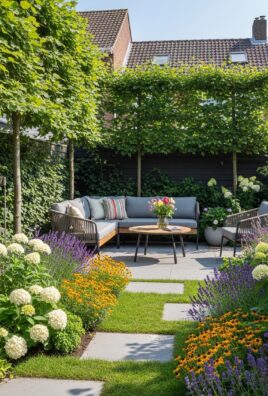
Transform your garden into an inviting retreat by creating cozy seating areas that invite relaxation and contemplation. Choose a semi-shaded spot under a tree or a sunny corner next to a flowering hedge, and furnish it with comfortable outdoor furniture, such as cushioned benches or rustic wicker chairs. Add a small side table to hold refreshments and books, making it the perfect place to unwind.
Incorporate natural materials like wood or stone to harmonize with the surrounding garden landscape. Consider using colorful cushions and throws to introduce texture and warmth. Surround the seating area with fragrant flowers like lavender or rosemary, which not only add beauty but also delightful scents.
To enhance the ambiance, string soft lighting or lanterns above the seating area. This will create a magical atmosphere for evening gatherings. You might also consider a fire pit or a chiminea for added warmth and a focal point, perfect for stargazing or roasting marshmallows on cooler evenings.
10. Incorporate Colorful Flower Borders

Adding colorful flower borders is a fantastic way to create visual interest and define areas within your cottage garden. Choose a mix of perennials and annuals to ensure a vibrant display throughout the seasons. Popular choices include delphiniums, snapdragons, and daisies that can create a stunning palette from spring through fall.
Plan your layout by considering the height and bloom time of the plants. Taller flowers can be placed at the back of the border, gradually transitioning to shorter varieties towards the front. This layered approach not only adds depth but also ensures that all plants receive ample sunlight. To maintain a continuous bloom, select plants with staggered flowering times.
To enhance the charm, consider interspersing ornamental grasses or low-growing ground covers such as creeping thyme or sedum. Not only do they soften the edges of the flower border, but they also provide a lush backdrop for more colorful blooms. Regular deadheading and care will keep your flower borders looking their best and encourage longer blooming periods.
11. Embrace Natural Stone Pathways

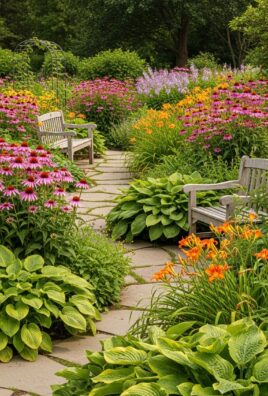
Natural stone pathways are a timeless feature that adds elegance and rustic charm to any cottage garden. These pathways not only guide visitors through your garden but also enhance the overall aesthetic of your outdoor space. Stones such as flagstone, slate, or river rock can create a beautiful, organic path that feels like a natural part of the landscape.
To create your pathway, start by marking out your desired route. Use larger stones for the main sections, and smaller pebbles or gravel to fill the gaps, giving it a finished look. Weaving the path through flower beds or around ornamental shrubs will make it feel more integrated into the garden design.
Consider using plants to soften the edges of the stone pathway. Low-growing, hardy plants like creeping thyme or moss can spill over the stones, creating a lush, inviting look. Additionally, natural stone can retain heat during cooler nights, providing a warm environment for nearby plants. Regular maintenance, like removing weeds and replenishing gravel, will keep your pathway looking pristine and enhance its longevity.
12. Design a Productive Herb Garden

Creating a dedicated herb garden is a delightful addition to any cottage garden, offering both beauty and utility. Herbs can be grown in various ways, such as in raised beds, containers, or even in a designated section of your flower garden. Consider varieties like basil, parsley, thyme, and mint, which not only provide culinary uses but also attract pollinators.
When planning your herb garden, ensure that you choose a sunny location with well-draining soil. Mixing in organic compost will enhance soil fertility and promote healthy growth. Vertical gardening techniques can also be employed, such as wall-mounted planters or tiered herb gardens, to maximize space and add visual interest.
Regular harvesting encourages bushy growth, so don’t hesitate to snip off leaves for cooking or drying. Companion planting can also improve your herb garden; for instance, plant basil alongside tomatoes for better flavor and growth. A mix of foliage textures and heights will create an appealing and dynamic garden space that is both functional and charming.
Frequently Asked Questions
What is a cottage garden?
A cottage garden is a style of garden that emphasizes informality and a relaxed atmosphere, characterized by an abundance of flowers, plants, and often vegetables or herbs. Typically, these gardens feature a mix of perennials and annuals, creating a vibrant tapestry of color and texture. The design usually includes winding paths, rustic furniture, and climbing plants, all contributing to a charming, whimsical aesthetic.
Cottage gardens originated in rural England, where they were often designed to provide food and beauty in a compact space. This approach has evolved, allowing for various interpretations that can suit different climates and preferences. The essence of a cottage garden lies in its eclectic mix and the ability to create a personal haven that reflects one’s love for nature.
How can I start my own cottage garden?
Starting your own cottage garden begins with planning your space and choosing a variety of plants that appeal to you. Begin by evaluating your garden’s sunlight, soil type, and moisture levels to select suitable plants. Focus on a mix of perennial blooms, fragrant herbs, and perhaps some vegetables for a functional garden.
Once you’ve identified plants, consider incorporating pathways, seating areas, and decorative elements like trellises or vintage furniture. The key is to create a design that feels inviting and personal. Don’t be afraid to experiment with colors and textures; the beauty of a cottage garden lies in its relaxed, overgrown feel.
What plants are best for a cottage garden?
Ideal plants for a cottage garden include a mix of perennials, annuals, and herbs that provide color and texture throughout the seasons. Classics like roses, foxgloves, daisies, and lavender are staples due to their charm and fragrance. Additionally, incorporating herbs such as thyme, basil, and chives not only adds beauty but also enhances culinary possibilities.
Consider selecting plants that attract pollinators and provide habitat for beneficial insects. This ecological approach adds life to your garden while supporting the environment. Mixing different heights and bloom times will ensure your garden remains vibrant year-round.
How can I maintain my cottage garden?
Maintaining a cottage garden involves regular tasks such as watering, weeding, and deadheading to encourage blooms. Since cottage gardens often feature a variety of plants, it’s essential to understand the specific needs of each type. Mulching can help retain moisture and suppress weeds, while regular pruning and cutting back will keep plants healthy and encourage new growth.
Seasonal planning is also key; consider rotating your annuals and adding new plants each year to keep the garden fresh. Embrace the natural growth patterns and allow for some spontaneity, as this is part of the charm of a cottage garden.
What design elements enhance a cottage garden?
Enhancing a cottage garden design can be achieved through the careful selection of various elements that reflect its whimsical nature. Incorporating rustic furniture, such as wooden benches or wrought iron tables, creates inviting spaces for relaxation. Adding decorative elements like trellises, arbors, and paths made from natural materials can also enhance the garden’s charm.
Additionally, including a mix of heights through climbing plants and vertical structures can create visual interest. Water features, such as ponds or fountains, not only provide tranquility but also attract wildlife, further enriching your garden’s ecosystem.
A cottage garden is a delightful escape that invites creativity and connection with nature. By incorporating these dreamy ideas, you can transform your outdoor space into a vibrant sanctuary that reflects your personality and love for plants. As you cultivate your garden, remember that the journey is as rewarding as the destination; each bloom, path, and piece of furniture tells a story.
Start small or go big—whatever suits your lifestyle—and let your imagination guide you. Don’t hesitate to experiment with colors, textures, and arrangements. Your cottage garden will not only be a feast for the eyes but also a cherished retreat for years to come.

Leave a Comment