
Indoor gardening is becoming increasingly popular, especially for those who want to enjoy fresh produce year-round. Edible vines are a fantastic way to maximize vertical space while adding beauty and greenery to your indoor environment. These plants not only produce delicious fruits and vegetables but also enhance your living space with their lush foliage and unique textures.
Growing edible vines indoors can be quite rewarding, offering both aesthetic appeal and culinary benefits. Many of these plants are relatively easy to care for, making them suitable for gardeners of all skill levels. By incorporating these edible vines into your home, you can create a vibrant indoor garden that is both functional and visually stunning, bringing nature closer to your everyday life.
1. Delight in Sweet Grapes

Grape vines are perfect for indoor gardening, offering both beauty and delicious fruit. These vines can be grown in pots with a sturdy trellis or support system, allowing them to climb and spread. Choose a sunny spot in your home, as grapes thrive in bright light, ideally requiring at least 6-8 hours of direct sunlight each day.
When planting grapevines, select a pot that is at least 14 inches deep with good drainage. Use a high-quality potting mix that retains moisture while allowing excess water to escape. Regular watering is essential, especially during the growing season, but avoid overwatering to prevent root rot.
Pruning is also crucial for healthy growth; remove dead or overcrowded branches to promote airflow and fruit production. With the right care, you can enjoy a bountiful harvest of sweet grapes that make for delightful snacks or ingredients in your favorite dishes.
2. Savor the Flavor of Passionfruit

Passionfruit vines are not only stunning with their exotic flowers but also a fantastic source of tangy fruit. They can thrive in pots placed near south-facing windows where they can bask in warm sunlight. To encourage healthy growth, provide a sturdy trellis or support for the vine to climb, allowing it to reach its full potential.
Start with a well-draining potting mix enriched with organic matter. Regular watering is important, but ensure the soil dries out slightly between waterings to prevent waterlogging. Fertilize monthly with a balanced fertilizer to support vigorous growth and fruit production.
Passionfruit vines can be pruned to manage their size and promote bushier growth. With patience, you’ll be rewarded with vibrant flowers and delicious fruits that are perfect for juices, desserts, or simply eaten fresh.
3. Embrace the Zing of Kiwi Vines
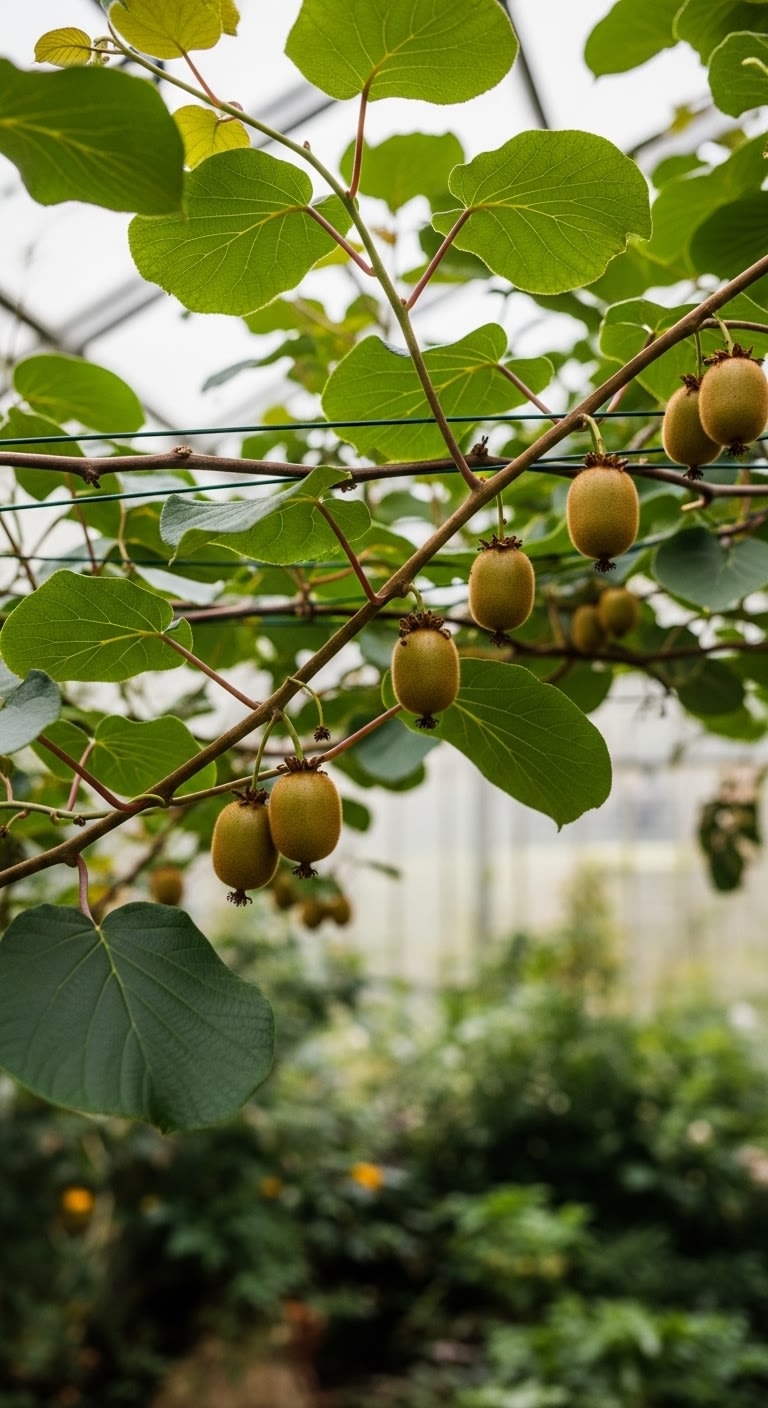
Kiwi vines are a wonderful choice for indoor gardens, producing delicious fruits that can add a tropical flair to your culinary creations. These vigorous climbers need ample space and a sturdy support system to thrive. Place your kiwi vine in a location that receives full sun for at least 6 hours a day to promote optimal growth.
When planting, select a large pot with good drainage and fill it with nutrient-rich soil. Kiwi vines benefit from regular watering, especially during the hot months, but be cautious not to let them sit in water. Pruning is essential; trim back excess growth to encourage stronger fruit production.
With a little care and attention, your kiwi vine will not only beautify your space with its lush green foliage but also reward you with sweet, juicy kiwis perfect for snacking or adding to fruit salads.
4. Harvest Fresh Beans Year-Round

Indoor bean vines are a delightful way to enjoy fresh legumes without needing outdoor space. Varieties like pole beans can be grown in pots with a trellis, making them ideal for small indoor gardens. They thrive in warm, well-lit areas, needing direct sunlight for at least 6-8 hours a day to flourish.
Choose a large container with a good drainage system and fill it with a quality potting mix. Beans are relatively low maintenance, requiring consistent moisture but be careful not to overwater. Fertilizing every few weeks with a balanced fertilizer will help them grow strong and healthy.
As the vines grow, provide support for the climbing tendrils and prune back any excess growth to maintain airflow. With proper care, you’ll enjoy a steady supply of fresh beans, perfect for salads, stir-fries, or steaming as a healthy side dish.
5. Indulge in the Sweetness of Cucumbers

Cucumber vines are a refreshing and productive addition to indoor gardens, offering crunchy vegetables perfect for salads and snacks. These vines prefer bright light and should be placed near a sunny window where they can receive plenty of sunlight. A trellis or vertical support is essential for their growth, allowing them to climb and spread freely.
Plant cucumbers in a large container filled with nutrient-rich potting soil. Regular watering is crucial, especially during the growing season, ensuring the soil remains consistently moist but not soggy. Applying a balanced fertilizer every few weeks can greatly enhance growth and fruit yield.
As the vines grow, be sure to prune off any dead or yellowing leaves to promote air circulation. With a little care, your indoor cucumber plants will produce a bounty of fresh cucumbers, perfect for your summer salads or refreshing drinks.
6. Enjoy the Aromatic Flavor of Climbing Thyme

Climbing thyme is a unique and versatile herb that can thrive as an indoor vine, offering aromatic leaves that enhance a variety of dishes. This hardy plant prefers sunny locations and can climb a small trellis or other support within your home. It thrives well in pots and requires minimal care, making it suitable for even novice gardeners.
When planting climbing thyme, choose a well-draining potting mix and a container that allows for good airflow. Water sparingly, as thyme prefers drier conditions compared to other herbs. Fertilizing is not always necessary; however, a light feeding during the growing season can promote growth.
Regular pruning will encourage bushier growth and prevent the plant from becoming leggy. With its fragrant leaves, climbing thyme not only adds flavor to your meals but also brings a delightful scent to your indoor space.
7. Create a Vertical Garden with Scarlet Runner Beans

Scarlet runner beans are not only edible but also produce stunning red flowers that enhance any indoor space. They are vigorous climbers, making them ideal for vertical gardening inside your home. These beans thrive in bright sunlight, so placing them near a window is essential for successful growth.
Start by planting them in a large container filled with nutrient-rich, well-draining soil. Regular watering is crucial, especially during dry spells, but allow the top inch of soil to dry out between waterings to prevent over saturation. Fertilizing every few weeks can provide the necessary nutrients for robust growth.
As the plants climb, they will produce vibrant flowers and delicious beans. Regular pruning can help maintain their shape and promote better airflow, ensuring a healthy harvest. With their eye-catching blooms and tasty beans, scarlet runner beans can bring both beauty and flavor to your indoor garden.
Frequently Asked Questions
Can I really grow edible vines indoors?
Yes, you can successfully grow various edible vines indoors, provided they receive adequate sunlight and proper care. Many edible vines, such as grapes, kiwi, and passionfruit, can thrive in pots with a sturdy support system. Ensure you select a sunny location in your home where the vines can receive at least 6-8 hours of direct sunlight daily.
Additionally, it’s important to choose the right potting mix and maintain consistent watering, allowing the soil to dry out slightly between waterings. With attention to their specific needs, many edible vines can flourish indoors and provide you with fresh produce year-round.
What kind of support do edible vines need indoors?
Edible vines require a sturdy support system to climb as they grow. This can be achieved using trellises, stakes, or other vertical supports that allow the vines to extend upwards. When setting up your indoor garden, ensure that the support is securely anchored and can handle the weight of the mature vines.
Additionally, regular pruning and training of the vines onto the support will help maintain their shape and encourage healthy growth. A well-structured support system not only aids in vine health but also enhances the overall aesthetic of your indoor space.
How much light do indoor edible vines need?
Most indoor edible vines require at least 6-8 hours of direct sunlight each day to thrive. This can typically be achieved by placing them near south or west-facing windows that receive ample light. If natural light is limited, consider supplementing with grow lights to ensure your vines receive the necessary amount of light for optimal growth.
Inadequate light can result in leggy growth and poor fruit production, so monitoring the light conditions is crucial for success. Regularly rotate the pots to ensure all sides of the plant receive equal sunlight exposure.
What type of soil is best for indoor edible vines?
A high-quality, well-draining potting mix is essential for indoor edible vines. Look for a mix that retains moisture but allows excess water to escape, preventing root rot. You can also enhance your potting mix by adding organic matter, such as compost, to provide additional nutrients.
Regularly checking the moisture level of the soil and adjusting your watering schedule based on the specific needs of each vine will help promote healthy growth and fruit production. Avoid using garden soil, as it can compact in pots and lead to drainage issues.
How do I care for my indoor edible vines?
Caring for indoor edible vines involves regular watering, proper lighting, and occasional fertilization. Make sure to monitor the moisture level of the soil, allowing it to dry slightly between waterings to avoid overwatering. Depending on the type of vine, you may need to fertilize every few weeks during the growing season with a balanced fertilizer to support growth and fruiting.
Pruning is also important to encourage healthy growth and airflow. Remove any dead or overcrowded branches, and train the vines onto their support structures. With consistent care, your indoor edible vines will thrive and provide fresh produce.
Indoor edible vines can transform your living space while providing fresh fruits and vegetables right at your fingertips. By choosing the right varieties and ensuring they receive proper care, you can create a thriving indoor garden that not only beautifies your home but also enhances your culinary experiences.
As you embark on your indoor gardening journey, remember to consider the light, space, and support needs of each vine. With patience and dedication, you can enjoy the fruits of your labor and relish the satisfaction of growing your own food indoors. Start your indoor edible vine garden today and bring nature into your home!


Leave a Comment