
Creating a vegetable garden in your backyard is not only a rewarding hobby but also a fantastic way to ensure fresh produce is just steps away from your kitchen. Imagine the satisfaction of harvesting your own tomatoes, cucumbers, and herbs, knowing that they have been grown with care and without harmful chemicals. Whether you have a sprawling yard or a small patio, there are endless possibilities for cultivating your own vegetable oasis.
In this article, we will explore 15 amazing ideas for growing a vegetable garden that can transform any outdoor space into a lush, productive area. From vertical gardens to raised beds, we’ll cover innovative techniques and practical tips that will help you maximize your gardening potential. Get ready to dig in and discover how you can create a beautiful and bountiful vegetable garden that suits your lifestyle and enhances your backyard experience.
1. Vertical Gardening: Maximize Your Space

Vertical gardening is an innovative way to grow vegetables in a limited space. This method allows you to utilize vertical structures such as trellises, wall planters, or even hanging pots to cultivate your favorite vegetables. Not only does this save ground space, but it also creates a visually appealing garden that can become a focal point in your backyard.
When choosing plants for your vertical garden, consider climbing varieties like beans, cucumbers, and peas. These plants can easily be supported by trellises or wall-mounted systems. Additionally, herbs like basil and mint can thrive in vertical planters, adding fragrance and flavor to your garden.
To get started, find a suitable wall or fence that receives plenty of sunlight and install your vertical gardening system. Regularly check for pests and ensure that your plants have adequate water and nutrients. This method not only maximizes your growing area but also adds a unique aesthetic to your outdoor space.
2. Raised Beds for Easy Maintenance

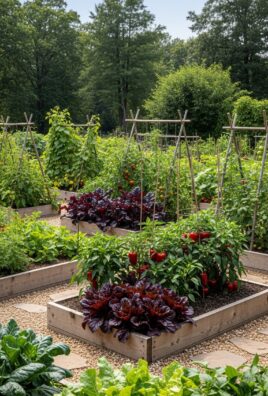
Raised garden beds are an excellent solution for growing vegetables with ease and efficiency. By elevating your soil, you improve drainage, reduce weed growth, and create a more accessible gardening area. These beds can be built from wood, stone, or even recycled materials, allowing you to customize them to fit your garden’s aesthetic.
When constructing raised beds, aim for a height of at least 12 inches to provide ample room for roots to grow. Fill your beds with a mix of quality topsoil, compost, and organic matter to ensure your plants receive the nutrients they need. Popular vegetables for raised beds include carrots, lettuce, and tomatoes, all of which thrive in well-drained soil.
To maintain your raised beds, implement a regular watering schedule and monitor for pests. Mulching can also help retain moisture and suppress weeds. With a little planning and effort, your raised beds can yield a bountiful harvest throughout the growing season.
3. Companion Planting for Enhanced Growth

Companion planting is an age-old gardening technique that involves growing different plants in proximity for mutual benefit. This method can enhance growth, deter pests, and improve the overall health of your garden. For instance, planting marigolds alongside tomatoes can repel harmful insects while attracting beneficial pollinators.
When planning your vegetable garden, research which plants thrive together. Some classic pairings include basil with tomatoes, carrots with onions, and corn with beans. These combinations can help maximize space and improve yields, creating a symbiotic environment in your backyard.
To implement companion planting, simply arrange your garden beds or containers to accommodate these beneficial pairings. Regularly monitor your plants for signs of distress or pest activity, and enjoy the advantages that come with this natural gardening technique. This approach not only boosts productivity but also creates a harmonious and diverse garden ecosystem.
4. Herb Spiral: A Space-Saving Marvel

An herb spiral is a vertical garden design that allows you to grow a variety of herbs in a compact space. This spiral structure utilizes vertical space while providing different microclimates for various herbs. The design encourages efficient water drainage and maximizes sunlight exposure, making it a fantastic addition to any backyard vegetable garden.
To create an herb spiral, use stones or bricks to build a circular, spiraled wall that rises higher towards the center. Fill the inside with quality soil and plant herbs like rosemary, thyme, and mint, each suited to specific positions within the spiral. The top of the spiral will be drier and sunnier, perfect for Mediterranean herbs, while the base will retain moisture for moisture-loving plants.
Regularly harvest your herbs to encourage growth and prevent overcrowding. An herb spiral not only saves space but also adds a beautiful and functional feature to your garden. It’s perfect for culinary enthusiasts looking to have fresh herbs at their fingertips.
5. Container Gardening for Flexibility

Container gardening offers a flexible way to grow vegetables, especially for those with limited space or poor soil conditions. By using pots, barrels, or even recycled containers, you can create a mobile vegetable garden that can be moved to optimize sunlight exposure. This method is ideal for urban gardeners or anyone looking to add greenery to a patio or balcony.
When choosing containers, ensure they are large enough to accommodate the root systems of your chosen vegetables. Popular options include tomatoes, peppers, and salad greens, which tend to thrive in containers. Be sure to use quality potting soil and consider adding drainage holes if your containers do not already have them.
Regular watering and fertilizing are essential for container gardens, as the soil can dry out faster than in-ground beds. With the right care, container gardening can yield a fruitful harvest, while adding beauty and life to any outdoor space.
6. Create a Pollinator-Friendly Garden

Creating a pollinator-friendly vegetable garden is essential for attracting bees, butterflies, and other beneficial insects that help with the pollination process. This not only boosts your vegetable yields but also contributes to the overall health of your garden ecosystem. Incorporating a variety of flowering plants alongside your vegetables can create a vibrant environment that supports pollinators.
Choose a diverse array of flowering plants that bloom at different times throughout the growing season to ensure a constant food source for pollinators. Some excellent choices include sunflowers, lavender, and zinnias, which attract various insects. Plant these flowers in clusters near your vegetable beds to encourage pollinator visits.
By minimizing pesticide use and providing habitats like bee hotels or native plants, you can further support these vital creatures. A pollinator-friendly garden not only enhances your vegetable productivity but also creates a beautiful and lively outdoor space that celebrates nature.
7. Utilize Companion Planting Techniques

Companion planting is a gardening strategy that involves planting different crops in proximity for mutual benefit. This technique can significantly enhance growth, deter pests, and improve crop yields. By understanding which plants work well together, gardeners can create a more balanced ecosystem within their vegetable gardens.
For example, marigolds are known to repel harmful nematodes and can be effectively planted alongside tomatoes. Similarly, planting basil near tomatoes can improve growth and flavor. Research the best combinations for your area to maximize the health and productivity of your garden.
Plan your garden layout accordingly, grouping compatible plants together. Regular monitoring for pests and proper care will ensure that your companion plants thrive and support each other. This strategy not only improves your harvest but also enriches your gardening experience by fostering biodiversity.
9. Vertical Gardening: Maximize Your Space

Vertical gardening is an innovative approach for those limited on ground space. By utilizing walls, fences, or specially designed structures, you can create a lush garden that reaches upwards. This method not only saves space but also adds visual interest and can serve as a stunning focal point in your backyard.
To get started, consider installing trellises or wall-mounted planters where you can grow climbing vegetables like peas, beans, or cucumbers. These plants naturally climb and can cover vertical space beautifully. Additionally, herbs like thyme or oregano can be planted in wall pockets to add greenery and aroma while being easily accessible during cooking.
Choose a sunny wall or fence that receives at least six hours of sunlight a day, and ensure your vertical garden has adequate watering solutions, as plants in vertical setups can dry out faster. With a little creativity and planning, vertical gardening can transform any ordinary wall into a vibrant harvest center.
10. Raised Garden Beds for Better Soil Management

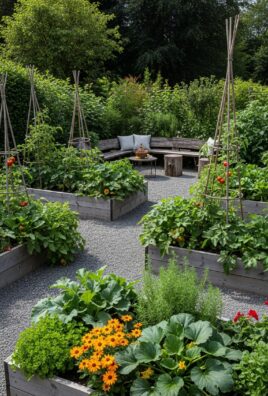
Raised garden beds are an excellent choice for growing vegetables if you’re looking for better soil management and drainage. These elevated plots allow for a controlled growing environment, helping to prevent soil compaction and making it easier to control weeds. Furthermore, the height of raised beds can minimize back strain during gardening activities.
When constructing raised beds, choose durable materials such as cedar or redwood, which resist decay and provide a natural aesthetic. Fill the beds with a quality soil mix, often comprising compost, topsoil, and other organic matter, to create an ideal growing medium. This mix ensures vegetables have the nutrients they need while promoting proper drainage and aeration.
You can customize the size of your raised beds to fit your backyard layout, from large rectangular plots to smaller square foot gardens. Not only do raised beds look great, but they’re also practical, allowing you to extend the growing season with the use of row covers or cold frames.
11. Aquaponics: A Sustainable Garden Solution

Aquaponics combines aquaculture (raising fish) with hydroponics (growing plants in water) to create a sustainable ecosystem. This innovative gardening method allows you to grow vegetables while raising fish, utilizing the waste produced by the fish as a natural fertilizer for the plants. The plants, in turn, help filter the water, creating a symbiotic relationship that benefits both.
To start an aquaponic system, you’ll need a fish tank, a grow bed for your plants, and a water pump to circulate the water between the two. Popular fish choices include tilapia or goldfish, while vegetables like lettuce, basil, and peppers thrive in aquaponic systems. Maintaining the right balance of fish and plant life is key to a successful setup.
Aquaponics not only provides fresh produce but also conserves water compared to traditional gardening methods. This system can be set up indoors or outdoors, making it a versatile option for urban gardeners or those looking to incorporate a unique gardening style into their backyard.
12. Edible Landscaping: Beauty Meets Functionality

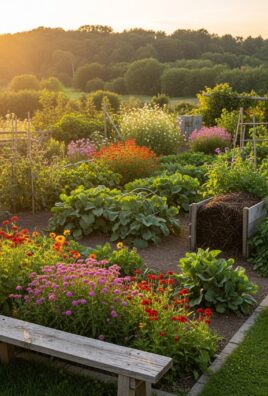
Edible landscaping is a creative and beautiful way to incorporate vegetables and herbs into your home’s landscape design. This approach blends ornamental plants with edible varieties, allowing you to enjoy fresh produce while enhancing your outdoor space’s aesthetic appeal. Imagine a garden filled with colorful chard, fragrant rosemary, and flowering edible plants.
To design an edible landscape, select plants that complement each other both visually and in terms of growth requirements. Choose varieties that offer seasonal interest; for example, flowering kale provides color in the fall, while strawberries produce delicious fruit in the summer. Incorporating edible plants into your ornamental flower beds can create an inviting garden space that encourages outdoor enjoyment.
Strategically place taller plants toward the back of the beds and shorter ones at the front to ensure visibility and access. By integrating edible plants into your landscaping, you’ll have the pleasure of harvesting your own ingredients while creating a lush, vibrant garden environment.
13. Lasagna Gardening: Layered Perfection

Lasagna gardening, also known as sheet composting, is an efficient and eco-friendly method of gardening that involves creating layers of organic materials to build healthy soil. This approach mimics the natural process of decomposition, allowing you to create beds teeming with nutrients without the need for traditional tilling.
To start a lasagna garden, begin by laying down a thick layer of cardboard or newspaper to smother weeds. Then, alternate layers of green materials like kitchen scraps, grass clippings, and brown materials like dried leaves and straw. Continue layering until the bed reaches a height of 12 to 18 inches. Over time, the materials will break down and create rich, fertile soil for your vegetables.
This method improves soil structure, enhances moisture retention, and attracts beneficial microorganisms. You can plant directly into the layered materials once they begin to decompose, allowing your vegetables to thrive in a nutrient-rich environment. Lasagna gardening is perfect for those looking to create a garden space with minimal effort while maximizing yield.
14. Community Gardening: Growing Together

Community gardening is a wonderful way to engage with neighbors while cultivating a shared space for growing vegetables and herbs. These gardens often bring people together, creating a sense of camaraderie and connection in urban settings where individual garden space may be limited. Establishing a community garden can foster learning, resource sharing, and collaborative gardening efforts.
To start a community garden, gather interested neighbors and identify a suitable plot of land, whether it’s a public park or a vacant lot. Planning is crucial; establish guidelines for planting, maintenance, and shared responsibilities. Consider which crops are best suited for the local climate and what vegetables the community would enjoy growing together.
Community gardens not only foster relationships but also promote sustainability by encouraging organic gardening practices. They can serve as educational hubs, teaching members about gardening techniques while providing a source of fresh produce. The joy of gardening becomes profoundly enriching when shared among friends and neighbors.
15. Create a Garden Shed Sanctuary

Transforming a garden shed into a sanctuary not only provides a functional space for tools and supplies but can also serve as a peaceful retreat amidst your vegetable garden. A well-designed garden shed can enhance your gardening experience, making it a perfect place to relax, plan, and reflect on your gardening journey.
Start by selecting or building a shed that complements your garden style—whether rustic, modern, or cottage-inspired. Inside, consider adding shelves for tools, comfortable seating, and decorative elements like plants or artwork that inspire you. Personal touches can transform a simple shed into a welcoming space you’ll enjoy spending time in.
Additionally, situate your shed in a way that provides a view of your garden. Incorporating large windows or a small porch can create a seamless blend between indoors and out, allowing you to soak in the beauty of your hard work. With a little creativity, your garden shed can become a sanctuary where you cultivate not just plants but also your passion for gardening.
Frequently Asked Questions
What vegetables are easiest to grow for beginners?
For beginner gardeners, starting with easy-to-grow vegetables can help build confidence and experience. Some of the best options include lettuce, radishes, and zucchini. These vegetables have shorter growing cycles and are generally more forgiving when it comes to care and maintenance.
Lettuce, for example, can be sown directly into the ground and grows quickly, allowing for multiple harvests in one season. Radishes take only a few weeks to mature, making them ideal for new gardeners looking for quick results. Zucchini is also prolific, often yielding more than you can consume, which is great for beginners learning how to manage their garden.
By choosing these easy varieties, you’ll gain valuable gardening skills and enjoy the rewards of your hard work sooner.
How much sunlight do vegetables need?
Most vegetables thrive in full sunlight, which is typically defined as 6 to 8 hours of direct sunlight per day. This ample sunlight is crucial for photosynthesis, allowing the plants to produce energy and grow effectively. However, some vegetables can tolerate partial shade, especially in hotter climates.
For instance, leafy greens like spinach and kale can do well with 4 to 6 hours of sunlight, while root vegetables such as carrots and radishes can also adapt to slightly shadier conditions. When planning your vegetable garden, assess the sunlight patterns in your yard throughout the day to determine the best spots for planting.
Ensuring adequate sunlight will promote healthy growth, improve flavor, and ultimately lead to a more productive garden.
What type of soil is best for a vegetable garden?
The ideal soil for a vegetable garden is well-draining, nutrient-rich, and has a balanced pH level between 6.0 and 7.0. Amending your soil with organic matter, such as compost or well-rotted manure, can significantly improve its structure and fertility. This organic material enhances soil texture, promotes beneficial microbial activity, and provides essential nutrients for your plants.
Before planting, it’s advisable to conduct a soil test to determine its current nutrient levels and pH. Based on the results, you can tailor your amendments to create the perfect growing environment for your vegetables. Regularly incorporating organic matter into your soil throughout the growing season will also improve its health and productivity over time.
How often should I water my vegetable garden?
The frequency of watering your vegetable garden depends on various factors, including weather conditions, soil type, and the specific needs of your plants. Generally, most vegetable gardens require about 1 inch of water per week, either from rainfall or irrigation. During hot and dry periods, you may need to water more frequently to prevent stress on your plants.
To check if your plants need water, insert your finger into the soil about an inch deep. If it feels dry, it’s time to water. Watering in the early morning or late afternoon can help reduce evaporation and ensure that your plants receive adequate moisture. Additionally, using mulch around your plants can help retain soil moisture and reduce the need for frequent watering.
What pests should I watch out for in my vegetable garden?
Pests can pose a significant threat to your vegetable garden, so it’s essential to be vigilant and proactive in monitoring for them. Common pests include aphids, cabbage worms, and spider mites, which can damage your plants if left unchecked. Regularly inspecting your plants for signs of pest damage, such as holes in leaves or sticky residue, can help you catch infestations early.
Implementing natural pest control methods, such as introducing beneficial insects like ladybugs and lacewings, can help keep harmful pests at bay. Additionally, maintaining good garden hygiene by removing debris and damaged plants can minimize pest habitats. If necessary, consider using organic pesticides as a last resort to protect your crops without harming beneficial insects.
In conclusion, growing a vegetable garden in your backyard is a fulfilling endeavor that can yield delicious rewards. By exploring the various techniques and ideas outlined in this article, you can create an outdoor space that not only provides fresh produce but also enhances the beauty of your landscape. Remember, gardening is a journey of learning, so don’t hesitate to experiment with different methods and plants.
As you embark on this gardening adventure, consider sharing your experiences and outcomes with fellow gardeners. Whether you’re a novice or an expert, there’s always something new to learn and discover in the world of gardening. So grab your tools, get your hands dirty, and enjoy the process of cultivating your very own vegetable garden!
Leave a Comment