
Have you ever looked at a pile of wooden pallets and thought about the beauty they could bring to your outdoor space? Creating stunning garden furniture from pallets is not only a fantastic way to repurpose materials but also a fulfilling DIY project that can transform your patio or backyard into a cozy oasis. With a little creativity and effort, you can craft unique pieces that reflect your style and cater to your outdoor needs.
Whether you’re aiming for a rustic charm or a modern touch, pallet furniture offers versatility that can adapt to any aesthetic. This guide will walk you through everything you need to know, from understanding what pallet furniture is to the tools you’ll need, various types of designs, and step-by-step instructions to help you create your dream outdoor space. So roll up your sleeves, and let’s dive into the world of pallet garden furniture together!
Table of Contents
- What is Pallet Garden Furniture?
- Benefits of Pallet Furniture
- Types of Pallet Furniture
- Tools You’ll Need
- Steps to Build Your Pallet Furniture
- Seasonal Tips for Maintenance
- Common Mistakes to Avoid
- Expert Tips for Enhancements
- Frequently Asked Questions
- Conclusion
What Is It?

Pallet garden furniture is a type of outdoor furniture made primarily from wooden pallets, which are flat transport structures used to support goods. These pallets can be repurposed into various furniture pieces like benches, tables, and even lounge chairs, making them an eco-friendly option for your garden. By using pallets, you can create custom designs that fit your specific needs and style while also enjoying the satisfaction of a DIY project.
Building your own pallet furniture can be an incredibly rewarding experience. Not only do you get to flex your creative muscles, but you also save money compared to purchasing ready-made outdoor furniture. Plus, with a little effort, you can create pieces that are not only functional but also full of character, enhancing the beauty of your outdoor space.
- Eco-friendly and sustainable option for outdoor furniture
- Customizable to fit your style and space needs
- Cost-effective compared to buying new furniture
- Encourages creativity and DIY skills
Key Benefits
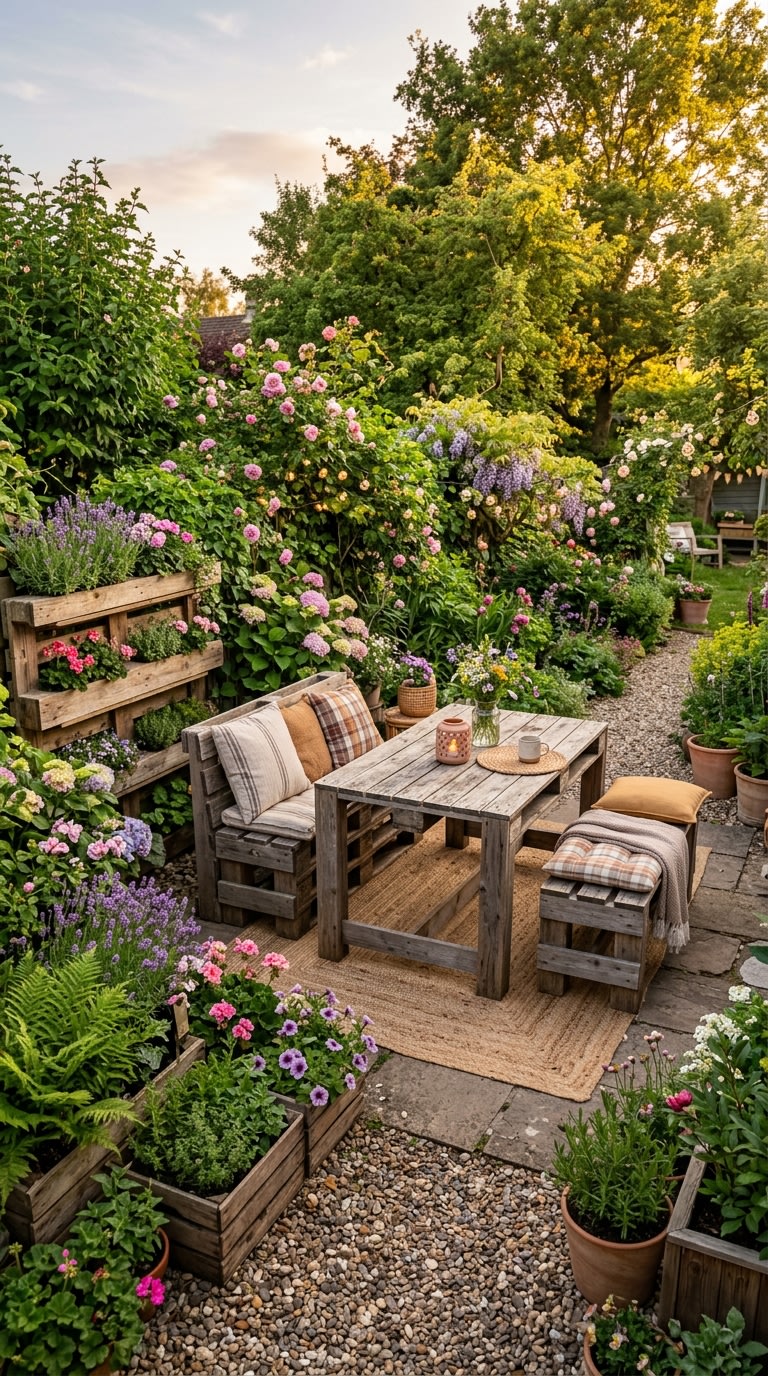
- Cost-Effective — Building furniture from pallets can significantly reduce your outdoor furnishing costs. Many pallets can be sourced for free or at a minimal cost, allowing you to create a beautiful outdoor space without breaking the bank.
- Eco-Friendly — Using pallets in your garden furniture projects is an excellent way to recycle materials and reduce waste. This sustainable approach contributes positively to the environment while creating unique pieces for your outdoor area.
- Customizable Designs — Pallet furniture can be tailored to fit your specific needs and design preferences. You can choose the size, shape, and finish that best suits your garden, ensuring that each piece is a perfect match for your aesthetic.
- Durability — When treated properly, pallet furniture can be surprisingly durable. The wood used in pallets is often of high quality and can withstand outdoor conditions, making it a practical choice for long-lasting outdoor furniture.
- Encourages Creativity — Building your own pallet furniture allows for a creative outlet where you can express your personal style. You can experiment with different designs, colors, and finishes, making your outdoor space truly one-of-a-kind.
Step-by-Step Guide
Step 1: Gather Your Materials
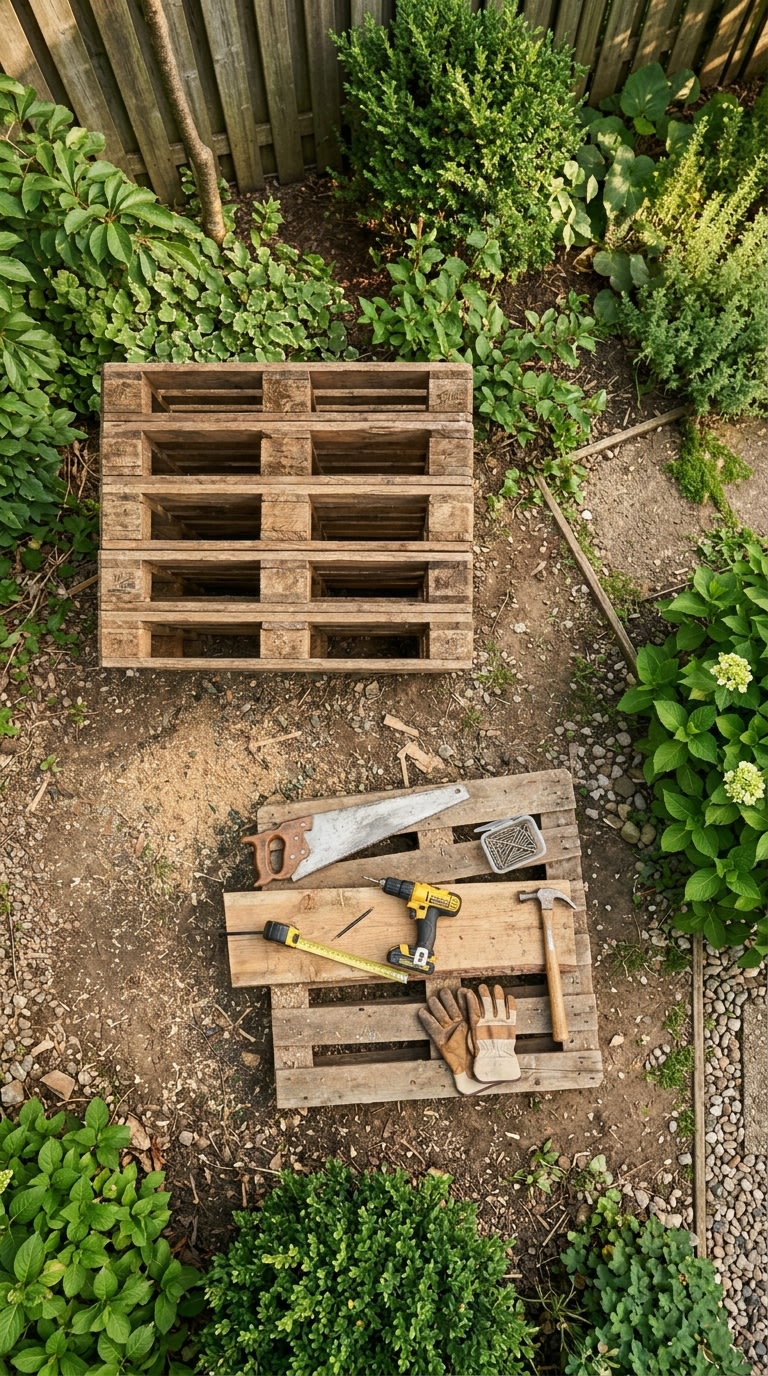
Before you dive into building your pallet furniture, gather all the materials you’ll need. This includes not only the pallets but also tools like a saw, drill, and sandpaper. Depending on your design, you might require screws, paint, or wood glue as well. Take your time during this step to ensure you have everything at hand; it will save you from interruptions later on.
You can often find free or low-cost pallets from local businesses, online marketplaces, or recycling centers. Just make sure to choose pallets that are in good condition, free from mold or chemicals. Checking the markings on the pallets can help you identify those that are safe to use.
Example: For instance, you might find sturdy pallets at a nearby grocery store that are being discarded.
Pro Tips:
- Inspect pallets for damage or chemical treatment before use.
- Consider your design to determine how many pallets you’ll need.
- Always wear safety gear when handling tools.
Step 2: Choose Your Design
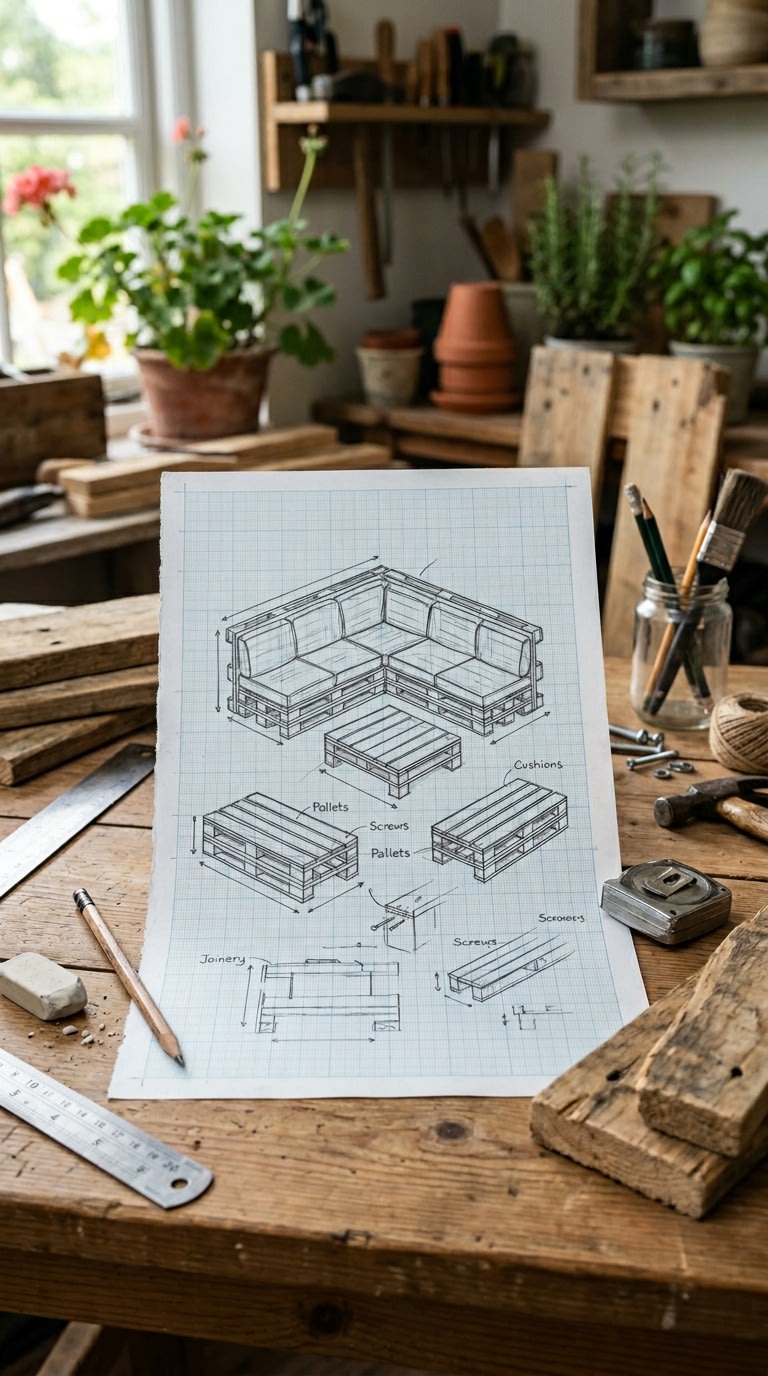
Next, think about the design of your pallet furniture. Consider the space where the furniture will be placed and the number of people you want to accommodate. Sketching out your ideas can help visualize the final product and make the building process smoother. You might want to create a simple bench or a more intricate sofa set; the possibilities are endless.
It’s also a good idea to look for inspiration online or in magazines. There are plenty of DIY designs available that can spark your creativity. Keep in mind that your furniture should be functional as well as aesthetically pleasing, so ensure your design meets both criteria.
Example: For example, you might decide on a rustic picnic table style for outdoor dining.
Pro Tips:
- Use graph paper to sketch your designs to scale.
- Consider comfort in your designs, especially for seating.
- Think about how the furniture will match your existing decor.
Step 3: Cut the Pallets
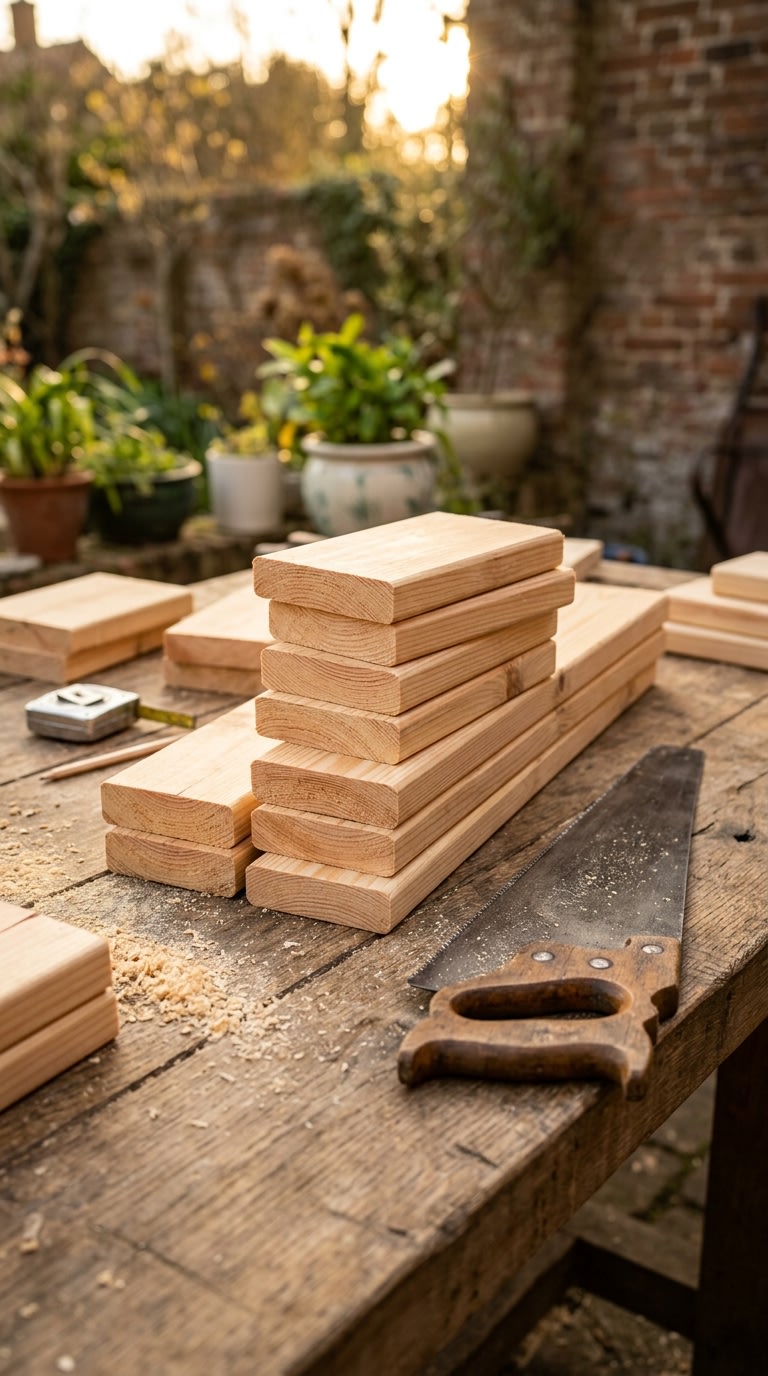
With your materials ready and design chosen, it’s time to cut your pallets to size. Ensure you measure accurately before making any cuts to avoid mistakes. Using a saw, carefully cut the pallets according to your design specifications. Remember to wear safety glasses and gloves during this process to protect yourself from splinters and dust.
Once you’ve made your cuts, take a moment to sand the edges of the wood. This step is crucial, as it will prevent injuries and give your furniture a professional finish. Smooth surfaces also make it easier to apply paint or stain later on.
Example: For instance, if you’re creating a bench, you’ll need to cut the pallets down to the lengths that fit your desired design.
Pro Tips:
- Double-check measurements before cutting.
- Cut slowly to maintain control and precision.
- Always sand after cutting for safety and aesthetics.
Step 4: Assemble the Pieces
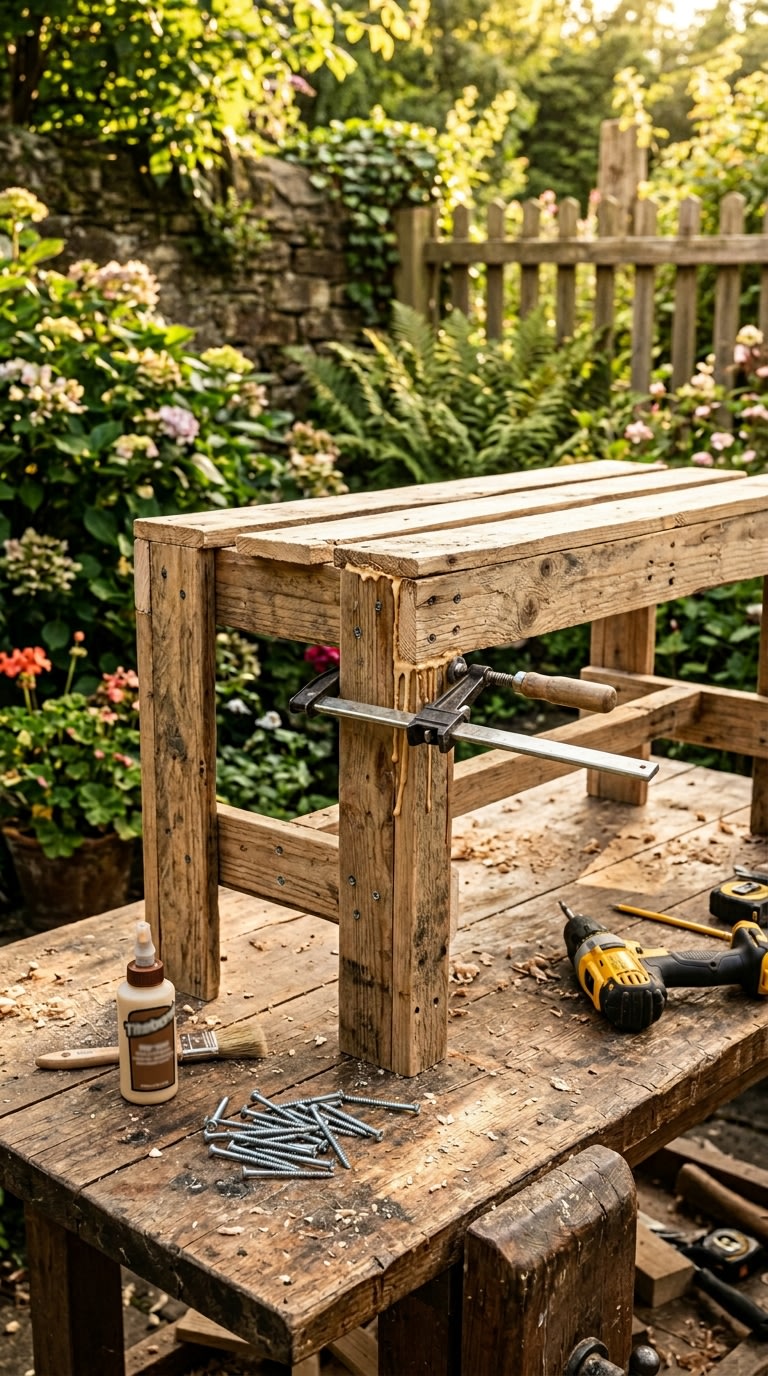
Now that your pieces are cut and sanded, it’s time to assemble your furniture. Start by laying out the pieces according to your design. Use wood glue and screws to secure the parts together, ensuring that everything is aligned properly before tightening. Depending on your design, you may need to use clamps to hold pieces in place while the glue dries.
It’s important to take your time during assembly to ensure strength and stability in your finished product. Don’t rush this step; a well-assembled piece of furniture will last much longer and be safer to use. Make sure to check for any wobbling or instability as you go.
Example: For instance, while assembling a pallet table, ensure the legs are firmly attached and that the top is level.
Pro Tips:
- Allow glue to dry completely before moving the furniture.
- Use clamps for added stability during assembly.
- Check for square corners to ensure evenness.
Step 5: Finish with Paint or Stain
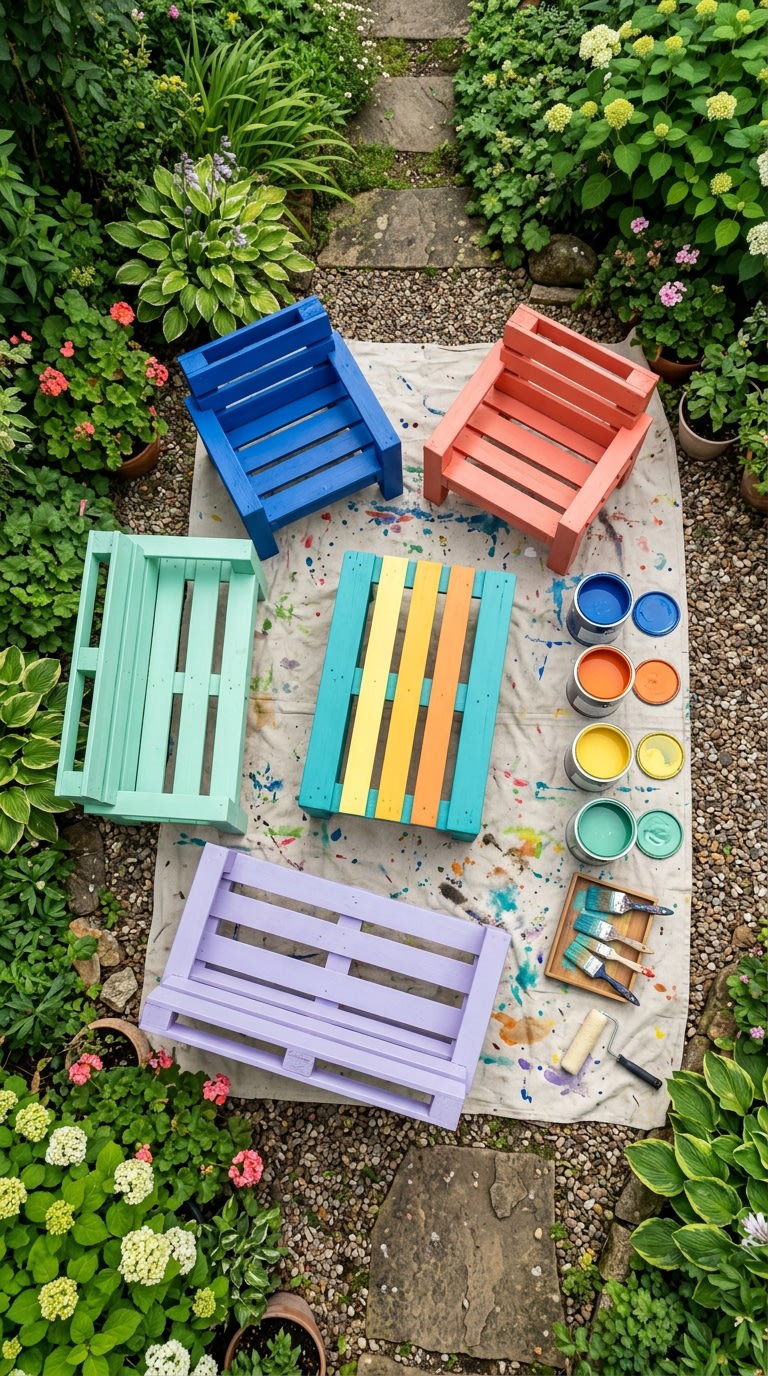
Once your furniture is assembled, it’s time to give it the finishing touch with paint or stain. Choose a color that complements your outdoor space or a natural stain that highlights the wood grain. Applying a protective finish will not only enhance the appearance but also add durability against the elements.
Make sure to apply paint or stain in a well-ventilated area, and follow the manufacturer’s instructions for the best results. Multiple coats may be necessary for a rich color or deeper stain. Allow ample time for drying between coats, and finish with a clear sealant for added protection.
Example: For instance, you could opt for a weathered gray stain to create a rustic look.
Pro Tips:
- Test paint or stain on a small area first.
- Use a paint sprayer for an even finish if available.
- Consider adding outdoor-grade sealant for longevity.
Step 6: Arrange in Your Outdoor Space
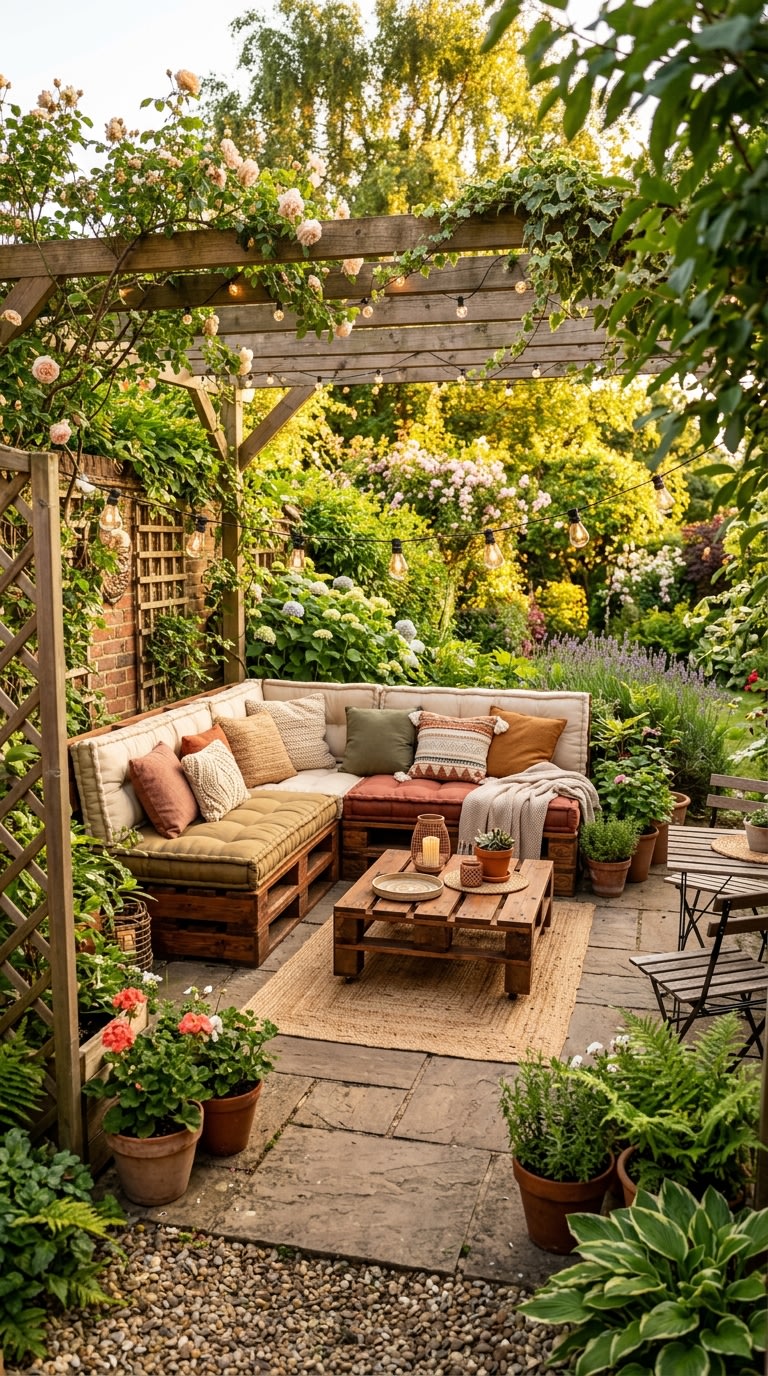
Finally, it’s time to arrange your new pallet furniture in your outdoor space. Consider how the furniture will be used and the flow of movement around it. You might want to create a cozy nook for relaxation or a functional dining area. Arrange the pieces in a way that maximizes comfort and accessibility.
Add some finishing touches such as cushions, outdoor rugs, or decorative elements to personalize your space. Plants and lighting can also enhance the atmosphere, making your outdoor area warm and inviting. Step back and enjoy your hard work!
Example: For instance, you might create a small seating area with cushions and a table for morning coffee.
Pro Tips:
- Experiment with different layouts before settling.
- Incorporate outdoor accessories for added comfort.
- Consider shade options for sunny areas.
Types & Varieties
Pallet Bench
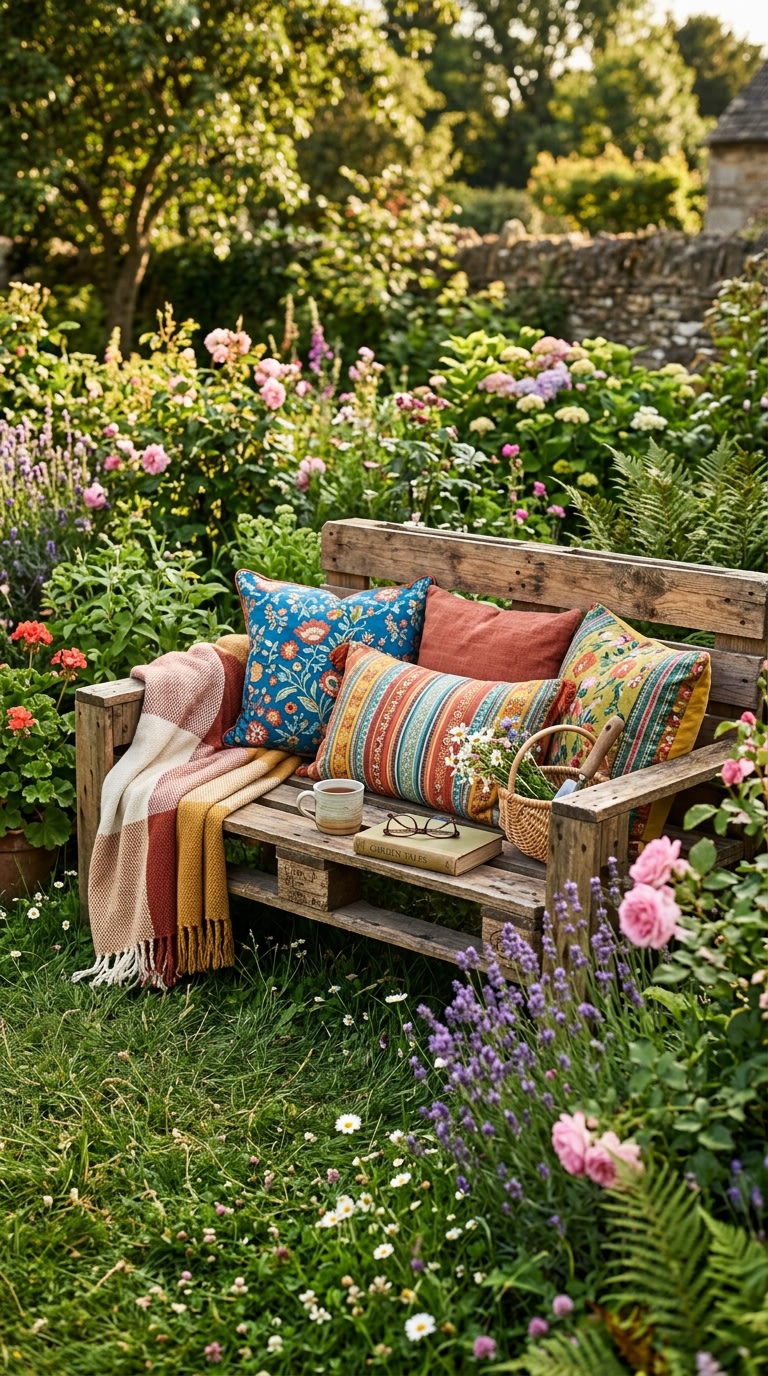
A simple yet stylish pallet bench can serve as a great seating area in your garden. You can modify its height and width to suit your needs, and it can be painted or stained for added flair.
Best for: Perfect for a casual seating area or around a fire pit.
Pallet Table
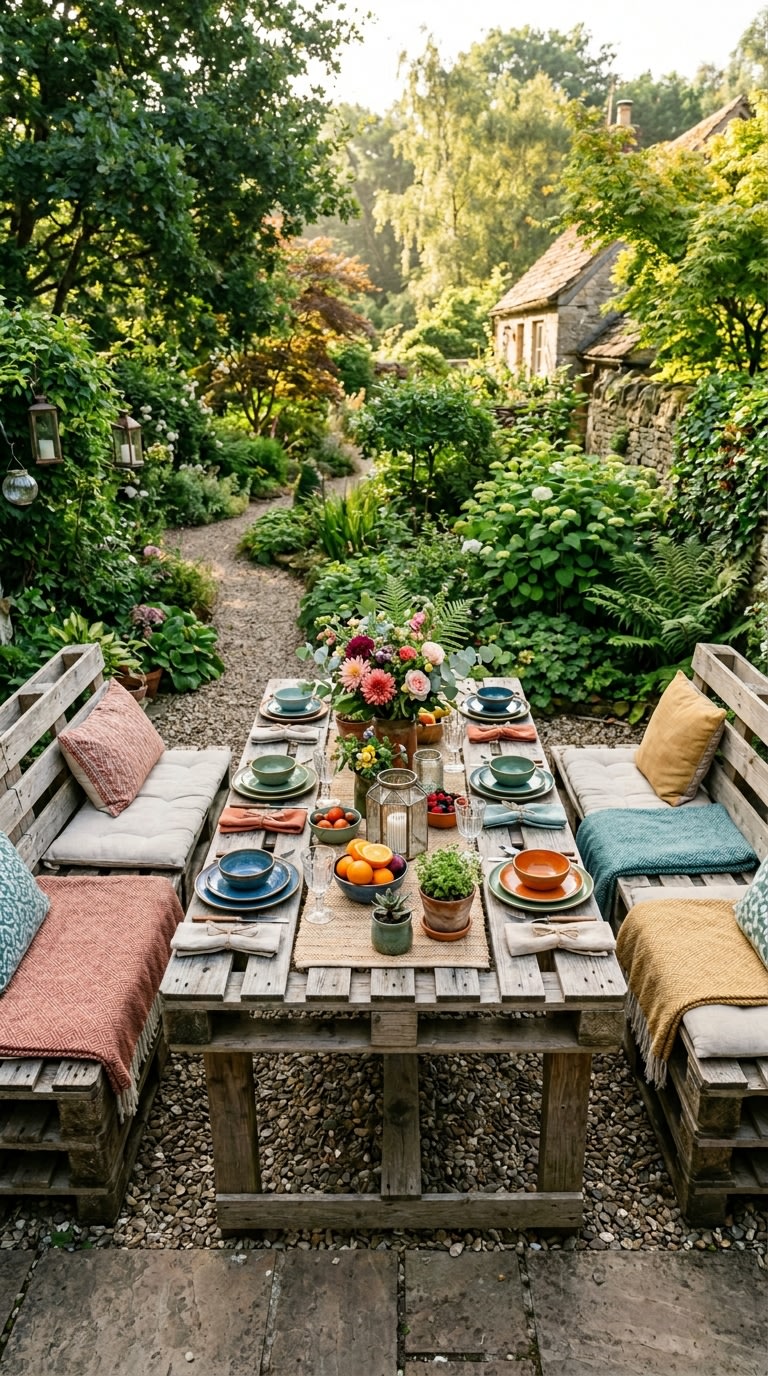
A pallet table can serve as a central piece for outdoor dining or gatherings. Its sturdy design can be customized in size, and you can easily add a finish to enhance its look.
Best for: Ideal for outdoor dining or as a coffee table in your lounge area.
Pallet Sofa
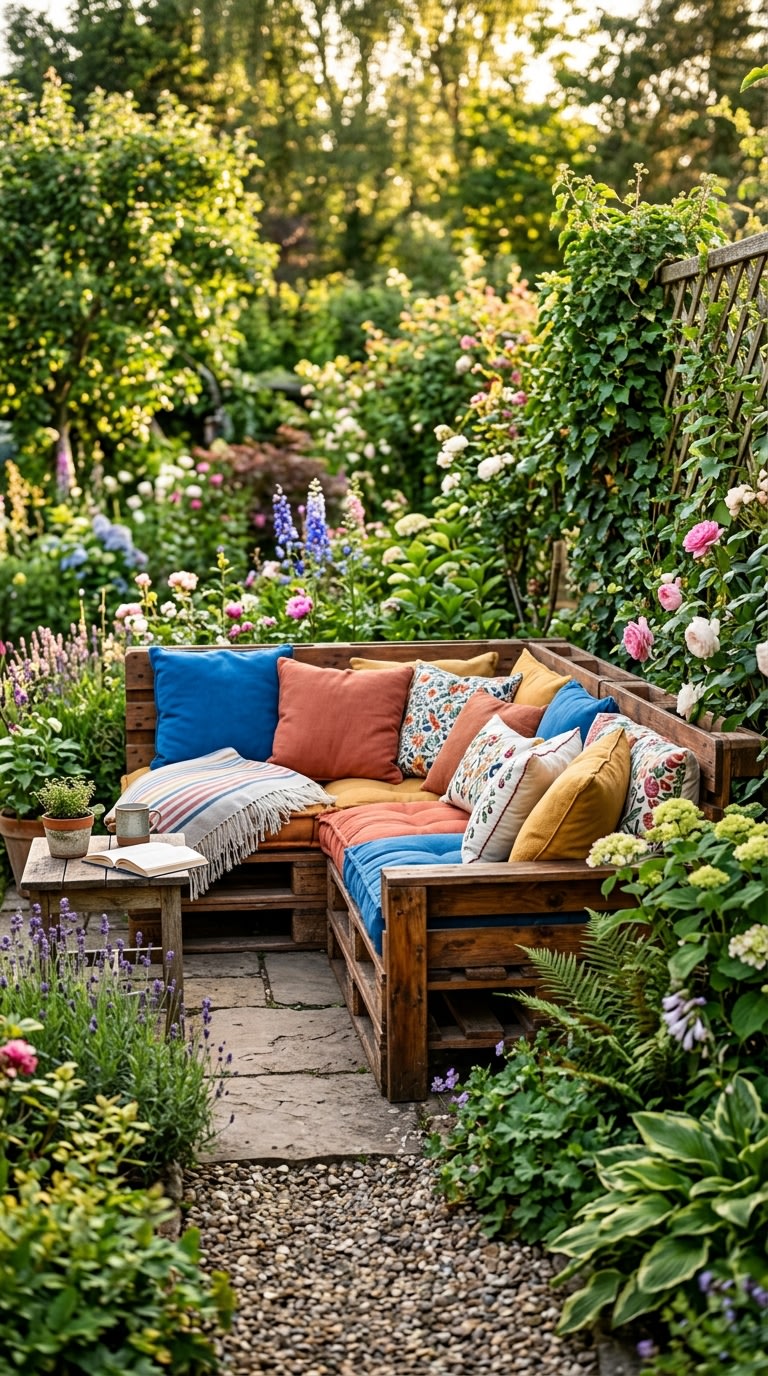
Creating a pallet sofa can add comfort and style to your outdoor space. By stacking pallets and adding cushions, you can create a cozy lounging area perfect for relaxing.
Best for: Great for creating a laid-back lounge area for entertaining guests.
Pallet Planter
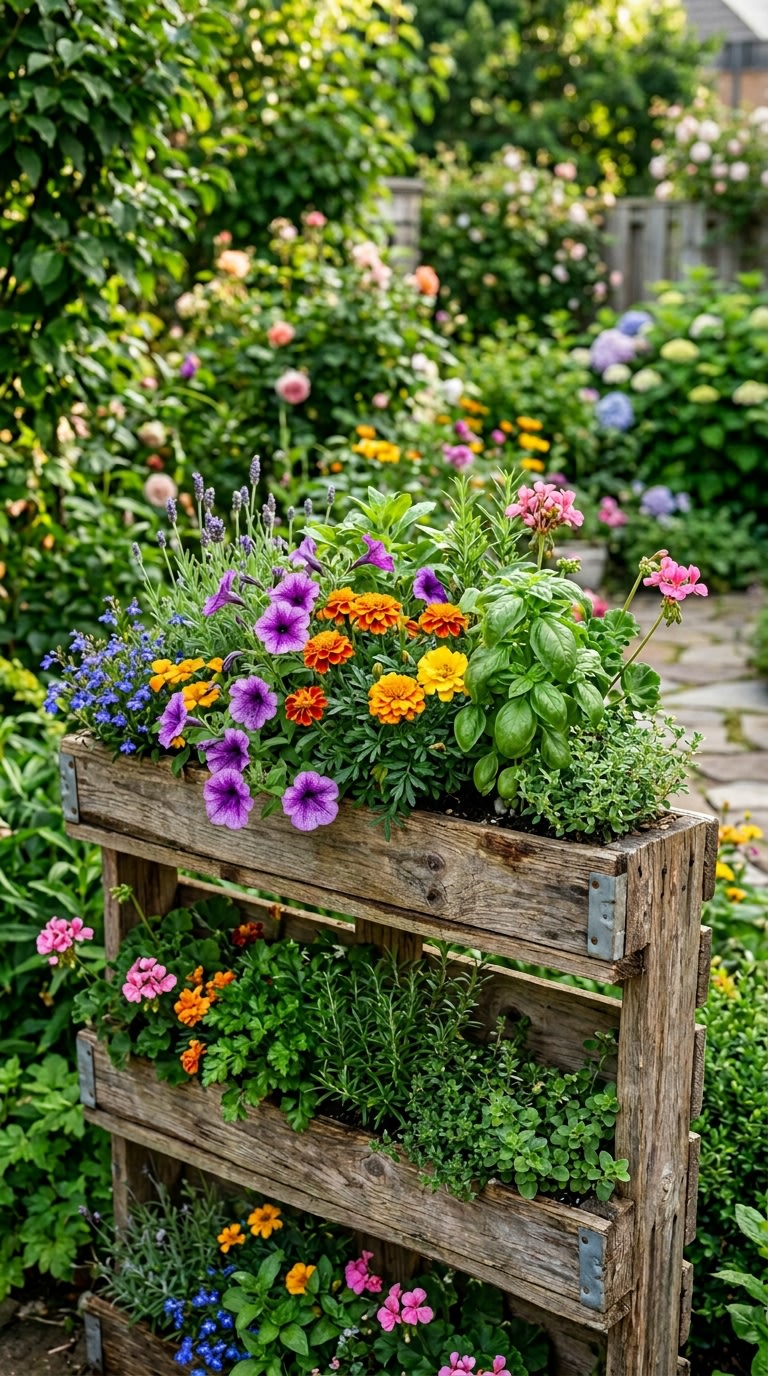
Pallets can be easily converted into unique planters, allowing you to grow herbs, flowers, or even vegetables in an innovative way. These planters can add height and dimension to your garden.
Best for: Perfect for vertical gardening or adding greenery without taking up much ground space.
Pallet Lounge Chair
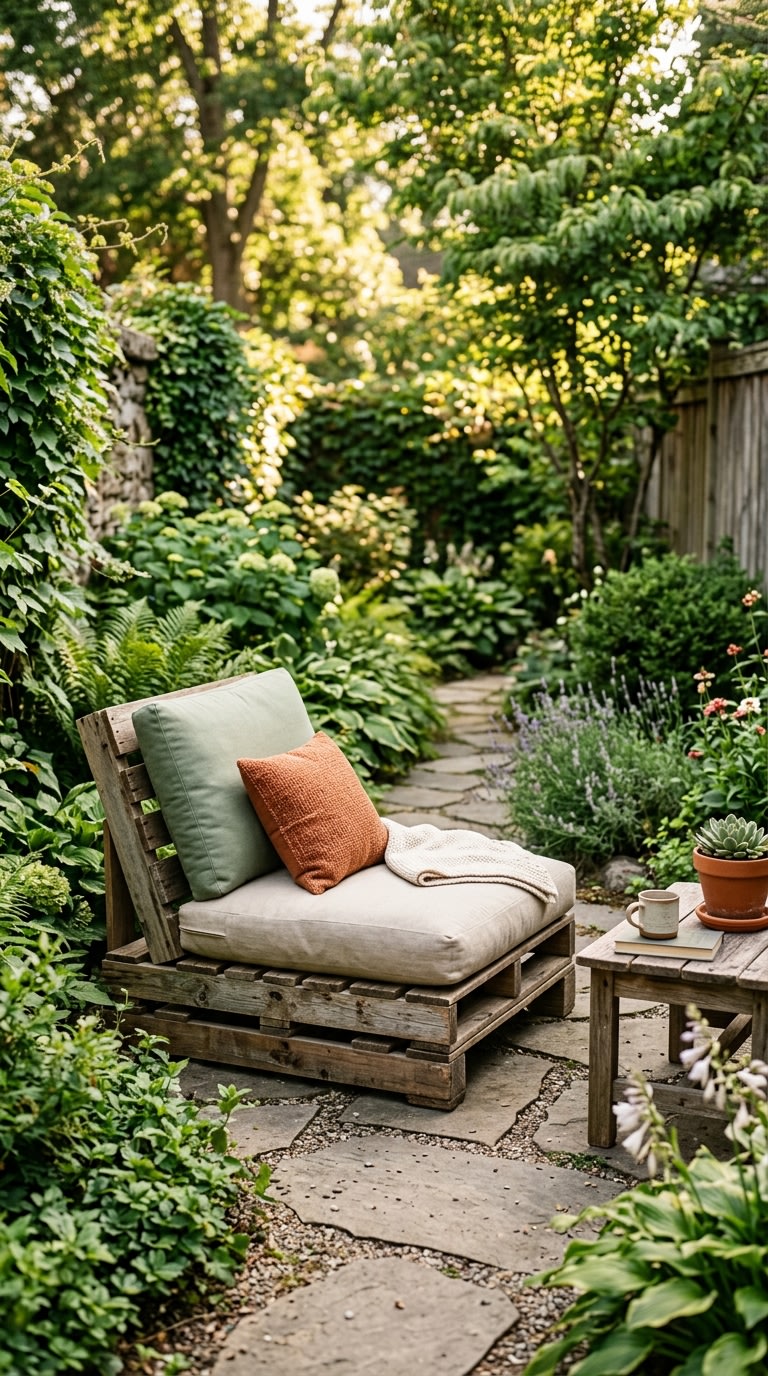
A pallet lounge chair can be a comfortable addition to your outdoor space. With some added cushions and a little creativity, you can create a charming spot to relax with a good book.
Best for: Ideal for a quiet corner in the garden or by the poolside.
Tools You Need
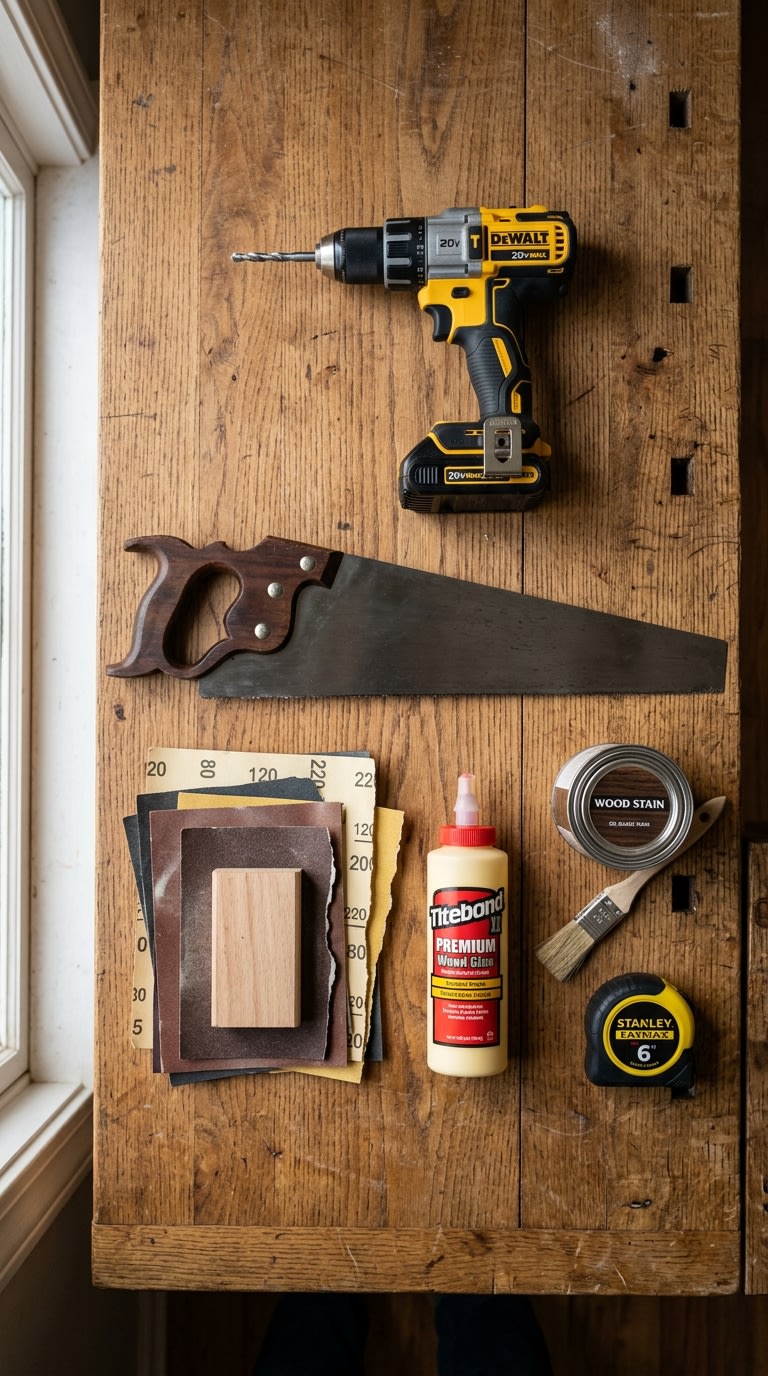
- Saw — A saw is essential for cutting pallets to your desired size. A circular saw is often the quickest and most efficient choice for this purpose. — Available at: Available at hardware stores like Home Depot or Lowe’s.
- Drill — A drill is necessary for making holes and fastening pieces together. A cordless drill can provide convenience and portability for your projects. — Available at: Found at most home improvement stores or online retailers.
- Sandpaper — Sandpaper is crucial for smoothing rough edges and surfaces on your pallet furniture. Various grits will help achieve a polished finish. — Available at: Available at hardware stores or craft supply stores.
- Wood Glue — Wood glue can be used to reinforce joints and provide additional strength to your furniture. It’s especially helpful for smaller pieces. — Available at: Easily found at hardware stores or craft supply shops.
- Paint or Stain — Choosing a paint or stain can enhance the aesthetics of your pallet furniture. Consider using outdoor-friendly products for durability. — Available at: Available at any paint or home improvement store.
- Measuring Tape — A measuring tape is important for ensuring accurate dimensions as you build your furniture. Proper measurements will help avoid discrepancies. — Available at: Easily found at hardware stores, often in the tool section.
Seasonal Tips
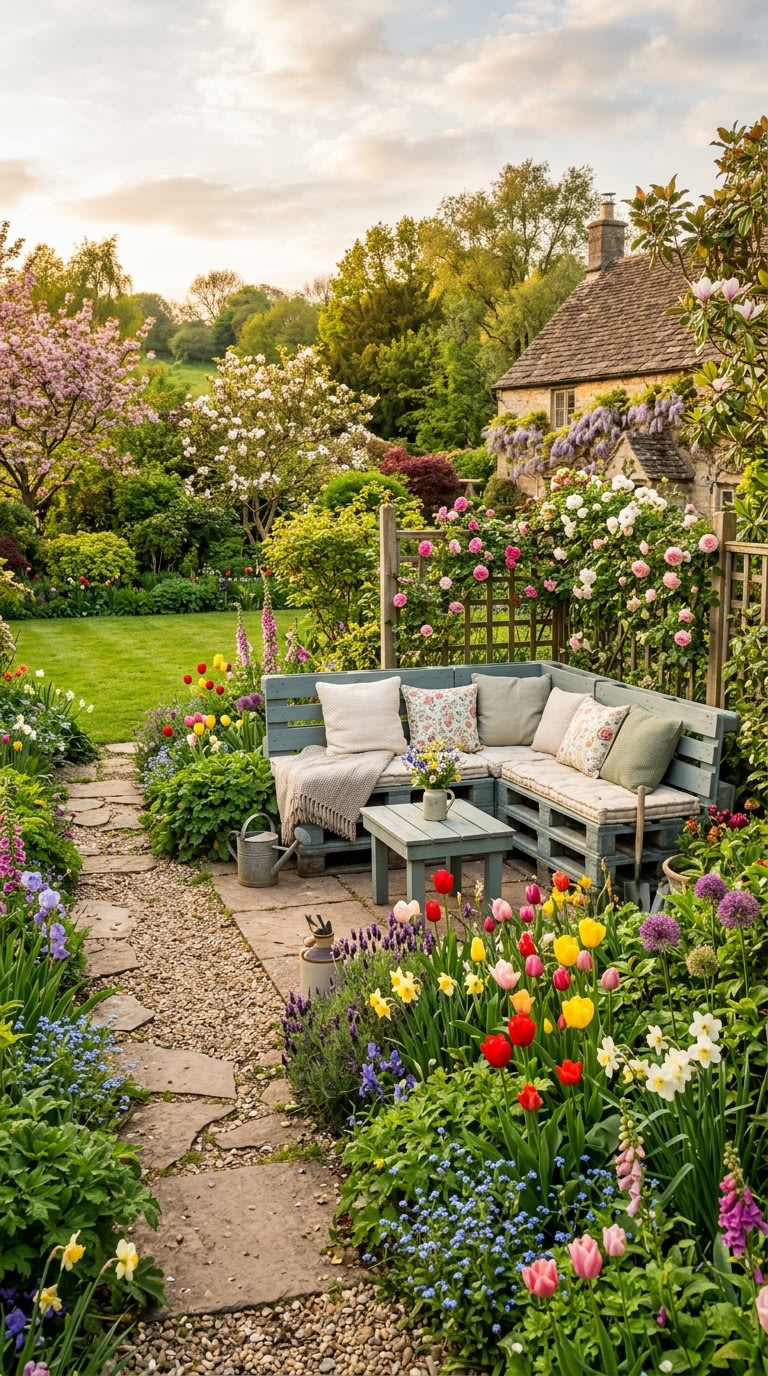
Timing is crucial when it comes to maintaining your pallet furniture throughout the seasons. Each season brings unique challenges, and understanding these can help keep your furniture looking great and lasting longer. Here are some seasonal tips to consider as you care for your outdoor pieces.
Spring
- Inspect the furniture for any winter damage.
- Clean dirt and debris from surfaces.
- Consider applying a fresh coat of stain or sealant.
Spring is the perfect time to refresh your outdoor space after winter’s wear and tear.
Summer
- Use cushions with sun-resistant fabric.
- Regularly clean furniture to prevent dirt buildup.
- Provide shade for your furniture to extend its lifespan.
Summer gatherings are best enjoyed on well-maintained furniture that can withstand the heat.
Fall
- Store cushions indoors to protect them from moisture.
- Clean fallen leaves and debris off surfaces.
- Consider a protective cover for your furniture.
Preparing your furniture for winter is essential to ensure it remains in great condition.
Winter
- If possible, move furniture indoors or to a sheltered area.
- Remove snow and ice to prevent damage.
- Check for signs of moisture or mold.
Winter is a time for rest; ensure your furniture is stored properly for future use.
Common Mistakes to Avoid
Choosing Unsafe Pallets
Using pallets that have been treated with chemicals can harm your health and the environment.
How to fix: Always check for safe markings on pallets and choose those labeled with ‘HT’ which means heat-treated.
Skipping the Sanding Step
Rough edges can lead to splinters and injuries, making your furniture unsafe to use.
How to fix: Always sand all edges and surfaces thoroughly before assembling your furniture.
Ignoring Weather Protection
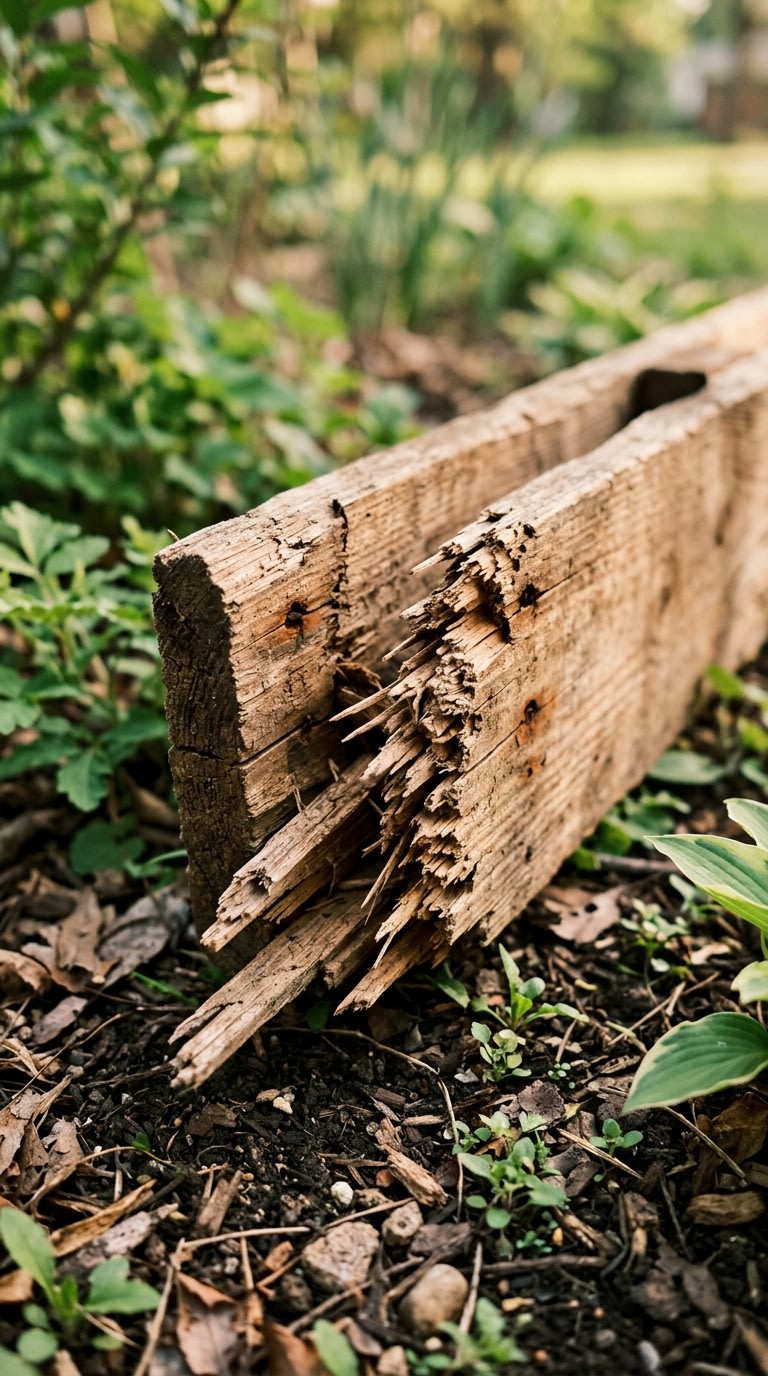
Without proper sealing or treatment, your furniture can warp or degrade over time due to weather exposure.
How to fix: Always use weather-resistant paint or stain and reapply as needed to protect your furniture.
Overlooking Stability
Furniture that is not properly assembled can be wobbly or unsafe, leading to accidents.
How to fix: Take your time during assembly to ensure everything is aligned and secure, checking for stability regularly.
Neglecting Maintenance
Without regular care, your furniture can deteriorate quickly, losing its charm and functionality.
How to fix: Schedule seasonal maintenance checks to clean, repair, and refresh your furniture.
Expert Tips
Experiment with Finishes
Don’t be afraid to explore different paint and stain options. You can combine colors or use techniques like distressing for a unique look. Test a small area first to see how it turns out.
Add Cushions for Comfort
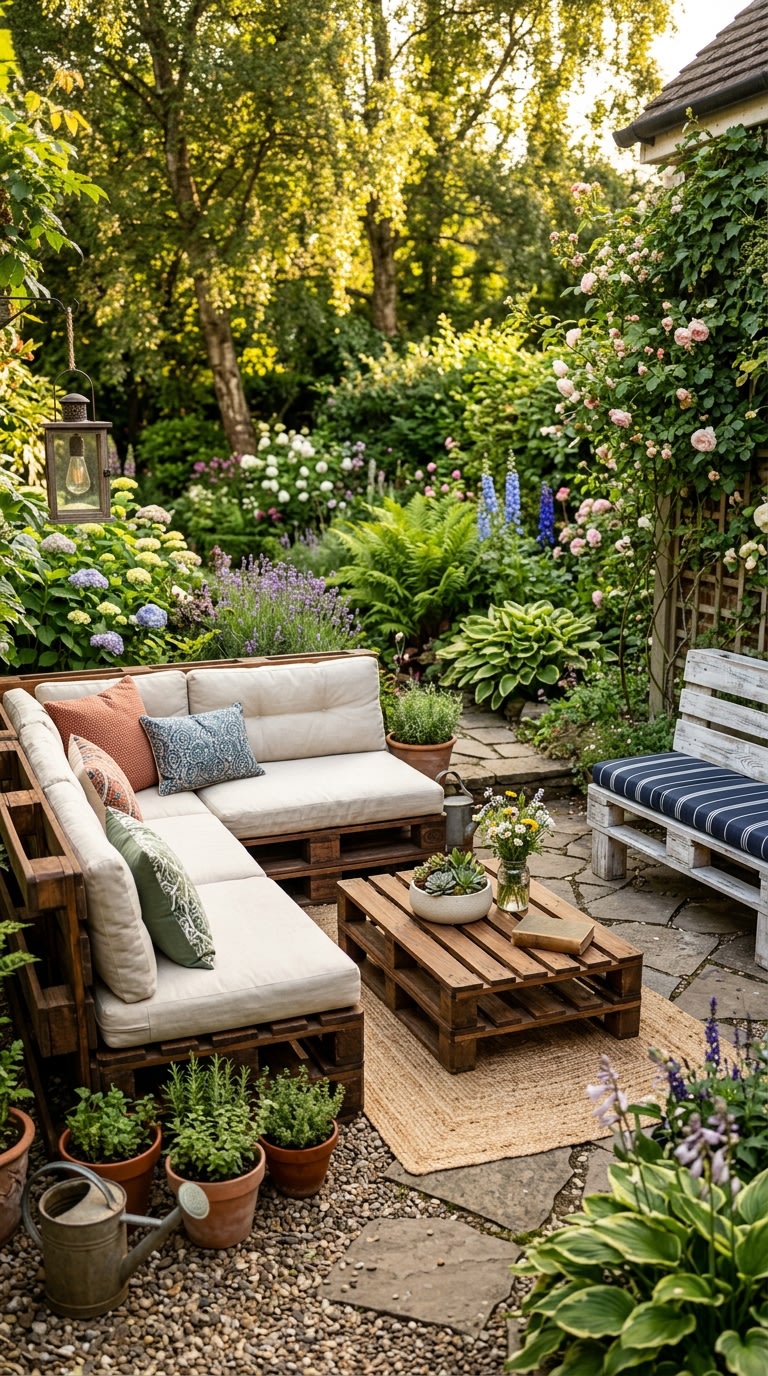
Enhance your pallet furniture with comfortable outdoor cushions. Choose weather-resistant fabrics that complement your décor while providing extra comfort. This can make your outdoor space more inviting.
Incorporate Lighting
Consider adding string lights or lanterns around your pallet furniture to create a warm ambiance for evening gatherings. Soft lighting can enhance the overall atmosphere and make your space feel magical.
Create Define Zones
Use your pallet furniture to create defined areas in your garden or patio. This can be a dining area, a lounging space, or even a reading nook. Clearly defined spaces enhance functionality and style.
Frequently Asked Questions
How do I find pallets for my project?
You can find pallets at local businesses, grocery stores, or warehouses that receive shipments. Many companies are happy to give away pallets they no longer need. Additionally, online marketplaces and community groups can be excellent resources for sourcing pallets. Just ensure that the pallets you choose are in good condition and safe for use.
Are pallet furniture pieces durable?
Yes, pallet furniture can be quite durable when constructed and maintained properly. The wood used in pallets is typically strong and, with appropriate sealing and treatment, it can withstand various weather conditions. Regular maintenance, such as repainting or re-staining, will also help extend the lifespan of your pallet furniture, ensuring it remains functional and attractive for years to come.
Can I use pallets indoors?
Absolutely! While this guide focuses on outdoor pallet furniture, many designs can be adapted for indoor use. Just be sure to treat and finish the pallets appropriately for indoor environments, and consider the aesthetics of your space. Indoor pallet furniture can provide a rustic charm and a unique touch to your home décor.
What type of paint or stain should I use?
When choosing paint or stain, look for products specifically designed for outdoor use to ensure durability against the elements. Water-based stains tend to be easier to work with and clean up, while oil-based stains offer excellent protection. Always follow the manufacturer’s instructions, and consider applying a sealant for added protection against moisture.
How can I maintain my pallet furniture?
Regular maintenance includes cleaning your furniture to remove dirt and debris, checking for any signs of damage or wear, and reapplying paint or stain as needed. During harsh weather, consider covering your furniture or storing it indoors. Additionally, seasonal checks and touch-ups will help keep your pallet furniture looking its best over time.
Building your own pallet garden furniture is an exciting journey that can lead to a beautiful outdoor space tailored just for you. By following the steps outlined in this guide, you can create functional and stylish pieces that reflect your personality while enjoying the satisfaction of a DIY project.
Don’t hesitate to unleash your creativity as you bring your designs to life. The effort you put into crafting your own pallet furniture will not only enhance your garden but also provide a warm and inviting atmosphere for family and friends. So gather your materials, choose your design, and start building your dream outdoor space today!


Leave a Comment