
Creating a butterfly garden can be one of the most rewarding experiences for any gardening enthusiast. Not only do you get to enjoy the beauty of these graceful pollinators, but you also contribute to the ecosystem by providing them with a sanctuary. Imagine sipping your morning coffee surrounded by vibrant flowers and the gentle flutter of butterfly wings—a serene escape right in your backyard.
But where do you start? Planning a butterfly garden layout can feel overwhelming, especially if you’re new to gardening. The good news is that with a little guidance, you can design a beautiful space that attracts butterflies all summer long. This guide will walk you through five unique garden designs tailored to attract these lovely creatures, ensuring your outdoor space is a haven for pollinators and a joy for you to nurture.
Table of Contents
- What is a Butterfly Garden?
- How Butterfly Gardens Work
- Benefits of a Butterfly Garden
- Step-by-Step Guide to Butterfly Garden Layout
- Five Stunning Butterfly Garden Designs
- Advanced Tips for Butterfly Garden Enthusiasts
- Essential Tools and Resources
- Frequently Asked Questions
What Is It?
A butterfly garden is a specially designed outdoor space that attracts butterflies and other pollinators through the use of specific plants and elements. These gardens are filled with nectar-rich flowers, host plants for caterpillars, and a variety of habitats that cater to different butterfly species. By creating a butterfly garden, you not only enhance your landscape but also support local ecosystems.
These gardens are typically colorful and vibrant, offering a feast for the eyes and a sanctuary for butterflies. They often include diverse plants that bloom at different times, ensuring a continuous supply of nectar throughout the growing season. Creating a butterfly garden is a delightful way to engage with nature, educate others about pollinators, and enjoy the beauty of these magnificent creatures.
- Butterfly gardens attract various species of butterflies and caterpillars.
- Diverse plants provide continuous blooms throughout the growing season.
- Gardens can be designed in various styles to suit different spaces.
- Butterflies play a crucial role in pollination and ecosystem health.
How It Works
Butterfly gardens function by providing essential resources that butterflies need for survival: food, shelter, and breeding sites. Nectar-rich flowers serve as food sources for adult butterflies, while specific host plants are crucial for caterpillar development. By planting a variety of these plants, you create an inviting environment that encourages butterflies to visit and settle in.
The layout of your garden can significantly impact its success. By incorporating sunny spots, sheltered areas, and a mix of flower heights, you can create a habitat that mimics the butterflies’ natural environments. Additionally, water sources like shallow dishes or puddles can attract butterflies seeking hydration, making your garden even more appealing.
- Nectar-rich flowers are vital for feeding adult butterflies.
- Host plants are essential for caterpillar development.
- A diverse layout encourages butterflies to thrive.
- Water sources enhance the garden’s attractiveness.
Key Benefits
- Enhances Biodiversity — Creating a butterfly garden supports not just butterflies but a variety of pollinators and beneficial insects. By providing food and habitat, you contribute to the overall health of your local ecosystem, promoting biodiversity in your area.
- Aesthetic Appeal — Butterfly gardens are incredibly beautiful, filled with colorful and fragrant flowers. They enhance your outdoor space, making it more inviting and enjoyable for you and your guests, turning your garden into a lively retreat.
- Educational Opportunities — Butterfly gardens offer endless learning experiences for children and adults alike. They provide a unique opportunity to observe the life cycle of butterflies, fostering a deeper appreciation for nature and the environment.
- Promotes Pollination — Butterflies are vital pollinators, and by attracting them to your garden, you enhance the pollination of many plants, including fruits and vegetables. This can lead to a more productive garden and healthier plants.
- Relaxation and Enjoyment — Gardening has been shown to reduce stress and promote mental well-being. By creating a butterfly garden, you create a peaceful and serene space where you can unwind, reflect, and connect with nature.
Step-by-Step Guide
Step 1: Choose Your Location

Selecting the right location for your butterfly garden is crucial. Ideally, you want a sunny spot that receives at least six hours of sunlight a day, as butterflies are attracted to warmth and light. Look for a space that is sheltered from strong winds and has nearby plants to provide natural cover. Avoid areas with heavy foot traffic or excessive disturbances.
Once you have a potential site, consider the soil quality and drainage. Ensure the area is well-draining, as butterflies prefer not to be in soggy conditions. If the soil quality needs improvement, think about adding compost or organic matter to enrich it.
Example: For example, a sunny corner of your backyard that gets morning sun and afternoon shade is ideal.
Pro Tips:
- Observe the sunlight patterns throughout the day before you commit.
- Check for existing plants that might attract butterflies.
- Avoid using pesticides in your chosen area.
Step 2: Plan Your Layout
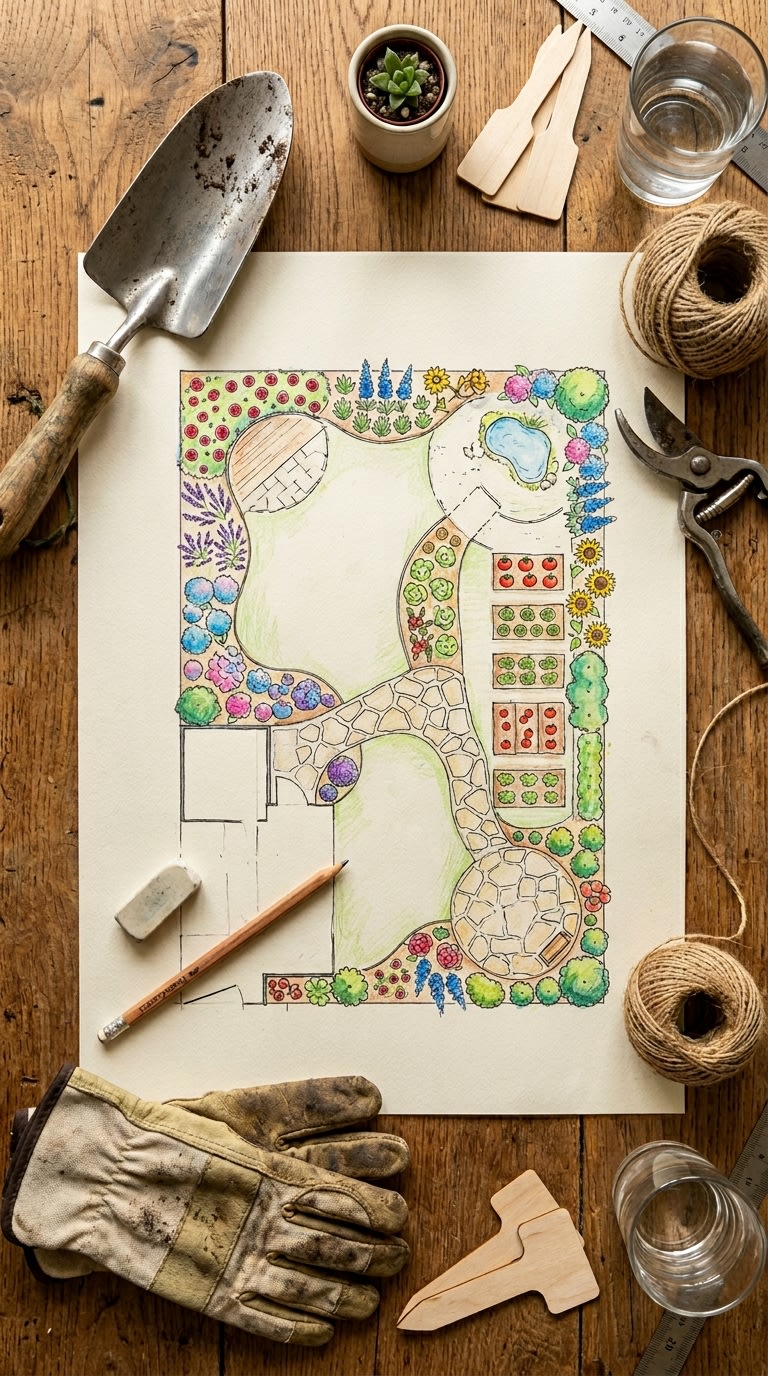
Once you’ve selected the perfect location, it’s time to plan your garden layout. Consider using a mix of flower beds, pathways, and seating areas to create a welcoming environment. Group plants with similar water and sunlight needs together to make maintenance easier.
Visualize the space by sketching a rough design on paper. Think about the height and bloom times of your chosen plants to ensure a continuous display of color throughout the season. Creating layers with taller plants at the back and shorter ones in front can enhance visibility and accessibility.
Example: For instance, placing milkweed in the back and lantana in the front can create a stunning visual effect.
Pro Tips:
- Use a garden planning app for a more detailed layout.
- Incorporate a small pathway for easy access.
- Consider adding a bench for enjoying the view.
Step 3: Select Pollinator-Friendly Plants
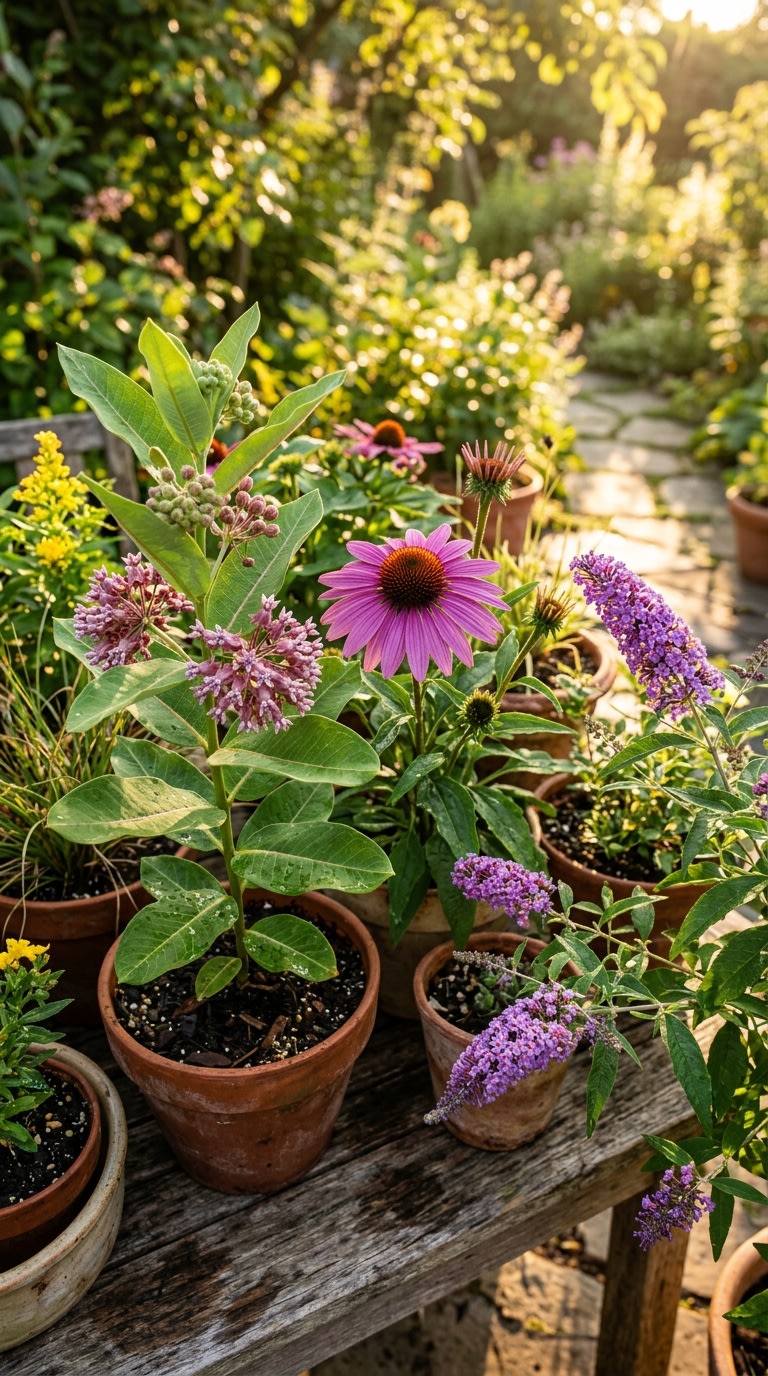
Choosing the right plants is key to attracting butterflies. Focus on native species, as they are better suited to your local environment and provide essential nectar and habitat. Look for a variety of plants that bloom at different times to ensure a continuous food source.
Consider including host plants for caterpillars, such as milkweed for Monarchs or parsley for Swallowtails. Additionally, incorporate a mix of colors and heights to create visual interest and cater to different butterfly species. Popular choices include coneflowers, butterfly bushes, and zinnias.
Example: For instance, planting both black-eyed Susans and a butterfly bush can attract a wide range of butterflies.
Pro Tips:
- Visit local nurseries to find native plants in your area.
- Choose flowers with simple shapes that are easier for butterflies to access.
- Consider planting in clumps to make them more visible to butterflies.
Step 4: Prepare Your Soil
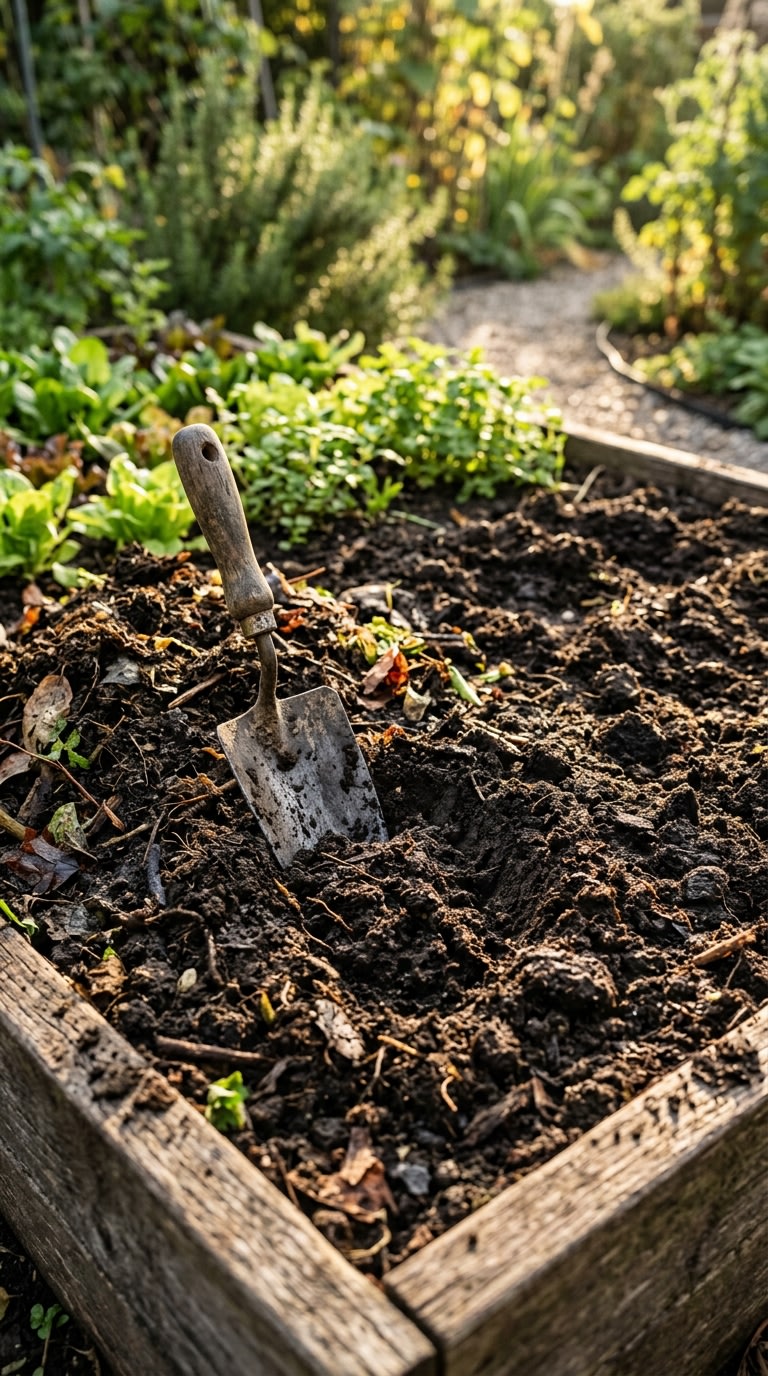
Healthy soil is the foundation of a thriving butterfly garden. Start by testing your soil’s pH and nutrient levels to determine if any amendments are needed. Generally, butterflies prefer slightly acidic to neutral soil (pH 6.0-7.0). If your soil is too acidic or alkaline, you can adjust it by adding lime or sulfur as needed.
Next, enrich your soil with organic matter, such as compost or well-rotted manure. This will improve drainage, provide nutrients, and encourage beneficial microorganisms. Till the soil to a depth of at least 12 inches, breaking up any compacted areas. This process will create a welcoming environment for your plants and the butterflies that will visit them.
Example: For example, mixing in compost can help boost your soil’s health and fertility.
Pro Tips:
- Consider using raised beds if you have poor soil quality.
- Add a layer of mulch to retain moisture and suppress weeds.
- Regularly check soil moisture levels, especially during dry spells.
Step 5: Plant Your Garden
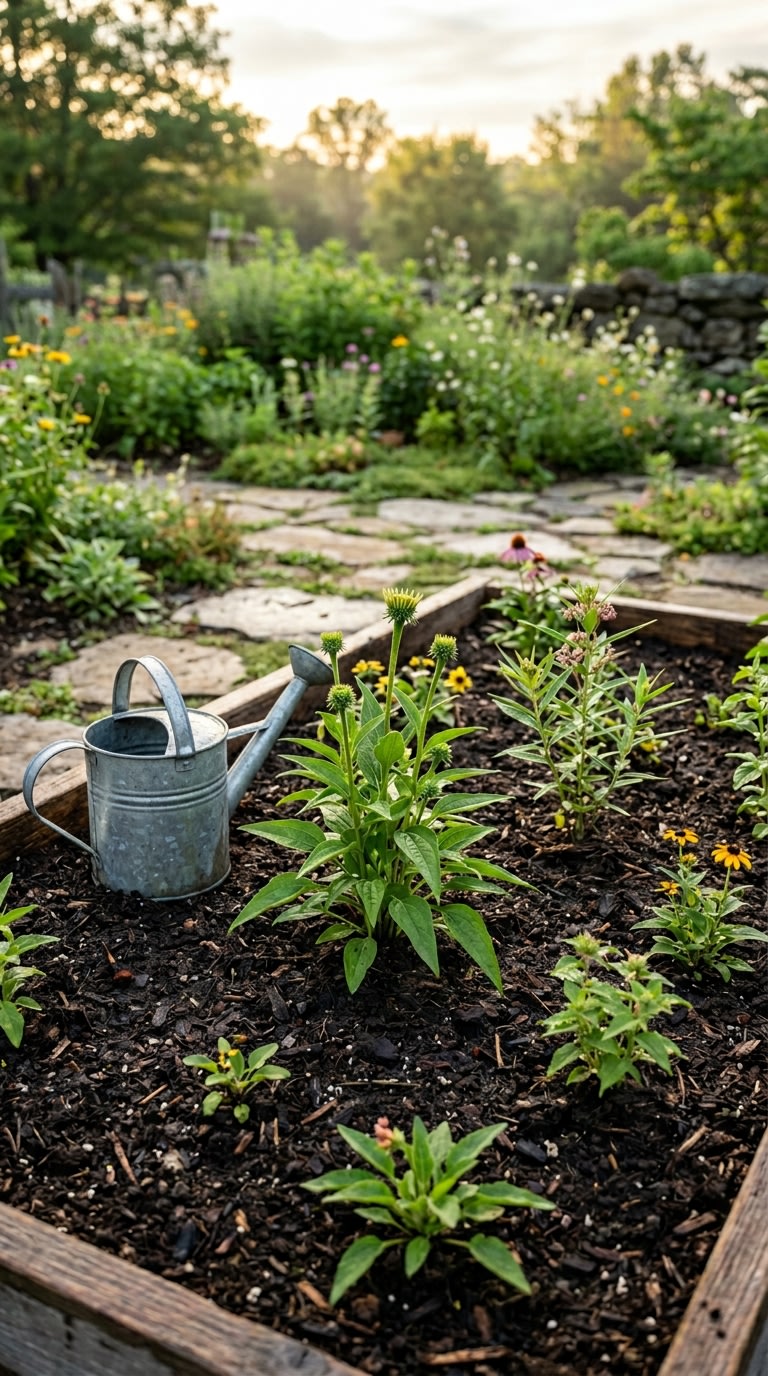
Now comes the exciting part—planting your butterfly garden! Follow your layout plan, placing each plant according to its sunlight and spacing needs. Dig holes that are twice as wide as the root ball of each plant, and be sure to loosen the roots gently if they are root-bound.
Water each plant thoroughly after planting to help them settle in. It’s essential to keep the soil consistently moist for the first few weeks until the plants establish themselves. As they grow, monitor their progress and adjust watering based on weather conditions.
Example: For instance, when planting a butterfly bush, ensure it has enough space to thrive and spread.
Pro Tips:
- Plant in the early morning or late afternoon to reduce stress on the plants.
- Use a plant marker to keep track of your varieties.
- Mulch around the base of the plants to help retain moisture and suppress weeds.
Step 6: Add Water Sources
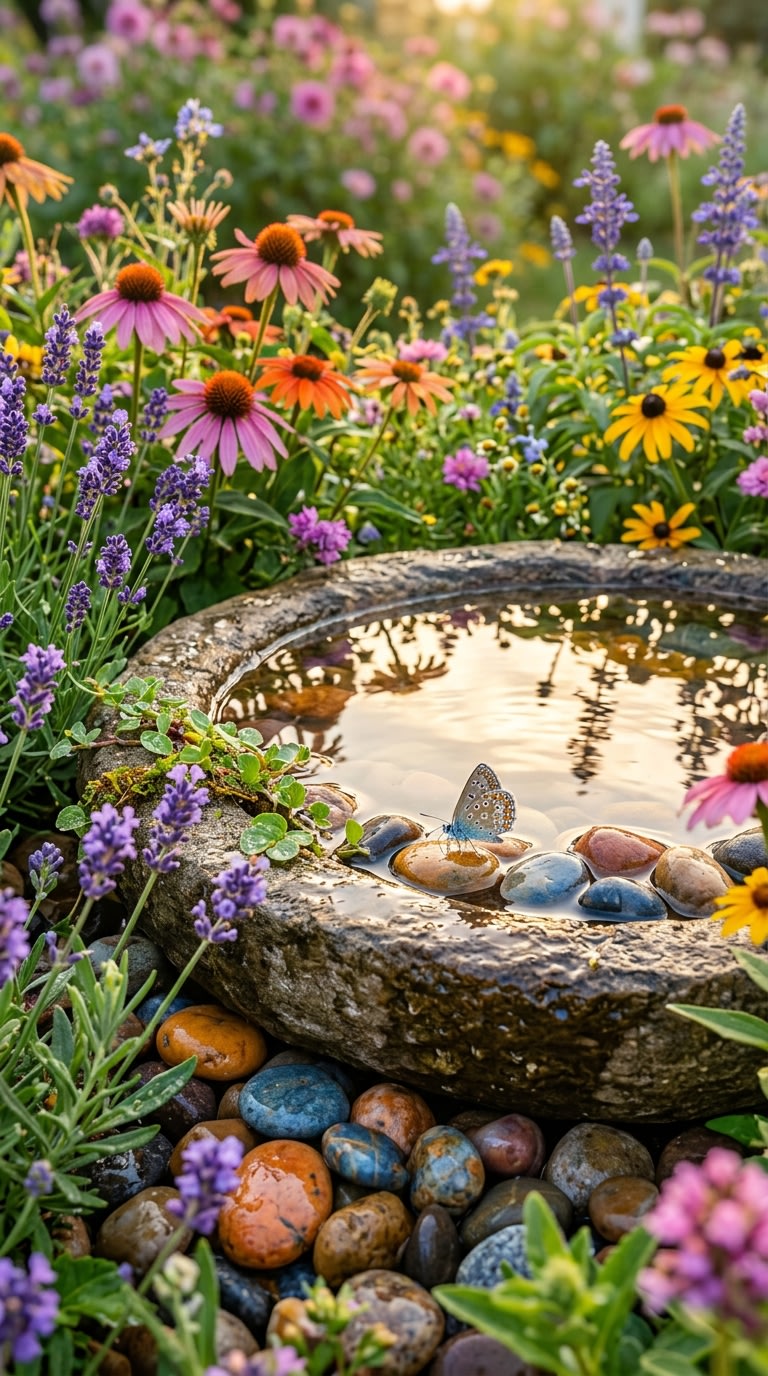
To create a truly inviting butterfly garden, consider adding water sources. Butterflies need water to thrive, and providing it can enhance your garden’s appeal. Shallow dishes filled with water or small birdbaths can serve as excellent watering spots. You can also create a small puddling area by adding sand or gravel to a shallow dish, allowing butterflies to land and hydrate safely.
Place your water sources in sunny spots where butterflies are likely to congregate. Ensure that the water is shallow enough for butterflies to drink without the risk of drowning. Regularly refresh the water to keep it clean and inviting.
Example: For example, a shallow birdbath with a few rocks placed inside for butterflies to perch on can be very effective.
Pro Tips:
- Add stones or pebbles to the water source for butterflies to stand on.
- Change the water frequently to prevent mosquitoes from breeding.
- Observe which areas the butterflies prefer for watering.
Step 7: Create Shelter and Habitat
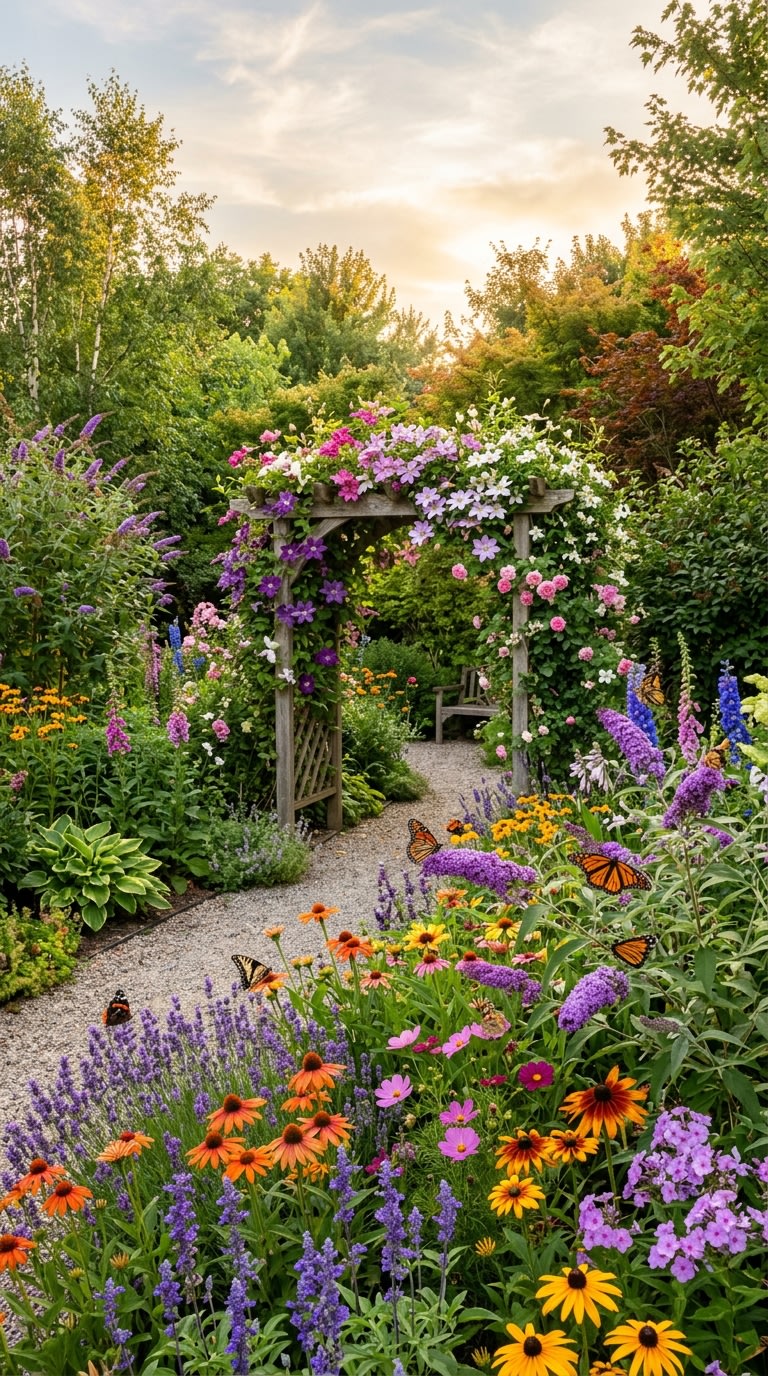
Butterflies need shelter from wind and predators, so incorporating elements that provide refuge is essential. You can create sheltered areas using taller plants, hedges, or even decorative structures like arbors or trellises. These features not only provide protection but also create visual interest in your garden.
Additionally, consider leaving some areas of your garden a bit wild. Allowing some native grasses or flowers to grow can create natural habitats for caterpillars and other beneficial insects. This biodiversity will encourage more butterflies to visit your garden, enhancing its ecological value.
Example: For example, a small trellis covered with climbing flowers can create a lovely sheltered spot.
Pro Tips:
- Include a variety of plant heights for natural windbreaks.
- Leave some areas unmanicured to promote wildlife diversity.
- Use native plants that offer natural shelter to butterflies.
Step 8: Maintain Your Garden
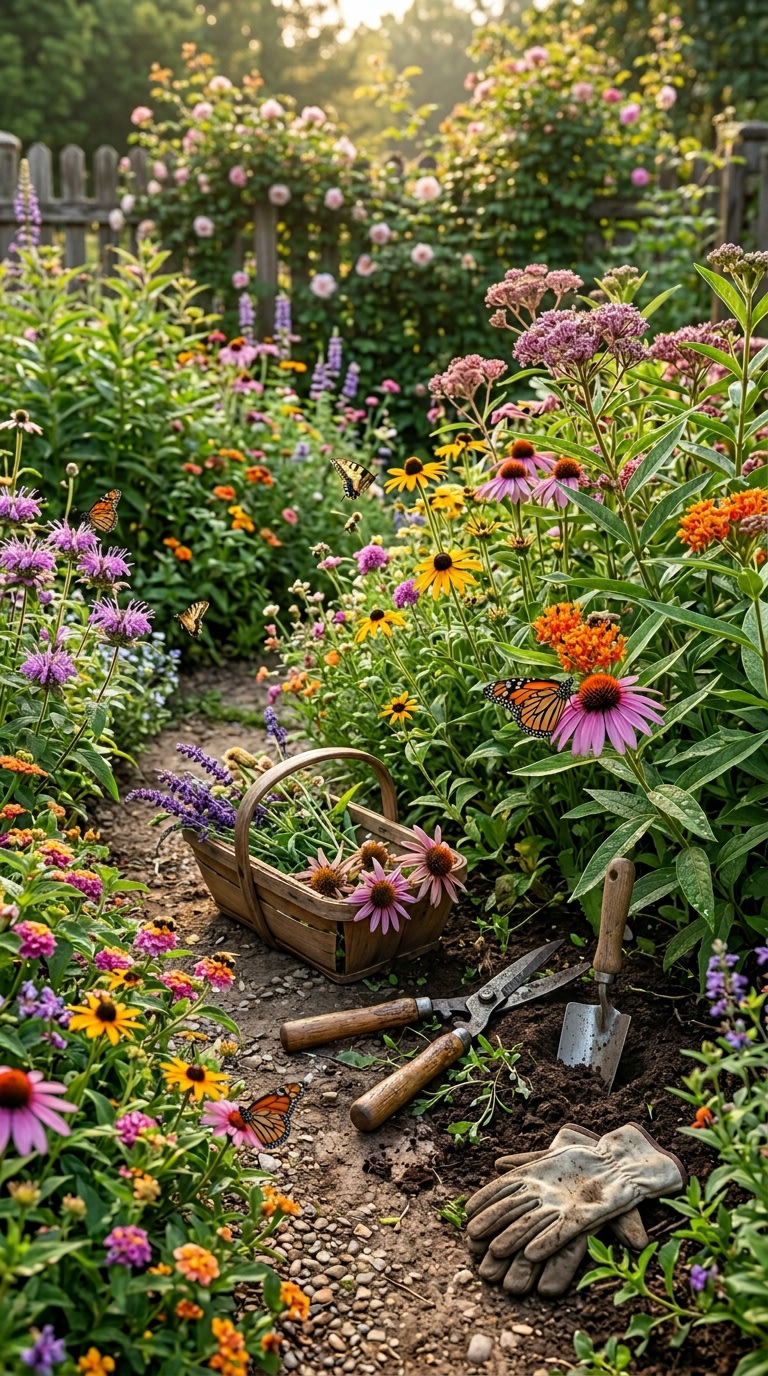
Once your butterfly garden is established, ongoing maintenance is key to keeping it healthy and attractive. Regularly check your plants for pests and diseases, and remove any weeds that may compete for nutrients. Water your garden during dry spells, especially for young plants still establishing their roots.
Consider deadheading spent flowers to encourage new blooms and maintain the garden’s appearance. Additionally, make sure to periodically refresh your water sources and check that your shelter areas remain intact. With regular care, your butterfly garden will flourish and continue to attract these beautiful pollinators throughout the season.
Example: For instance, deadheading coneflowers can promote more blooms and attract more butterflies.
Pro Tips:
- Create a simple maintenance schedule to keep track of tasks.
- Incorporate companion planting to naturally deter pests.
- Keep a journal to observe which plants attract the most butterflies.
Advanced Tips
Create a Seasonal Plan
To ensure your butterfly garden remains attractive throughout the year, create a seasonal planting plan. This involves selecting plants that bloom at different times, allowing for a continuous display of nectar sources. Consider adding fall-blooming plants, such as asters or goldenrods, to provide nourishment for migrating butterflies.
Incorporate Natural Fertilizers
Opt for organic fertilizers like compost tea or fish emulsion to nourish your plants without harming beneficial insects. These natural options improve soil health and promote vigorous plant growth, ensuring your butterfly garden remains vibrant and inviting.
Monitor Butterfly Activity
Take note of which butterflies visit your garden and when. Keeping a species log can help you understand the patterns of butterfly activity, allowing you to adjust your planting strategy and garden layout to better cater to their preferences.
Create Microhabitats
Consider adding features like rock piles, dead wood, or brush piles to create microhabitats that attract various insects. These elements can enhance biodiversity and create a more dynamic environment for butterflies and other pollinators.
Tools & Resources
- Soil Tester — A soil tester allows you to determine the pH and nutrient levels of your soil, ensuring you can make necessary amendments for optimal plant growth. Knowing your soil’s composition is crucial for creating a thriving butterfly garden. — Available at: Home Depot, Amazon
- Native Plant Guide — A native plant guide provides valuable information on local plants that attract butterflies and other pollinators. This resource is essential for selecting the right species that will thrive in your area. — Available at: Local bookstores, online retailers
- Watering Can — A watering can is a simple yet essential tool for keeping your plants hydrated, especially after planting. Opt for one with a removable spout for versatility in watering small areas. — Available at: Home Depot, Target, Amazon
- Garden Journal — A garden journal helps you track plant growth, butterfly activity, and maintenance tasks. Documenting your experiences can enhance your gardening skills and help you plan for future seasons. — Available at: Local bookstores, online retailers
- Butterfly Field Guide — A butterfly field guide helps you identify different butterfly species that visit your garden. Understanding their habits and preferences will aid in your garden planning and maintenance efforts. — Available at: Local bookstores, Amazon
Frequently Asked Questions
What are the best plants for a butterfly garden?
The best plants for a butterfly garden include native flowers that provide nectar, such as coneflowers, milkweed, zinnias, and butterfly bushes. Additionally, incorporating host plants for caterpillars is essential; these include milkweed for Monarchs and fennel for Swallowtails. By selecting a variety of these plants, you can ensure a continuous bloom throughout the growing season, attracting butterflies at different life stages.
How do I attract butterflies to my garden?
To attract butterflies, create a sunny and sheltered environment with plenty of nectar-rich flowers and host plants for caterpillars. Avoid using pesticides, as they can harm butterflies and other beneficial insects. Providing water sources, such as shallow dishes, and creating diverse habitats will also encourage more butterflies to visit your garden. Regularly maintaining the garden and ensuring it remains flourishing will keep butterflies returning throughout the season.
When is the best time to plant a butterfly garden?
The best time to plant a butterfly garden is in the spring after the last frost date for your area. This allows plants to establish roots and thrive as they grow throughout the summer. Additionally, you can also consider planting in the fall, which gives perennials time to settle before winter. By timing your planting correctly, you can ensure that your garden is fully established and ready to attract butterflies when they emerge in warmer months.
How can I maintain my butterfly garden?
Maintaining your butterfly garden involves regular care such as watering, weeding, and checking for pests. Ensure your plants have adequate moisture, especially during dry spells. Deadheading spent flowers will encourage new blooms, and keeping an eye on pest populations will help protect your plants. Additionally, refreshing water sources and ensuring shelters remain intact will support the butterfly population in your garden.
Can I create a butterfly garden in a small space?
Absolutely! You can create a butterfly garden in small spaces like balconies or patios by using container gardening techniques. Choose a few key plants that attract butterflies and arrange them in pots. Vertical gardening can also help maximize space while providing shelter and beauty. Even a small garden can make a significant impact on local butterfly populations, so don’t hesitate to get started!
Congratulations on taking the first steps towards creating your very own butterfly garden! By following this guide, you’re not only designing a beautiful space but also contributing to the well-being of your local ecosystem. Remember, every small action counts, and your efforts will pay off as you watch butterflies flit gracefully through your garden.
As you embark on this gardening adventure, keep exploring, learning, and nurturing your space. Don’t hesitate to share your experiences and connect with fellow gardening enthusiasts. Happy gardening, and may your garden be filled with fluttering wings all summer long!

Leave a Comment