
As summer approaches, many gardeners turn their attention to creating beautiful, lush shade gardens. June is the perfect time to plant a variety of shade-loving plants that thrive in cooler, shaded areas of your garden. Whether you have a dense canopy of trees or a shaded patio, these ideas will help you transform your outdoor space into a serene retreat.
A well-designed shade garden can not only enhance the aesthetics of your backyard but also provide a tranquil space for relaxation and rejuvenation. Incorporating a mix of foliage, flowers, and outdoor furnishings allows you to create a harmonious environment that invites you to spend more time outdoors. This article explores ten inspiring shade garden ideas that will help you make the most of your shaded areas this June, ensuring your garden remains vibrant and inviting all summer long.
1. Create a Lush Fern Paradise

Ferns are the epitome of shade-loving plants, thriving in moist, low-light conditions. Incorporating various fern species, such as the Japanese Painted Fern or the Maidenhair Fern, can create a lush tapestry of greens in your garden. These plants not only add a rich texture but also require very little maintenance, making them perfect for a busy gardener.
To create a fern paradise, consider planting them in clusters to mimic their natural growth patterns. Pair them with some ground cover like Creeping Jenny to enhance the visual interest and fill empty spaces. Watering them regularly, especially during dry spells, will ensure they remain vibrant and healthy throughout the summer.
For added dimension, you can place taller ferns like the Ostrich Fern towards the back of the garden bed, while shorter varieties can line the front. This layered effect not only showcases the beauty of each fern but also creates a sense of depth in your shade garden.
2. Embrace Bold Hostas for Impact
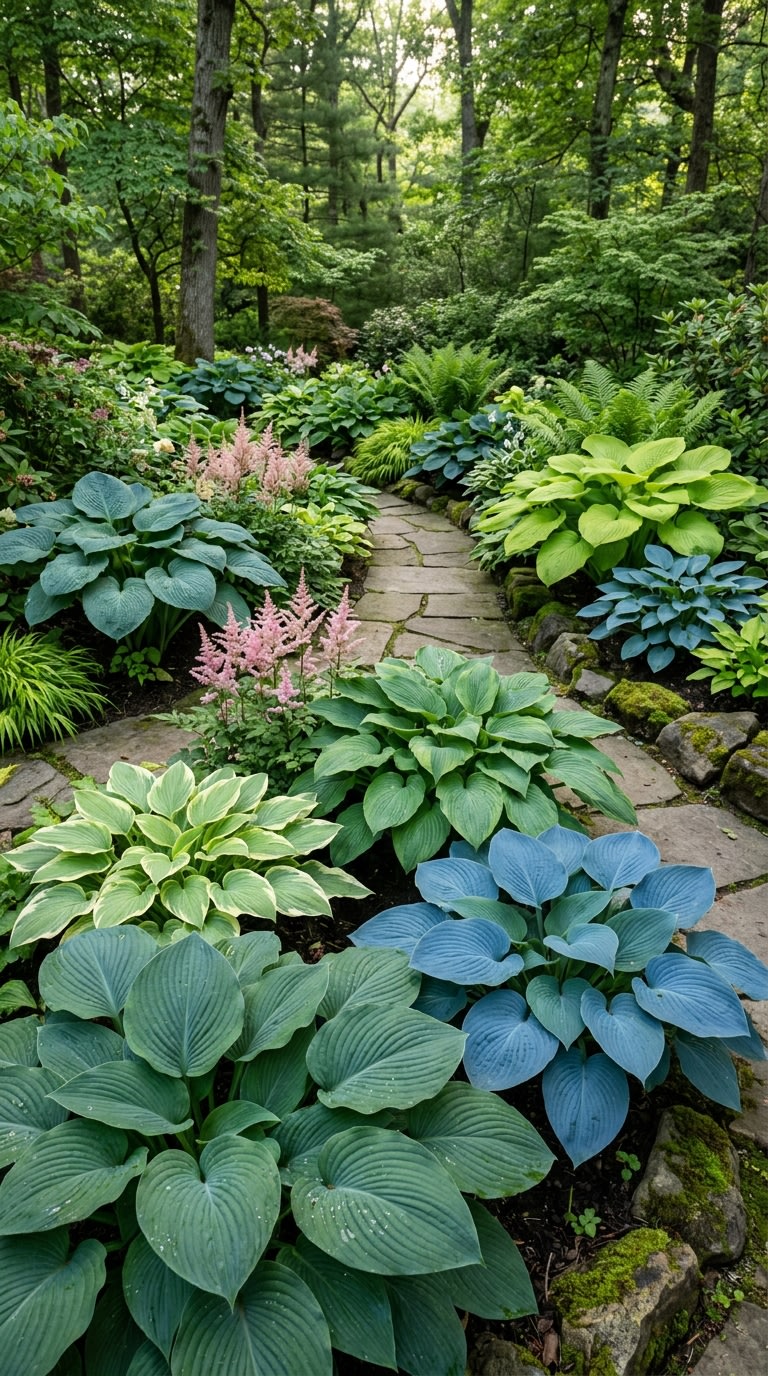
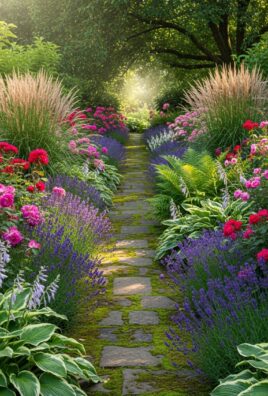
Hostas are a staple for any shade garden, renowned for their stunning foliage and variety of colors. These plants come in a range of sizes, shapes, and hues, from deep greens to striking blues and variegated leaves. Their versatility makes them perfect for creating visual interest in shaded areas of your garden.
When planting hostas, consider their mature size and space them accordingly to prevent overcrowding. They thrive in moist, well-drained soil, so consider adding organic matter to improve drainage and moisture retention. Hostas also bloom in the summer, producing tall flower spikes that add another layer of beauty to your garden.
To enhance their appearance, pair hostas with shade-loving perennials like astilbes or bleeding hearts. This combination not only creates a stunning contrast in textures but also provides a continuous bloom throughout the summer months. Whether planted in groups or as solitary specimens, hostas are sure to make a bold statement in your shade garden.
3. Layer with Colorful Shade Perennials
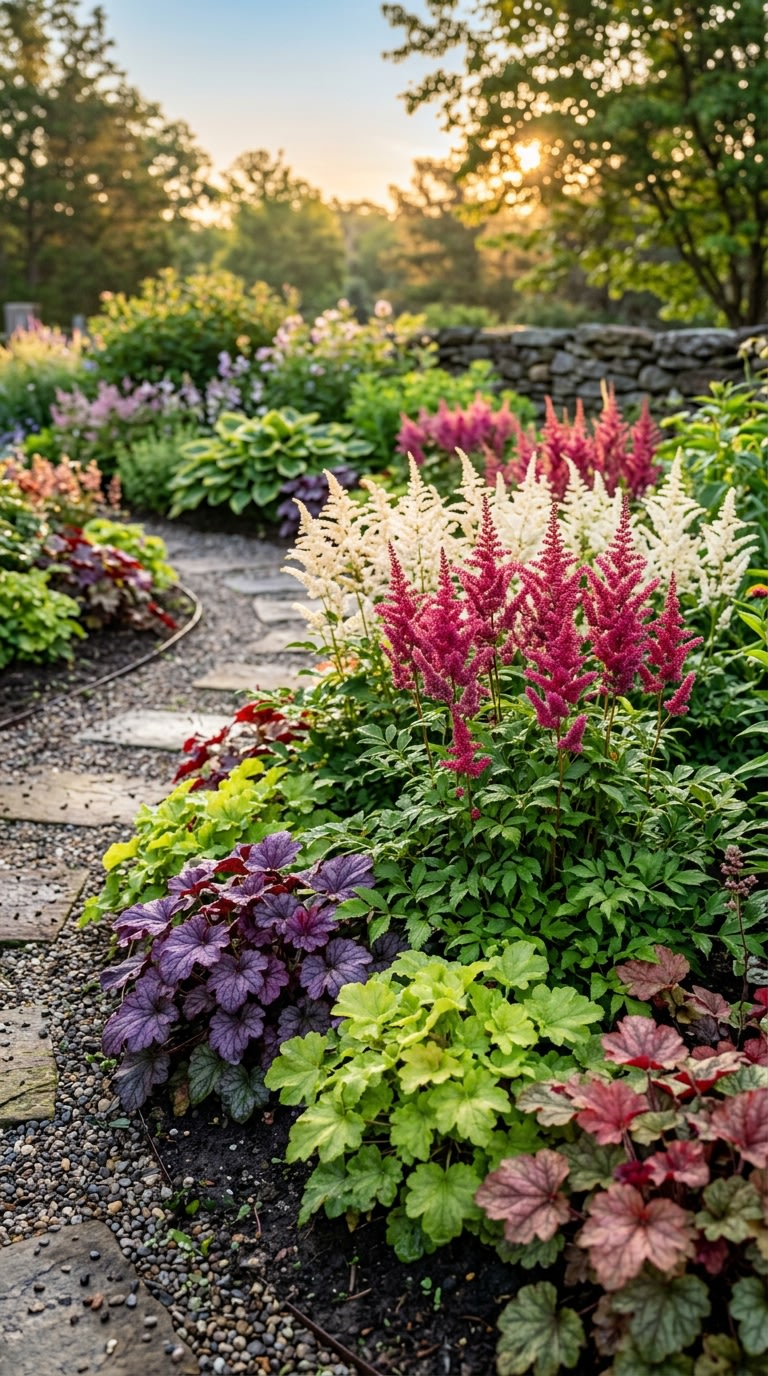
Incorporating colorful shade perennials into your garden not only adds vibrancy but also creates a lively atmosphere. Perennials such as astilbes, heucheras, and bleeding hearts thrive in partial to full shade and can bring a splash of color to your otherwise green landscape. These plants bloom at different times, ensuring your garden remains bright and engaging throughout the season.
Astilbes, with their feathery plumes, can provide height and drama, while heucheras add rich foliage colors ranging from burgundy to bright lime green. When planting, consider the bloom times and arrange them so that as one plant fades, another comes into bloom, keeping your garden dynamic.
Incorporating these perennials in clusters or drifts will create a cohesive look, while also attracting beneficial pollinators like butterflies and bees. Mixing different textures and colors will create a stunning visual display that not only enhances the beauty of your shade garden but also supports local wildlife.
4. Design a Cozy Nook with Garden Furniture
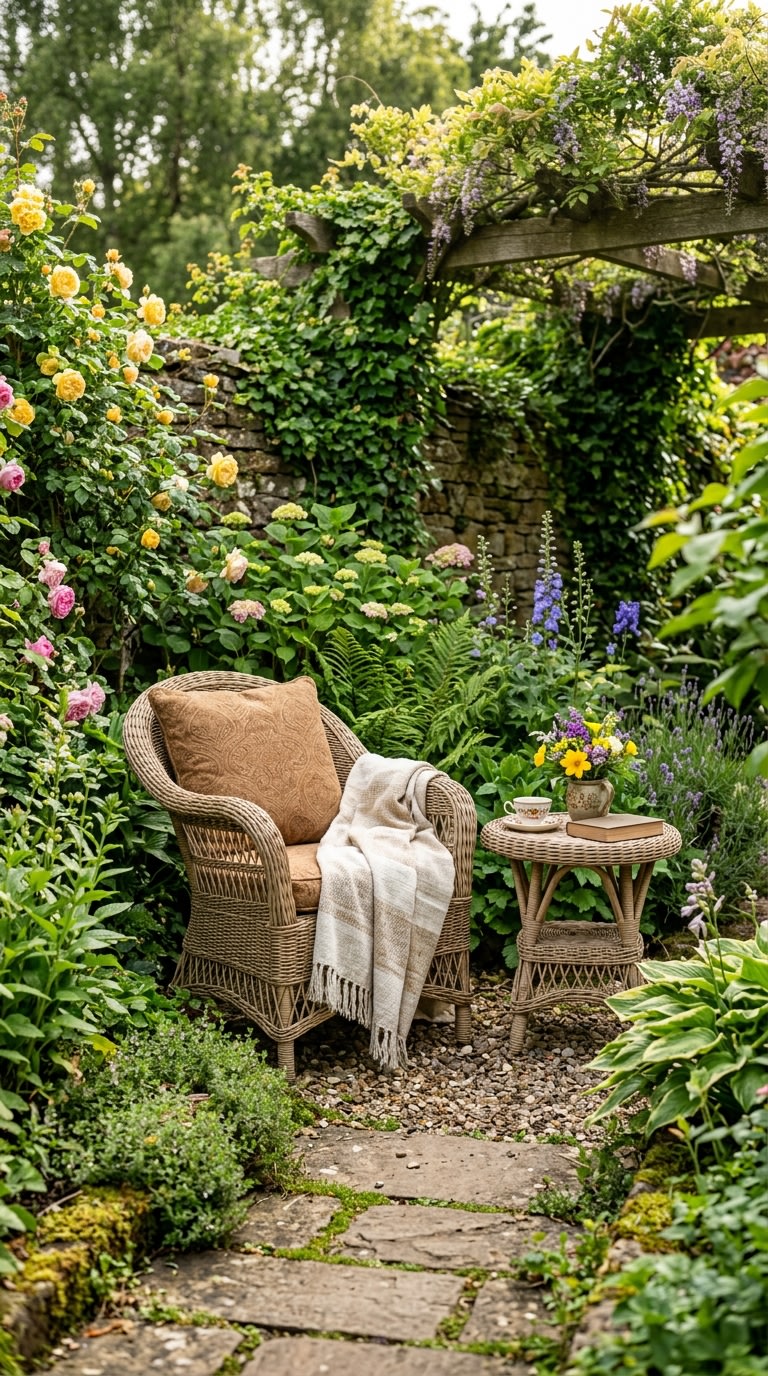
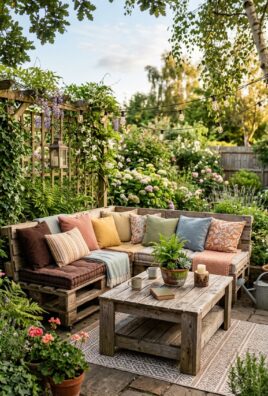
Creating a cozy nook in your shade garden is essential for making the space feel inviting and functional. Consider adding comfortable outdoor furniture like a wicker chair or a small table where you can enjoy your morning coffee or read a book. Selecting weather-resistant materials ensures the furniture will withstand the elements while maintaining its beauty.
When designing your nook, think about the placement of your furniture in relation to the surrounding plants. Positioning chairs near flowering perennials or fragrant herbs can create an immersive experience, allowing you to enjoy the sights and scents of your garden. Adding cushions in bright colors can enhance comfort and style, making the nook an appealing spot.
Incorporating elements like lanterns or string lights can add a magical touch to your garden nook during the evenings. With the right lighting and furniture, your shaded retreat can transform into a tranquil escape where you can unwind and reconnect with nature.
5. Incorporate Ornamental Grasses for Movement
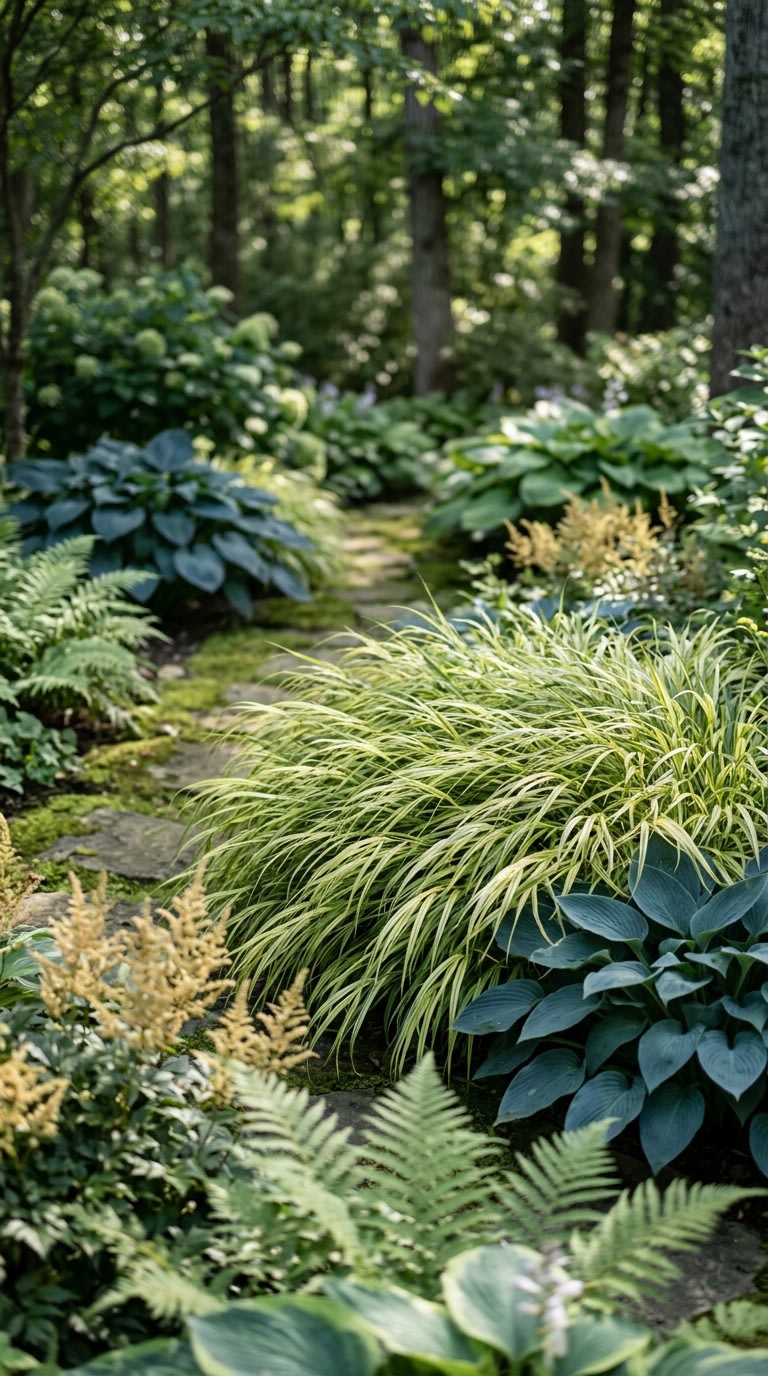
Ornamental grasses are an excellent addition to any shade garden, adding movement and texture that can elevate the overall design. Varieties like Japanese Forest Grass or Blue Oat Grass thrive in partial shade and can create an appealing contrast against broader-leaved plants. Their graceful, arching forms can soften the edges of garden beds and pathways.
When planting ornamental grasses, consider their height and growth habits. Taller grasses can serve as a backdrop for shorter plants, while low-growing varieties can edge pathways or fill in gaps. The gentle swaying of these grasses in the breeze adds a dynamic quality to your garden, making it feel alive and inviting.
Incorporating ornamental grasses alongside flowering perennials can create a beautiful juxtaposition of form and color. Additionally, their drought tolerance means they require less maintenance once established, allowing you more time to enjoy your serene backyard retreat.
6. Create a Water Feature for Serenity
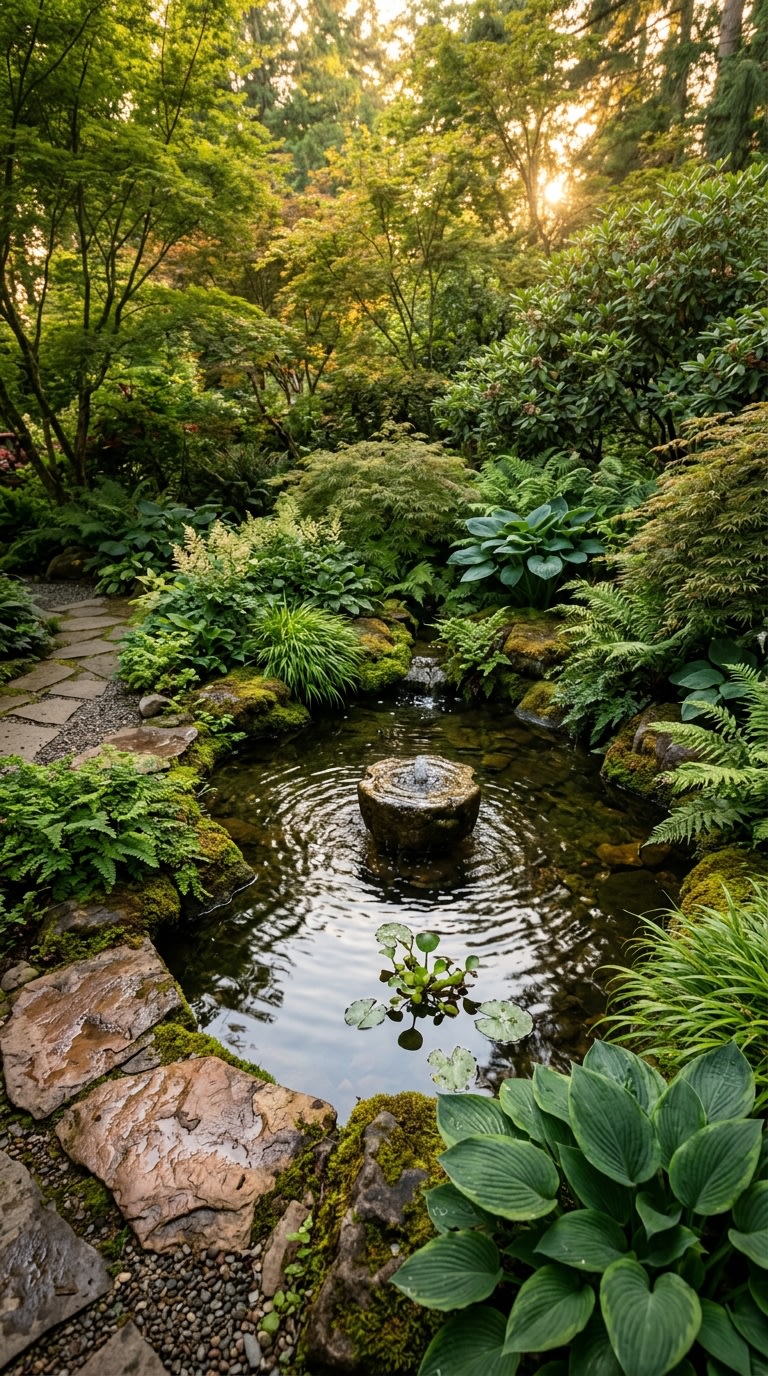
A water feature can be a stunning focal point in a shade garden, adding both beauty and tranquility to the space. Consider installing a small pond, fountain, or even a bubbling rock to introduce the calming sound of water into your outdoor environment. Not only do water features attract wildlife, but they also foster a serene atmosphere perfect for relaxation.
When choosing a water feature, consider its size and placement to ensure it complements your garden’s overall design. Surround the feature with shade-loving plants like ferns and hostas to create a cohesive look. Adding stones or gravel around the water feature can enhance its natural appearance and provide a safe space for wildlife.
Maintaining a water feature is essential for its longevity; regular cleaning and monitoring water levels are crucial. Once established, your water feature will become a centerpiece that invites both you and local wildlife to enjoy the lush serenity of your shade garden.
7. Utilize Vertical Space with Climbing Plants
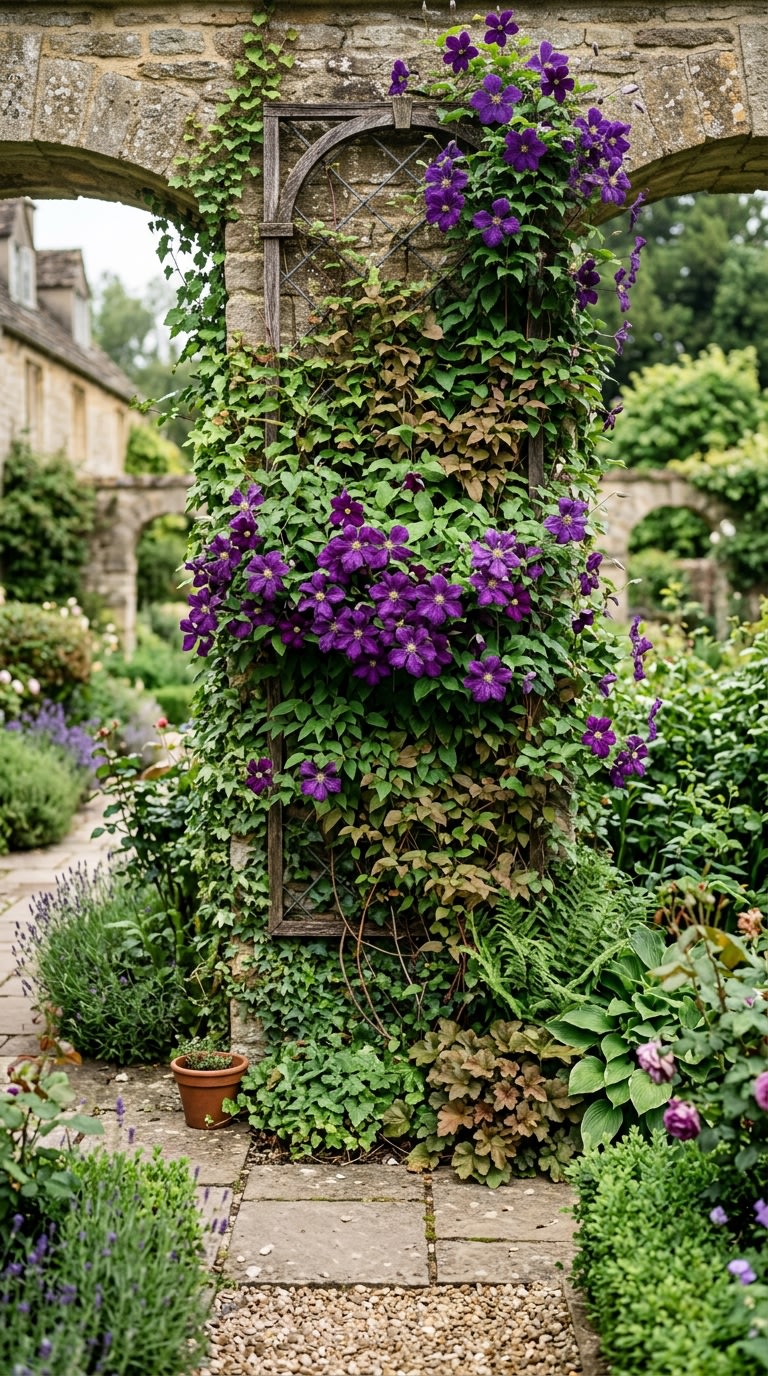
Maximizing vertical space in your shade garden can create depth and interest, transforming bare walls or fences into vibrant displays of climbing plants. Varieties like clematis or climbing hydrangea thrive in shaded areas and can add a dramatic flair to your outdoor space. These plants can be trained to grow up trellises, arbors, or even along fences, enhancing the beauty of your garden.
When selecting climbing plants, consider their growth habits and the support structures available. Plant them at the base of a trellis or wall and provide them with adequate support as they grow. Regular pruning will help maintain their shape and encourage new growth, ensuring a healthy and lush appearance.
Incorporating climbing plants not only adds color and texture but also helps create a sense of privacy in your garden. The vertical growth draws the eye upward, making your garden feel larger and more inviting. With careful selection and placement, climbing plants can be a stunning addition to your shaded retreat.
8. Add Ground Covers for Texture and Color
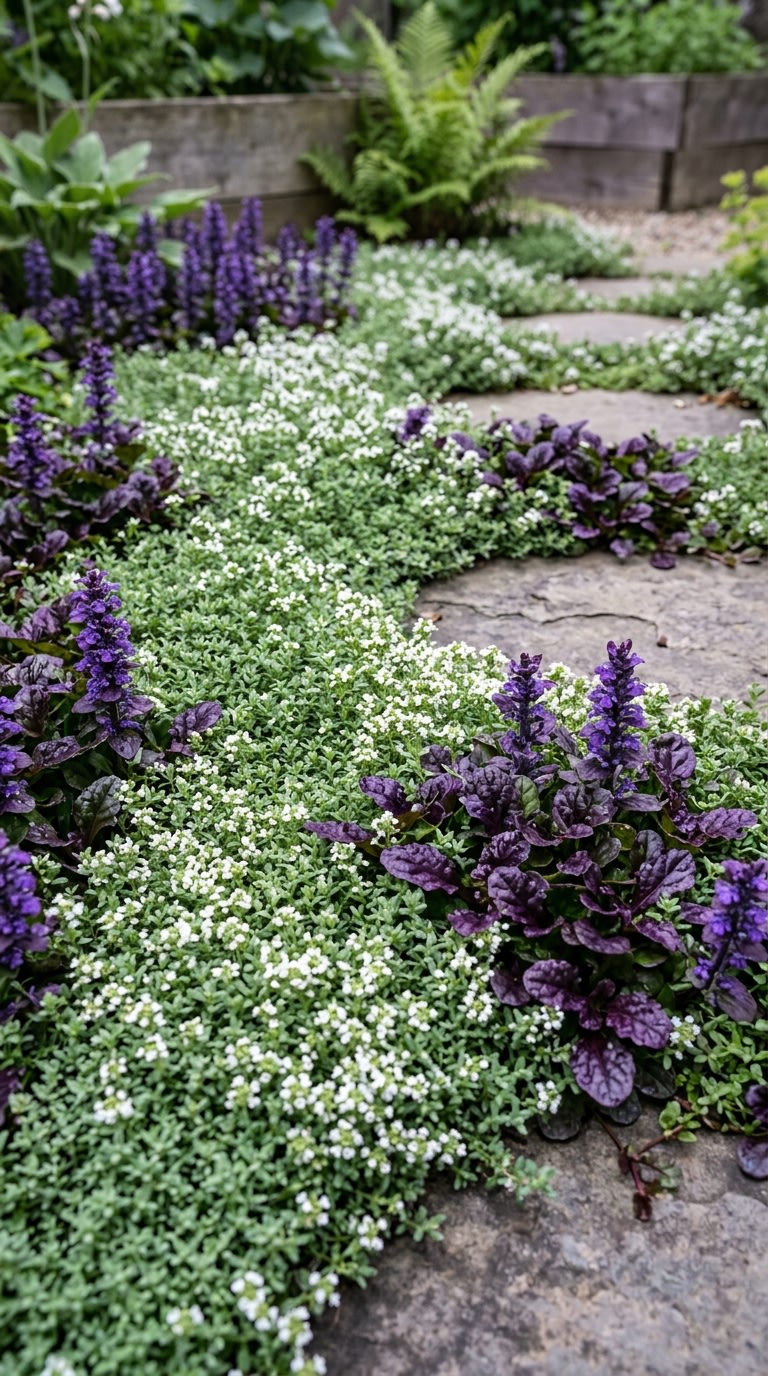
Ground covers are an essential component of a successful shade garden, providing texture and color while suppressing weeds. Varieties such as creeping thyme, sweet woodruff, and ajuga thrive in low-light conditions and can create a lush carpet of greenery. These plants not only enhance the visual appeal but also serve practical purposes, making them a smart addition to any garden.
When selecting ground covers, consider their growth habits and the amount of foot traffic they will endure. Planting them in drifts or clusters can create a more natural look and fill in gaps between larger plants. Additionally, their low maintenance needs make them perfect for busy gardeners looking to create beautiful landscapes.
Incorporating flowering ground covers can also add color and attract pollinators to your garden. With the right selection, ground covers can transform bare patches into vibrant, inviting spaces that enhance the overall beauty of your shade garden.
9. Incorporate Edible Plants into the Shade
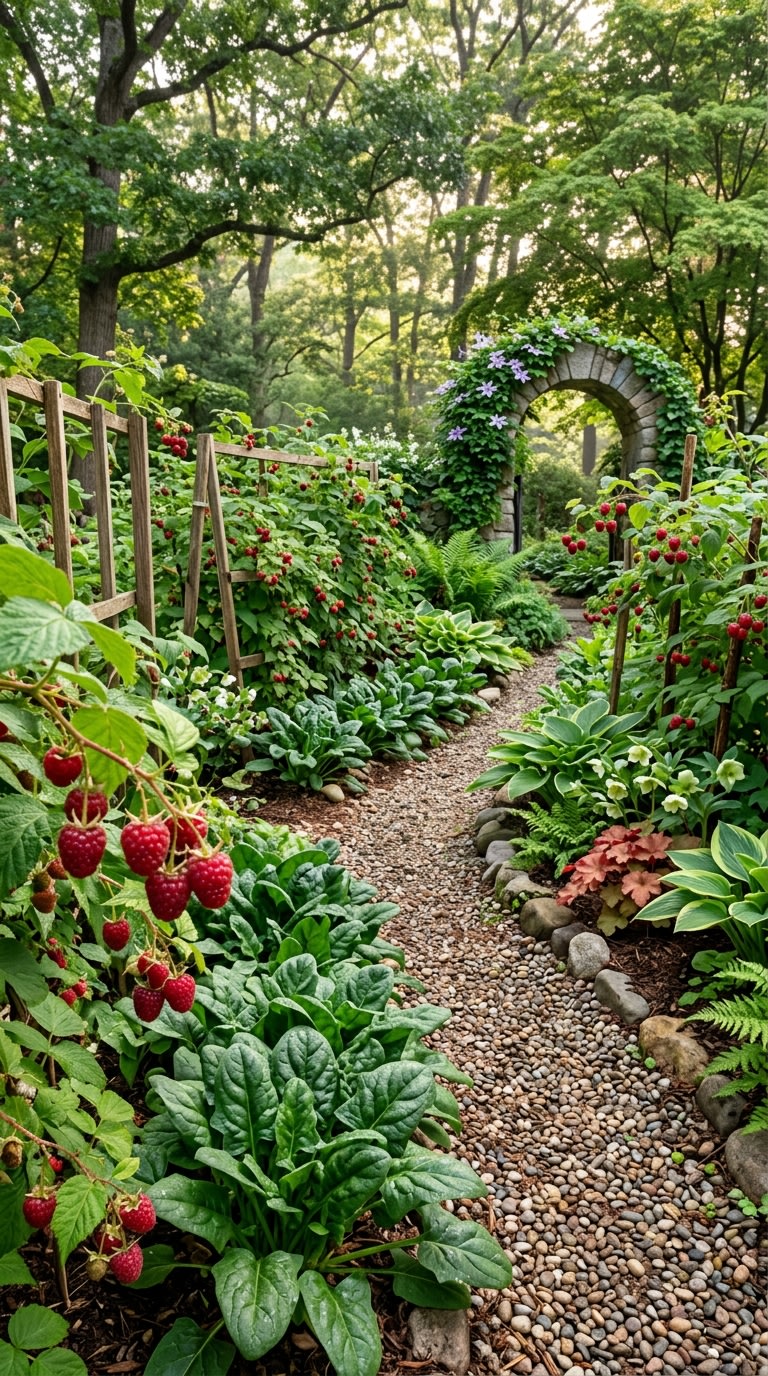
Creating a productive shade garden can be both rewarding and practical. Many edible plants, such as leafy greens, herbs, and certain berry bushes, thrive in partial shade. Incorporating these plants not only enhances your garden’s aesthetics but also provides fresh produce right at your fingertips.
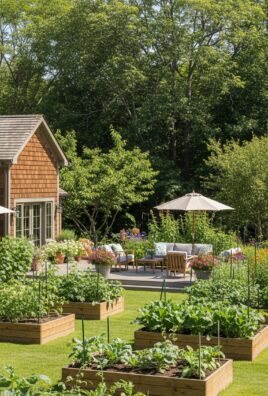
Consider growing plants like spinach, lettuce, and kale, which can flourish in cooler conditions, alongside herbs like mint and parsley. These plants can be interplanted among ornamental varieties to create a mixed garden bed that is both beautiful and functional. Ensure they receive adequate moisture, especially during dry spells, to keep them healthy and productive.
Adding berry bushes like currants or raspberries can also yield delicious fruits in shaded areas. With careful planning and placement, your shade garden can become a bountiful retreat that combines beauty with utility, allowing you to enjoy the fruits of your labor right from your backyard.
Frequently Asked Questions
What plants thrive in shade gardens?
Shade gardens can be home to a variety of plants that flourish in low-light conditions. Some popular choices include ferns, hostas, astilbes, and heucheras. These plants not only provide lush foliage but also offer beautiful blooms throughout the season. It’s essential to consider the specific light conditions of your garden, as some plants prefer dappled shade while others can tolerate deeper shade.
When selecting plants, also think about their mature size and growth habits. Mixing different textures and colors will enhance the visual interest in your shade garden. Additionally, incorporating ground covers can help fill in bare spots and suppress weeds, creating a vibrant and cohesive look.
How can I improve soil quality for shade plants?
Improving soil quality in shaded areas is crucial for the health of your plants. Start by testing your soil to determine its pH and nutrient levels. Most shade-loving plants prefer slightly acidic to neutral soil. Amending the soil with organic matter, such as compost or well-rotted manure, can enhance its structure and fertility.
Additionally, ensure proper drainage to prevent waterlogging, which can be detrimental to many shade plants. Incorporating mulch can help retain moisture and suppress weeds while gradually improving soil quality as it breaks down. Regularly adding organic matter to your garden beds will create a rich, loamy soil that supports vigorous growth.
What maintenance is required for a shade garden?
Maintaining a shade garden involves several key tasks that can ensure your plants thrive. Regular watering is essential, especially during dry spells, as many shade plants prefer consistent moisture. Additionally, periodic fertilization with a balanced fertilizer can help promote healthy growth and blooms.
Pruning is also important, as it helps maintain the shape and health of your plants. Removing dead or diseased foliage encourages new growth and improves air circulation. Lastly, keeping an eye out for pests and diseases will help keep your garden looking its best, allowing you to enjoy a lush and inviting outdoor space.
Can I create a shade garden in a small space?
Absolutely! Creating a shade garden in a small space can be both rewarding and feasible. Focus on vertical gardening techniques by using trellises or wall planters to maximize your limited area. Choosing smaller plants or those with a compact growth habit can also help you make the most of the available space.
Incorporating container gardening allows you to easily rearrange your plants and create dynamic displays. Additionally, layering plants with varying heights will add depth to your garden, making it appear more expansive. With careful planning and creativity, even a small shaded area can be transformed into a beautiful retreat.
What are the benefits of a shade garden?
Shade gardens offer numerous benefits that can enhance your outdoor living space. Firstly, they provide a cool, comfortable environment during hot summer months, making them perfect for relaxation or entertaining. Additionally, shade gardens can support biodiversity by attracting various wildlife, including birds, butterflies, and beneficial insects.
Moreover, incorporating a variety of plants can improve air quality and help reduce the urban heat island effect. Finally, a well-designed shade garden can add aesthetic value to your property, creating an inviting atmosphere that encourages outdoor enjoyment. By embracing the unique qualities of shade, you can create a lush retreat that feels like a sanctuary.
Creating a lush shade garden this June opens up a world of possibilities for transforming your outdoor space into a tranquil retreat. By selecting a variety of shade-loving plants and incorporating thoughtful design elements, you can craft a unique environment that invites relaxation and enjoyment. From bold hostas to serene water features, each idea presented can help you maximize the beauty and utility of your shaded areas.
As you embark on your gardening journey, remember to consider the specific conditions of your space and choose plants that will thrive in those environments. With patience and care, your shade garden can flourish, providing a sanctuary for you and local wildlife alike. Start planting today and watch as your backyard transforms into a lush oasis where you can unwind and connect with nature.
Leave a Comment