
Transforming your one-acre homestead into a flourishing sanctuary requires creativity and strategic planning. With the right layout ideas, you can maximize the potential of your outdoor space, creating areas that are both functional and aesthetically pleasing. Whether you’re keen on sustainable gardening practices, outdoor entertaining, or simply enjoying nature’s beauty, understanding how to effectively utilize your land can make all the difference.
In this article, we will explore ten innovative layout concepts that can elevate your one-acre homestead. From integrating edible landscapes to designing serene relaxation zones, these ideas will help you cultivate an environment that reflects your lifestyle and values. Let’s delve into these inspiring concepts that can turn your homestead into a paradise of productivity and peace.
1. Create a Productive Kitchen Garden

A kitchen garden, or potager, is an excellent way to maximize your one-acre homestead. This design integrates vegetables, herbs, and edible flowers in a beautifully arranged layout, allowing for easy access and maintenance. Consider raised beds for better soil control and drainage, while also making harvesting simpler. Use companion planting techniques to enhance growth and deter pests, ensuring your kitchen garden is both productive and sustainable.
Position your kitchen garden close to your kitchen for convenience. You might even include a small herb spiral, which is a vertical garden design that maximizes space while providing a variety of herbs in a compact area. Incorporate pathways made of gravel or stepping stones to facilitate easy movement and maintenance within your garden.
Finally, consider installing trellises for climbing plants like tomatoes and beans, which can save space while adding vertical interest. With the right planning, your kitchen garden can become a stunning focal point of your homestead, providing fresh produce right at your doorstep.
2. Design a Tranquil Meditation Garden

A meditation garden offers a peaceful retreat within your homestead. This space should be designed with tranquility in mind, utilizing soft colors, gentle textures, and serene elements. Start by selecting a quiet corner of your property and surround it with flowering shrubs and calming plants such as lavender or chamomile, which can enhance relaxation through their scents. Incorporating a small water feature, such as a fountain or pond, can also promote a soothing atmosphere while attracting local wildlife.
Use natural materials for pathways, like gravel or wood chips, to create a rustic feel. Add seating areas with comfortable benches or a hammock where you can unwind and reflect. Consider including elements like a zen garden or sand garden, which allow for a tactile connection to nature and can be a meditative practice.
Incorporate ornamental grasses and low-maintenance perennials that provide year-round interest while minimizing upkeep. With thoughtful design, your meditation garden can become a sanctuary for reflection, mindfulness, and connection to nature.
3. Incorporate a Flowering Perennial Border

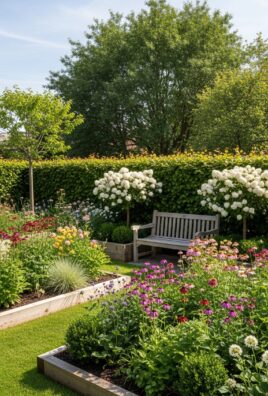
Perennial borders are a stunning way to add color and texture to your homestead throughout the seasons. By carefully selecting a variety of perennial plants, you can create a visually appealing display that changes with the seasons. Choose plants that bloom at different times to ensure continuous color, and consider layering taller plants at the back and shorter ones at the front to create depth and interest.
Incorporating native plants can enhance biodiversity and attract beneficial insects, making your garden more resilient. Don’t forget to include foliage plants for added texture and contrast, which can enhance the overall aesthetic of your perennial border. Consider adding some ornamental grasses for movement and flow in your design.
To maintain a neat appearance, implement a regular maintenance schedule that includes deadheading spent flowers and dividing overgrown plants. With the right selection and care, your perennial border can transform your garden into a vibrant tapestry of color and life, making it a focal point of your homestead.
4. Establish a Relaxation Zone with Outdoor Furniture

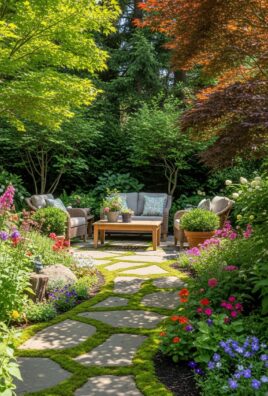
Creating a designated relaxation zone is essential for enjoying the beauty of your homestead. This area should be inviting and comfortable, encouraging you to spend time outdoors. Start by selecting durable outdoor furniture that suits your style, whether it be rustic wooden benches, elegant wrought iron chairs, or cozy lounge chairs. Position your seating to take advantage of the best views on your property, perhaps under the shade of a large tree or near your garden’s centerpiece.
Consider adding outdoor cushions and throws for extra comfort and warmth during cooler evenings. To enhance the ambiance, include a fire pit or outdoor heater, making the space usable year-round. String lights or lanterns can add a magical touch for evening gatherings, creating a cozy atmosphere.
Don’t forget to include greenery around your relaxation zone. Potted plants or hanging baskets can provide a lush backdrop, while a nearby herb garden allows you to enjoy fresh scents and flavors. With the right setup, your relaxation zone can become a favorite spot for reading, entertaining, or simply unwinding in nature.
5. Implement a Wildlife Habitat

Creating a wildlife habitat not only enhances the biodiversity of your homestead but also enriches your gardening experience. By incorporating native plants, you can provide food and shelter for local wildlife, including birds, butterflies, and beneficial insects. Start by planting a variety of flowering plants that bloom at different times to ensure a continuous food source throughout the seasons.
Consider adding birdhouses, bee hotels, and water sources like bird baths or small ponds to attract wildlife. Avoid using pesticides and herbicides, as these can harm beneficial creatures. Instead, embrace organic gardening practices to create a safe environment for your furry and feathered friends.
In addition to plants, allow some areas of your garden to go wild with native grasses and wildflowers. These spots can serve as natural habitats, providing cover and foraging opportunities for wildlife. By creating a wildlife-friendly garden, you’ll not only support local ecosystems but also enjoy the beauty and activity of nature right in your backyard.
6. Craft an Edible Landscape

An edible landscape beautifully blends aesthetics with functionality. By integrating fruit trees, berry bushes, and edible perennials throughout your property, you can create a stunning visual while producing fresh food. Start by selecting varieties that thrive in your climate and soil conditions, and consider planting them in groups for easier maintenance and harvesting.
Incorporate pollinator-friendly plants to enhance fruit production and attract beneficial insects while adding beauty to your landscape. Berry bushes can serve as both a hedge and a food source, while fruit trees can be strategically placed to provide shade and structure in your garden.
Consider utilizing vertical gardening techniques, such as trellises for climbing plants like cucumbers and peas, to maximize space. With thoughtful planning, your edible landscape can become a vibrant and productive garden, providing delicious yields while enhancing the beauty of your homestead.
7. Create a Functional Compost Area

A compost area is an essential component of any sustainable homestead. By establishing a dedicated space for composting, you can recycle kitchen scraps and garden waste into nutrient-rich soil. Start by selecting a location that is easily accessible but also away from your home’s living areas to minimize odors. Consider using a compost bin or a simple pile method, depending on your space and aesthetic preferences.
Incorporate a mix of green materials (like vegetable peels and grass clippings) and brown materials (such as dried leaves and cardboard) to create a balanced compost mix. Turn your compost regularly to aerate it and speed up the decomposition process. With time, you’ll have rich compost that can be used to nourish your garden.
Additionally, consider using the compost area as a teaching tool for family and friends about sustainable practices. This will not only enhance your gardening efforts but also contribute to a more eco-friendly lifestyle. A well-maintained compost area can become a point of pride in your homestead, supporting both your garden and the environment.
8. Incorporate a Fire Pit for Gatherings

A fire pit can serve as a central gathering place for friends and family, enhancing your outdoor living experience. Start by selecting a safe location away from structures and flammable materials. Choose a design that complements your homestead’s style, whether it’s a rustic stone fire pit or a modern metal design. Surround the fire pit with comfortable seating, such as benches or Adirondack chairs, for an inviting atmosphere.
Consider adding additional elements like outdoor rugs or pillows to make the area cozy and welcoming. This space can be used for evening gatherings, storytelling, or simply enjoying the warmth of the fire under the stars. Enhance the experience by providing a few outdoor games or a small table for snacks and drinks.
To further the ambiance, consider landscaping around the fire pit with low-light plants or solar lights that create a magical atmosphere at night. With thoughtful planning, your fire pit area can become a cherished spot for creating memories and enjoying the beauty of your homestead.
9. Utilize Vertical Gardening Techniques

Vertical gardening is a fantastic solution for maximizing space in smaller homesteads or for adding interest to larger gardens. This technique allows you to grow plants upwards instead of outwards, making it perfect for patios, balconies, or any limited space. Start by choosing vertical structures like trellises, wall planters, or even repurposed pallets to support your climbing plants.
Select plants that thrive in vertical setups, such as peas, beans, cucumbers, and certain flowering vines. Incorporating herbs in vertical planters can also make them easily accessible while saving ground space. Use a combination of textures and colors to create a visually appealing display that draws the eye.
Regular maintenance is key to ensuring your vertical garden remains healthy and productive. Be sure to water adequately and check for pests regularly. With creativity and care, vertical gardening can transform even the smallest areas into lush, productive spaces, adding beauty and functionality to your homestead.
Frequently Asked Questions
How can I best utilize my one acre of land for gardening?
Maximizing your one acre of land for gardening involves strategic planning and design. Start by dividing your space into functional zones, such as vegetable gardens, flower beds, and relaxation areas. Consider the sun and shade patterns throughout the day to place your gardens where they will thrive.
Incorporating raised beds can improve soil quality and drainage while allowing for easier access. Additionally, utilizing vertical gardening techniques can save space and add visual interest. Finally, integrating pathways can help navigate your homestead efficiently while keeping the areas organized.
What types of plants work best in a one-acre homestead?
The best plants for a one-acre homestead depend on your climate, soil type, and personal preferences. Consider a mix of perennials and annuals for continuous blooms and harvests.
Edibles like tomatoes, peppers, and leafy greens are great for kitchen gardens, while native flowering plants can attract beneficial insects and provide beauty. Additionally, incorporating fruit trees and berry bushes can yield delicious produce while enhancing the landscape. Choose plants that are well-suited to your local environment to ensure success.
How can I attract wildlife to my garden?
Attracting wildlife to your garden can be achieved by creating a diverse ecosystem. Start by incorporating native plants, as they provide food and habitat for local wildlife, including birds, butterflies, and beneficial insects. Creating water sources such as ponds or bird baths can also draw in wildlife.
Avoid using chemicals that may harm these creatures and embrace organic gardening practices. Adding birdhouses, bee hotels, and wildflower areas can further enhance your garden’s appeal to wildlife, creating a thriving natural habitat.
What are some sustainable practices for a homestead garden?
Sustainable practices for a homestead garden include composting, using organic fertilizers, and practicing crop rotation. Composting kitchen scraps and garden waste enriches the soil and reduces landfill waste. Incorporating cover crops can improve soil health and prevent erosion.
Additionally, using mulch can retain moisture and suppress weeds, while native and drought-tolerant plants can minimize water usage. By implementing these practices, you can create a thriving garden that supports the environment.
How do I maintain a healthy garden throughout the seasons?
Maintaining a healthy garden throughout the seasons requires a proactive approach. Start with proper planning, choosing plants that thrive in your climate and soil conditions. Regular watering, especially during dry spells, is essential for healthy growth.
Incorporate seasonal tasks like mulching in the fall, pruning in the spring, and rotating crops to maintain soil health. Regularly check for pests and diseases, utilizing organic methods for control. With consistent care, your garden can flourish year-round.
Maximizing your one-acre homestead can be an exciting and rewarding endeavor. By integrating innovative garden layouts and diverse plantings, you can create a vibrant outdoor space that reflects your personal style and meets your functional needs. From an edible landscape to a tranquil meditation area, the possibilities are endless.
As you embark on this journey, remember to embrace your creativity and allow your garden to evolve over time. Start with a few of these ideas, and gradually implement more as you discover what works best for your space. Your one-acre homestead can become a sanctuary that nourishes both the body and soul.
Leave a Comment