
As the climate changes and water becomes a more precious resource, the demand for drought-tolerant plants is on the rise. These resilient plants not only survive but thrive with minimal water, making them perfect for gardens in arid regions or for those who prefer low-maintenance landscaping. By incorporating drought-tolerant plants into your outdoor space, you can create a vibrant garden that conserves water and reduces your environmental footprint.
This listicle highlights ten stunning drought-tolerant plants that will add beauty and character to your garden while requiring little to no water. From colorful succulents to vibrant flowering perennials, these plants are ideal for anyone looking to enhance their outdoor living space without the hassle of regular watering. Let’s dive into the world of drought-resistant flora that can withstand the harshest conditions and still remain visually appealing.
1. Agave: The Sculptural Wonder

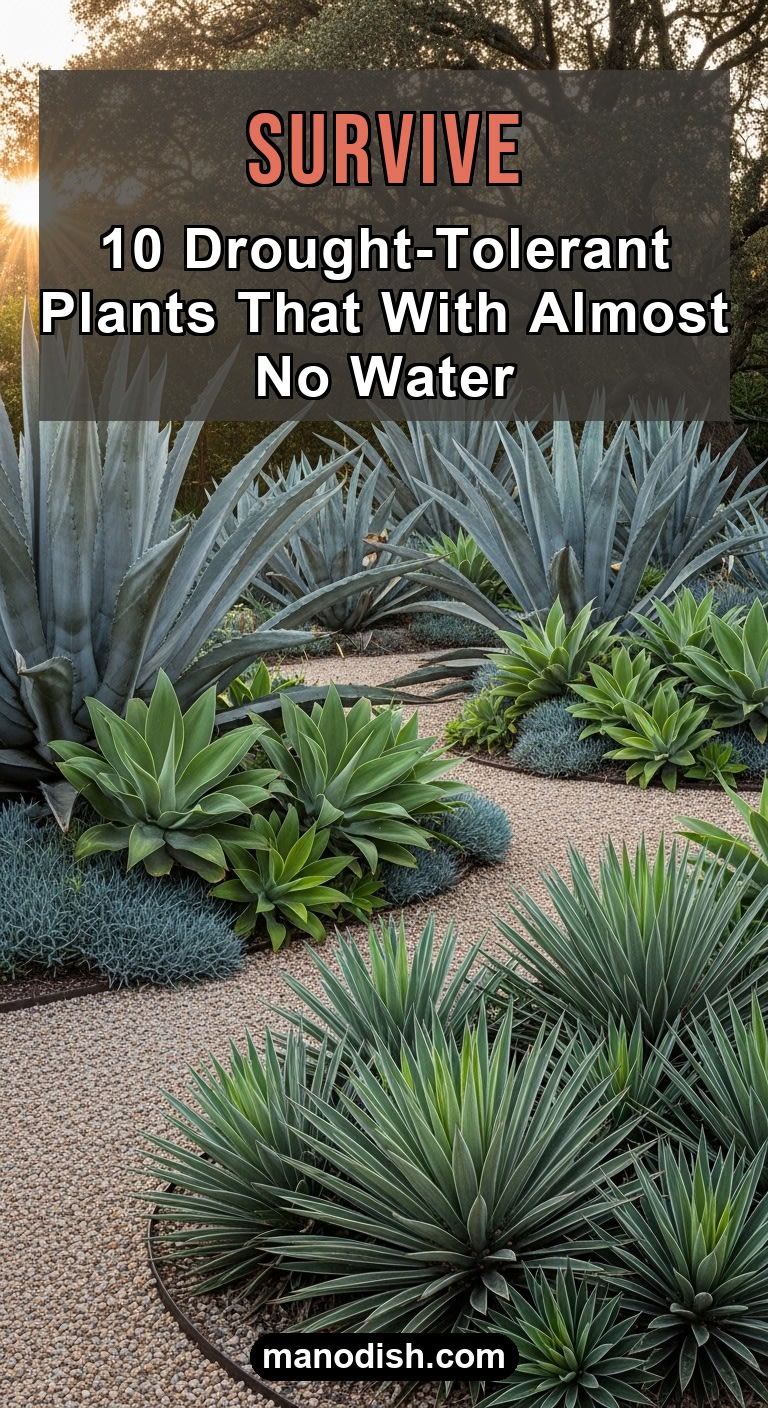
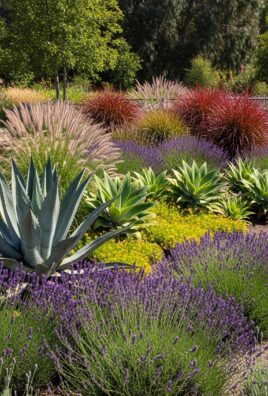
Agave plants are renowned for their striking architectural shape and resilience in dry conditions. With thick, fleshy leaves that store water, these succulents can thrive in a variety of landscapes, from desert gardens to modern outdoor spaces. They come in a range of sizes and colors, making them versatile options for different garden designs.
When planting agave, ensure they have well-draining soil and plenty of sunlight. They require minimal care once established, making them perfect for busy gardeners. Consider pairing them with gravel or sand for a contemporary look, or plant them in clusters for a more dramatic effect.
Agave’s flowers, which bloom on tall stalks, can attract pollinators like bees and hummingbirds, adding life to your garden. Whether used as focal points or in mass plantings, agave will add a touch of elegance to any drought-tolerant garden.
2. Lavender: Aromatic and Resilient


Lavender is more than just a beautiful plant; its fragrant flowers and silvery-green foliage make it a favorite for gardeners seeking low-maintenance options. This perennial thrives in well-drained soil and sunny locations, making it perfect for drought-prone areas. With its ability to withstand dry spells, lavender is a true champion of the garden.
Plant lavender in clusters to create a stunning visual impact, and it will reward you with a bounty of fragrant blooms that attract pollinators. The flowers can be harvested for culinary uses or dried for potpourri, adding both beauty and functionality to your garden.
In addition to its aesthetic appeal, lavender is known for its drought resistance and requires minimal watering once established. Its ability to thrive in poor soil conditions makes it a perfect choice for those looking to create sustainable landscapes without sacrificing beauty.
3. Sedum: Ground Cover of Resilience

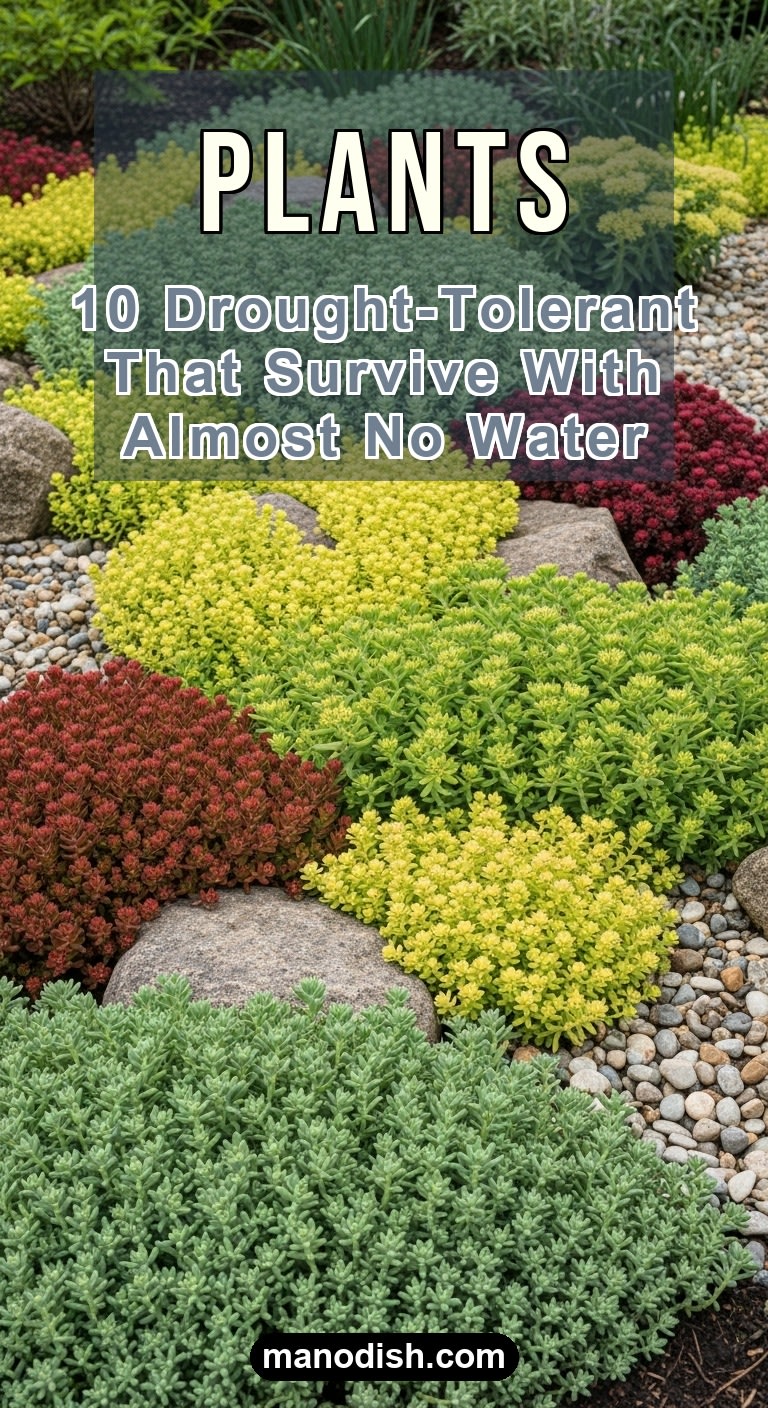
Sedum, also known as stonecrop, is a diverse genus of succulent plants that are perfect for ground cover in drought-prone gardens. With their fleshy leaves and vibrant flowers, sedums create a beautiful carpet of color that requires little water and minimal maintenance. They are especially effective in rock gardens or as fillers between stepping stones.
These hardy plants thrive in well-drained soil and are capable of surviving in a variety of conditions, from full sun to partial shade. Sedums are excellent for attracting pollinators, making them a great addition to any eco-friendly garden design.
When planting sedum, consider mixing different varieties for a more dynamic look. Their unique textures and colors can create stunning visual interest, and they are particularly effective in xeriscaping projects, where water conservation is a priority.
4. Yucca: A Bold Statement


Yucca plants are known for their dramatic appearance and hardy nature, making them a striking addition to any garden. With their sword-like leaves and tall flower spikes, yuccas create a bold focal point in drought-resistant landscaping. They thrive in hot, dry conditions and require minimal care once established.
When planting yucca, choose a sunny location with well-draining soil for optimal growth. These plants are drought-tolerant and can survive long periods without water, adapting well to various soil types. Their architectural form makes them ideal for contemporary garden designs or as accent plants in mixed borders.
In addition to their aesthetic appeal, yuccas are also low-maintenance. Once established, they require only occasional watering and are resistant to pests and diseases, making them perfect for busy gardeners looking to create a stunning outdoor space with minimal upkeep.
5. Russian Sage: The Allure of Silver


Russian sage is a beautiful perennial that brings a touch of silvery elegance to the garden. With its aromatic foliage and delicate purple flowers, this plant is not only drought-tolerant but also attracts beneficial pollinators. It thrives in sunny, dry areas and can withstand poor soil conditions, making it a perfect choice for low-maintenance gardens.
When planting Russian sage, ensure it has plenty of space to spread, as it can grow quite large. This plant works wonderfully in borders or as a backdrop for shorter perennials, adding texture and movement to your landscape. Its long-lasting blooms create a stunning display from summer to fall, enhancing the beauty of your outdoor space.
In addition to its visual appeal, Russian sage is a hardy plant that requires very little water once established. Regular pruning can help maintain its shape and encourage more blooms, allowing you to enjoy its beauty for years to come.
6. Echinacea: Nature’s Resilient Beauty


Echinacea, commonly known as coneflower, is a perennial favorite among gardeners for its vibrant blooms and ability to thrive in dry conditions. This hardy plant is not only drought-tolerant but also attracts a variety of pollinators, making it a valuable addition to any garden. Echinacea’s colorful flowers bloom in summer and can last well into fall, providing a continuous display of color.
When planting echinacea, choose a sunny location with well-drained soil. These plants are relatively low-maintenance and can tolerate poor soil conditions, making them perfect for naturalized gardens or prairie-style landscapes. They also pair beautifully with ornamental grasses and other drought-tolerant plants for a stunning combination.
In addition to their beauty, echinacea has medicinal properties and can be used to boost the immune system. With their vibrant colors and resilience, these plants are ideal for creating a garden that looks beautiful while conserving water.
7. Ornamental Grasses: Texture and Movement

Ornamental grasses are a fantastic way to introduce texture and movement into your garden while conserving water. These hardy plants are known for their durability and ability to thrive in dry conditions, making them a perfect choice for low-maintenance landscapes. With a variety of heights and colors, ornamental grasses can create stunning visual interest in any garden design.
Plant ornamental grasses in masses or as borders to create a soft, flowing look. They pair beautifully with flowering perennials and drought-tolerant shrubs, enhancing the overall aesthetic of your garden. Many varieties also provide winter interest, as their plumes catch the sunlight and provide structure when other plants have died back.
In addition to their beauty, ornamental grasses require very little care once established. Regular trimming in late winter or early spring will help maintain their shape and encourage fresh growth, allowing you to enjoy their beauty year-round.
8. California Poppy: A Splash of Color

California poppies are a vibrant and cheerful addition to any drought-tolerant garden. These bright orange flowers are not only beautiful but also incredibly hardy, thriving in sunny spots with poor soil. California poppies are perfect for naturalizing and will self-seed, creating a stunning display year after year.
When planting California poppies, choose a location that receives full sun and has well-draining soil. They are low-maintenance and require very little water once established, making them a great choice for xeriscaping projects. Their vivid color can brighten up any space and create a lively atmosphere in your garden.
In addition to their visual appeal, California poppies attract pollinators and provide a habitat for beneficial insects. Incorporating these beautiful flowers into your garden will not only enhance its beauty but also contribute to a healthier ecosystem.
9. Salvia: Bold and Beautiful
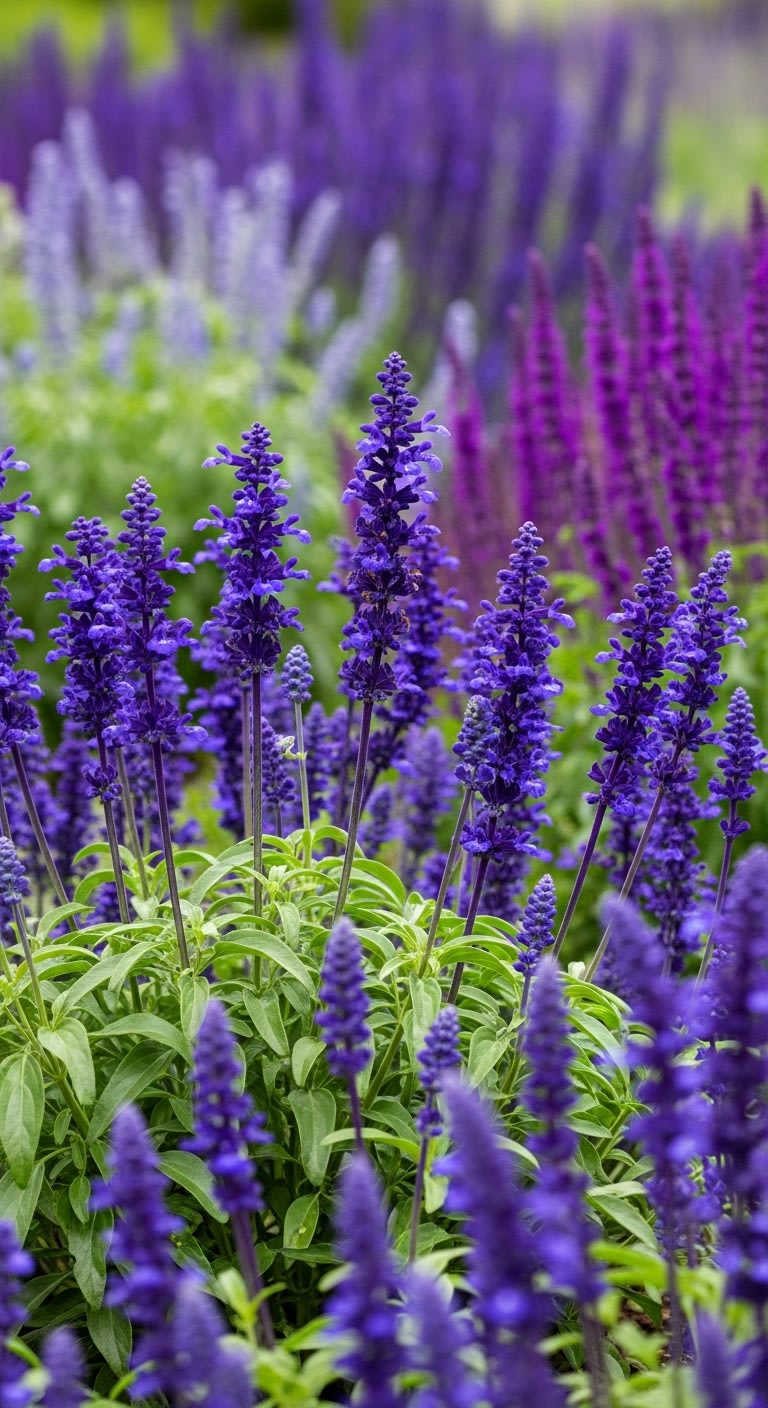
Salvia is a versatile and colorful addition to your garden, known for its long-lasting blooms and ability to thrive in drought conditions. With a variety of species available, salvia can provide vibrant colors ranging from deep blues to fiery reds, making it an ideal choice for any garden style. These plants attract pollinators like bees and butterflies, adding life and movement to your outdoor space.
When planting salvia, ensure they have plenty of sunlight and well-drained soil. They are low-maintenance and require little water, making them perfect for busy gardeners. Salvia can be used in borders, mass plantings, or as accent plants to create a stunning focal point in your garden.
In addition to their beauty, many salvia species are also deer-resistant, making them a practical choice. With their drought tolerance and vibrant blooms, salvia will surely enhance the beauty of your landscape while requiring minimal care.
Frequently Asked Questions
What are drought-tolerant plants?
Drought-tolerant plants are species that have adapted to survive in environments with limited water availability. These plants often develop unique characteristics, such as deep root systems, waxy leaves, and the ability to store water. They are ideal for regions with low rainfall or for gardeners seeking to reduce water consumption in their landscaping.
Incorporating drought-tolerant plants into your garden not only conserves water but also promotes biodiversity. Many of these plants are low-maintenance, requiring less frequent watering and care, making them perfect for busy homeowners. By selecting native or well-adapted species, you can create a sustainable garden that thrives in dry conditions.
How do I care for drought-tolerant plants?
Caring for drought-tolerant plants generally involves understanding their specific needs, particularly regarding soil, sunlight, and watering. Most drought-tolerant plants prefer well-draining soil and full sun exposure, though some can tolerate partial shade. When establishing these plants, it’s important to water them adequately until they are established, after which they will require much less maintenance.
Once established, limit your watering to occasional deep soakings during prolonged dry spells. Mulching around the base can help retain moisture and protect the roots from extreme temperatures. Regular pruning and deadheading can also encourage healthy growth and blooms, ensuring your garden remains vibrant and beautiful.
What are the benefits of using drought-tolerant plants in landscaping?
Using drought-tolerant plants in landscaping offers numerous benefits, particularly in conserving water and reducing maintenance. These plants are designed to thrive in dry conditions, which means they require less frequent watering, making them ideal for arid climates or areas experiencing drought.
Additionally, drought-tolerant plants can enhance the aesthetic appeal of your garden. With a wide variety of textures, colors, and forms, they can be used to create stunning landscapes that are both beautiful and environmentally friendly. Incorporating these plants can also attract local wildlife and promote biodiversity in your outdoor spaces.
Can I create a drought-tolerant garden in any climate?
While drought-tolerant gardens are most commonly associated with arid or semi-arid climates, you can create a drought-tolerant garden in a variety of settings. The key is to choose the right plants suited to your specific climate and soil conditions. Many plants that thrive in dry conditions can also adapt to different environments, especially if they are native to your region.
To create a successful drought-tolerant garden in a non-arid climate, focus on improving soil drainage and choosing plants that can tolerate occasional wet conditions. Additionally, incorporate mulch and other water-retaining practices to help maintain moisture levels during dry spells.
Are drought-tolerant plants suitable for all garden styles?
Yes, drought-tolerant plants can be integrated into nearly any garden style, from contemporary minimalist designs to traditional cottage gardens. The versatility of these plants allows them to complement a wide range of aesthetics. For instance, succulents and ornamental grasses work beautifully in modern landscapes, while flowering perennials like lavender and echinacea add charm to more classic styles.
By thoughtfully selecting and arranging drought-tolerant plants, you can create an attractive garden that aligns with your design vision while also promoting water conservation and sustainability.
Incorporating drought-tolerant plants into your garden not only enhances its beauty but also contributes to sustainable gardening practices. The plants highlighted in this article demonstrate that you can achieve a vibrant and thriving outdoor space with minimal water. By choosing the right species and understanding their needs, you can create a stunning landscape that withstands the challenges of dry conditions.
As you embark on your journey to create a drought-tolerant garden, consider the diverse options available and the unique benefits each plant offers. With careful planning and creativity, you can transform your outdoor living space into a water-efficient haven that flourishes under the sun.
Leave a Comment