
Growing strawberries at home can be an incredibly rewarding experience, offering not just the delicious fruits but also the joy of nurturing plants. Imagine stepping into your garden and picking fresh strawberries, bursting with flavor, that you’ve cultivated with your own hands. Whether you have a sprawling garden or a small balcony, you can create a little haven for these sweet berries.
In this guide, we’ll walk you through everything you need to know about growing strawberries, from selecting the right variety to harvesting your delicious fruit. You don’t need to be a gardening expert to succeed; with a little patience and care, you’ll be on your way to enjoying homegrown strawberries in no time. Let’s dig in and get started on this delightful journey together!
Table of Contents
- What Are Strawberries?
- How Strawberries Grow
- Benefits of Growing Strawberries
- Steps to Grow Strawberries at Home
- Advanced Tips for Strawberry Growing
- Tools and Resources for Success
- Frequently Asked Questions
- Conclusion
What Is It?
Strawberries are a beloved fruit known for their sweetness and versatility in desserts, salads, and snacks. Botanically, they are not true berries but rather aggregate fruits, meaning they form from multiple ovaries of a single flower. These vibrant red fruits are not only delicious but also packed with vitamins, antioxidants, and fiber, making them a healthy choice for any diet.
Growing strawberries at home allows you to enjoy fresh, organic fruit right from your garden. They can be cultivated in various environments, whether you have a spacious garden or just a few pots on your balcony. The satisfaction of harvesting your strawberries is unparalleled and can inspire you to grow more fruits and vegetables in the future.
- Strawberries come in different varieties including June-bearing, everbearing, and day-neutral.
- They thrive in well-drained soil with plenty of sunlight.
- Strawberries can be grown in gardens, containers, or hanging baskets.
How It Works
Growing strawberries is an engaging process that involves understanding their life cycle and environmental needs. Strawberries prefer well-drained, sandy loam soils rich in organic matter and require full sunlight for at least six hours a day. The plants produce flowers that develop into the sweet, red fruits we all love, and they can be grown either from seeds or bare root plants.
As the plants grow, they send out runners, which are long stems that create new plants. This characteristic allows you to expand your strawberry patch easily without needing to start from scratch each season. Careful attention to watering, fertilization, and pest control will ensure your plants produce flavorful strawberries.
- Strawberries need full sun (6-8 hours) for optimal growth.
- They produce runners that can be used to propagate new plants.
- Regular watering and organic fertilizers improve fruit quality.
Key Benefits
- Fresh and Delicious Fruit — Homegrown strawberries offer unmatched freshness and flavor compared to store-bought varieties. You can enjoy them at their peak ripeness, ensuring the best taste and nutritional value.
- Health Benefits — Strawberries are rich in vitamins C and K, fiber, and antioxidants which can support heart health, lower blood pressure, and even aid in digestion. Incorporating them into your diet can contribute to overall wellness.
- Cost-Effective — Growing your own strawberries can save you money in the long run, especially if you regularly purchase them at the grocery store. With proper care, your plants can yield fruit for years.
- Gardening Enjoyment — The process of growing strawberries is not just about the fruit; it’s also a rewarding hobby. Tending to your plants can reduce stress and improve your mood while connecting you to nature.
- Versatility in Use — Strawberries are incredibly versatile; you can use them in various dishes such as desserts, salads, smoothies, or even as a topping for your favorite breakfast. The possibilities are endless!
Step-by-Step Guide
Step 1: Choose Your Strawberry Variety


Before you plant, it’s crucial to select the right variety of strawberry for your growing conditions. There are three main types: June-bearing, everbearing, and day-neutral. June-bearing strawberries produce a large crop in late spring to early summer, while everbearing varieties bear fruit continuously throughout the summer and into fall. Day-neutral strawberries will produce fruit throughout the growing season regardless of the day length. Consider your climate and when you want to harvest to make the best choice.
A good starting point for beginners is the everbearing variety, which offers a steady supply of fruit without the need for extensive planning.
Example: If you live in a cooler climate, consider the ‘Tristar’ everbearing variety, which thrives in those conditions.
Pro Tips:
- Research local strawberry varieties that perform well in your area.
- Consider purchasing plants from a reputable nursery to ensure quality.
- Mix varieties for extended harvest periods.
Step 2: Prepare Your Soil


Healthy soil is the foundation of any successful garden, and strawberries are no exception. Start by selecting a location that receives at least six hours of sunlight daily. Then, test your soil’s pH; strawberries prefer slightly acidic soil with a pH between 5.5 and 6.5. You can amend your soil by adding organic compost or peat moss to improve drainage and nutrient content.
Once your soil is ready, till it to a depth of about 12 inches to ensure aeration. This step helps break up compacted soil, allowing roots to grow deeper and access water and nutrients effectively.
Example: Using a soil test kit, you find your pH is at 6.0, perfect for strawberries.
Pro Tips:
- Add compost to enrich the soil with nutrients.
- Avoid planting strawberries in areas where tomatoes or potatoes have grown to prevent soil-borne diseases.
- Consider raised beds for improved drainage.
Step 3: Plant Your Strawberries


Now that your soil is prepped, it’s time to plant your strawberries! Space your plants about 12 to 18 inches apart to allow for proper airflow. Dig a hole deep enough to accommodate the roots without bending them, ensuring the crown (the part where the leaves and roots meet) is level with the soil surface. This is crucial for the health of the plant.
After planting, water the strawberries thoroughly to help settle the soil around the roots. Mulching around the plants with straw or shredded leaves can help retain moisture while suppressing weeds, giving your strawberries the best chance to thrive.
Example: You carefully position each plant, making sure the crowns are just above the soil line.
Pro Tips:
- Water the plants right after planting to reduce transplant shock.
- Consider planting in staggered rows for better space utilization.
- Use a planting schedule to track when to plant different varieties.
Step 4: Water Regularly


Watering is essential for the health and productivity of your strawberry plants. Strawberries need consistent moisture, especially during their fruiting stage. Aim to water your plants deeply about once a week, providing about one inch of water each time. It’s best to water in the morning to allow the leaves to dry during the day, which helps prevent diseases.
If you notice the leaves starting to wilt or turn brown, it may be a sign of underwatering. Conversely, ensure that the soil drains well; soggy roots can lead to rot. A drip irrigation system can be beneficial for maintaining consistent moisture without wetting the foliage.
Example: Setting up a drip irrigation system can save time while ensuring your strawberries receive the right amount of water.
Pro Tips:
- Check the soil moisture by digging a small hole near the roots.
- Adjust your watering schedule based on rainfall and temperature.
- Use mulch to help retain soil moisture.
Step 5: Fertilize Wisely

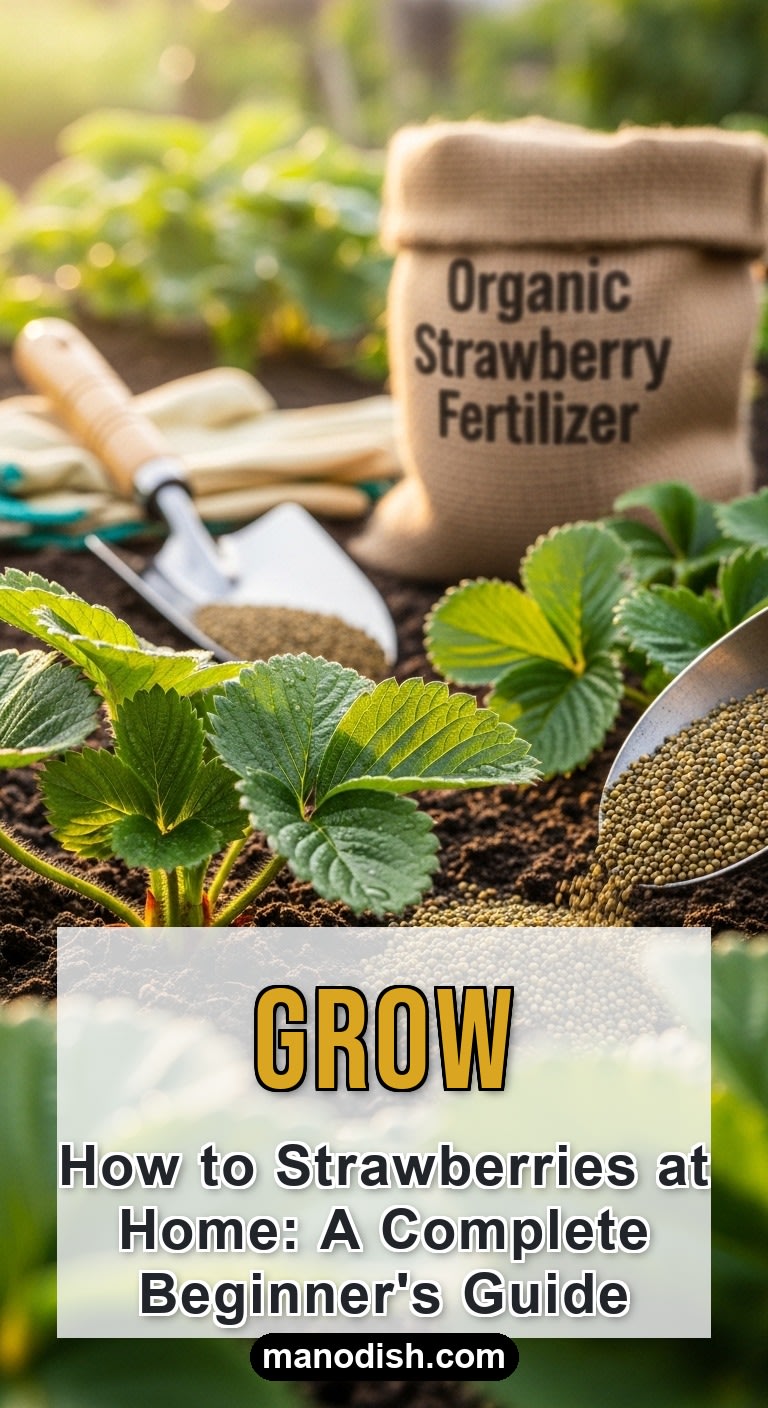
Fertilizing your strawberry plants properly will enhance their growth and fruit production. Start with a balanced fertilizer during the planting phase, then switch to a low-nitrogen fertilizer once flowers appear. Avoid excessive nitrogen, as it can lead to lush foliage but fewer fruits. Aim to fertilize every four to six weeks during the growing season, but be sure to follow the instructions on the fertilizer package to avoid over-fertilizing, which can harm your plants.
Organic options like compost tea or fish emulsion can also be great choices; they provide nutrients while promoting soil health. Observing your plants for signs of nutrient deficiencies can guide your fertilization schedule.
Example: You apply a diluted fish emulsion around the base of your plants to boost growth.
Pro Tips:
- Conduct a soil test to determine the nutrient needs of your soil.
- Use slow-release fertilizers to provide nutrients over time.
- Observe leaf color; yellowing may indicate a lack of nitrogen.
Step 6: Control Weeds and Pests


Keeping your strawberry patch free from weeds and pests is crucial for a successful harvest. Weeds compete for nutrients and water, so regularly check your garden and remove them by hand or with a hoe. A layer of mulch can also help suppress weed growth while retaining moisture.
For pests, common culprits include aphids, snails, and strawberry beetles. You can use organic pest control methods such as insecticidal soap or neem oil to protect your plants. Regular monitoring is key; catch and address problems early for the best results.
Example: You hand-pull weeds and find a few aphids, treating them with a gentle insecticidal soap.
Pro Tips:
- Install row covers to protect young plants from pests.
- Encourage beneficial insects like ladybugs to control aphid populations.
- Rotate crops annually to prevent pest buildup.
Step 7: Harvesting Your Strawberries
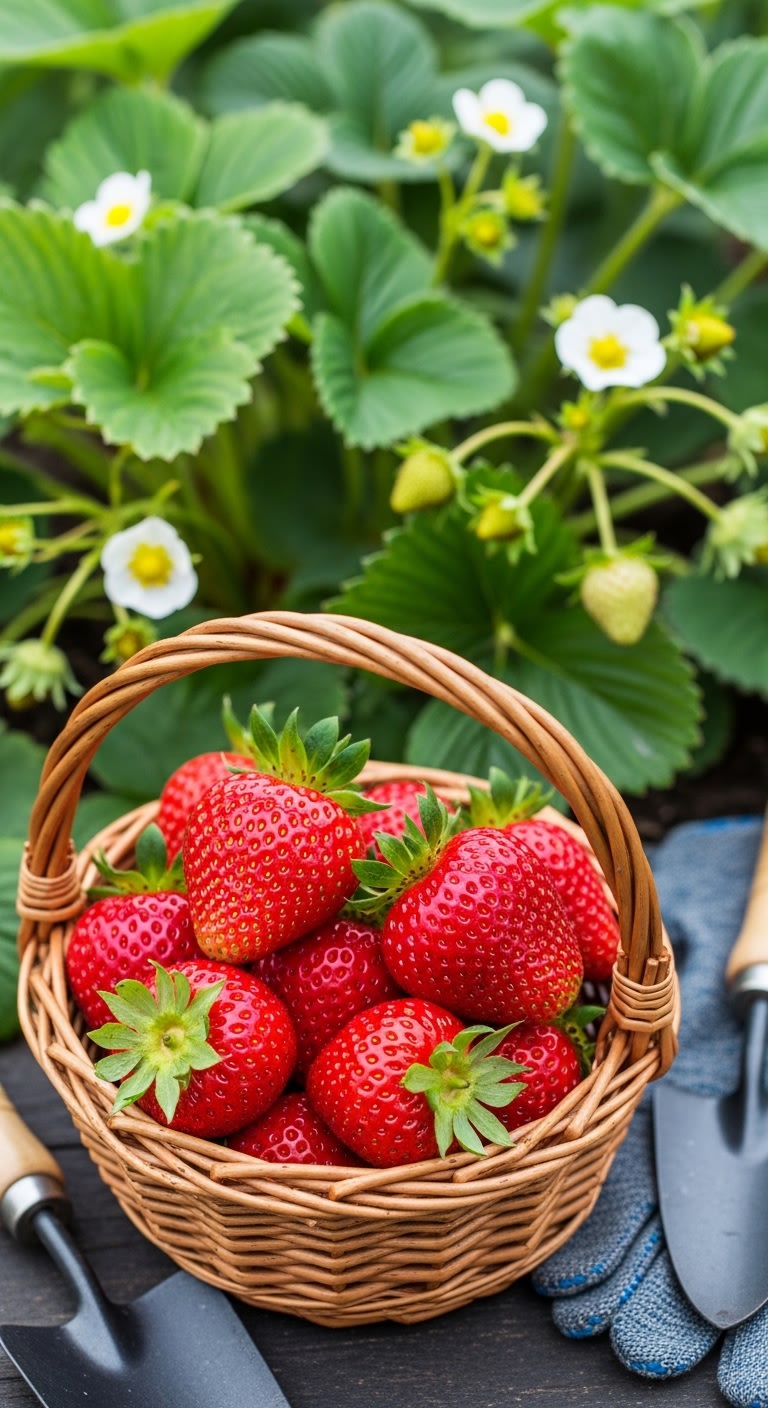
The moment you’ve been waiting for – harvesting your strawberries! Strawberries are ready to pick when they are fully red, plump, and slightly soft to the touch. Use scissors or garden shears to cut the stem just above the fruit instead of pulling, as this helps prevent damage to the plant. Try to harvest in the morning when the fruits are cool, as they will be sweeter and last longer.
Enjoy your strawberries fresh, or use them in your favorite recipes. Remember to leave some fruits on the plant for continued production, as this will encourage more flowers and fruit in the upcoming weeks.
Example: You fill your basket with sun-warmed strawberries, delighted by their sweet aroma.
Pro Tips:
- Pick strawberries every few days to ensure peak freshness.
- Avoid washing strawberries until you’re ready to eat them to keep them fresh.
- Consider freezing excess strawberries to enjoy later.
Step 8: Prepare for Next Season

After harvesting, it’s important to prepare your strawberry plants for the next growing season. Remove any dead leaves and debris to prevent diseases from overwintering. Consider cutting back the foliage to about 2 inches to encourage healthy growth in spring. Mulch around the plants with straw or leaves to provide insulation against cold temperatures.
If your plants are older than three years, consider replacing them with fresh plants to maintain productivity. Keep your garden area tidy and monitor for any pests or diseases that may have developed during the season.
Example: You clear away old foliage and apply a fresh layer of straw mulch around your plants.
Pro Tips:
- Plan your planting schedule for the next spring while the weather is still cool.
- Rotate planting locations to reduce disease risk.
- Use row covers to protect plants from harsh winter conditions.
Advanced Tips
Experiment with Companion Planting
Companion planting can enhance your strawberry plants’ health and productivity. Consider planting herbs like basil or flowers such as marigolds nearby. These companions can repel pests and attract beneficial insects, creating a more vibrant ecosystem in your garden.
Utilize Vertical Gardening Techniques
If space is limited, try vertical gardening methods such as wall planters or hanging baskets. Strawberries naturally produce runners, which can cascade down, allowing for a beautiful and space-efficient display while maximizing sunlight exposure.
Implement a Rotational Planting System
To maintain soil health and reduce pest issues, rotate your strawberry plants every few years. This practice helps prevent soil depletion and breaks pest and disease cycles, ensuring your strawberries thrive year after year.
Use Organic Pest Management
Consider implementing organic pest management techniques, such as introducing beneficial insects like ladybugs or using insecticidal soaps. This approach minimizes chemical use and promotes a healthier environment for your strawberries and other plants.
Tools & Resources
- Garden Trowel — A garden trowel is essential for planting, digging, and transplanting. Its sturdy design allows you to work the soil effectively and is perfect for small tasks in your strawberry patch. — Available at: Home Depot, Lowe’s, Amazon
- Soil Test Kit — A soil test kit helps you understand the pH and nutrient levels of your garden soil. Knowing this information allows you to amend your soil effectively for optimal strawberry growth. — Available at: Local garden centers, Amazon
- Organic Fertilizers — Organic fertilizers provide essential nutrients while promoting soil health. They are preferable for growing strawberries as they support sustainability and reduce chemical exposure. — Available at: Local organic gardening stores, Amazon
- Mulch Materials — Using mulch helps retain moisture and suppress weeds. Organic materials like straw or wood chips are great choices for strawberries, keeping the roots cool and protected. — Available at: Home Depot, local gardening centers
- Drip Irrigation System — A drip irrigation system delivers water directly to the soil, ensuring your strawberries receive consistent moisture without wetting the foliage. This method is efficient and minimizes water waste. — Available at: Home Depot, Lowe’s, Amazon
Frequently Asked Questions
How long does it take for strawberries to grow?
Typically, strawberries take about 4 to 6 weeks to produce fruit after planting, depending on the variety and growing conditions. If starting from bare root plants, you may see fruit in the first season, while seeds may take longer. Regular care, including watering and fertilization, will help accelerate their growth.
Can strawberries be grown in containers?
Absolutely! Strawberries are well-suited for container gardening, making them perfect for small spaces like patios or balconies. Choose a pot that is at least 12 inches deep and wide, and ensure it has drainage holes. Use high-quality potting soil and provide adequate sunlight for the best results.
What pests commonly affect strawberries?
Strawberries can fall prey to several pests, including aphids, spider mites, and strawberry beetles. Regular monitoring is essential to catch infestations early. Organic pest control methods such as introducing beneficial insects or using insecticidal soap can effectively manage these pests without harming your plants.
How do I know when my strawberries are ripe?
This ensures the sweetest taste and longest shelf life before consumption.
Do strawberries need to be replanted each year?
Strawberries can produce fruit for several years, but they typically decline in productivity after three years. It’s advisable to refresh your strawberry patch by replacing old plants with new ones to maintain high yields. However, you can also propagate new plants from runners to expand your garden.
Growing strawberries at home is not only a fulfilling project but also a fantastic way to enjoy fresh, homegrown fruit. With the right care and attention, you can create a thriving strawberry patch that brings joy to your taste buds and satisfaction to your gardening spirit. Remember, every gardener starts somewhere, and with each step, you’re one step closer to enjoying the fruits of your labor.
So, gather your tools, select your favorite strawberry varieties, and let’s get started on this delicious gardening journey together! Happy planting!

Leave a Comment