
Organic fertilizers have gained immense popularity among gardening enthusiasts and professional landscapers alike. This trend is rooted in the desire for sustainable gardening practices that promote healthier soil and ecosystems. However, with a myriad of products on the market, it’s essential to sift through the hype to uncover what truly works versus what may just be a waste of money.
In this article, we’ll delve into the world of organic fertilizers, examining their effectiveness, the science behind them, and how to use them to maximize your garden’s potential. From compost to seaweed extracts, we’ll explore various options available to gardeners and help you identify which products will yield the best results while minimizing your investment. Whether you’re a seasoned gardener or a novice, understanding the truth about organic fertilizers will empower you to cultivate a thriving outdoor space that is both beautiful and environmentally friendly.
1. The Power of Compost: Nature’s Gold

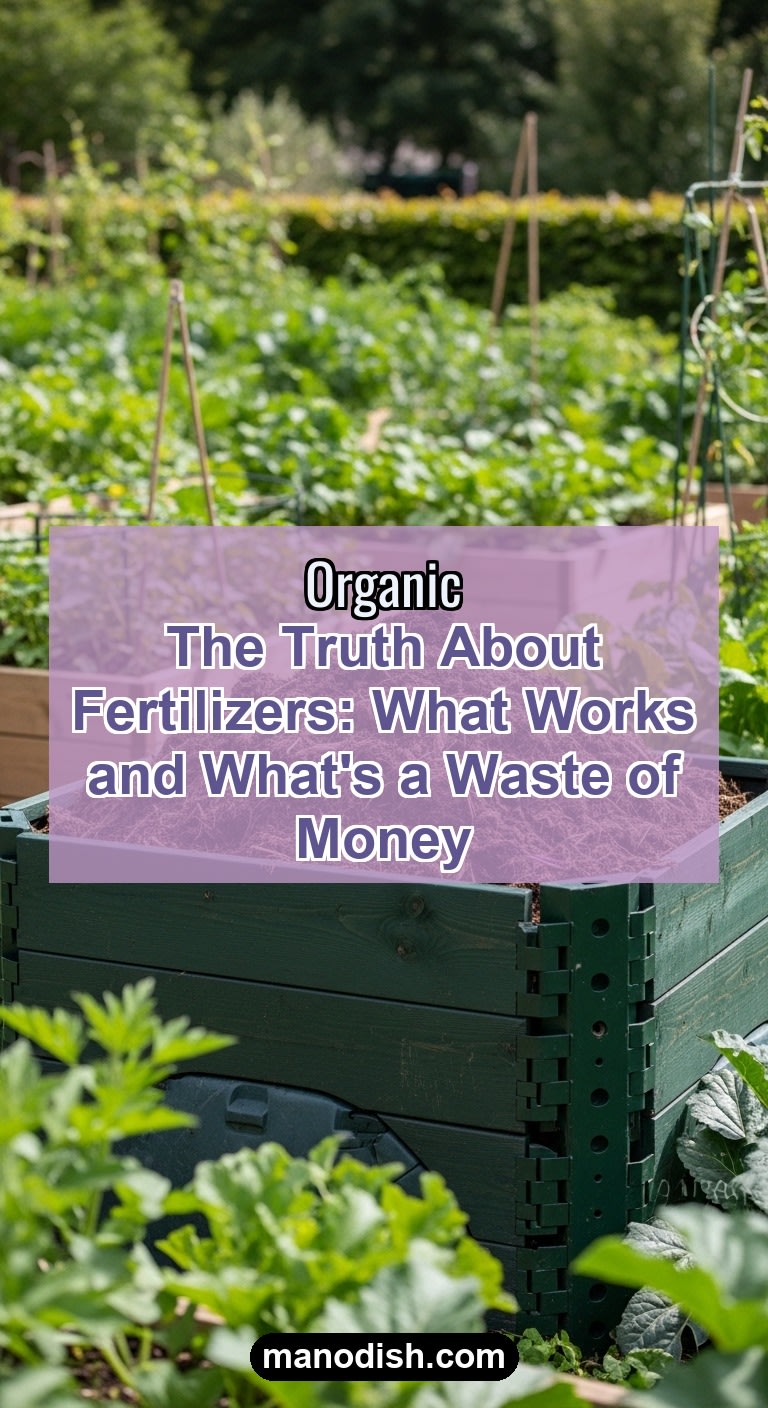
Compost is often hailed as the cornerstone of organic gardening, and for good reason. It enriches the soil with essential nutrients while improving its structure and water retention capabilities. By recycling kitchen scraps, yard waste, and other organic materials, gardeners can create a nutrient-dense amendment that feeds plants and fosters a thriving ecosystem.
To make the most of compost, aim for a balance of green materials (like vegetable scraps) and brown materials (such as dried leaves). The composting process requires a bit of patience, but the results are worth it. Once it’s ready, you can use it as a top dressing or mix it into the soil for improved fertility.
Incorporating compost into your gardening routine not only enhances plant growth but also reduces waste, making it an eco-friendly choice. This versatile amendment can be used in potting mixes, garden beds, and even as a lawn topdressing, ensuring your outdoor space flourishes in a sustainable manner.
2. Fish Emulsion: Liquid Nutrient Boost
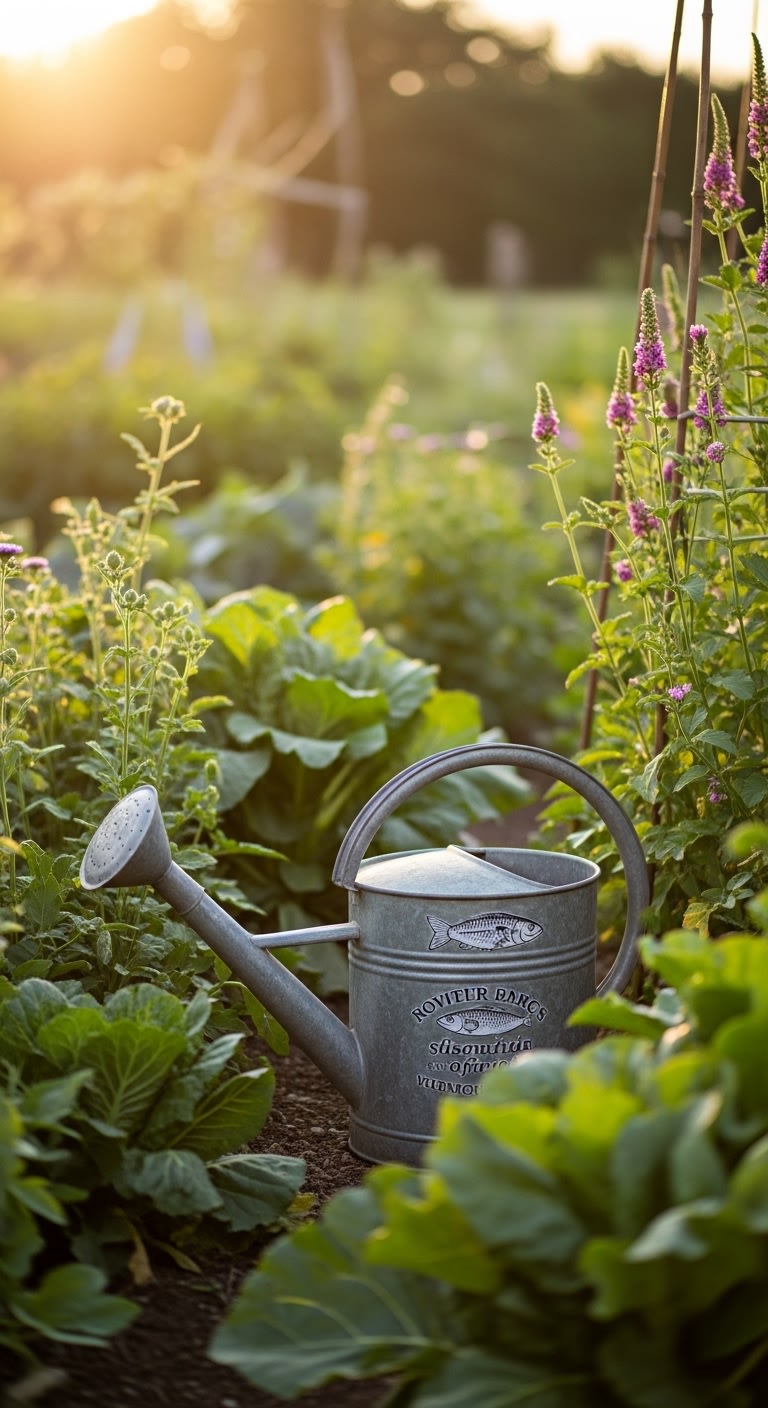

Fish emulsion is a nutrient-rich liquid fertilizer derived from fish by-products. It is particularly high in nitrogen, making it an excellent choice for leafy greens and other fast-growing plants. When applied correctly, fish emulsion can provide a quick nutrient boost that enhances plant health and vigor.
To use fish emulsion, dilute it with water according to the package instructions and apply it as a foliar spray or soil drench. The benefits of this organic fertilizer extend beyond just nutrition; it also helps improve soil structure and promotes beneficial microbial activity. Be mindful of the smell, as it can be quite potent, but the results in plant growth often outweigh this inconvenience.
Fish emulsion is best suited for use during the growing season, and it can be applied every few weeks to maintain nutrient levels. With its quick absorption rate, it can lead to a noticeable improvement in your garden’s overall productivity and health, making it a worthy addition to your organic gardening toolkit.
3. Bone Meal: A Slow-Release Wonder


Bone meal is an organic fertilizer made from ground animal bones, offering a rich source of phosphorus and calcium. It is particularly beneficial for flowering plants and root development, making it an excellent addition to the planting hole when establishing new perennials or bulbs. The slow-release nature of bone meal ensures that nutrients are available over an extended period, supporting sustained plant growth.
To use bone meal effectively, mix it into the soil at planting time or sprinkle it around established plants. It’s essential to follow the recommended application rates, as too much can lead to nutrient imbalances. Additionally, bone meal can attract wildlife, so be sure to use it sparingly in areas where animals might dig.
Incorporating bone meal into your gardening regimen can significantly enhance the flowering and fruiting of plants, especially in vegetable gardens and ornamental flower beds. With its long-lasting benefits, bone meal is a cost-effective organic fertilizer that contributes to a healthy and productive garden ecosystem.
4. Seaweed Extract: Ocean’s Bounty for Your Garden


Seaweed extract is a highly beneficial organic fertilizer that is packed with essential micronutrients and hormones that promote plant growth. Derived from various seaweed species, it enhances soil health and improves plant resilience against stressors, such as drought and pests. The natural growth stimulants in seaweed extract can lead to increased root development and overall plant vigor.
To apply seaweed extract, mix it with water as instructed and use it as a foliar spray or soil drench. One of the standout features of seaweed extract is its ability to improve nutrient uptake, making it an excellent companion for other fertilizers. This means that when used in conjunction with compost or fish emulsion, the results can be even more impressive.
Regular application of seaweed extract can lead to healthier plants, more robust yields, and increased resistance to environmental stress. For anyone looking to enhance their garden’s performance sustainably, seaweed extract is a must-have in your organic gardening toolkit.
5. Worm Castings: The Gardener’s Secret Weapon


Worm castings, often called ‘black gold,’ are a powerhouse of nutrients and beneficial microorganisms. They not only enrich the soil but also improve its structure, making it more aerated and better at retaining moisture. The presence of beneficial bacteria in worm castings can enhance plant growth while suppressing soil-borne diseases, making it an invaluable addition to any organic garden.
To utilize worm castings, simply mix them into your potting soil or garden beds, or use them as a top dressing. They can be applied in generous amounts without the risk of over-fertilizing, as they are a slow-release source of nutrients. Whether you’re growing vegetables, flowers, or herbs, incorporating worm castings can lead to healthier plants and more abundant yields.
In addition to their nutrient content, worm castings help improve the overall microbiome of the soil, fostering a thriving ecosystem that benefits all plants. For gardeners looking to enhance soil health naturally, worm castings are a must-have ingredient that pays dividends in plant performance and resilience.
6. The Downside of Synthetic Alternatives


While synthetic fertilizers may seem like a quick solution for boosting plant growth, they can often lead to long-term soil degradation and environmental harm. Unlike organic fertilizers, which improve soil health over time, synthetic products can disrupt microbial life and lead to nutrient leaching. This can result in plants becoming dependent on chemical inputs rather than thriving in a naturally balanced ecosystem.
Moreover, the use of synthetic fertilizers can lead to runoff that contaminates waterways, contributing to issues like algal blooms and aquatic dead zones. This negative impact on the environment underscores the importance of choosing organic fertilizers that support both plant health and ecological sustainability.
For gardeners committed to sustainable practices, avoiding synthetic fertilizers is crucial. Instead, investing in organic alternatives not only nourishes your plants but also protects the health of the soil and surrounding ecosystems, ensuring that your gardening practices are both effective and environmentally responsible.
7. Understanding NPK Ratios: The Key to Fertilizer Efficacy

Understanding NPK ratios—nitrogen (N), phosphorus (P), and potassium (K)—is essential for gardeners aiming to optimize their fertilization strategies. Each of these nutrients plays a unique role in plant health: nitrogen promotes leafy growth, phosphorus supports root and flower development, and potassium enhances overall plant resilience. Knowing the right balance for your specific plants can lead to thriving gardens and bountiful harvests.
When selecting organic fertilizers, pay attention to the NPK ratios on the packaging. For example, leafy greens benefit from higher nitrogen content, while flowering plants thrive with more phosphorus. Adjusting your fertilizer choice based on these needs can significantly improve plant performance.
Incorporating fertilizers with the correct NPK ratios allows gardeners to cater to the unique requirements of different plants throughout the growing season. By understanding these ratios and applying fertilizers wisely, you can ensure that your garden flourishes, producing healthy plants and abundant yields.
8. Mulching: An Organic Approach to Soil Health
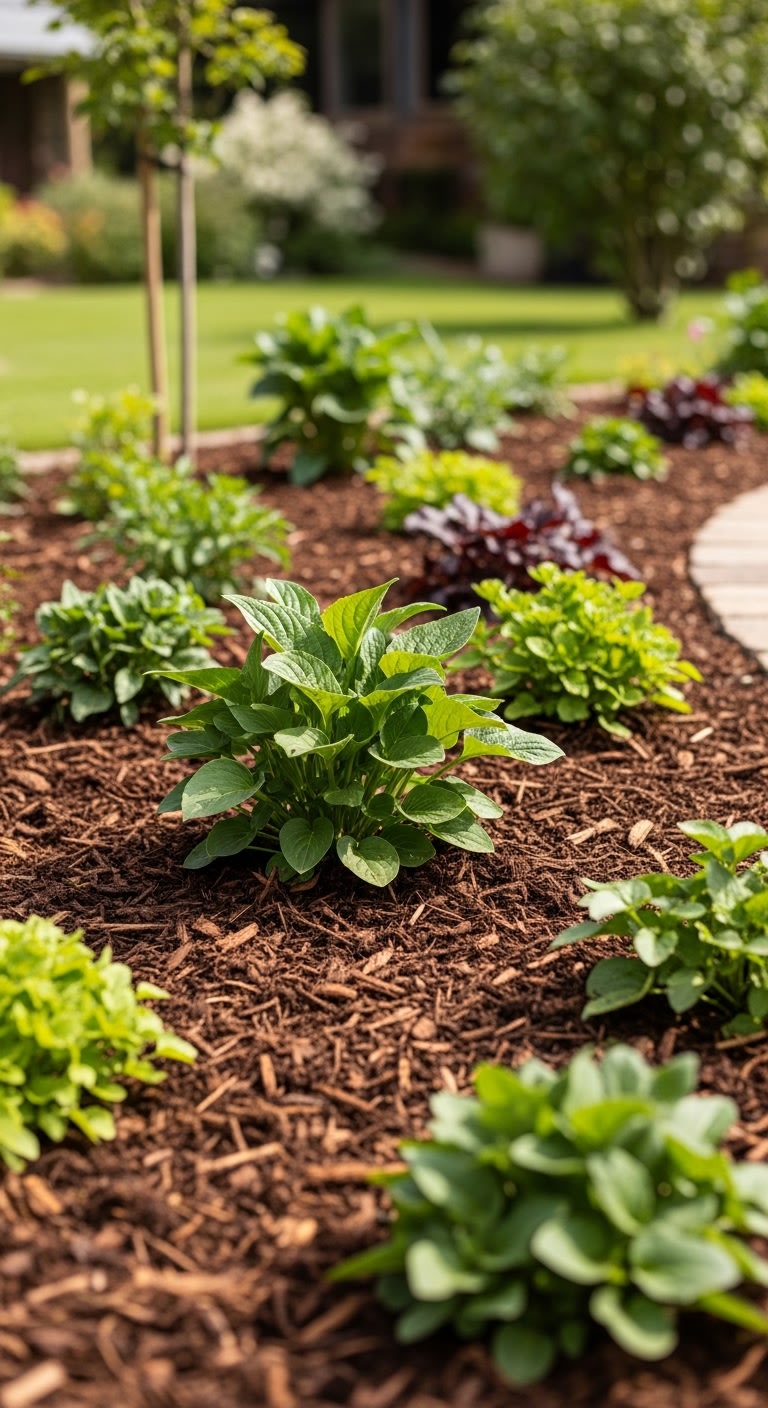
Mulching is an essential practice for maintaining soil health and moisture levels in any garden. Organic mulches, such as wood chips, straw, or shredded leaves, not only suppress weeds but also break down over time, enriching the soil with nutrients. This natural layer helps regulate soil temperature and retains moisture, creating a favorable environment for plant roots.
To apply mulch effectively, spread a layer of 2-4 inches around your plants, taking care to keep it away from the stems to prevent rot. Regularly replenishing the mulch as it decomposes ensures continued benefits to your garden. Additionally, using organic mulch can attract beneficial insects and improve soil biodiversity.
By incorporating mulching into your gardening routine, you can reduce the need for watering, minimize weed competition, and enhance overall soil fertility. This simple yet effective method is a key component of sustainable gardening practices that contribute to healthier plants and a thriving ecosystem.
9. DIY Organic Fertilizers: Cost-Effective Solutions

Creating your own organic fertilizers can be a rewarding and cost-effective way to nourish your garden. Simple ingredients like kitchen scraps, coffee grounds, and eggshells can be repurposed into nutrient-rich amendments that support plant health. By making your own fertilizers, you not only save money but also reduce waste and contribute to a more sustainable gardening practice.
For example, composting vegetable scraps and yard waste creates a rich soil amendment, while soaking banana peels in water produces a potassium-rich liquid fertilizer. Additionally, coffee grounds can enhance soil acidity for acid-loving plants. Experimenting with different combinations can yield unique homemade fertilizers tailored to your garden’s specific needs.
Incorporating DIY organic fertilizers into your gardening routine allows for greater control over the nutrients your plants receive. This hands-on approach fosters a deeper connection with your garden while promoting sustainability and reducing your reliance on store-bought products. Start exploring the world of homemade fertilizers today, and watch your garden thrive.
Frequently Asked Questions
What are organic fertilizers?
Organic fertilizers are natural substances derived from plant or animal matter that enrich the soil with nutrients. They enhance soil fertility and structure, promoting healthier plant growth without the harmful side effects associated with synthetic fertilizers. Common examples include compost, manure, bone meal, and fish emulsion.
Unlike synthetic fertilizers, organic options release nutrients slowly, improving soil health over time and supporting beneficial microbial life. This makes them an ideal choice for sustainable gardening practices, ensuring long-term plant health and ecological balance.
How do I choose the right organic fertilizer for my plants?
Choosing the right organic fertilizer depends on your plants’ needs and the specific nutrients they require. Look for fertilizers with balanced NPK ratios that align with your plants’ growth stages. For example, leafy greens thrive on higher nitrogen, while flowering plants benefit from phosphorus.
Additionally, consider the type of soil you have and any nutrient deficiencies observed in your plants. Conducting a soil test can provide insights into what nutrients are lacking, guiding you in selecting the most appropriate organic fertilizer for optimal growth.
Can organic fertilizers be combined with synthetic fertilizers?
While it is technically possible to combine organic and synthetic fertilizers, it is generally not recommended. Mixing the two can lead to nutrient imbalances and may disrupt the beneficial microbial activity that organic fertilizers promote. Instead, it’s best to choose one approach based on your gardening philosophy and stick to it for consistency.
If you prefer organic gardening, focus solely on organic fertilizers to nurture a healthy ecosystem. This promotes sustainable gardening practices and ensures your plants receive the best possible care without the risks associated with synthetic products.
How often should I apply organic fertilizers?
The frequency of applying organic fertilizers can vary based on the type of fertilizer used and the specific needs of your plants. Generally, organic fertilizers can be applied every 4 to 6 weeks during the growing season. However, it’s essential to monitor your plants for signs of nutrient deficiency and adjust your application schedule accordingly.
For slow-release fertilizers like bone meal or compost, fewer applications may be necessary, whereas liquid fertilizers like fish emulsion may require more frequent use. Always follow the product recommendations and observe your plants’ response to determine the best fertilization routine.
What are the benefits of using organic fertilizers?
Using organic fertilizers offers numerous benefits, including improved soil health, enhanced plant growth, and reduced environmental impact. Organic fertilizers enrich the soil with essential nutrients and promote a thriving ecosystem of beneficial microorganisms, which helps retain moisture and improves soil structure.
Additionally, organic fertilizers are less likely to leach into waterways, minimizing the risk of pollution and supporting sustainable gardening practices. By opting for organic options, you contribute to healthier plants, better yields, and a more balanced ecosystem, making a positive impact on both your garden and the environment.
The world of organic fertilizers is vast and filled with options that can dramatically improve your gardening experience. By understanding which products work best for your plants and environment, you can make informed decisions that benefit both your garden and the planet. The key is to focus on sustainable practices that enhance soil health and promote biodiversity.
As you embark on your organic gardening journey, remember to experiment with different fertilizers and observe how your plants respond. With patience and knowledge, you can create a thriving garden that is not only beautiful but also eco-friendly. Start exploring the best organic fertilizers for your garden today and watch it flourish like never before!



Leave a Comment