
Creating a beautiful garden layout is not only about aesthetics; it’s also about maximizing sunlight and space to enhance the growth of your plants. The right arrangement can transform your outdoor area into a thriving oasis, allowing you to enjoy nature’s beauty while ensuring your garden flourishes. Whether you have a small balcony or a sprawling backyard, implementing effective garden layout ideas can elevate your outdoor living experience.
In this article, we will explore the best garden layout ideas that embrace sunlight and utilize space efficiently. From vertical gardening techniques to the strategic placement of plants, we’ll delve into how to create an inviting atmosphere that promotes relaxation and enjoyment. Join us as we uncover creative solutions that cater to diverse gardening styles, ensuring that every inch of your outdoor space is both functional and visually appealing.
1. Maximize Vertical Space with Vertical Gardens

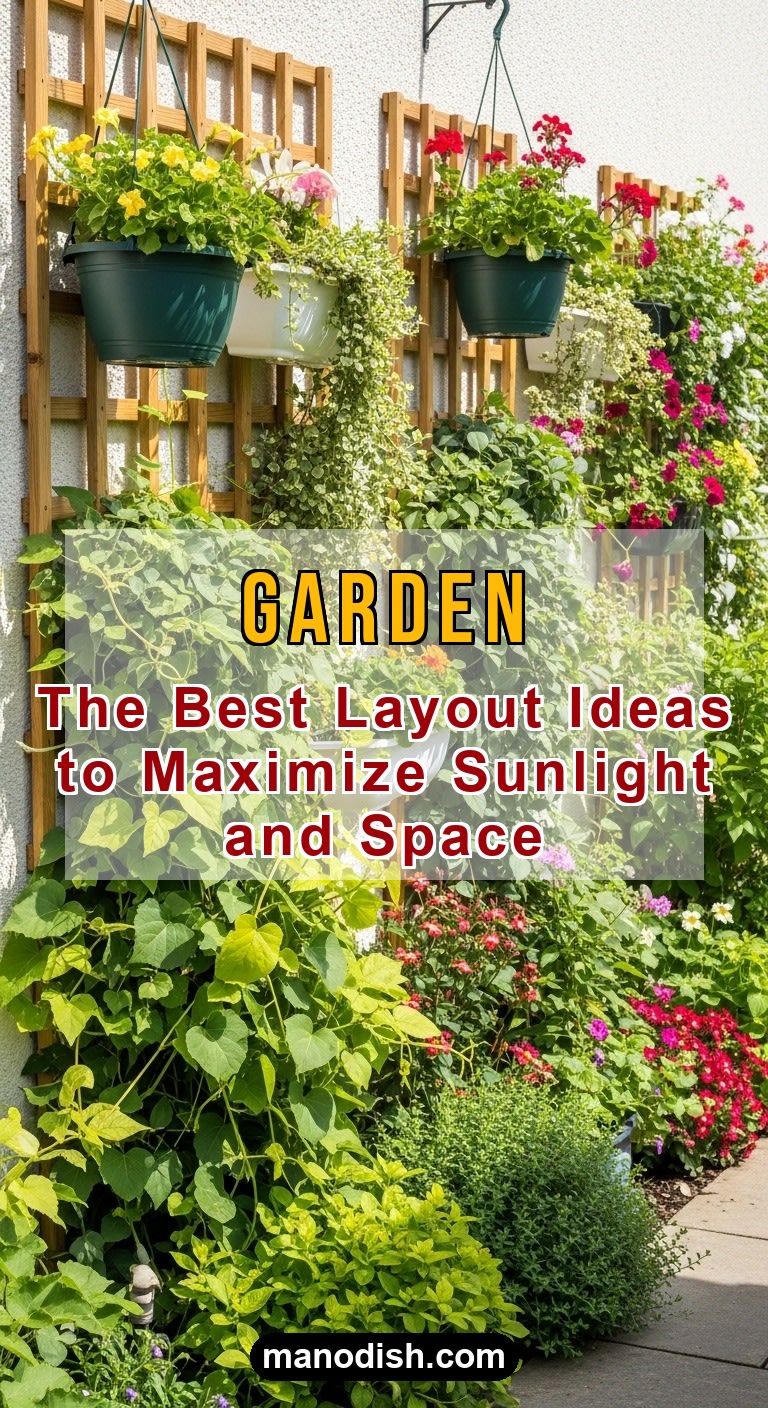
Vertical gardening is an innovative way to maximize limited space while ensuring your plants receive ample sunlight. By utilizing walls, fences, and trellises, you can create a stunning display of greenery that adds depth and character to your garden. Choose climbing plants such as peas, beans, and flowering vines that thrive in vertical arrangements, ensuring they receive enough sunlight.
When planning your vertical garden, consider the orientation of your space. South-facing walls receive the most sunlight, making them ideal for sun-loving plants. Incorporate a variety of textures and colors to create visual interest; for instance, mix leafy greens with vibrant flowers. Additionally, using containers or wall planters can provide flexibility and allow for easy maintenance.
Incorporating vertical gardening also encourages better air circulation, reducing the risk of pests and diseases. Remember to support your climbing plants with appropriate structures, and regularly prune them to ensure healthy growth. With creativity, you can turn any wall into a lush vertical garden that enhances your outdoor space.
2. Create Sun Zones for Optimal Light Exposure
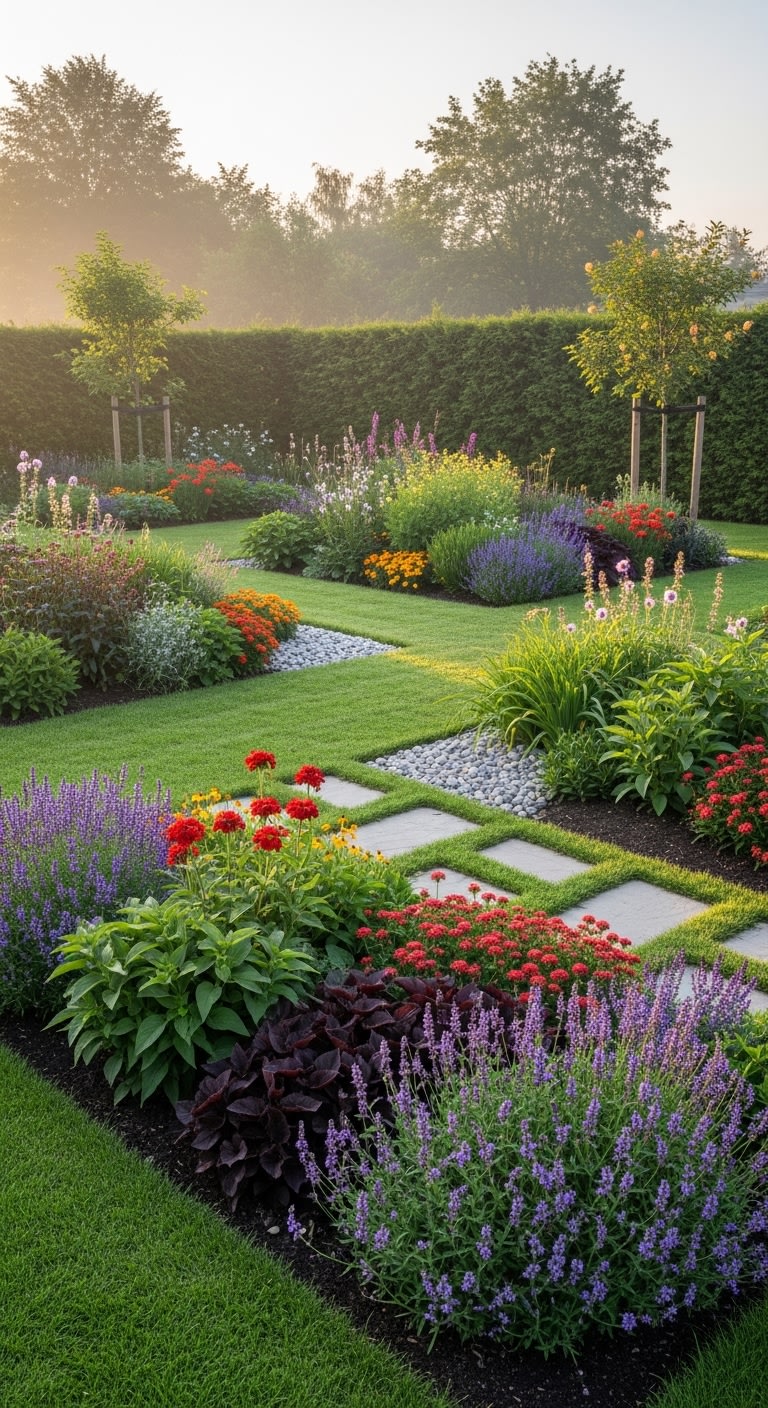

Designing your garden with specific sun zones can significantly enhance plant growth and overall garden health. By categorizing areas based on sunlight exposure—full sun, partial shade, and full shade—you can select plants that thrive in those conditions. For instance, sun-loving plants like tomatoes and sunflowers flourish in full sun zones, while ferns and hostas thrive in shaded areas.
When establishing sun zones, observe your garden throughout the day to determine which areas receive the most sunlight. This knowledge will help you strategically place your plants, ensuring they receive the right amount of light. Additionally, consider using light-colored surfaces to reflect sunlight into shaded areas, improving plant health.
Incorporating sun zones not only benefits individual plants but also creates an aesthetically pleasing layout. By grouping plants with similar light requirements, you can create harmonious sections within your garden. This method also simplifies maintenance, as you’ll know exactly where to focus your efforts based on each zone’s needs.
3. Design a Multi-Functional Patio Space
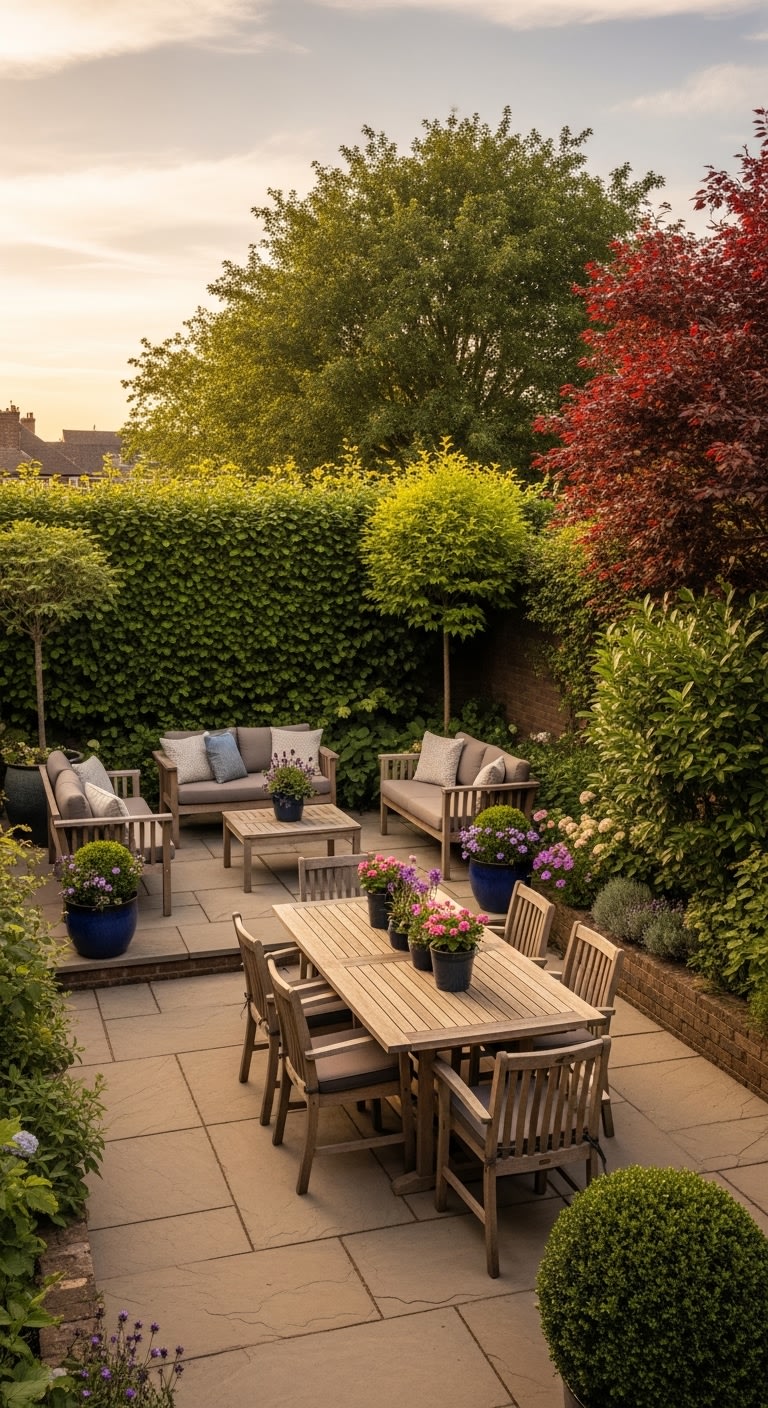
A well-designed patio can serve multiple purposes while allowing you to enjoy your garden space. By integrating seating areas, dining tables, and even outdoor cooking spaces, you can create an inviting area for relaxation and entertainment. Choose materials that complement your garden’s aesthetic, such as natural wood, stone, or metal, and arrange furniture to promote conversation and accessibility.
Consider the orientation of your patio to maximize sunlight exposure. Positioning your seating area to face the sun during morning hours can create a warm and welcoming atmosphere. Add shade structures such as pergolas or umbrellas to provide relief during hot afternoons while still allowing natural light to filter through.
Incorporating greenery around your patio can enhance the overall ambiance. Use potted plants, vertical gardens, or climbing vines to create a sense of privacy and intimacy. Additionally, consider adding outdoor lighting to create a cozy atmosphere for evening gatherings. With thoughtful design, your patio can become the perfect spot to unwind and enjoy your garden.
4. Incorporate Edible Plants into Your Design


Integrating edible plants into your garden layout not only maximizes space but also adds functionality to your outdoor area. Consider creating a vegetable patch or herb garden that can be strategically placed to receive ample sunlight. By choosing companion plants that grow well together, you can optimize your garden’s productivity and create a diverse ecosystem.
When designing your edible garden, think about aesthetics as well. Use raised beds or decorative containers to enhance the visual appeal of your space. Mixing ornamental and edible plants, like flowering herbs alongside colorful vegetables, creates a lush and inviting environment. Additionally, consider planting vertically to save space and add height to your garden layout.
Edible gardens also offer the benefit of fresh produce right at your fingertips. This sustainable approach not only reduces grocery bills but also encourages healthier eating habits. Be sure to research which plants grow best in your climate and plan your layout accordingly to ensure a bountiful harvest throughout the growing season.
5. Utilize Pathways to Connect Garden Areas
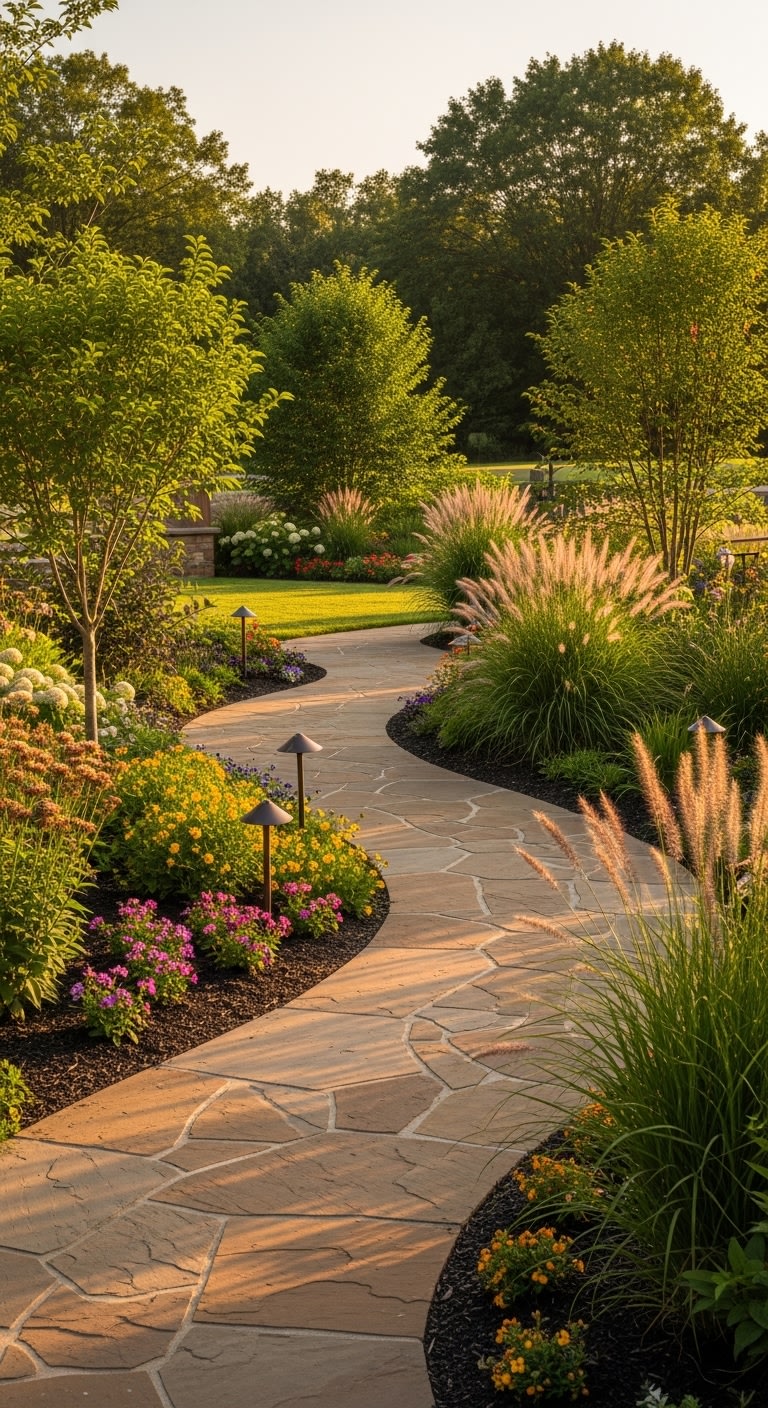

Pathways are essential for connecting different areas of your garden while maximizing space and providing access to your plants. By thoughtfully designing pathways, you can create an inviting exploration experience through your garden. Consider materials such as stone, gravel, or mulch to enhance the look and feel of your outdoor space.
When planning your pathways, think about the flow of movement. Curved paths can create a sense of discovery, while straight paths may offer a more formal aesthetic. Ensure that your pathways are wide enough to accommodate foot traffic and allow easy access to plants for maintenance. Incorporating plants along the edges can soften the look and add visual interest.
Additionally, consider integrating lighting along pathways for safety and ambiance during evening hours. Solar lights or lanterns can enhance the beauty of your garden while providing illumination. A well-designed pathway not only enhances the functionality of your garden but also adds charm and character to your outdoor living space.
6. Embrace Native Plants for Sustainability


Incorporating native plants into your garden layout is a sustainable choice that enhances biodiversity while requiring less maintenance. Native plants are well-adapted to the local climate and soil conditions, making them resilient and less prone to pests and diseases. By choosing local flora, you can create a thriving ecosystem that supports pollinators and other wildlife.
When designing your garden with native plants, research which species are best suited for your area. Consider layering plants with different heights and textures to create a dynamic landscape. Grouping plants with similar water and sunlight needs can also simplify maintenance and improve the health of your garden.
Additionally, native plants often have beautiful blooms that can enhance the visual appeal of your garden. By embracing a naturalistic design that mimics local ecosystems, you can cultivate a garden that is both beautiful and environmentally friendly. This eco-conscious approach not only benefits the planet but also creates a low-maintenance garden that flourishes year after year.
7. Incorporate Water Features for a Relaxing Atmosphere

Water features can transform your garden into a serene retreat while maximizing space and enhancing biodiversity. Whether it’s a small pond, fountain, or birdbath, the sound of flowing water creates a calming ambiance that invites relaxation. Additionally, water features can attract wildlife, providing habitats for birds and beneficial insects.
When designing a water feature, consider its placement within your garden layout. Ensure it is visible from key seating areas, allowing you to enjoy its beauty and sounds. Surrounding the feature with plants can create a natural look while also contributing to biodiversity. Choose native aquatic plants or colorful perennials to frame the water element attractively.
Moreover, water features can also serve as focal points in your garden design. A well-placed fountain or pond can draw the eye and create a sense of tranquility. Incorporating lighting around the water feature can enhance its beauty at night, turning your garden into an enchanting space for evening enjoyment.
8. Plan for Seasonal Interest with Diverse Planting

Designing your garden with seasonal interest ensures that it remains vibrant and engaging throughout the year. By incorporating a mix of evergreen, perennials, and seasonal flowers, you can create a dynamic landscape that changes with the seasons. This thoughtful approach not only enhances visual appeal but also supports local wildlife throughout the year.
When planning for seasonal interest, consider incorporating plants that bloom at different times. Early spring bulbs, summer perennials, and fall foliage can provide a colorful display year-round. Layering plants with varying heights and textures can also add depth and intrigue to your garden.
Additionally, consider using seasonal decorations or structures like trellises to create visual interest as plants grow and change. This strategy allows your garden to be a focal point in every season, providing beauty and enjoyment regardless of the time of year. With careful planning and diverse planting, you can create a garden that is a feast for the senses all year long.
9. Use Garden Furniture to Enhance Functionality

Incorporating garden furniture into your layout not only enhances functionality but also creates inviting spaces for relaxation and entertainment. Choose pieces that complement your garden’s design and provide comfortable seating areas where you can enjoy the beauty of your outdoor space. Consider materials that withstand the elements, such as weather-resistant wicker or metal.
Strategically placing furniture can also optimize sunlight exposure. For example, a cozy seating area positioned to catch the morning sun can become a favorite spot for coffee. Additionally, consider multifunctional furniture, such as benches with storage or tables that can convert for different uses, to maximize space without sacrificing style.
Moreover, adding decorative elements like cushions, throws, or outdoor rugs can create a cozy atmosphere. These accents not only enhance comfort but also allow for personalization in your garden design. With thoughtful consideration, your garden furniture can transform your outdoor area into a functional and stylish retreat.
Frequently Asked Questions
What types of plants are best for maximizing sunlight?
When aiming to maximize sunlight in your garden, choose sun-loving plants that thrive in full sun conditions. Popular options include tomatoes, peppers, sunflowers, and many herbs like basil and rosemary. These plants require at least six hours of direct sunlight each day to flourish.
In addition to selecting the right plants, consider their positioning. Taller plants should be placed toward the back or center of your garden beds to prevent shading shorter plants. Utilizing vertical gardening techniques can also help maximize space and sunlight exposure, allowing you to grow more plants in limited areas.
How can I create a low-maintenance garden layout?
To create a low-maintenance garden layout, opt for native plants that are well-adapted to your local climate and soil. These plants require less water, fertilizer, and pest control, making them easier to care for. Grouping plants with similar water and light needs can also simplify maintenance tasks.
Incorporating hardscaping elements, such as pathways and seating areas, can further reduce lawn areas that require mowing. Using mulch around plants can help with weed control and retain soil moisture, minimizing the need for constant upkeep. With careful planning, you can enjoy a beautiful garden without the heavy maintenance burden.
What are the benefits of vertical gardening?
Vertical gardening offers numerous benefits, especially in limited spaces. By utilizing vertical structures, you can grow a variety of plants without taking up valuable ground space. This method not only maximizes sunlight exposure but also improves air circulation, reducing the risk of pests and diseases.
Additionally, vertical gardens can serve as stunning focal points in your landscape design. They allow for creative expression through colorful foliage and flowers, enhancing the overall aesthetic of your garden. Finally, vertical gardening can promote healthier plants by making it easier to access them for maintenance and harvesting.
How do I ensure my garden has year-round appeal?
To ensure your garden has year-round appeal, focus on incorporating a mix of plants that provide interest in every season. Choose evergreen plants for structure, perennials for seasonal blooms, and bulbs for early spring color. Layering plants with varying heights and textures can create visual depth.
Consider adding seasonal decorations or features like trellises and arbors that can enhance the garden’s aesthetic throughout the year. Regularly updating your planting scheme and incorporating seasonal flowers can also keep your garden looking fresh and inviting, regardless of the season.
Maximizing sunlight and space in your garden layout can transform your outdoor living area into a vibrant and functional oasis. By implementing the ideas discussed in this article, from creating sun zones to incorporating native plants, you can ensure your garden thrives while providing a beautiful space for relaxation and enjoyment.
Remember, the key to a successful garden layout is thoughtful planning and a willingness to experiment. Don’t hesitate to try new arrangements or plant combinations that reflect your personal style. With time, your garden can evolve into a stunning showcase of nature’s beauty that you can enjoy for years to come.
Leave a Comment