
Raised bed gardening has gained popularity over the years, but many gardeners may not realize the full extent of its hidden benefits. Beyond simply providing a structured way to grow plants, raised beds can enhance soil quality, improve drainage, and even create a unique aesthetic for outdoor spaces. This gardening method can also be a game-changer for those with mobility issues, making gardening more accessible and enjoyable.
Additionally, raised beds can help extend the growing season by warming the soil quicker in spring and allowing for better temperature management in the fall. The elevation of the soil also makes it easier to manage pests and weeds, offering a more sustainable gardening experience. In this article, we will explore the numerous unspoken advantages of raised bed gardening that can transform your gardening journey and inspire you to elevate your outdoor living space.
1. Enhanced Soil Quality


One of the most significant benefits of raised bed gardening is the ability to control soil quality. When you create a raised bed, you can fill it with a custom blend of soil that is rich in nutrients and organic matter. This tailored soil mixture promotes healthy plant growth and can significantly improve crop yields.
In raised beds, soil compaction is minimized since you’re not walking on it as you would in traditional garden rows. This results in better aeration and drainage, allowing roots to thrive in a healthier environment. Additionally, the soil warms up faster in the spring, giving plants a head start on the growing season.
To achieve the best results, consider incorporating compost, aged manure, and organic fertilizers into your raised bed soil mix. Regularly amending the soil will ensure that your plants have continuous access to vital nutrients, ultimately leading to a more productive and vibrant garden.
2. Improved Drainage


Raised beds significantly improve drainage, which is crucial for many plants that do not thrive in waterlogged conditions. When rainfall occurs, excess water can quickly drain away from the raised bed, preventing root rot and other moisture-related problems. This feature is particularly beneficial in regions with heavy or clay soils that retain water.
Furthermore, the design of raised beds allows for better moisture retention during dry periods, as the soil can be amended with materials that help maintain adequate moisture levels. This dual benefit means that your plants will have the right conditions to flourish, regardless of the weather.
To maximize drainage, ensure that your raised beds are constructed with materials that allow for adequate air circulation and drainage holes at the bottom. Adding gravel or coarse sand to the bottom of the bed can also enhance drainage further, creating an ideal environment for your plants to thrive.
3. Easier Pest Control


Raised bed gardening can also simplify pest control. Since the beds are elevated, many common garden pests, such as slugs and snails, find it harder to access your plants. Additionally, the concentrated and defined space of the raised bed makes it easier to monitor and manage pest populations.
You can also implement integrated pest management (IPM) strategies more effectively in raised beds. Companion planting, for instance, can deter specific pests while attracting beneficial insects. By strategically placing plants that repel pests next to those that are susceptible, you create a more harmonious and balanced ecosystem.
Using organic pest control methods, such as neem oil or insecticidal soap, is also more straightforward in a controlled raised bed environment. Regularly inspecting your plants and maintaining cleanliness in the garden will further reduce the risk of pest infestations, ensuring a healthier growing experience.
4. Accessibility for All


Raised bed gardening is an excellent option for making gardening more accessible, particularly for individuals with mobility challenges. The elevated design allows for easier access without the need to bend down, which can be physically taxing for many. This feature encourages more people to engage with gardening, fostering a sense of community and connection to nature.
You can customize the height of raised beds to suit your needs, whether you prefer a lower setup for seated gardening or a higher arrangement for standing. This adaptability ensures that everyone, regardless of physical ability, can enjoy the therapeutic benefits of gardening.
For those who require wheelchair access, consider constructing accessible raised beds with wide pathways and lower heights. Including features like built-in benches can provide added comfort and convenience, making gardening an enjoyable experience for everyone.
5. Aesthetic Appeal
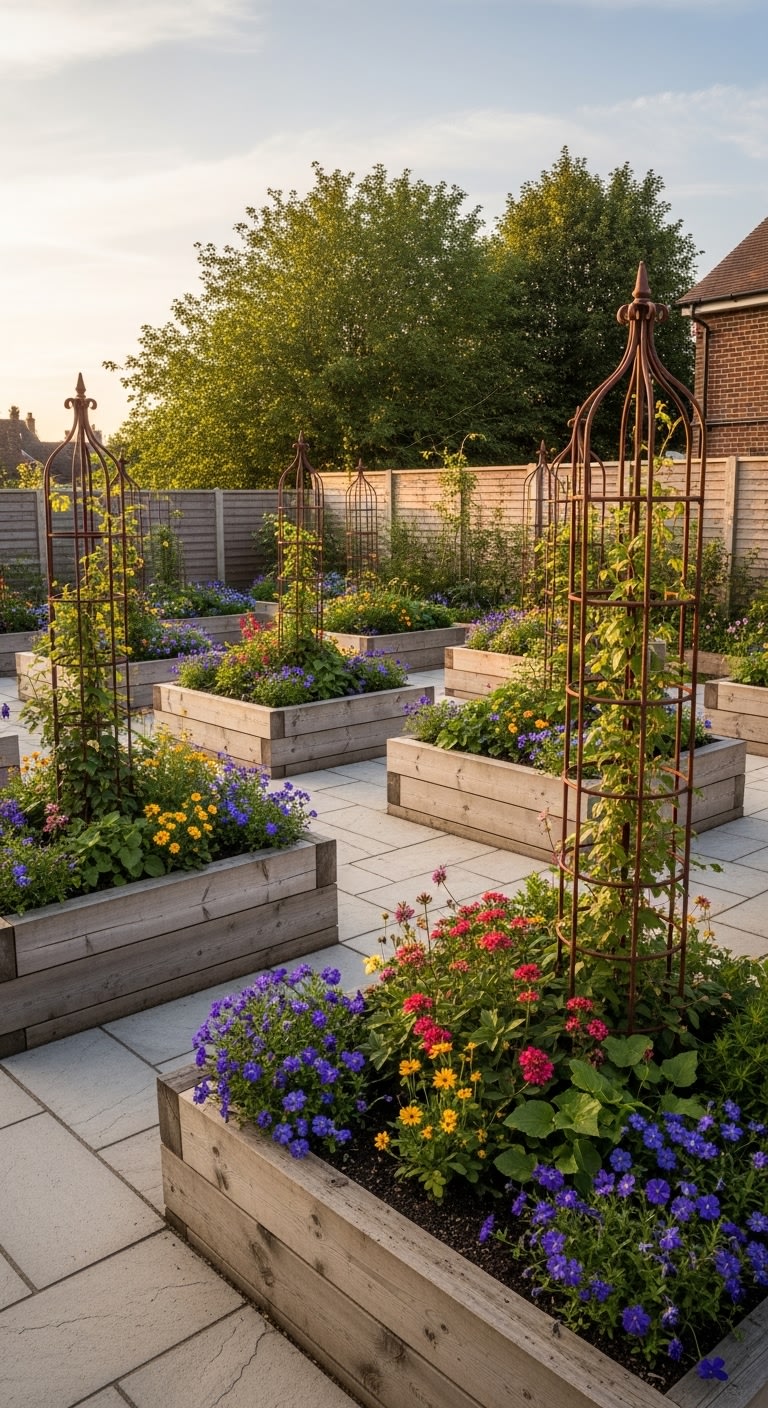

Beyond functionality, raised beds add a unique aesthetic appeal to any garden or outdoor living space. Their structured appearance can create clean lines and organized layouts that enhance the overall design of your landscape. This can be particularly beneficial for modern or contemporary gardens, where sleek design elements are key.
Raised beds can be constructed from various materials, including wood, stone, or metal, allowing for creative expression. You can choose materials that complement your home’s architecture or surrounding landscape, creating a cohesive look that elevates the entire area.
Incorporating decorative elements, such as trellises or garden art, around the raised beds can further enhance their visual interest. By thoughtfully designing your raised bed garden, you can create a stunning focal point that draws the eye and invites admiration from friends and family.
6. Extended Growing Season

Raised bed gardening can provide an extended growing season, allowing gardeners to maximize their harvest. The elevation of the soil allows it to warm up faster in the spring, which means that you can plant earlier than in traditional ground gardens. This benefit is particularly valuable in regions with shorter growing seasons.
In addition, raised beds can offer insulation during cooler nights, helping to maintain a more stable soil temperature. This can be crucial for tender plants that are sensitive to temperature fluctuations. By carefully managing your planting schedules and selecting appropriate crops, you can enjoy a longer harvest period.
Utilizing season extenders like row covers or cold frames on your raised beds can further enhance this benefit. These protective measures can shield plants from frost and pests, allowing you to grow a wider variety of crops throughout the seasons.
7. Better Weed Management
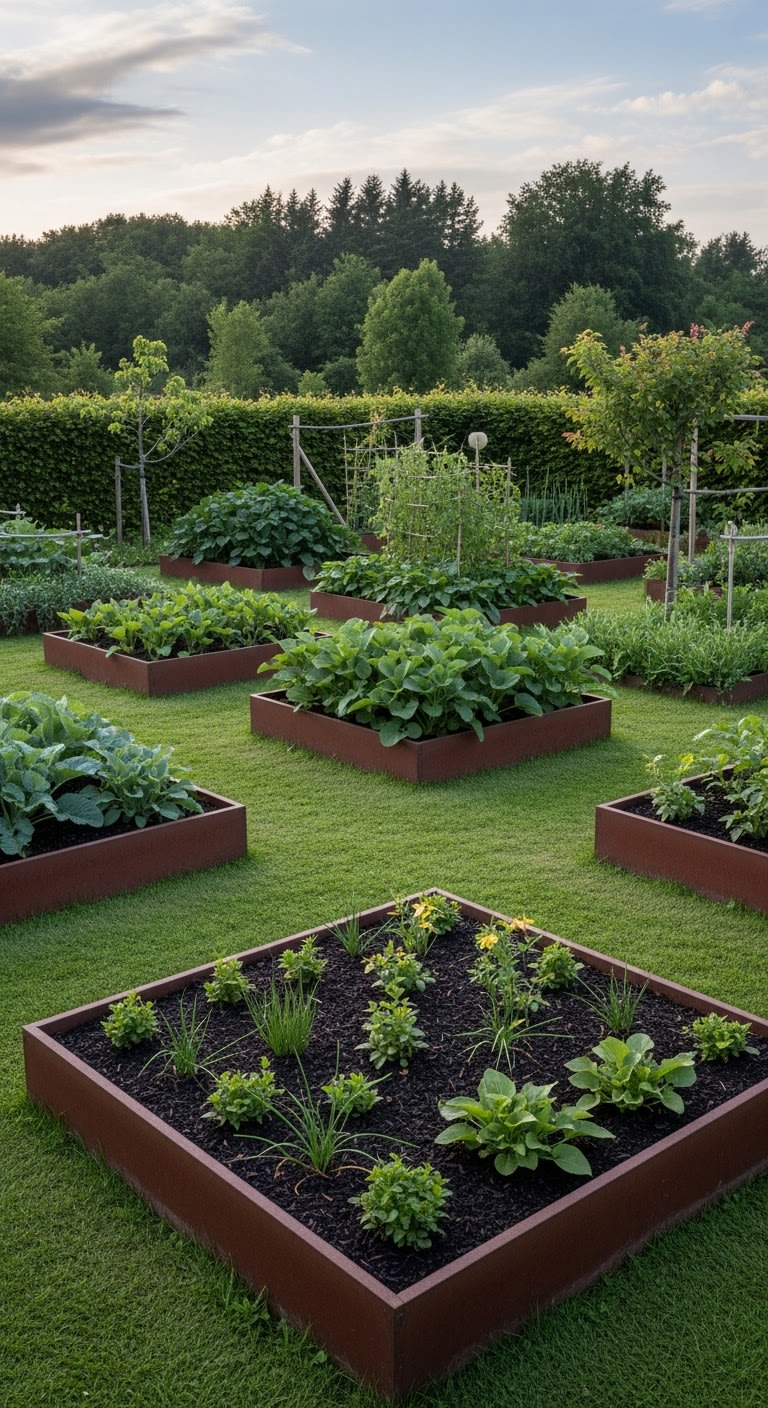
Weed management can be a daunting task for any gardener, but raised beds significantly reduce the amount of weeding required. Since raised beds are elevated and often filled with quality soil, they create an environment that is less conducive to weed growth. The soil in raised beds is usually more nutrient-rich and devoid of the weed seeds commonly found in native soil.
Regular maintenance of your raised beds, such as adding mulch or using landscape fabric, can further suppress weed growth. These methods can reduce the time and effort spent on weeding, allowing you to focus more on nurturing your plants.
Additionally, the contained nature of raised beds makes it easier to spot and remove any weeds that do appear. With consistent care, you can maintain a healthy, weed-free garden that showcases your plants in their best light.
8. Sustainable Gardening Practices
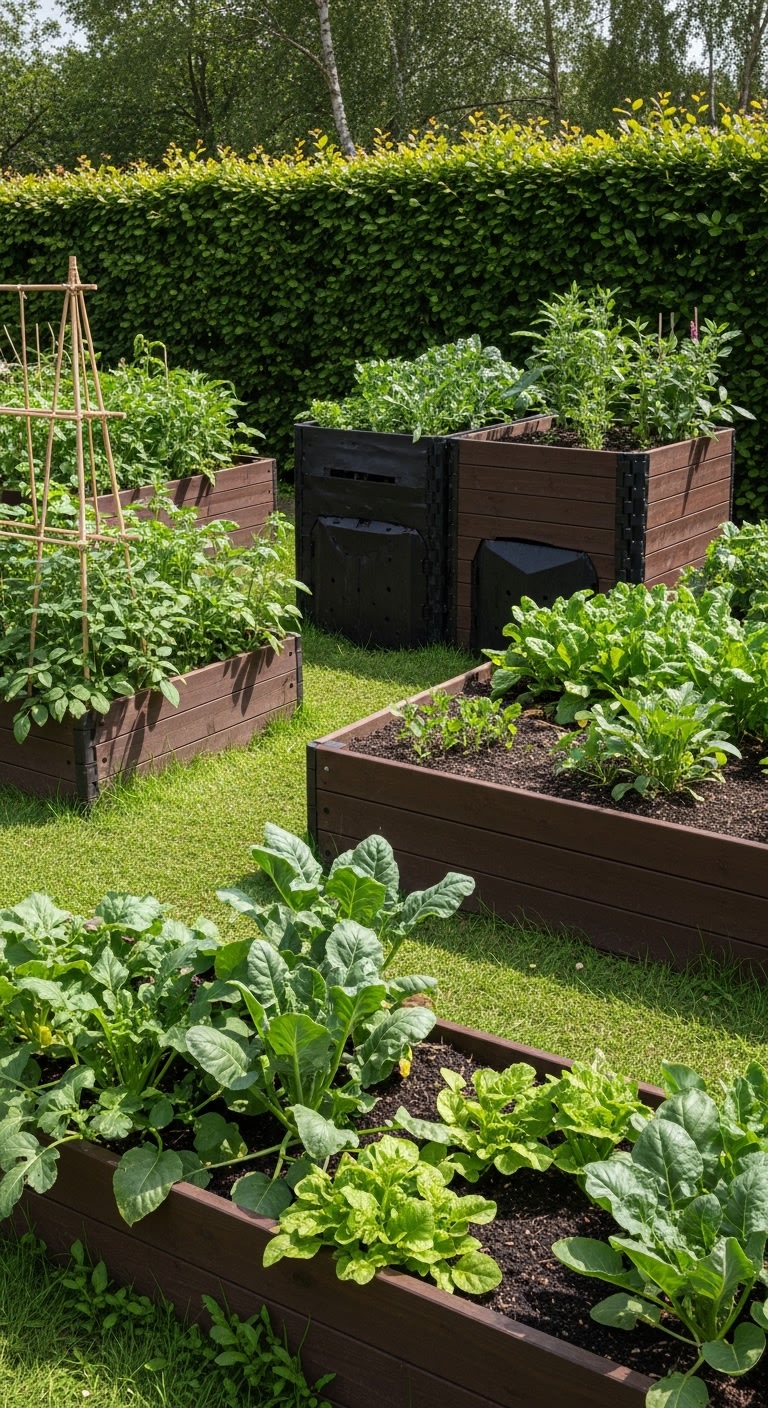
Raised bed gardening is an excellent platform for implementing sustainable gardening practices. By utilizing organic materials and creating a closed-loop system, you can reduce waste and promote biodiversity in your garden. Raised beds can be filled with compost, allowing you to recycle kitchen scraps and yard waste, which enriches the soil and reduces landfill contributions.
Additionally, raised beds can support water conservation efforts. The elevated design means that you can use drip irrigation systems more effectively, ensuring that water reaches the roots where it’s needed most, rather than being wasted on surrounding areas.
By incorporating companion planting and crop rotation in your raised beds, you can further enhance the sustainability of your gardening practices. These methods not only improve soil health but also naturally deter pests, creating a more eco-friendly garden that benefits both you and the environment.
9. Personalized Gardening Experience

Raised bed gardening allows for a highly personalized gardening experience, enabling you to create a space that reflects your style and preferences. You can choose the size, shape, and materials of your raised beds to suit your gardening needs and aesthetic desires. This customization means that your garden can truly be a reflection of your personality.
In addition to the structural elements, you can curate the types of plants you grow based on your tastes and dietary preferences. Whether you want a vegetable garden filled with your favorite produce or a flower garden bursting with colors, raised beds provide the flexibility to create your ideal garden.
Adding personal touches, such as decorative pots, unique trellises, or themed plantings, enhances the individuality of your gardening space. By designing a personalized raised bed garden, you not only cultivate plants but also create a sanctuary that brings joy and satisfaction to your outdoor living experience.
Frequently Asked Questions
What are the best materials for building raised beds?
The best materials for building raised beds include untreated wood, cedar, and composite materials that are designed for outdoor use. Untreated wood is cost-effective and can last several years, while cedar is naturally resistant to decay and insects, making it an excellent long-term option. Composite materials provide durability and can mimic the appearance of wood without the upkeep, but they can be more expensive.
When selecting materials, it’s important to avoid pressure-treated wood, as the chemicals used in the treatment can leach into the soil and harm plants. Additionally, ensure that the materials used are free of harmful substances, especially if growing edible plants. Regardless of the material, ensure proper drainage and ventilation to promote healthy plant growth.
How deep should a raised bed be for optimal plant growth?
For optimal plant growth, a raised bed should be at least 12 inches deep. This depth allows enough room for root systems to develop adequately and access nutrients and water. However, for larger plants like tomatoes or root vegetables, a depth of 18 to 24 inches is ideal, as it provides more space for roots to expand.
It’s also essential to consider the type of plants you’re growing. Some shallow-rooted plants, like lettuce or herbs, can thrive in beds as shallow as 6 inches. Always tailor the depth of your raised bed to suit the specific needs of the plants you intend to cultivate, ensuring their healthy development.
Can I use old soil from my garden in my raised beds?
Yes, you can use old soil from your garden in your raised beds, but it’s essential to amend it for optimal plant health. Old soil may contain weeds, pests, or diseases that can negatively affect your new plants. To prepare old soil, mix it with fresh compost or organic matter to enrich its nutrient content and improve its structure.
It’s also a good idea to test the pH and nutrient levels of the old soil before using it to ensure it meets the needs of your new plants. By properly amending old soil and combining it with high-quality compost, you can create a healthy growing medium for your raised beds.
What are the best plants to grow in raised beds?
The best plants to grow in raised beds include a wide variety of vegetables, herbs, and flowers. Common choices for vegetable gardens are tomatoes, peppers, lettuce, and carrots, as they thrive in the nutrient-rich soil typically found in raised beds. Herbs like basil, parsley, and cilantro also do well, as they benefit from the improved drainage and aeration.
Additionally, raised beds are excellent for growing seasonal flowers, such as marigolds and zinnias, which can enhance the visual appeal of your garden. When selecting plants, consider your climate and the specific needs of each plant, ensuring that you create a diverse and thriving garden ecosystem.
How can I maintain my raised bed garden over time?
Maintaining a raised bed garden involves regular care and attention to ensure optimal plant health. Start by monitoring soil moisture levels and watering as necessary, especially during dry spells. Adding organic mulch can help retain moisture, suppress weeds, and improve soil quality as it decomposes.
Additionally, regularly check for pests and diseases, and take action quickly to prevent infestations. Rotate your crops each season to improve soil health and reduce the risk of disease. Finally, amend the soil with compost or organic fertilizers to replenish nutrients, ensuring that your raised bed continues to support healthy plant growth over time.
In conclusion, raised bed gardening offers a plethora of hidden benefits that can enhance both your gardening experience and the overall aesthetics of your outdoor space. From improved soil quality and drainage to increased accessibility and sustainability, raised beds provide a unique approach to gardening that caters to various needs and preferences.
As you consider the advantages outlined in this article, take the opportunity to design your own raised bed garden tailored to your style and the plants you love. Embrace the joys of gardening and create a flourishing outdoor retreat that reflects your personality and passion for nature.


Leave a Comment