
Creating a beautifully landscaped garden is an art, and one of the most effective ways to achieve that professional look is through strategic garden edging. Garden edging acts as a frame, defining spaces, guiding the eye, and adding structure to your outdoor areas. With the right edging materials and designs, you can elevate the aesthetic appeal of your garden while also providing practical benefits such as weed control and soil retention.
In this article, we will explore eight stunning garden edging ideas that can instantly transform your yard into a picturesque landscape. Whether you prefer a modern look with sleek lines or a more traditional feel with rustic charm, there’s an edging style that will complement your garden’s unique character. Let’s dive into these creative and functional ideas that can make your outdoor space look professionally landscaped, enhancing both beauty and functionality.
1. Define Spaces with Stone Edging

Stone edging is a timeless choice that adds a touch of elegance to any garden. Using natural stone or manufactured pavers can create defined pathways and borders that enhance the overall layout of your outdoor space. The rugged texture of stone not only looks appealing but also provides durability against weather elements.
To implement stone edging, consider using larger stones for a more dramatic effect or smaller pebbles for a subtle definition. Arrange the stones in a way that complements the natural flow of your garden, creating gentle curves rather than harsh lines. This approach can help guide visitors through your garden while maintaining a cohesive look.
Additionally, stone edging can be combined with various plants and decorative elements. For example, pairing it with low-growing succulents or colorful annuals can create a vibrant contrast that draws attention to your garden’s borders. Stone edging is not only functional but also serves as an aesthetic enhancement that elevates your landscape’s design.
2. Charming Wooden Edging for a Rustic Feel
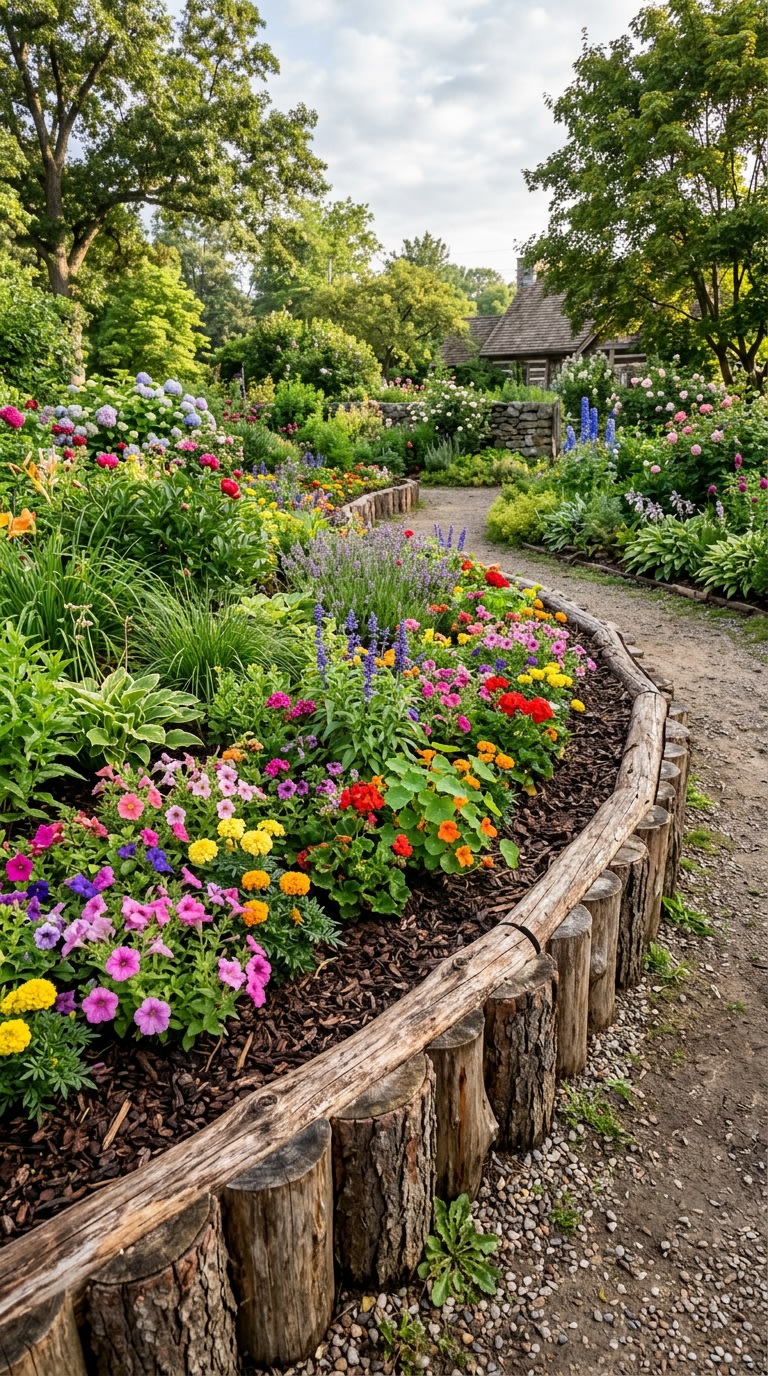
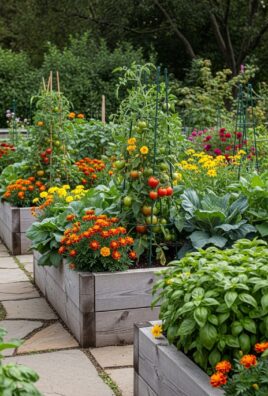
Wooden edging brings a warm, rustic element to your garden, making it feel inviting and homey. This type of edging is versatile and can be used in various settings, from traditional gardens to modern landscapes. Choose untreated cedar or redwood for a natural look that blends seamlessly with your plants.
To create wooden edging, consider using planks or logs, setting them at varying heights for visual interest. This design can help retain soil and prevent grass from invading your flower beds. Adding mulch or gravel between the wooden edges can further enhance the rustic charm while keeping weeds at bay.
For a more polished appearance, you can stain or seal the wood to protect it from the elements. Incorporating wooden edging allows for a seamless transition between your garden and outdoor living spaces, creating a cohesive design that invites relaxation and enjoyment.
3. Elegant Metal Edging for a Modern Touch
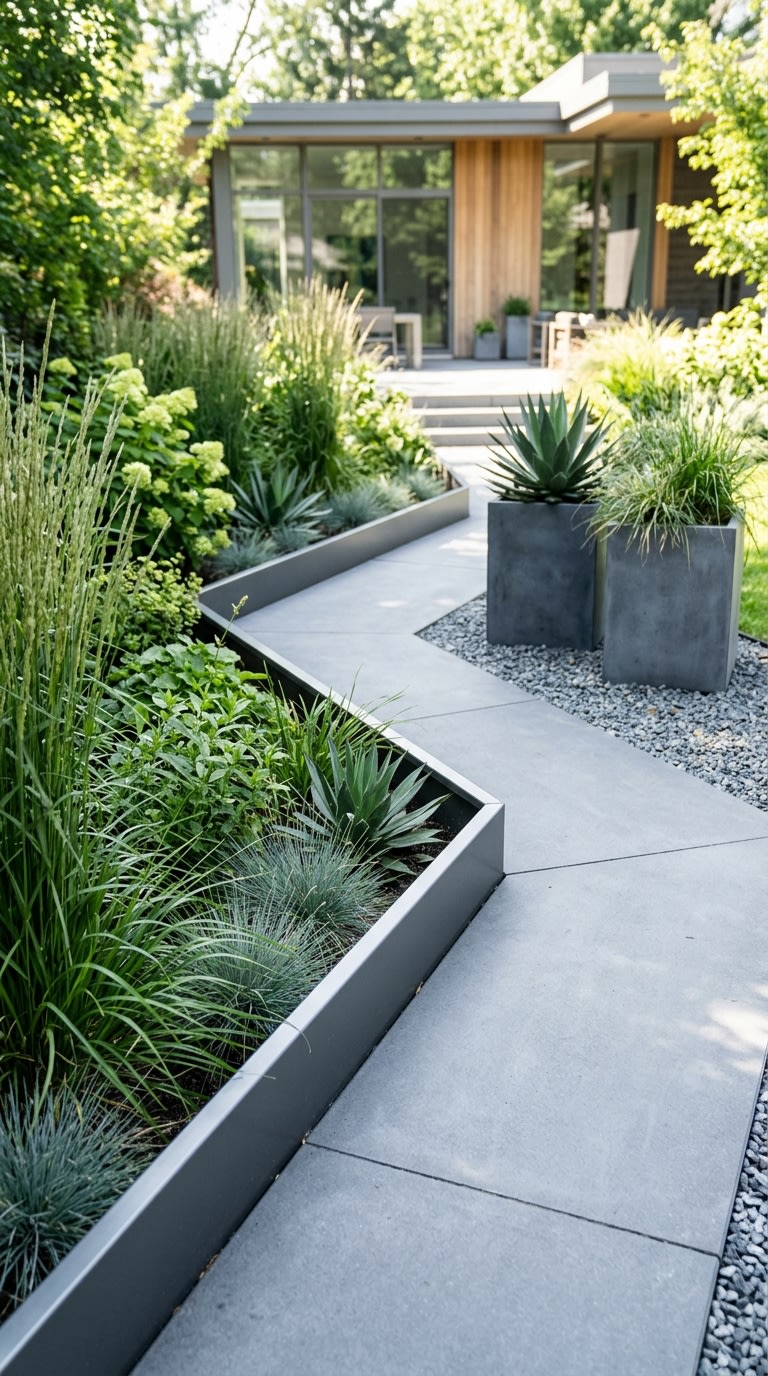
Metal edging is perfect for those looking to incorporate a sleek, modern aesthetic into their landscaping. Available in materials such as aluminum or corten steel, metal edging provides clean lines that define garden beds while maintaining a contemporary look. This option works exceptionally well in minimalist or contemporary gardens.
The strength of metal edging lies in its durability and low maintenance. Unlike wood, metal does not rot or deteriorate over time, ensuring that your garden retains its defined edges for years to come. When installing metal edging, consider using a continuous strip that follows the contours of your garden for a seamless effect.
Additionally, metal edging can be used to create raised beds, allowing you to grow vegetables or flowers with ease. The reflective quality of metal can also enhance the visual appeal of your garden by capturing light and creating interesting shadows. This modern approach to garden edging is not only functional but also a statement piece that elevates the overall design.
4. Lush Greenery with Living Edging
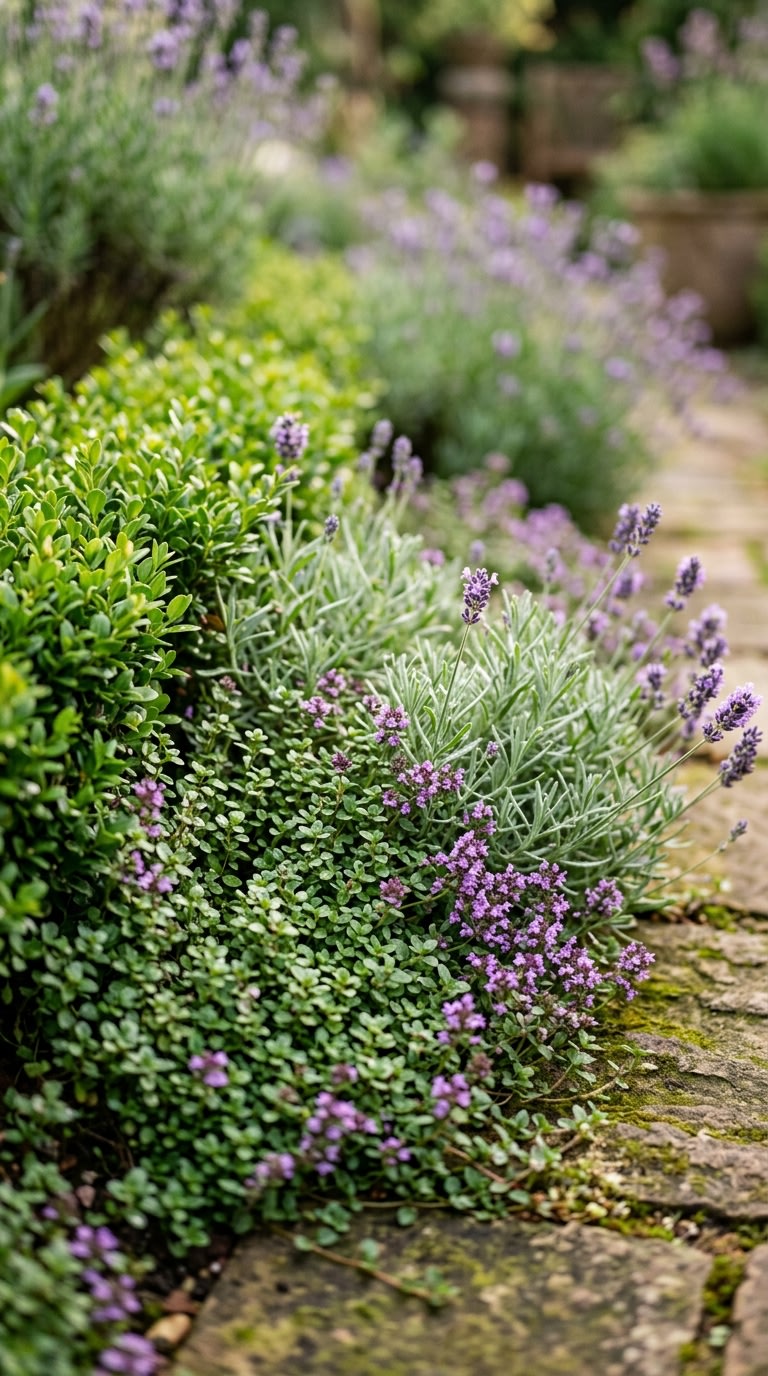
Living edging is a fantastic way to incorporate more plants into your garden design while creating natural boundaries. By using low-growing plants such as boxwood, lavender, or creeping thyme, you can define garden spaces in a way that enhances the overall beauty of your landscape. This approach not only looks beautiful but also adds texture and color throughout the seasons.
When selecting plants for living edging, consider their growth habits and maintenance needs. Choose plants that are hardy and can thrive in your local climate. For example, lavender provides a fragrant and colorful edge, while creeping thyme is low-maintenance and drought-resistant.
Living edging can also offer the benefit of attracting pollinators to your garden, enhancing biodiversity. As these plants grow, they will create a soft, natural look that contrasts beautifully with rigid hardscapes. This method of edging can transform your garden into a lush oasis that feels vibrant and alive.
5. Stylish Brick Edging for Classic Appeal
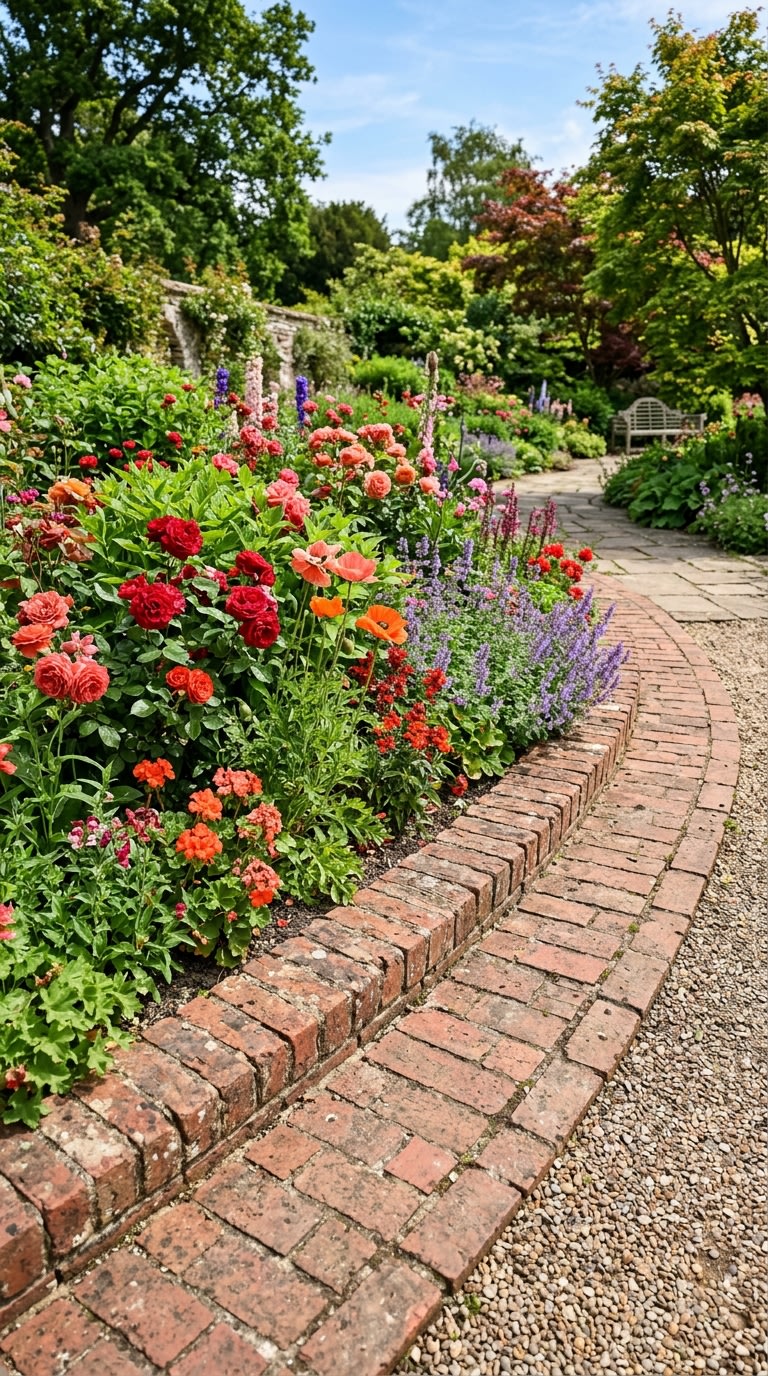
Brick edging is synonymous with classic garden design, offering a timeless look that can complement various gardening styles. The versatility of brick allows you to create straight lines or intricate patterns, making it an ideal choice for both formal and informal gardens. The warm tones of brick also add a sense of warmth and charm to your outdoor space.
When installing brick edging, consider laying the bricks in a herringbone pattern for an eye-catching effect. This technique not only enhances the visual interest but also ensures stability. Furthermore, using a mortar mix can help keep the bricks in place, providing a long-lasting solution that requires minimal maintenance.
Incorporating brick edging can also serve practical purposes, such as creating raised beds for vegetables or flowers. The solid structure of the bricks prevents soil erosion and encourages healthy plant growth. By choosing brick edging, you create a beautiful and functional framework for your garden that stands the test of time.
6. Sleek Concrete Edging for Urban Aesthetics
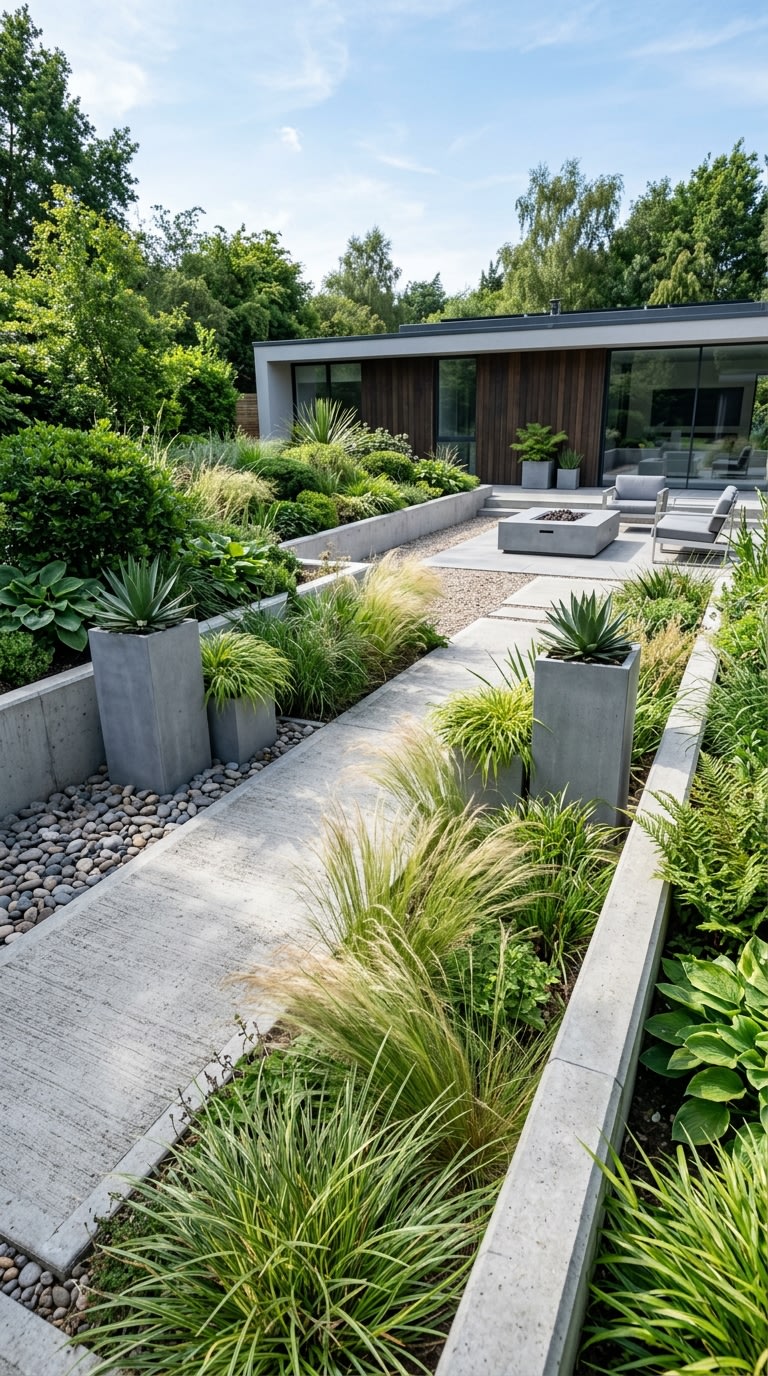
Concrete edging is the epitome of modern landscaping, offering a clean and industrial look that works beautifully in urban settings. This durable material can be molded into various shapes and sizes, allowing for unique designs that enhance your garden’s structure. Concrete edging provides a strong barrier that can withstand the elements, making it a long-lasting choice for any garden.
To create a seamless look, consider using poured concrete or pre-cast concrete blocks. This method allows for smooth curves and straight lines that can define garden beds and pathways. You can also paint or stain concrete to match your garden’s color scheme, providing further customization.
Concrete edging can also contribute to water drainage solutions in your garden, helping to direct rainwater away from sensitive areas. This practical application combined with its sleek appearance makes concrete edging a standout choice for contemporary landscapes. By incorporating concrete, you can achieve a polished and sophisticated look that showcases your unique style.
7. Creative Gravel Edging for a Natural Look
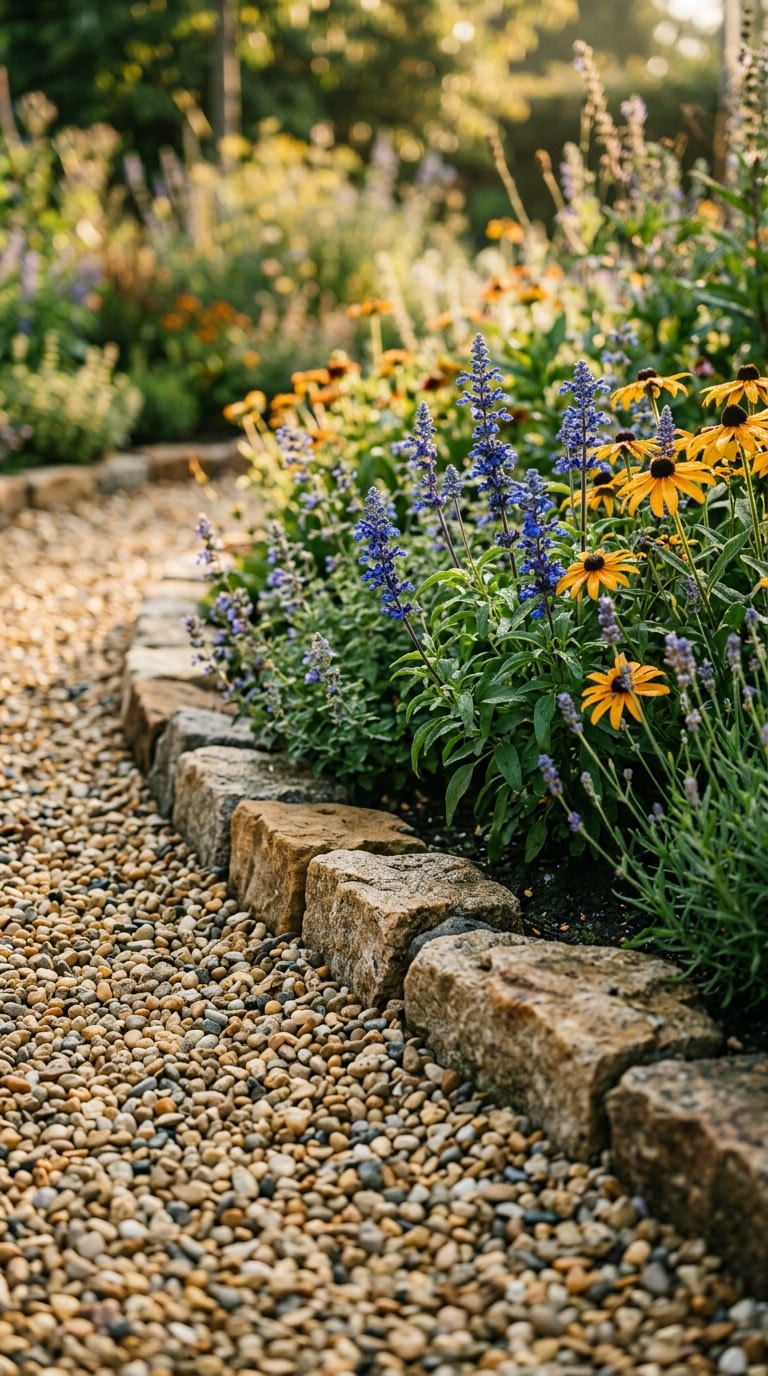
Gravel edging is a fantastic option for those looking to create a natural look in their garden. This eco-friendly choice allows for flexibility in design while providing excellent drainage and weed control. Gravel can be used in various colors and sizes to match your garden’s aesthetic, offering a rustic charm that complements both modern and traditional landscapes.
To create effective gravel edging, consider using a landscape fabric underneath to prevent weeds from growing through. A border made of larger stones can also help contain the gravel, adding a structured element to your design. This method not only looks appealing but also serves a practical purpose, keeping gravel in place and enhancing the overall functionality of your garden.
Gravel edging works beautifully with a variety of plants, from drought-resistant succulents to vibrant wildflowers. This versatility allows you to create a low-maintenance garden that thrives in various conditions. By incorporating gravel edging, you’re not only enhancing the beauty of your landscape but also promoting sustainability and eco-friendliness.
Frequently Asked Questions
What materials are best for garden edging?
The best materials for garden edging depend on your style preference and the specific needs of your garden. Some popular options include stone, wood, metal, and concrete. Stone offers a natural look, while wood provides warmth and rustic charm. Metal edging is sleek and modern, and concrete is durable and versatile.
When choosing materials, consider factors such as durability, maintenance, and aesthetics. For example, if you live in a wet climate, stone or metal may be more suitable due to their resistance to rot and decay. Additionally, think about how the edging will complement your overall landscape design and existing plants.
How do I install garden edging?
Installing garden edging is a straightforward process that can greatly enhance your landscape. Start by marking the desired outline of your edging using string or spray paint. Next, dig a trench that is slightly deeper than the height of the edging material you plan to use. Place the edging material in the trench and secure it in place.
Ensure that the edging is level and properly aligned. Fill in any gaps with soil or mulch to create a seamless transition between the garden bed and the edging. Finally, maintain your edging by regularly checking for any shifts or displacements that may occur over time.
Can I mix different types of edging materials?
Yes, mixing different types of edging materials can create a unique and visually interesting garden design. For instance, you can combine stone and wood for a rustic appearance or use metal and concrete for a modern look. The key is to ensure that the materials complement each other and fit the overall style of your garden.
When mixing materials, pay attention to color palettes and textures. A cohesive design will create a more harmonious appearance, while contrasting materials can add depth and interest. Experimenting with different combinations can lead to innovative and beautiful designs.
What are the benefits of garden edging?
Garden edging offers numerous benefits, including defining spaces, preventing soil erosion, and enhancing the overall aesthetic appeal of your garden. By creating clear boundaries, edging helps organize your outdoor space, making it easier to maintain and enjoy.
Additionally, garden edging can help keep grass and weeds at bay, reducing maintenance efforts. It can also provide a framework for your plants, allowing for better growth and health. Overall, the right edging can elevate your garden’s design while providing practical advantages.
How do I maintain my garden edging?
Maintaining garden edging is essential for keeping your landscape looking its best. Regularly inspect your edging for any signs of wear or displacement, especially after heavy rain or storms. Depending on the material, you may need to clean or reseal it periodically to maintain its appearance.
For wooden edging, check for rot or pest damage and replace any affected sections as necessary. For stone or concrete, pressure washing can help remove dirt and grime. Keeping your edging well-maintained not only enhances aesthetics but also prolongs its lifespan.
Incorporating garden edging into your outdoor space can dramatically enhance its aesthetic appeal while providing practical benefits. From classic stone and charming wood to modern metal and concrete, there are numerous options to choose from that can fit any design style. Each edging type offers unique advantages, allowing you to create a tailored landscape that reflects your personal style.
As you explore these eight garden edging ideas, consider how each option can complement your existing garden design and contribute to a more polished, professionally landscaped appearance. Take the plunge and redefine the boundaries of your garden, creating an inviting space that you can enjoy for years to come.
Leave a Comment